3 Tricks to Make Cleaning Stove Grates Cleaner
Why do stove grates seem to get dirtier faster than any other part of the kitchen? One spill turns into sticky grease, and before long, thick black buildup clings to the metal as if it belongs there.
These grates sit right over heat and food every day, which makes grease harden quickly and traps tiny food bits that are tough to remove with a simple wipe.
This buildup is not just an eyesore; it can also hold germs if ignored. In fact, dirty kitchen surfaces can support bacterial growth when they are not cleaned regularly, especially around cooking areas exposed to heat and moisture.
Thankfully, you don’t need to spend your afternoon scrubbing. You can use common pantry staples to trigger natural reactions that dissolve grease and carbon deposits for you. Here are three ways to get your stove grates shining again without breaking a sweat.
1. Lemon Juice Soak for Natural Degreasing
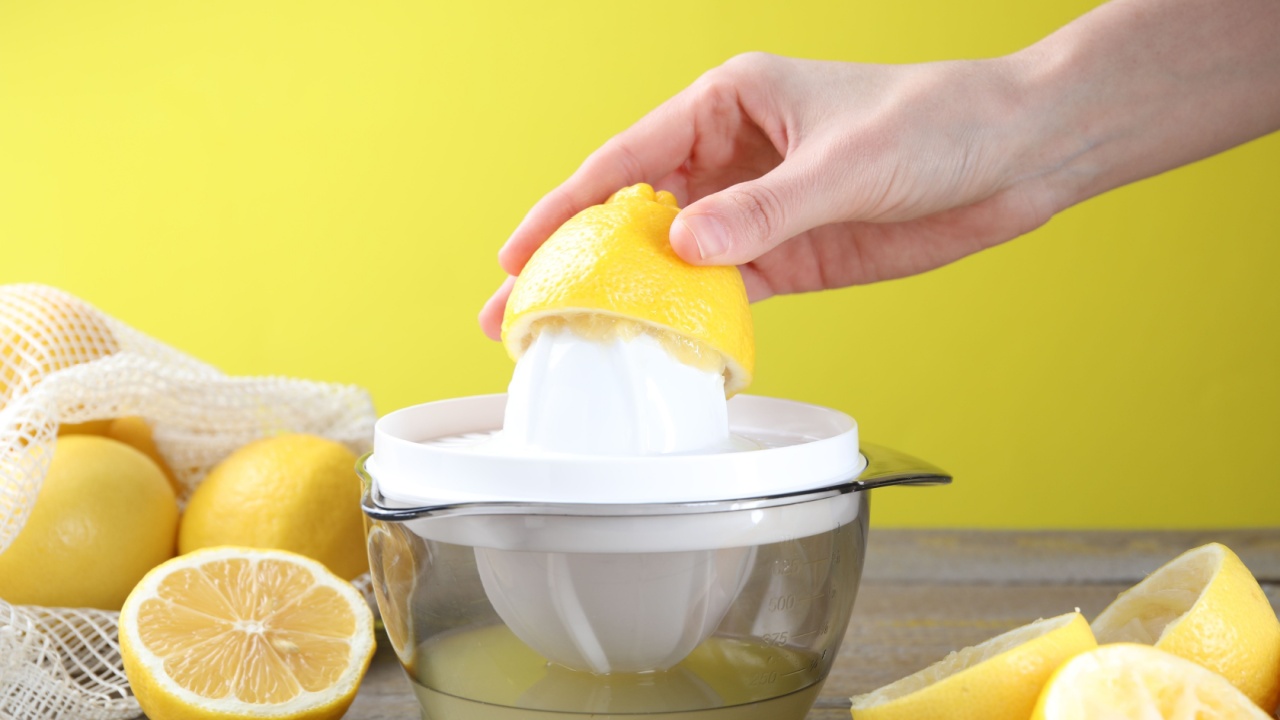
Lemon juice is a simple and natural way to clean stove grates. Lemons contain citric acid, which helps loosen grease and stuck-on food. When you soak grates in warm water mixed with lemon juice, grime becomes softer and easier to scrub away.
This method is gentle, making it great for regular cleaning. Citric acid can reduce bacteria such as E. coli and Staphylococcus aureus on kitchen surfaces while also removing grease. It also leaves the kitchen smelling fresh.
2. Baking Soda Paste for Tough Messes
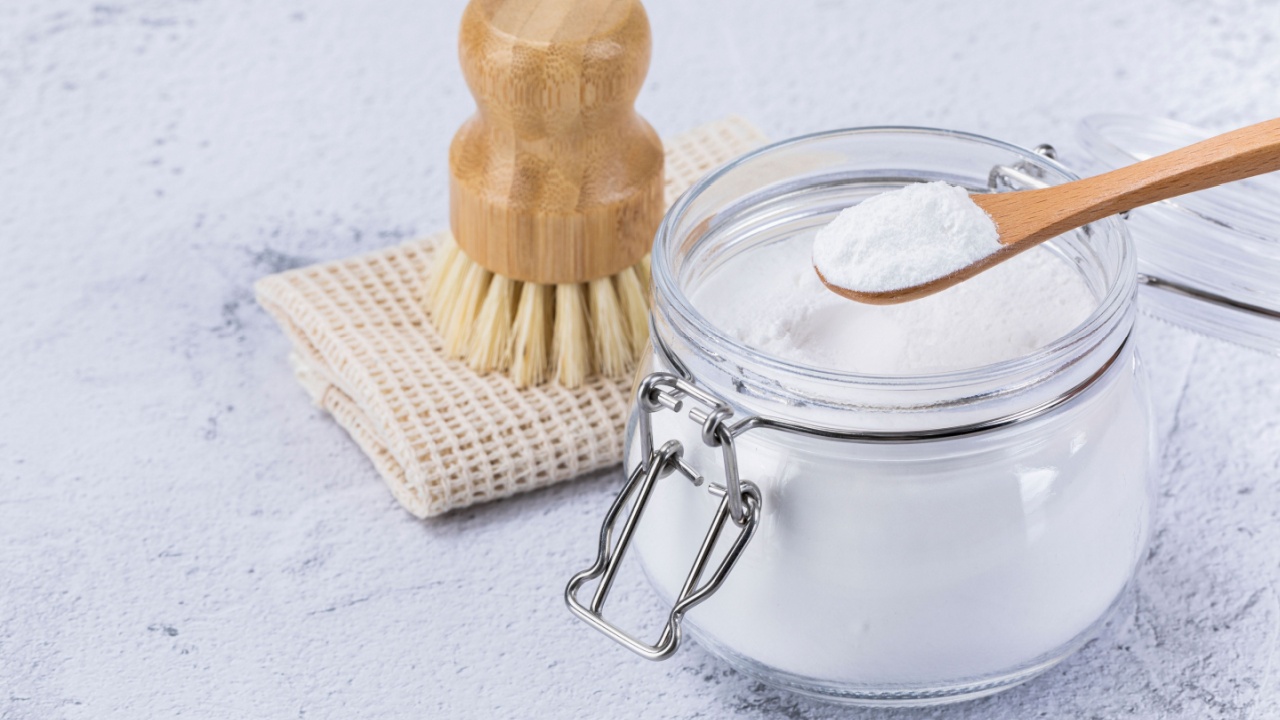
When grease has been sitting for a long time, baking soda paste works well. Mixing baking soda with a little water makes a thick paste that sticks to dirty spots. After sitting for about an hour, the grime becomes much easier to scrub off.
Baking soda is slightly rough, but it won’t damage most stove grates. Experts explain that baking soda helps remove grease because it balances out oily residues, which makes it great for deep cleaning.
3. Vinegar and Hot Water Steam Method
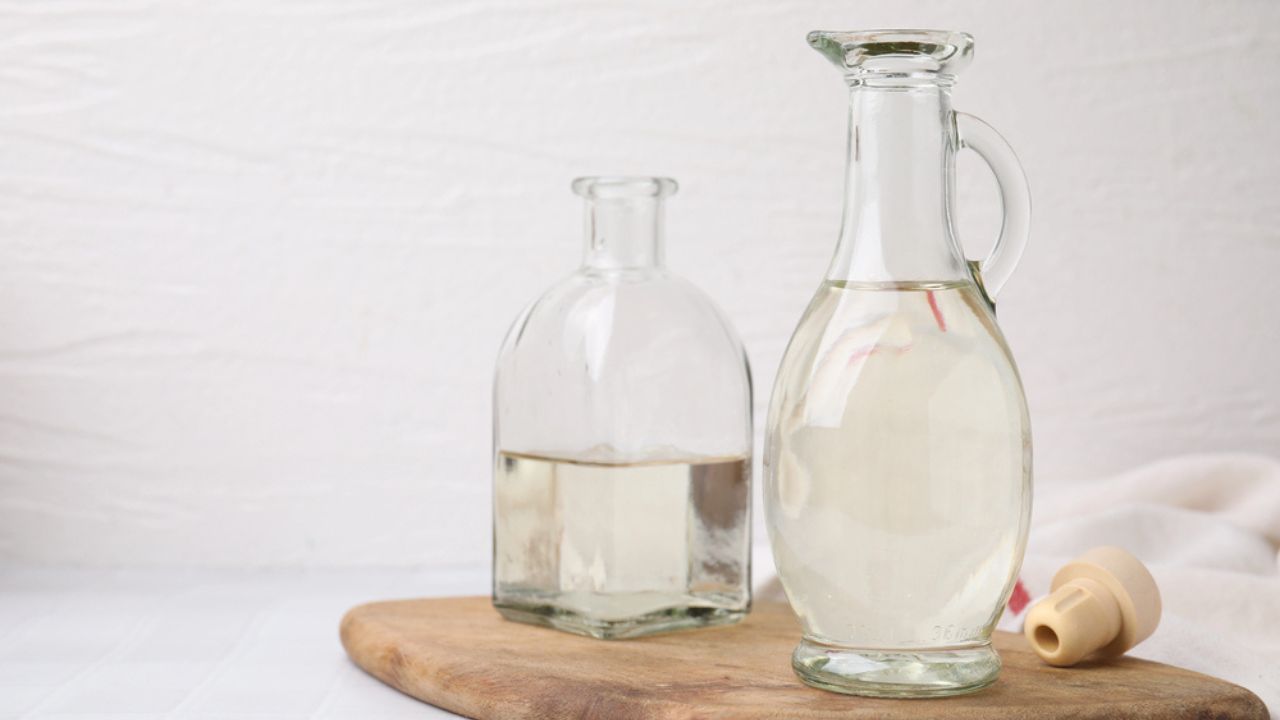
Vinegar works best when heat is added. Pouring hot water mixed with vinegar over stove grates creates steam that loosens grease quickly, making stuck-on food much easier to wipe away. The acid in vinegar helps break down oily buildup, so less scrubbing is needed, and makes cleaning faster.
Although vinegar is not a disinfectant, it is widely recommended by home cleaning experts as an effective, eco‑friendly option for dissolving grease and freshening surfaces. This makes it a practical choice for everyday cleaning when you want results without relying on harsh chemicals.
Small Cleaning Habits Make a Big Difference

Maintaining a clean stove does not have to involve hours of labor or expensive specialty cleaners. These hacks utilize everyday items to break down grease and grime efficiently. Choose the method that best fits the supplies on hand and give the stove a refresh this weekend.
Read more:
Still Doubting Induction Stoves? 5 Game-Changing Reasons to Switch Today