Pests By The Month: A Homeowner’s Guide To The Yearly Pest Calendar
Household pests rarely appear without warning. Most follow seasonal patterns driven by temperature, moisture, and access to food or shelter. Understanding when certain pests are most active helps homeowners prevent problems before they escalate. A yearly pest calendar offers a practical framework for timing inspections, maintenance, and preventive steps that protect comfort and property throughout the year.
Spring: Ants, Termites, and Early Infestations
As temperatures rise, many pests become active after winter dormancy. Ants are often the first noticeable issue, entering kitchens and pantries in search of food and water. Spring is also termite swarming season, making it an important time for exterior inspections.
Sealing cracks, cleaning up food residue, and managing moisture around foundations help reduce early infestations. Addressing issues promptly can prevent pests from establishing colonies indoors.
Summer: Flies, Mosquitoes, and Stinging Insects
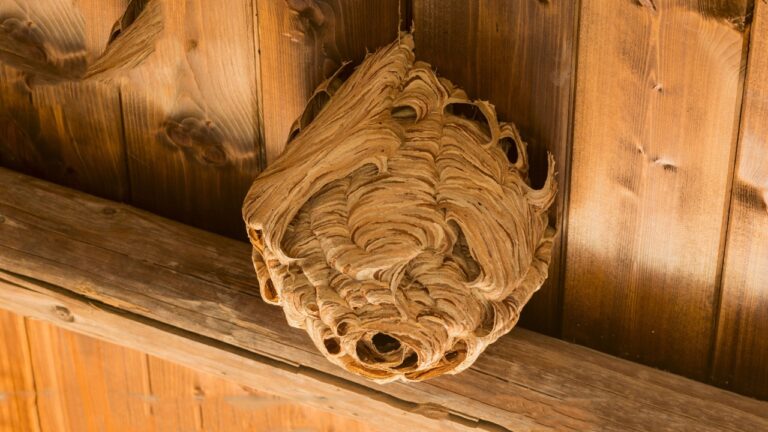
Summer brings peak activity for flying insects. Mosquitoes thrive in standing water, while flies are attracted to trash, pet waste, and uncovered food. Wasps and bees may build nests near eaves, decks, or sheds.
Routine yard maintenance plays a key role during this season. Removing standing water, keeping trash sealed, and trimming vegetation near the home reduces attractants. Screens on windows and doors help limit indoor entry as outdoor activity increases.
Fall: Rodents and Shelter Seekers
As cooler weather approaches, pests begin searching for warm places to spend the winter. Mice and rats are especially active in fall, squeezing through small openings in siding, foundations, or around utility lines.
Fall is an ideal time to focus on exclusion. Sealing entry points, decluttering storage areas, and securing food sources make homes less inviting. Many homeowners consult ant control experts during this period as well, since ant activity can spike again before winter.
Winter: Indoor Pests and Hidden Activity
Outdoor pest activity slows in winter, but indoor problems can persist. Rodents that entered earlier remain active, and insects such as cockroaches may thrive in warm, undisturbed areas.
Winter inspections focus on basements, attics, and crawl spaces. Reducing clutter, maintaining cleanliness, and monitoring for signs of activity help limit long-term issues during colder months.
Year-Round Prevention Habits
Certain practices support pest prevention throughout the year. Managing moisture, storing food securely, and maintaining exterior structures reduce risk regardless of season. Regular home maintenance often prevents the conditions pests need to survive.
Professional inspections can also identify vulnerabilities early, especially in older homes or properties with a history of infestations.
A yearly pest calendar helps homeowners stay proactive rather than reactive. By aligning prevention efforts with seasonal pest behavior, households can reduce infestations, protect property, and maintain a more comfortable living environment all year long. Look over the infographic below to learn more.