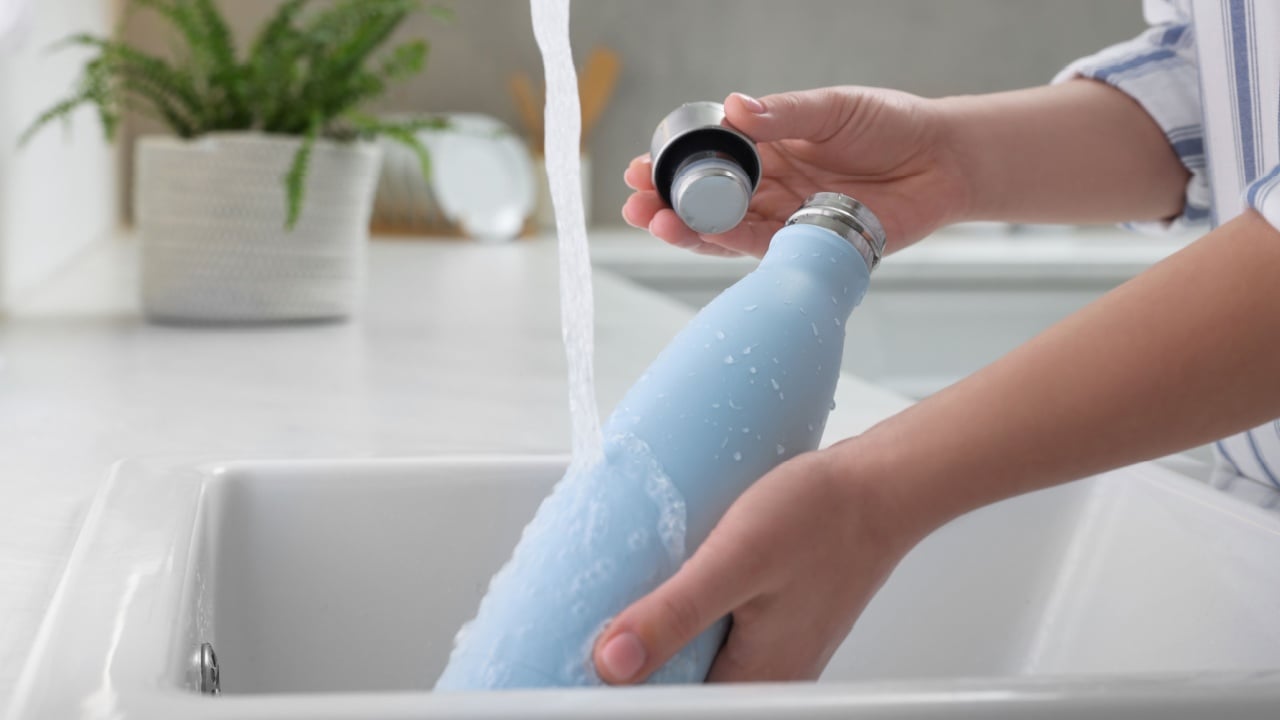
How to Get Stinky Grime Out of Your Water Bottle
Ever notice a once-reliable water bottle picking up a fuzzy film and a smell that rinsing cannot touch? That usually starts when moisture lingers in warm grooves around the lid or seal, giving mold a quiet place to settle.
The good news is that this mess clears up fast with common kitchen staples like vinegar and baking soda. A few focused steps can strip away buildup, clear the odor, and bring the bottle back to clean, neutral-tasting water. The sections below walk through what works and why, so each clean lasts longer and stays simple.
1. Vinegar Soak
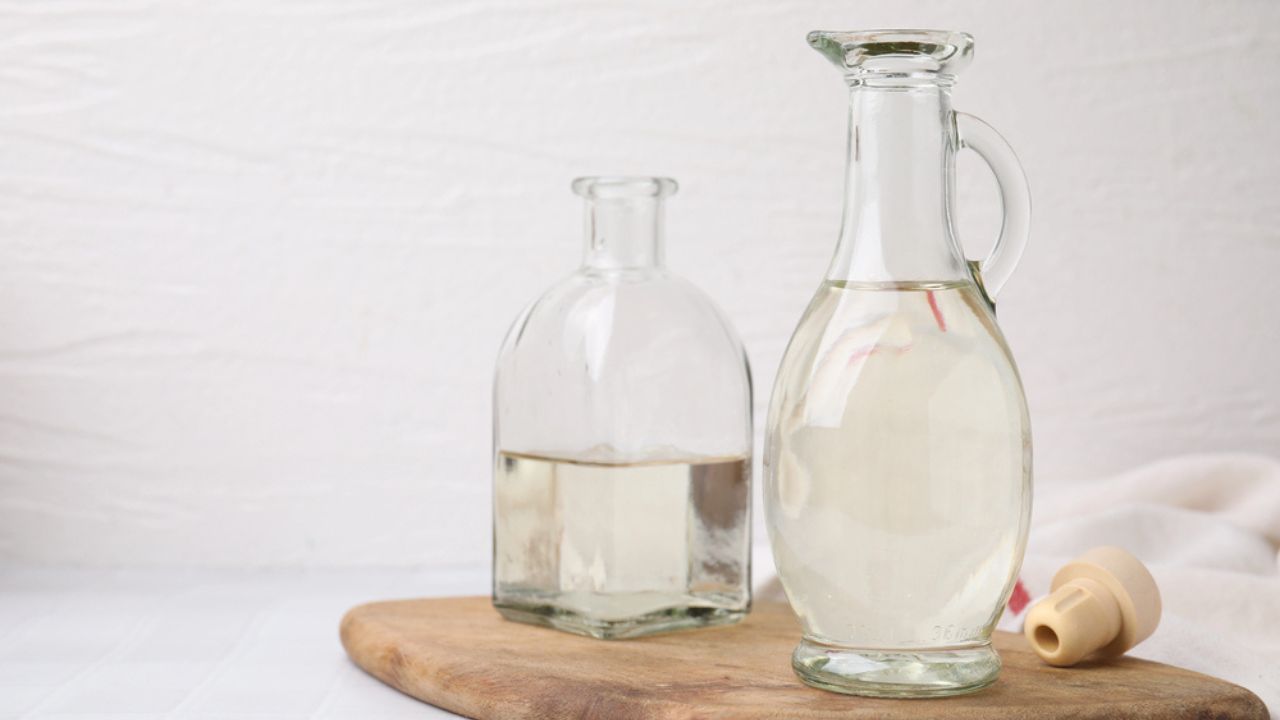
White vinegar wields acetic acid to wipe out many species of mold spores and dissolve sticky biofilm. Pour equal parts distilled white vinegar and warm water to fill halfway, cap loosely, shake hard, and park it overnight.
Next morning, scrub with hot soapy water and a bottle brush on every nook of the lid, straw, and seams; vinegar leaves no harsh traces on plastic or steel. Rinse under hot running water until fresh, then air dry upside down on a rack. Folks love this for its pantry availability and gentle fizz on grime without scratching surfaces.
2. Baking Soda Scrub
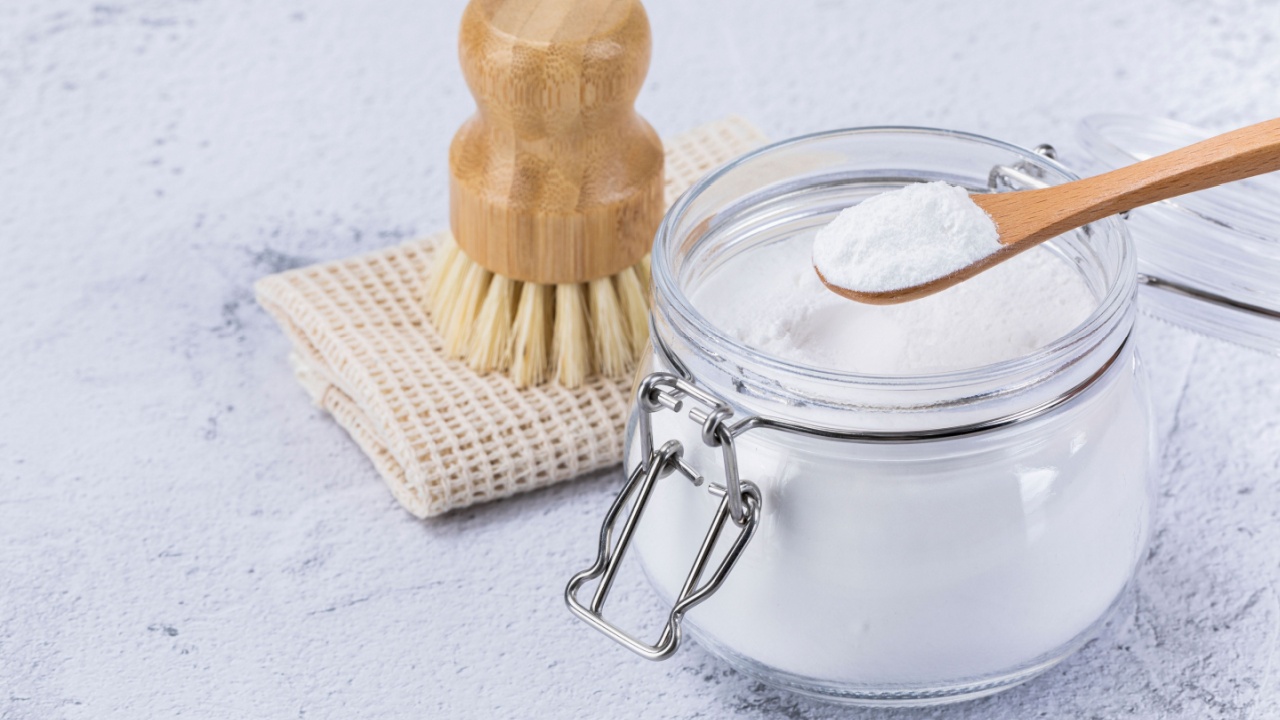
Baking soda scrubs as a mild abrasive while sucking up odors from tiny cracks. Stir up a thick paste with baking soda, a squirt of dish soap, and water, then attack the interior, lid, and mouthpiece with a stiff brush. Splash in vinegar for a bubbly boost, wait 30 minutes as it foams away residue, and flush with scalding water.
This duo neutralizes smells that vinegar alone misses, perfect for silicone seals prone to trapping funk. Follow with a full air dry to dodge regrowth.
3. Bleach Solution
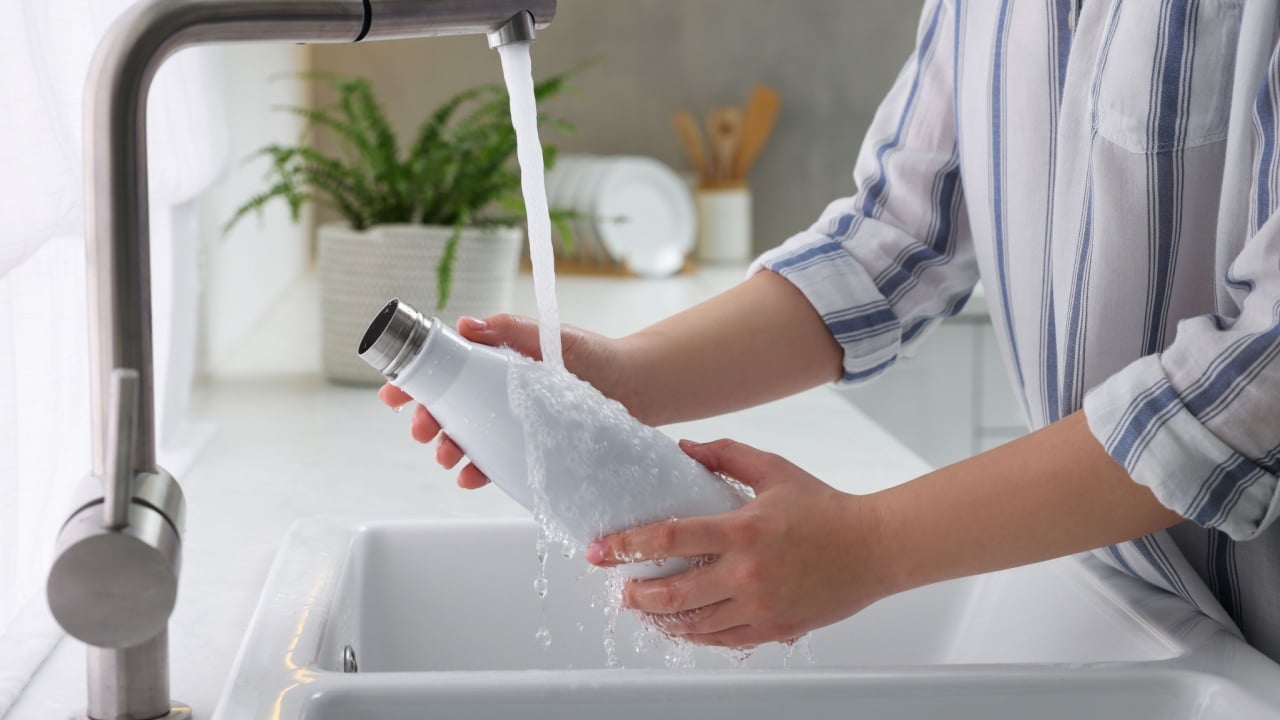
Bleach blasts mold via oxidation, zapping stains and odors in tight corners. Mix 1 tablespoon unscented bleach into 1 cup hot water, top off the bottle, shake like mad, and soak 1-2 hours or overnight. Dump it out, chase with three full rinses of hot soapy water, sniffing each time till the bleach fades.
Reserve for stainless steel or tough plastics, as it powers through black mold patches that others skip. Always dry fully before stashing.
4. Hydrogen Peroxide Treatment
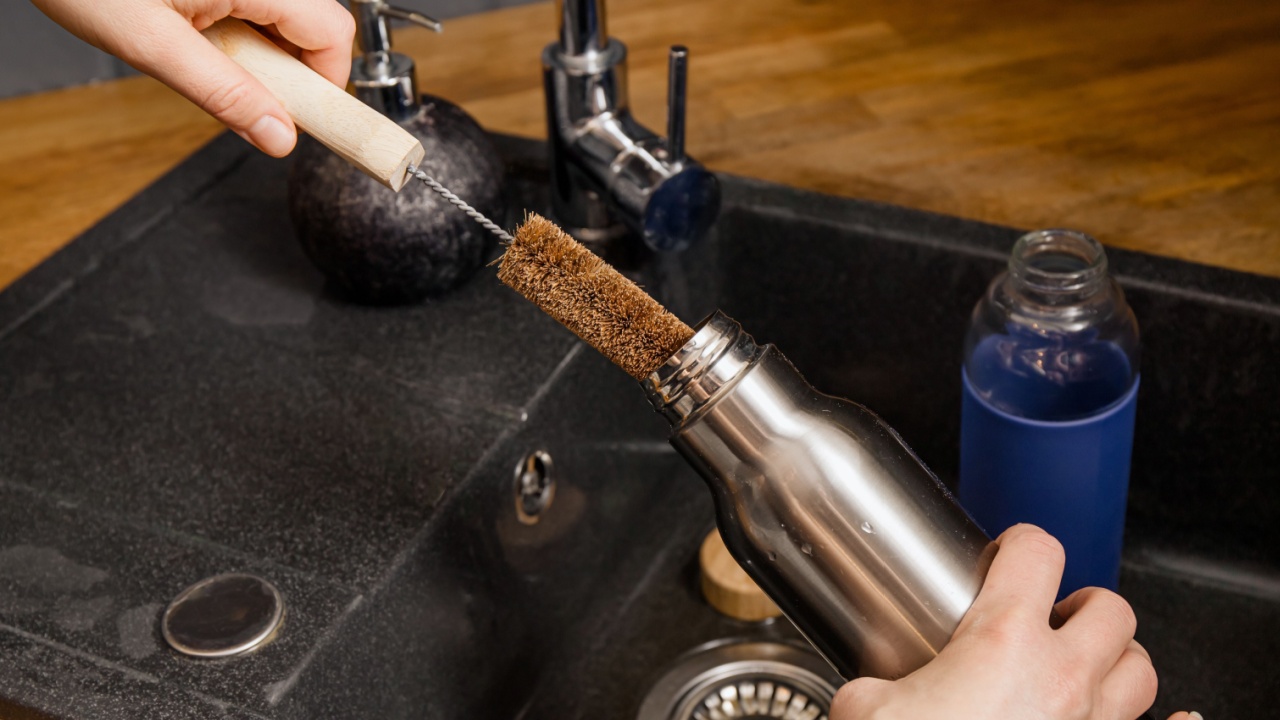
Hydrogen peroxide bubbles organic gunk into oblivion as a fizzing antiseptic. Fill with 3% hydrogen peroxide, shake to coat, and let sit overnight uncapped. Brush with soapy water post-soak, rinse clean, and repeat if slime persists.
Odorless and vinegar-free, it shines on colored bottles without fading. Pair with sunlight drying for UV mold-killing bonus.
5. Rice Rinse
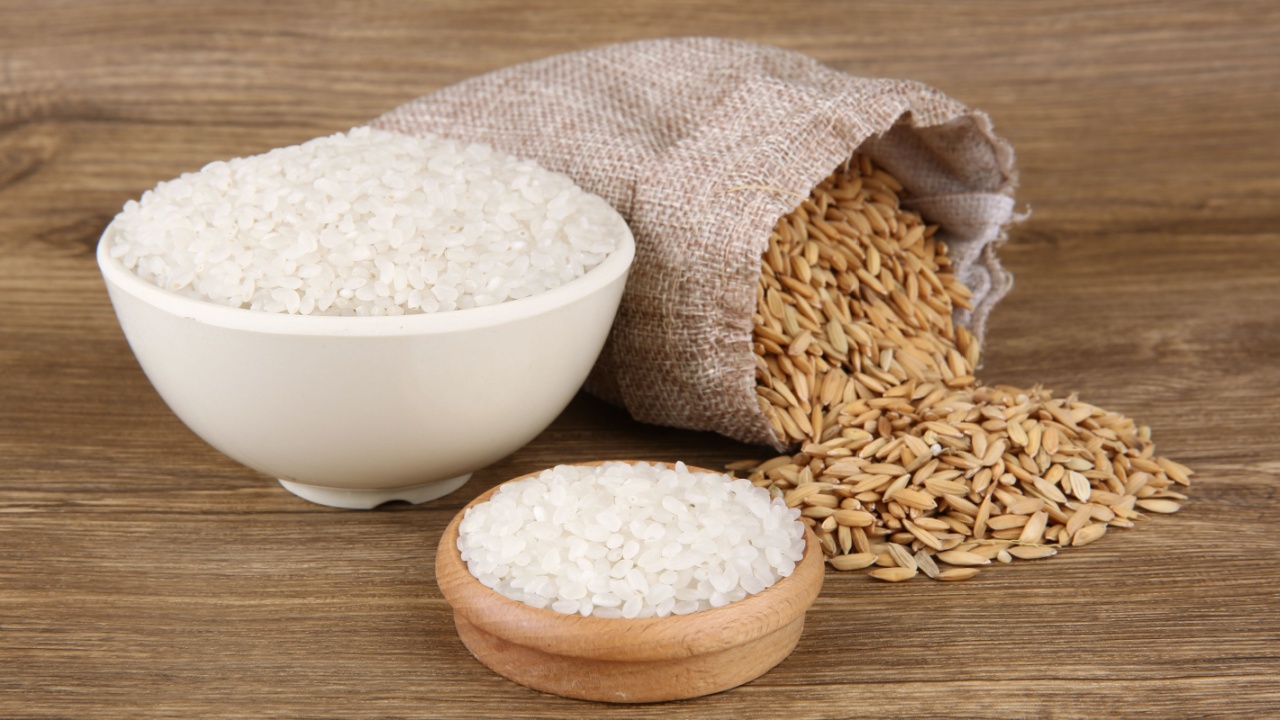
Uncooked rice acts as a natural scrubber, grinding off film when shaken with soapy water. Add 1/4 cup rice, hot water, and dish soap, cap tightly, and shake vigorously for 2 minutes like a cocktail mixer. Rinse rice bits away and brush remnants.
Budget-friendly and chemical-free, rice tackles textured interiors where brushes falter. Ideal for quick touch-ups between deep cleans.
Keeping It Clean Going Forward
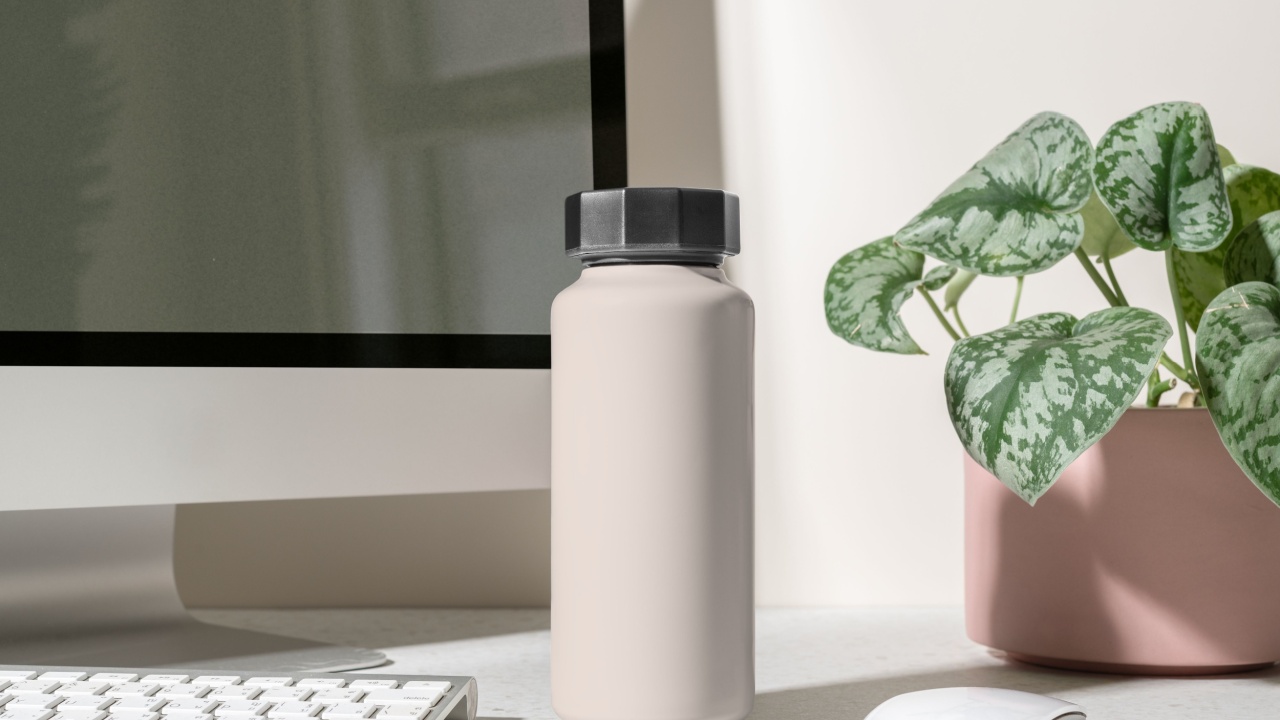
A clean bottle stays clean when moisture has nowhere to settle. Wash bottles daily if used for anything besides plain water. Dry bottles and lids separately with the cap off. Store with airflow rather than sealed shut. Once a week, give lids and seals extra attention before odors have a chance to settle in.
Handled this way, mold and smell stop being a repeat problem, and water stays fresh without extra effort.
Read more:
Forget Spring Cleaning— Speed Cleaning Will Change Your Life (and Save You Money)