4 Shrubs Worth Adding to Your Yard for Edible Landscaping
Why settle for just a pretty view when your garden can offer a delicious snack, too? Edible landscaping is the perfect way to make your outdoor space work double duty, providing stunning visuals while filling your pantry with fresh, homegrown produce.
By integrating food-producing plants into your ornamental design, you create a landscape that is as functional as it is beautiful. Whether you are looking to add structure, color, or just a tasty treat to your yard, these four shrubs offer the perfect starting point for an edible oasis that delights all the senses.
1. Blueberry Bush
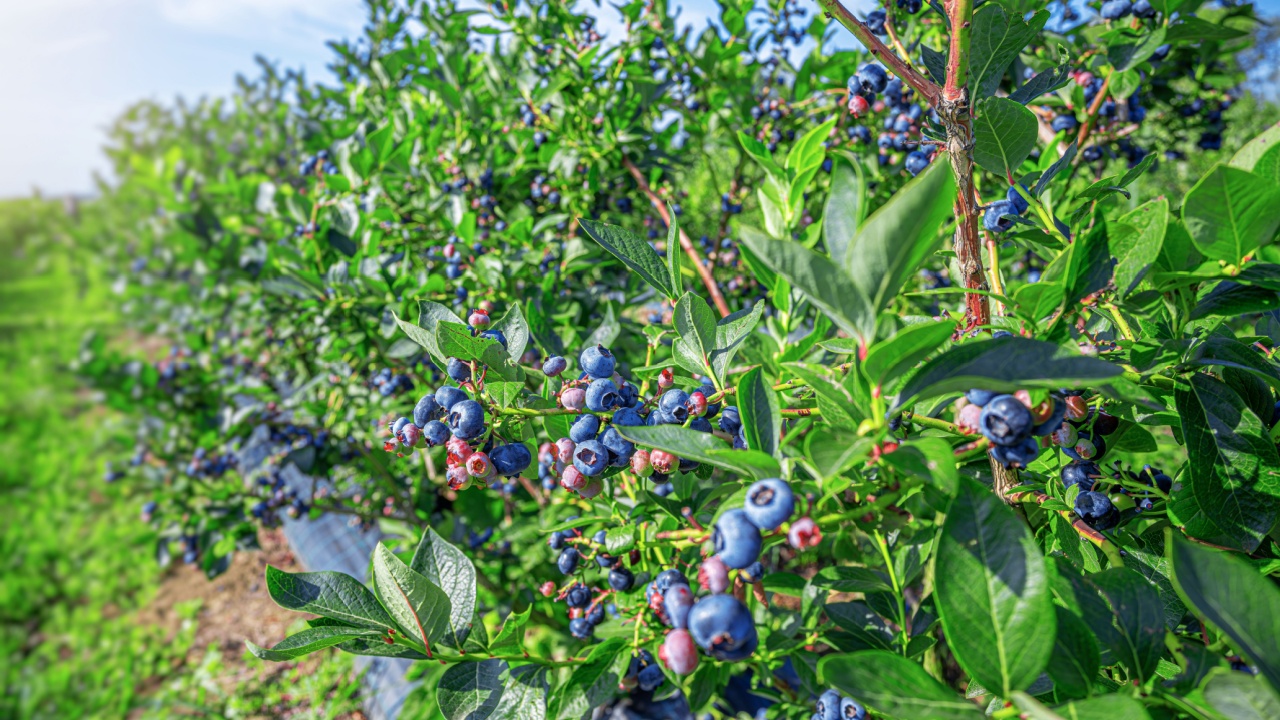
Blueberry bushes are the heavy hitters of the edible landscape world. In spring, they are covered in delicate, bell-shaped white or pink flowers that pollinators adore. Come summer, those blooms give way to clusters of sweet, antioxidant-rich berries. To top it off, the leaves turn a brilliant crimson in the fall, offering three seasons of visual interest.
Blueberries are versatile and easy to grow, whether as a hedge, in a mixed border, or in containers. They thrive in acidic soil (pH 4.5-5.5) and need full sun and consistent moisture. Planting multiple varieties improves pollination and increases your harvest. Fresh blueberries right from your garden are a delicious treat!
2. Elderberry Shrub
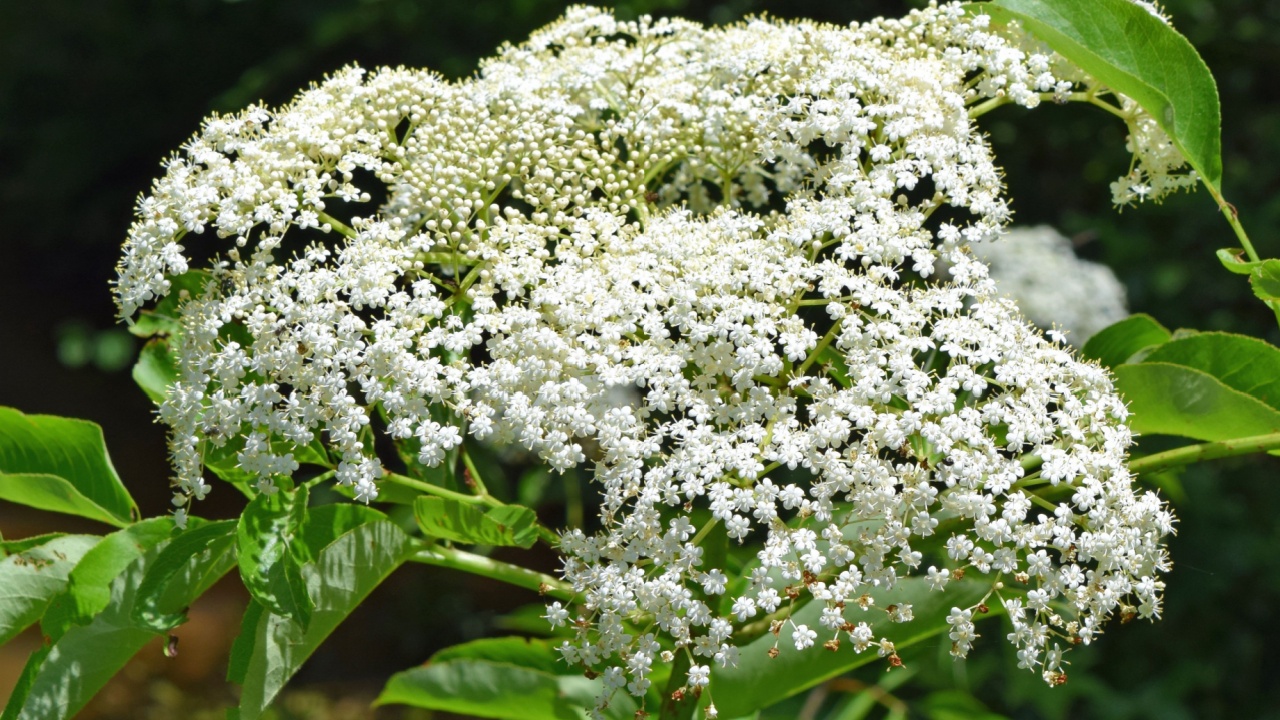
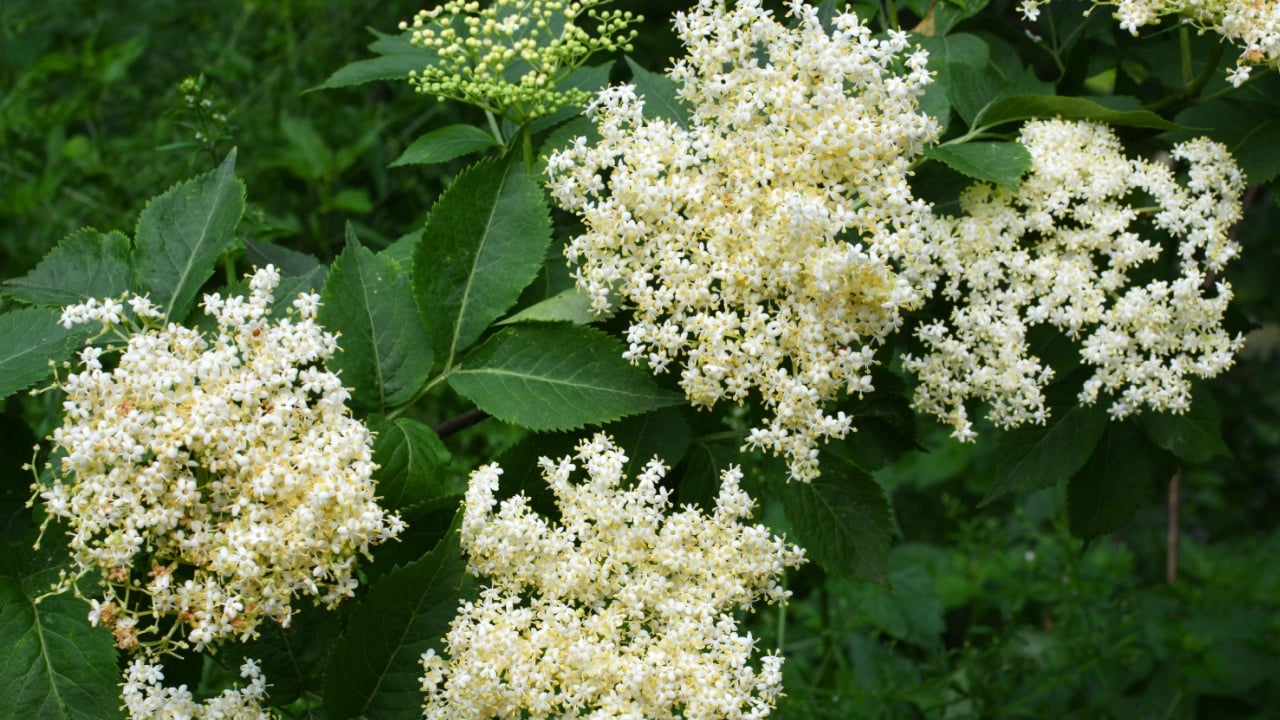
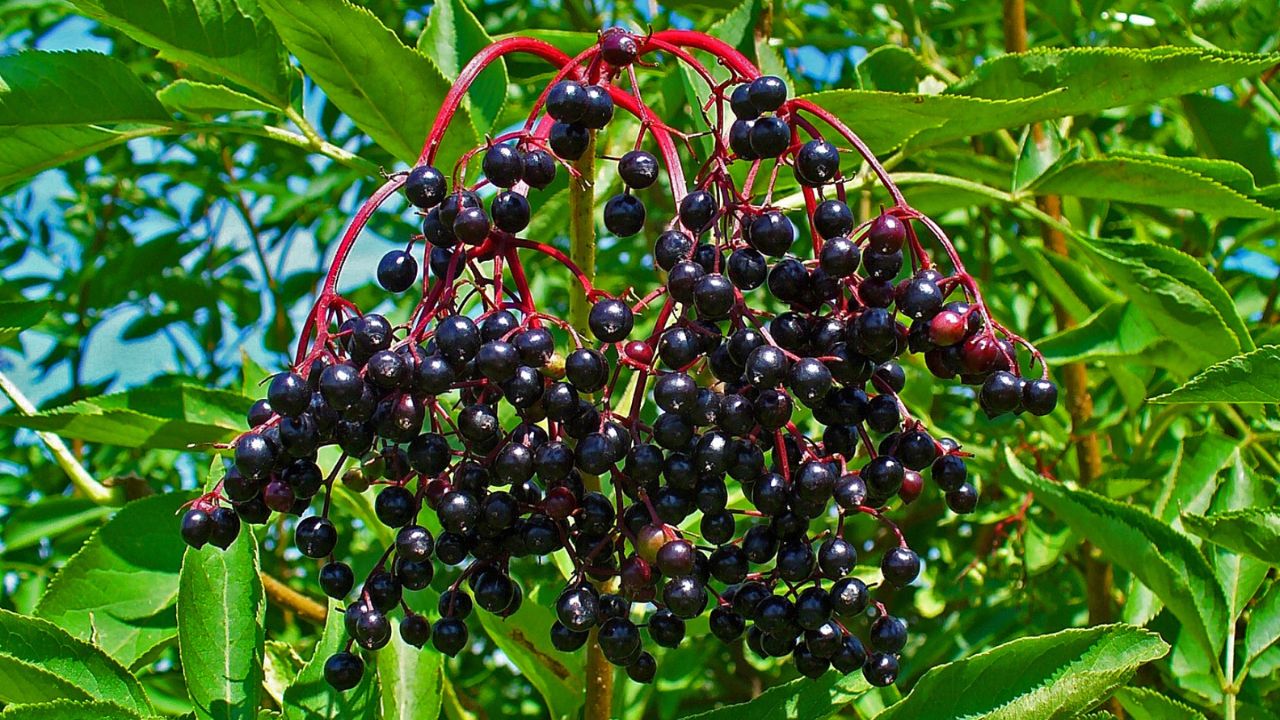
If you want a plant that brings wildlife and wellness to your yard, the elderberry is a fantastic choice. These vigorous growers produce large, flat-topped clusters of creamy white flowers in early summer, followed by drooping bunches of dark purple-black berries. Both the flowers and berries are edible when cooked, popularly used for syrups, jams, and wines known for their immune-boosting properties.
Elderberries grow quickly, making them ideal for creating a natural screen in your garden. Their lush foliage adds a tropical feel, and they tolerate wet soil well. Give them plenty of room to spread out (up to 12 feet tall and wide) in a spot with full sun to partial shade. Prune dead canes in late winter to encourage new growth. Remember to always cook the berries before eating, as they can be toxic when raw.
3. Rosemary
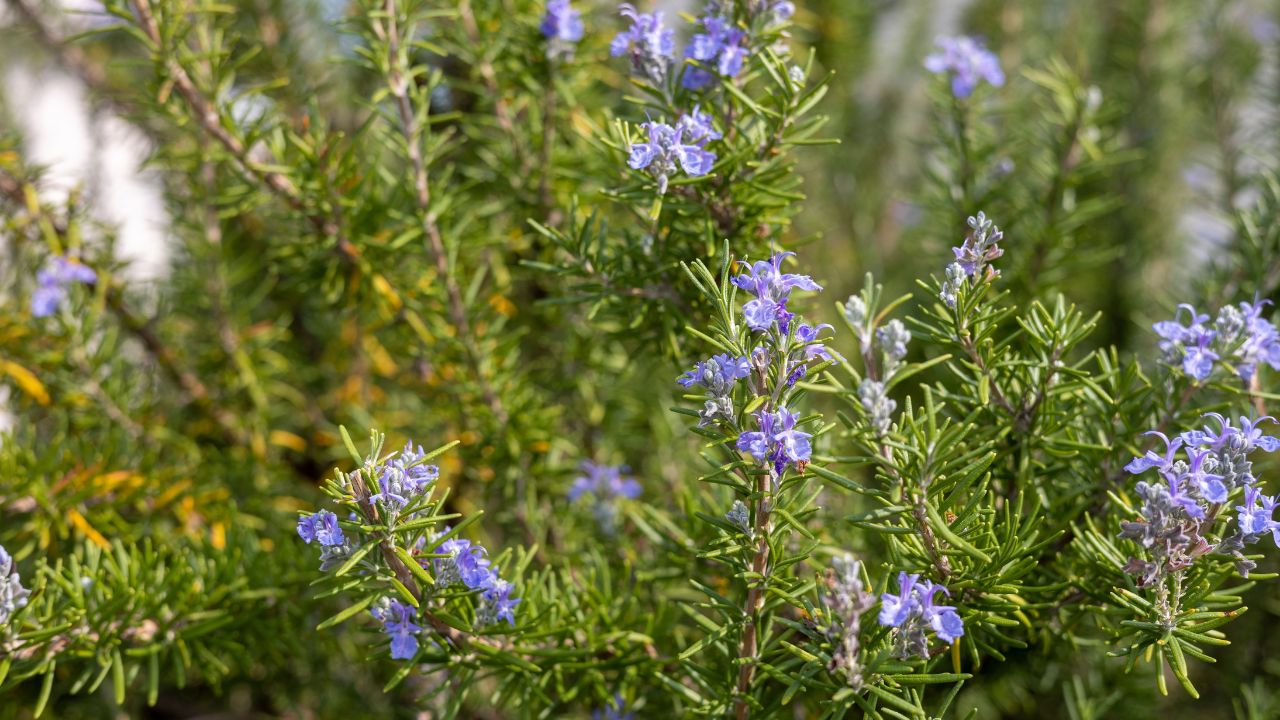
While often thought of as a small herb, rosemary can grow into a substantial, woody shrub in warmer climates (zones 8 and up). Its needle-like, evergreen foliage is highly aromatic and provides a steady supply of fresh herbs for your kitchen year-round. In late winter or early spring, it produces lovely blue, purple, or pink flowers that bees absolutely love.
Rosemary is a hardy, drought-tolerant plant that thrives in sunny, dry areas and adds Mediterranean charm to any garden. Plant it in full sun with well-draining soil and prune lightly after flowering to maintain its shape. In colder climates, grow it in a pot you can bring indoors. Regular harvesting keeps it healthy and bushy.
4. Serviceberry

Also known as Juneberry or Saskatoon berry, the serviceberry is a true four-season delight. It kicks off spring with clouds of star-shaped white blossoms before the leaves even fully unfurl.
In early summer, it produces berries that look like blueberries but taste like a mix of sweet cherry and almond. Fall brings spectacular orange and red foliage, and its silvery-gray bark adds interest to the winter landscape.
Ready to Dig In?
Transforming your yard into an edible paradise is a rewarding project that pays off in flavor and beauty. Start by assessing your sunlight and soil conditions, then pick one or two of these shrubs to get going. Even adding just a few blueberry bushes or a patch of rosemary can change the way you interact with your garden.