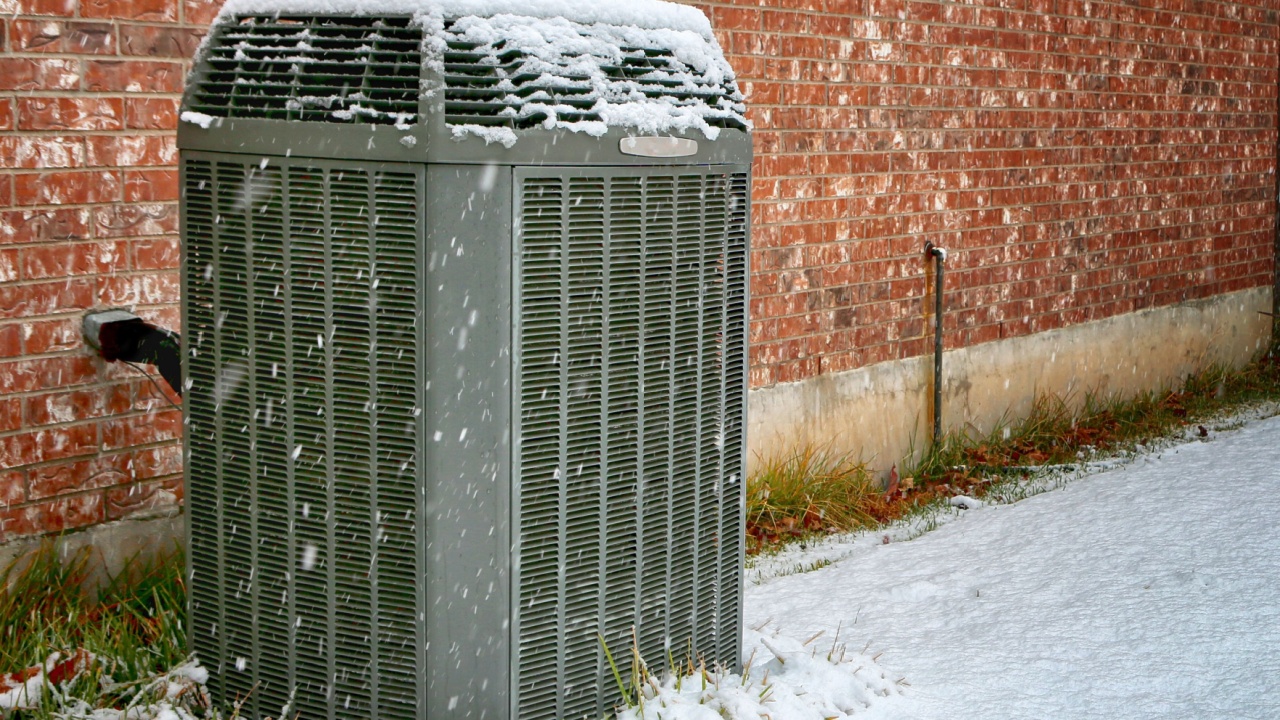
5 Tips to Protect the AC Unit All Winter
As the temperature drops and we start trading iced teas for hot cocoa, it’s easy to forget about the appliance that kept us cool all summer: the air conditioner. But just because it’s out of sight (or at least, out of use) doesn’t mean it should be out of mind. Ignoring your AC unit during the colder months can lead to expensive repairs or even a full replacement come spring.
Winterizing your AC is less about doing a massive overhaul and more about taking a few smart, preventative steps. These measures protect your unit from harsh elements like ice, snow, and nesting pests, ensuring it’s ready to perform when the heat returns.
Here are five practical ways to safeguard your investment this season. And if you haven’t done these yet because it’s been a warm season in your area, it’s not too late!
1. Cover Your AC Unit (But Do It Right)
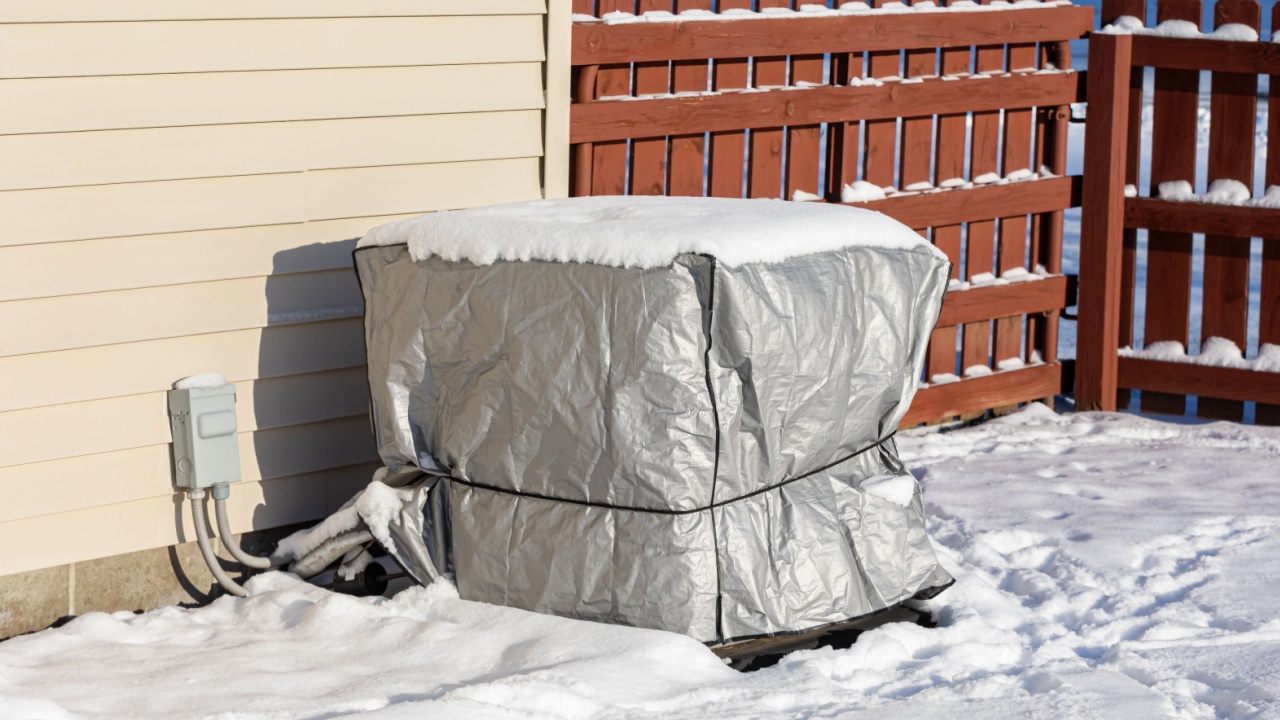
While it might seem logical to wrap your AC unit up tight like a holiday gift, airflow is actually crucial. Using a breathable cover or tarp is the best way to shield the unit from snow, ice, and freezing rain without trapping moisture inside. If you seal it too tightly with non-breathable material, condensation can build up on the internal components, leading to rust and mold.
A great trick is to place a piece of plywood on top of the unit before adding the cover, weighing it down with a brick. This creates a sturdy shield against falling icicles or heavy branches while keeping the sides breathable.
2. Build a Simple Protective Structure
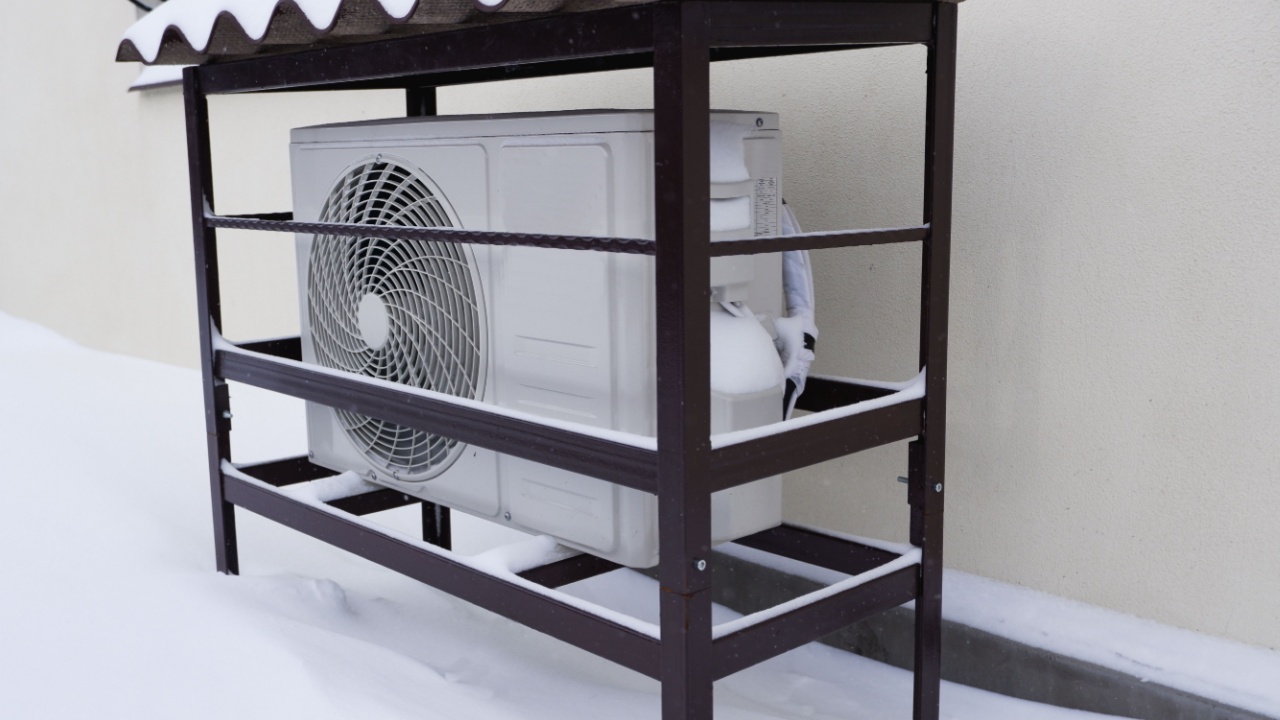
If you want to take protection a step further, consider building a dedicated shelter for your external unit. A simple wooden frame with a roof can act as a permanent shield against heavy snowfall and debris. This doesn’t need to be an architectural marvel; it just needs to be sturdy enough to deflect falling ice and snow accumulation.
The beauty of a dedicated structure is that it maintains excellent airflow year-round, which is vital for the unit’s longevity. Just make sure the structure provides ample clearance on all sides so the unit can breathe and technicians can access it easily for maintenance. If your area experiences heavy snowfall, you’ll likely want to still cover the structure, too.
3. Schedule a Pre-Winter Professional Check-Up

Before the deep freeze sets in (or even if it has), it’s wise to call in the pros. A professional maintenance check is the best way to spot minor issues, like worn belts or low refrigerant, before they turn into major headaches.
Technicians can clean the internal components that are hard to reach and test the system to ensure it shuts down in good condition.
Think of this as a physical for your AC. You wouldn’t run a marathon without training, and you shouldn’t let your AC sit dormant for months without ensuring it’s healthy first.
4. Thoroughly Clean the Exterior
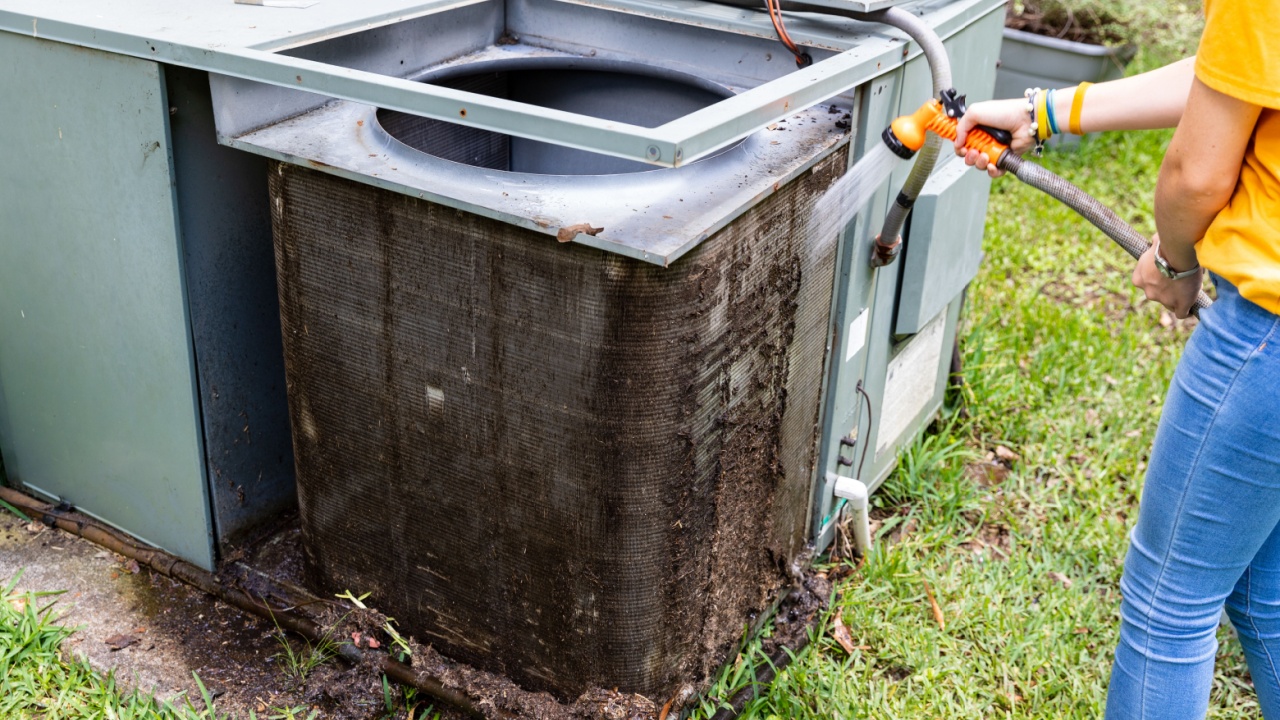
It might be tempting to just throw a cover on and call it a day, but trapping dirt and debris inside your unit for months is a recipe for trouble. Leaves, grass clippings, and twigs can hold moisture against metal parts, accelerating corrosion. Plus, organic matter is an inviting nesting material for mice and other pests looking for a winter home.
Take some time to clear the area around the base of the unit. Use a hose to gently wash down the exterior fins (being careful not to bend them) and wipe down the casing. A clean unit is a happy unit.
5. Shut Down Power Completely

One of the simplest yet most effective steps you can take is to cut the power to your AC unit entirely. Most outdoor units have a dedicated shut-off box nearby, or you can flip the switch at your main circuit breaker. This prevents the unit from accidentally turning on during a freak warm spell, which can damage the compressor if it tries to run with oil that hasn’t warmed up properly.
Additionally, cutting the power eliminates any “vampire” energy usage and removes the risk of electrical damage during winter lightning storms or power surges.
It’s a good idea to put a reminder note on your thermostat so you remember to flip it back on in the spring.
Ready for Spring?
Taking these few precautionary steps now can save you a world of frustration when the flowers start blooming. By keeping your AC unit clean, covered, and professionally checked, you make sure that your home stays cool and comfortable for years to come.