6 Kitchen Designs That Are Completely Impractical
A beautiful kitchen on social media is one thing; a functional kitchen is another. We’ve all drooled over those glossy magazine spreads with pristine countertops and layouts that seem to stretch for miles. But what happens when those picture-perfect designs meet the chaotic reality of trying to get dinner on the table on a Tuesday night? Suddenly, that stunning layout can become your biggest culinary enemy.
Certain designs look great in photos but create frustrating obstacles when you are actually cooking. Here are some popular kitchen features that can surprisingly make your time at the stove a lot more difficult.
1. Disregarding the Work Triangle
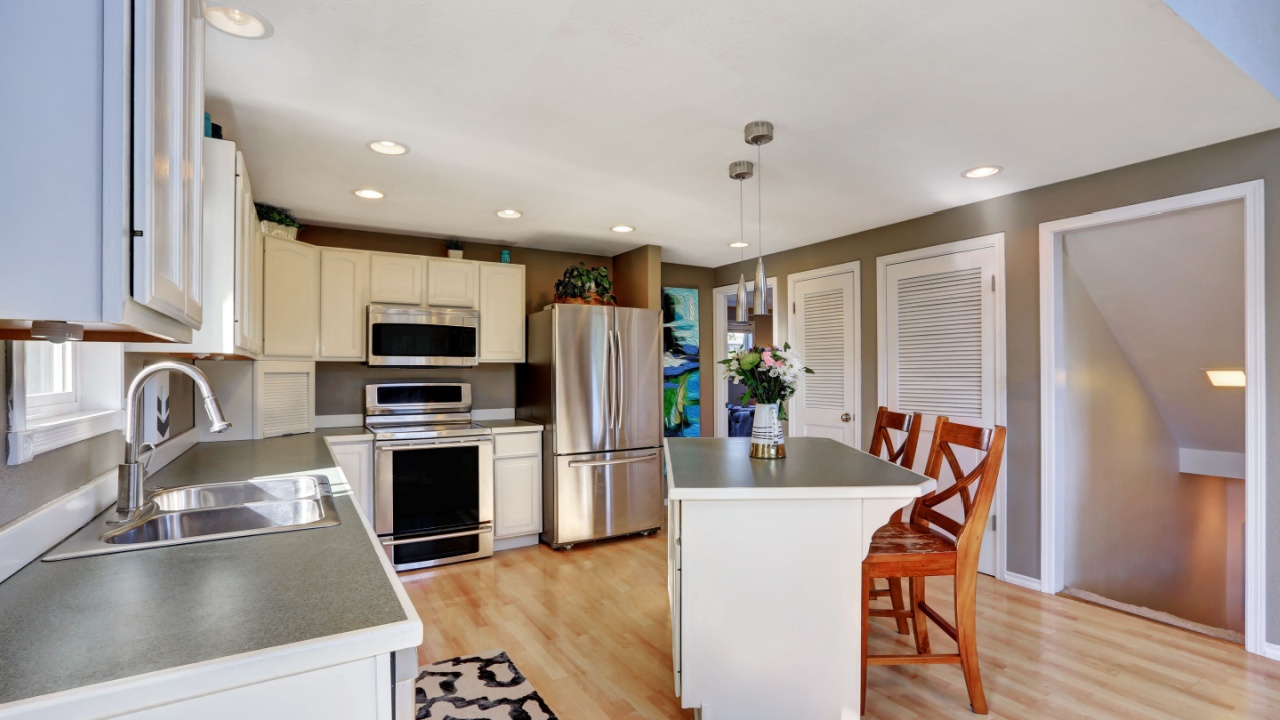
The kitchen work triangle is a concept that connects the three main work areas: the sink, the refrigerator, and the stove. The idea is that these three points should be close enough to one another to allow for an easy flow of movement, but not so close that the space feels cramped. When a kitchen design ignores this fundamental principle, cooking becomes an unnecessary workout.
Imagine having your refrigerator on one end of a long galley kitchen and your stove on the complete opposite end, with the sink somewhere in the middle. You’ll spend your prep time walking laps, carrying dripping vegetables from the sink to a distant counter, and then trekking back to the fridge for that one ingredient you forgot. An inefficient triangle leads to wasted steps, spills, and a general feeling of being disorganized. The ideal distance between any two points of the triangle is between four and nine feet. Anything more, and you are running a marathon. Anything less, and you are tripping over your own feet.
2. Double Islands or Islands with Sinks
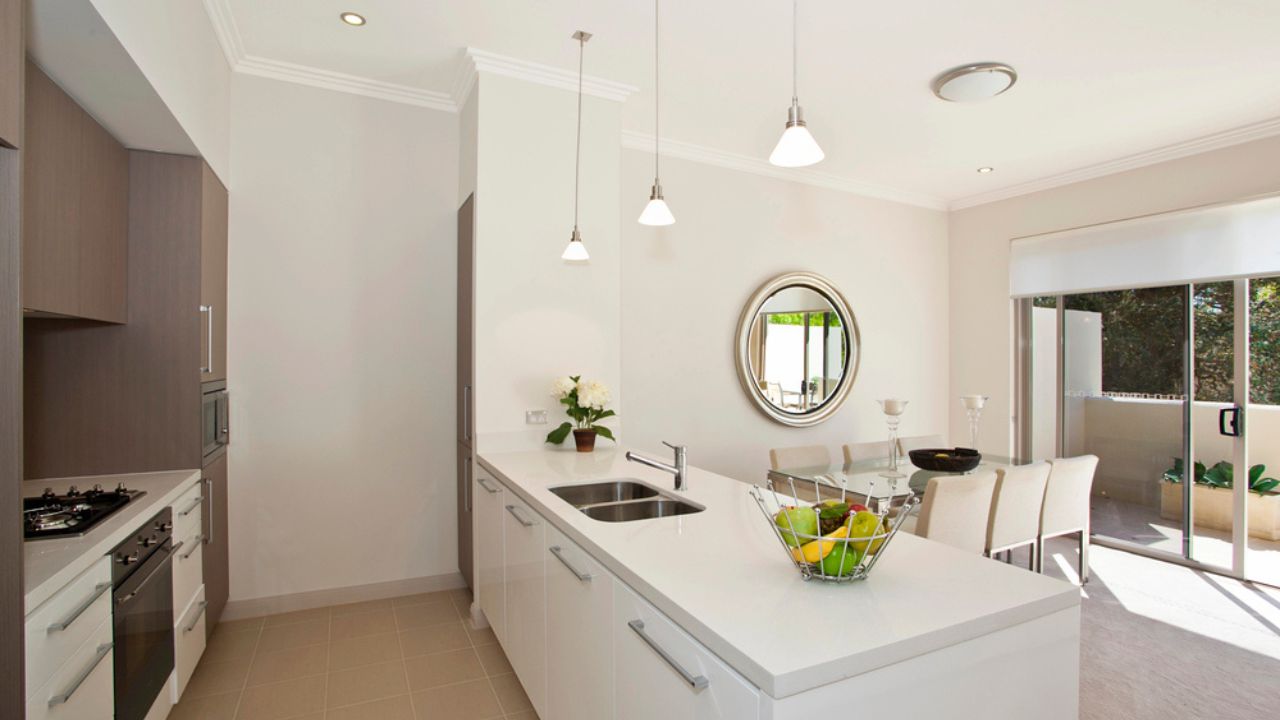
An island can be a fantastic addition to a kitchen, offering extra prep space, storage, and a place for people to gather. So, two islands must be twice as good, right? Not always. Double islands can chop up a kitchen’s flow, creating awkward pathways and barriers. Instead of a single, open thoroughfare, you now have to navigate a maze just to get to the oven. This arrangement often complicates the work triangle, forcing you to circle around a large obstacle.
Placing a sink in the island can also present challenges. While it seems practical for washing vegetables or rinsing dishes, it often turns your beautiful island into a permanent home for a dish rack and a collection of wet sponges. Water tends to splash onto the surrounding counter, limiting its use for other tasks like rolling out dough or laying out ingredients. It also means dirty dishes become the centerpiece of your kitchen, which might not be the look you want when guests are seated at the island.
3. Open Shelving Next to the Range
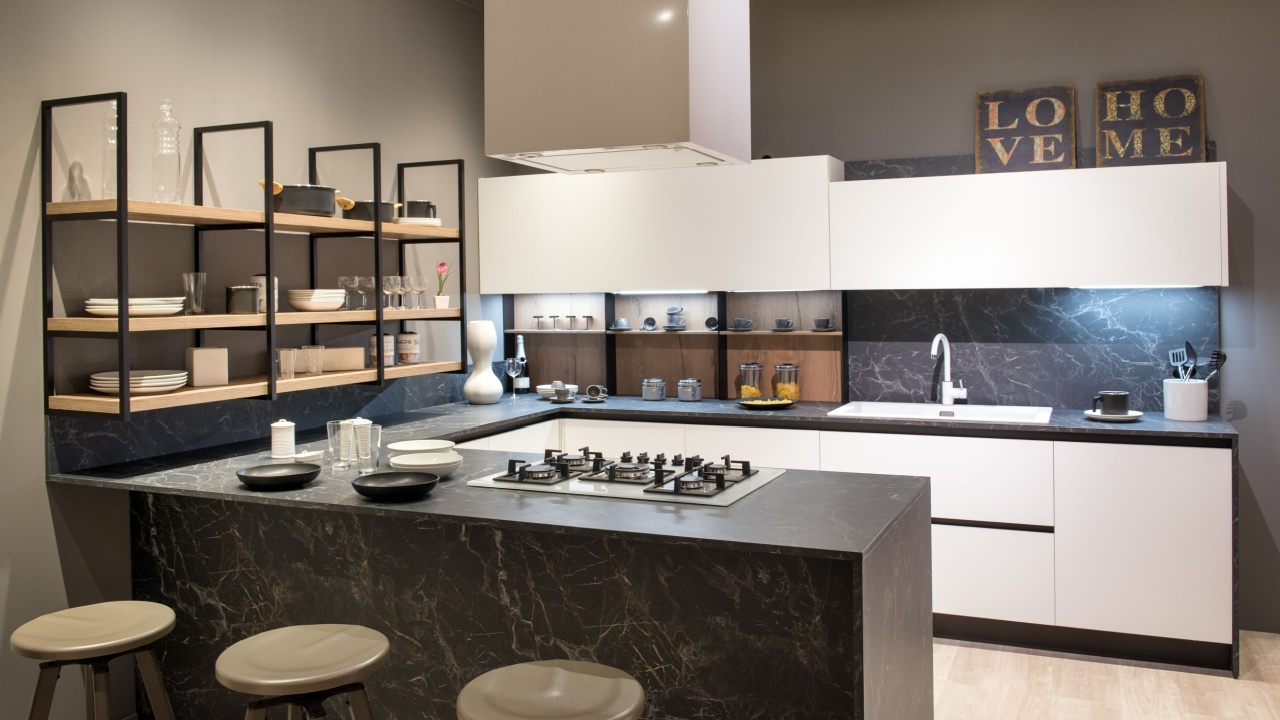
Open shelving has a certain rustic charm. It allows you to display your favorite dishes, curated spice jars, and stylish cookware. Placing these shelves right next to your stove, however, is a recipe for a sticky situation. Every time you fry, sauté, or simmer, a fine mist of oil and steam is released into the air. This greasy vapor will settle on every single item on those shelves.
Soon, your beautiful pottery will have a sticky, dust-collecting film that is a pain to clean. You will find yourself constantly washing your “display” items, which defeats the purpose of having them out for easy access and aesthetic appeal. A better location for open shelving is on a wall away from the primary cooking zone, where your items can look good without needing a daily degreasing.
4. Pot Fillers Above the Stove
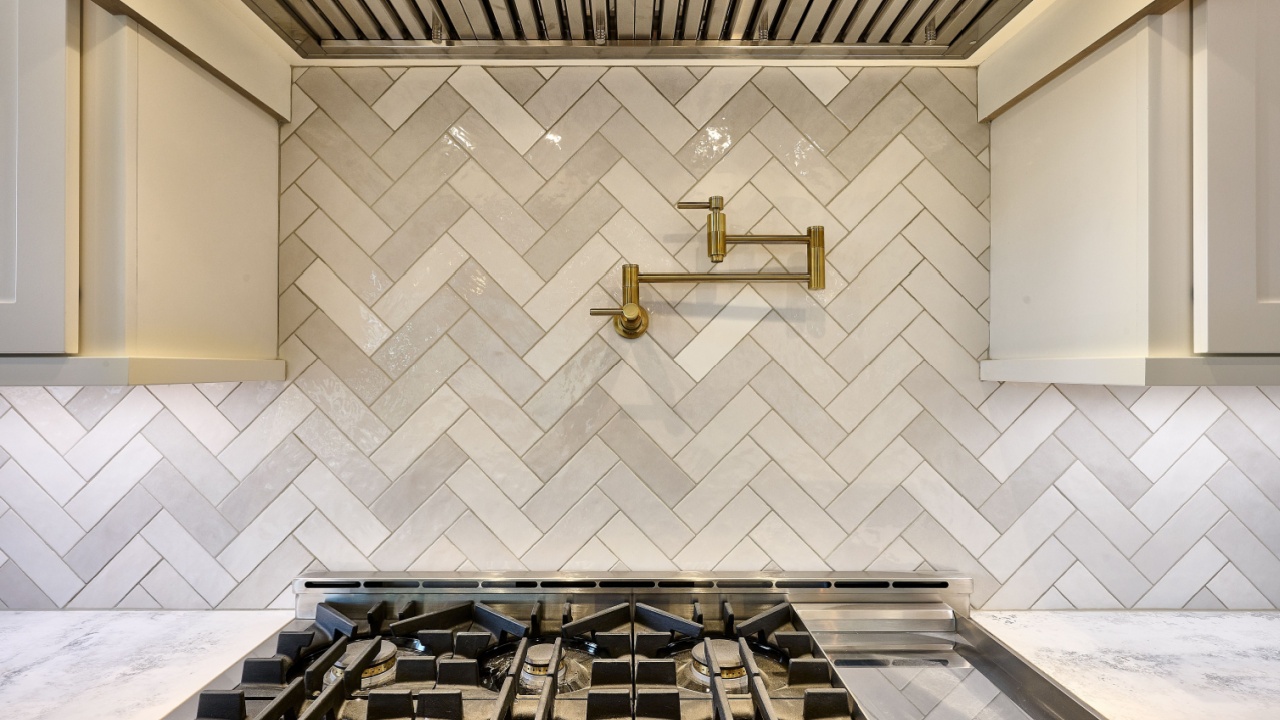
A pot filler is a swing-out faucet installed over the cooktop, designed to fill large pots with water directly where you will heat them. On the surface, this sounds like a genius idea that saves you from lugging a heavy, sloshing pot of water from the sink. The convenience is real, but it only solves half the problem. Once your pasta is cooked or your soup is done, you still have to carry that same heavy, now-boiling pot of water back to the sink to drain it.
So, you’ve only eliminated one of the two trips. Pot fillers also introduce another potential point for leaks in a spot where water damage can be a serious issue. With minimal use, the washers and seals inside the faucet can dry out and fail. A slow, unnoticed drip behind your stove can lead to major problems. For most home cooks, the limited benefit might not outweigh the added cost and risk.
5. Cabinetry That Sits on the Countertop
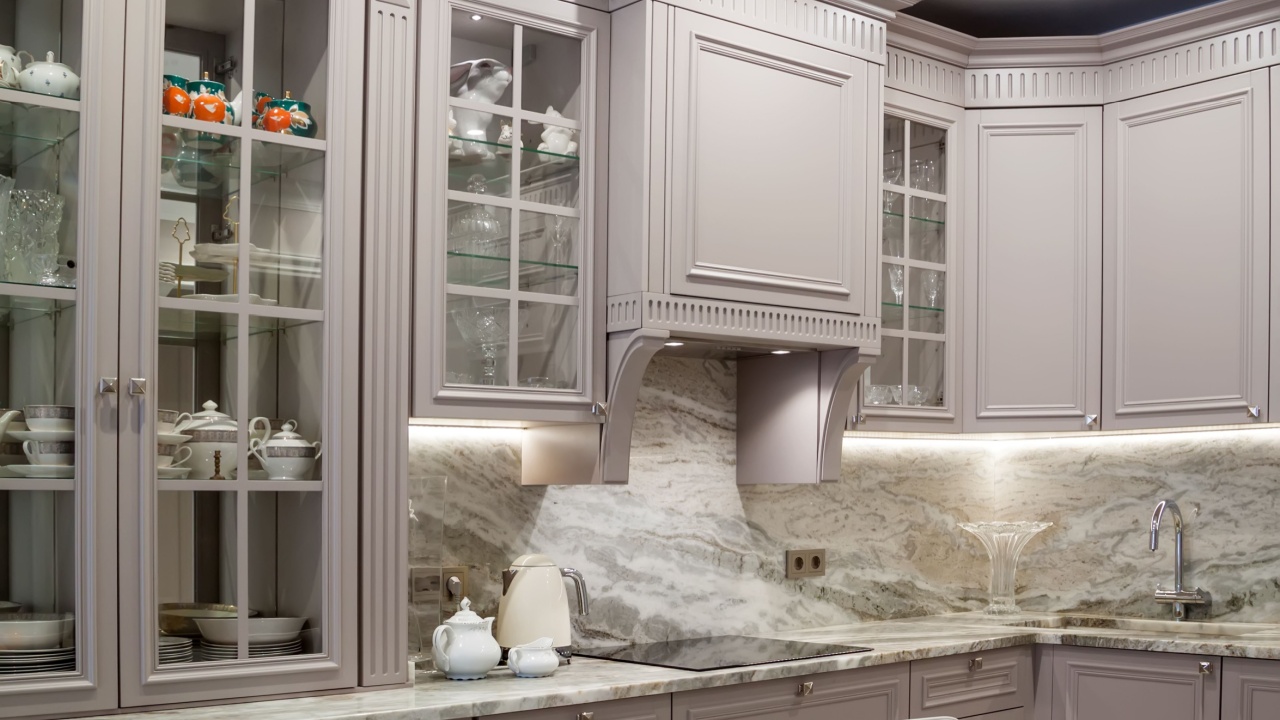
We are talking about those appliance garages or tall cabinet units that extend all the way down to the counter. They are intended to hide small appliances like toasters and blenders, creating a cleaner, more streamlined look. While they do succeed in hiding clutter, they do so at the expense of your most valuable kitchen asset: counter space.
This setup creates boxed-in corners that are hard to clean and visually heavy. More importantly, it shrinks your usable prep area. When you are in the middle of a complex recipe, you need every square inch of counter you can get for your cutting boards, mixing bowls, and ingredients. Sacrificing that precious surface for a glorified bread box can make the entire cooking process feel cramped and restrictive.
6. Poor and Insufficient Lighting
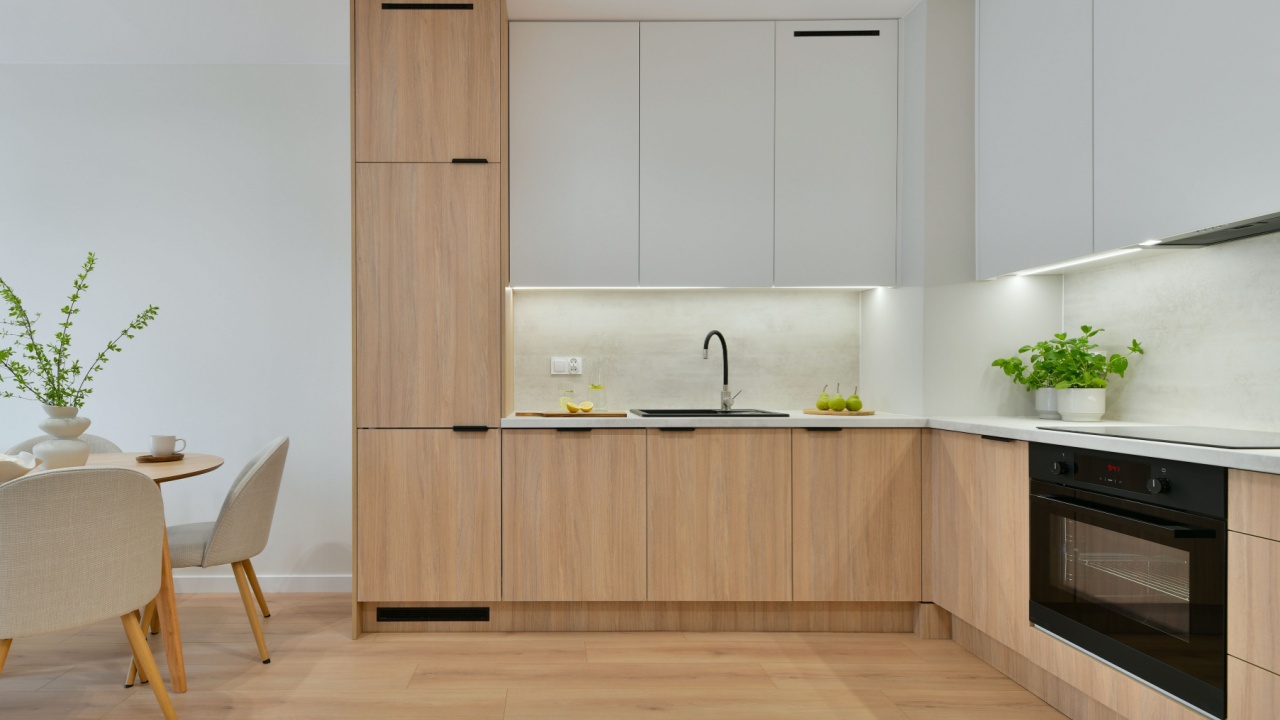
Great lighting is one of the most overlooked but essential elements of a functional kitchen. A single, central light fixture might look nice, but it will almost always cast a shadow on your workspace. When you stand at the counter to chop vegetables, your own body blocks the light, plunging your work area into darkness. This does not just kill the vibe; it is a safety hazard.
A well-designed kitchen needs layered lighting. This includes ambient light for overall illumination, task lighting directly over your main work zones (like under-cabinet lights), and accent lighting to highlight features. Without proper task lighting, you are dicing onions in the dark, struggling to see if the chicken is cooked through, and generally making every job harder than it needs to be. Good lighting makes a space feel bigger, cleaner, and infinitely more pleasant to work in.
Rethinking Your Kitchen’s Flow
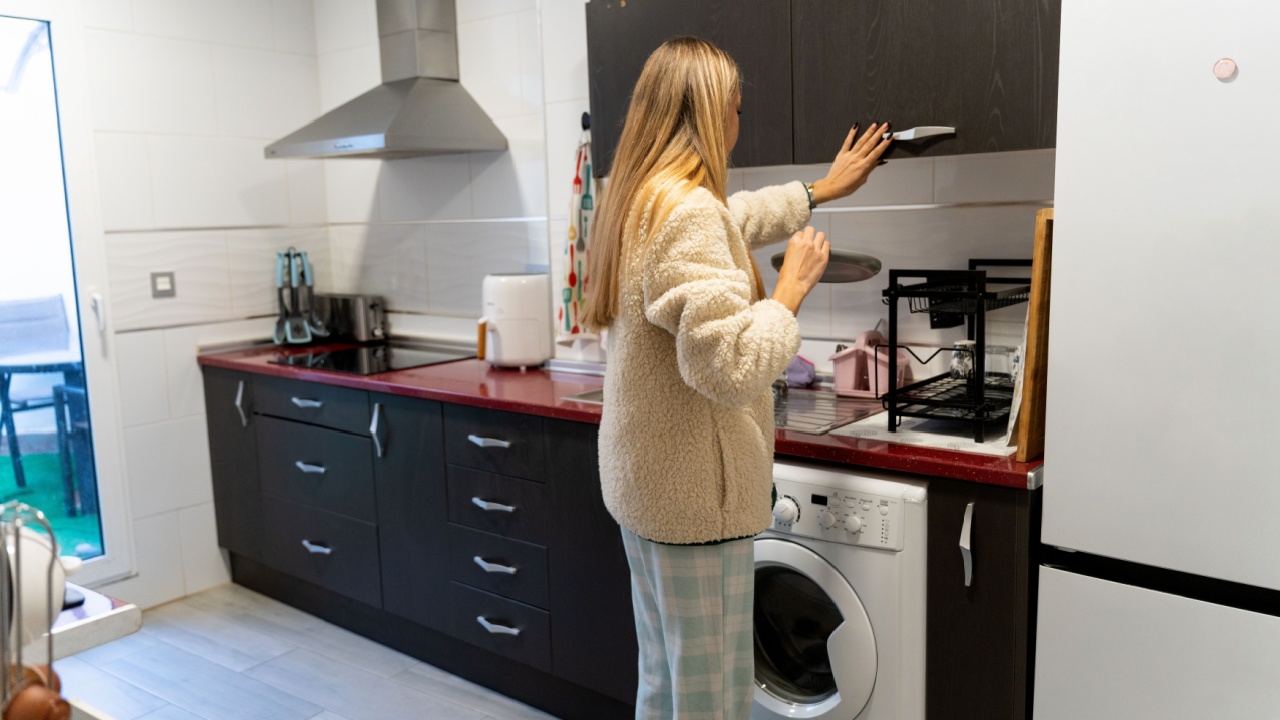
A kitchen should serve a purpose, and its primary purpose is to make food preparation easier and more enjoyable. When choosing design elements, consider their practical impact on your daily routine. Before committing to a trendy feature, walk through the motions of cooking a meal in your head. Where will you chop? Where will you place your hot pans? How will you move from the fridge to the sink to the stove? Focusing on workflow and ergonomics over pure aesthetics will help you create a space that is not just beautiful but a true partner in your culinary adventures.