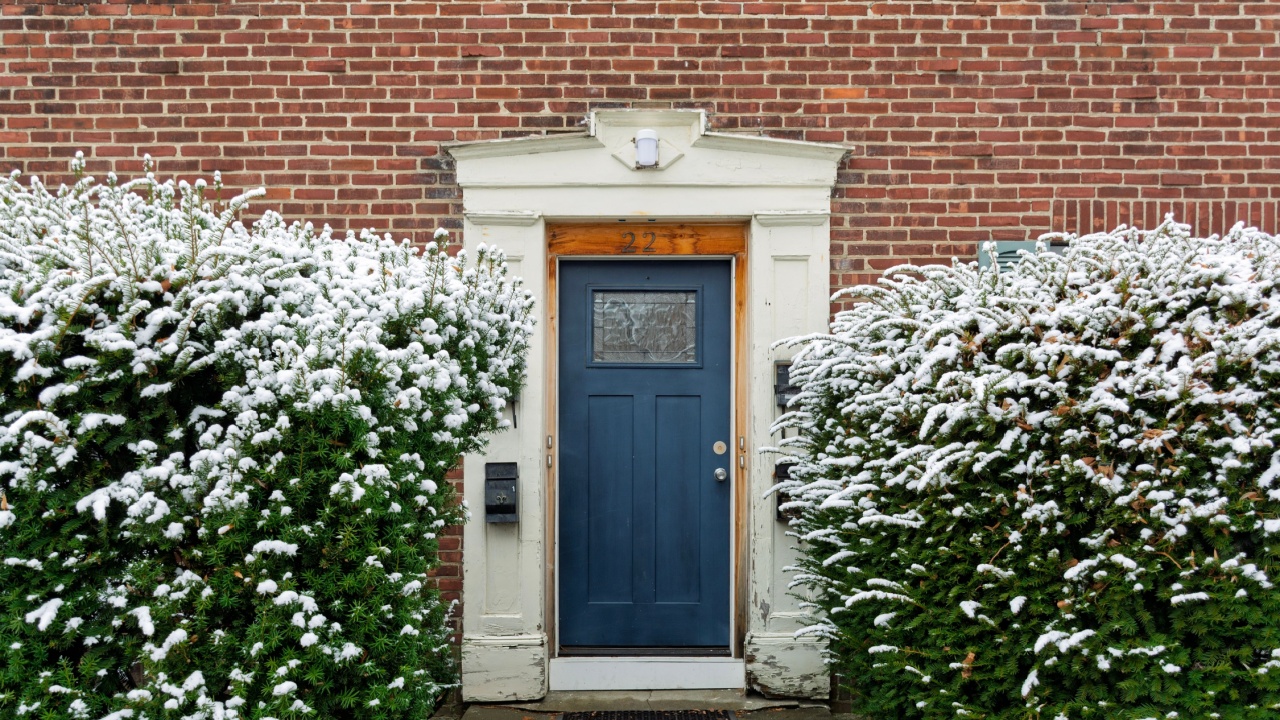
3 Tricks to Fix Sticky Winter Doors
Winter brings a certain charm with its frosty mornings and early nights. It also brings some peculiar home maintenance puzzles. One of the most common is the suddenly stubborn door. The door that was perfectly fine all summer now scrapes, sticks, and refuses to close without a firm shoulder shove.
This is a frequent wintertime complaint. Changes in temperature and humidity can cause materials to expand and contract, leading to a door that just doesn’t fit its frame like it used to. Before you consider taking a sledgehammer to it, a few simple adjustments can usually solve the problem.
Let’s look at three effective ways to get your doors swinging freely again.
1. Tighten the Hinges
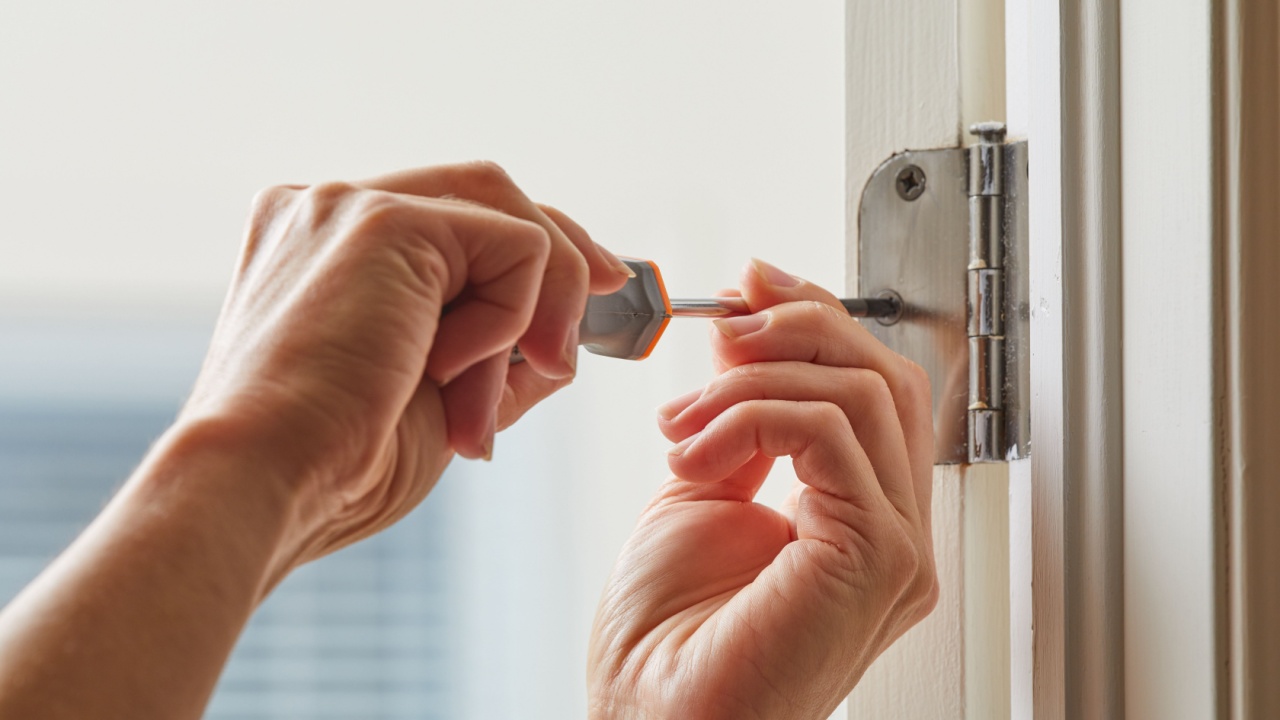
A door that isn’t hanging straight is a door that’s going to stick. The most common culprit behind a crooked door is a loose hinge. When screws become loose, the door sags, causing the top corner to rub against the frame. This is often the first place to check, as it’s a simple fix that requires minimal tools.
Gravity is relentless, and it’s always pulling on your doors. Every time a door is opened and closed, it puts a small amount of stress on the hinges and the screws holding them in place. This repetitive motion can cause the screws to back out of the wood just enough to create a slight tilt. Open the door and examine the hinges. Look for any visible gaps between the hinge plate and the door or frame. Grab a screwdriver that fits the hinge screws snugly and tighten them all. Start with the top hinge, as it bears the most weight.
2. Address Excess Paint or Finish
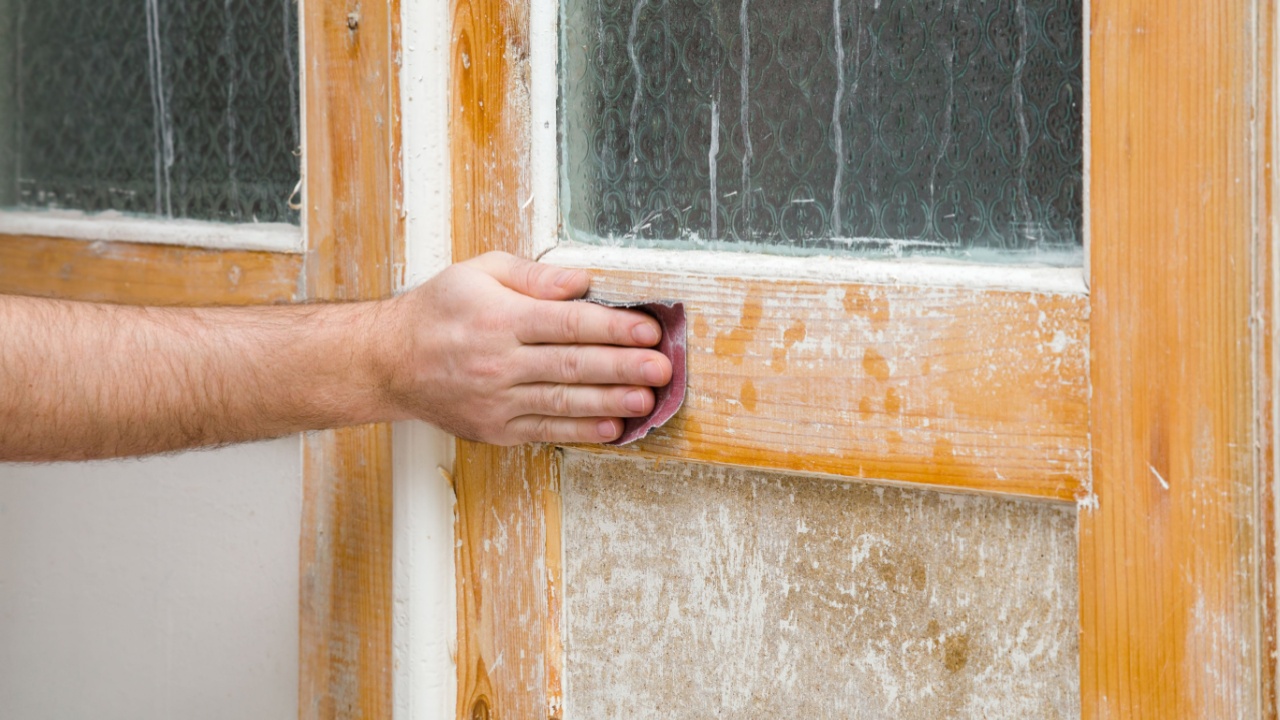
Sometimes the problem isn’t the door’s alignment but its surface. A thick coat of paint might look great, but it adds dimension. Multiple layers of paint applied over the years can build up, reducing the clearance between the door and the frame. While this extra thickness might not be an issue in dry weather, even a small amount of seasonal swelling can eliminate the gap completely, causing the door to bind.
To solve this, you need to remove the excess material. First, identify exactly where the door is sticking. You can do this by closing the door as far as it will go and marking the contact points with a pencil. A more precise method is to slide a piece of paper between the door and the frame; where it gets stuck is your problem area. Once you’ve found the spot, you can use a hand plane, a power planer, or a simple sanding block with medium-grit sandpaper to carefully remove the high spots.
3. Control Indoor Humidity

Wood is a natural material, and it responds to the environment around it. Specifically, it absorbs and releases moisture from the air. When the air is humid, wood swells. When the air is dry, it shrinks. In winter, even though the outside air is dry, indoor humidity can rise from cooking, showering, and even breathing. This increased indoor humidity can cause wooden doors to swell and become tight in their frames.
Managing your home’s indoor humidity is the most effective long-term solution. Aim to keep the relative humidity between 30% and 50%. A simple device called a hygrometer can measure the moisture level in your air. If you find your home’s humidity is consistently high, running a dehumidifier can make a significant difference.
Getting Things Moving Again
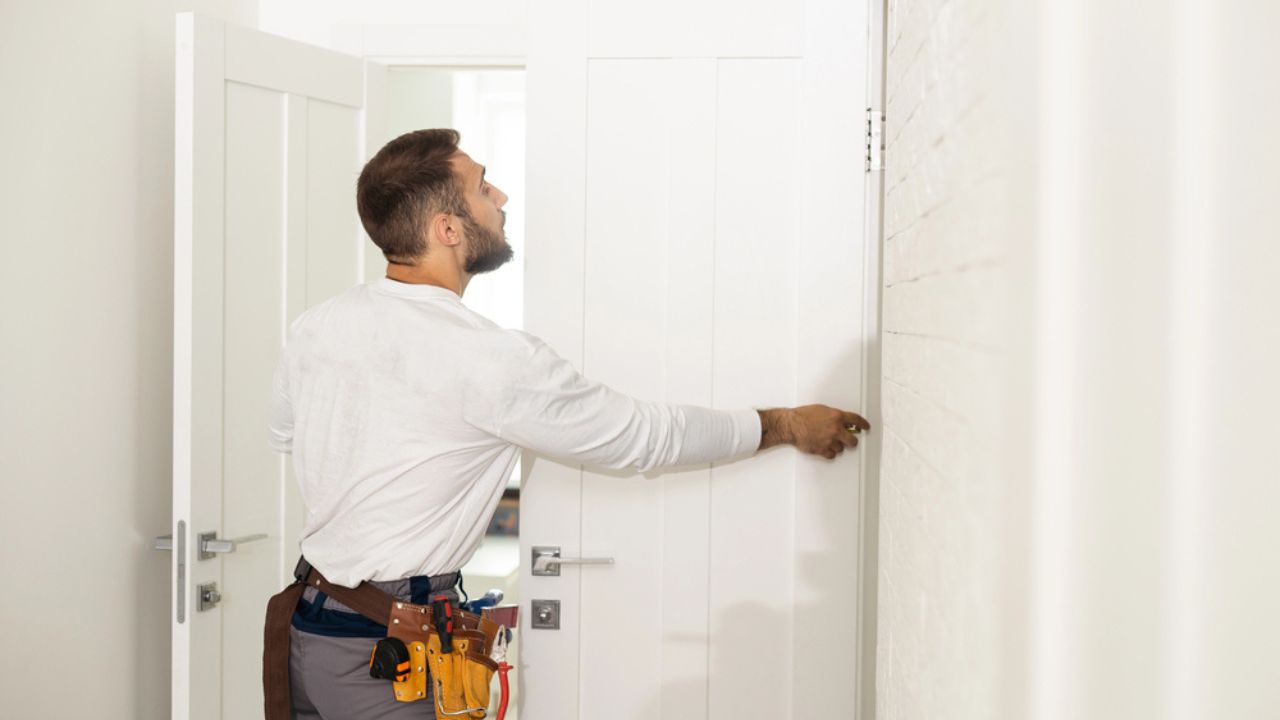
Dealing with a stubborn door can be a frustrating part of homeownership, but the solutions are often within reach. By methodically checking your hinges for tightness, removing any obstructive paint buildup, and managing the humidity levels inside your home, you can usually restore your doors to smooth operation.
Moving forward, prevention is a good strategy. Periodically check your hinge screws, especially on heavy or frequently used doors. When you repaint, take the time to properly sand the edges to avoid adding unnecessary thickness. And consider monitoring your home’s humidity year-round, as it affects more than just your doors.
Read more
Think Closing the Doors Keep Your Home Warmer? Here’s Why It Doesn’t