
6 Old-School Chores Never Worth It
Housework multiplies when you aren’t looking. You finish one task, turn around, and suddenly three more appear in its place. We spend hours scrubbing, folding, and polishing things that honestly don’t need that level of attention. It turns out that some of the standards we hold ourselves to are from a time when people didn’t have jobs, hobbies, or the internet to distract them.
Trying to keep a home showroom-ready 24/7 is a recipe for burnout. The modern approach to housekeeping favors efficiency over perfection. By dropping a few unnecessary tasks from the weekly rotation, you gain back hours of free time without your home falling into disrepair.
Below are six common household tasks that offer very little return on investment, along with permission to cross them off your list permanently.
1. Drying Dishes by Hand
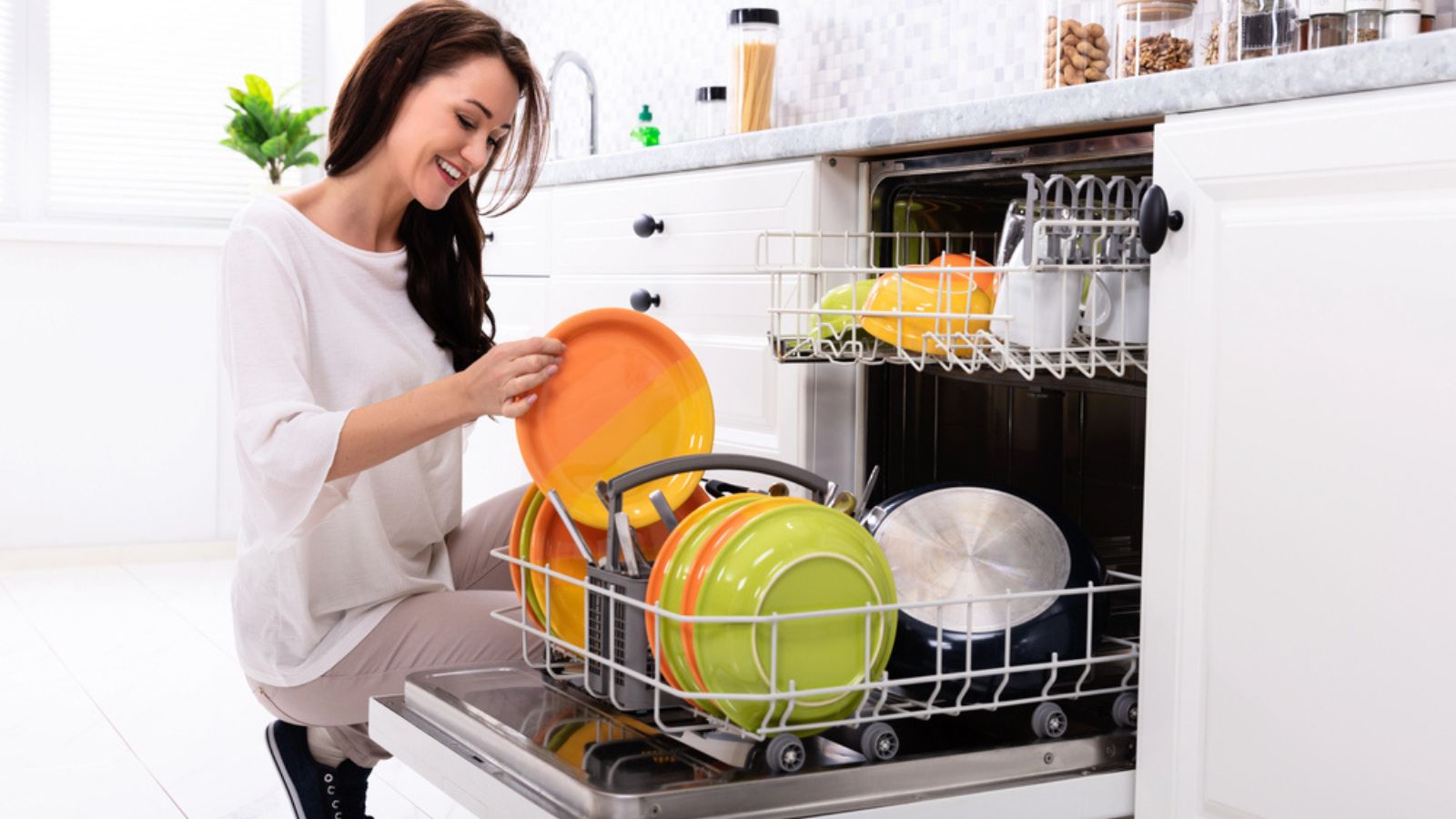
Standing at the sink with a towel in hand feels productive. You wash, you dry, you put away. The counter looks clear immediately. But this habit wastes time and is actually less sanitary than the alternative. Dish towels are notorious for harboring bacteria. Unless you grab a fresh towel for every single load, you likely transfer germs back onto the clean plates you just scrubbed. Even a towel that looks clean can hold moisture and bacteria deep in the fibers.
Air drying is the superior method. It requires zero effort on your part and allows gravity to do the work. Most modern dishwashers have efficient drying cycles, and for hand-washed items, a simple rack works wonders. If you hate the look of a drying rack on the counter, wash dishes in the evening and put them away in the morning. Your dishes end up cleaner, and you save yourself 15 minutes of standing around rubbing circles on ceramic.
2. Washing Clothes After Every Use
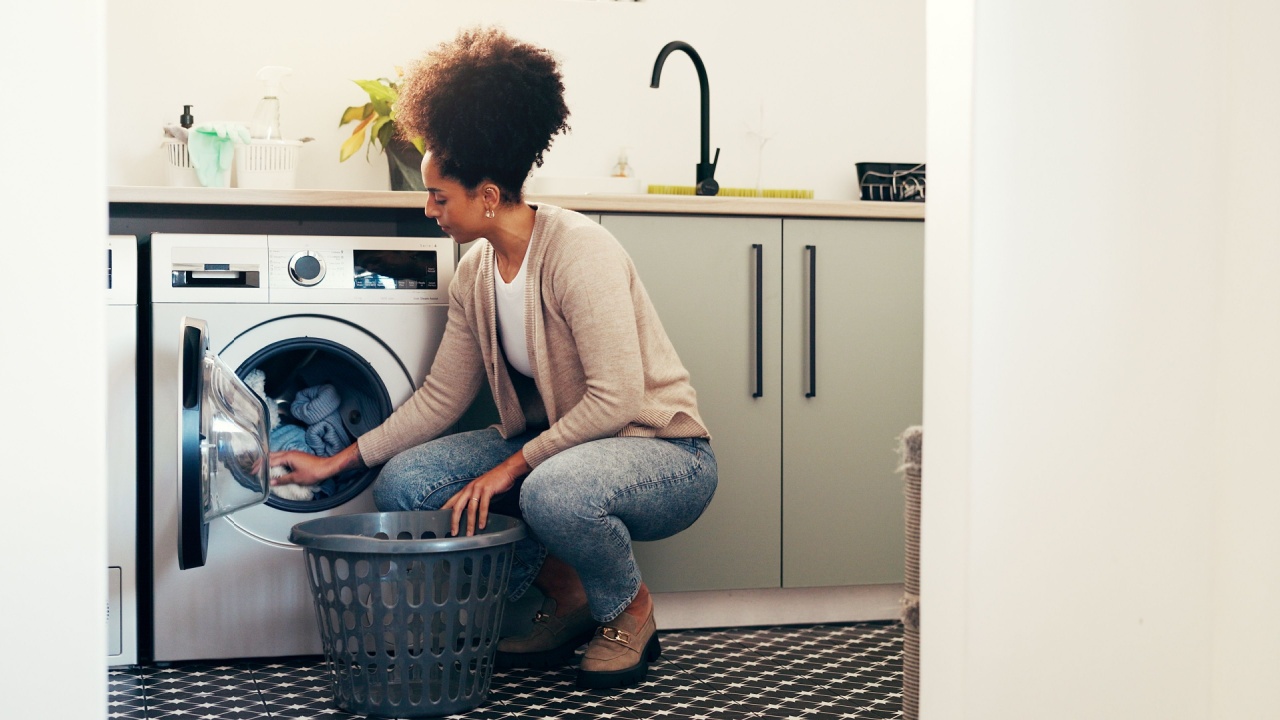
We have been conditioned to believe that if a garment touches our body, it is dirty. This mindset leads to overflowing laundry baskets and high water bills. Unless you spent the day digging ditches or running a marathon, most clothes are perfectly fine to wear again. Jeans, sweaters, and even some shirts do not need a spin cycle after a few hours of wear.
Denim, specifically, degrades faster the more you wash it. Manufacturers often recommend washing jeans only when they have visible stains or start to smell. Over-washing breaks down fibers, fades colors, and wears out elastic much faster than normal use does. Try the “sniff and spot” test. If there are no stains and it smells fresh, hang it back up or fold it away. You extend the life of your wardrobe and drastically cut down on the time spent hauling loads to and from the laundry room.
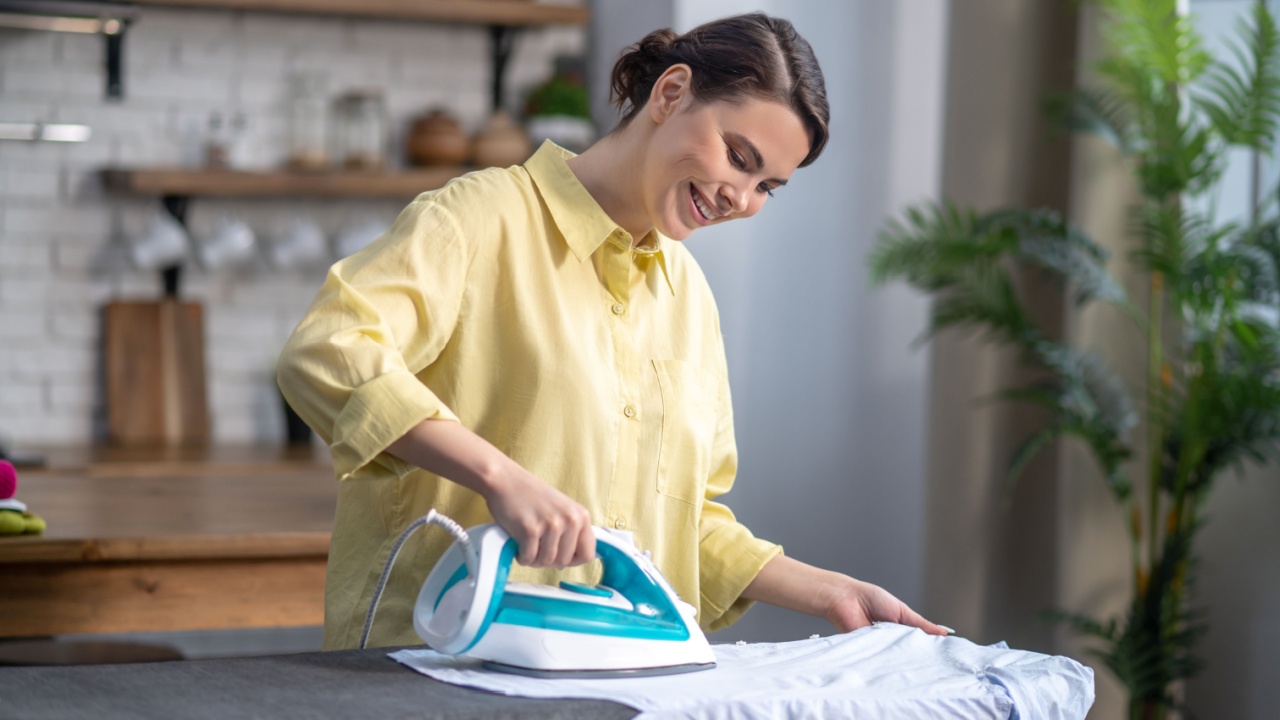
3. Ironing Every Item

The ironing board is a clumsy, creaky piece of equipment that takes up too much space and is rarely worth the struggle. Unless you need a crisp collar for a formal event, ironing is largely a waste of energy. Fabric technology has improved significantly over the last few decades. Many modern blends are designed to be wrinkle-resistant. Even natural fibers like cotton can look presentable without a hot iron pressing them flat.
Instead of ironing, use the dryer to your advantage. Remove clothes immediately when the cycle finishes and hang them up while they are still warm. The remaining heat relaxes the fabric and prevents creases from setting. For stubborn wrinkles on a shirt you actually need to look sharp, a handheld steamer is faster and gentler on fabric than a heavy iron.
4. Folding Underwear
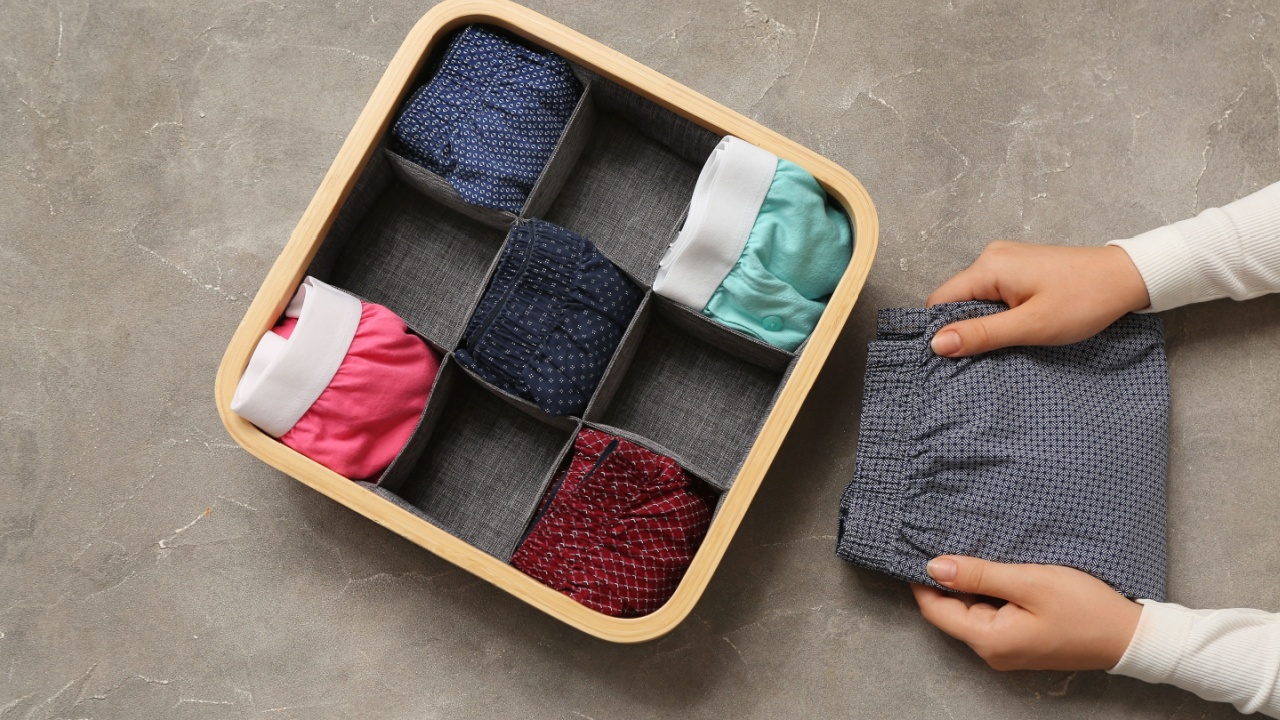
Life is too short to fold underwear. No one sees it neatly stacked in your drawer except you, and it gets messed up the second you reach in to grab a pair anyway. Folding small, slippery items like underwear is tedious. It requires fine motor skills and patience that could be better spent on almost anything else. The functionality of underwear does not change, be it folded into a perfect square or tossed loosely into a bin.
Adopt the “toss and go” method. Dedicate a specific drawer or a bin within a drawer for socks and underwear. Simply transfer them from the laundry basket to their designated spot. If you want to get fancy, you can separate them by type, but even that might be overkill. You will save minutes every laundry day, which adds up to hours over the course of a year.
5. Vacuuming Low-Traffic Zones Weekly
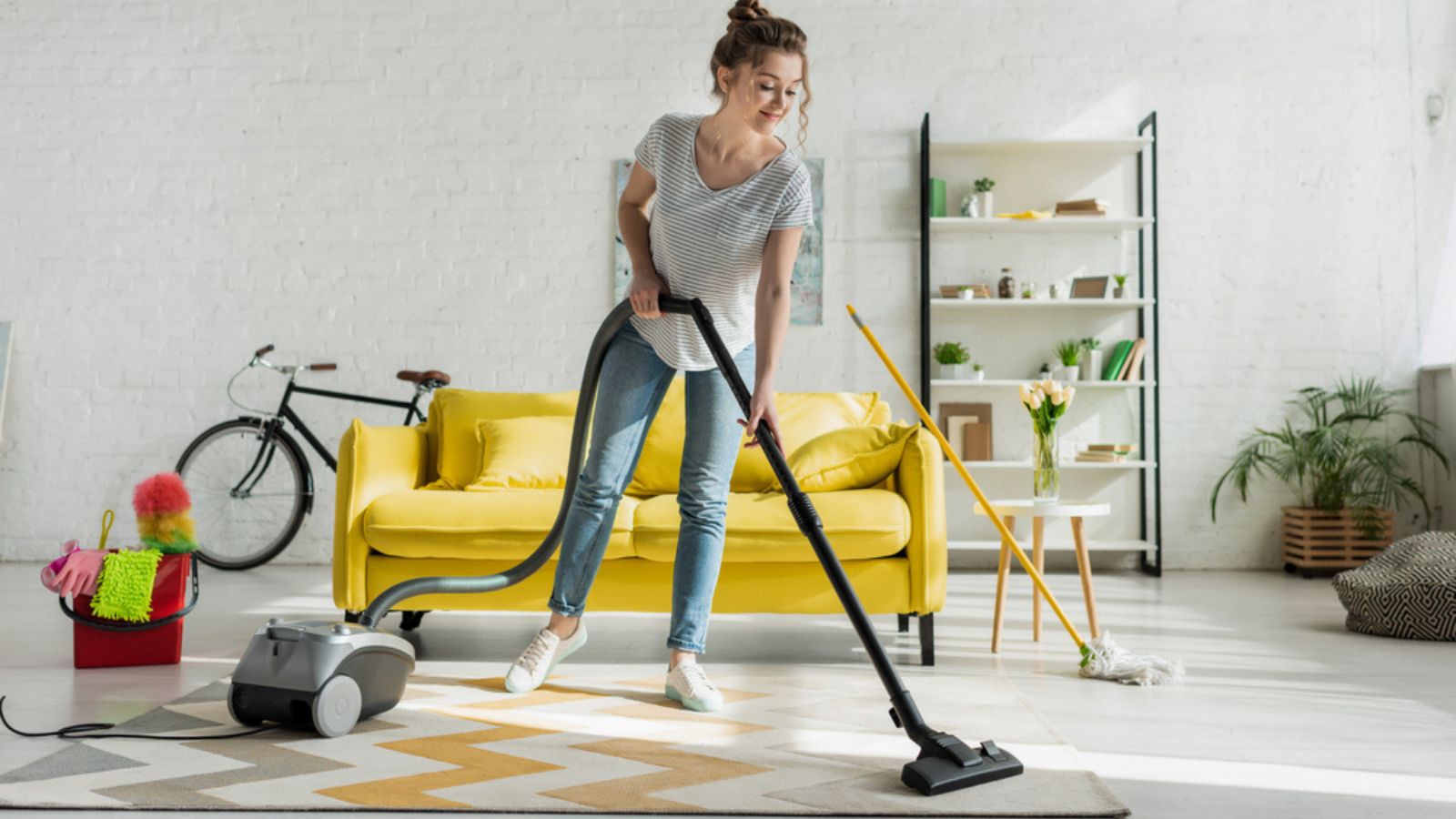
Dragging the vacuum cleaner into the guest bedroom that no one has entered since Thanksgiving is not a good use of time. Dust does settle, but without foot traffic to grind dirt into the carpet fibers, these rooms stay clean much longer than the main living areas.
Focus your vacuuming efforts on the “highways” of your home, the entryways, the hallway, the living room rug, and the kitchen. These areas see constant action and accumulate grit that can damage flooring. Spare rooms and corners behind furniture can survive with a weekly pass. If you see visible dust bunnies, suck them up.
6. Scrubbing Plastic Containers
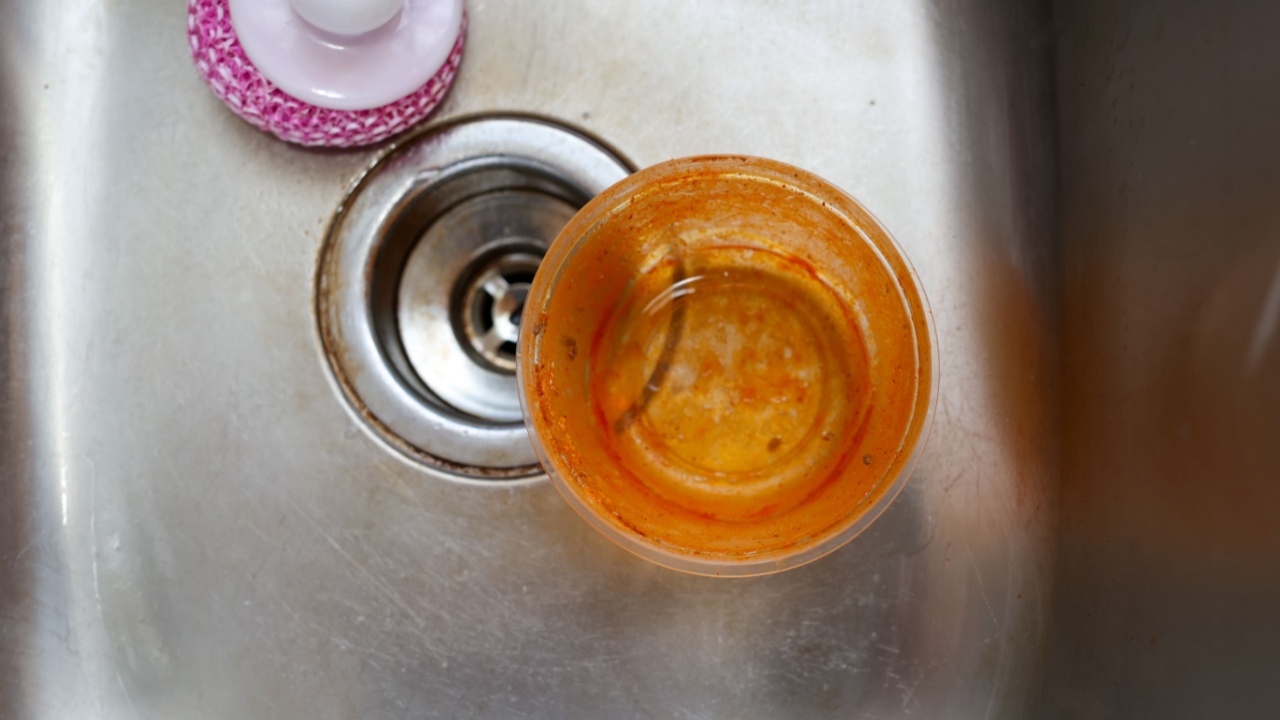
Tomato sauce stains on plastic containers are the bane of the kitchen. You scrub, you soak, you bleach, and the orange tint remains. This is a battle you are destined to lose because of the porous nature of plastic. Plastic absorbs oils and pigments from food, especially when heated. Once that bond forms, no amount of elbow grease will reverse it completely. Spending twenty minutes scrubbing a three-dollar container is not efficient.
Accept the stain as a battle scar or switch your strategy. Glass containers do not stain, do not hold odors, and last much longer. If you must use plastic, spray the inside with non-stick cooking spray before adding tomato-based foods to create a barrier. If a container is hopelessly stained, either downgrade it to dry storage or recycle it. Don’t waste your evening fighting chemistry.
Reclaiming Your Evenings
Housework will always be there, but it doesn’t have to consume your life. By identifying which chores are essentially busywork, you free up energy for things that actually matter, like reading or simply sitting still.
Look at your to-do list with a critical eye this week. Ask yourself if a task actually improves your hygiene or quality of life, or if it is just a habit you picked up from someone else. If the world won’t end because you didn’t fold your socks, skip it. Your home is meant to be lived in, not just maintained.
Read more
16 Backbreaking House Chores We Luckily Don’t Have to Do Anymore
Maximize Your Daylight: 12 Household Chores to Tackle as You Spring Forward


