12 Yard Features That Neighbors Don’t Appreciate
Everyone desires a backyard sanctuary. It acts as a personal slice of nature where relaxation happens, and memories are made. Homeowners pour time and money into landscaping to create their perfect retreat. But property lines are thinner than they appear.
Decisions made on one side of the fence often spill over to the other. A dream design for one person might become a daily nuisance for the family next door.
Maintaining good relationships requires looking at outdoor projects through a wider lens. Good fences help, but considerate choices build true community harmony.
Here are 12 features that may be making your neighbors secretly seethe.
1. Fire Pits That Double as Smoke Machines
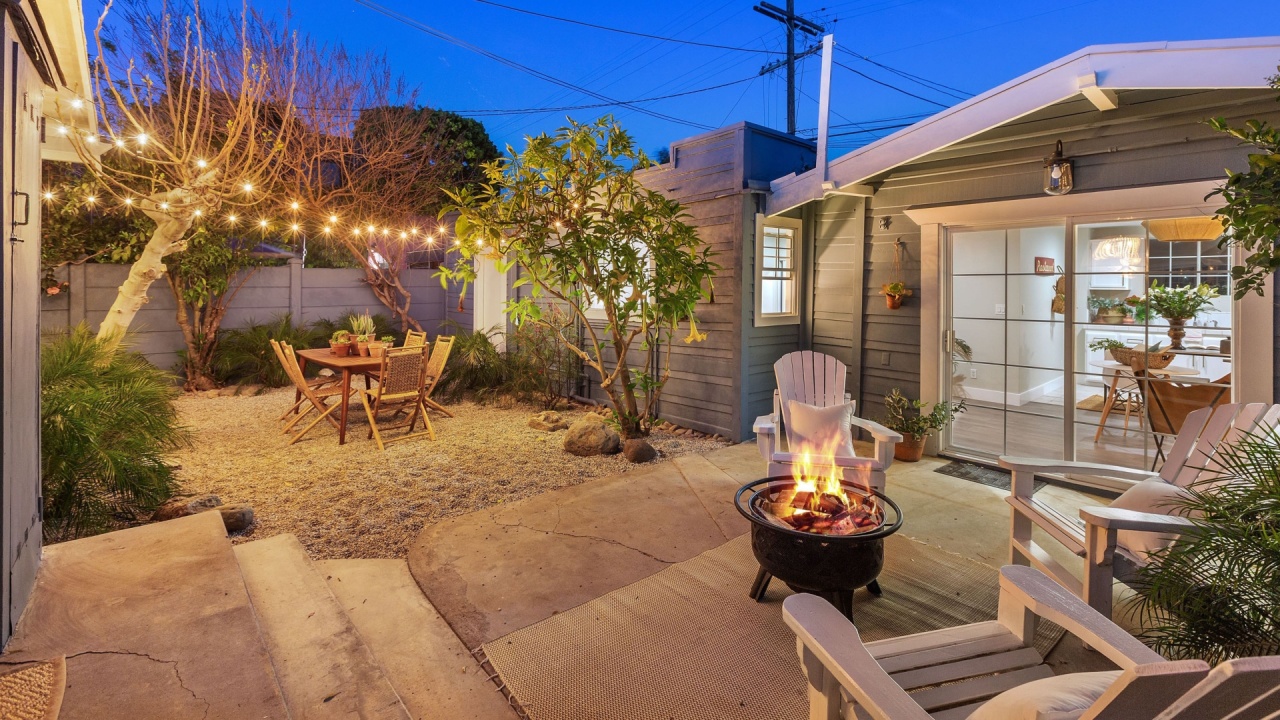
Nothing beats gathering around a fire on a cool evening. The crackle of wood and the warmth create a primal connection to nature. However, traditional wood-burning fire pits often generate massive amounts of thick, gray smoke. This smoke does not respect property boundaries. It drifts indiscriminately into open windows, sticks to drying laundry, and forces neighbors to retreat indoors.
People with asthma or respiratory issues find this particularly difficult. Even for those with healthy lungs, the smell of stale campfire inside a bedroom is unwelcome. Smoke settles in low-lying areas and lingers long after the party ends. Consider gas fire pits or specialized smokeless wood stoves. These options provide warmth and ambiance without fumigating the entire block. If burning wood is a must, use seasoned, dry hardwoods rather than wet logs or leaves to minimize particulate matter.
2. Motion-Activated Floodlights at Stadium Intensity
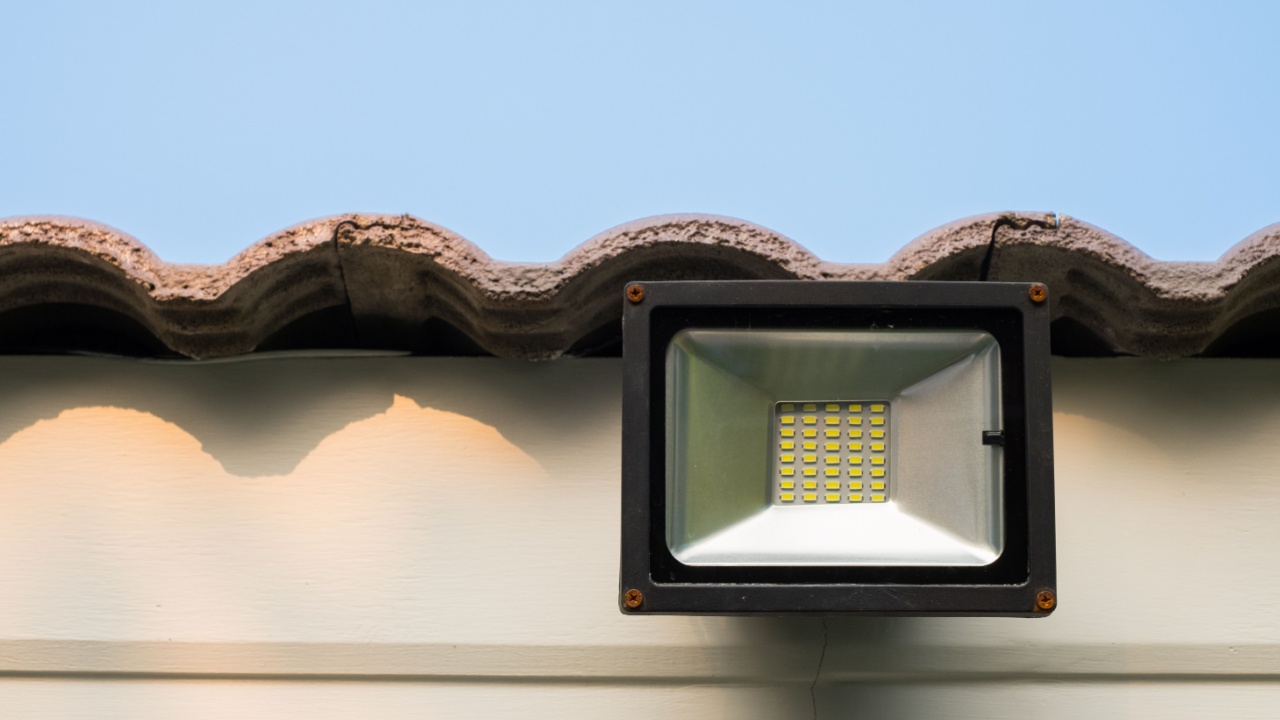
Security remains a valid priority for any homeowner. Installing lights to deter intruders makes sense. The problem arises when these fixtures rival the brightness of a landing strip. High-lumen LED floodlights angled incorrectly can blast photons directly into a neighbor’s master bedroom. Sudden bursts of blinding white light at 2:00 AM disrupt sleep cycles and cause unnecessary alarm.
Sensitive sensors might trigger every time a stray cat wanders by or a tree branch sways in the wind. This creates a strobe effect that turns a peaceful night into a source of constant irritation. Aim fixtures downward toward the ground rather than outward. Use shielded bulbs that focus illumination only where needed. Adjusting the motion sensor sensitivity prevents false alarms from small animals or the weather.
3. Water Features That Never Sleep
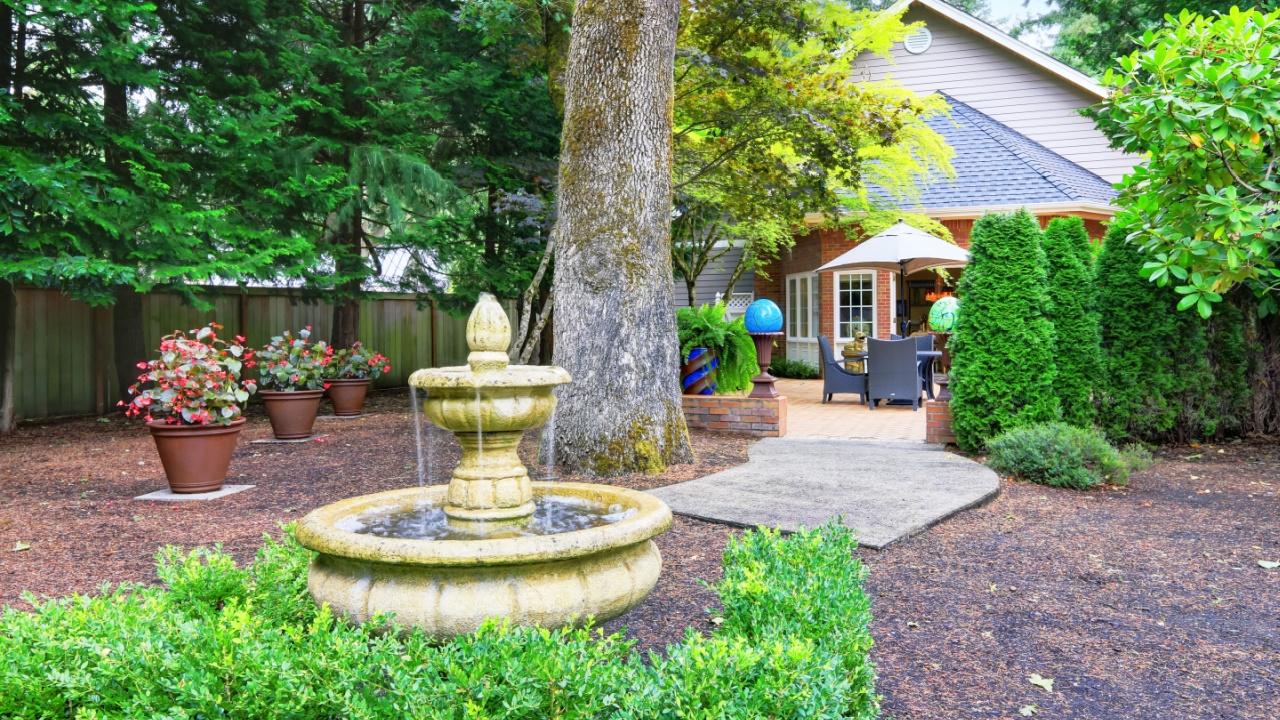
The sound of trickling water supposedly soothes the soul. A gentle babble creates a zen atmosphere. But volume and duration matter. A fountain running twenty-four hours a day can sound remarkably like a broken toilet or a running faucet to someone trying to sleep nearby. Constant water noise becomes a form of audio torture for those who prefer silence.
In quiet suburban nights, sound travels efficiently. What sounds like a majestic waterfall at noon might sound like a roaring rapid at midnight when background traffic noise fades. Install a timer. Set the feature to turn off during late evening hours. This saves electricity and preserves the peace. Lowering the water pressure can also change a roar into a gentle trickle.
4. The Great Wall of Hedges

Privacy is important. Planting a row of arborvitae or Leyland cypress seems like a green, natural way to block sightlines. Resentment builds when these living walls grow unchecked. An overly tall hedge can block precious sunlight from a neighbor’s vegetable garden or darken their living room windows permanently. Dense vegetation creates a barrier against airflow. You may even be breaking a homeowner’s code by the height of your hedge.
This stagnation can lead to mold or mildew issues on the adjacent property. While you enjoy total seclusion, the family next door might feel like they live in a dark, airless canyon. Maintain hedges at a reasonable height. Six to eight feet usually suffices for privacy without blocking the sun. Choose plant varieties that stay compact or commit to a strict pruning schedule.
5. Looming Above-Ground Pools

Pools offer fun and relief from summer heat. Above-ground models provide a budget-friendly entry point. However, these structures sit high off the ground. When combined with a surrounding deck, swimmers often stand several feet above the fence line. This creates a “lifeguard tower” effect. Swimmers inadvertently stare directly into the neighboring yard or home.
The visual bulk of a large pool wall can also dominate the view, turning a green outlook into a wall of vinyl or steel. Place the pool in a location that maximizes privacy for both parties. Use strategic landscaping or privacy screens on the deck itself to block sightlines. Sinking the pool partially into the ground can also reduce its imposing profile.
6. The Concrete Jungle
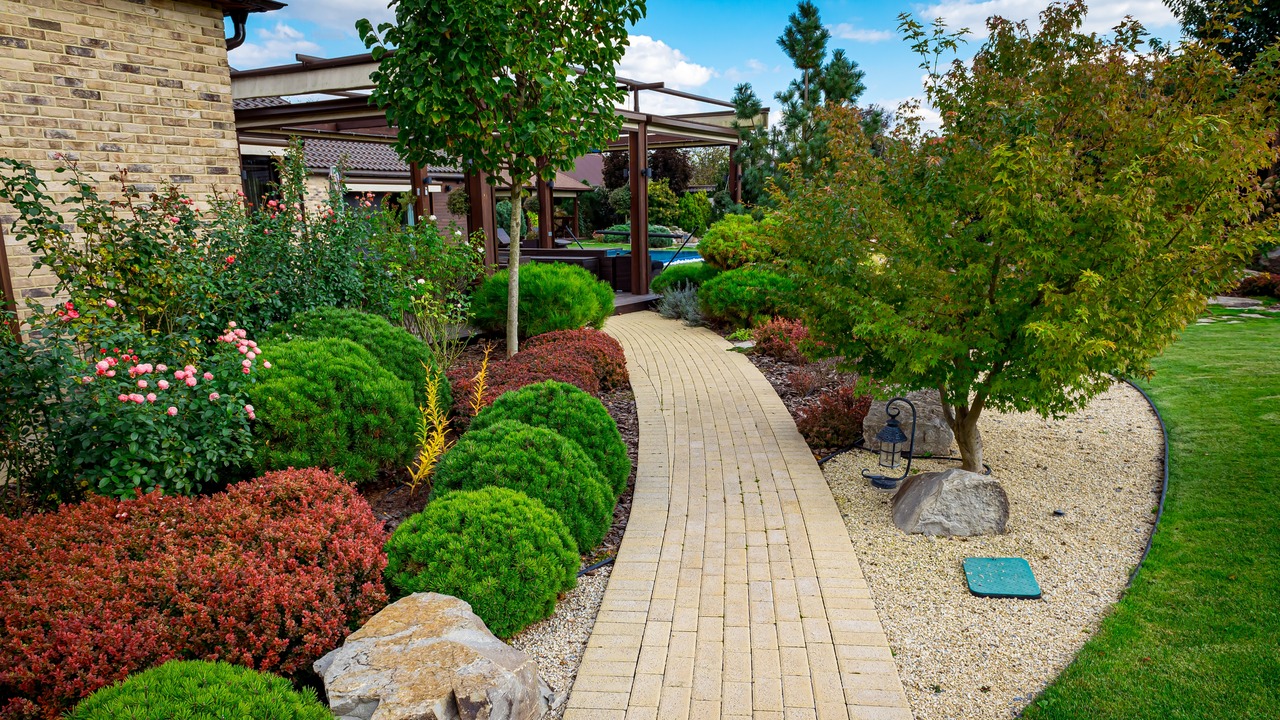
Low-maintenance yards appeal to busy homeowners; they may even sound fancy, but they may fail you and your neighbors. Paving over large sections of lawn eliminates mowing and weeding. Yet, covering a yard in concrete or non-porous pavers creates significant environmental side effects. Rainwater that once soaked into the earth must go somewhere. Usually, it runs off into the neighbor’s yard, causing puddles or flooding basements.
Massive slabs of concrete also absorb heat during the day and radiate it at night. This raises the ambient temperature for everyone nearby. Furthermore, sunlight reflecting off light-colored concrete creates harsh glare. Use permeable pavers, gravel, or decking that allows water to drain naturally. incorporate planting beds to break up hardscape and absorb heat.
7. Aggressive Plant Species
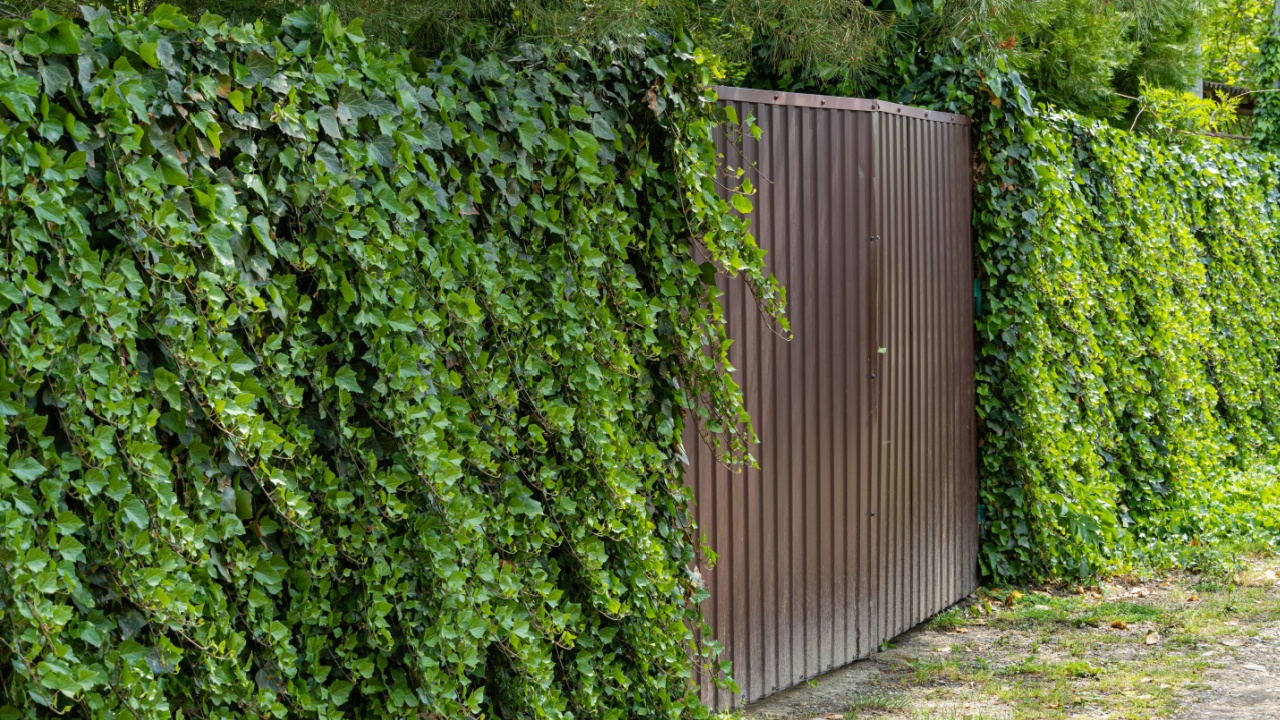
Bamboo looks exotic and grows fast. Mint smells fresh. Ivy looks classic. But these plants do not recognize property deeds. Invasive species send runners underground or drop seeds that take root in the yard next door. A neighbor should not have to spend their weekends digging up bamboo shoots that have traveled ten feet under a fence.
This forces them to perform maintenance on a garden they did not plant. It costs them time and often requires expensive removal services. Keep aggressive plants in sturdy containers. If planting in the ground, install heavy-duty root barriers made of metal or thick plastic. Research growth habits before putting anything in the soil.
8. Oversized Sheds and Pergolas

Storage and shade structures improve yard functionality. But scale is critical. A massive shed placed right on the property line acts as a second wall. A towering pergola can cast long, unwanted shadows across a neighbor’s patio, rendering their sunbathing spot useless.
These structures often block scenic views. Instead of seeing trees or sky, the neighbors see the side of a vinyl shed. It creates a feeling of being hemmed in or claustrophobic. Respect setback lines even if local codes are loose. Consider the roofline and height relative to the neighbor’s windows. Placing large structures closer to your own house often looks better and bothers neighbors less.
9. Grinding Mechanical Equipment

Pool pumps, air conditioning units, and fountain motors all contain moving parts. Over time, bearings wear out, and fans become unbalanced. A piece of equipment that hums quietly when new can develop a grinding, low-frequency noise as it ages. Low-frequency vibrations travel through the ground and walls easily. A neighbor might hear a constant mechanical drone inside their home, which is deeply irritating.
Placing this equipment right next to a shared fence amplifies the problem. Service equipment regularly to keep it running smoothly. Build sound-dampening enclosures around noisy motors. Place equipment as far from the property line as possible.
10. Lawn Ornament Overload

Personal taste varies wildly. One person’s whimsical garden is another person’s visual chaos. A yard stuffed with hundreds of gnomes, gazing balls, plastic flamingos, and pinwheels can become an eyesore. While everyone has the right to decorate, excessive clutter lowers the perceived value of the surrounding homes.
It creates a disordered view that neighbors are forced to look at every time they pull into their driveway. Curate the collection. Rotate decorations seasonally rather than displaying everything at once. Create small vignettes tucked into garden beds rather than covering the entire lawn.
11. The Cacophony of Wind Chimes
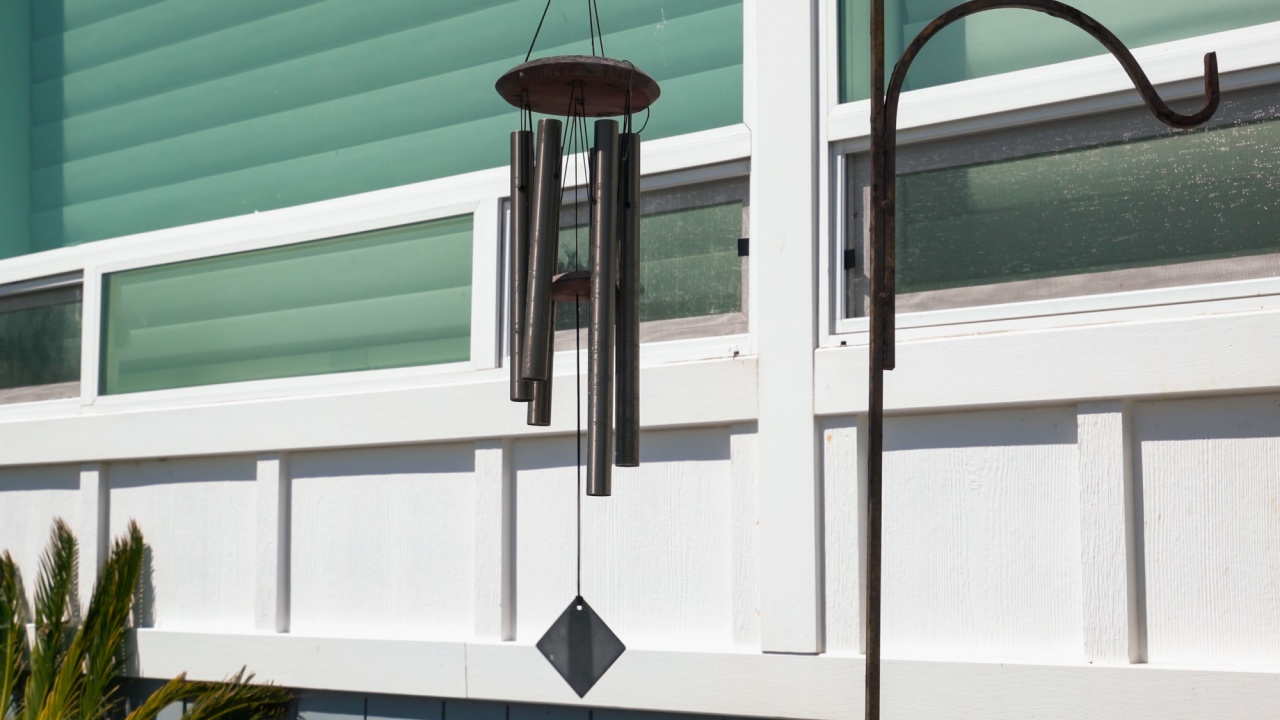
Wind chimes are polarizing. Some hear music, others hear noise pollution. Large metal chimes produce loud, piercing tones that cut through other neighborhood sounds. Unlike a lawnmower, which stops eventually, wind chimes play whenever the weather dictates.
During storms or windy nights, the erratic clanging can prevent sleep and increase anxiety. Because the sound is unpredictable, the brain has a hard time tuning it out. Choose wind chimes made of wood or bamboo, which produce softer, duller thuds rather than piercing rings. Hang them in a spot shielded from high winds. Take them down during stormy seasons.
12. The Fence-Line Compost Pile

Composting reduces waste and feeds the garden. It is a noble practice. But decomposing organic matter requires careful management. An open heap tossed casually in the back corner often ends up just feet from a neighbor’s patio. If the mix of greens and browns gets unbalanced, the pile smells like rotting garbage.
Worse, accessible food scraps attract rats, raccoons, and flies. These pests do not stay in one yard; they investigate the entire vicinity. Use a sealed tumbler or an enclosed bin. This contains smells and keeps pests out. Locate the compost station conveniently close to your garden, but be considerate of where the neighbors spend their time.
A Path Toward Backyard Harmony

Creating a beautiful outdoor space does not require sacrificing neighborly relations. Most conflicts arise from a simple lack of awareness rather than malice. Homeowners get excited about a project and forget to consider the perspective from the other side of the fence.
Take a walk around the property perimeter before breaking ground on a new project. Stand where the neighbors stand. Imagine the view, the noise, and the light from their angle. A quick conversation beforehand can prevent years of silent resentment. Asking, “Does this light shine in your window?” or “Is the fountain too loud?” shows respect. That small gesture often buys enough goodwill to smooth over minor annoyances later.
Read more
18 Backyard Additions That Can Get You Sued (And Make the Neighbors Mad)
Have a Pesky Neighbor? These Are Your 8 Rights and How to Exercise Them Legally