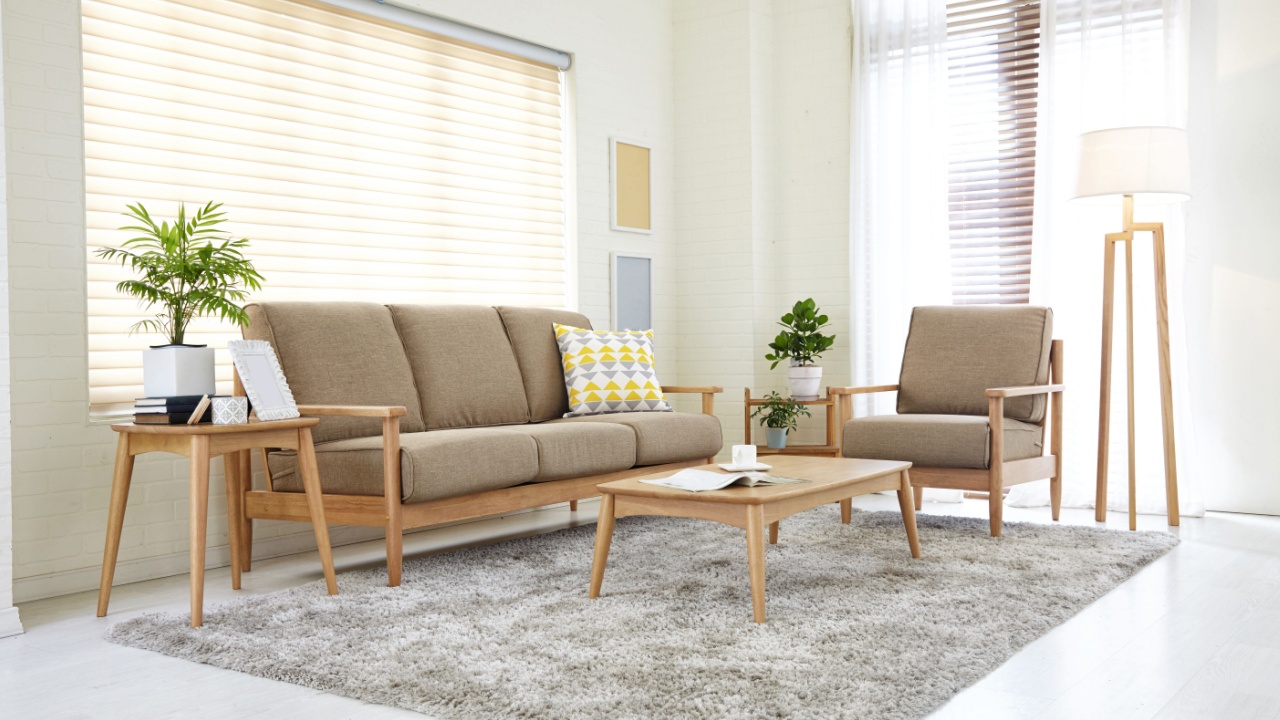
All the Wrong Ways to Angle a Couch (and How to Do It Right)
Positioning a couch feels like it should be simple. You put it against the largest wall and call it a day, right? Maybe. But what if there was another way? Angling your couch can completely change a room’s flow and function. It’s a move that can either make you look like a design genius or like you furnished your living room in the dark.
Here is the fine line between a clever furniture arrangement and a shin-bruising obstacle course.
1. Wrong Way: Blocking Walkways
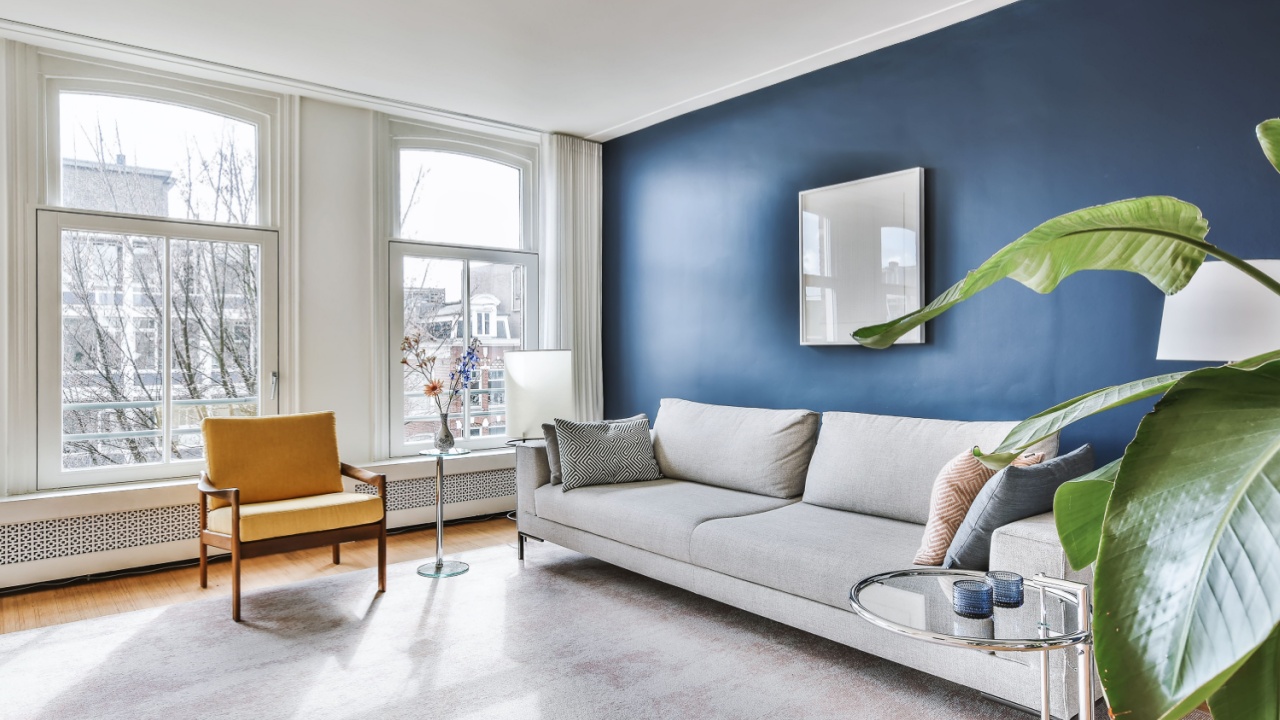
Placing a couch at an angle that cuts off a natural walkway is a common misstep. It forces people to perform strange sideways shuffles just to get across the room. A living room should feel open and inviting, not like a puzzle you have to solve to reach the kitchen.
Good room design guides movement; it doesn’t obstruct it. Before you commit to an angle, walk the main paths of the room. From the doorway to the window, from the armchair to the hall, if your couch forces a detour, it’s time to rethink the placement.
2. Wrong Way: Ignoring the Focal Point

Every room has a main attraction. It could be a fireplace, a large window with a view, or the television. Angling your couch so it turns its back on this feature is a confusing choice. It sends mixed signals. If the fireplace is the centerpiece, the seating should acknowledge it, not give it the cold shoulder.
This arrangement makes the room feel disjointed. People will sit down and instinctively crane their necks to see the very thing the couch is ignoring. Instead of creating a harmonious layout, you create tension. Seating should be oriented to enjoy the room’s best features, creating a logical and comfortable space for relaxation and socializing.
3. Right Way: Creating a Conversation Nook
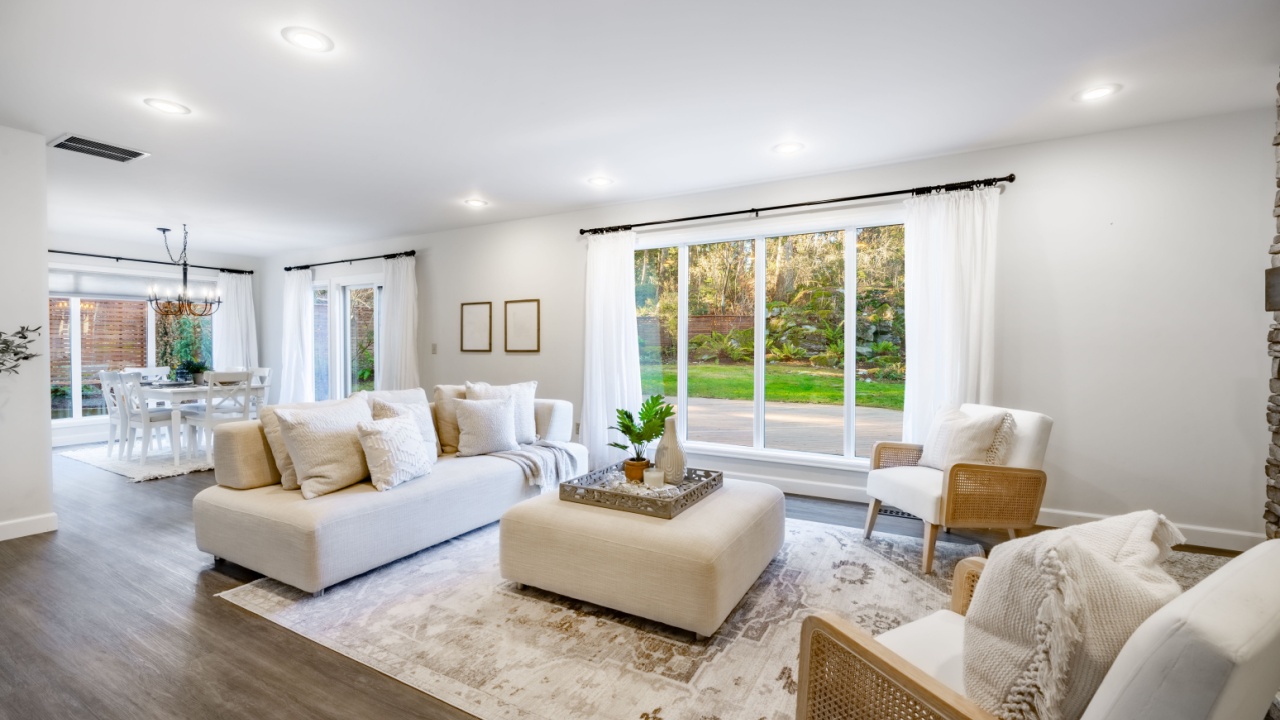
Using a slight angle to turn your couch inward can create a wonderful conversation area. Instead of lining up all your furniture in straight, formal rows, you can angle the couch toward another chair or loveseat. This simple adjustment shifts the whole dynamic of the space.
This setup subtly encourages interaction. It pulls the seating arrangement together, making the space feel more intimate and connected. It’s perfect for living rooms where conversation is the main activity. The furniture is physically oriented for people to face each other, making chats feel more natural and engaged. It turns a simple seating area into a dedicated social hub.
4. Right Way: Facing the Natural Light
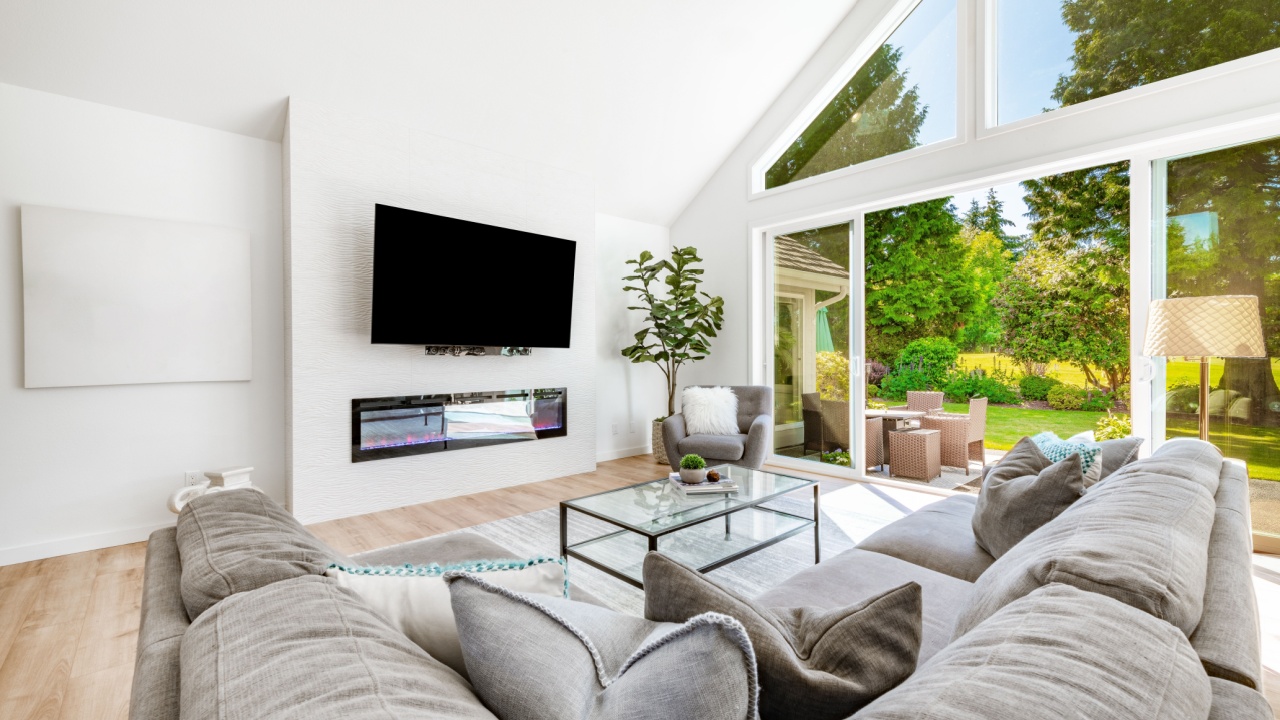
Here is another brilliant reason to angle your couch. Orienting your sofa to face a source of natural light, like a large picture window or sliding glass doors, can make the entire room feel brighter and more balanced. This is especially effective in rooms that might feel a bit lopsided or have an awkward corner.
By angling the couch, you can break up rigid lines and draw the eye toward the light, making the whole space feel more open and airy. It’s a great way to make your seating area the best spot in the house for reading a book or enjoying a morning coffee. You get to enjoy the view and the light, while the angle adds visual interest and solves layout challenges.
What to Do Next
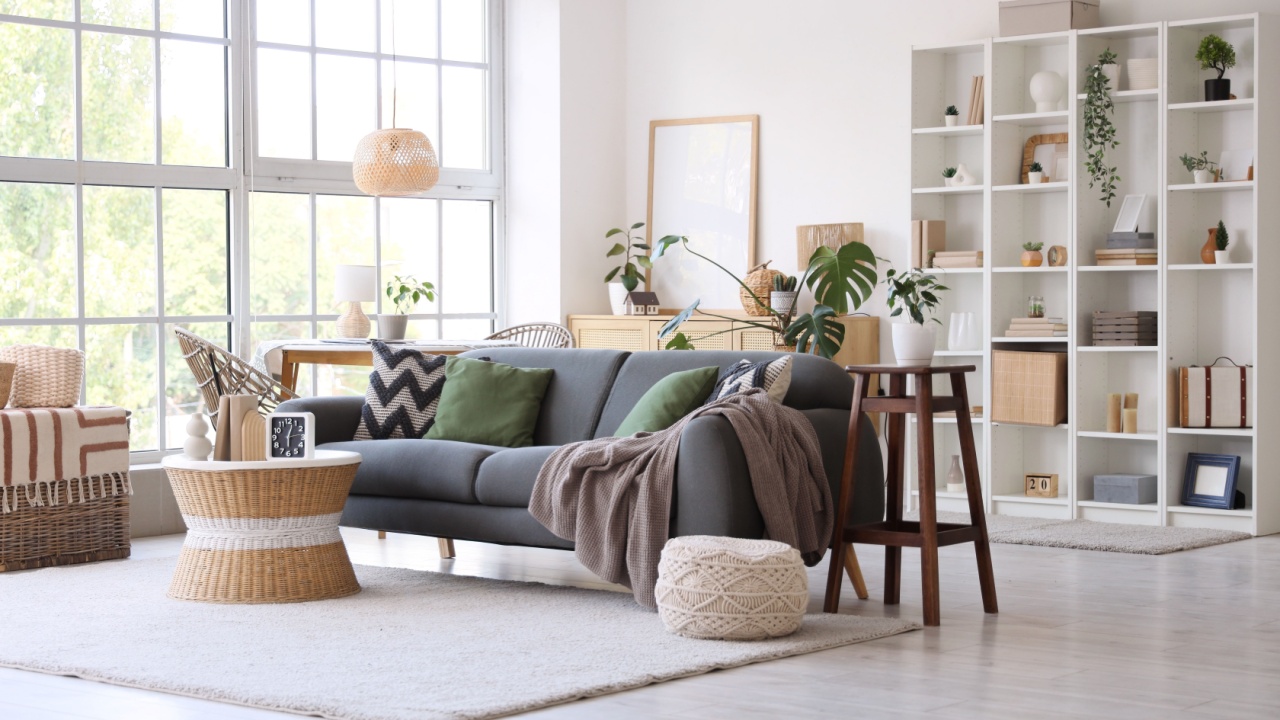
Your furniture position matters; it may even make your room feel small. Before you start pushing furniture around, take a moment to stand in your living room. What is the first thing you notice? What are the main pathways you use every day? Consider what you use the room for most often. Is it for watching movies, hosting friends, or quiet reading?
Your answer will guide your decision. Don’t be afraid to experiment. Try an angle for a few days. Walk around it, sit on it, and see how it feels. A great layout should make your daily life easier and more pleasant, not add an extra layer of difficulty.