Don’t Leave These 4 Items Outside in the Cold
Winter arrives with a distinct beauty, but that drop in temperature brings a harsh reality for your outdoor gear. While nature takes care of the dormant plants, your tools and furniture lack that biological defense mechanism. Leaving the wrong items exposed to snow, ice, and fluctuating temperatures (yes, even the garage!) often leads to rust, cracks, and expensive replacements come spring.
A little preventative maintenance now saves significant money and frustration later. You work hard to maintain your backyard oasis, so protecting your investment makes sense. By moving a few specific items into the garage, shed, or basement, you preserve their lifespan and functionality. Here is a guide to the items that need to come inside to survive the cold season.
1. Power Tools and Batteries
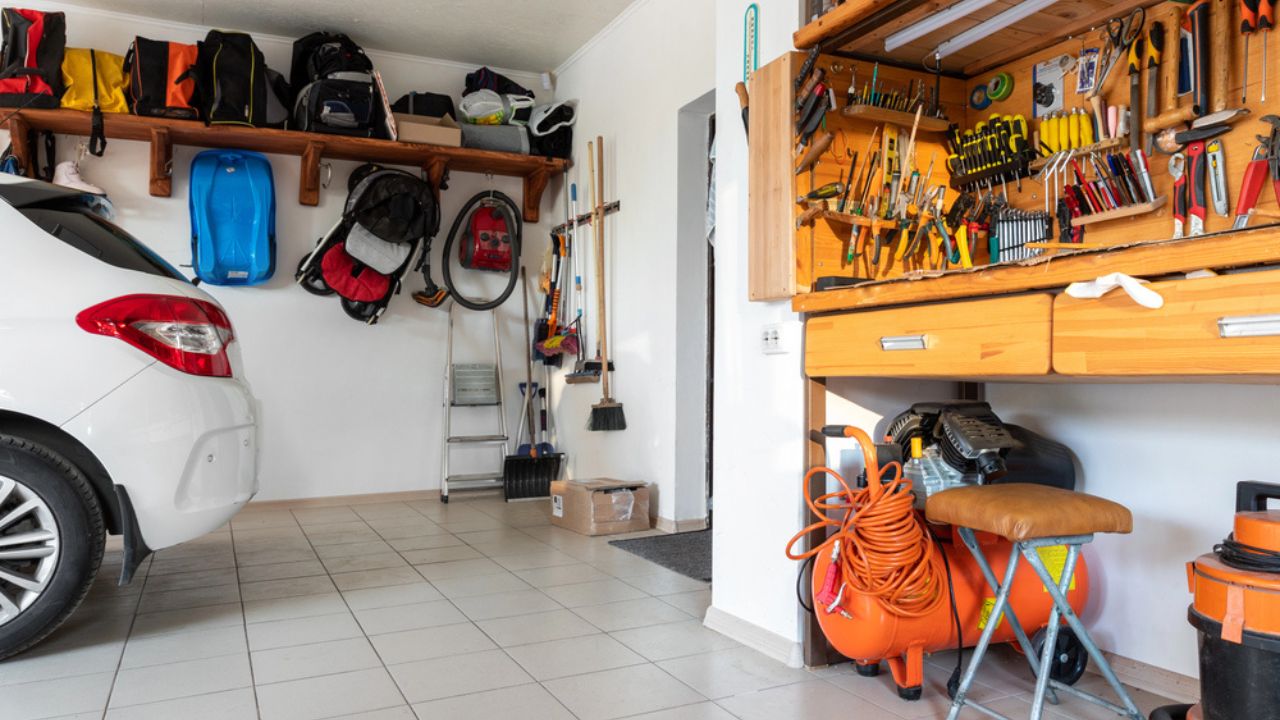
Your drill, leaf blower, and hedge trimmer are susceptible to major damage when left in unheated spaces. Moisture serves as the primary enemy here. Condensation builds up inside the motor housing and leads to internal rust or corrosion on electrical contacts.
The batteries require even more attention. Lithium-ion batteries degrade rapidly in freezing temperatures. The cold slows down the chemical reactions inside the battery, which can lead to a permanent loss of capacity or complete failure. A battery left in a freezing shed all winter might never hold a charge again.
2. Patio Furniture and Soft Goods
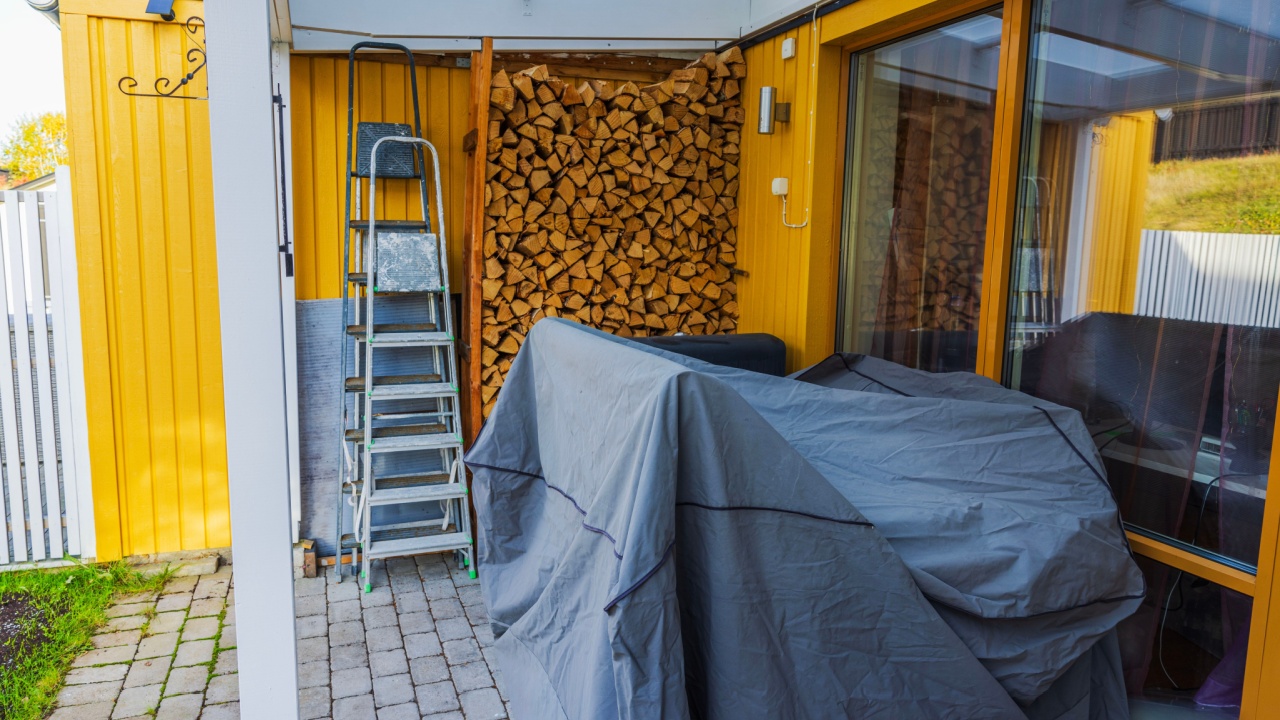
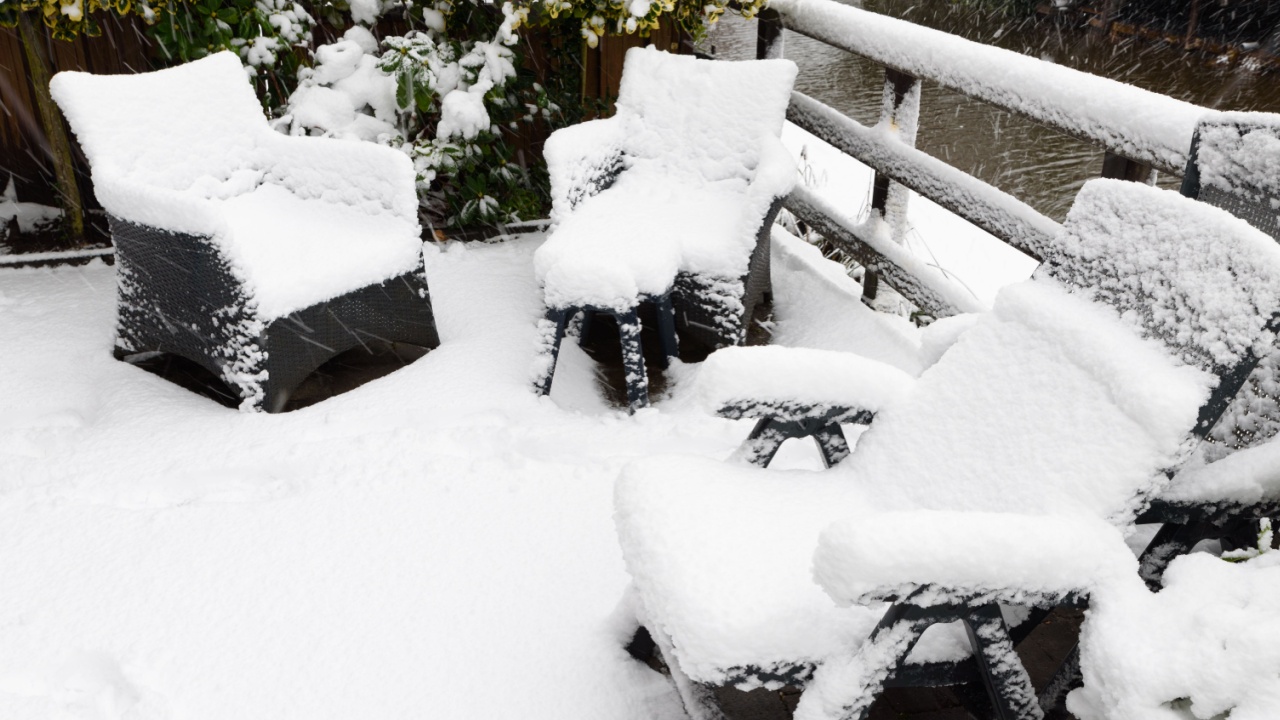
Outdoor furniture is built to withstand elements, but winter is a different beast entirely. Moisture gets trapped in wicker or wood crevices. When that water freezes, it expands and causes the material to crack or split. Metal furniture might survive the cold, but constant exposure to snow and ice speeds up oxidation and rust.
Fabric items like cushions, hammocks, and outdoor rugs face the highest risk. They absorb moisture like a sponge, becoming a breeding ground for mold and mildew. Even “weather-resistant” fabrics become brittle and prone to tearing after months of freeze-thaw cycles.
3. Garden Hoses
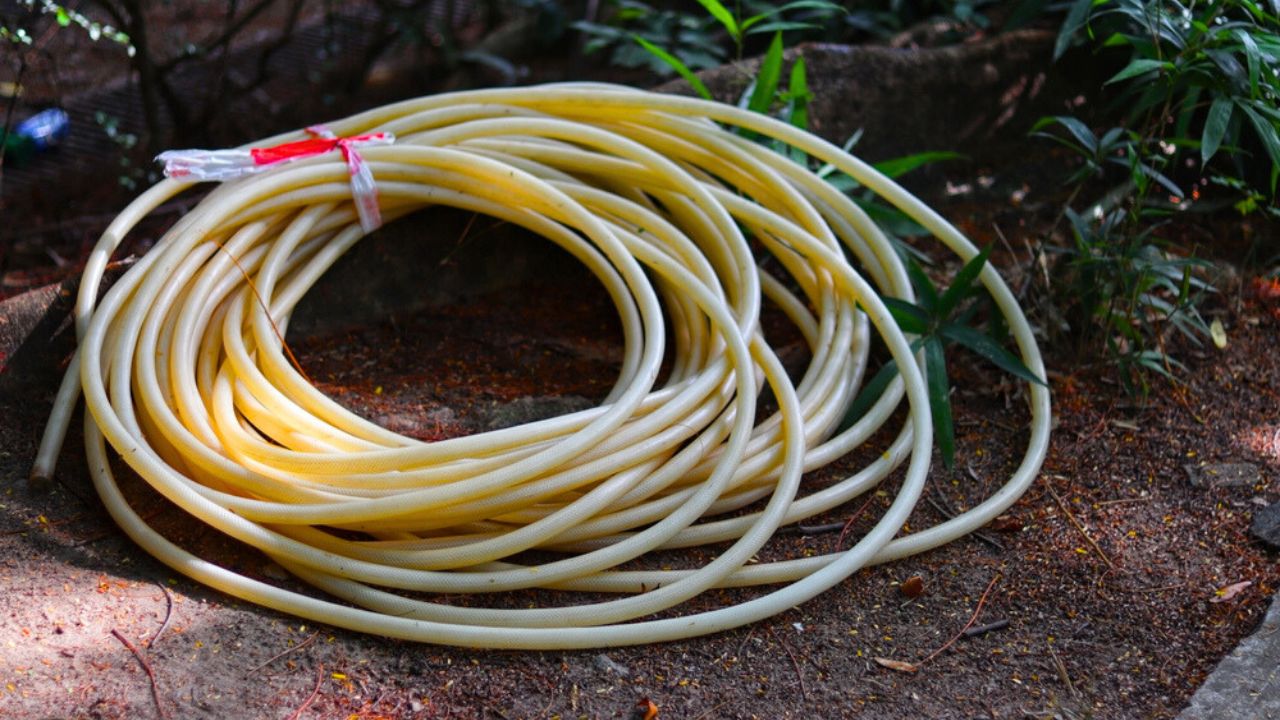
A high-quality garden hose feels indestructible in July, but it becomes incredibly fragile in January. Rubber and vinyl lose their flexibility in the cold. If you try to coil a frozen hose, it will likely crack or split.
Water left inside constitutes a bigger problem. As water freezes, it expands. This pressure causes the hose lining to burst or creates pinhole leaks that you will not notice until you turn the spigot on in the spring. This expansion can also damage the spigot itself or the pipes inside your home if the hose remains attached.
4. Extension Cords and Tech
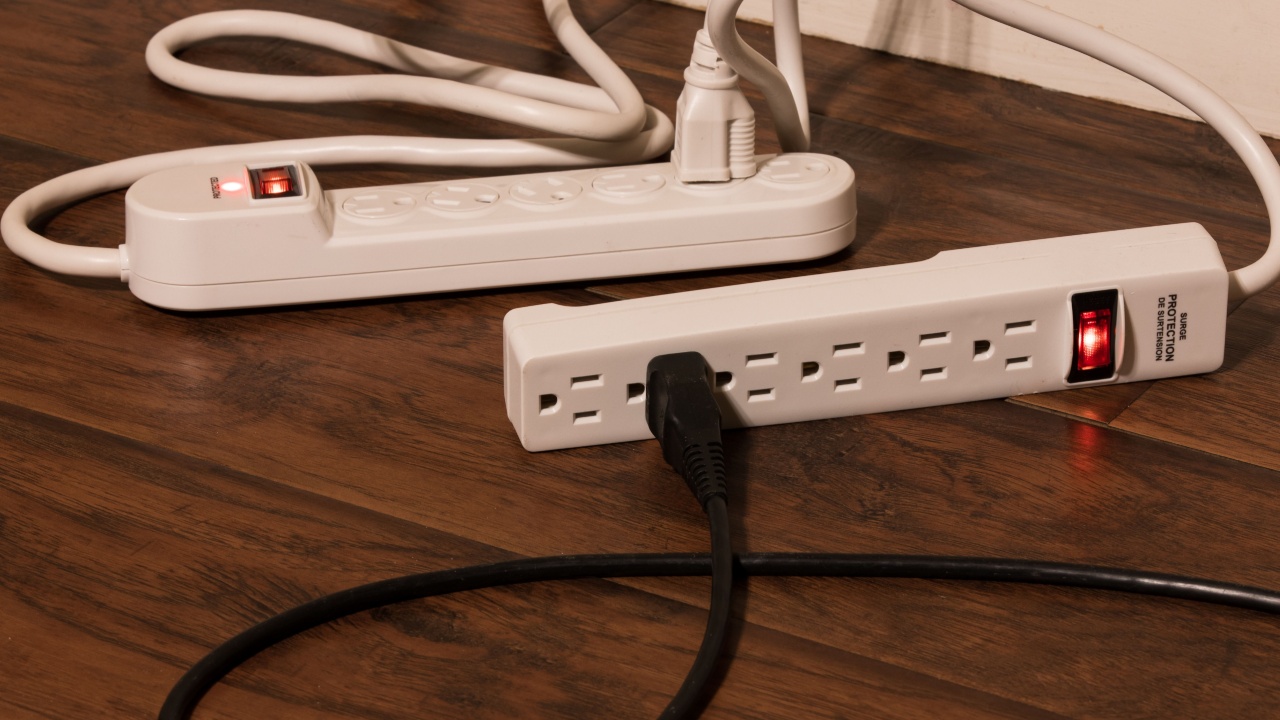
Outdoor lighting and speakers make a backyard magical in the summer, but most standard electronics are not rated for sub-zero endurance. The insulation on extension cords and string light wires hardens in the cold. This makes the casing brittle and prone to cracking, which exposes live wires and creates a serious fire hazard or shock risk.
Unless your electronics are specifically rated for extreme winter conditions, bringing them inside is the safest bet. Speakers, projectors, and non-permanent lighting fixtures degrade quickly when subjected to temperature fluctuations and moisture.
Preparing for a Fresh Start

Taking the time to store these items properly marks the final chapter of your gardening year. It protects your financial investment and keeps your gear in top shape for when the ground thaws. Once your tools and furniture are safely tucked away, you can rest easy knowing you won’t face a list of broken equipment in March.
If you are looking for productive ways to spend your time now that the gear is stored, consider planning your spring garden layout or researching new plant varieties. Winter offers the perfect opportunity to dream up your next big backyard project.