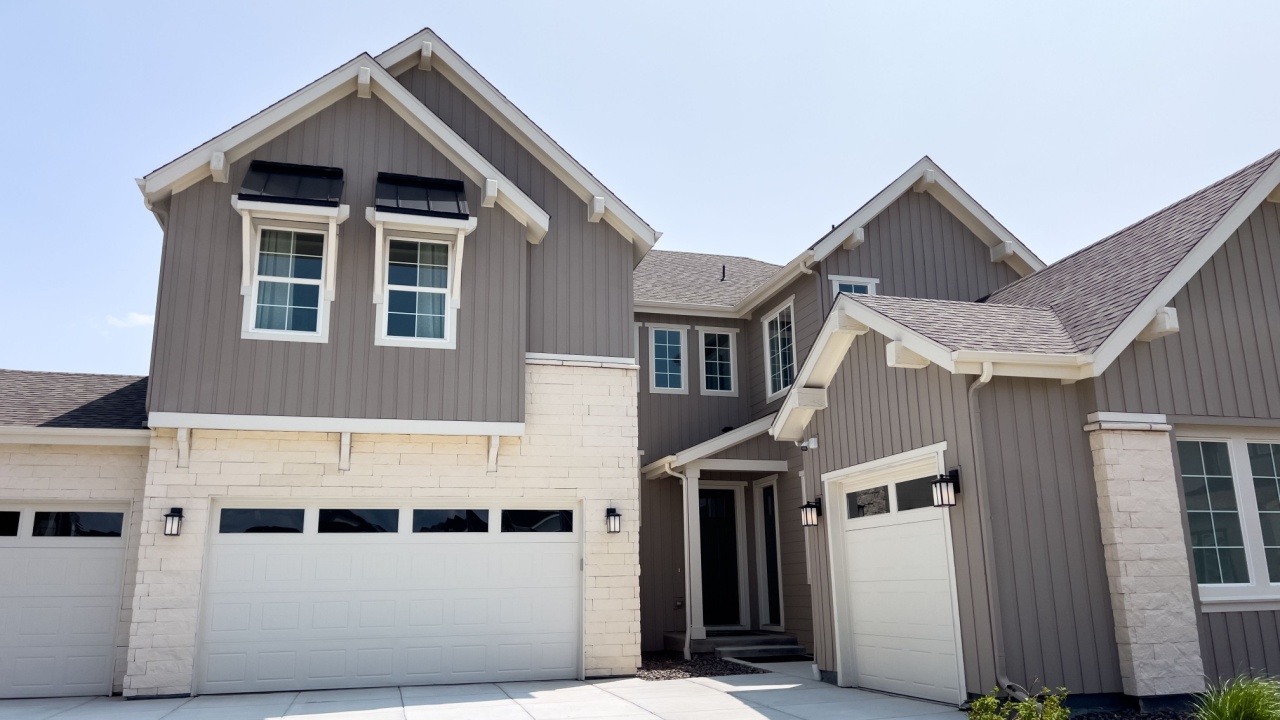
What Those Garage Door Sounds Are Telling You
Your garage door takes on a lot, opening, closing, shielding cars, and never complaining out loud. Until one day, it starts adding sound effects to its routine. That sudden screech or mysterious bang is not exactly a welcome encore. Before expecting disaster, it helps to get to know what those noises actually mean. Some are just the door’s version of grumbling, while others are a solid reason to pay attention.
Here’s a guide to help you decode what your garage door is trying to communicate.
1. A High-Pitched Squeaking
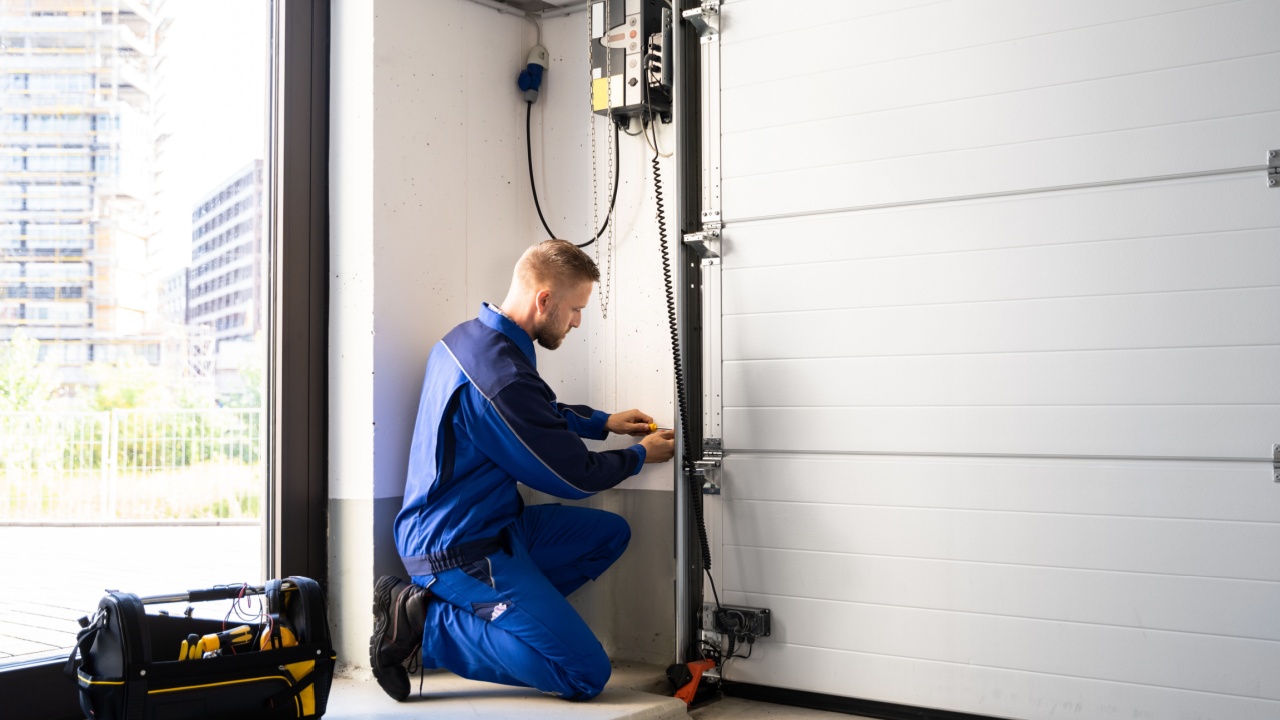
That persistent squeaking can drive anyone up the wall. It’s the kind of sound that makes mornings extra memorable. Thankfully, this doesn’t usually spell trouble. Most of the time, it’s a sign your door needs a little lubrication.
Metal parts like hinges, rollers, and springs rub together every time the door moves. Without regular grease, friction creates that cringe-worthy squeak. Your door’s giving a not-so-subtle hint for some silicone-based or white lithium grease. Just apply a little to the moving parts. If that doesn’t clear things up, the rollers themselves may be worn and need to be swapped out.
2. A Loud Popping Noise

A popping sound you can actually hear from across the driveway should never be ignored. It often means the torsion springs, the big springs above the door or on the sides, are working extra hard.
This noise pops up when springs bind or release as the door opens or closes. Sometimes it’s due to a lack of lubrication; sometimes it’s a warning that the spring is wearing out. A broken spring can halt your door in its tracks, and it is no joke; these springs are under serious tension. Please don’t attempt a DIY fix on the springs. For this one, call a professional.
3. A Constant Rattling
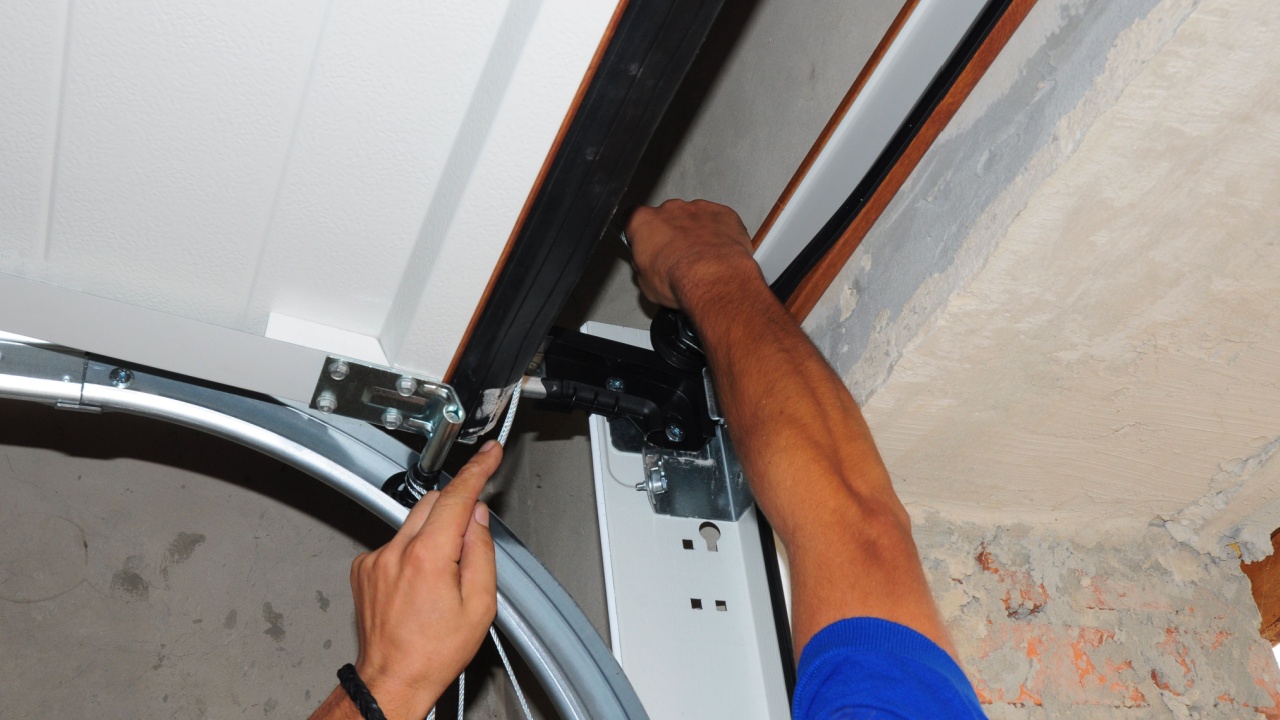
Rattling is your door’s way of saying something’s loose. Vibration as the door moves can cause bolts, brackets, or even sections of the opener to shake and chatter. Take a careful look at tracks, hinges, and brackets. If a bolt looks loose, try tightening it with a wrench (but watch for overtightening).
This noise can also come from a garage door opener chain that’s not quite tight. If the sound continues after you’ve checked what you can, calling in a pro is a smart move; they can spot issues that are harder to see.
4. An Agonizing Screeching or Grinding
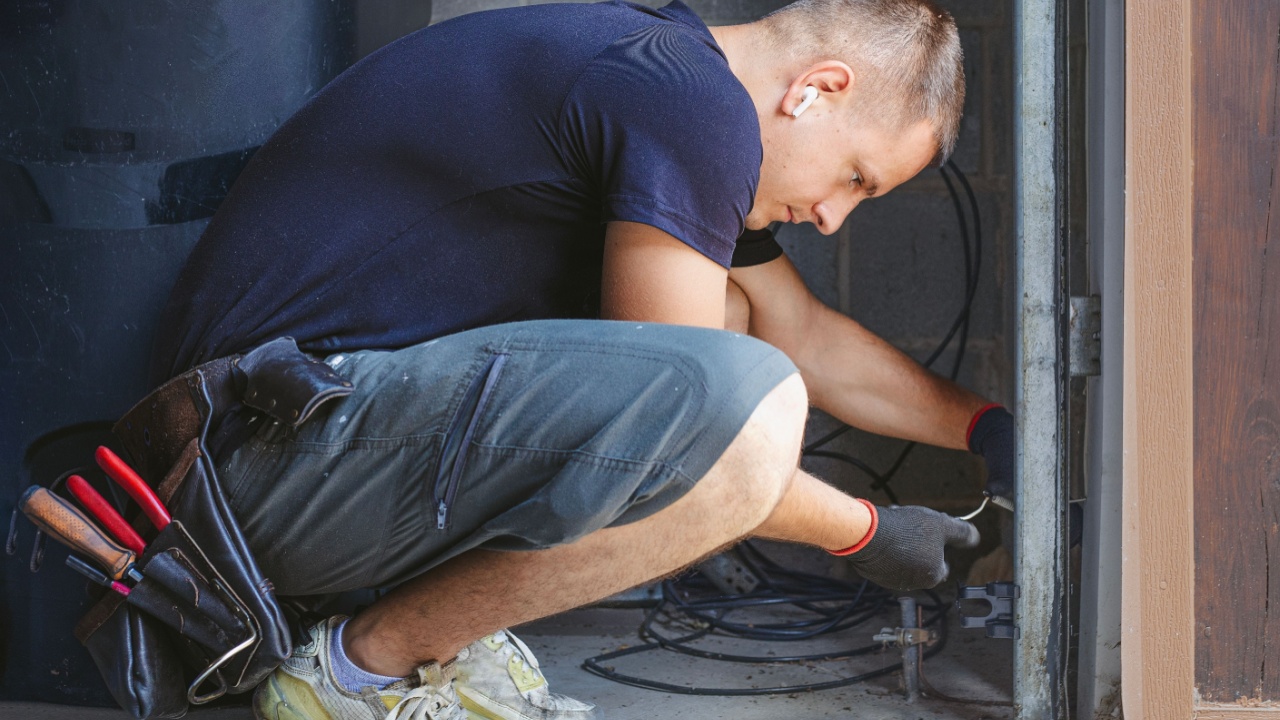
Screeching or grinding practically begs for attention. This is the metal-on-metal racket no one wants to hear, and it often means the door isn’t moving as smoothly as it should. If the door is off-balance, it can scrape against the tracks, making things worse with every movement.
Rollers that have seen better days can also cause this, bumping along rather than rolling cleanly. Stop using the door until you’ve figured out why it’s making that noise; forcing it risks bigger repairs down the road. Check for anything blocking the tracks or damaged rollers. If the problem isn’t obvious, reach out to a technician.
5. An Intermittent Clinking

A light, irregular clinking can be pretty sneaky. It’s usually coming from the springs or the opener chain. Torsion spring coils sometimes clink as they wind or unwind. This can be harmless, but if you’re noticing new or louder clinking, the springs might be aging.
A chain-drive opener can develop this noise too when its chain loosens. Check for extra slack. Occasional clinking might not mean much, but repeated or louder clinking should get checked out. A technician can let you know if your springs or chain need any adjustments—or a full replacement.
6. A Rhythmic Ticking
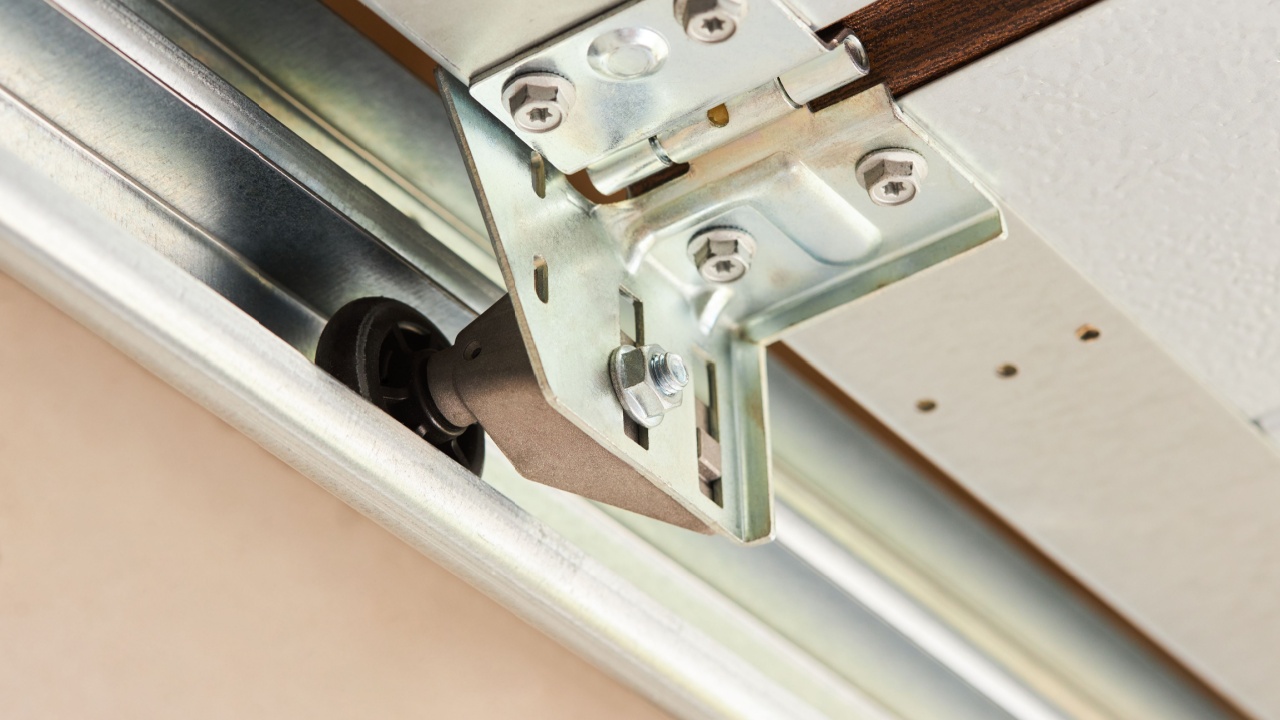
Ticking noises from the rollers as they move along the track are pretty common with unsealed bearings. Dirt or age can cause ticking every time a roller passes a particular spot. While not urgent, this is a good heads-up that your rollers are wearing down.
Cleaning and lubricating can buy you some time. If the ticking gets louder or shifts into a new sound, though, the rollers are probably ready for retirement. Upgrading to nylon rollers with sealed bearings will make things smoother (and quieter) for many years ahead.
Beyond the Buzzers and Bangs

Listening to your garage door helps spot issues before they balloon. When a new sound appears, don’t blast music to drown it out or hope it stops. Notice when and where the noise happens, and whether it’s tied to opening, closing, or a specific section. Small tasks like adding grease or tightening bolts are safe to try on your own. But anything with high-tension parts like springs, cables, or alignment problems deserves expert attention. When you’re not sure, step back, do some organization, and call in a pro.
Read more
Less Clutter, Better Use of Space: 17 Smart Garage Organization Tips
7 Items to Keep Out of the Cold Garage for Better Maintenance