
Why Everyone Needs to Try Reverse Decluttering
Standing in front of an overflowing closet often triggers a specific kind of paralysis. You stare at the shirts from three years ago, the jeans that might fit one day again, and that weird gadget used once for slicing avocados. The brain freezes.
Traditional advice suggests picking up every single item and asking if it sparks joy or if it serves a purpose. This method works for some, but for many, it leads to decision fatigue before the first shelf gets organized. Looking for a different path through the mess might save your sanity. That is what reverse decluttering brings.
What Is Reverse Decluttering?

At its core, reverse decluttering involves emptying a space completely and then selectively putting back only the items you actively want. Traditional decluttering usually involves looking at a cluttered pile and trying to identify the trash. You hunt for things to remove. This creates a negative mindset where the focus remains on the clutter itself.
Reverse decluttering takes the opposite route. You act as if you are moving house or going on a long trip. You remove everything from the drawer, shelf, or room. Then, you treat the empty space as a blank canvas. You only invite items back into that space if they have a clear function. This distinction matters because of human psychology. When you hold an item and debate throwing it away, you trigger a sense of loss aversion.
How to Do Reverse Decluttering
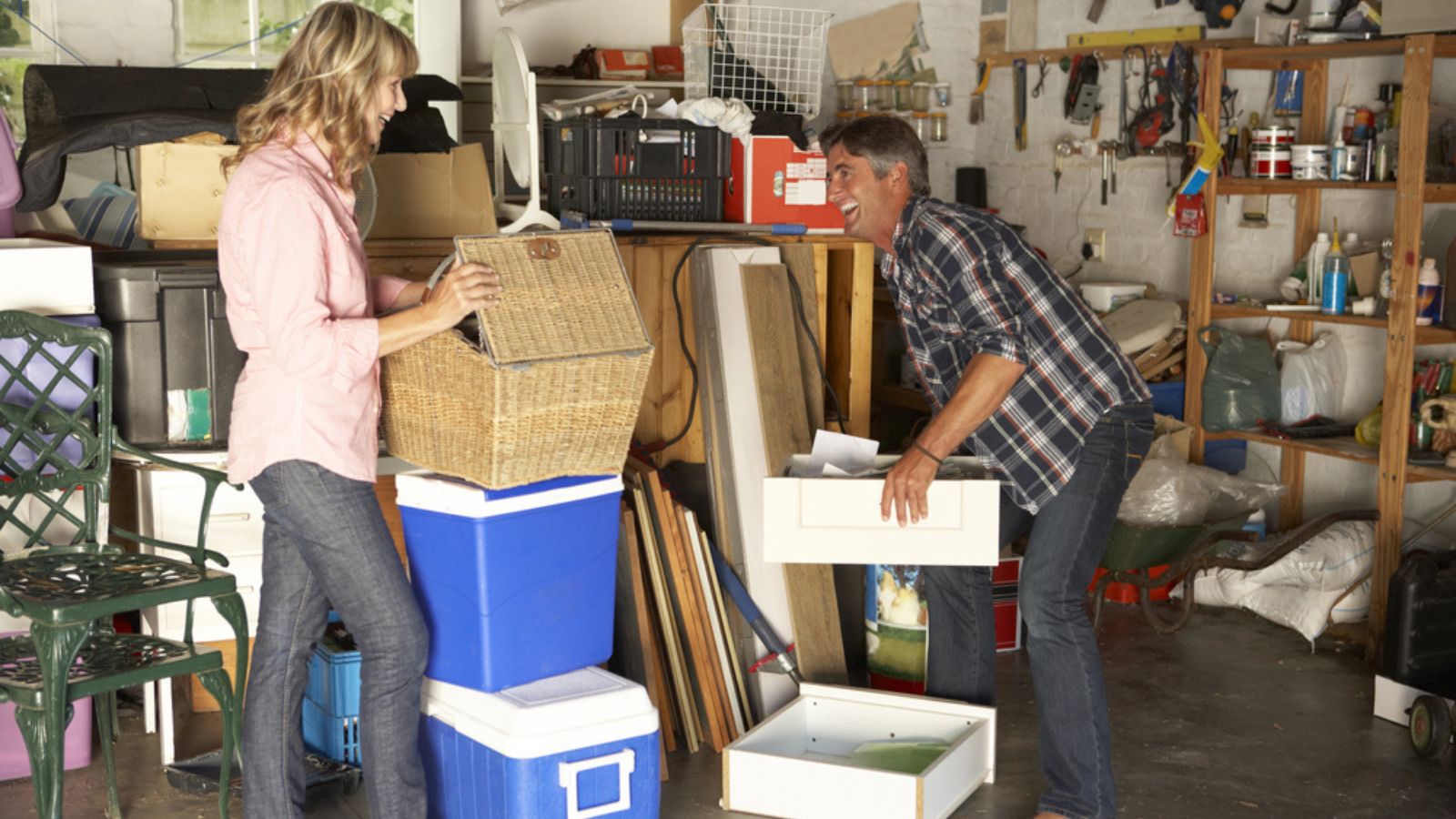
To execute this strategy, choose a defined area. Remove every single item. The point is to create a total void. While the shelves or drawers sit empty, wipe them down. Now look at the pile of stuff you removed. Imagine you are in a store. From that pile, “buy” the items you would pay money for right now. Pick up the absolute favorites and place these winning items back into the clean space. Arrange them nicely.
You will likely gaze upon a remaining pile of items that did not make the cut. These items did not warrant an invitation back into your clean space. Because they are already out of the drawer or off the shelf, the hard part is over. Sort this pile into three categories: donate, recycle, or trash. Box up the maybes and give them an expiry date. If they are unopened by that date, they can go.
Why You Should Try Reverse Decluttering

Adopting this mindset offers advantages that go beyond just a tidy home. It rewires how you interact with your possessions. Traditional cleaning demands thousands of small decisions: “Should I keep this? Do I need this? What if I use it?” This exhausts the brain rapidly. Reverse decluttering requires fewer decisions because you only choose the winners. The losers get filtered out by default.
It helps you break the emotional hold of stuff you keep out of guilt. A gift from an aunt, an expensive purchase that never got used. When you focus on what to keep, those guilty items rarely make the list of “favorites. When you only put back what you reach for, the redundancy of the other ten knives becomes obvious.
Moving on Clutter-free

Clutter often represents delayed decisions and stagnant energy. Tackling it feels overwhelming because we frame it as a loss. Reverse decluttering changes the game by framing it as a choice to keep the best. It turns a chore into a curation process. Start with a single drawer or a medicine cabinet. Dump it out. Clean it. Put back only the toothbrush and the cream you actually use. Notice how easy it feels to let the expired aspirin and dried-up mascara stay out of the space. Once you experience the relief of a space containing only what serves you, the rest of the house will follow.
Read more:
Declutter First, Clean Second: 14 Things to Toss Before Spring
15 Worthless Items at Home to Declutter and Toss Immediately