12 Smart Hacks for Organizing the Pantry
A pantry often starts as a hopeful space for meal inspiration, but it often devolves into a Bermuda Triangle for groceries.
You buy a bag of lentils intending to make a stew, only for that bag to vanish behind a wall of cereal boxes until three years later. Such a pantry needs an established system where you can find the tomato sauce without requiring a search party or a flashlight.
A well‑organized pantry doesn’t just look nice; it saves time, reduces food waste, and makes cooking feel less like a scavenger hunt. When everything has a clear place, and you can actually see what you own, you’re far more likely to use ingredients before they expire and avoid buying duplicates you don’t need.
Here are twelve clever methods to bring order to the chaos.
1. Group Foods by Category
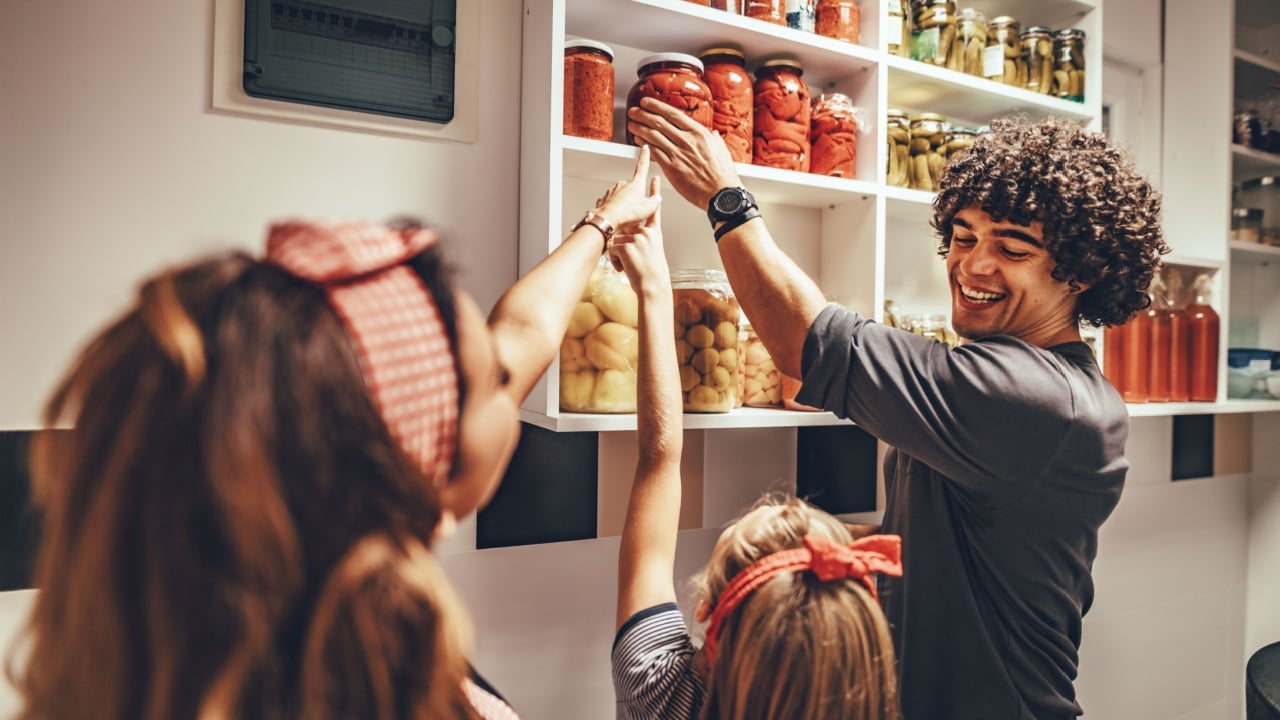
Arranging items by category serves as the fundamental building block for a manageable food storage space. This means all baking supplies reside in one specific zone, pastas and grains inhabit another, and canned goods stand together in neat rows. When every item has a specific neighborhood, you instantly eliminate the frantic hunting for ingredients while your dinner simmers on the stove.
This method significantly streamlines the process of grocery shopping and meal planning. A quick glance at the snack section reveals immediately if you need more pretzels or if you are fully stocked for the week. Organizing by category also helps you practice proper stock rotation, as you can easily identify which items are older and need to be consumed first.
2. Use Glass Jars for Decanting
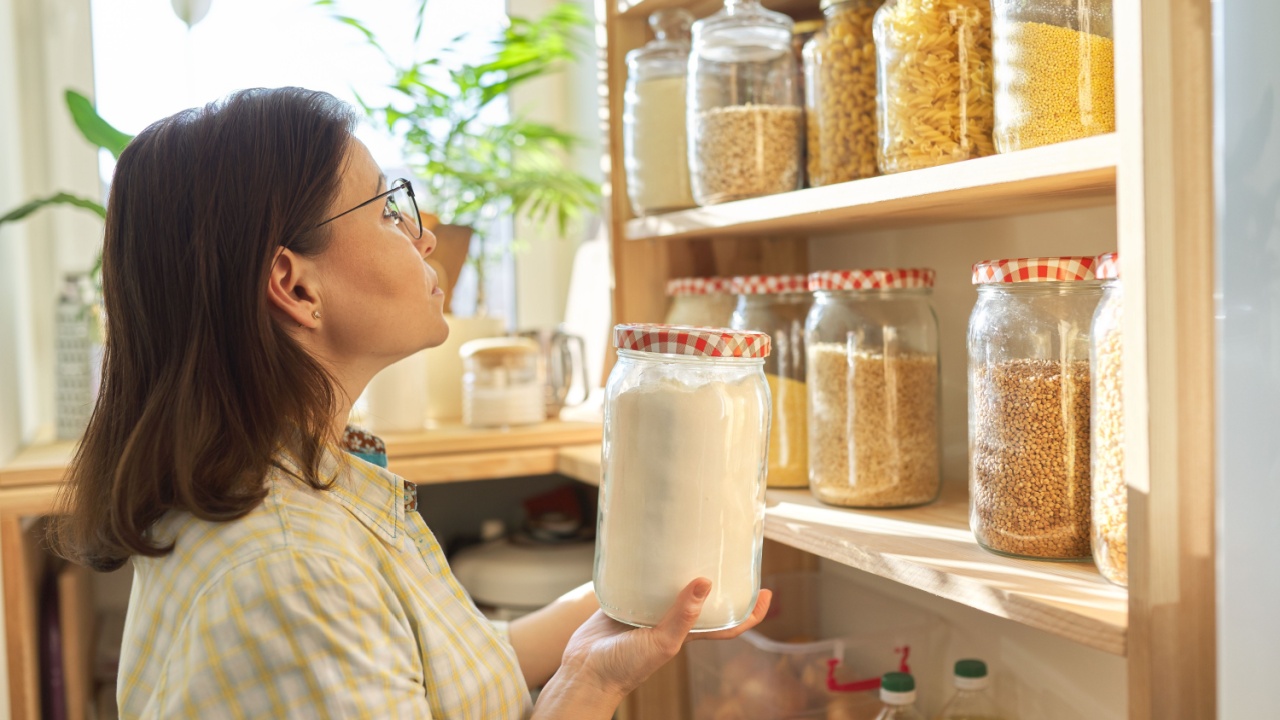
Transferring dry goods like flour, sugar, and rice from their original flimsy packaging into clear glass jars offers benefits beyond just looking tidy. These containers provide an airtight seal that protects your food from moisture and pests, keeping ingredients fresh for a much longer period. Uniform jars create a cohesive aesthetic that reduces visual noise and makes the shelves look intentionally designed rather than cluttered.
You also gain the advantage of seeing exactly how much of an ingredient remains without opening a box. This visibility prevents the annoyance of starting a baking project only to realize the sugar bag is actually empty. Glass jars are sturdy and washable, making them a sustainable choice that you will not need to replace constantly.
3. Install Sliding Pantry Doors
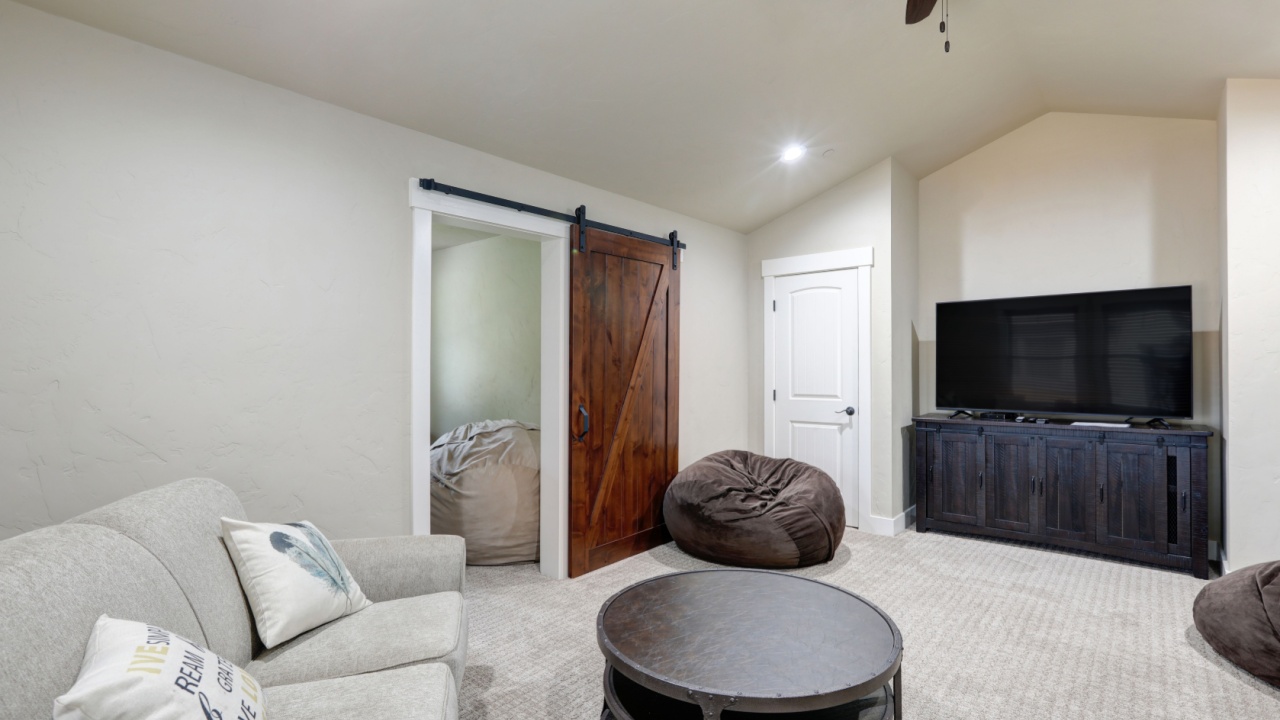
Traditional swing-out doors can become a major nuisance in tight kitchens or narrow hallways where space is limited. They often block walkways and create traffic jams when you are trying to grab a quick snack or put away groceries. A sliding barn door glides smoothly along a track parallel to the wall, which means it requires zero floor clearance to open or close.
This functional upgrade improves the flow of your kitchen while adding a distinct stylistic element to the room. You can choose a door style that matches your decor, whether you prefer a rustic farmhouse look or a modern industrial vibe. It solves a practical spatial problem while acting as a piece of statement decor.
4. Add Shelf Risers

Shelf risers are essential tools for maximizing the vertical air space that often goes wasted between standard shelves. These freestanding mini-shelves allow you to stack items like canned goods or spices on two levels while keeping everything visible. By elevating the back row of items, you prevent smaller jars from disappearing behind taller cans in the front.
Effectively doubling the surface area of a single shelf allows you to store more without creating a precarious tower of cans. You can grab what you need from the bottom layer without disturbing the items on top, which prevents avalanches. Risers are an affordable and instant way to expand your storage capacity without installing permanent carpentry.
5. Implement a Visible Inventory List
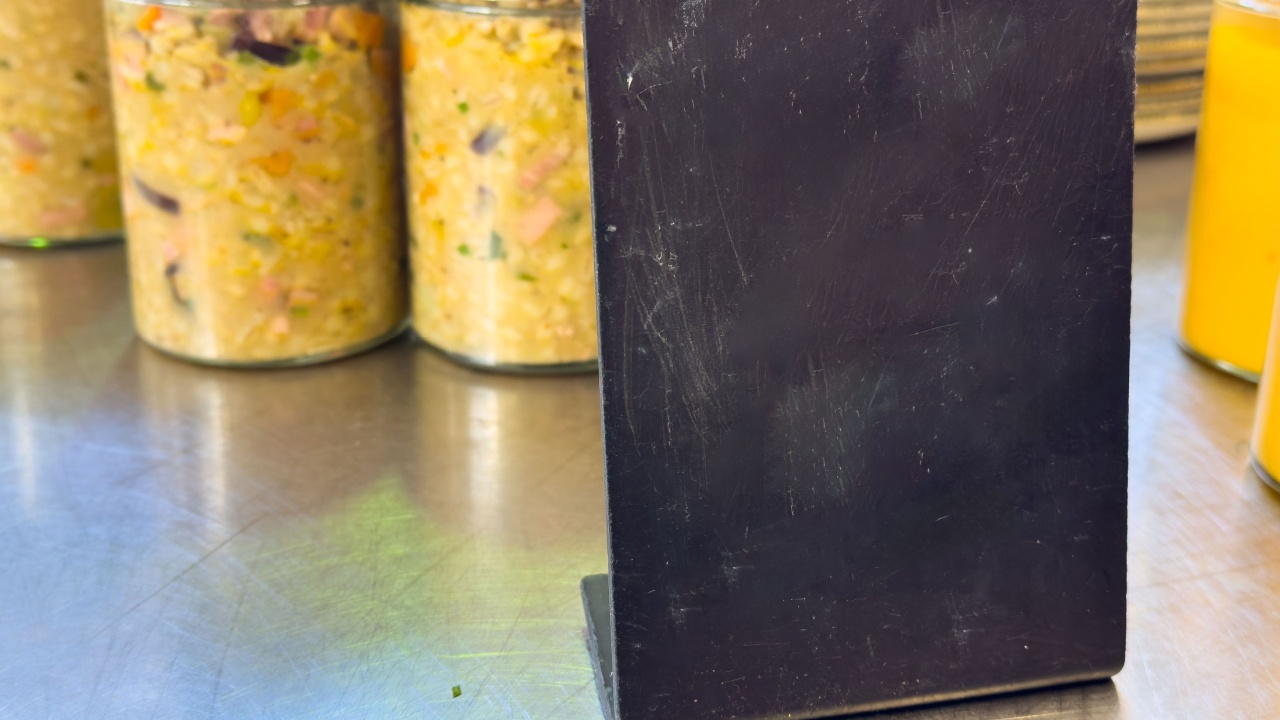
Hanging a chalkboard, whiteboard, or even a simple notepad on the inside of the door creates a centralized communication hub for your household. The rule is simple: when you use the last of an item, you immediately write it down on the list to avoid forgetting later. This habit creates a running grocery list that remains accurate and up-to-date at all times.
This low-tech system removes the mental burden of trying to recall what staples you are missing while you are at the store. It helps curb impulse buying because you walk into the supermarket with a definitive plan based on actual needs. You save money and reduce food waste by only purchasing healthy ingredients, such as probiotics, and only what is truly necessary to replenish your stock.
6. Create a Beverage Station

Dedicating a specific zone to beverages can significantly smooth out your morning routine and keep drink-related clutter contained. You might group your coffee maker, mugs, beans, and filters in one area, or create a spot for teas, hot cocoa, and drink mixes. Having all the necessary components in one location makes preparing a drink a seamless and quick task.
This strategy frees up valuable counter space in the main kitchen area by consolidating these items into the pantry. It keeps the mess of coffee grounds or sugar spills confined to one shelf that is easy to wipe down. Guests also appreciate knowing exactly where to find everything they need to make themselves a drink without asking.
7. Use Bins and Baskets with Limits
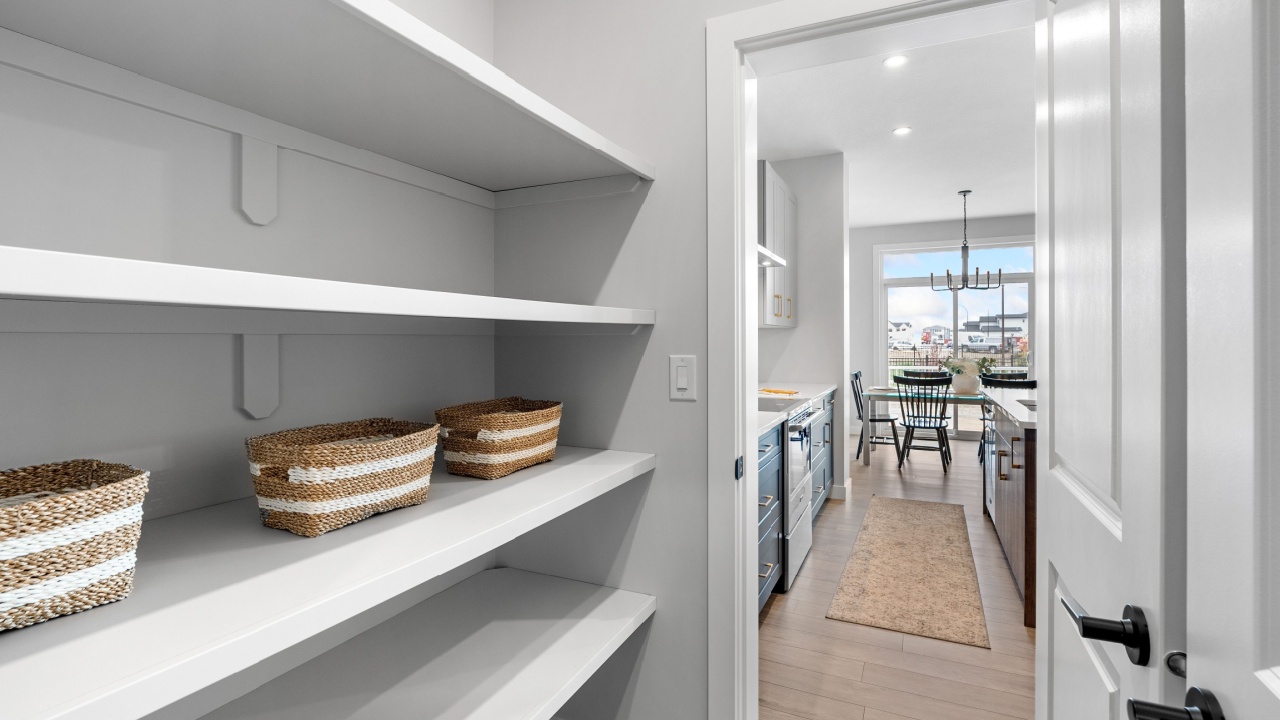
Storage bins and baskets are perfect for corralling loose items like chip bags, seasoning packets, and snack bars that otherwise create a mess. The trick to this system involves treating the container size as a strict limit on how much you can own. If the snack basket is overflowing, you must eat some snacks before buying more, which helps control inventory levels.
Woven baskets serve well for hiding visually chaotic packaging, while clear bins work best for items you need to identify quickly. This method encourages you to finish what you have before bringing new items into the house. It maintains order by preventing the accumulation of excess food that ends up expiring in the back corners.
8. Consider Wall-Mounted Storage
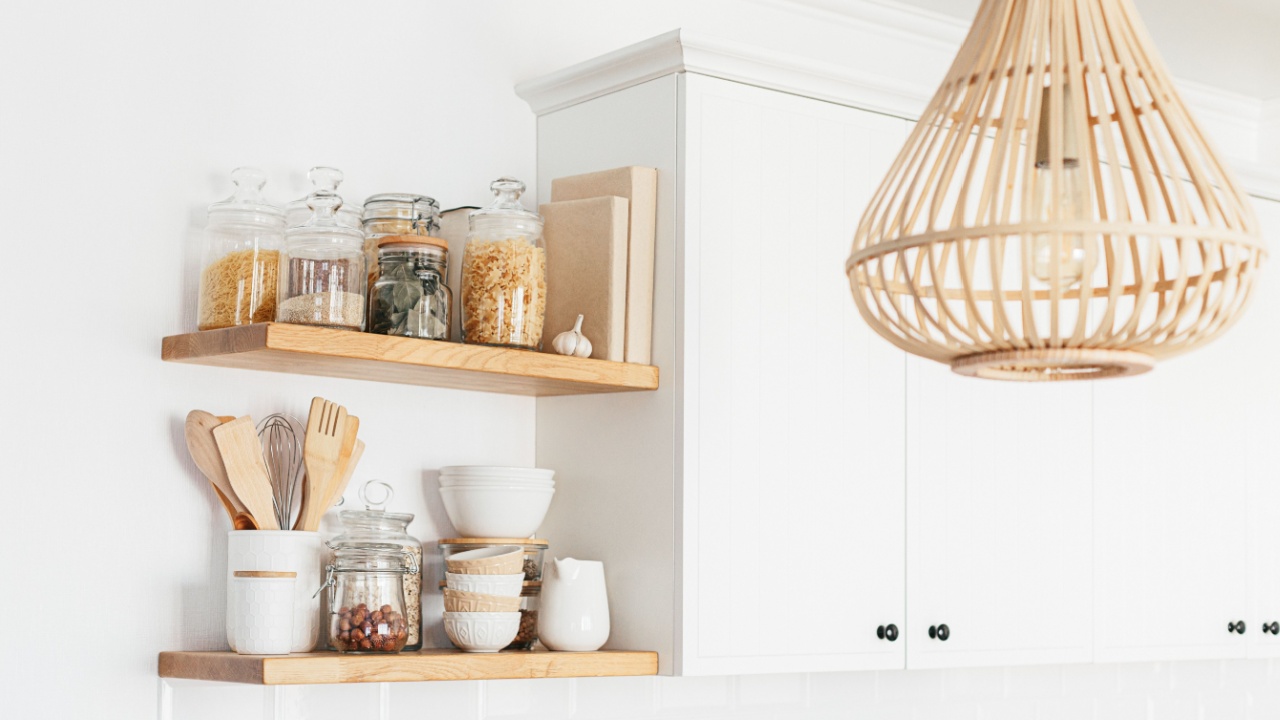
The empty vertical space on walls and the back of the door represents prime storage space that many people overlook. Installing shallow racks or shelves in these areas provides the perfect home for spices, oils, and foils. These frequently used items remain easily accessible without taking up precious depth on your main shelves.
Using this dead space is particularly helpful in smaller homes where every square inch matters. It keeps small bottles and jars from getting lost in the shuffle of larger items on deep shelves. Wall-mounted solutions are often easy to install and can be customized to fit the specific dimensions of your wall.
9. Mix Your Materials
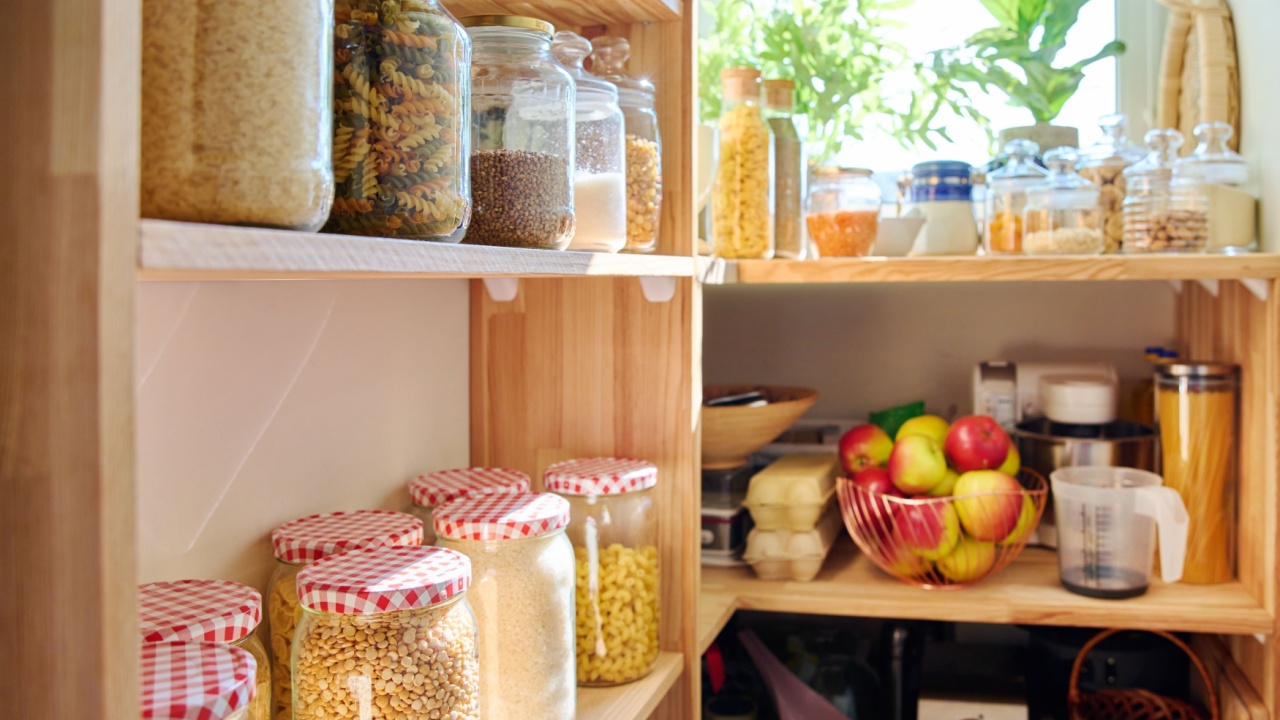
A functional pantry does not need to look sterile or boring with only one type of plastic container. Combining different materials like wooden crates and glass jars adds texture and warmth to the space. This approach allows you to choose the best material for the specific function of the food being stored.
Wire baskets are excellent for produce like onions and potatoes because they allow for necessary air circulation. Airtight plastic or glass containers work best for grains and cereals to maintain freshness. Mixing materials results in a space that feels curated and personal rather than like a generic display in a store.
10. Improve Your Pantry Lighting
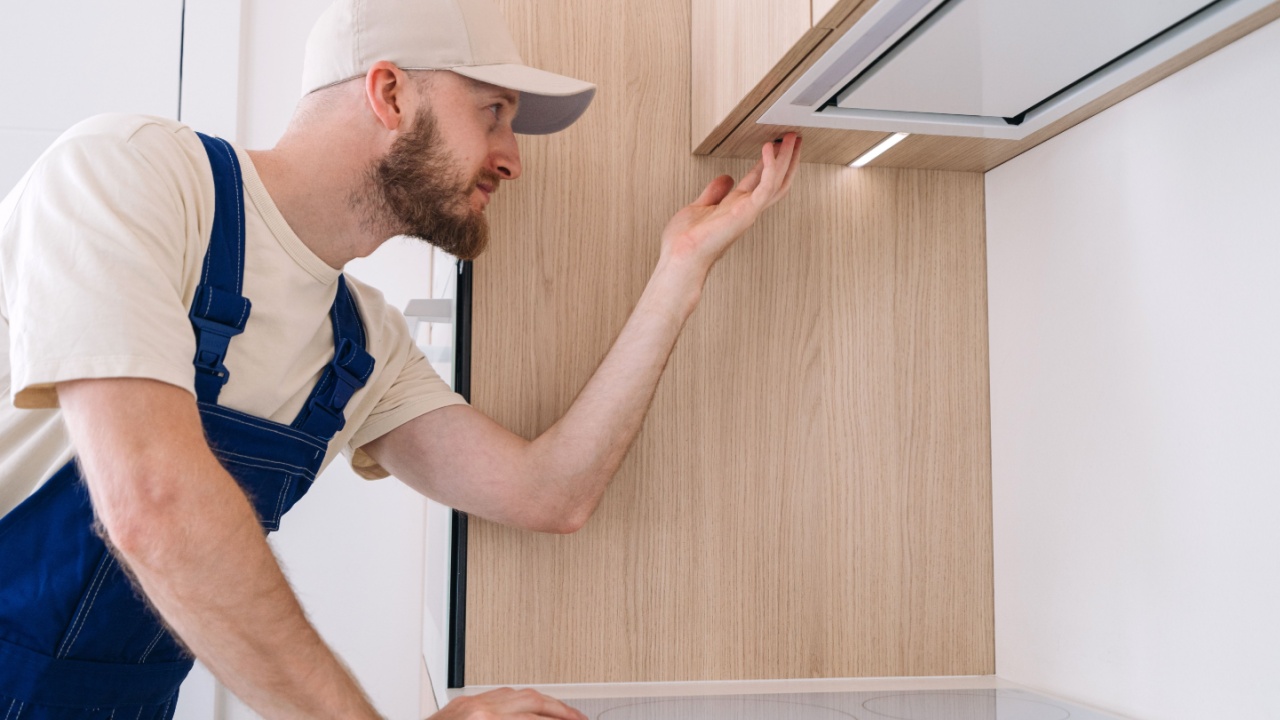
A dark closet makes it nearly impossible to keep things organized because you cannot see what is lurking in the shadows. Installing battery-operated LED lights or motion-sensor strips can instantly illuminate the darkest corners of your shelves. When you can clearly see the labels on your cans, you are far less likely to lose items to expiration dates.
Proper illumination makes the space feel cleaner and larger, encouraging you to keep it tidy. It improves safety by helping you avoid knocking things over as you reach for items in the back. Simple lighting upgrades are inexpensive but deliver a massive impact on the daily usability of the space.
11. Designate a Home for Small Appliances

Kitchen counters often become a parking lot for bulky appliances like blenders, air fryers, and stand mixers that you do not use every day. If you have deep shelves, moving these items into the pantry clears significant workspace for daily cooking. This keeps your kitchen looking tidy and open while making sure your gadgets remain accessible.
Check the weight limits of your shelves before loading them up with heavy equipment to avoid any accidents. Store the heaviest items on lower shelves to make lifting them out safer and easier on your back. This simple relocation strategy can make your entire kitchen feel more spacious and less chaotic.
12. Add Stackable Clear Bins
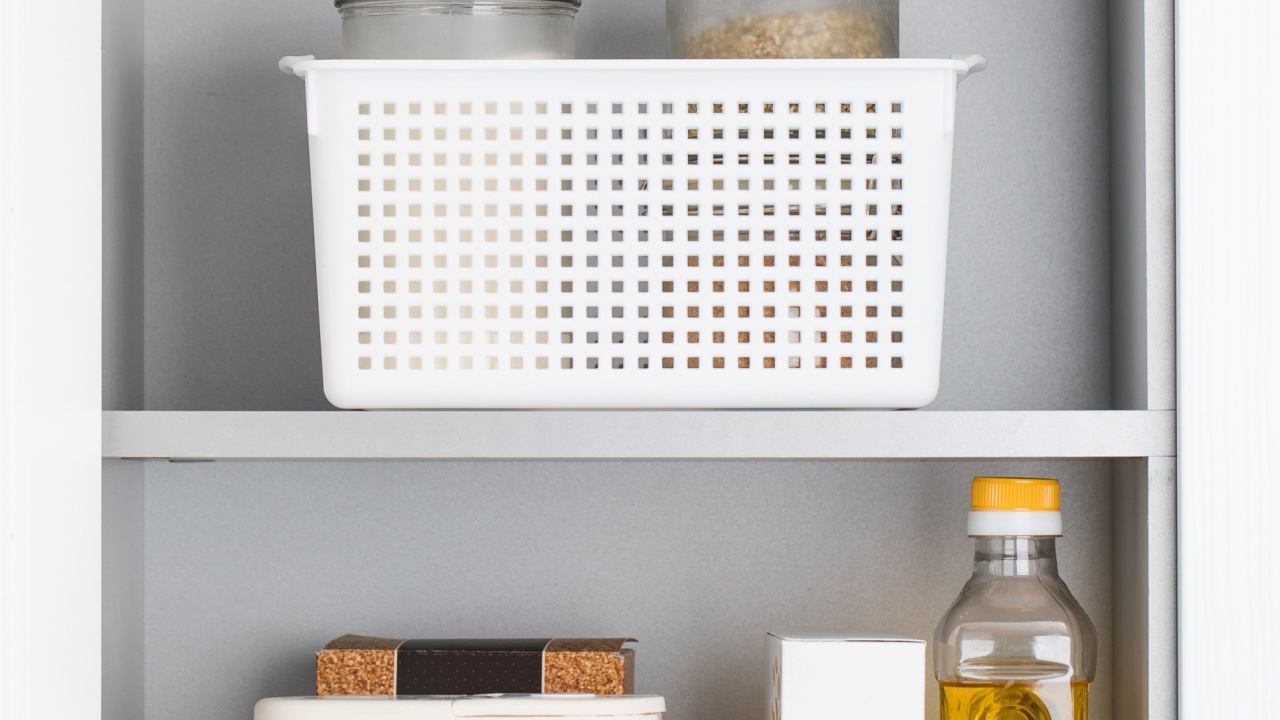
Stackable clear bins utilize vertical height efficiently while keeping the contents visible and secure. They are perfect for organizing items that come in awkward bags or boxes, such as pasta, baking mixes, and granola bars. Because the bins are transparent, you never have to guess what is inside or unstack them to check.
This system eliminates the teetering piles of cardboard boxes that tend to fall over whenever you shut the door. The containers protect the contents from getting crushed and contain any spills that might happen inside. Stackable bins create a modular system that you can rearrange easily as your storage needs change.
Maintaining the Order
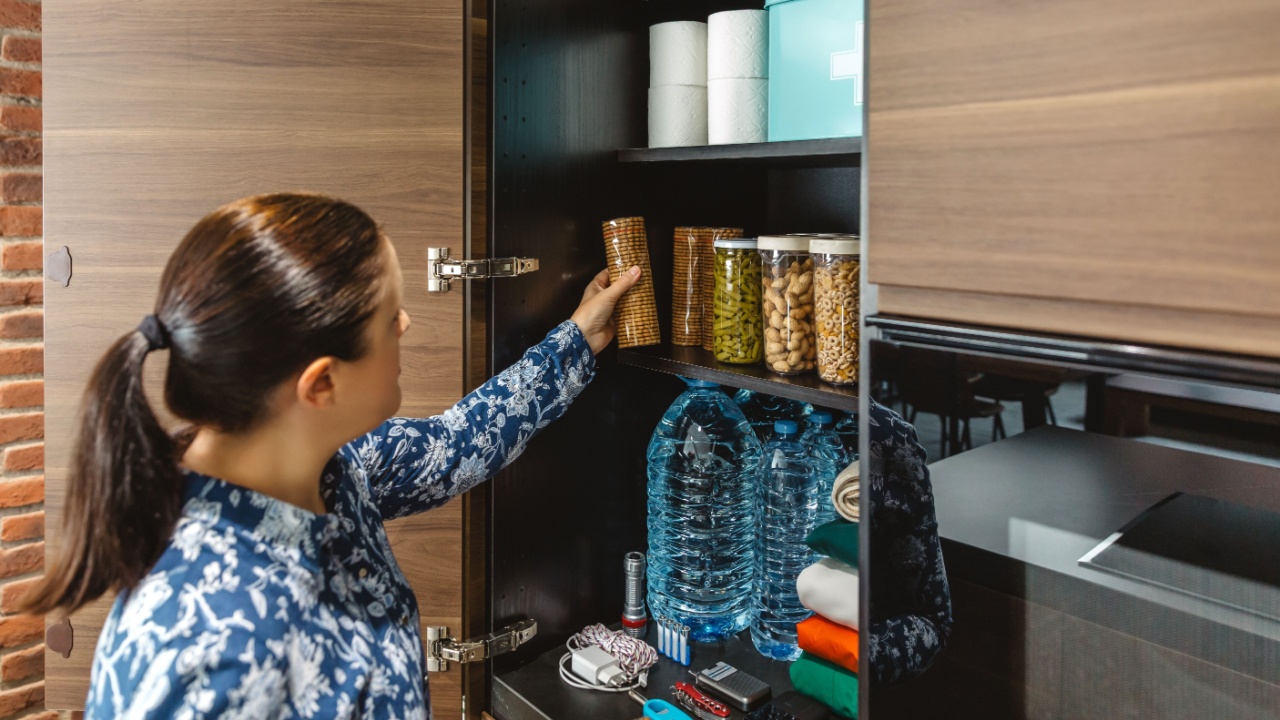
Once you have established these systems, the challenge shifts to keeping the chaos from creeping back in. Adopt a “one in, one out” policy where you finish an open box of crackers before opening a new one. Spend five minutes each week doing a quick reset to put stray items back in their designated homes.
Consistency is the secret ingredient to a permanently organized home. You do not need to be perfect, but returning items to their zones immediately will save you hours of reorganizing later. Your future self will appreciate the ease of finding ingredients when it is time to cook dinner.