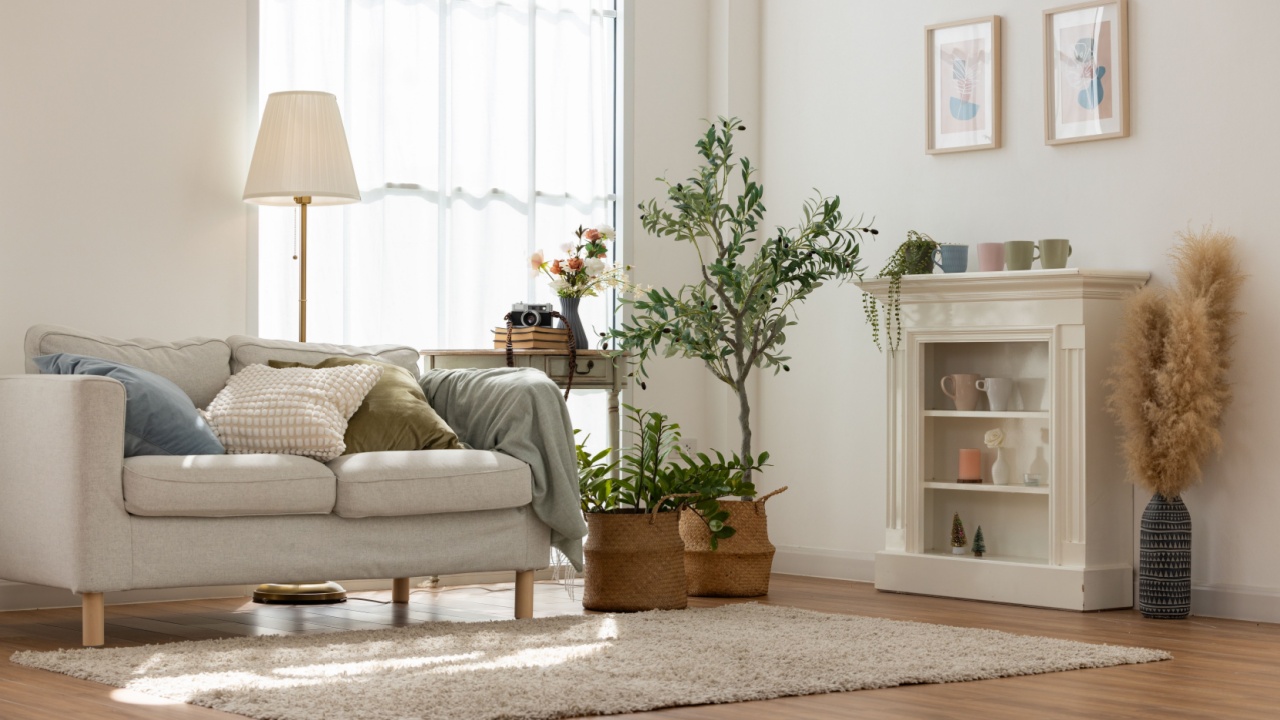
How to Create a Home Sanctuary That Soothes the Nervous System
Can a home quietly train the body to feel calm and safe the moment the door closes? The spaces used every day play a powerful role in regulating stress, sleep, and emotional balance, often without conscious awareness. When a home is designed to support the nervous system, it becomes more than a place to live; it becomes a place to recover.
Daily life and stressors can keep the body in a constant state of alert that can make it hard to relax. Thankfully, the right environment can help ease that tension naturally. Gentle lighting, soothing textures, and intentional quiet zones work together to lower stress responses, support deeper rest, and make calm feel like the default rather than the exception.
1. Use Soft, Natural Lighting to Signal Safety
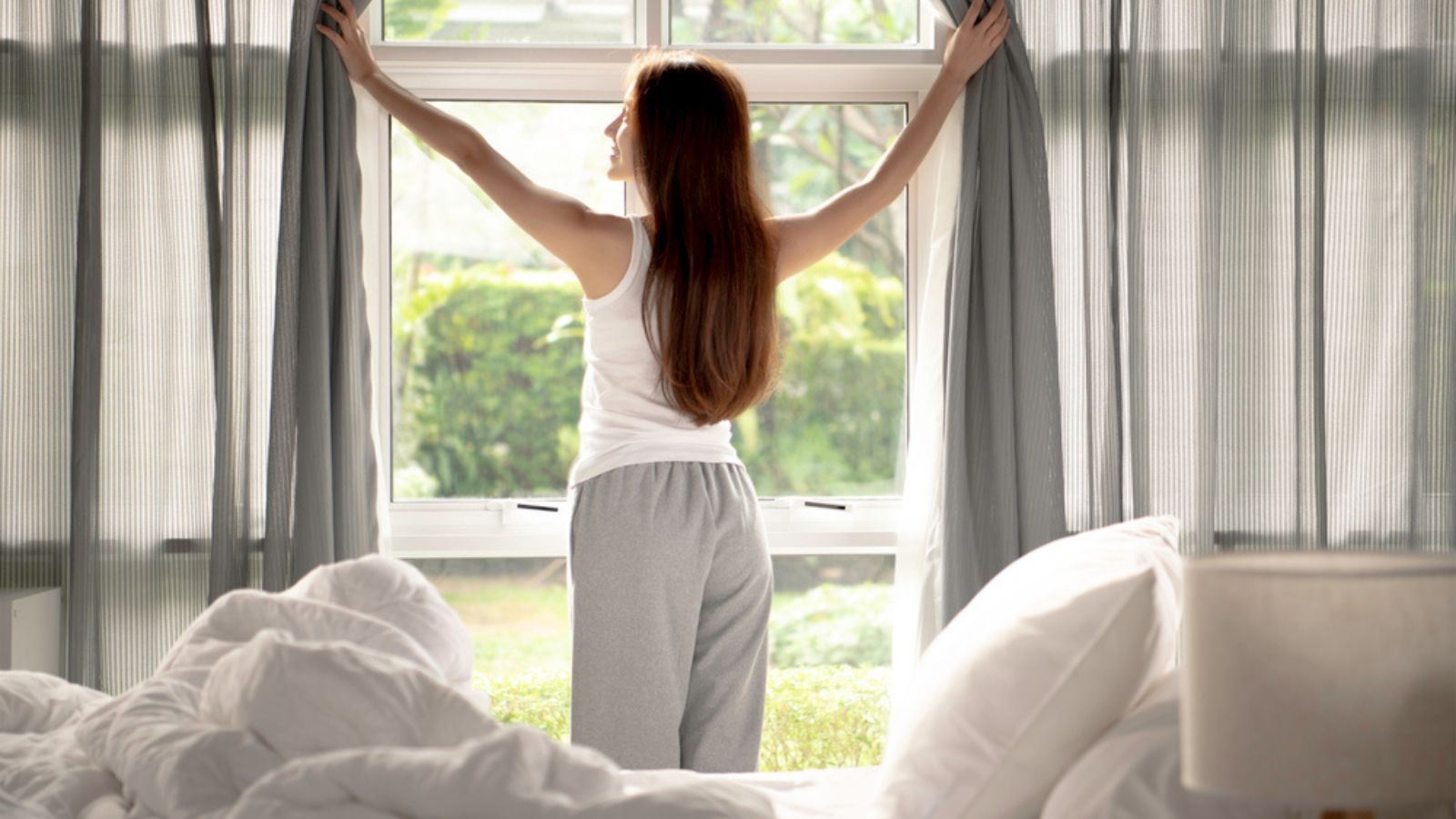
Harsh overhead lights can quietly keep the nervous system on high alert. Bright, blue-toned lighting mimics daytime and tells the brain it’s time to stay active. Softer lighting, like lamps, warm bulbs, or indirect light which can help the body move into a relaxed state by supporting melatonin production and lowering cortisol levels.
Natural light during the day is just as important. Opening curtains in the morning helps regulate circadian rhythms, which directly influence mood and sleep. In the evening, switching to warmer light helps the nervous system slow down, making rest feel more natural instead of forced.
2. Bring Nature Indoors with Plants and Natural Materials
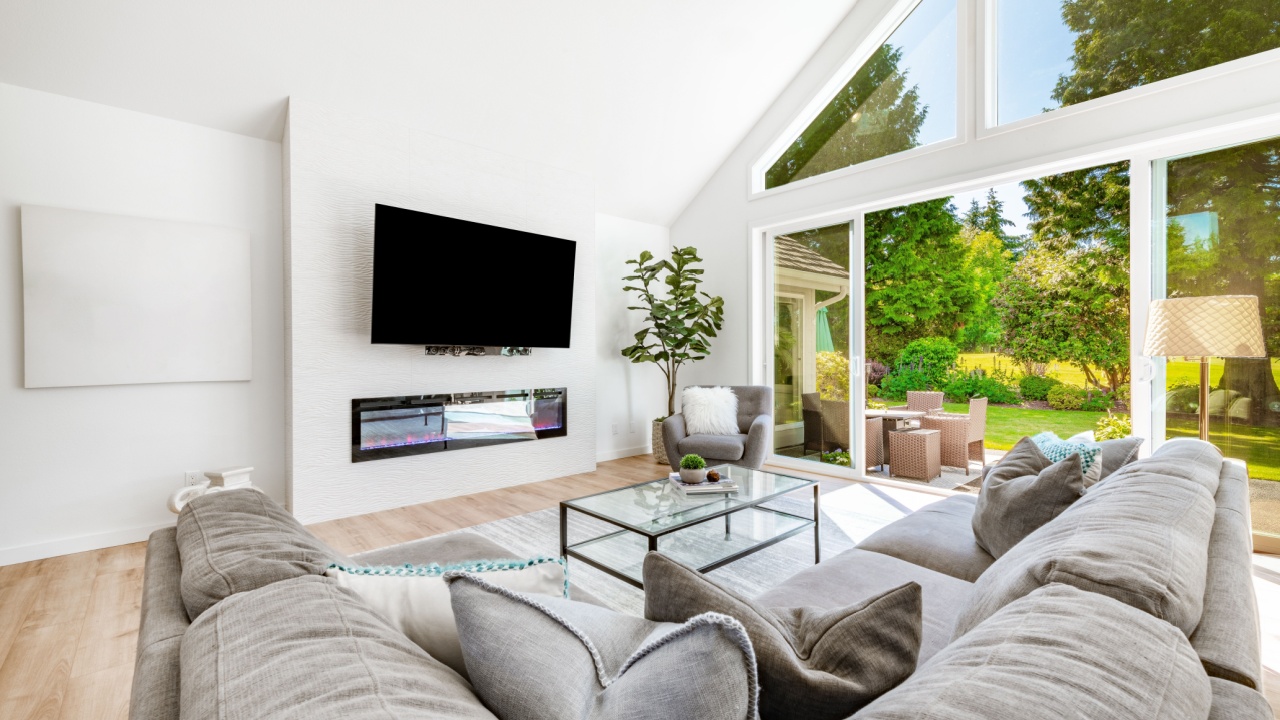
Plants do more than look nice; they actively calm the nervous system. Studies show that indoor plants lower heart rate, reduce anxiety, and improve focus. Natural textures like wood, stone, cotton, and clay also help signal safety to the brain by mimicking the outdoor environments humans evolved.
Even one or two easy-care plants can make a difference. The presence of greenery helps reduce mental fatigue and supports parasympathetic (rest-and-digest) nervous system activity. This is especially helpful in high-stress living spaces like apartments or city homes.
3. Create Quiet Zones That Reduce Sensory Overload
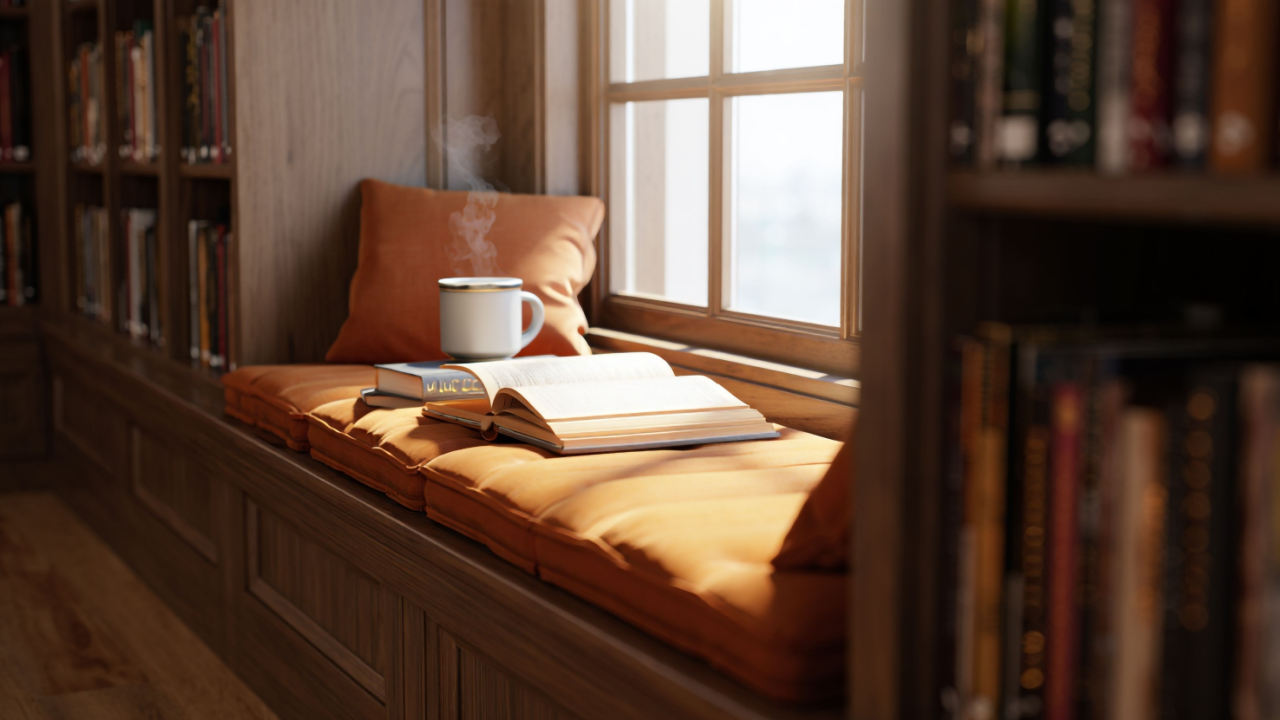
Noise is one of the fastest ways to overwhelm the nervous system. Constant background sounds like traffic, TVs, and mobile notifications keep the brain in a state of alertness. Creating a quiet zone helps the nervous system reset, even if it’s just one corner of a room.
Sound-absorbing items like rugs, curtains, and upholstered furniture reduce echo and harsh noise. For some people, gentle background sounds like white noise or nature sounds can help mask sudden disruptions and promote relaxation.
4. Choose Calming Colors That Support Emotional Regulation
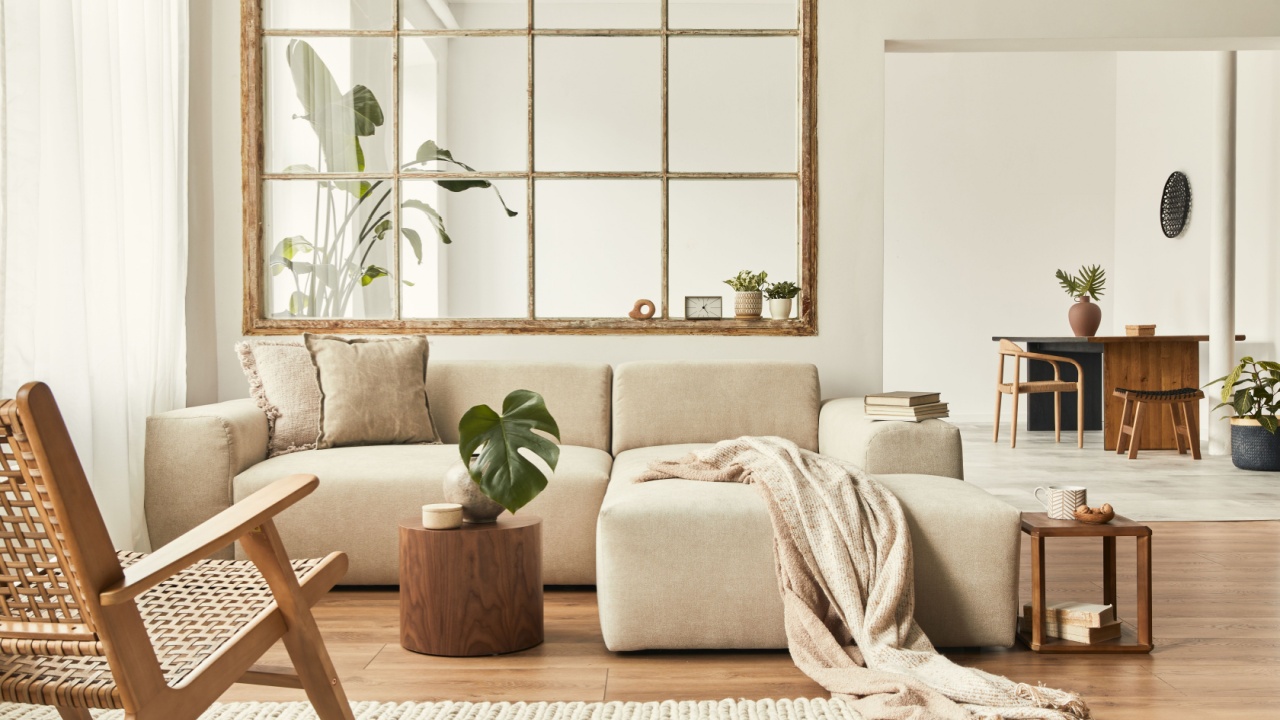
Color affects the nervous system more than most people realize. Bright reds and neon tones can increase alertness and tension, while softer shades help the body relax. Blues, greens, warm neutrals, and muted earth tones are especially effective at calming emotional responses.
These colors are associated with lower heart rates and reduced anxiety. Using them in bedrooms, living rooms, or reading spaces helps the nervous system feel grounded and safe without effort.
5. Design Comfort Through Texture and Physical Support
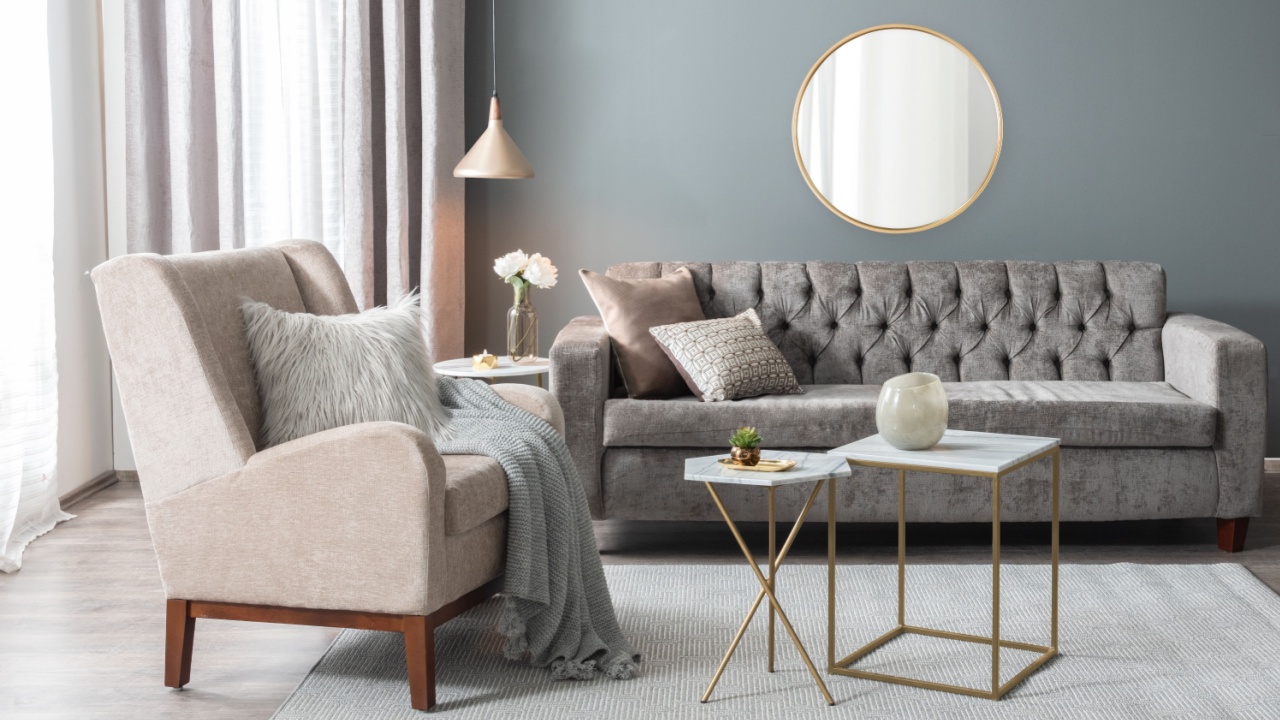
The nervous system responds strongly to physical comfort. Soft textures, supportive seating, and cozy fabrics help reduce muscle tension and signal safety. Weighted blankets, plush throws, and cushioned seating can activate the vagus nerve, which plays a key role in calming the body.
Comfort doesn’t mean clutter. A few intentionally chosen items that feel good to touch can help the body relax without overstimulation. Try adding a weighted or heavy knit blanket, choosing cushions with real support, and using natural, breathable fabrics to create a more calming and comfortable space.
6. Establish Gentle Ritual Spaces for a Daily Reset
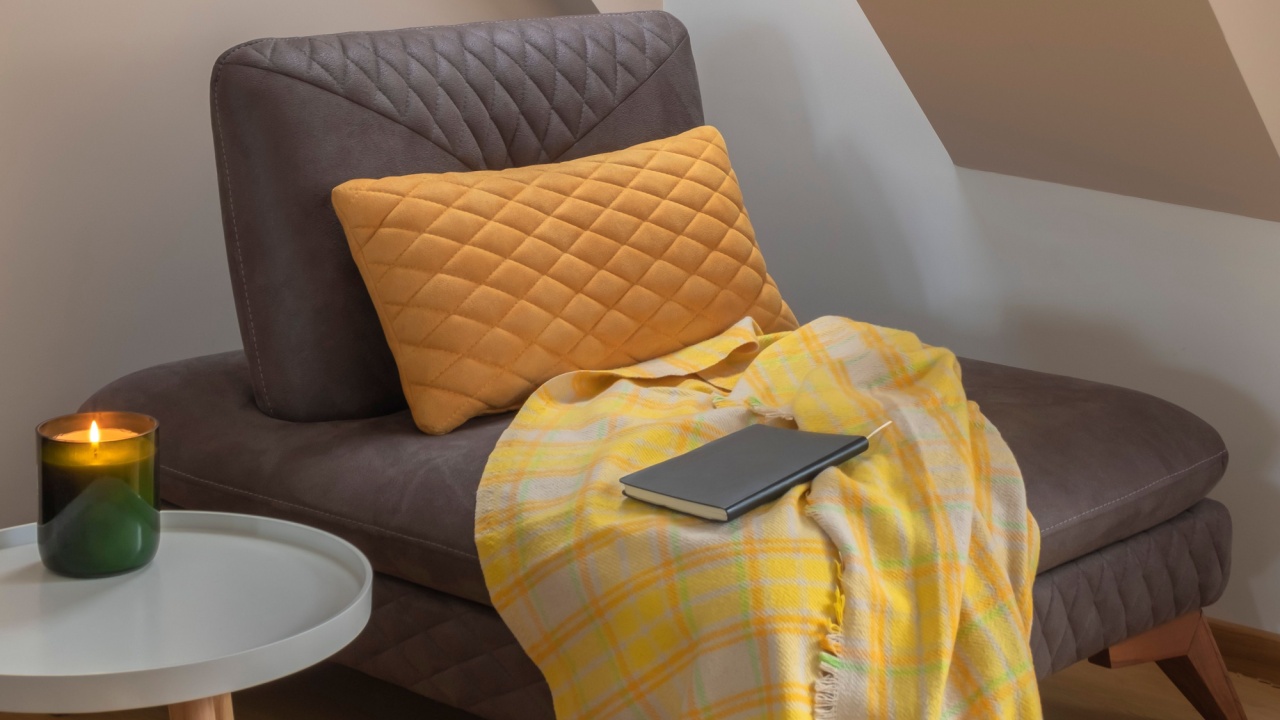
A home sanctuary works best when paired with simple routines. A ritual space like a tea corner, reading chair, or meditation spot can give the brain a predictable signal that it’s safe to slow down. Consistency helps the nervous system learn when it’s okay to rest.
This doesn’t require extra time or tools. Even five minutes in the same calming spot each day can lower stress responses and improve emotional resilience over time. All you need to do is keep the space clutter-free and use calming scents like lavender or chamomile.
Where Comfort Becomes a Daily Practice
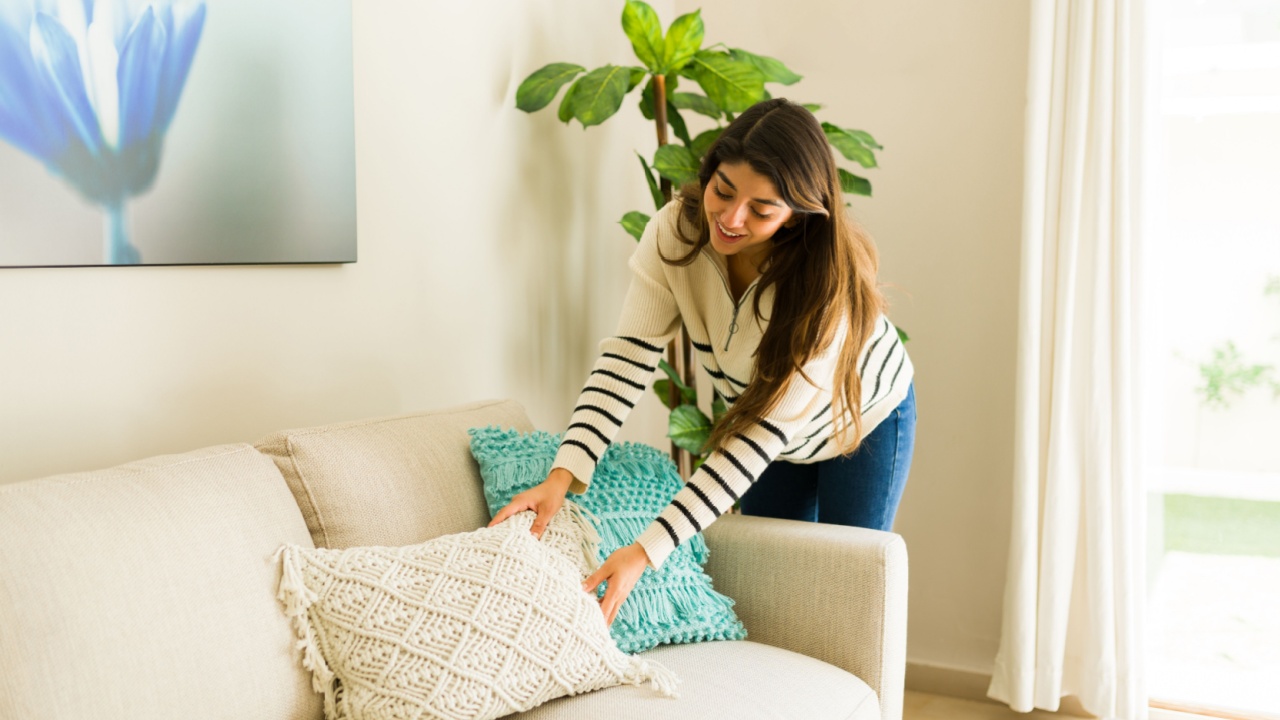
A nervous-system-friendly home isn’t about perfection; it’s about intention. Small changes like softer light, quieter corners, and natural textures can gently retrain the body to relax again. Over time, these choices stack up, turning your home into a place that actively supports mental and emotional health.
Take one step at a time, pick one area to start, add one calming element, and notice how your body responds. Whether it’s a plant by the window or a lamp beside your chair, every adjustment sends a message of safety. And that’s where real rest begins.