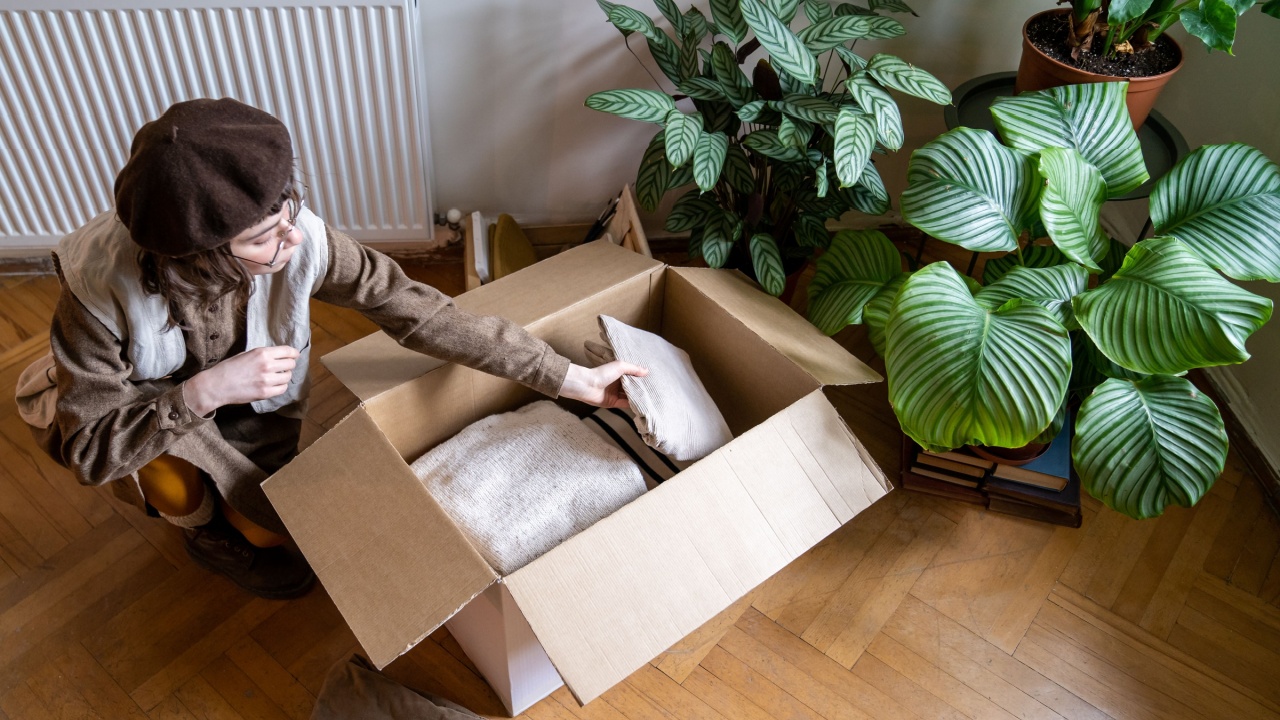
12 Things to Throw Out Before the New Year to Start Fresh
You sprint through holiday preparations, endure family gatherings, and manage the chaos of gift exchanges. By the time the calendar flips, your home likely resembles a storage unit after a small earthquake. Holding onto broken items or clutter drags the weight of the past year into the new one. No one wants to start January managing piles of junk.
Clearing physical space clears mental space. It gives you room to breathe. You need a trash bag and the willingness to part with items serving no purpose. Here are the culprits taking up space in your home and garden shed so you can enter the new year lighter.
1. Broken Holiday Decorations

You unpack them every year. You see the ornament with the missing hook or the Santa with the chipped nose. You place them back in the box, promising to fix them later. Later never comes. These items sit in storage for eleven months only to cause guilt for one month.
If an item holds deep sentimental value, repair it immediately. If you have no intention of gluing that reindeer’s antler back on right now, discard it. Keeping broken decor occupies valuable storage space and makes decorating a chore rather than a joy.
2. Expired Pantry Items

Open the cupboard doors and look at the spices in the back. Ground cinnamon loses flavor after a few years. That jar of curry powder from three apartments ago is essentially colored dust. Cooking with stale spices results in bland food.
Check the cans and dry goods as well. Check dates on baking powder and yeast. These ingredients stop working effectively after expiration. Your holiday cookies might have failed because the leavening agents died in 2019. Toss anything past its prime. Making room in the pantry allows you to see what you actually have, preventing you from buying duplicates.
3. Mystery Freezer Contents

The freezer often becomes a graveyard for good intentions. You saved leftovers. You bought meat in bulk. Now, wrapped in aluminum foil, sits a frost-covered lump. You cannot identify it. You do not know when you froze it.
Food safety dictates that frozen items degrade in quality. Freezer burn ruins texture and flavor. If you cannot identify the object or recall when you put it there, discard it. Reclaim that shelf space for food you will actually eat. A clean freezer saves money because you stop cooling blocks of ice that used to be lasagna.
4. Torn Wrapping Paper and Scraps

Gift wrapping leaves behind a trail of debris. You might save small scraps, believing they will fit a tiny box someday. Those scraps usually end up wrinkled, torn, or jammed in the back of a closet.
Unless a piece of paper wraps a standard shirt box, recycle it. The same logic applies to gift bags. If a bag looks crinkled, has a torn handle, or stains, let it go. Presenting a gift in a battered bag sends the wrong message. Keep a supply of fresh, usable wrap and get rid of the hoard of unusable scraps.
5. Clothing That No Longer Fits

Closets are for the clothes you wear, not the clothes you wore ten years ago. Keeping jeans that haven’t been zipped since 2015 does not motivate you. It just makes getting dressed frustrating.
Sort through the hangers. If an item has holes, permanent stains, or stretched elastic, it goes to the trash or rag pile. If it is in good condition but simply does not fit your body or style, donate it. Someone else can use it. You need a closet that reflects your current reality, making morning routines faster and less stressful.
6. Defective Holiday Lights
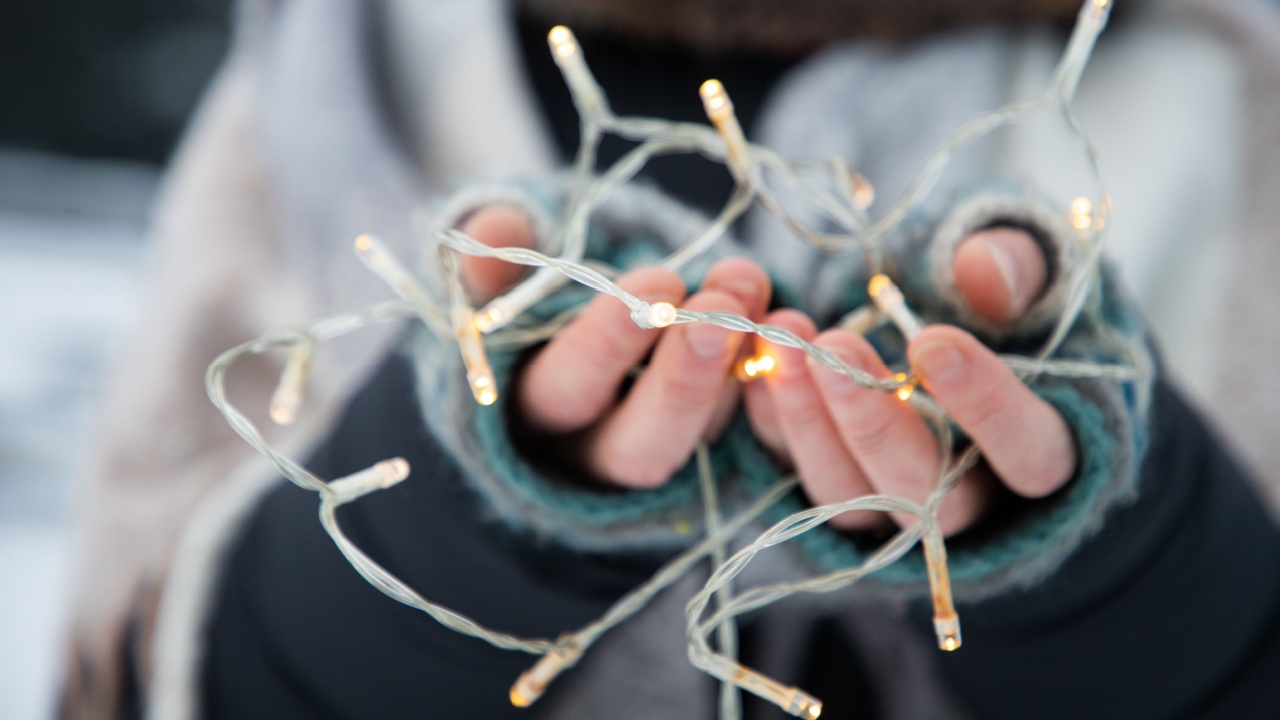
Few things frustrate a person more than a string of lights with a dead section. You spend hours testing bulbs, wiggling wires, and searching for the fuse. It rarely works.
Stop fighting with bad technology. LED lights are affordable and energy-efficient. If a strand flickered or failed this year, do not put it back in the box. You will only feel angry when you pull it out next December. Responsibly recycle the copper wire if possible, but get them out of your collection.
7. Broken or Ignored Toys
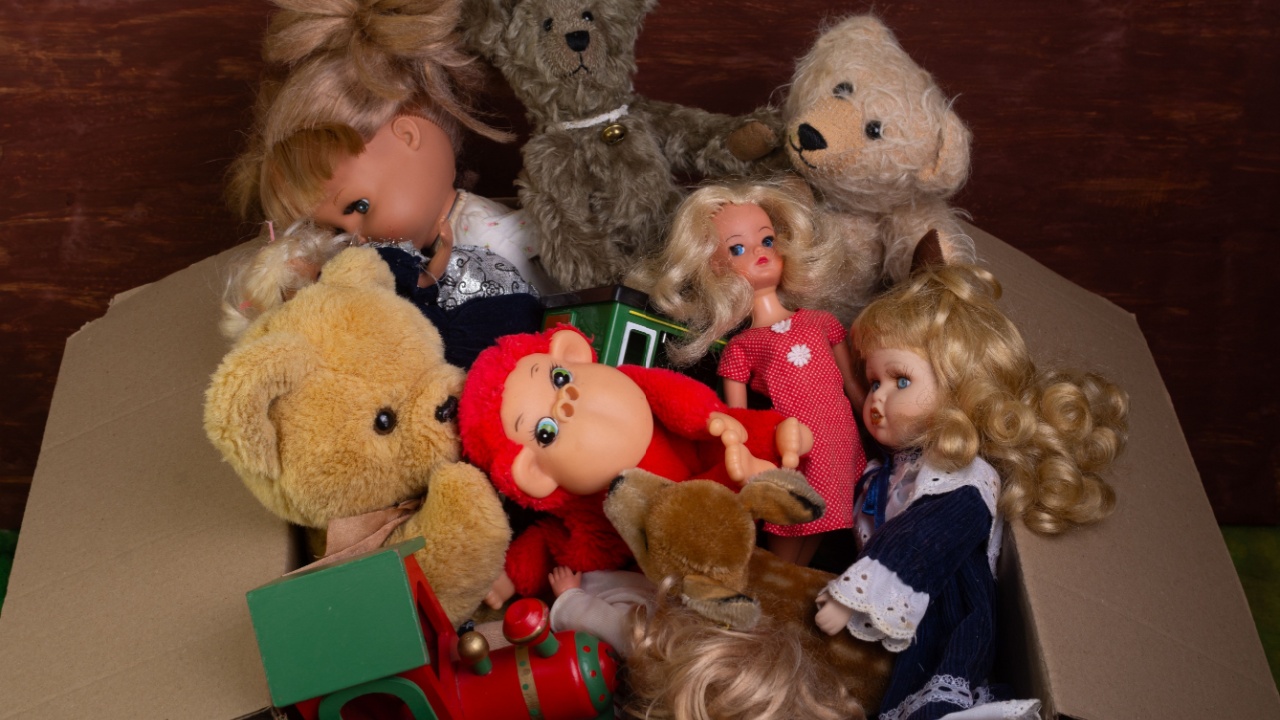
Children accumulate plastic at an alarming rate, and, ironically, it is we who buy all the clutter. Much of it breaks. If a toy is missing a wheel, a battery cover, or critical pieces, you can throw it out. It is not a plaything; it is clutter.
Look at the toys in good condition that get zero attention. Kids grow out of phases quickly. Donate the ignored items to make room for the new gifts received over the holidays. A less crowded play area encourages better play with the toys that remain.
8. Mangled Wire Hangers
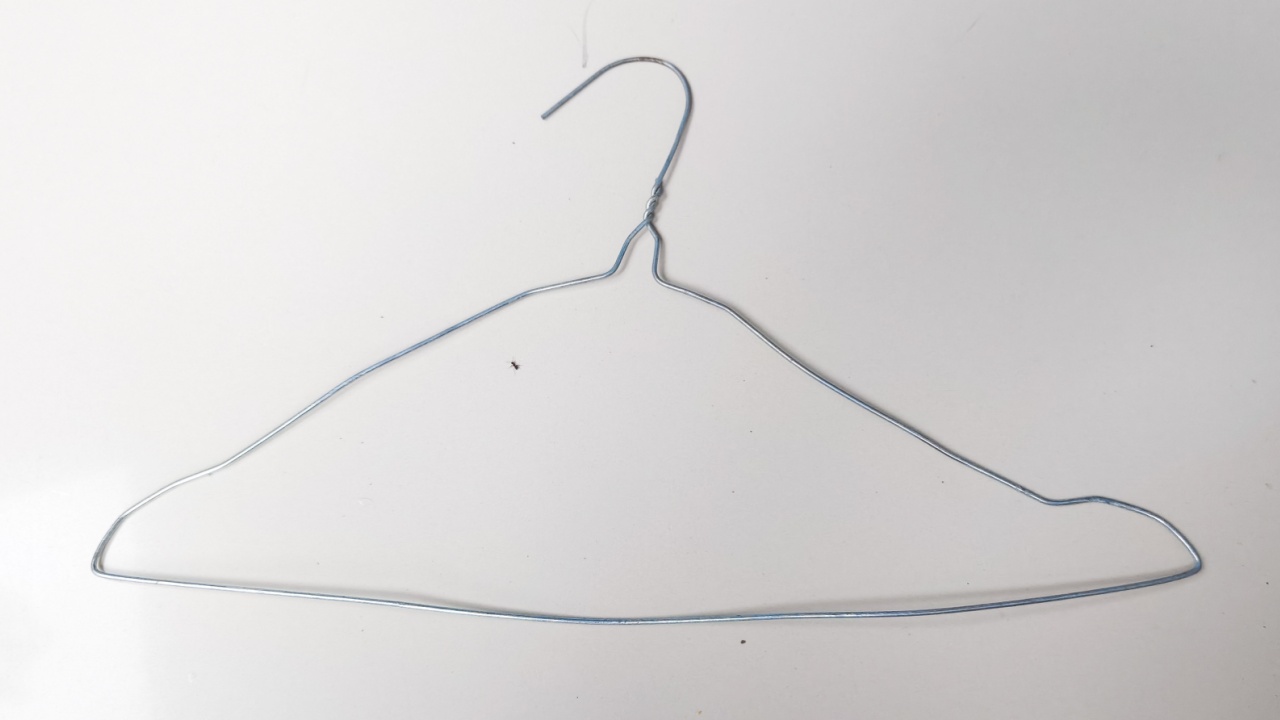
Wire hangers from the dry cleaner multiply when you aren’t looking. They are flimsy. They bend under the weight of heavy coats. They leave misshapen bumps in the shoulders of your shirts.
Replace them with sturdy plastic or wood hangers. Your clothes will hang straighter and last longer. Many dry cleaners accept the wire ones back for recycling. Removing them instantly upgrades the look of your closet and protects your wardrobe investment.
9. The “Just in Case” Boxes

You bought a phone three years ago. You still have the box. You have the box for the toaster, the blender, and the vacuum cleaner. You keep them believing you might need to return the item or move house.
Once the return window closes, the box is garbage. Electronic boxes clutter shelves and closets. Manuals are available online. Receipts can be scanned. Unless you plan to resell an item soon, flatten the cardboard and recycle it. You pay for the square footage of your home; do not rent it out to empty cardboard.
10. Digital Hoarding

Clutter isn’t always physical. Your phone likely holds hundreds of screenshots you took and never looked at again. You have blurry photos of your dog, duplicates of the same selfie, and downloads you don’t need.
This digital weight slows down your device and makes finding important photos difficult. Spend fifteen minutes deleting the junk. Unsubscribe from retail emails that tempt you to spend money you want to save. Clearing digital noise helps you focus.
11. Dead Seeds and Expired Chemicals

As a garden enthusiast, you likely have a stash of seed packets. Seeds lose viability. That packet of tomatoes from five years ago will likely fail to germinate, wasting your time and potting soil.
Check the dates. Perform a germination test on older seeds if you must, but generally, fresh is best. Also, check your shed for fertilizers or pest control products. Liquids can separate or dry out, rendering them ineffective or even unsafe. Dispose of old chemicals according to local regulations and start the growing season with supplies that work.
12. Rusted Tools and Cracked Pots
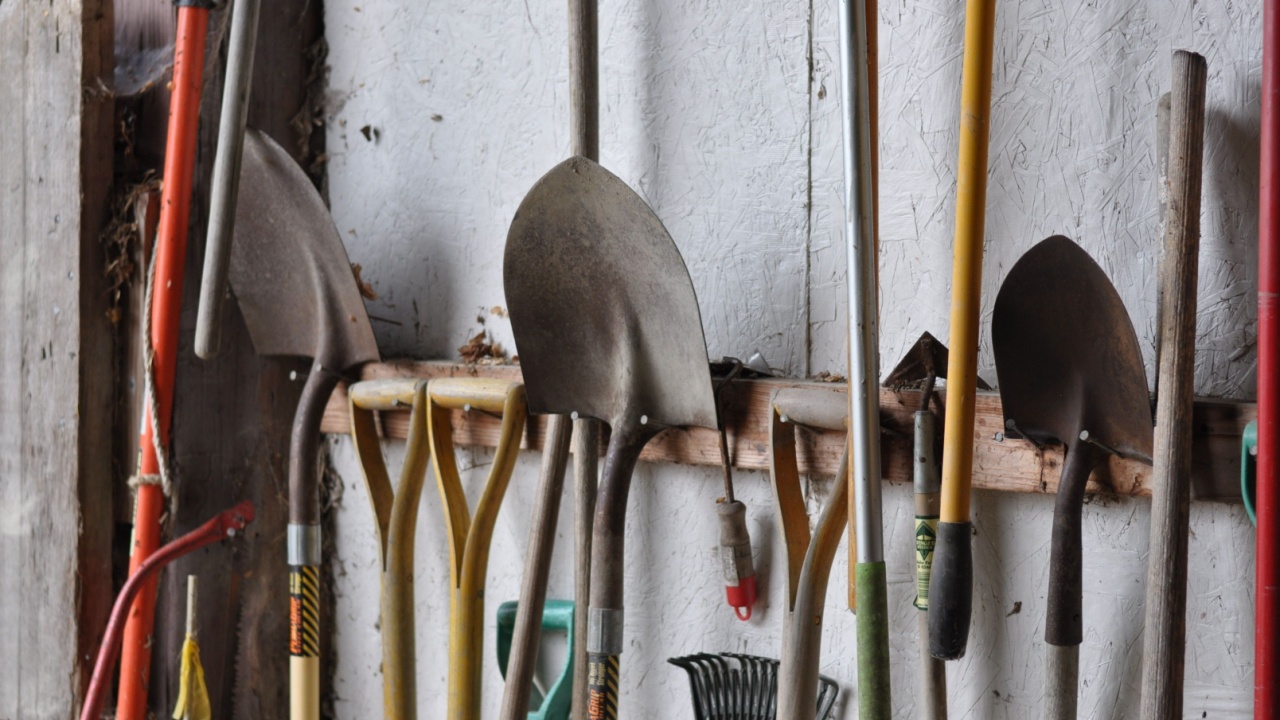
A shovel with a splintering handle is a blister waiting to happen. Dull pruners crush plant stems instead of cutting them, inviting disease. Using broken tools makes gardening harder than it needs to be.
- Inspect your gear. If you cannot sharpen or repair a tool, replace it. Check your stack of plastic nursery pots as well. The ones that are brittle and cracking will fall apart the moment you add soil. Recycle the plastic and clean up your shed.
New Habits for the New Year

Throwing these twelve items away is the easy part. The challenge lies in stopping them from returning. Adopt a “one in, one out” rule. When you buy a new string of lights, the old one leaves immediately. When you buy new spices, check the rack first. Do not treat your home as a permanent archive for everything that passes through the front door.