7 Thermostat Tricks to Avoid Costly Energy Bills in the Next Storm
The eternal winter struggle: you want to be toasty enough to ditch the three layers of wool socks, but you don’t want to faint when the utility bill arrives. It feels like a high-wire act, doesn’t it? Finding that elusive “sweet spot” between comfort and cost is more art than science, but getting it right can save you a bundle without turning your living room into an icebox.
Here is the good news: you don’t need to suffer in the cold to keep your bank account happy. With a few strategic adjustments and a better understanding of how your heating system actually works, you can master your indoor climate. Here are seven thermostat strategies to help you navigate the winter months comfortably.
1. The 68-Degree Gold Standard
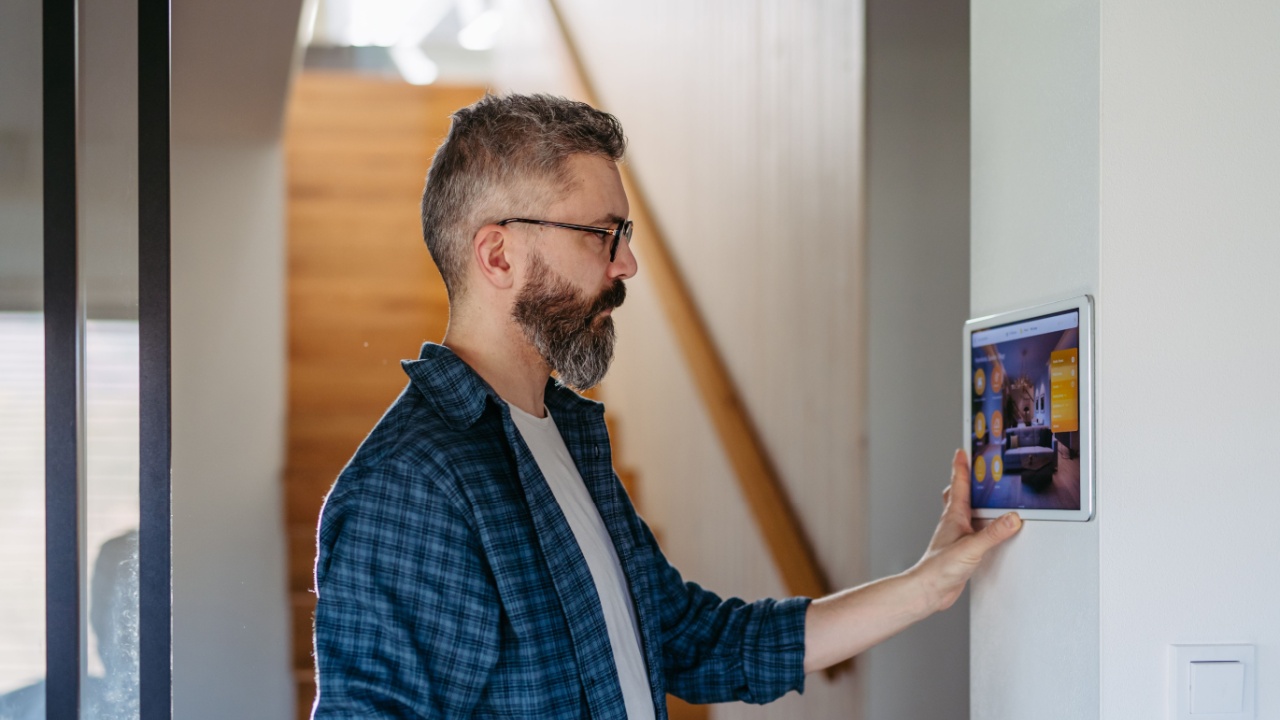
When you are awake and hanging out at home, aim for 68 degrees Fahrenheit. Experts generally agree this is the ideal balance point where your furnace isn’t working overtime, but you aren’t shivering on the sofa. It might feel a bit cooler than the tropical 72 degrees you are used to, but your body acclimates quickly.
2. The “Away” Strategy (Without Overdoing It)
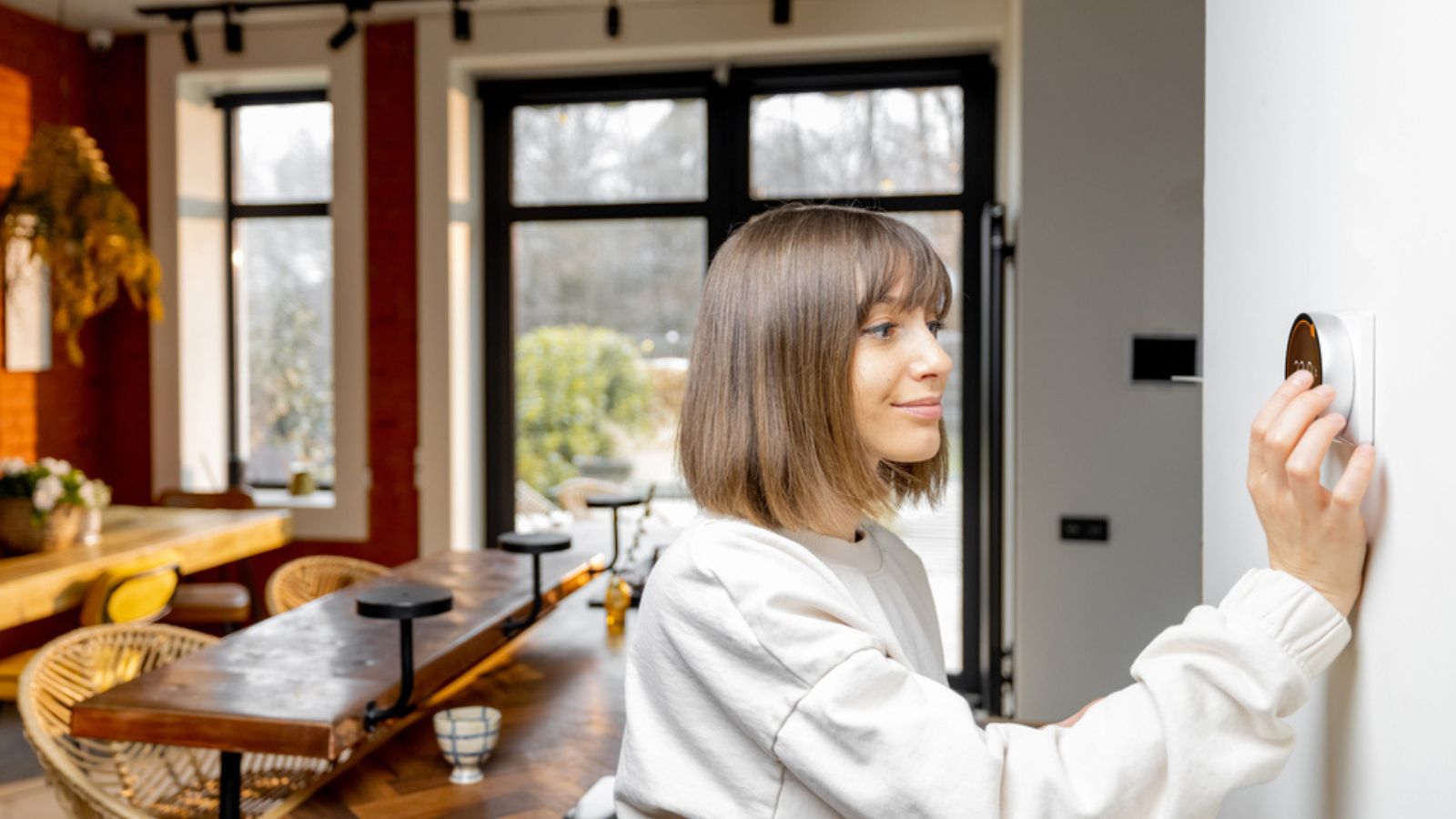
When you head out for work or go to sleep, drop the temperature. The Department of Energy suggests dialing it back by 7 to 10 degrees for eight hours a day to see real savings, potentially up to 10% a year. However, some HVAC pros suggest a more modest drop of just four degrees might be better for consistent comfort, especially if your home takes forever to heat back up.
3. Don’t Crank It to “Catch Up.”
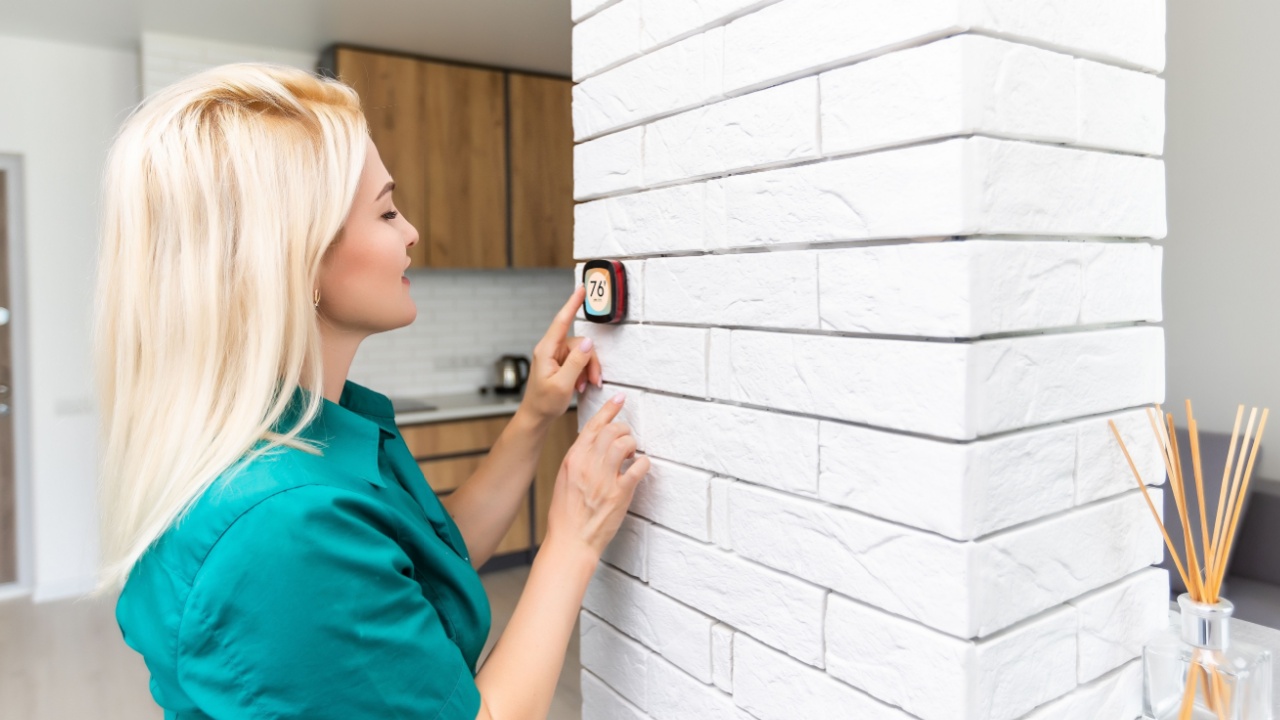
We have all done it: you come home to a cold house, so you jam the thermostat up to 80 degrees, hoping it will heat up faster.
Unfortunately, furnaces generally have two speeds: on and off. Setting it to 80 won’t warm the house any faster than setting it to 68; it just means the system will run longer and eventually overheat the space, wasting energy.
4. Location, Location, Location

Is your thermostat in a hallway that gets drafty? Or maybe it’s right next to the kitchen, where the oven heats things? If your thermostat is in a spot with fluctuating temperatures (like near a sunny window or a bathroom), it gets “confused” and won’t heat the rest of the house accurately. It might think the house is warm because the sun is hitting it, leaving your bedroom freezing.
Your thermostat needs a neutral, central location to get an accurate reading of the home’s ambient temperature. If you suspect ghost readings, place a standalone thermometer next to your thermostat to double-check its accuracy.
5. Use Remote Sensors for Room-Specific Comfort
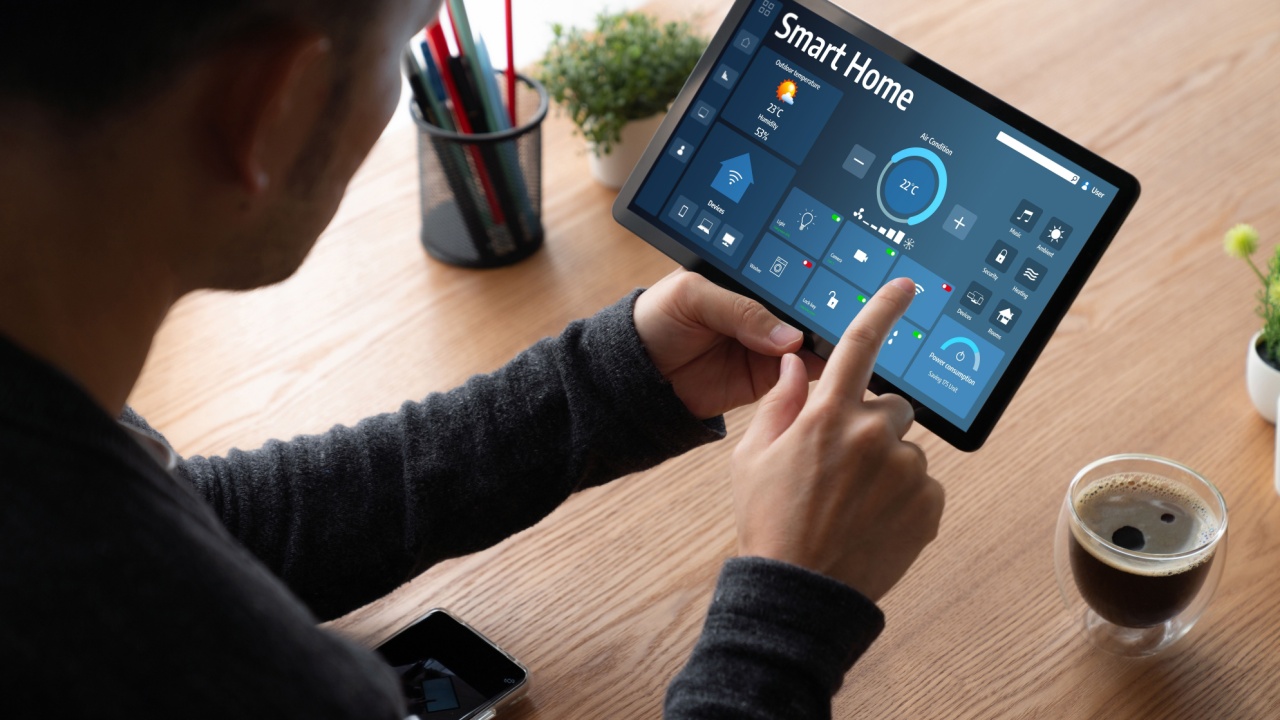
Speaking of location, many modern smart thermostats allow you to place small sensors in different rooms. If you spend all evening in the den, but the thermostat is in the dining room, the system might shut off before you are actually warm.
Remote sensors tell the main unit to keep running until the occupied room reaches the target temperature.
6. Check Your Insulation and Seals
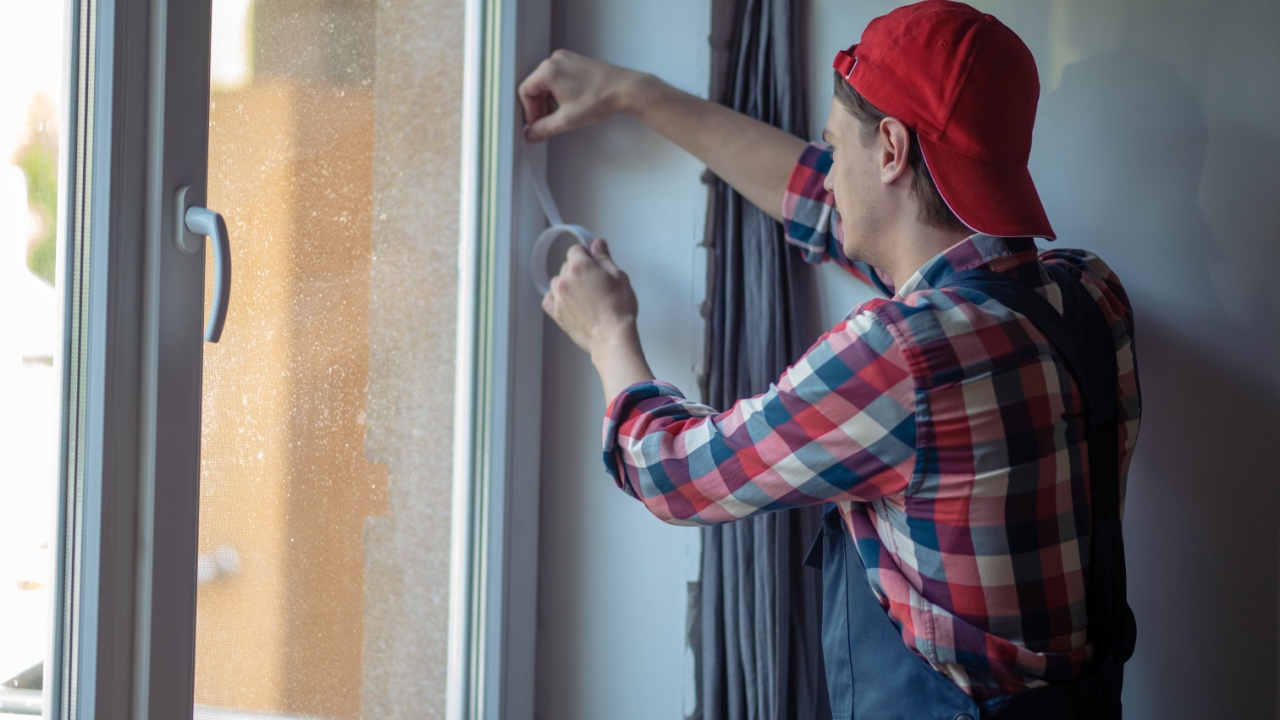
You can have the perfect thermostat schedule, but if your heat is leaking out through the attic or drafty windows, you are fighting a losing battle. As HVAC experts note, we blow a surprising amount of energy right through our attics. If your system is running constantly just to maintain 68 degrees, the issue might be the house envelope, not the heater.
On a windy day, feel around your window frames and doors for cold air. Weatherstripping is a cheap, easy weekend project that pays for itself almost immediately.
7. Give Your System a Little TLC
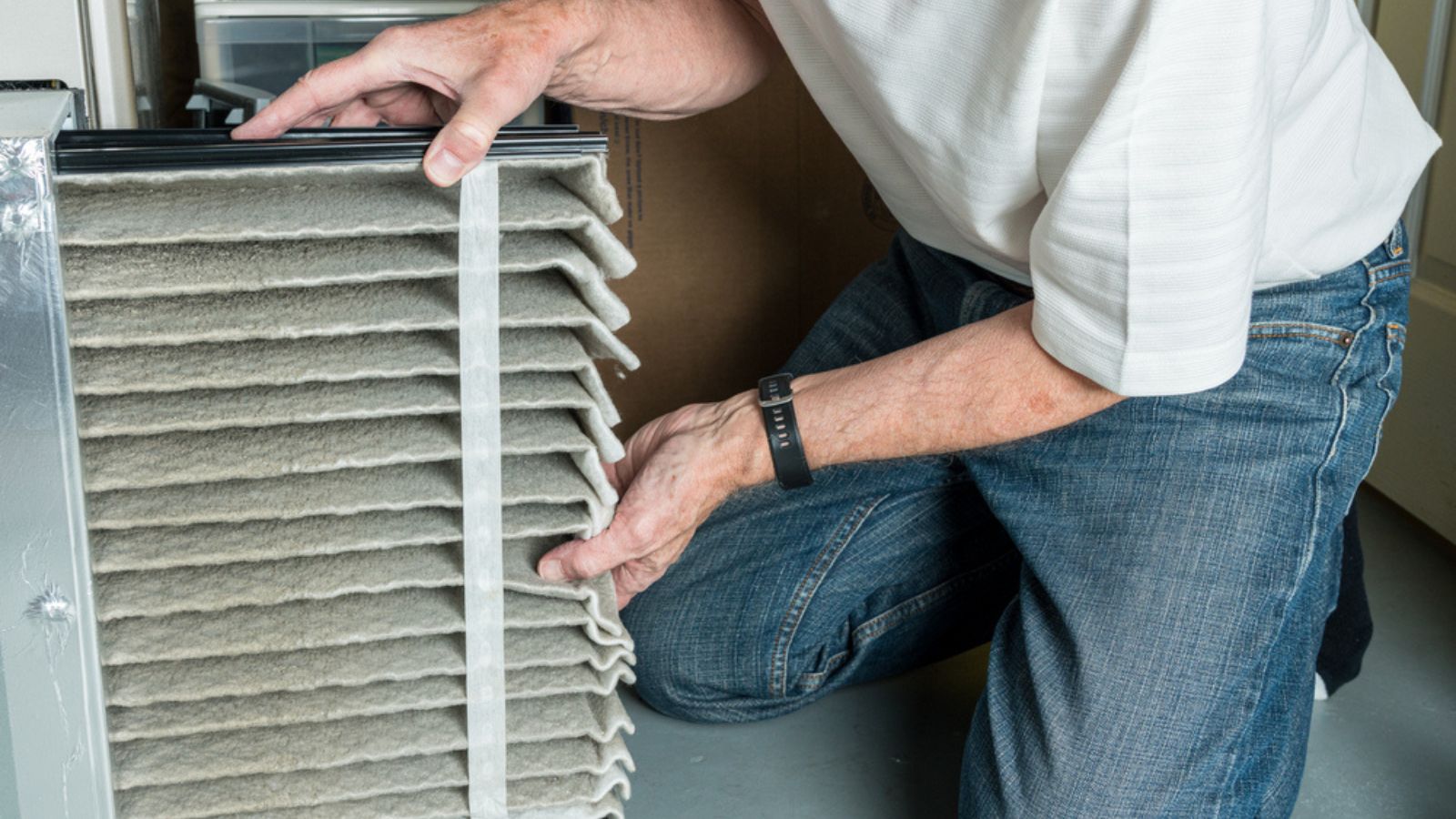
A neglected HVAC system is an inefficient one. If your filters are clogged, the unit has to work harder to push air through, using more energy to reach the temperature you set. Furthermore, an annual inspection by a pro can identify efficiency losses sometimes up to 10% caused by grime and buildup.
Change your filter right now (seriously, go check it). Then, put a reminder in your phone to check it every month during the heavy-use winter season.
Stay Warm and Smart This Season

Managing your winter heating doesn’t mean you have to freeze in your own living room. By adopting the 68-degree standard, using smart setbacks when you’re away, and ensuring your equipment isn’t fighting against drafts or clogged filters, you can find that perfect equilibrium.
Start this week by adjusting your daytime temperature and checking your filters. Your wallet and your toes will appreciate the effort.
Read more:
15 Tricks to a Meaningful Power Bill Reduction
Families Are Slashing Their Bills With These 7 Everyday Habits