15 Hacks to Make Your Home a Healing Space
Home maintenance often feels like a wrestling match against entropy. Clean one surface, and another gets dirty. Organize a drawer, and the closet explodes. Amidst this constant battle for order, having a “healing home” may sound like a distant dream reserved for people with personal assistants. However, you can adjust small sensory details that often go unnoticed yet significantly impact stress levels.
Your living space influences your biology. Lighting, air quality, texture, and soundscapes all signal your nervous system to either relax or remain on high alert. By optimizing these inputs, the space goes from a source of chaos and chores to a battery charger for your brain, body, and soul.
1. Open Windows Daily to Improve Indoor Air Quality

Indoor air often contains higher concentrations of pollutants than the air outside. Furniture off-gasses, cooking releases particles, and humans exhale carbon dioxide. When carbon dioxide levels rise, cognitive function drops, and sluggishness sets in. You might blame your afternoon crash on lunch, but the stale oxygen in your living room likely plays a substantial role.
Opening windows creates a cross-breeze that flushes out stagnant air and replaces it with fresh oxygen. Even in winter, cracking a window for five minutes makes a noticeable difference in how the room smells and how your brain feels. It lowers CO2 levels and reduces humidity, which helps mitigate mold growth. Connecting with the outside world, hearing birds or distant traffic, also provides a subtle psychological reset.
2. Keep Indoor Plants for Psychological Comfort
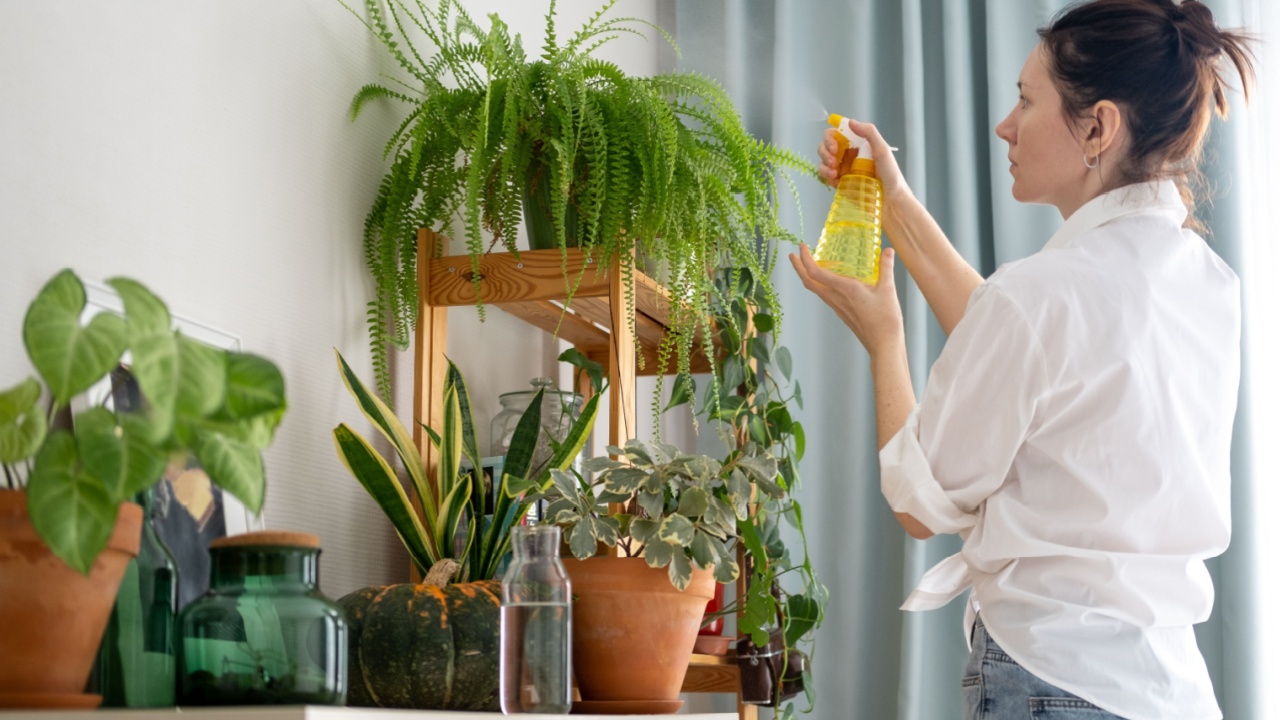
Humans possess an innate tendency to seek connections with nature, a concept called biophilia. Bringing greenery inside satisfies this biological craving. Studies suggest that simply looking at plants can lower blood pressure and boost your mood. They act as quiet, living companions that demand very little but offer a visually calming presence in return.
A living room does not need to resemble a jungle for benefits to show. A few resilient varieties, like snake plants or pothos, add organic shapes and vibrant green color to otherwise sterile corners. Caring for a living thing, even one that needs water occasionally, creates a sense of nurturing and growth. It breaks up the rigid lines of furniture and architecture with softer, unpredictable natural forms.
3. Use Warm Lighting to Reduce Eye Strain

Harsh, cool-toned lighting mimics the intensity of the midday sun. While useful for operating rooms, it signals your brain to stay awake and alert, holding back melatonin production. Sit under bright white LEDs all evening, and the body struggles to wind down, causing disrupted sleep and tension.
Swapping bulbs for a lower Kelvin rating (2700K to 3000K) gives off a softer, amber glow. This recalls the setting sun and firelight, signals humans have associated with safety and rest for generations. Arranging light with lamps, instead of relying on a single overhead, also reduces glare and harsh shadows. Pools of illumination help make a large room feel contained and secure.
4. Choose Natural Fabrics for Sensory Relief

Skin is the largest organ, always sending feedback to the brain. Synthetics like polyester or nylon often trap heat and moisture, leading to a discomfort you might not consciously notice but physically feel. Scratchy textures or materials that lack breathability can irritate, keeping the nervous system on edge.
Natural fibers such as cotton, linen, wool, and bamboo allow better airflow and temperature regulation. They tend to soften with use. Switching from synthetic throw pillows or blankets to natural ones removes a source of tactile friction. When your physical touch points feel gentle, the body can fully relax.
5. Add Sound-Absorbing Materials
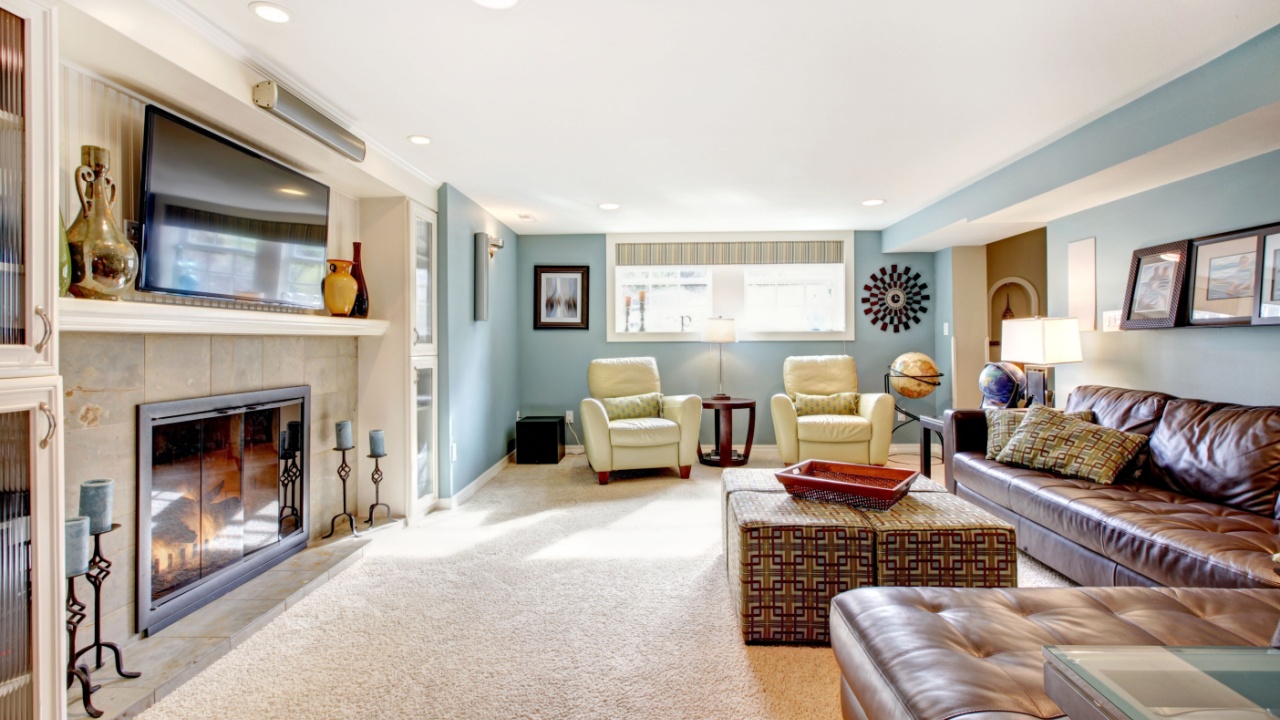
Hard surfaces like wood, glass, and drywall bounce sound waves around a room, causing echoes. This clutter can make conversations difficult to follow and generally raise the noise level at home. A space with poor acoustics feels chaotic and unsettling, no matter how tidy it is.
Soft materials absorb these sound waves. Area rugs, heavy curtains, and cushy furniture serve as mufflers, dampening clatter and echoes. By reducing reverberation, you bring a hush to the space. Quieter surroundings lower cortisol and make it easier to focus.
6. Maintain a Consistent Cleaning Schedule
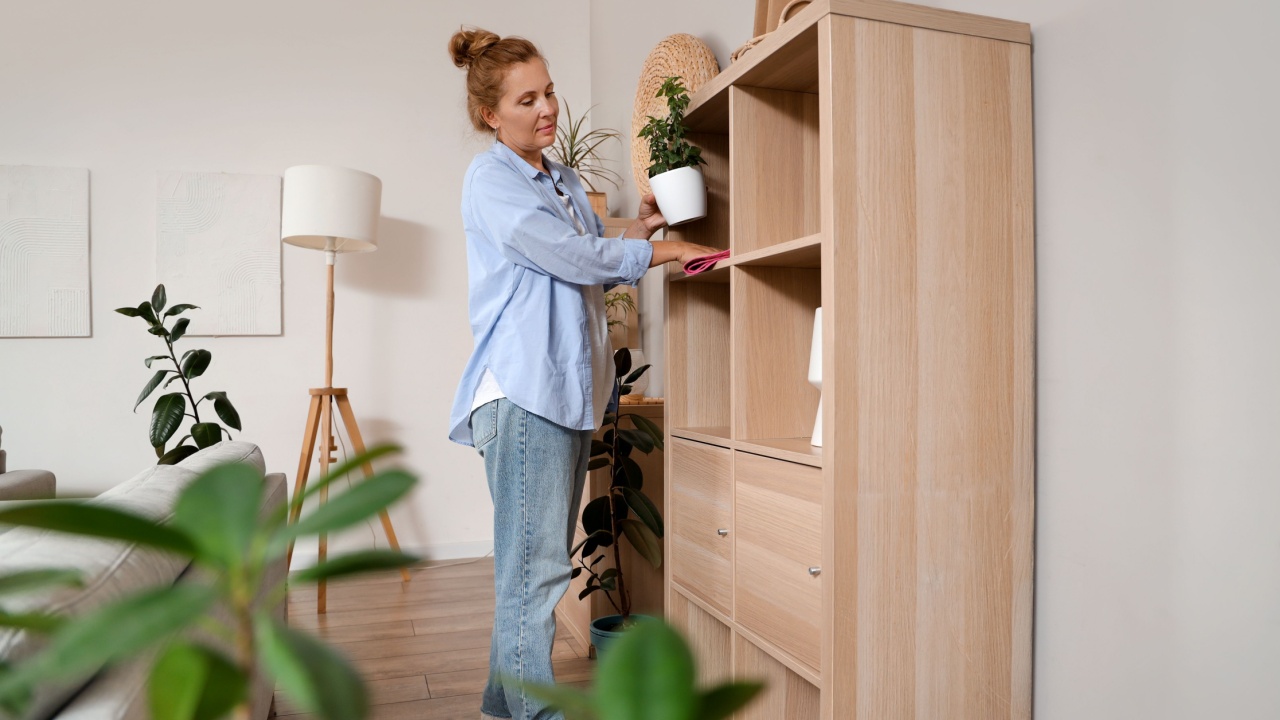
Clutter and grime stand in as visual reminders of incomplete chores. Every time you pass a dusty shelf or smudged window, your brain logs it as unfinished business. This adds to mental load and drains energy. Saving every cleaning job for a weekend marathon leads to dread.
A steady cleaning routine stops grime from building up. Spend a few minutes a day, and the environment stays neutral. When the surroundings look cared for, that brings a sense of ease. An orderly space feels satisfying, replacing guilt with calm.
7. Store Items at Point of Use

Point of use storage is good for the office and for the home. Frustration often comes from inefficiency. If you use scissors in the kitchen but store them elsewhere, every package you open becomes an ordeal. Daily friction adds up, creating decision fatigue and irritability. A supportive home matches what you use with where you use it.
Notice where tasks actually happen, not where the organization “should” live. If the mirror in the hallway is where you put on makeup, stash your cosmetics nearby. Sort the mail by recycling. Keep a letter opener close. Placing tools where you need them smooths out your day, removing hidden obstacles to patience.
8. Stock Nourishing Staple Foods

Hunger triggers bodily stress, sending cortisol up. If you must cook from scratch every time you want to eat, instant noodles win for speed and that never ends well. Keep shelf-stable, nutrient-dense foods on hand for when energy is low. Nuts, seeds, canned beans, grains, and tinned fish can be eaten without a chef’s degree or a heroic mood.
A well-stocked pantry means meals come together fast and nobody hits the hangry meltdown phase. It’s a self-care plan for the days when brainpower runs low, and you just need to eat.
9. Use Gentle Scents for Regulation

Olfactory nerves plug straight into the emotional center of your brain. Bad smells trigger avoidance, while comforting ones can create calm. Artificial air fresheners often carry harsh chemicals, so a different route is worth exploring.
Choose natural scents, like essential oils or simmering herbs. Lavender and chamomile calm, while citrus or mint can provide a lift. Use scent to define time (wind-down tea time, energizing morning), or to mark a change in zones from work to rest. Small details help shift the emotional climate of your home.
10. Play Intentional Background Music
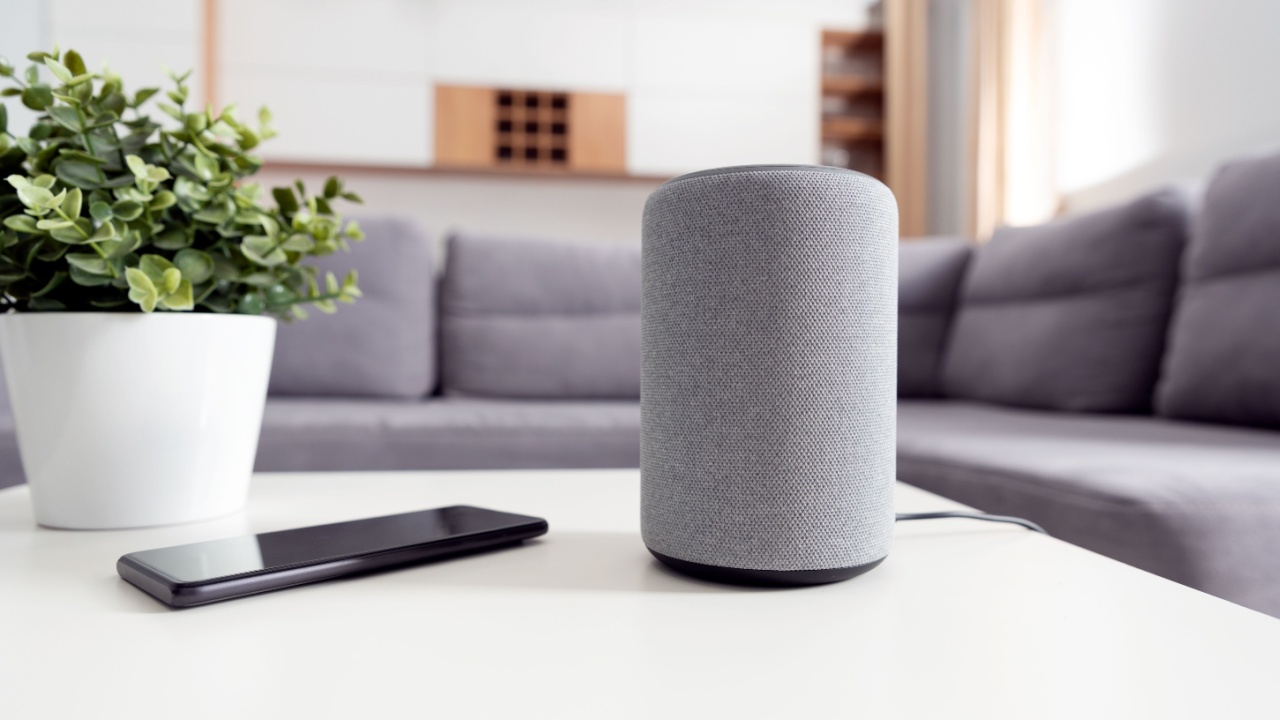
Silence can feel isolating, just as constant noise can fray nerves. Gentle soundscapes help control the mood. Calmer music or nature tracks lower heart rate and reduce anxiety.
Curate playlists for different activities: instrumentals for energy while cleaning, mellow tunes at night to cue relaxation. By choosing background sounds, you set the pace for home life.
11. Make the Bed Daily
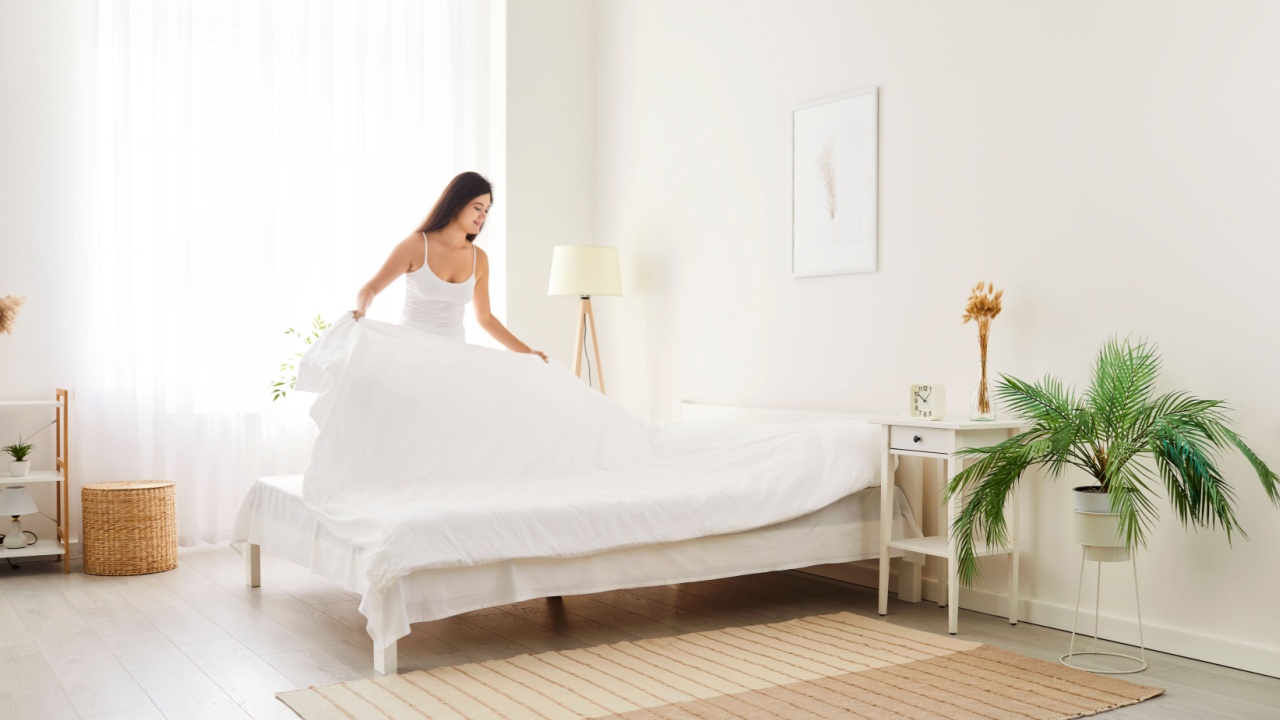
The bed is often the largest piece of furniture and the natural focal point in a bedroom. If it’s left in a rumpled state, the whole space can feel untidy and chaotic, no matter how organized everything else is. An unmade bed can subconsciously suggest the day hasn’t fully started on the right foot, or that the room is just a crash pad rather than the peaceful oasis it could be.
Spending just a minute or two to smooth the sheets and arrange the pillows creates an immediate sense of order and accomplishment. This one simple, singular act can set a positive tone for the entire room, signaling that this is a place where rest and intention matter.
12. Limit Decorative Objects

Each item in your space requires attention and care, and an abundance of decorations can unintentionally create visual clutter. When your space is filled with too many objects, the eye has no natural place to rest, forcing your brain into a low-level, constant scanning mode that can feel subtly overwhelming.
Be selective with your decor; choose pieces that hold personal meaning or embody true beauty. Allowing for open, uncluttered spaces acts as a visual pause, giving both your eyes and your mind a chance to relax. Keeping surfaces clearer makes cleaning easier. A thoughtfully placed vase or a cherished photo on an otherwise clean tabletop can have far more impact than a crowded display of knick-knacks.
13. Maintain Appliances to Avoid Surprise Stressors

A leaky faucet or a slow dryer might seem minor, yet these broken helpers cause an undercurrent of frustration and wasted effort. Regular maintenance and timely repairs can save both time and energy in the long run. Machines ought to support daily routines.
Short bursts of regular maintenance keep surprises to a minimum. Descale the coffee maker, swap out air filters, and appliances can do their job without protests. Functioning tools lower tension and keep days running smoothly.
14. Keep Walkways Clear
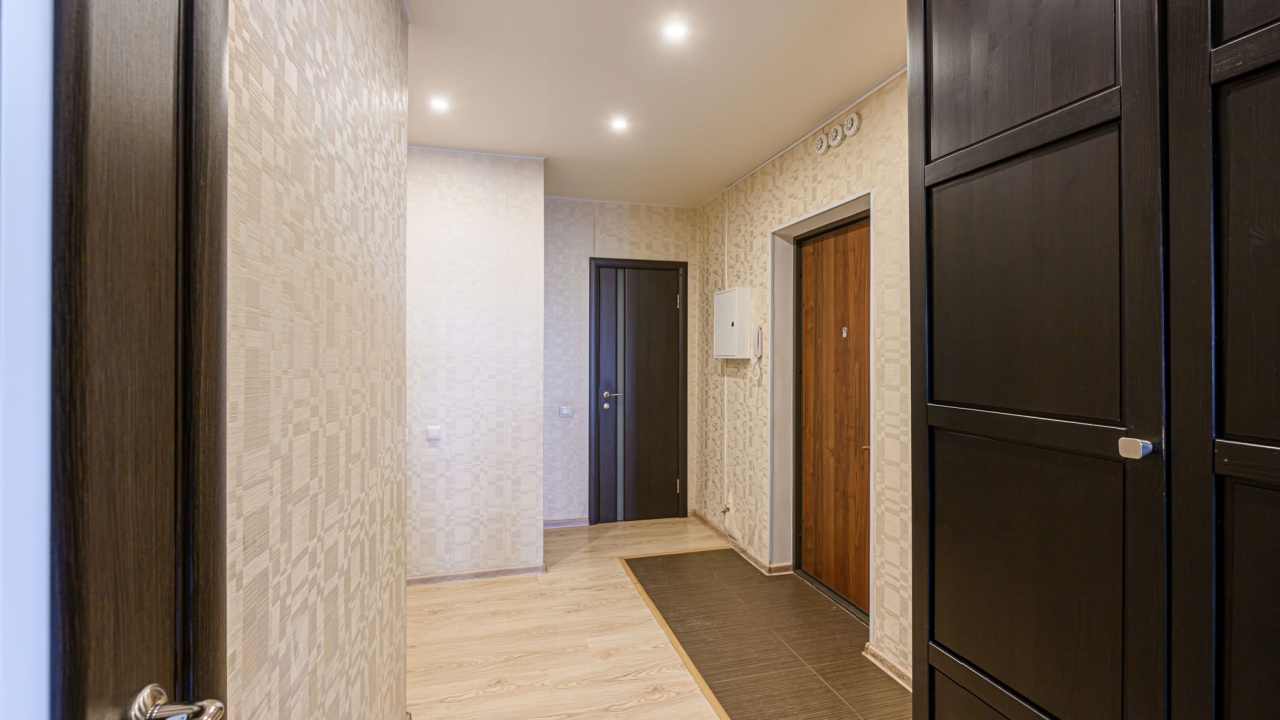
Getting from room to room should be effortless and safe. Shoes left in hallways or furniture sticking out into walkways can cause stubbed toes, tripping hazards, and slow movement through the home. Clear walkways prevent accidents by giving you a direct, visible path, supporting both young kids and anyone with mobility concerns.
A clear route also provides mental relief. When the eyes scan a clutter-free floor, anxiety and frustration tied to mess or blocked spaces drop. Open walkways subtly communicate order and control, reducing the feeling of being boxed in by clutter.
15. Designate One Specific Seat for Rest
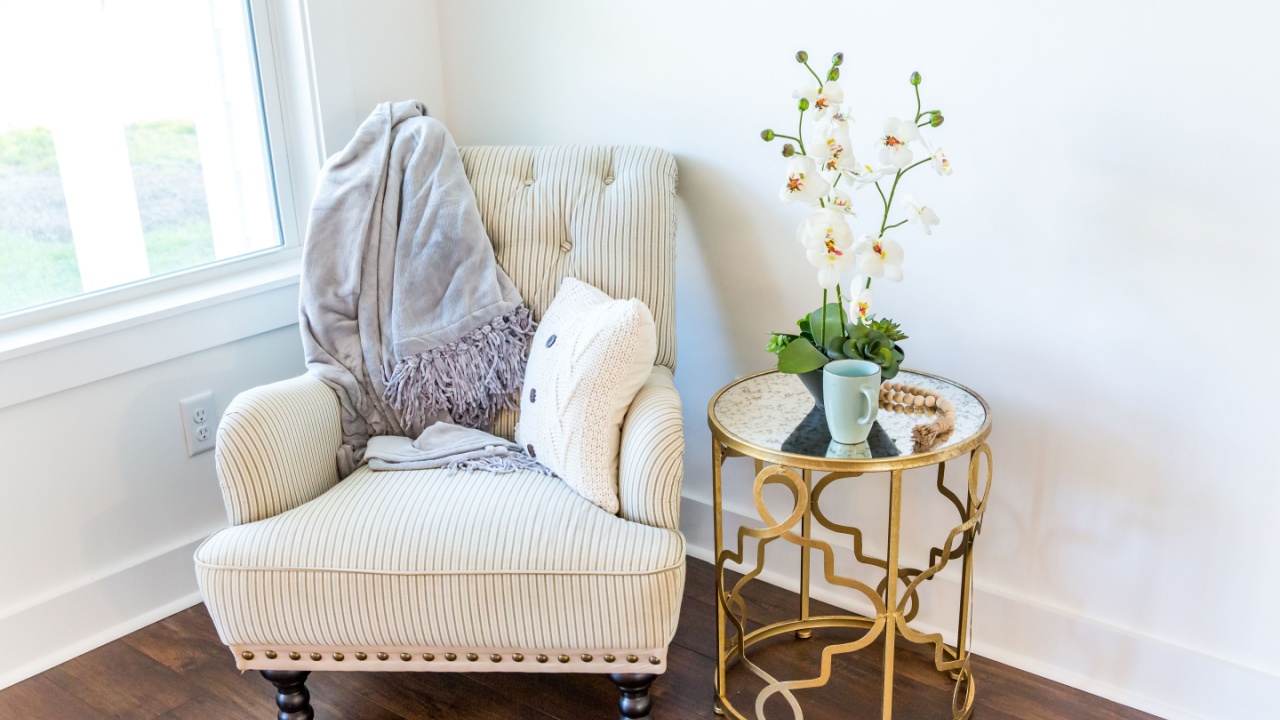
Habits are built on associations. Using every seat for tasks, eating, and scrolling trains the brain to stay in “busy” mode everywhere. Creating a single chair or nook just for unwinding instructs your body and mind: here, it’s time to decompress.
No multitasking, no financial meetings, no phone scrolling. Only rest, reading, or gazing out the window. Over time, this spot becomes a physical cue to breathe easier.
Home, Upgraded

Bringing comfort and support into your space doesn’t need a massive budget or a complete lifestyle reinvention. Notice which small discomforts are draining. Begin with the sensory details that bother you most. Tweak the airflow, upgrade the lighting, or try adding sound-absorbing soft furnishings. Bit by bit, you transform your home into more than just shelter. It’s the base that helps you recover, reset, and move into each day with a bit more peace.
Read More: