Why Your Home’s Air is So Dry in Winter
Winter arrives with cozy sweaters and hot cocoa, but it often brings an unwelcome guest: aggressively dry air. You know the signs. Static shocks every time you touch a doorknob, cracked lips, and wooden floorboards that suddenly creak more than usual. While cranking up the heat keeps you warm, it often turns your home into an arid desert.
Maintaining the right humidity levels matters for your health and the structural integrity of your house. When moisture drops too low, wood shrinks, skin flakes, and viruses can spread more easily. Before you buy the biggest humidifier on the market, you must identify the source of the problem.
Here are the most common culprits stealing moisture from your air and practical ways to fix them.
1. The Laws of Physics Are Working Against You
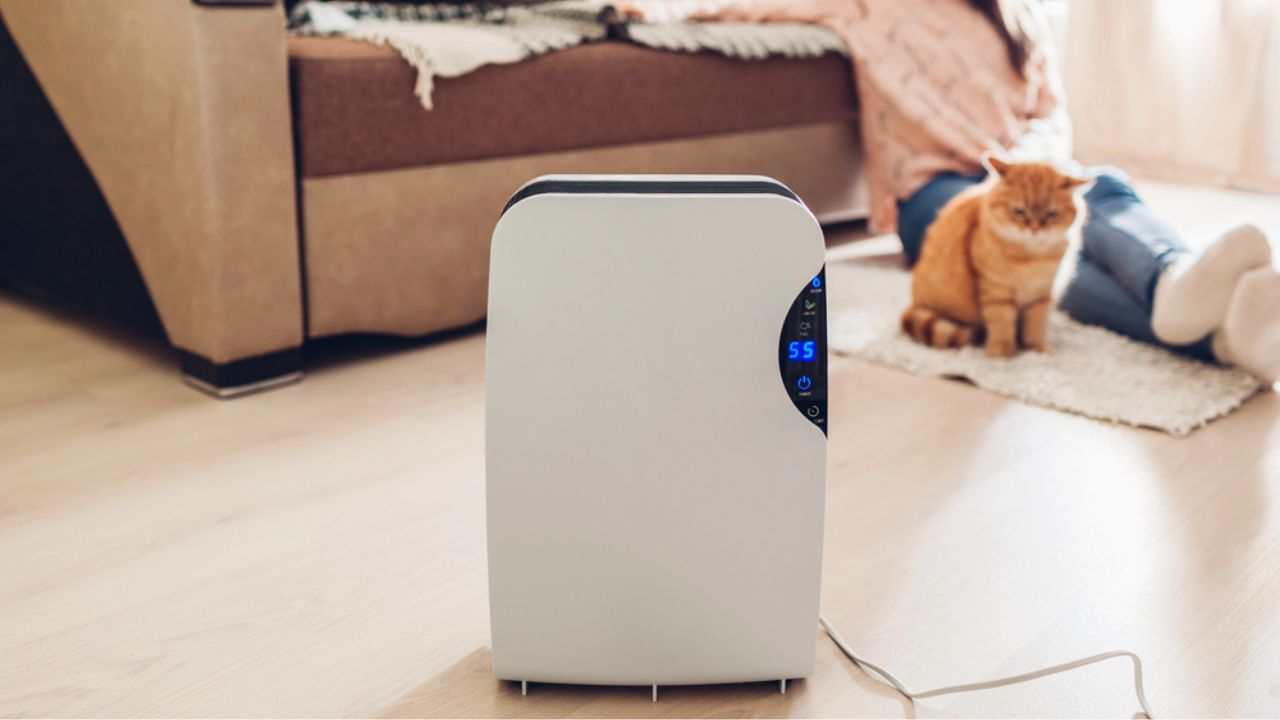
The main reason your home feels dry in winter is simple science. Cold air can’t hold as much moisture as warm air. When this cold, dry air enters your home and is heated, its ability to hold water increases, but the actual amount of water in it doesn’t. This causes the relative humidity to drop, making the air “thirsty.” It then pulls moisture from everything around it, including your skin, plants, and furniture.
While you can’t change the weather, you can control your indoor environment. Use a hygrometer to monitor your home’s humidity, aiming for 30-50%. If it’s too low, use a humidifier or air-dry laundry inside to add moisture back into the air.
2. Your Furnace Is Acting Like a Dehumidifier

Forced-air heating systems can make your home feel dry by rapidly raising the temperature, which lowers relative humidity. The longer the furnace runs, the drier it feels, acting like a natural dehumidifier. Since turning off the heat isn’t an option in winter, there are a few solutions.
Lowering your thermostat by a few degrees can help maintain more humidity. Installing a whole-home humidifier on your HVAC system is another option. For a simple fix, place bowls of water near heating vents to add moisture to the air as it evaporates.
3. Sneaky Air Leaks Around Windows and Doors

Your home should breathe, but it shouldn’t gasp. Gaps around windows, doors, and pipes let cold, dry outdoor air in, pushing the warm, moist air out. This forces your heater to work overtime, drying the air even more.
To find leaks, move a lit incense stick around window frames and doors on a windy day. If the smoke wavers, you’ve found a leak. Seal these gaps with caulk or weatherstripping. Use a draft stopper for gaps under doors.
4. The “Stack Effect” is Pulling Moisture Out
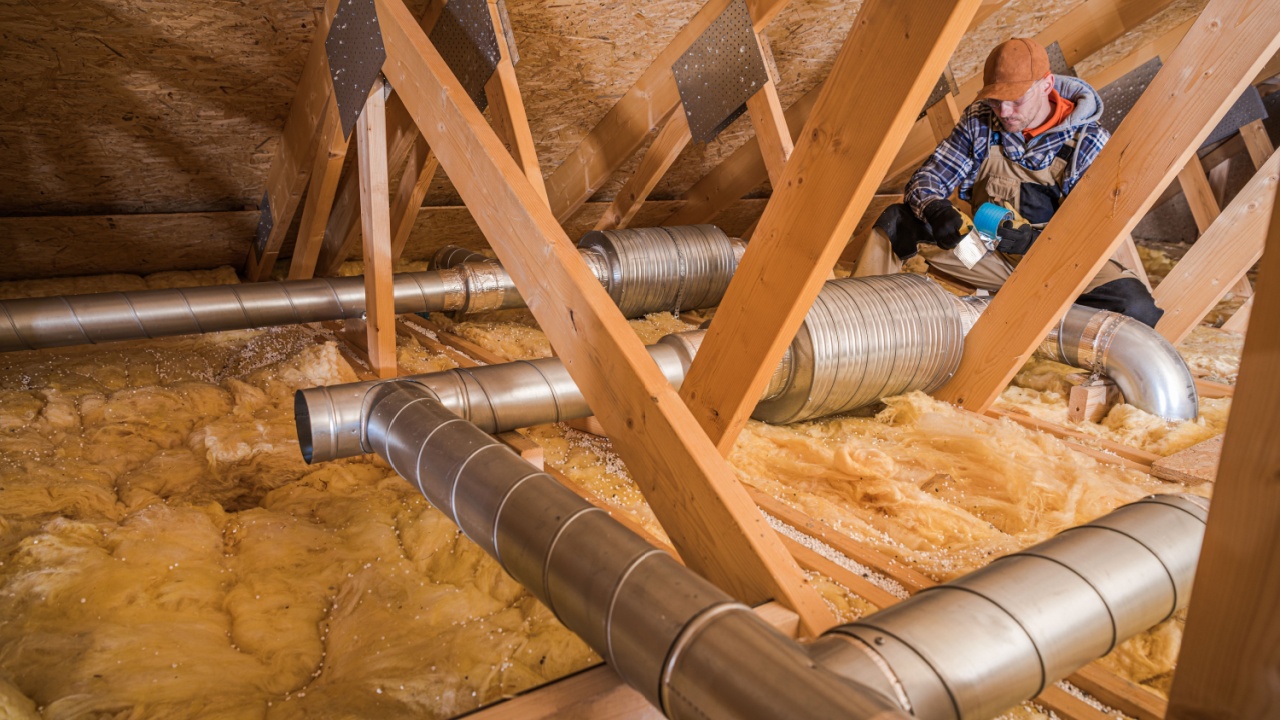
While standard leaks are horizontal, the stack effect is vertical. Heat rises. In a multi-story home, the warm air moves up to the attic and pushes out through ventilation or gaps in the roof. To replace that displaced air, the house pulls in cold, dry air from the basement or crawl space.
This constant vertical airflow acts like a vacuum, sucking the moisture right out of your living space and replacing it with unconditioned, dry air from the lowest points of your house. Seal the attic hatch and any gaps around light fixtures in the ceiling. In the basement, check the rim joists (where the house frame meets the foundation) and seal them with spray foam or rigid foam insulation.
5. Your Attic Insulation is Insufficient
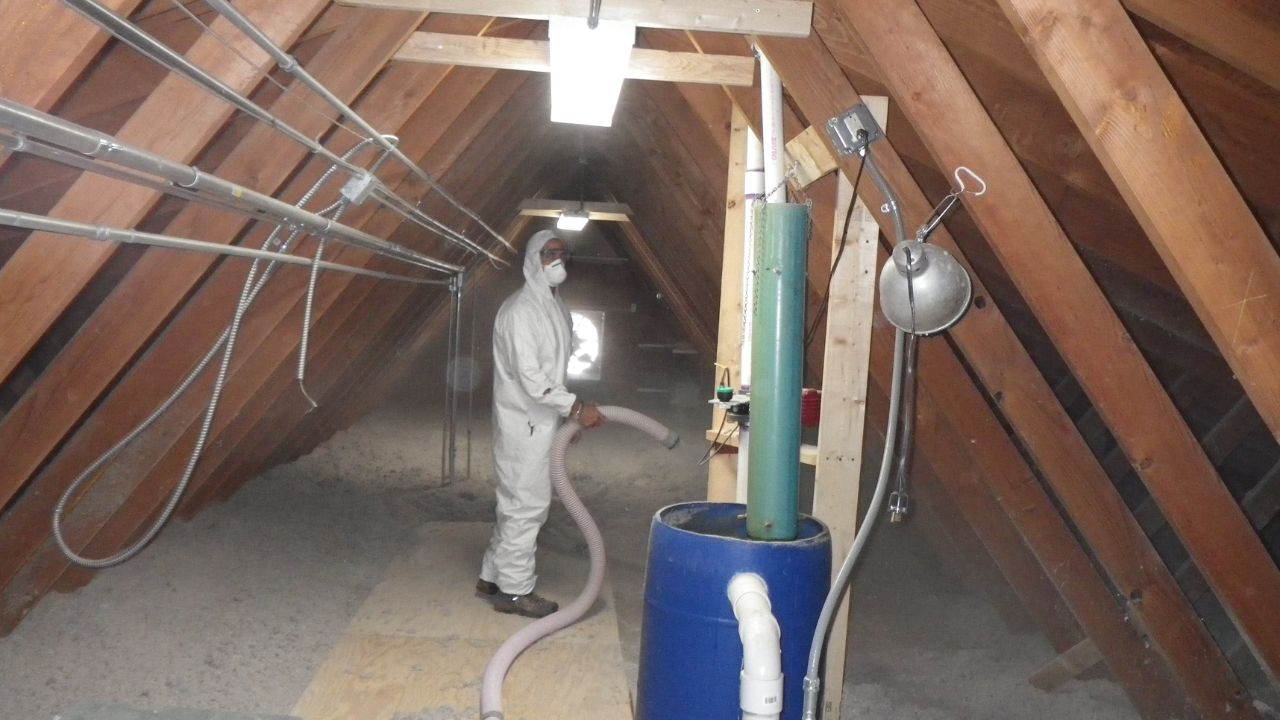
Poor insulation lets heat escape, making your furnace run more often and drying out the air. It can also create cold spots where moisture condenses, leading to mold.
Check your attic insulation. If the floor joists are visible, it’s time to add more. A fresh layer of insulation can stabilize temperatures, reduce furnace use, and help maintain moisture levels.
6. The Fireplace is a Ventilation Hog

A crackling fire is the epitome of winter comfort, but it is terrible for indoor humidity. Wood-burning fireplaces require a massive amount of oxygen to sustain the flame. They pull this oxygen from your living room, sending it along with the heat and moisture it contains, straight up the chimney.
To replace the air that just shot up the flue, dry outside air is drawn in through drafts and cracks. Essentially, a fireplace is a large exhaust fan that actively dehydrates your home while it burns.
Limit the duration of your fires. When the fireplace is not in use, verify the damper is closed tightly to prevent continuous airflow up the chimney. If you love the ambiance but hate the dry air, consider an electric fireplace insert, which generates heat without venting your home’s air outside.
7. You Are Overusing Exhaust Fans

Kitchen and bathroom exhaust fans are designed to remove pollutants, smells, and excess steam. However, in the winter, they work too well. Every minute these fans run, they pump conditioned, humid indoor air outside.
If you leave the bathroom fan running for an hour after your shower, you are exhausting the very humidity your home desperately needs.
Use exhaust fans strictly for odors or when cooking creates heavy smoke. When you shower, leave the fan off and crack the bathroom door open instead. Let that steam drift into the hallway and bedroom to naturally humidify the air. It is free moisture that your home needs.
Improve Your Indoor Comfort

Battling dry winter air requires a multi-pronged approach. You don’t need to tackle all ten of these issues at once. Start by sealing the obvious leaks and being mindful of how you use your exhaust fans. Small changes in how you manage airflow and humidity can make your home feel warmer and more comfortable without driving up your heating bill.