16 Things Kids Did from the 1960s Now Considered Insane
The 1960s were a simpler time, or so the story goes. It was an era of free-range childhoods, where safety regulations were loose, and supervision was often minimal. Looking back at the daily habits of families from that decade reveals a stark contrast to modern parenting standards. While many Baby Boomers survived these practices to tell the tale, seeing them listed out today can be truly shocking.
For those who grew up in the 60s, these behaviors were just part of a typical Tuesday. For modern parents, it looks like a recipe for disaster. Here is a look at the wild things that were socially acceptable for children back then, but would likely result in a visit from social services today.
1. Drinking Straight from the Garden Hose

Before bottled water became a multi-billion-dollar industry, the backyard hose was the hydration station of choice. Kids playing outside on a hot summer day would simply crank on the spigot and drink the metallic-tasting water straight from the nozzle.
While it holds a nostalgic place in many memories, garden hoses are not typically made with food-grade materials. They can contain lead, BPA, and phthalates, and the standing water inside can breed bacteria. If you want to recreate this memory for your grandchildren in the garden, invest in a drinking-water-safe hose specifically designed for RVs or marine use.
2. Playing with Lawn Darts (Jarts)
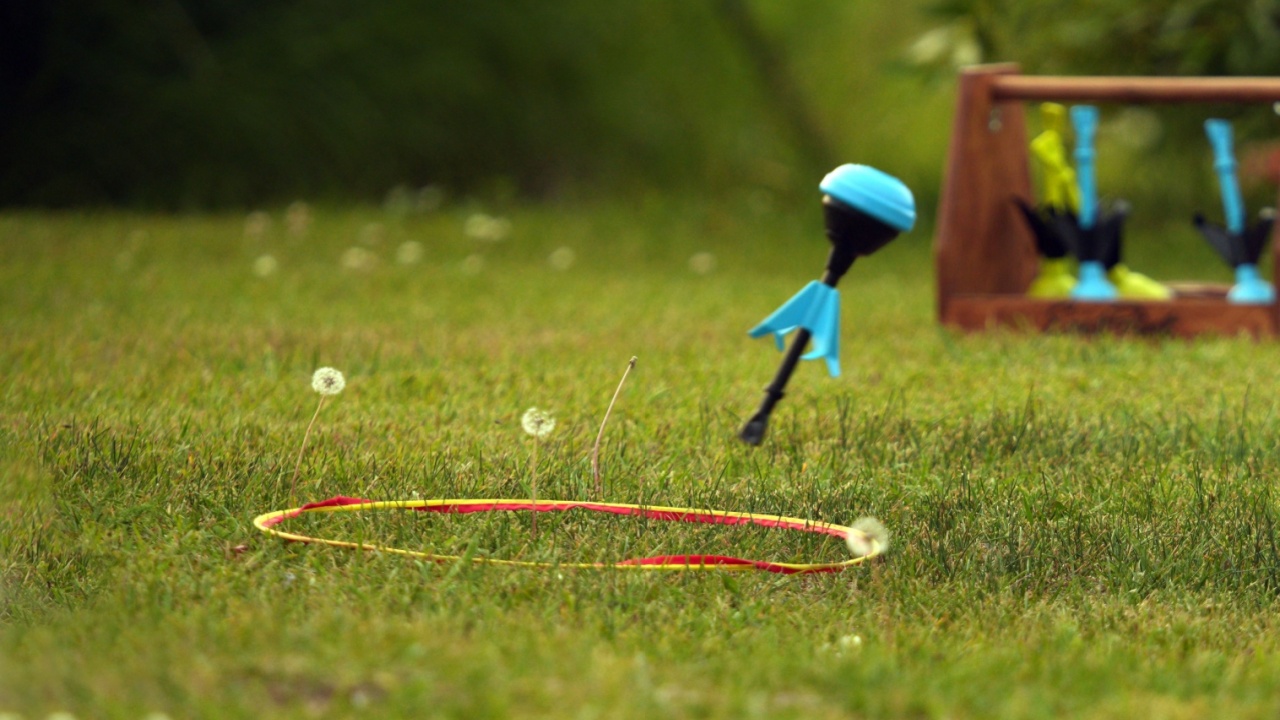
Backyard games were significantly sharper in the 1960s. Lawn Darts, or Jarts, were heavy metal spikes with plastic fins designed to be thrown high into the air, landing point-first into a plastic ring on the lawn.
The danger of handing children heavy, sharp projectiles seems obvious now, but they were a garden staple for years. After thousands of injuries and tragic accidents, they were banned in the United States and Canada. For a safer alternative that won’t ruin your lawn (or send anyone to the ER), opt for soft-tip versions or bean bag toss games like Cornhole.
3. Riding Without Seatbelts
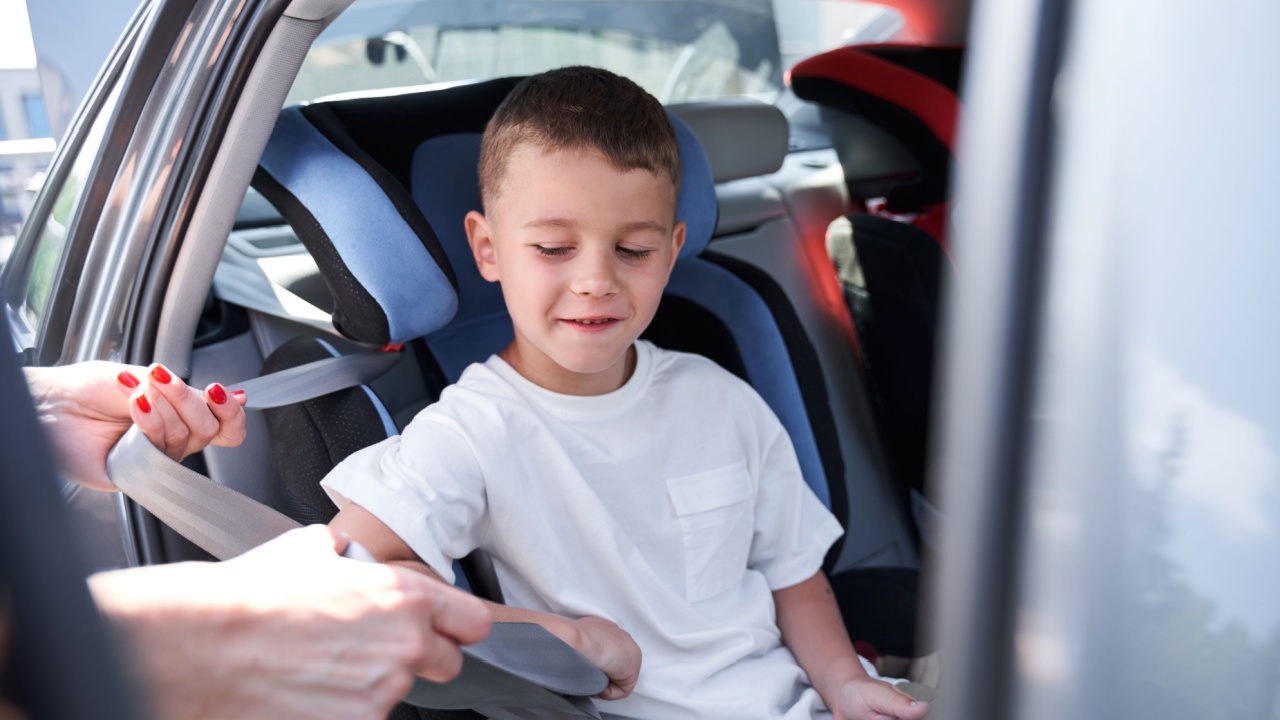
In the 1960s, car safety was practically nonexistent compared to modern standards. Seatbelts were often optional extras or simply tucked away into the seats and ignored. Children would slide across vinyl bench seats at every turn, with the only safety mechanism being a parent’s arm shooting out across the passenger seat during a sudden stop.
Today, strict laws and advanced car seat technology protect young passengers. While those vintage cars look beautiful in the driveway, retrofitting them with proper 3-point harnesses is a must before taking the grandkids for a spin.
4. The Smog of Secondhand Smoke
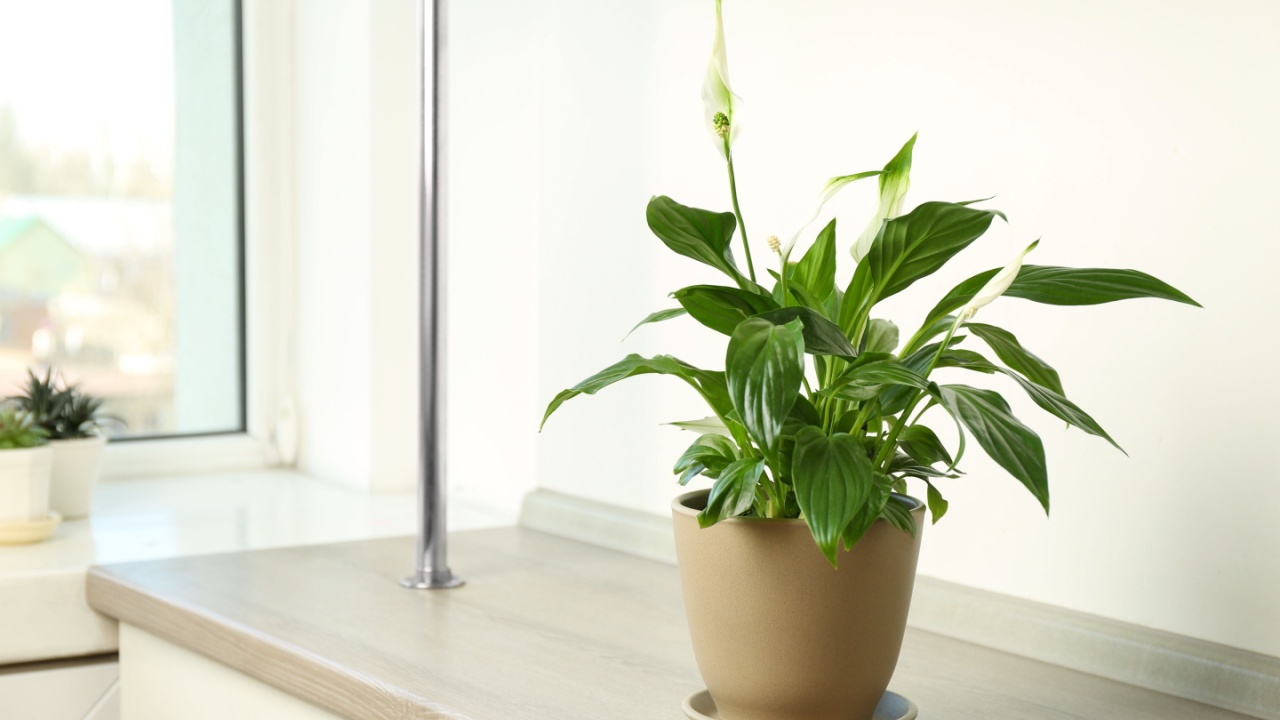
Smoking was ubiquitous in the 1960s. Parents smoked in cars with the windows up, in restaurants, and inside the home. The concept of “secondhand smoke” was not yet a public health concern, meaning children were constantly exposed to clouds of tobacco smoke from birth.
We now understand the severe respiratory risks associated with smoke exposure. To keep your home environment healthy, focus on air quality. Houseplants like Spider Plants and Peace Lilies can help filter indoor air pollutants, though they certainly can’t counteract a pack of cigarettes.
5. Unsupervised Street Play
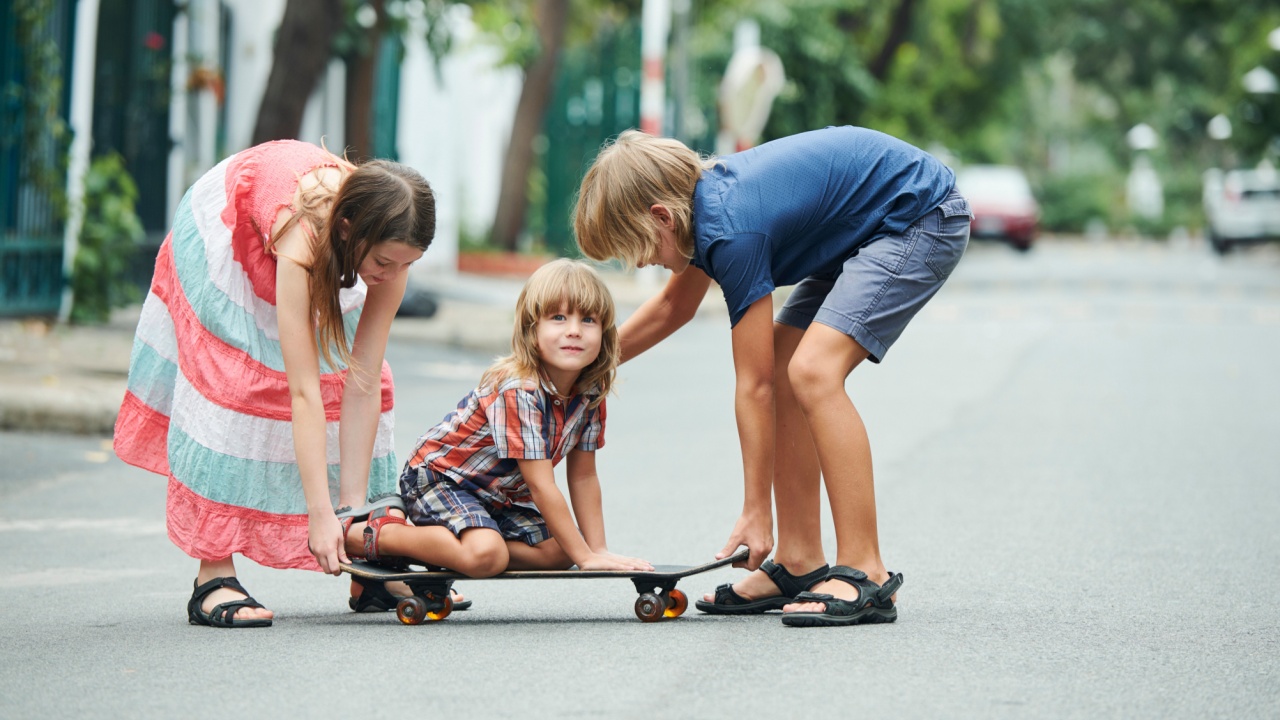
“Come home when the streetlights turn on.” This was the golden rule of 1960s parenting. Children roamed neighborhoods in packs, playing stickball in the street or exploring local woods with zero adult supervision for hours on end.
Traffic patterns and societal fears have changed this dynamic drastically. While free play is vital for development, modern families tend to create designated “adventure zones” within the safety of a fenced backyard. Building a dynamic natural playground with logs, rocks, and sensory gardens can offer that sense of exploration without the risk of wandering the streets.
6. Trampolines Without Safety Nets
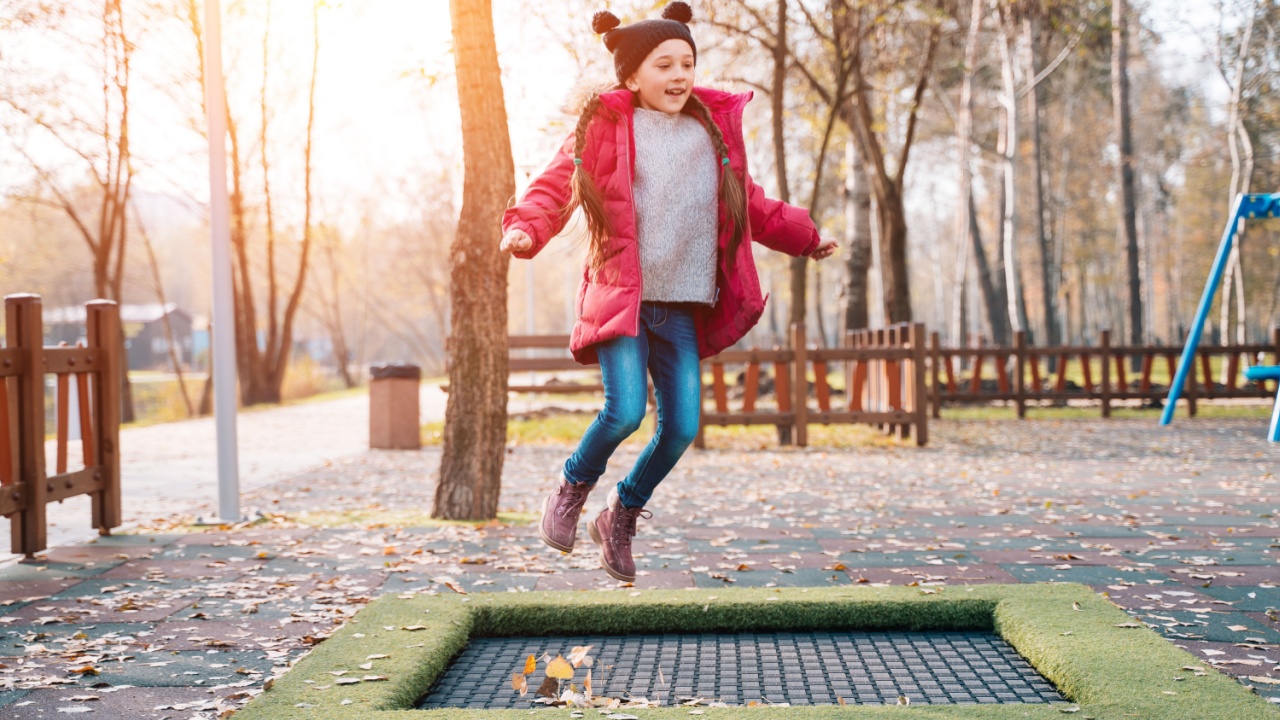
The backyard trampoline was a metal frame, tight springs, and a canvas mat, completely open on all sides. A wrong bounce meant landing on the steel springs or flying off onto the grass (or patio) below. Broken bones were a common rite of passage for trampoline owners.
Modern trampolines come equipped with tall safety enclosures and padded spring covers. For an even safer and more aesthetically pleasing option, many homeowners now install in-ground trampolines. Safety enclosures and padding reduce fall and impact risks. In‑ground installs reduce fall height and visual impact.
7. Riding in the Bed of a Pickup Truck
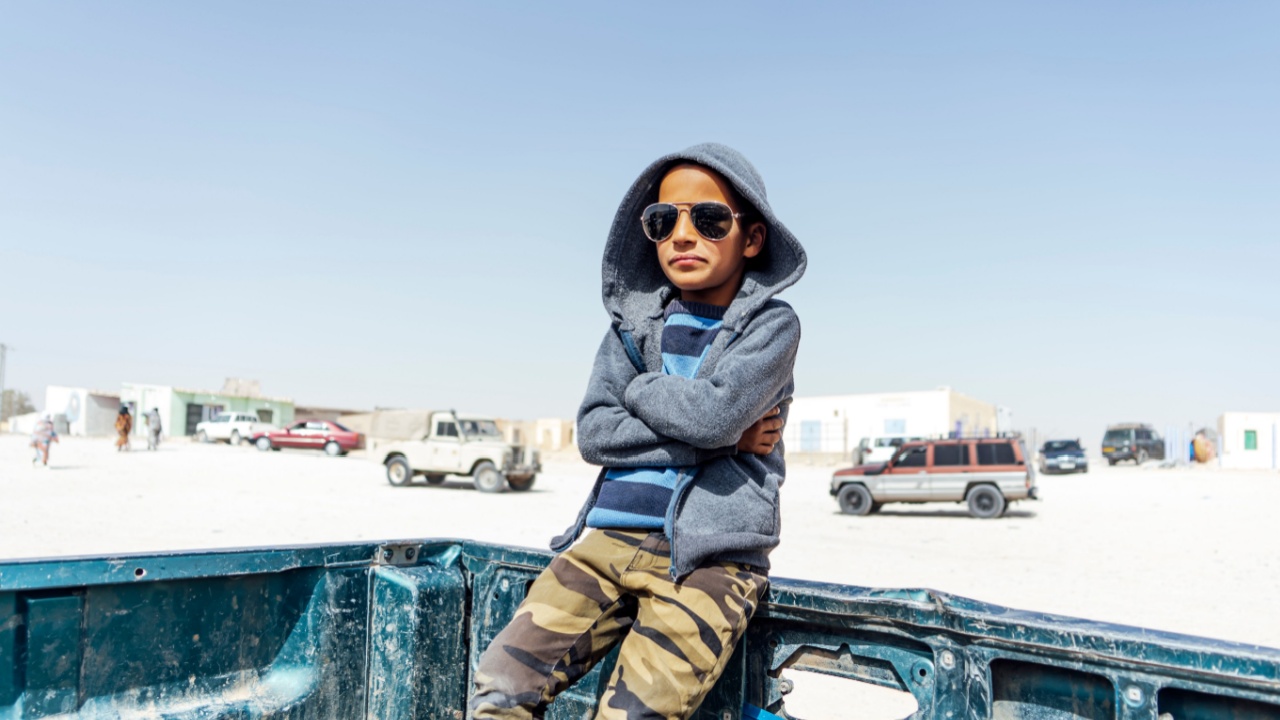
If a family owned a truck, the kids usually rode in the back. It was an exhilarating experience to feel the wind whip past while sitting on a wheel well or sliding around the metal bed. There were no seats, no belts, and absolutely no protection in the event of a crash.
The practice is illegal or restricted in most states, particularly for children. The truck bed is best reserved for hauling bags of mulch, soil, and flats of annuals for your weekend gardening projects.
8. No Bike Helmets

Cycling in the 60s meant feeling the breeze in your hair. Helmets were reserved for professional racers or motorcyclists, not the average kid on a Schwinn. A fall from a bike resulted in scraped knees and the occasional bump on the head, which were treated with a “walk it off” attitude.
With higher traffic volumes and faster speeds, protecting the brain is non-negotiable today. Modern helmets are lightweight and come in countless designs, making it easier to convince the younger generation to buckle up before they ride.
9. Hitchhiking

It was not uncommon to see young people, even teenagers, standing by the roadside with a thumb out to catch a ride to town or school. It was viewed as an adventurous and frugal way to get around, rather than a high-risk activity involving strangers.
The “Stranger Danger” campaigns of later decades effectively ended this practice. Teaching children to be street-smart is still essential, but arranging safe transport via family or trusted ride-share apps is the modern solution.
10. Dangerous Playgrounds
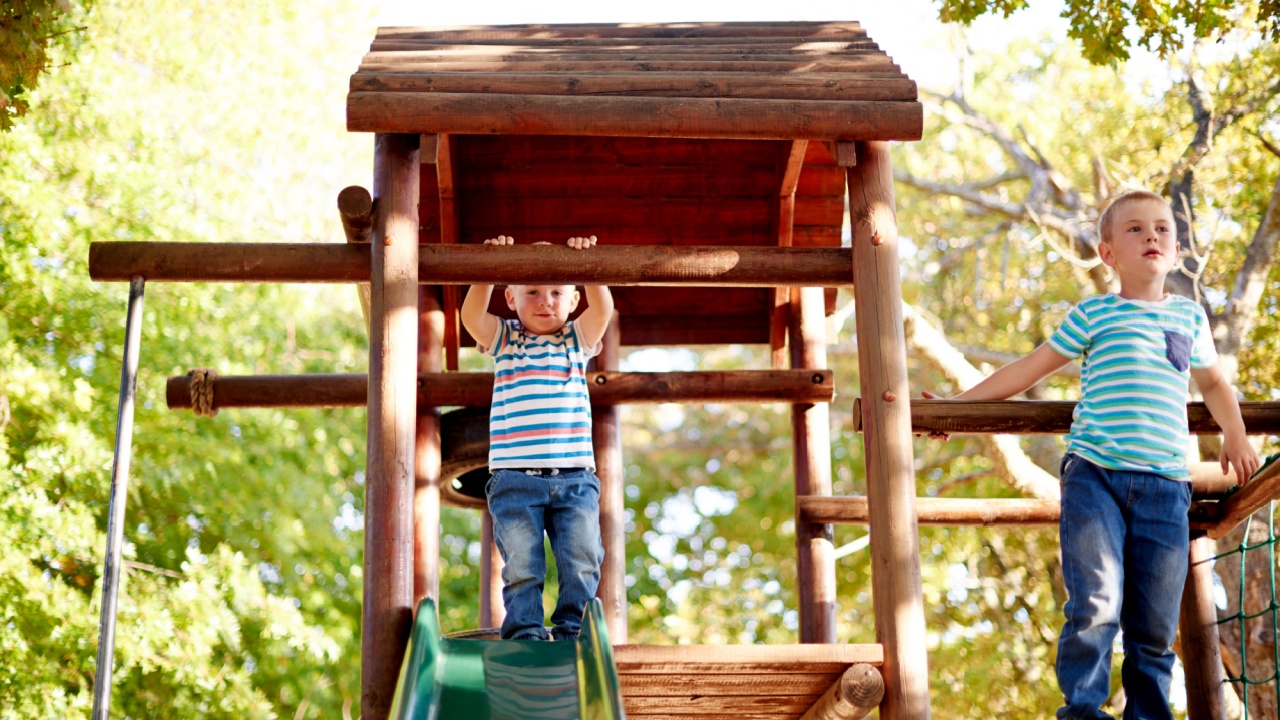
The playgrounds of the 1960s were built on concrete or asphalt surfaces. The slides were towering sheets of metal that became scorching hot in the sun, and merry-go-rounds spun fast enough to launch children into the air.
Safety surfacing like rubber mulch or engineered wood chips has replaced the unforgiving asphalt of the past. If you are building a play area in your backyard, using soft, organic mulch not only cushions falls but also helps retain soil moisture and suppress weeds around the play structure.
11. Latchkey Kids
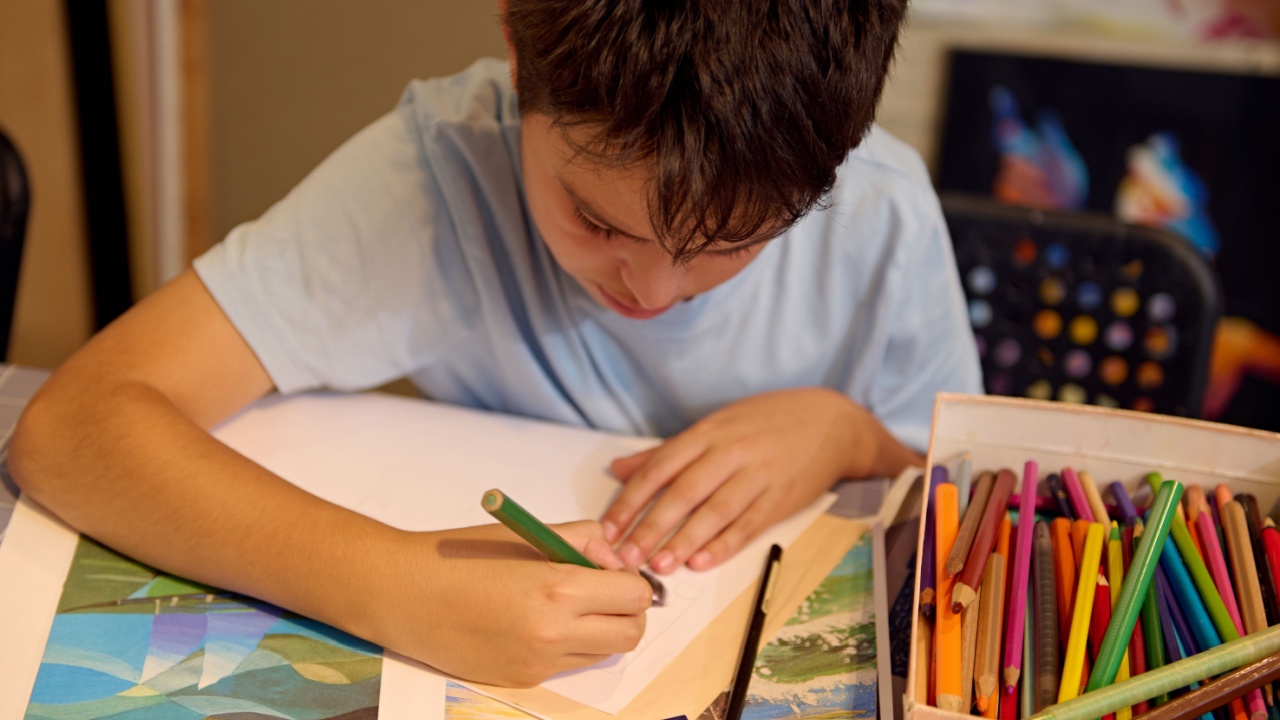
As more mothers entered the workforce or managed busy households, it became standard for children to let themselves into an empty house after school. These “latchkey kids” would fend for themselves, make snacks, and start homework without adult presence for several hours.
While independence is valuable, technology has changed how this is managed. Video doorbells and smart locks allow parents to monitor when children arrive home safely, bridging the gap between independence and supervision.
12. Sleeping on Stomachs

Pediatric advice in the 1960s often recommended placing babies on their stomachs to sleep. Cribs were also filled with soft bedding, bumpers, and stuffed animal items that are now known to pose suffocation risks.
The “Back to Sleep” campaign revolutionized infant safety, significantly reducing SIDS cases. Nurseries today are more minimalist, focusing on a firm mattress and a clear crib, which coincidentally makes for a cleaner, less cluttered design aesthetic.
13. Car Naps in the Rear Window
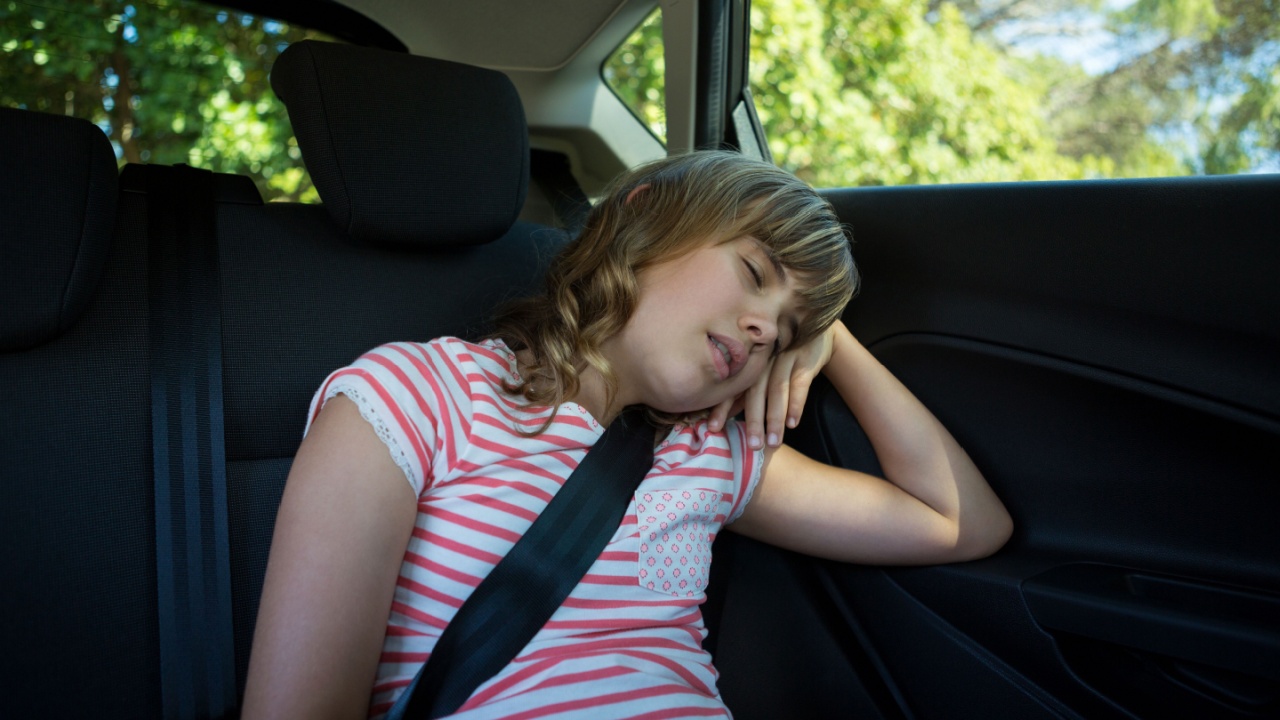
On long road trips, the space between the back seat and the rear window of a sedan was often designated as a sleeping shelf. Small children would climb up and nap there, completely unsecured and exposed to direct sunlight through the glass.
This is one of the most dangerous places to be in a vehicle. Today, comfortable and rigorously tested car seats ensure children can nap safely without becoming projectiles.
14. Blood Oaths

Friendships in the 60s were serious business. To seal a promise, children would sometimes prick their fingers or cut their palms and shake hands, mixing their blood to become “blood brothers” or sisters.
Given our modern understanding of bloodborne pathogens, this is a horrifying concept. A “pinky swear” or a friendship bracelet is a much more sanitary (and less painful) way to cement a bond.
15. Walking Miles to School Alone

The cliché of walking “uphill both ways in the snow” stems from reality. Children as young as six or seven frequently walked considerable distances to school without adult accompaniment, navigating traffic and weather on their own.
While walking to school is great exercise, it is often done in organized “walking buses” where groups of children are supervised by rotating parents. It fosters community and safety while keeping the physical activity alive.
16. Playing with Chemistry Sets

Mid-century science kits were not the watered-down versions found in toy aisles today. They often included genuine (and dangerous) chemicals, glass test tubes, and instructions for creating small explosions or toxic mixtures.
Encouraging an interest in science is wonderful, but it can be done safely. For a kid-friendly science experiment, try building a vinegar and baking soda volcano in the sandbox, or start a compost pile to teach kids about biological decomposition without the risk of chemical burns.
Keeping the Nostalgia, Ditching the Danger

Reflecting on the 1960s highlights just how much parenting and safety standards have evolved. While the freedom of that era brings back fond memories for many, the shift toward safer environments has undeniably saved lives.
You can still foster that spirit of wild, outdoor independence in your home. By creating safe play spaces, using non-toxic gardening materials, and supervising risky play, you offer the next generation the best of both worlds: the joy of the 60s without the trips to the emergency room.