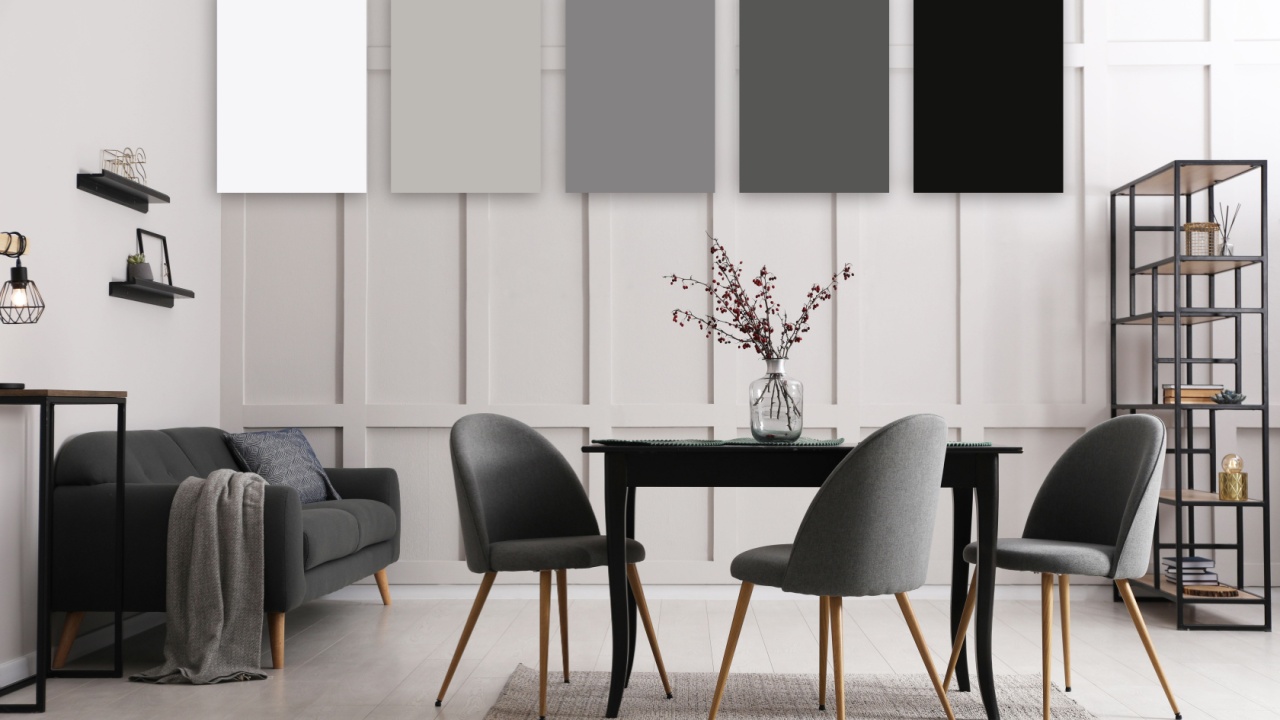
6 Dining Room Design Trends We Aren’t Loving
Creating a dining room that works for daily meals and holiday hosting often involves dodging common design traps. Social media feeds display endless images of beautiful rooms, yet many of those setups fail when people actually sit down to eat. A room that prioritizes a specific look over the ease of movement and conversation can lead to a stiff environment. By skipping trends that interfere with comfort, you build a space that welcomes guests and serves your household well.
Here are six dining room trends that you don’t need to spend time and money on:
1. Tables That Are Too Wide

Large, expansive tables often appear impressive in showrooms, but they frequently hinder social interaction. When a table exceeds a standard width, guests find themselves shouting across a vast distance or struggling to share dishes. This physical gap creates a literal barrier to conversation.
Opting for a narrower table allows people to sit closer together, encouraging a communal feeling. It simplifies the passing of food and makes the dining experience more intimate. Before purchasing, measure the room and consider how much space remains for chairs and movement. A table that fits the scale of the room and the human reach makes every dinner party more successful.
2. Overstimulating Environments
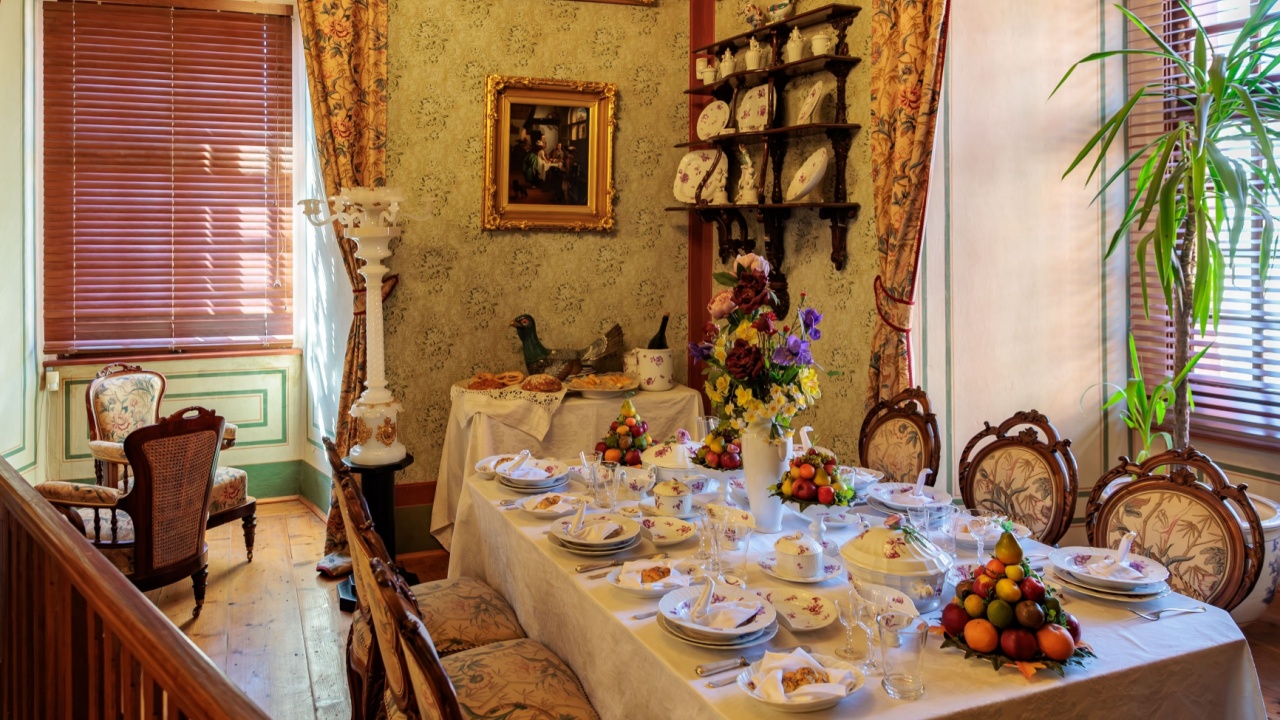
The rise of elaborate tablescapes has led to a trend where every surface in the room competes for attention. Busy wallpaper, patterned upholstery, and complex art pieces can distract from the meal and the company. When a room contains too many competing visual elements, the result is often a feeling of visual clutter. This is not just an aesthetic issue, studies show this visual clutter can affect your mind, too.
A calm backdrop allows specific details, such as a floral arrangement or fine china, to stand out. By keeping the walls and larger furniture pieces neutral or unified, the room feels more balanced. This approach prevents the space from feeling overwhelming during long gatherings.
3. Matching Dining Sets
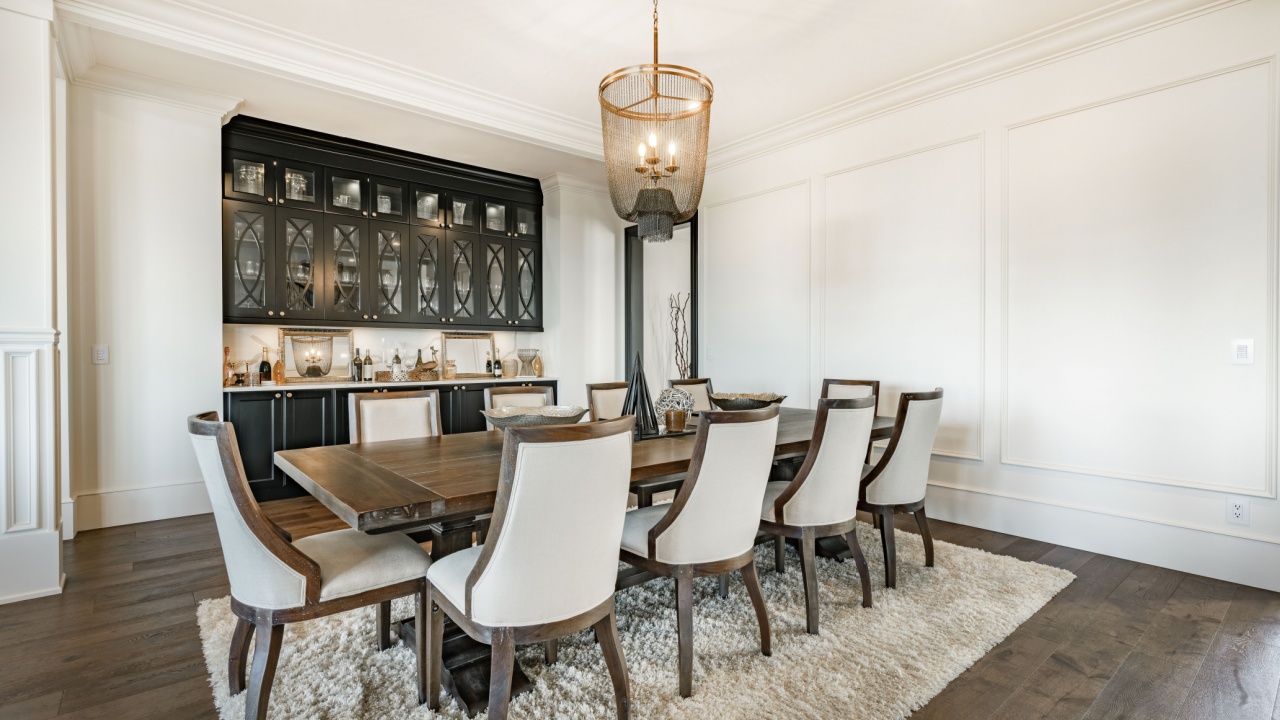
Buying a coordinated set of a table and identical chairs often results in a space that feels like a furniture catalog. This approach lacks personality and can make the room feel rigid. Designers are moving away from these uniform looks because they fail to show any individual style or history.
Mixing different styles of seating with a unique table adds layers to the design. For example, pairing a heavy wooden table with metal chairs or upholstered seating creates a more curated look. This method allows you to incorporate found objects or heirlooms, making the room feel more personal and lived-in.
4. Accent Walls
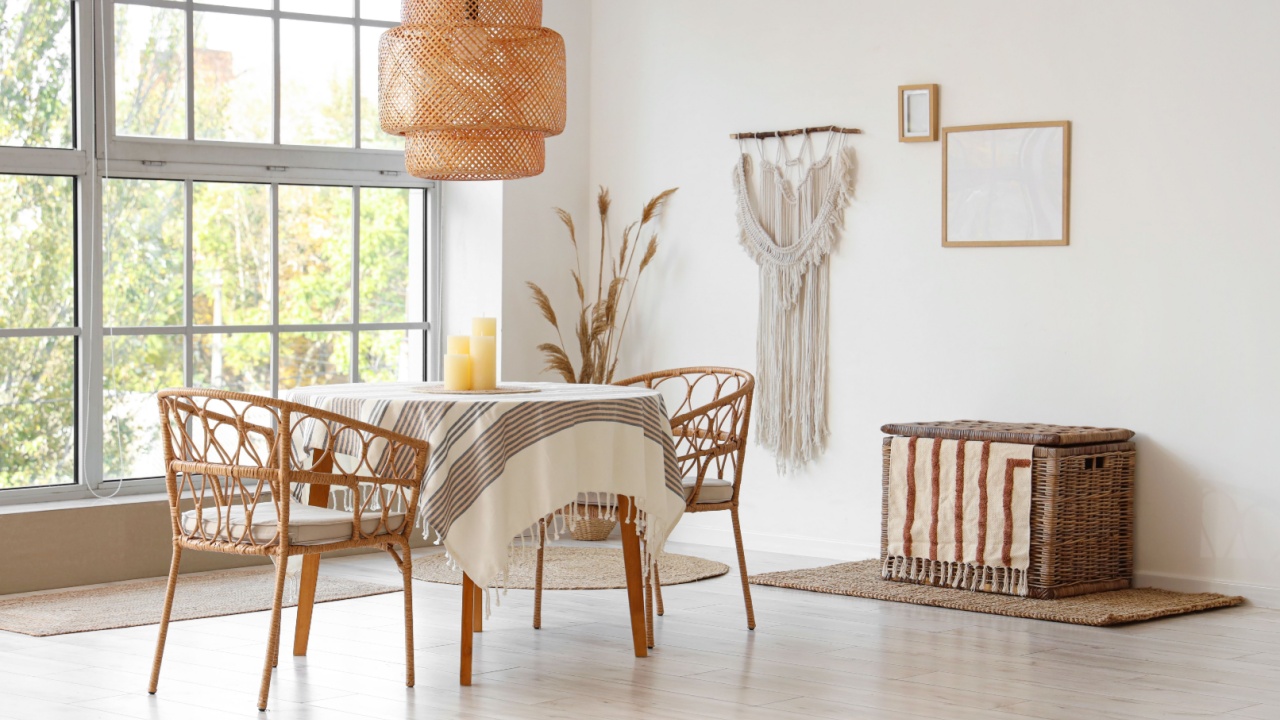
Accent walls were popular for a long time, but they can make a dining room feel disjointed. By highlighting only one wall, the room is visually divided, which can make a small space feel even smaller. This technique often draws the eye to a single point rather than allowing the viewer to appreciate the room as a whole.
Painting all four walls the same shade creates a sense of continuity. Extending the color to the ceiling can produce a sophisticated, immersive effect. This unified approach makes the room feel more intentional and polished, providing a harmonious setting for meals.
5. Oversized Industrial Lighting

Heavy, black industrial pendants once defined modern dining rooms, but their massive scale can dominate a space. These fixtures often block sightlines across the room and cast harsh shadows. Because they are so visually heavy, they can make the ceiling feel lower, and the room feel cramped, especially if your house has low ceilings.
Choosing lighting with an open structure or glass components allows light to move through the space. Sculptural pieces that use lighter materials provide a focal point without being overbearing. Look for fixtures that offer a soft glow to enhance the mood of the room.
6. Gray-Washed and Cool Tones
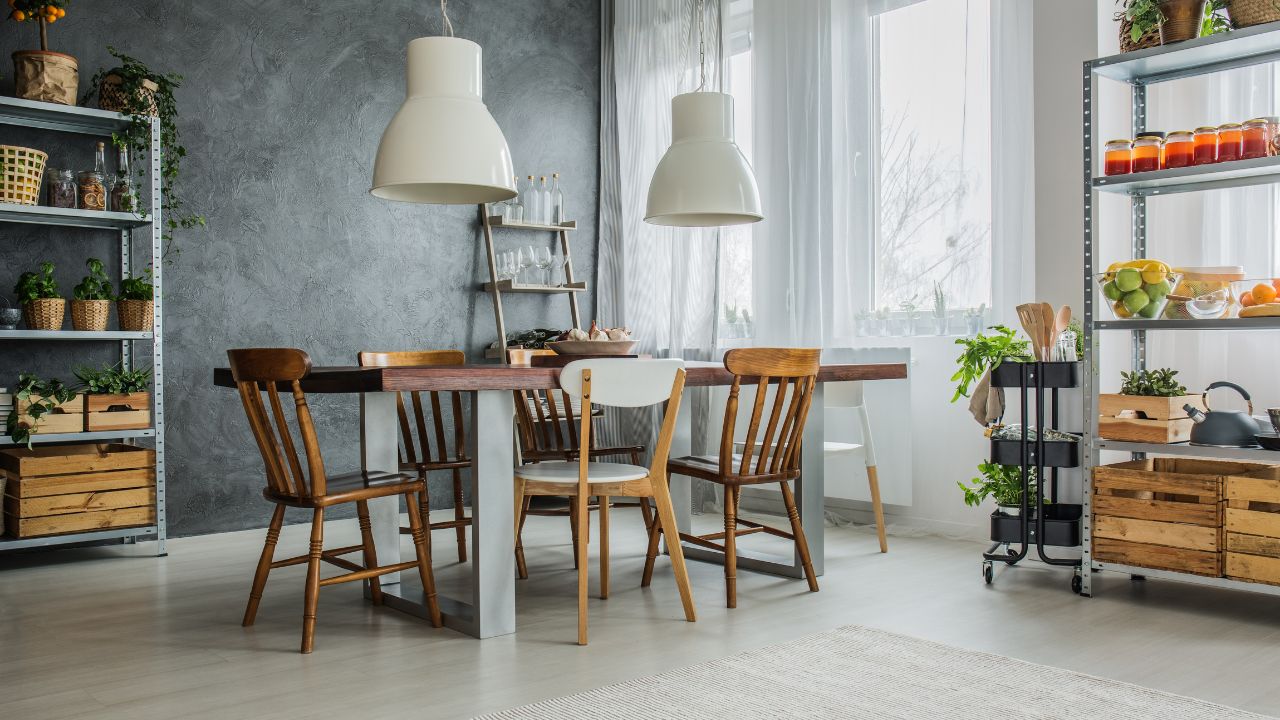
While gray has been a staple for years, an entirely cool-toned dining room can feel sterile and uninviting. Cool grays often sap the warmth from wood floors and furniture, making the space feel more like a cold gallery than a place for gathering. This palette can also make food look less appetizing under certain lighting.
Introducing warm wood grains, brass accents, or earthy textiles can change the feel of the room. Natural tones like honey, oak, or terracotta bring life back into the space. Even small additions, such as vintage wooden chairs, can balance out cooler walls and make the environment feel more welcoming.
Refining Your Dining
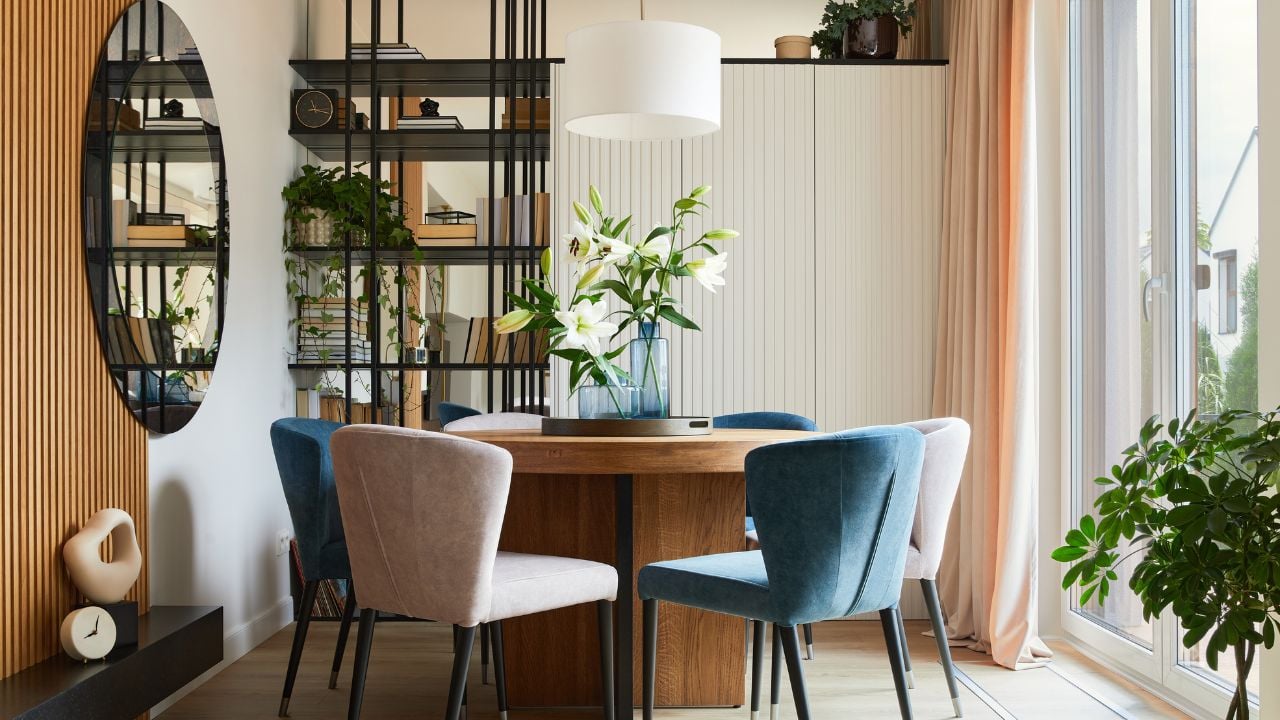
To improve a dining room, focus on the physical experience of the space. Observe how people move through the room and where they sit. If a specific trend makes the room feel crowded or prevents easy talk, it is likely worth replacing. Use these insights to evaluate current furniture and decor. Replacing a single light fixture or painting a room in a unified shade can significantly alter the atmosphere. Prioritizing comfort and flow ensures the dining room remains a functional and enjoyable part of the home for years.