5 Items That Shouldn’t Be Anywhere Near the HVAC System
What have you put near your HVAC vents? Blocking HVAC vents with household items can lead to higher energy bills, damage your belongings, and even create safety risks. To keep air moving properly and avoid headaches, certain things just need to stay clear of every vent in your home.
Airflow tells a story all its own. It relies on space to circulate and keep things comfortable indoors. When blocked, it leaves your system straining harder than someone wrestling a toddler into a snowsuit.
Here are five everyday items that need to find a spot away from your vents.
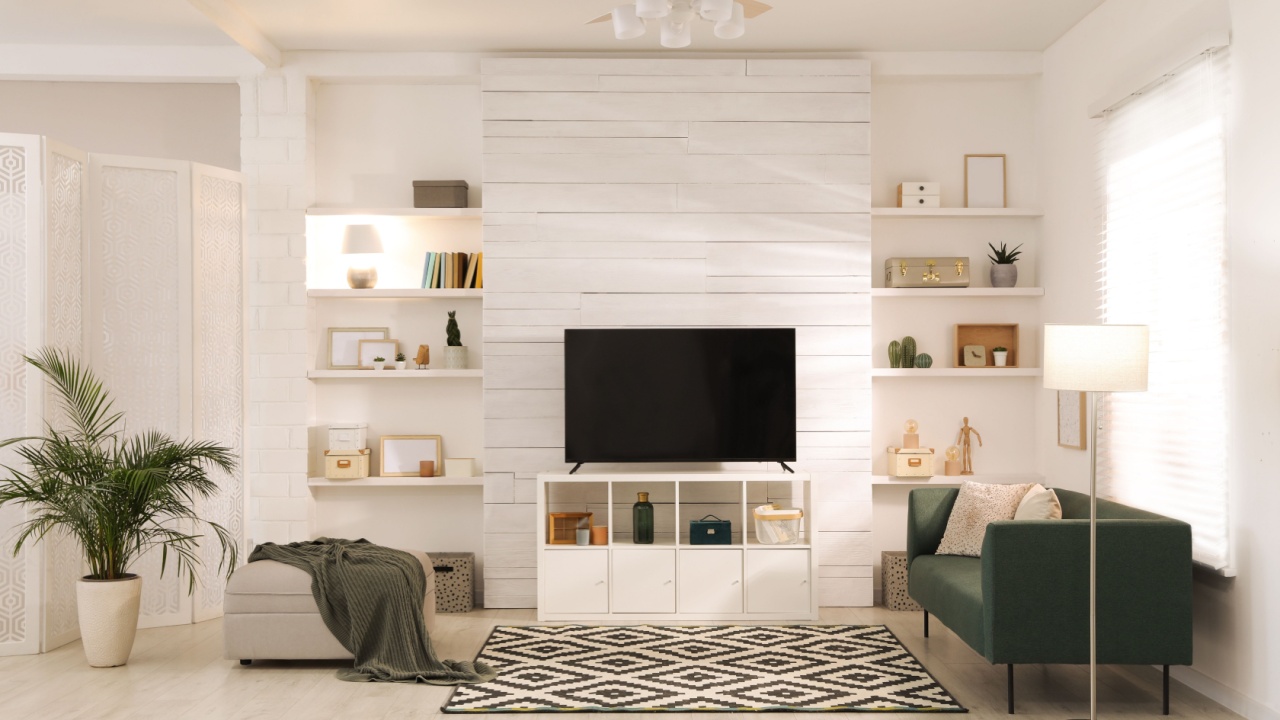
1. Electronics (TVs, routers, game consoles)

Gadgets are everywhere. They entertain, connect, and yes, sometimes frustrate when the Wi-Fi gives out. Putting them close to a heat source sends them straight into early retirement. Electronics already generate heat during use. Add hot air from a vent, and you have a recipe for overheating that no motherboard can stand.
Overheating quietly wrecks technology. When the temperature rises around electronics, internal fans struggle. Performance drops, surprise shutdowns happen, and sometimes the device stops working altogether. Cold air isn’t off the hook either. Sudden temperature changes can create condensation inside, and moisture is never a friend to a circuit board.
2. Furniture (sofas, chairs, beds)
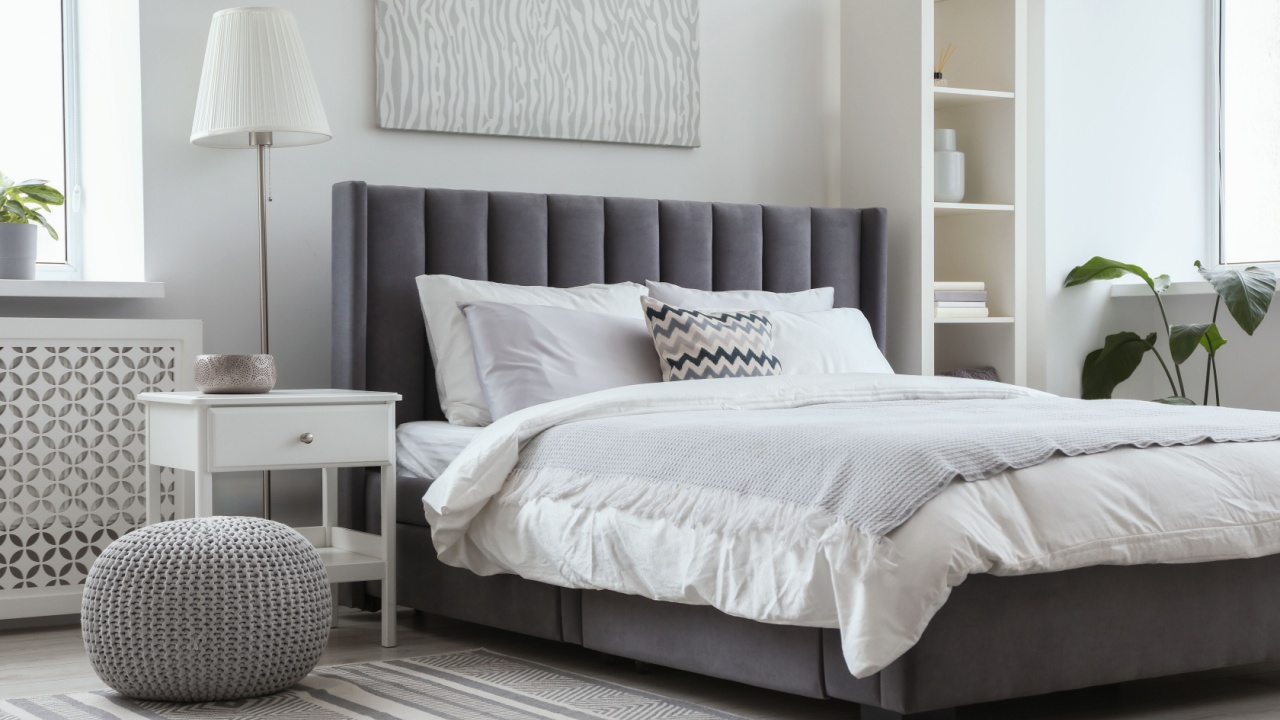
Arranging a room comes with its own challenges, especially when there are floor registers to work around. Sometimes, the best-looking spot for that vintage armchair ends up directly over the vent. It might seem harmless, particularly when the chair has legs that appear to let air pass below. In reality, big pieces of furniture become roadblocks for circulation.
When a couch sits directly over or in front of a vent, the air gets trapped. Instead of spreading throughout the room, it just warms up the bottom of the sofa. The furnace reads the space as still cold, so it keeps cycling, raising your bill while leaving your feet freezing. Constant heat can also lead to wood frames drying out and leather cracking.
3. Aerosol Cans (hairspray, cleaning products, paint)
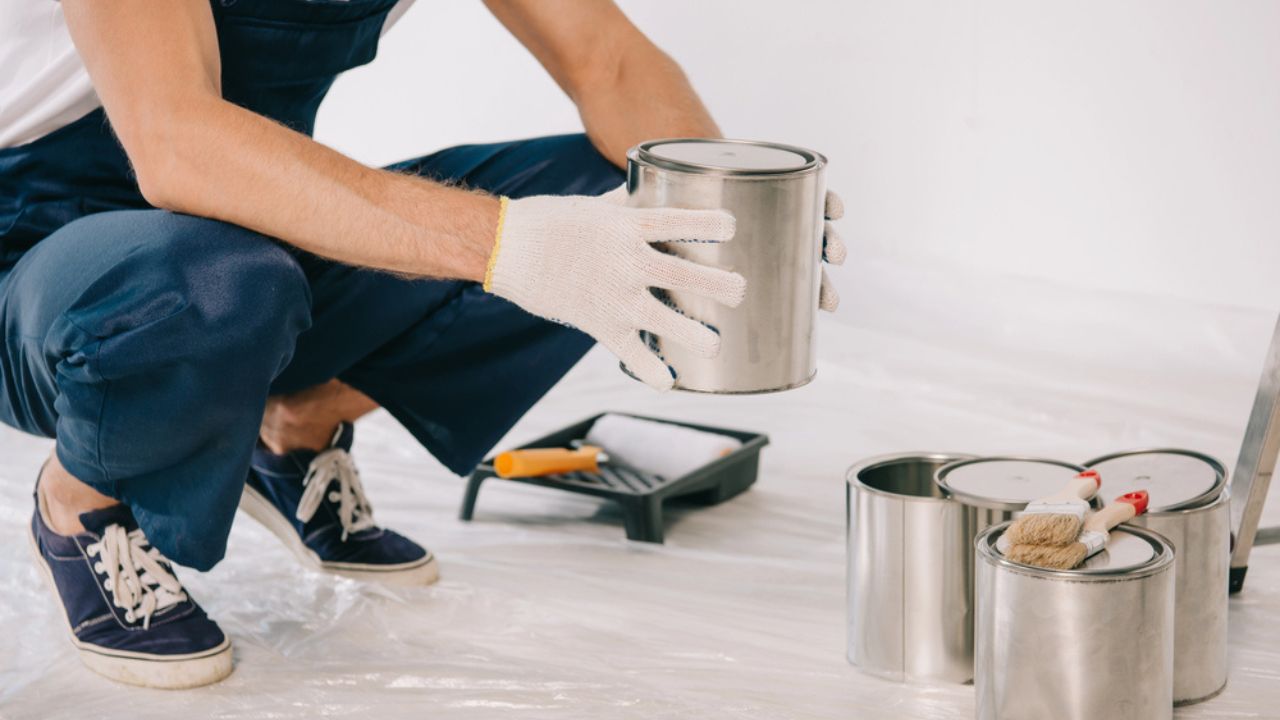
Cans of hairspray or spray paint turn up all over the place, and often find their way to a spot right by a floor vent in the bathroom or on the garage register. These pressurized containers are affected by temperature changes. They contain propellants that expand when heated.
If the temperature goes up enough, the pressure inside the can climbs until it can no longer hold. A can of furniture polish bursting is not just a mess; it can actually cause injury or start a fire. Even if the can does not pop, the heat can change the makeup of the product, making it unusable or clogging the nozzle forever.
4. Houseplants and Flowers
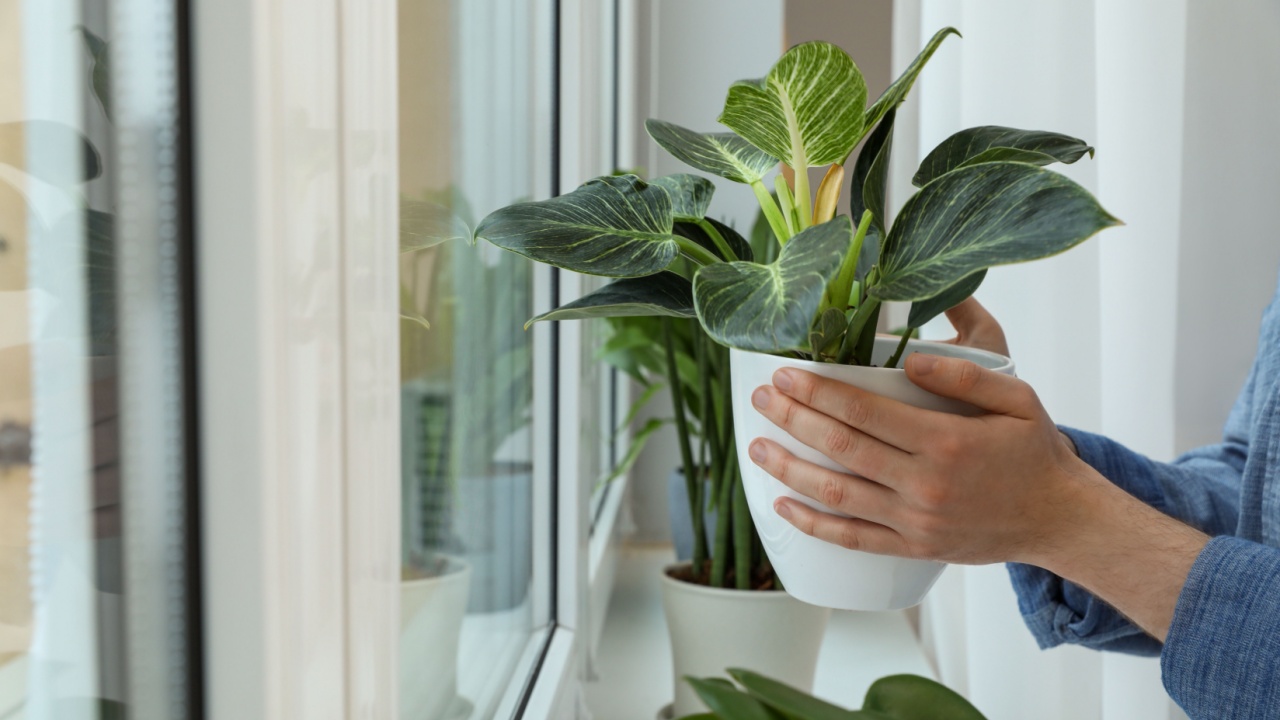
Plants usually enjoy warmth, but indoor varieties thrive best with stable temperatures and a touch of moisture in the air. The airflow from your HVAC system is the opposite: it is dry, forceful, and its temperature shifts quickly. Setting your fern or a vase of fresh tulips near a vent leads to wilting and dried-out leaves before you know it.
The ongoing draft pulls moisture away from the foliage quicker than roots can draw it in. Even resilient plants like succulents have a tough time dealing with those wild temperature swings. If leaves are dropping or yellowing, take a look at where the nearest vent is.
5. Cleaning Products and Chemicals

Space runs out under the sink, so bleach, ammonia, and other solvents sometimes get stacked on the floor in the laundry area or utility closet. If those bottles end up near a vent, trouble is just around the corner. Heat makes chemicals more likely to let off fumes.
Breathing in chemical fumes is unhealthy. If those vapors escape near a vent, the air system can carry them to other rooms. This means people throughout the house might notice that sharp bleach odor. Heat can also weaken plastic bottles, which may then leak and cause stains on the floor or damage metal vent covers. Also, consider using green cleaning products that are safe for you and the environment.
Giving Your Vents Some Breathing Room
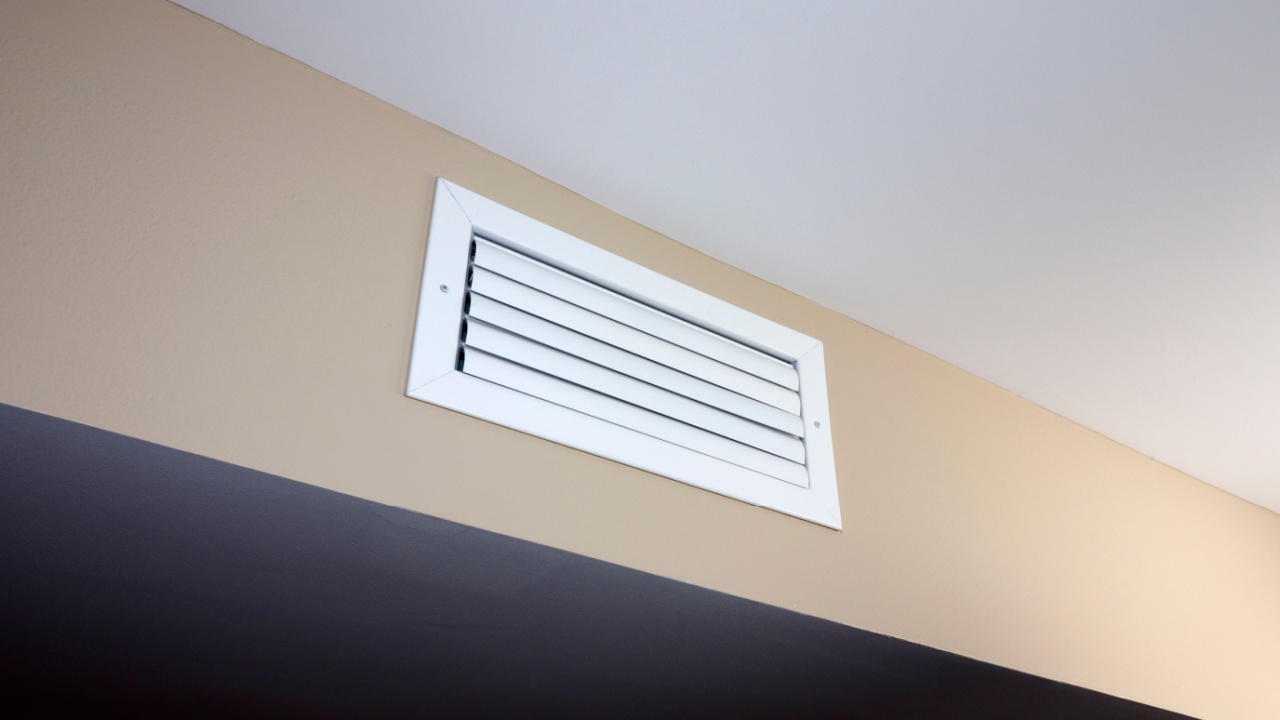
Taking a new look at your home setup can help avoid problems. Walk through your rooms today. If there’s a router sitting on a register or laundry piled over a return vent, move it. Spending a few minutes rearranging can help your HVAC system run better and protect your stuff. If space is limited and furniture needs to be near a vent, try using a vent deflector.