6 Thoughtful Ways to Repurpose Holiday Decor for the Yard
The period immediately following the holidays often resembles a hangover, minus the fun party. You’re left with boxes of glittery objects, tangled lights, and a tree dropping needles faster than you can sweep. Instead of cramming everything back into the attic or tossing it in the trash, try a different approach.
Many of those festive items can have a useful second act outdoors. This saves money on garden supplies and keeps some seasonal sparkle shining in a spot more friendly to dirt. Here are six practical methods to give holiday leftovers a useful life outside.
1. Turn Old Ornaments Into Plant Markers

Those shattered or scratched baubles don’t need to end up in the landfill. Even plastic ornaments that no longer shine can be useful in the vegetable patch. By attaching a skewer or sturdy stick to the ornament, you get an instant, colorful plant marker. The spherical shape is easy to spot among green foliage, and the surface area is usually big enough to write the name of a plant or herb.
This recycles plastic that’s hard to process in standard recycling facilities. It adds a pop of color to garden beds before flowers even show up. When adding labels, choose a paint pen or permanent marker that stands up to rain and sun. Glass ornaments require caution; they can break and leave sharp pieces in the soil, so sticking with plastic or shatterproof bulbs is safer.
2. Use String Lights as Garden Accents

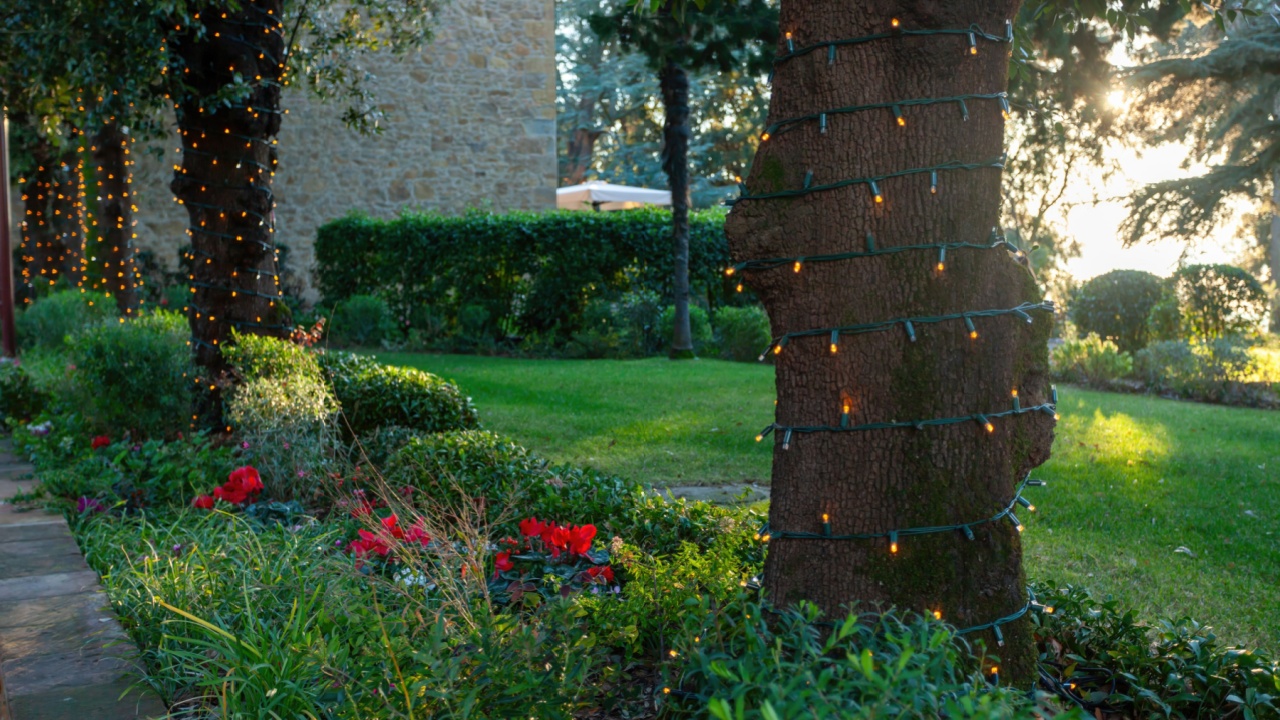
Outdoor-rated string lights deserve a longer life outdoors. Wrapping leftover lights around trellises, bushes, or thick plant stems brings gentle illumination to the yard all year. This small upgrade stretches out evenings spent among plants and draws attention to the shapes of favorite shrubs or garden features.
You will be offering practical security lighting without relying on harsh floodlights, improving visibility along paths or near patios. When choosing lights for outdoor use, check the tag to confirm they are rated for exterior conditions and can handle wet weather. Solar-powered strands work well here since they don’t need extension cords trailing across the lawn.
3. Reuse Wreaths as Vertical Planters
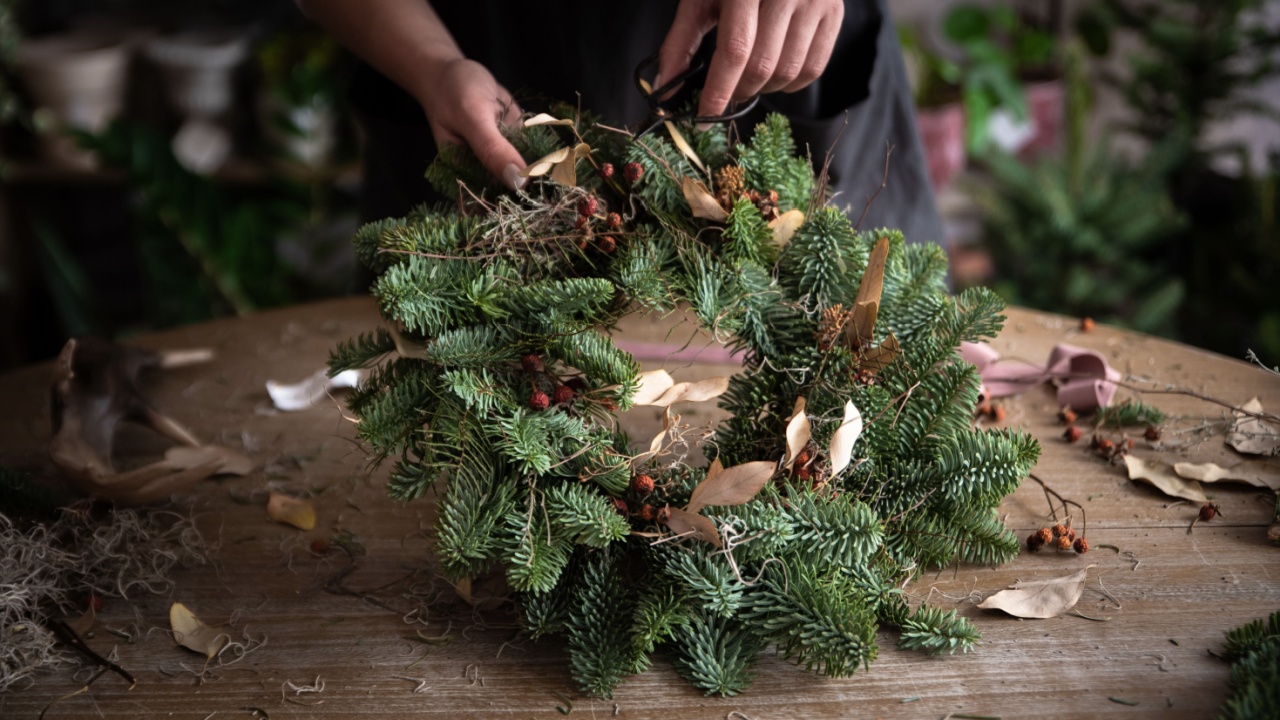
A wreath frame is basically a circular trellis waiting for a new project. After removing the dried holly or fake pine needles, the wire or grapevine structure underneath provides sturdy support for climbing plants. Filling the frame with moss and soil opens up possibilities for a living succulent wreath or a vertical herb garden.
Vertical planting adds more growing options for small yards or balconies. Lifting plants off the ground can help cut down on problems with pests and soil-borne diseases. A wire frame wreath offers support and stays reliable if mounted well. A grapevine wreath blends right in with climbing vines like ivy or jasmine.
4. Transform Holiday Ribbon into Plant Supports
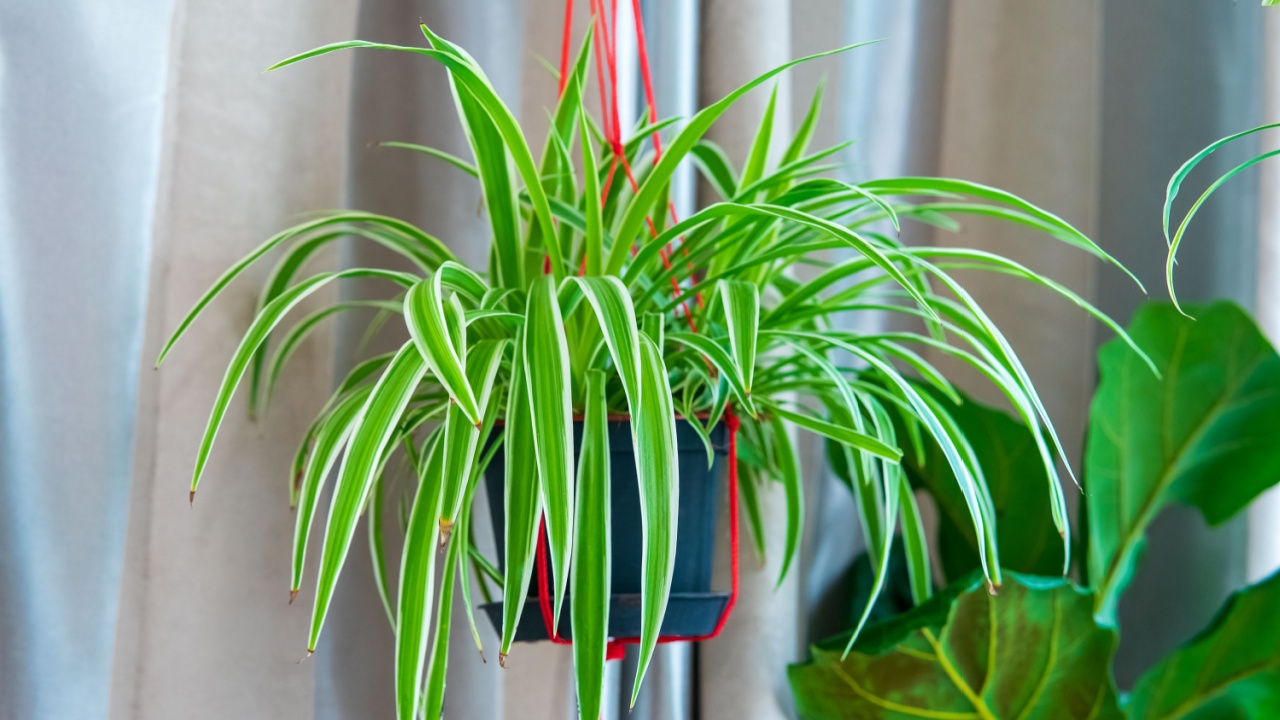
Fabric ribbon, especially the non-wired kind, is a solid choice for plant ties. Unlike plastic zip ties or harsh wires, soft ribbon is gentle on plant stems. It lets stems move and grow naturally, and does not cut into the plant tissue as it expands.
Tying tomato plants to stakes or securing heavy blooms like peonies gets much simpler with wide strips of leftover ribbon. Instead of letting ribbon from gift wrapping end up in the trash, put it to use in the garden. Festive patterns fade with sun exposure, leaving behind a practical, gentle tie. Skip anything with a wired edge—the metal isn’t plant-friendly and can cause damage over time.
5. Repurpose Pinecones
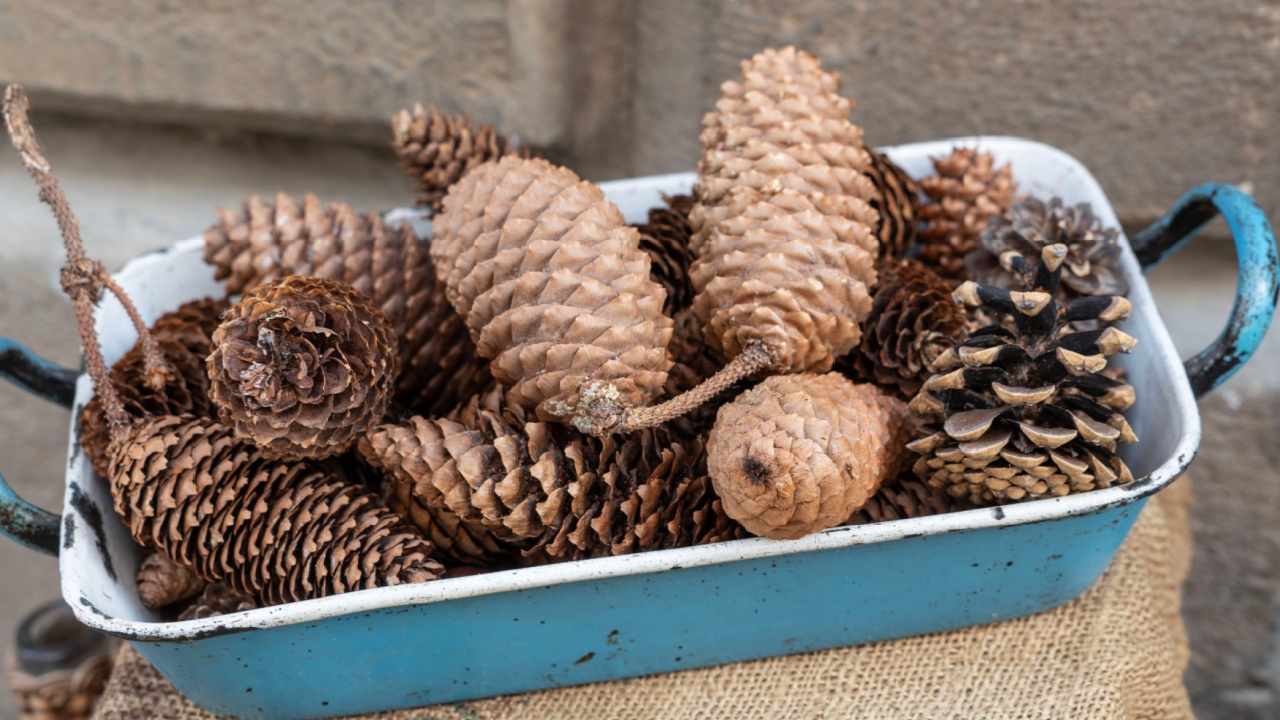
Pinecones are popular additions to holiday displays, but they’re made for life outdoors. They serve two useful functions in the garden: organic mulch and easy bird feeders. Broken or small pinecones can be scattered around the base of acid-loving plants like blueberries or azaleas. As they break down, they add organic matter to the soil.
For whole, large pinecones, turning them into bird feeders is a classic project that supports local wildlife. Coating them in peanut butter (or suet) and rolling them in birdseed provides an affordable food source for winter birds. It adds activity to the yard during colder months, when food sources are more limited.
6. Turn Jars or Ornament Tops into Mini Greenhouses
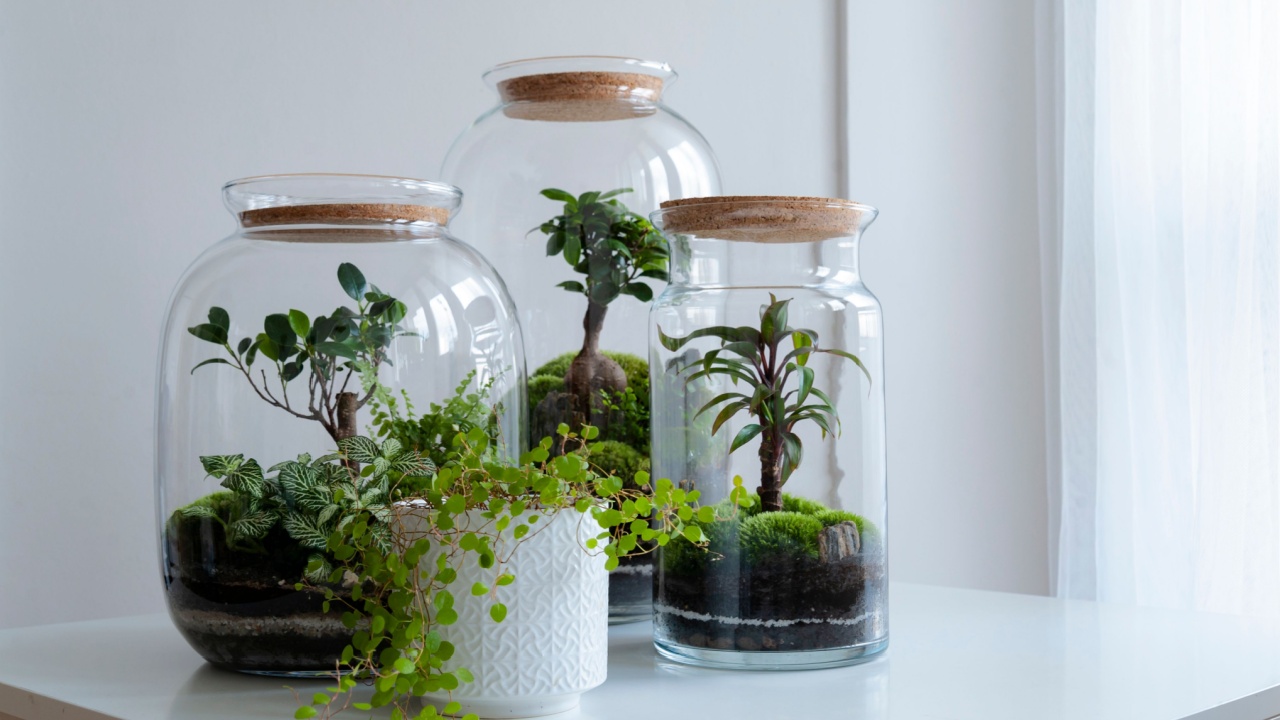
Clear plastic ornament halves or cleaned-out glass jars from holiday treats can work as cloches. A cloche is a bell-shaped cover that shelters young plants from cold and wind. Covering a seedling with a clear dome builds up a little greenhouse effect, trapping warmth and moisture.
This protection is important for early spring gardening when frost remains a concern. It lets gardeners move plants outside sooner. Clear plastic ornament tops work well for small seedlings because many already have a ventilation hole from the hook. Glass jars are a good option too, but need lifting during sunny days to prevent the plant inside from overheating.
How to Proceed

Seeing that pile of holiday leftovers through a gardener’s perspective transforms cleanup into a sorting mission. Before hauling everything out, group items by material. Glass and plastic stack up in the “tool shed” pile, while things like pinecones and wreaths join the “compost or mulch” crew.
Store a dedicated box in the garden shed just for these repurposed items so they don’t land back in the holiday storage come December. It cuts the clutter at home and keeps the garden supplied with useful tools for next season, all at no extra cost.