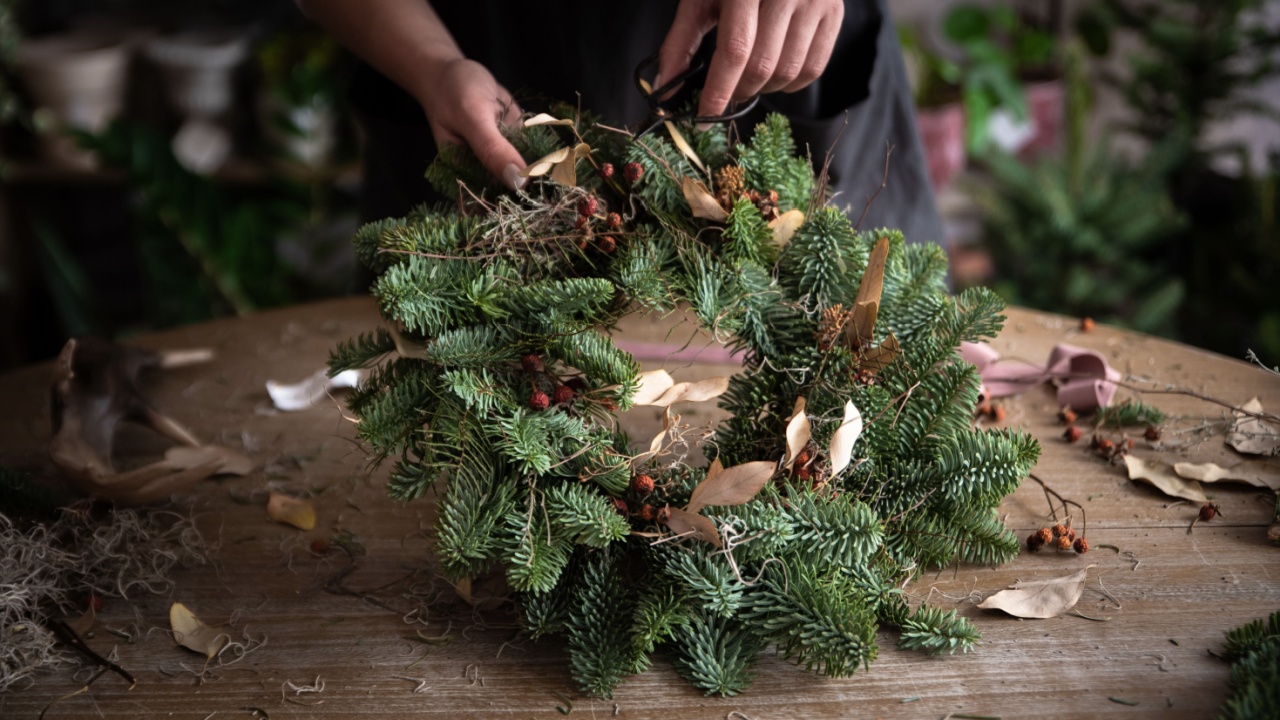
5 Tips to Keep Holiday Greens Fresh Longer
There is a distinct tragedy in hanging a lush, vibrant wreath on the door in early December, only to watch it transform into a circle of brown, brittle sticks by the time the relatives arrive. You spend good money and effort on garlands and swags. Watching them crumble into dust on the carpet is not the festive greeting anyone wants.
Once severed from the root, a branch loses its water source while the dry indoor environment continues to suck moisture from the needles. It is a race against dehydration. Winning this race requires more than hopeful wishing; it requires specific actions to slow down biological processes. You can extend the life of your decorations and keep the vacuum in the closet for a few more weeks by understanding what makes these plants tick.
Here is what to do:
1. Choose Fresh Greens

Success starts at the store or the farm. If you bring home foliage that is already halfway to the compost pile, no amount of water or care will revive it. You need a candidate that still has plenty of life left in its veins. This is similar to buying produce; you wouldn’t buy wilted lettuce and expect a salad miracle. When selecting boughs, wreaths, or garlands, get hands-on.
Gently bend a branch. If it’s fresh, it’ll be pliable; if it snaps, it’s already dehydrated, and you should probably run away. Run your hand along the branch. The needles should feel firm and stay put. If you shake it and it rains green needles, it’s a no-go. The cut ends should also be light in color; dark, sappy ends are a sign of old age. Finally, feel its weight. A heavier wreath has more water and is fresher than a lighter one, which has likely already dried out.
2. Water Your Greens
Most people treat holiday greens like dried decorations, hanging them up immediately and forgetting them. However, these are cut flowers in a different form. They have a vascular system designed to transport water, but that system seals up shortly after cutting to protect the plant. To get water back into the foliage, you must reopen those channels.
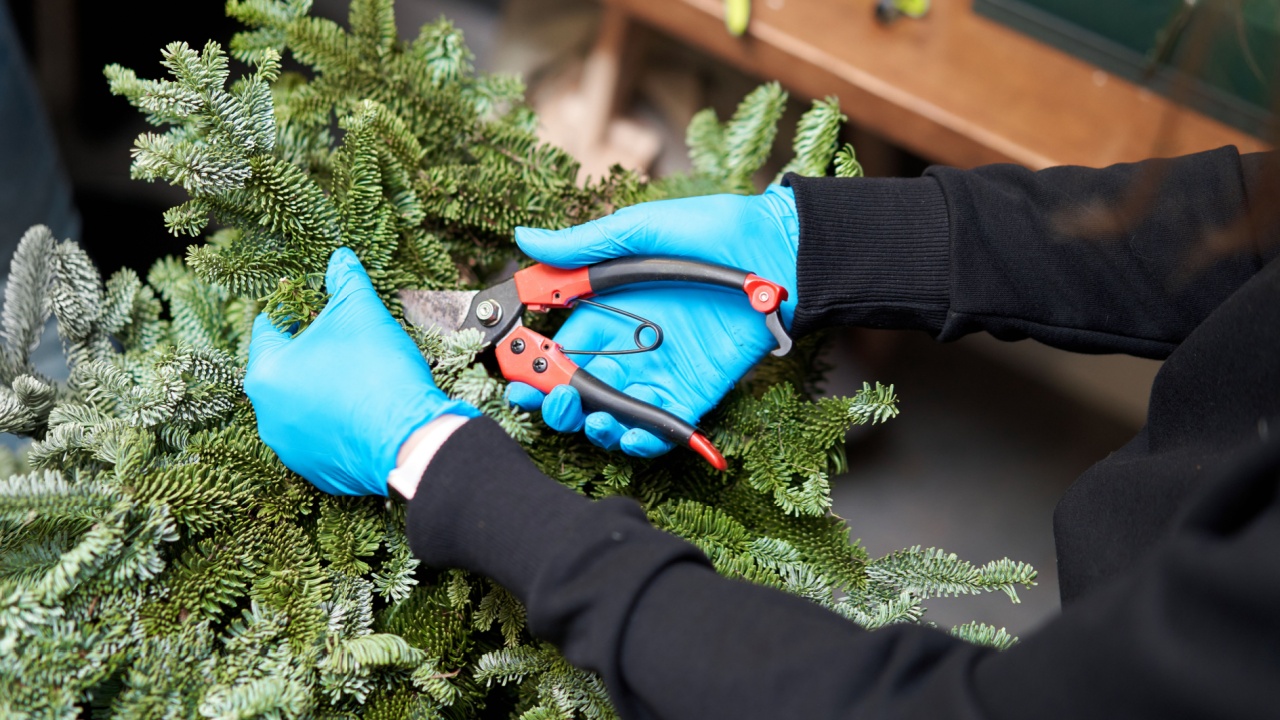
Before arranging or hanging anything, take a pair of sharp pruners and cut a small disk off the bottom of each stem. Cutting at a 45-degree angle increases the surface area for water intake. Immediately submerge these cut ends in a bucket of tepid water. Let them drink for a full 24 hours if possible, but even a few hours makes a difference. This deep hydration creates a reservoir of moisture within the cells of the plant.
3. Use a Plant Protector

Sometimes nature needs a barrier. Anti-desiccant sprays act as a seal for the microscopic pores on the needles. These products coat the foliage in a clear, flexible film that locks moisture inside while still allowing the plant to breathe just enough. It essentially puts a protective raincoat on your greens to stop the dry air from stealing their water.
Timing matters here. Spraying your greens indoors over your carpet is a recipe for a sticky disaster. Take the greens outside or into a garage. Thorough coverage is necessary; spray the tops and the undersides of the needles, as well as the stems. Do this during the day when temperatures are above freezing to allow the spray to cure and harden properly. Wait until the spray dries completely before bringing the items inside.
4. Avoid Heat and Direct Sunlight

Your holiday greens might look fantastic on the mantle directly above the roaring fire, but that location acts as a dehydrator. Heat accelerates the rate at which water evaporates from the needles. The hotter the air, the faster the greens die. It is a simple equation. Placing fresh cuts near radiators, heat vents, fireplaces, or on top of the television cooks them.
Sunlight poses a similar problem. Direct UV rays heat up the foliage and trigger photosynthesis, which uses up water reserves that the branch cannot replace. South-facing windows or spots that catch the afternoon glare will turn a wreath brown in record time. The best locations are cool, shaded spots away from drafts. If you have a choice between a cool hallway and a sunny living room window, the hallway will keep the greenery looking festive for weeks longer.
5. Increase Humidity

Winter air inside a heated home is notoriously dry. While this is great for drying laundry, it is terrible for plants. The relative humidity in a typical home during winter can drop lower than that of the Sahara Desert. This dry air acts like a sponge, pulling moisture out of everything it touches, including your expensive garland.
Raising the ambient humidity around your greens helps slow this process. If you own a humidifier, running it in the room with your greenery benefits both the plants and your own skin. If a humidifier isn’t an option, you can create a microclimate. For arrangements on a table, place a shallow tray of water with pebbles nearby. As the water evaporates, it creates a small pocket of humid air.
More Use for Your Holiday Display

Once the season ends, you face the task of cleanup. Rather than just tossing those dried branches into the trash, consider giving them a second purpose. If you removed wires and ribbons, dried evergreen boughs make excellent mulch for acid-loving garden plants like hydrangeas or rhododendrons. You can lay the branches over the root zones to insulate the soil against freezing and thawing cycles.
For those with outdoor fire pits, save the driest wood for kindling at your next summer bonfire. The needles ignite quickly and smell incredible. By planning the exit strategy for your greens, you make the entire process from purchase to disposal smoother and more useful.