6 Things We Waste Money Buying That Just Add Clutter
The biggest reason homes feel messy has nothing to do with laziness and everything to do with the things people keep buying without thinking twice. The real plot twist is that most of the clutter doesn’t come from big purchases; it comes from small, repeated buys that quietly crowd shelves, drawers, cabinets, and countertops.
It is common in modern households to accumulate more physical belongings than any previous generation, and data suggests that visual clutter competes for attention and reduces the brain’s ability to focus. That means the more unnecessary items pile up, the harder it becomes to feel relaxed at home.
Let’s find six items that you keep buying, adding to the clutter.
1. Toys & Kid Stuff (Even if You Think They’ll Use It)

For families with kids, it’s tempting to buy every new toy or gadget that looks fun. But many toys end up forgotten soon after the novelty wears off. Once toys lose their charm, they often get tossed aside, underneath a bed, in a closet, or in some corner, out of sight, out of mind.
Instead of buying everything, try a toy rotation system. Keep a small set out, store the rest away, and rotate every few weeks or months so the surprises stay fresh. Also, when family or friends ask about gifts, encourage experiences over toys like a trip to the park, a learning session, or a fun outing, which give memories instead of clutter.
2. Single-Use or Trendy Kitchen Appliances & Tools
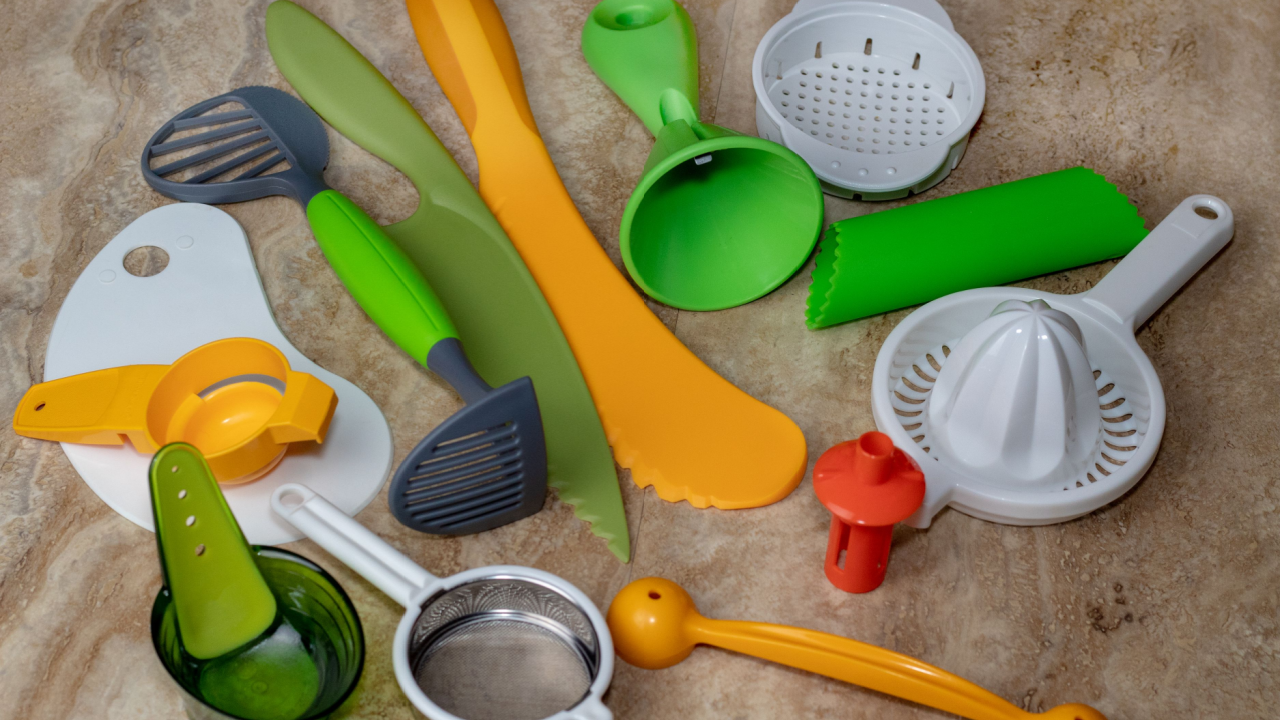
Many small kitchen appliances are designed for one or two niche tasks. Once that task is done (or the recipe fails), the appliance becomes a dust-collector. These gadgets often take up a lot of precious cabinet or counter space. When multiple such items accumulate, your kitchen starts feeling cramped and chaotic.
Before buying a new gadget, ask yourself, will I use this at least once a week? Does it replace another tool I already own? If the answer is no, skip it. For appliances you do keep: try to limit yourself to multipurpose ones (e.g., a blender that can also grind or purée), and store them away when not in use, so your kitchen stays visually clean and functional.
3. Trendy / Impulse “Fun” Purchases
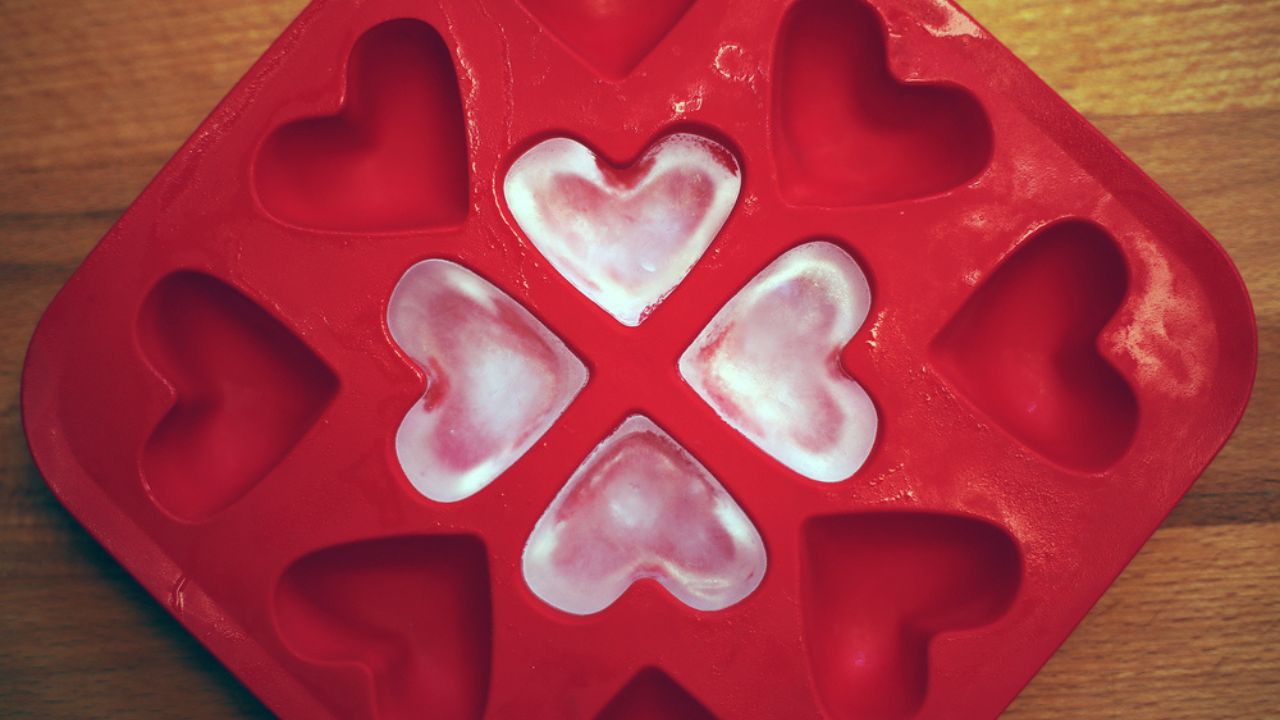
You know the ones, that rainbow-colored ice cube tray with heart-shaped molds, a novelty mug with a meme on it, or a “stylish” but impractical water bottle you saw on TikTok. These items tend to be bought on impulse, and they’re often NOT what you really need. Once the trend dies, these items often lose their appeal and purpose.
These items feel small and inexpensive; people often don’t bother to declutter them, and they simply get pushed aside to make room for the next thing. This slow buildup creates clutter blindness, and your eyes stop noticing the mess, but you still feel the stress of it.
4. Excessive Makeup, Skincare & Beauty Products

It’s easy to fall into the trap of grabbing “just one more” moisturizer, serum, or lipstick, especially with all the sales and social media hype inviting you. Many beauty products expire within a year, yet end up accumulating on shelves long after they’ve gone bad.
Keep a simple, small collection of only those products you actually use regularly. A good trick is to do a “beauty audit” every 3–6 months: check expiration dates, toss what’s gone, and only restock when you really need to. You can also try to store them visibly so you remember to use them, as out of sight too often equals out of mind, and soon they get cluttered.
5. Fast Fashion & Closet Overload

We’ve all been tempted by fast-fashion deals, cheap clothes, trendy styles, and the “why not?” justifications. But according to pro organizers, these quick buys often end up unused (tags still on) or forgotten in the back of the closet. A closet full of seldom-worn clothes means you’re wasting storage, mental energy, and space. If you add accessories, shoes, and bags, it quickly becomes overwhelming.
Make a list of “missing pieces” rather than browsing aimlessly. Also, try items on before buying (if possible), or commit to a “return if not worn in 30 days” rule. That way, you avoid accumulating duplicates or items that don’t suit you.
6. Bulk Buys & Over-Shopping “Because It’s a Deal.”

Buying in bulk (groceries, spices, canned goods, etc.) might seem smart as you save money per piece. But the experts warn that bulk purchases often go partially used, expire, or get forgotten, which means wasted money and a storage full of stuff you don’t really need.
Bulk items take up pantry or cupboard space. If you don’t plan realistically (or rotate stock), you’ll end up with expired or wasted goods, plus more clutter than convenience. Only buy in bulk when you’re positive you will use it all before anything expires. Keep an inventory simple list or chart of what you have, use-by dates, and how often you consume things.
Make Room for What Matters

It can feel a bit confronting to see how many everyday purchases add up to clutter. But the silver lining is: once you’re aware, you have real power to change things. Instead of letting every sale, trend, or good deal become a shopping trip, treat each potential buy as a little checkpoint and ask yourself whether this item adds long-term value or just temporary novelty. If it’s the latter, maybe it’s better left on the shelf.
A calmer, clutter-free home makes space both physical and mental, and also for things that really matter, like a cozy reading corner, a plant you water and watch grow, and a clear kitchen where cooking becomes joy instead of a chore. In short, buy less, but buy better.