6 Home Tasks We’ve Been Overthinking for Years
What if some of the chores that feel exhausting aren’t actually difficult but just done in the most inconvenient way possible? Between the constant cycle of laundry, dishes, and dusting, it makes sense that you want to get through the list as quickly as possible.
Ironically, the rush to finish often leads to habits that make the work more difficult. Efficiency suffers when you rely on outdated methods or tools that actually fight against you.
Most homes are full of chores that look tiring but could be a whole lot easier with just some smarter approaches. You will also feel that small shifts in routine can save you time dramatically. Here are six common chores that are likely taking more effort than required and how to fix them.
1. Using a Sponge for Everything
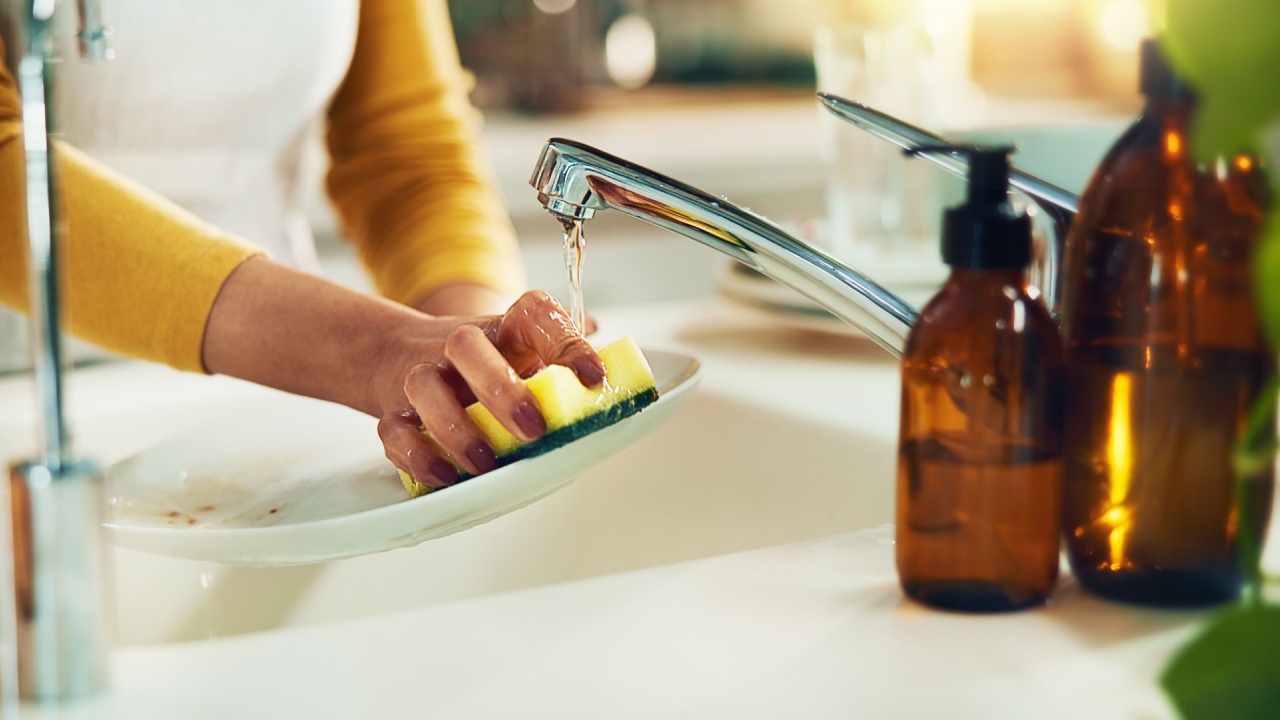
The kitchen sponge is the default cleaning tool for many households, yet it is often the least sanitary option. Sponges tend to stay damp; a damp sponge left on the sink can harbour bacteria. Using a dirty sponge simply spreads germs across your dishes and countertops rather than removing them.
A dish brush is a superior alternative for most washing tasks. The bristles shed moisture rapidly, which prevents bacteria from multiplying. Brushes also feature handles that keep your hands out of hot water and harsh soap, protecting your skin from dryness.
2. Dusting with Feather Dusters
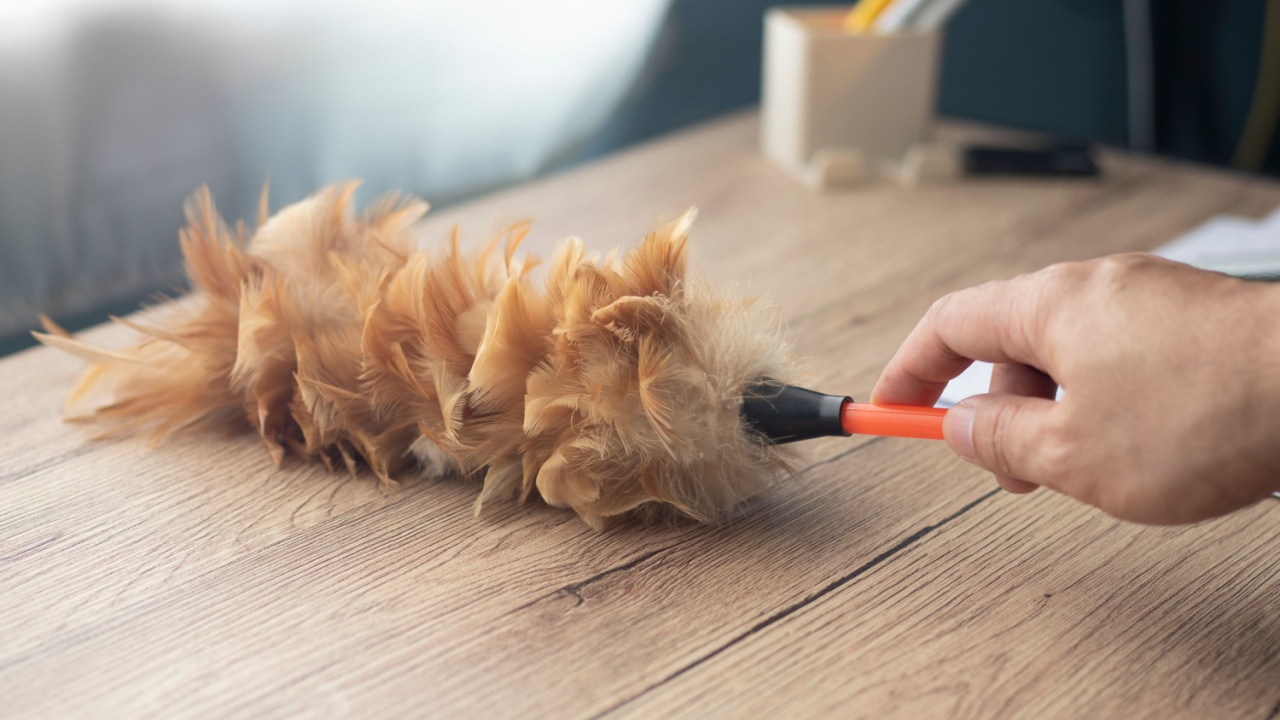
Feather dusters might look classic, but they serve little practical purpose. Instead of removing dust, they tend to agitate it, sending particles airborne to settle on surfaces you just cleaned. This creates a cycle where you are constantly wiping down the same tables and shelves.
Microfiber cloths are engineered to solve this specific problem. The microscopic split fibers carry a positive electric charge that attracts negatively charged dust particles like a magnet. The dust gets trapped within the fibers rather than pushed around. Use the microfiber cloth dry for light dusting or slightly damp for heavier grime. Avoid fabric softeners while washing, as they coat the fibers and ruin their static-clinging properties.
3. Overloading Laundry Machines

It’s tempting to cram as many clothes as possible into the laundry machine, as more clothes will need fewer loads, right? Not really. Overloading prevents proper water and detergent circulation, so clothes may not come out clean.
Further, you might think that more detergent equals cleaner clothes. But too much detergent can leave residue on fabrics, making them scratchy.
Separate laundry by fabric type, colour, and soil level, which helps avoid overloading and unnecessary wear. A good rule of thumb is to fill the drum loosely to about three-quarters capacity. You should be able to fit your hand vertically between the top of the clothes and the top of the drum.
4. Vacuuming on the Wrong Setting
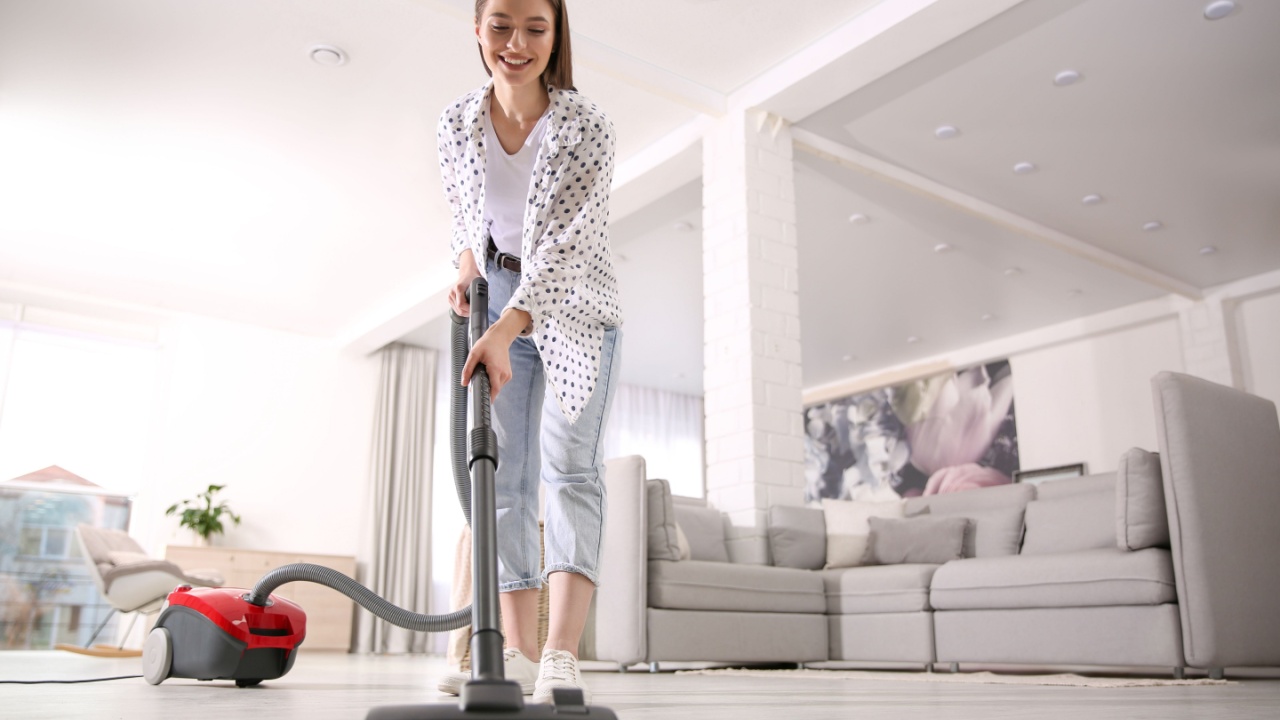
Pushing a vacuum cleaner should not feel like a workout at the gym. If the machine is hard to maneuver or seems to be skipping over debris, the height setting is likely incorrect for your floor type.
When the vacuum head sits too low on the carpet, it seals against the fibers, cutting off airflow and making the unit difficult to push. This also prevents the brush roll from effectively agitating the dirt deeply embedded in the rug.
Conversely, a setting that is too high on hard floors will fail to generate enough suction to pick up dust. The brush bar might scatter debris rather than collect it. Most vacuums feature a dial or lever on the base to adjust the intake height. Start with the highest setting and lower it one notch at a time until you hear the motor sound change and feel the machine gently grip the floor.
5. Letting Stuff Pile Up

A messy or cluttered space makes cleaning, dusting, and organizing much more time-consuming. Sorting through stuff every time you clean drains energy and motivation. Multiple experts recommend regular decluttering and having a “home for everything.”
Once decluttered, set up a system to designate spots for items (keys, shoes, cleaning tools) so they’re easy to find. For items you don’t use often (seasonal clothes, extra linens), consider under-bed boxes, high shelves, or dedicated storage bins. Reassess every few months as clutter tends to sneak back if you don’t stay on top of it.
6. Scrubbing Surfaces Before the Cleaner Works
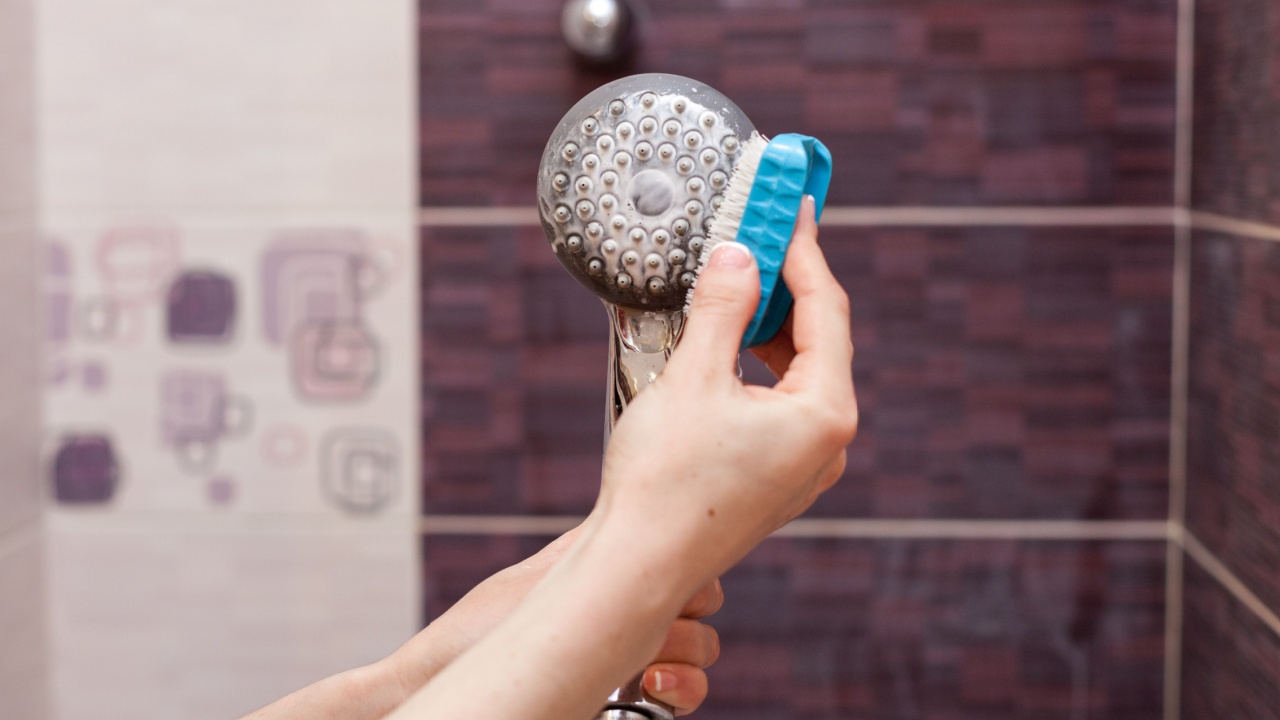
If you spray a bathroom counter or shower tile and immediately start scrubbing, relying only on physical effort to remove grime, you need to rethink. Household cleaners are designed with chemical agents that need time to break down stains and soap scum. Skipping this dwell time means you’ll work harder for the same result.
Spray the surface and wait 5–10 minutes. Use that time to tidy up or prep your tools. When you return, the grime should wipe away easily.
Let Your Home Work for You and Not the Other Way Around
Cleaning and maintaining a home doesn’t need to feel like punishment or constant back-breaking work. Often, we make chores harder just by sticking to old habits and outdated tools, staying messy until things pile up, or treating cleaning as a big, dreaded event.
But with a few simple adjustments like better tools, smart scheduling, decluttering, and tiny habits, your home can stay cleaner, more organized, and more peaceful without draining your energy.