5 Places to Never Ever Put Batteries
Batteries power nearly everything in a modern home. They keep the smoke detectors chirping, the remote controls clicking, and the flashlights beaming during a storm. Yet, despite their importance, most people treat them with casual indifference. You buy a bulk pack, tear it open, grab what you need, and toss the rest into the nearest convenient void. Proper storage is actually a matter of safety and getting your money’s worth. Chemistry dictates how these little power cells behave, and the wrong environment causes that chemistry to go haywire.
Here are places where batteries go to die (or cause trouble) and how to correct those bad habits for good.
1. The Notorious Junk Drawer
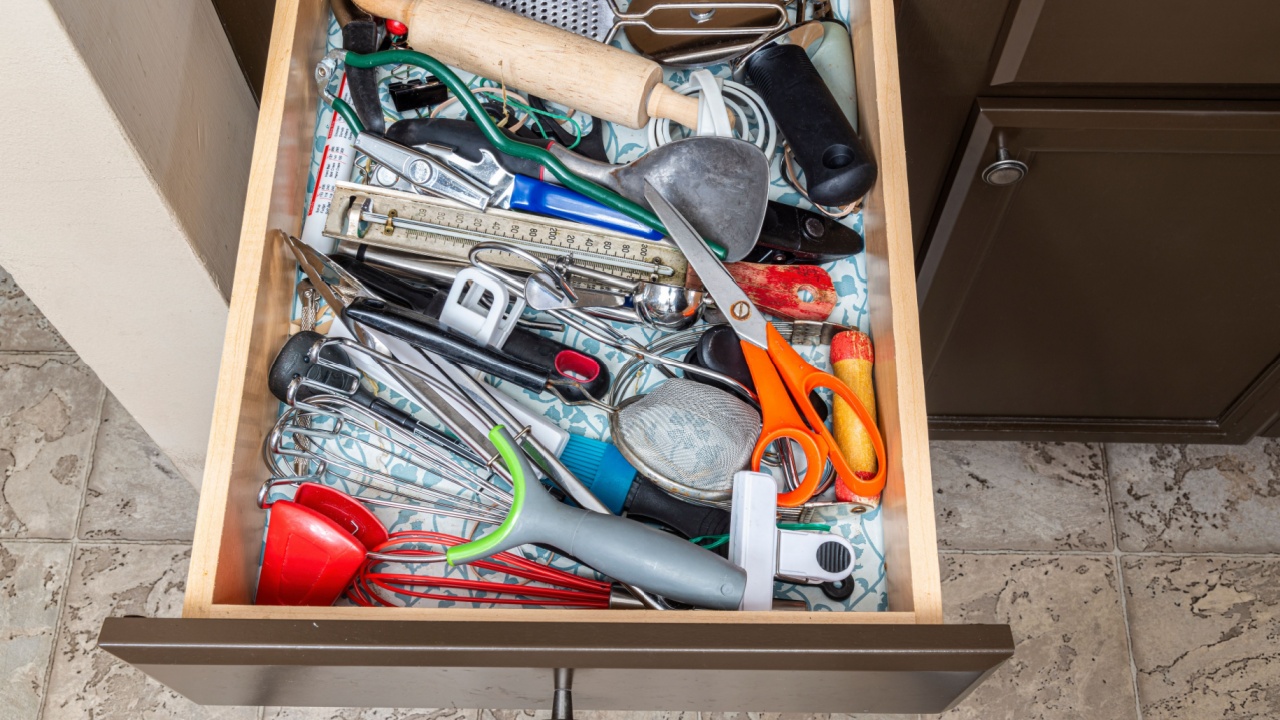
The kitchen junk drawer is arguably the most popular graveyard for junk you will throw out later, like loose batteries. It serves as a catch-all for life’s debris: paper clips, loose change, house keys, scissors, and that one screwdriver nobody ever puts back in the garage. While it feels convenient to toss leftovers from a mega-pack in there, you are essentially creating a small fire hazard right next to your spatula.
Batteries have positive and negative terminals, and when a conductive material like a penny or paper clip connects them, it creates a circuit. This allows electricity to flow rapidly, causing the battery to heat up, short out, or even leak corrosive acid. The risk is higher with 9-volt batteries since both terminals are on top, making accidental contact with metal objects easier. Even without a fire, this contact drains the battery, leaving you with a dead battery that wasted its energy heating up a paper clip weeks ago.
2. The Refrigerator or Freezer

There is a persistent myth suggesting cold temperatures preserve battery life. People have been stashing alkalines next to the frozen peas for decades, believing it halts the natural discharge process. While cold can technically slow down certain chemical reactions, the refrigerator creates a much bigger enemy: moisture.
The humid environment in a fridge or freezer is a battery’s worst nightmare. Moving a cold battery to a warmer room creates condensation, which causes rust and corrosion that can break the battery’s seal. If the seal breaks, leaking chemicals can destroy your appliance. Since modern batteries hold their charge well at room temperature, the tiny bit of energy saved by refrigeration isn’t worth the risk of moisture damage. Placing a battery near food can contaminate it and potentially cause food-borne illnesses.
3. Left Inside Devices You Rarely Use
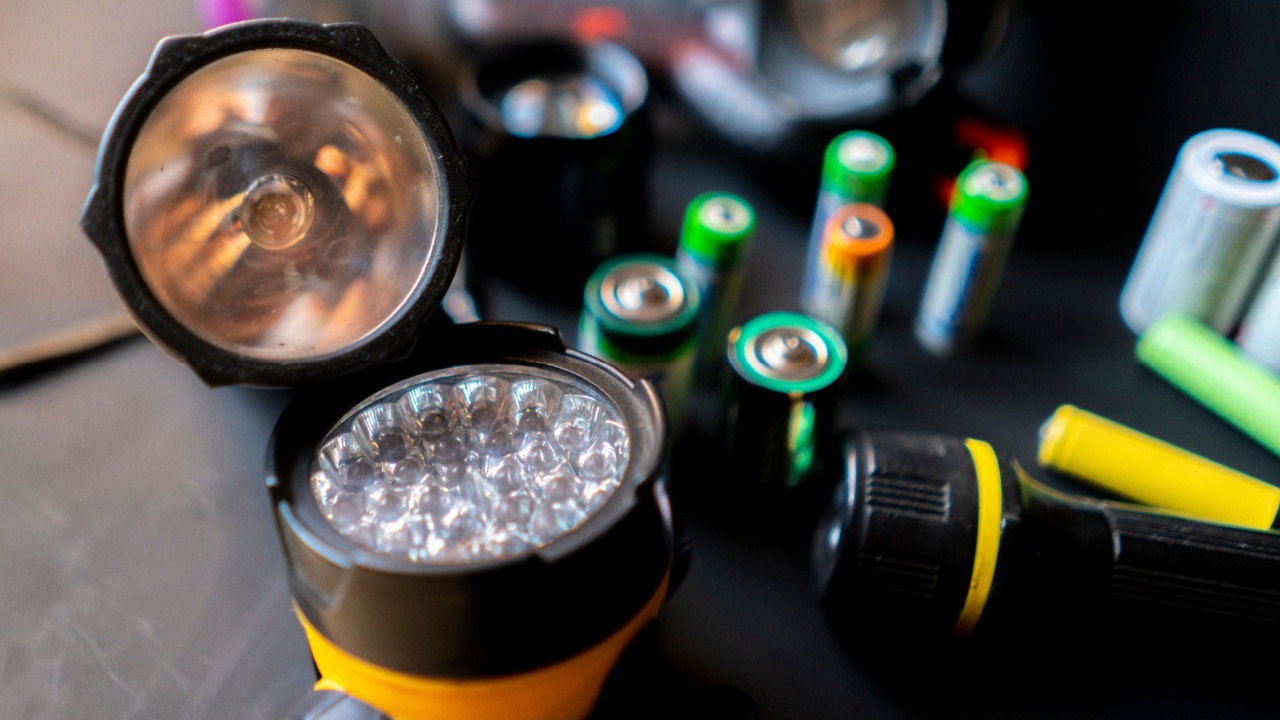
We all have that one emergency flashlight in the back of the closet or a holiday decoration that only sees the light of day in December. Leaving batteries inside these occasionally used items is a recipe for destruction. Batteries self-discharge over time. As they sit idle inside a device, they still maintain a connection to the circuit, which can cause a slow, parasitic drain.
As the battery runs down, its internal chemistry changes, building up pressure until the seal breaks. Leaking alkaline batteries release potassium hydroxide, a crusty white powder that’s actually a caustic base. This stuff eats through copper contacts and delicate electronics. So, when you grab that flashlight during a blackout, you might find the battery compartment corroded shut.
4. The Car Glove Compartment or Dashboard

Keeping a spare set of batteries in the vehicle seems like a smart preparation tactic. You might need them for a headlamp during a breakdown or a handheld GPS. A car is essentially a metal box prone to extreme temperature swings. In summer, internal temperatures can exceed 140°F, which accelerates chemical reactions inside the battery. This causes rapid capacity loss, shortening its lifespan, and increases the risk of rupture or leakage.
Conversely, extreme winter cold can sap the power temporarily, making the battery appear dead when you try to use it. While the power might return once warmed, the constant expansion and contraction from temperature cycling weakens the seals. A leaking battery in a glove box can damage vehicle documentation, tyre gauges, and the compartment lining itself.
What to Do
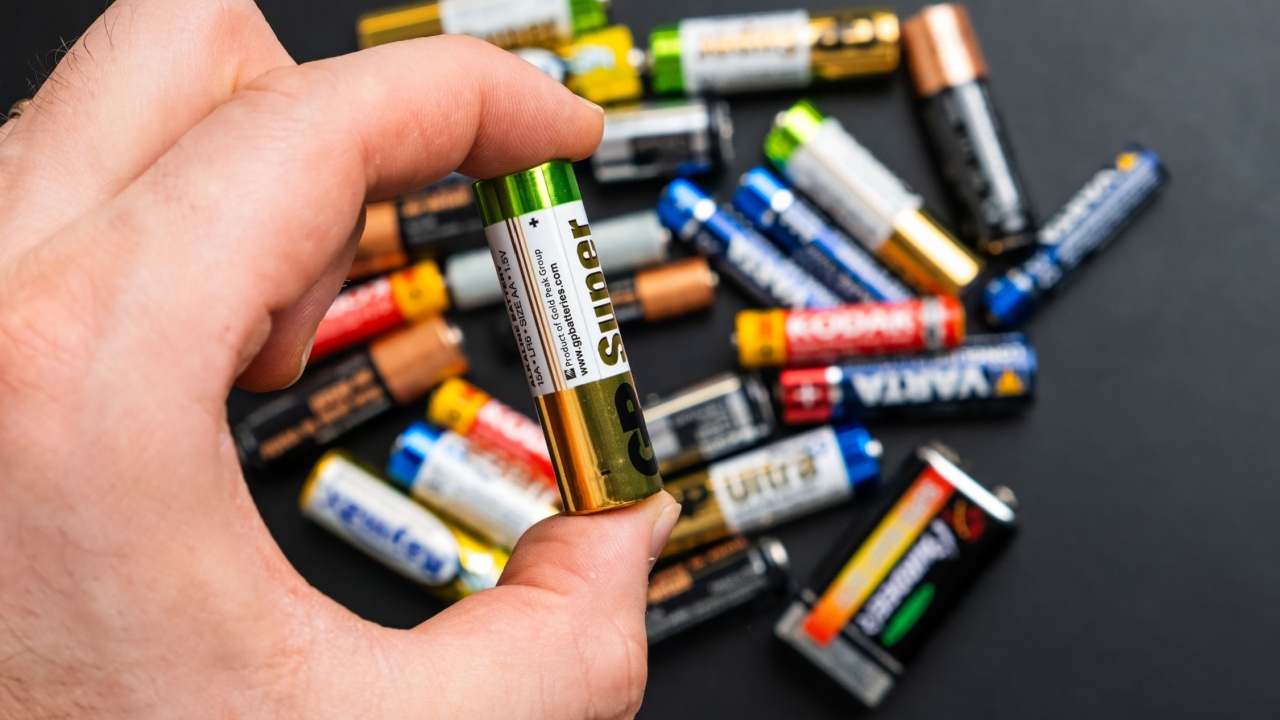
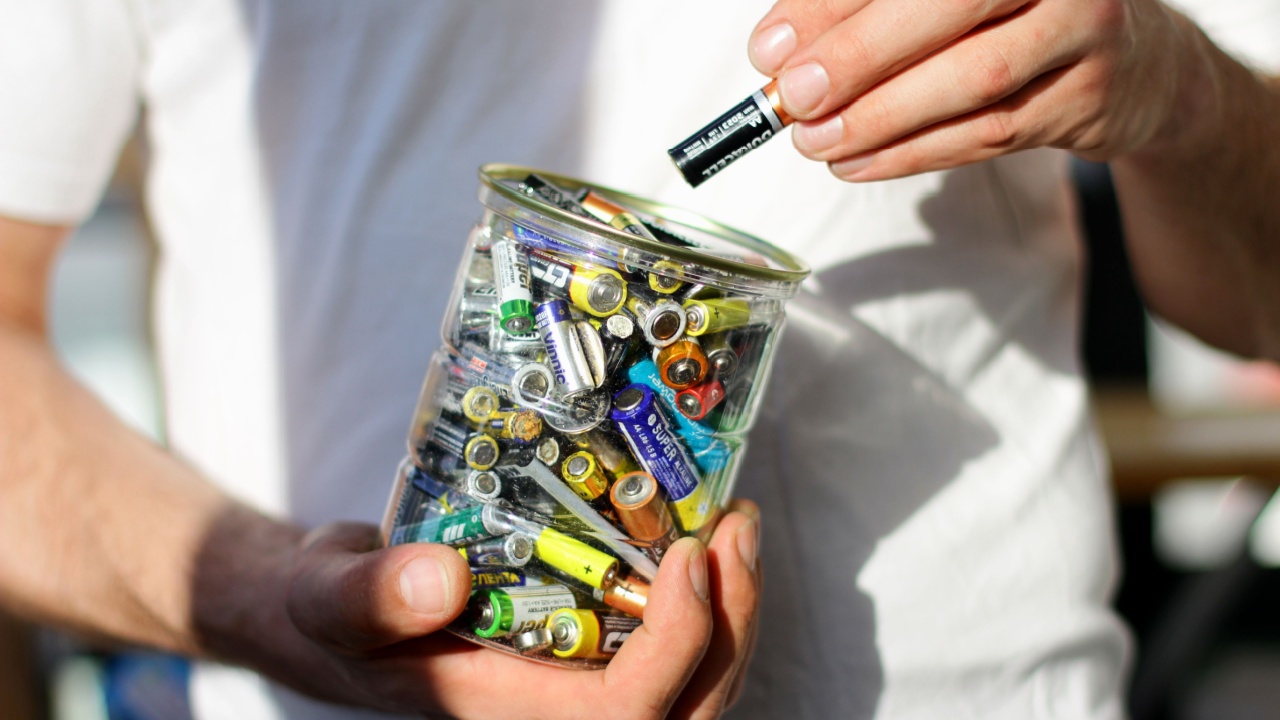
The best way to store batteries is to collect all the loose batteries hiding in drawers and cabinets, test each one to keep the good, and set aside the duds for recycling. Do not toss them in the trash. Organise your working batteries in either their original packaging or a dedicated plastic container. Keep this container in a cool, dry spot away from heat, moisture, or direct sunlight.
For speciality batteries or those that only see occasional use, label them with dates so it’s easy to remember when they were last checked. Batteries should never be left to mingle with metal bits and odds and ends. If you have some out of their packaging, covering the terminals with electrical tape is a smart move. Managing batteries this way helps gadgets stay ready when called upon and avoids any surprising science projects in your home.