Safety Alert: 6 Things to Never Plug Into a Power Strip
Power strips are handy for turning one outlet into many. They seem like a simple solution for managing all the electronics in a modern home. However, not all appliances are created equal.
Plugging the wrong device into a power strip can overload it, creating a serious fire hazard or damaging your expensive electronics. To keep your home safe and your sanity intact, it’s important to know which items should always get their own dedicated wall outlet.
Here are six appliances you should never plug into a power strip and why.
1. Refrigerators and Freezers

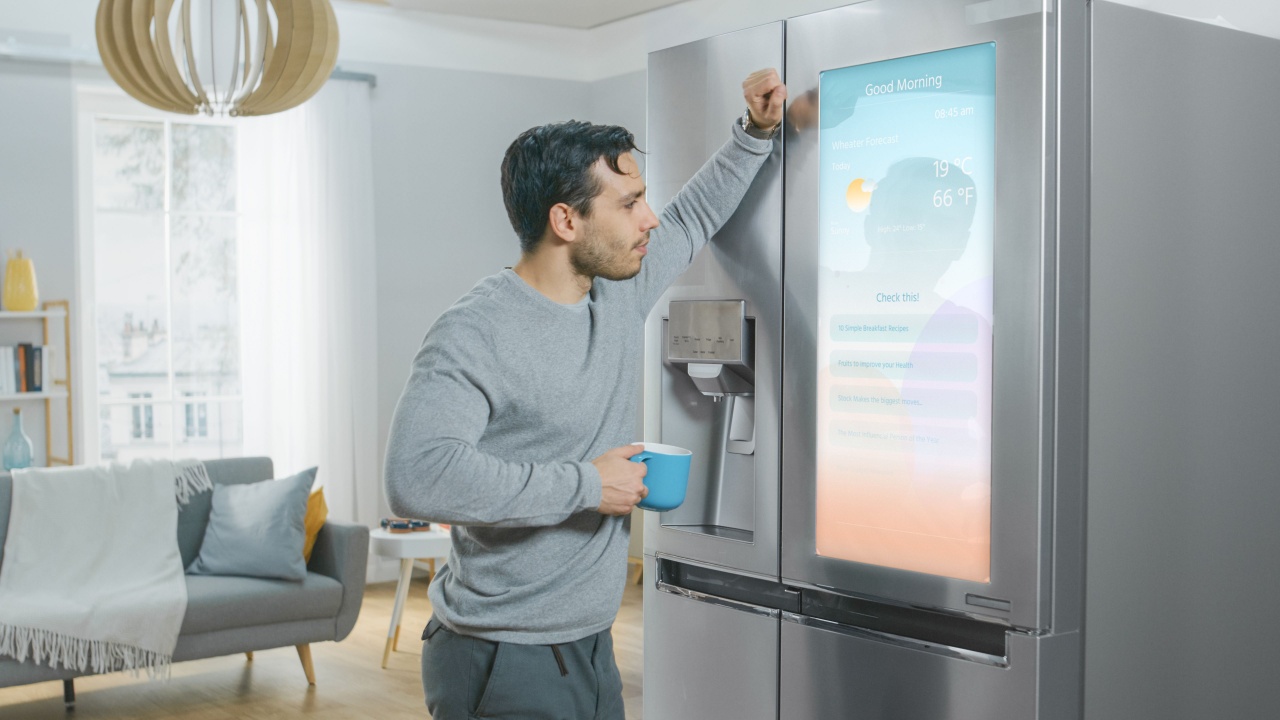
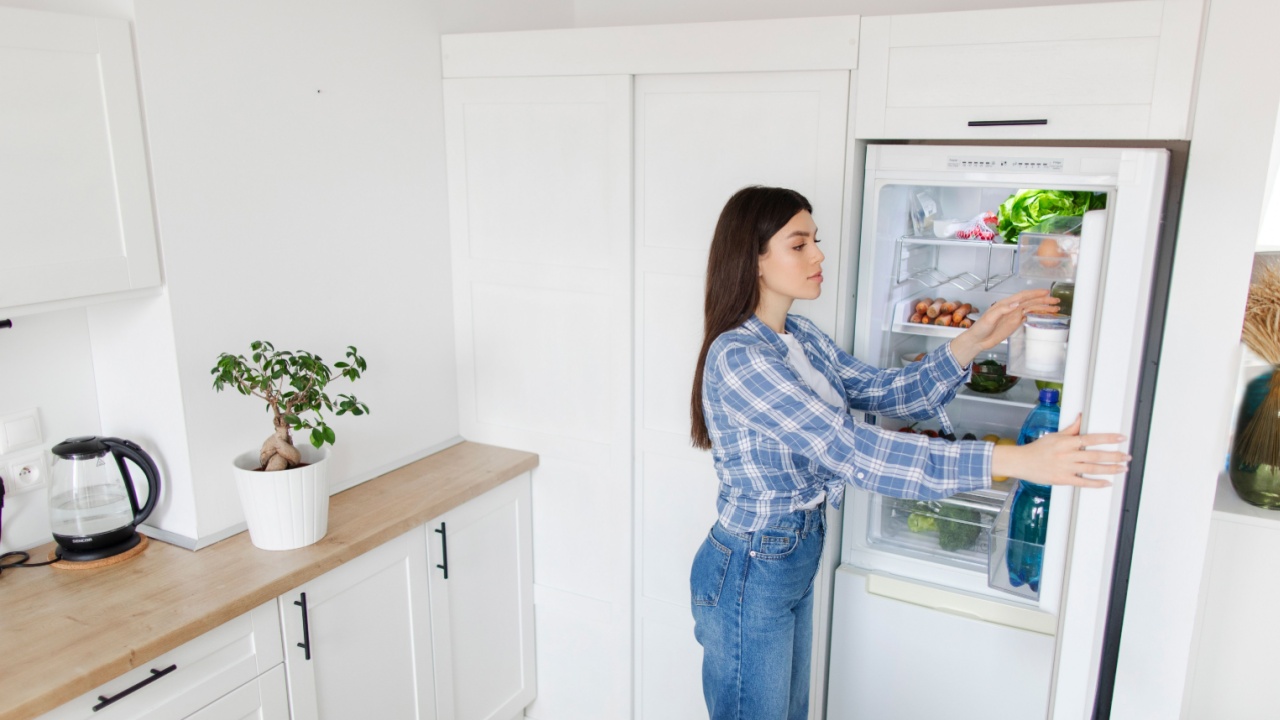
Plugging your refrigerator or freezer into a power strip is a recipe for disaster. These appliances cycle on and off, and their high power demand can overload a standard power strip, causing it to overheat or trip its breaker.
This can lead to unexpected power shutoffs and spoiled food. Always plug these large cooling appliances directly into a dedicated wall outlet.
2. Microwaves and Toaster Ovens

Small kitchen appliances, such as microwaves and toaster ovens, consume a significant amount of electricity, sometimes up to 1,800 watts. This can exceed the capacity of most power strips, which are typically designed to handle around 1,500 watts.
Plugging these high-wattage appliances into a power strip can lead to an electrical overload, potentially damaging the strip, the appliance, or even causing a fire hazard. To stay safe, always plug these devices directly into a wall outlet.
3. Coffee Makers
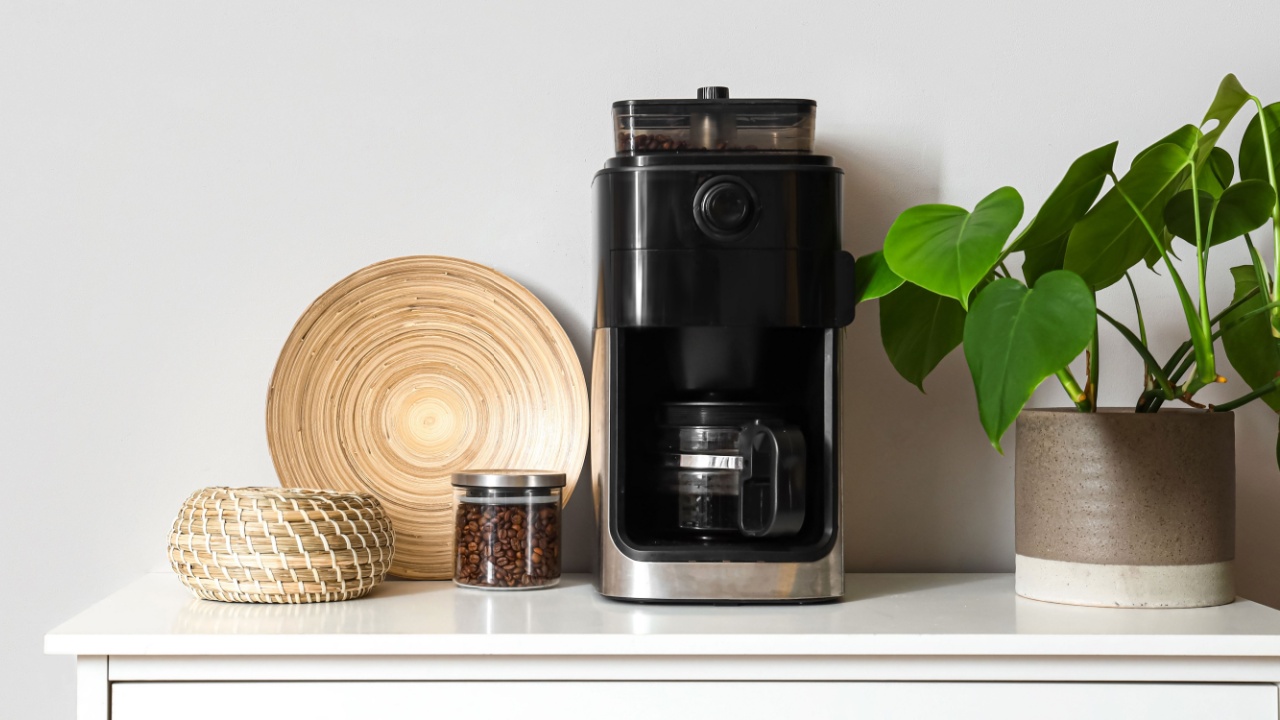
That morning cup of coffee is non-negotiable for many, but your coffee maker needs to be powered safely. Just like a microwave, a coffee maker is a heat-producing appliance that draws a lot of power to boil water. Plugging it into a power strip, especially one that is already powering other devices, can lead to an overload.
An overloaded circuit can trip a breaker, leaving you without your morning caffeine fix. Worse, it could create a fire risk. To keep your morning routine running smoothly and safely, dedicate a wall outlet to your coffee maker, away from other high-power appliances.
4. Space Heaters and Air Conditioners
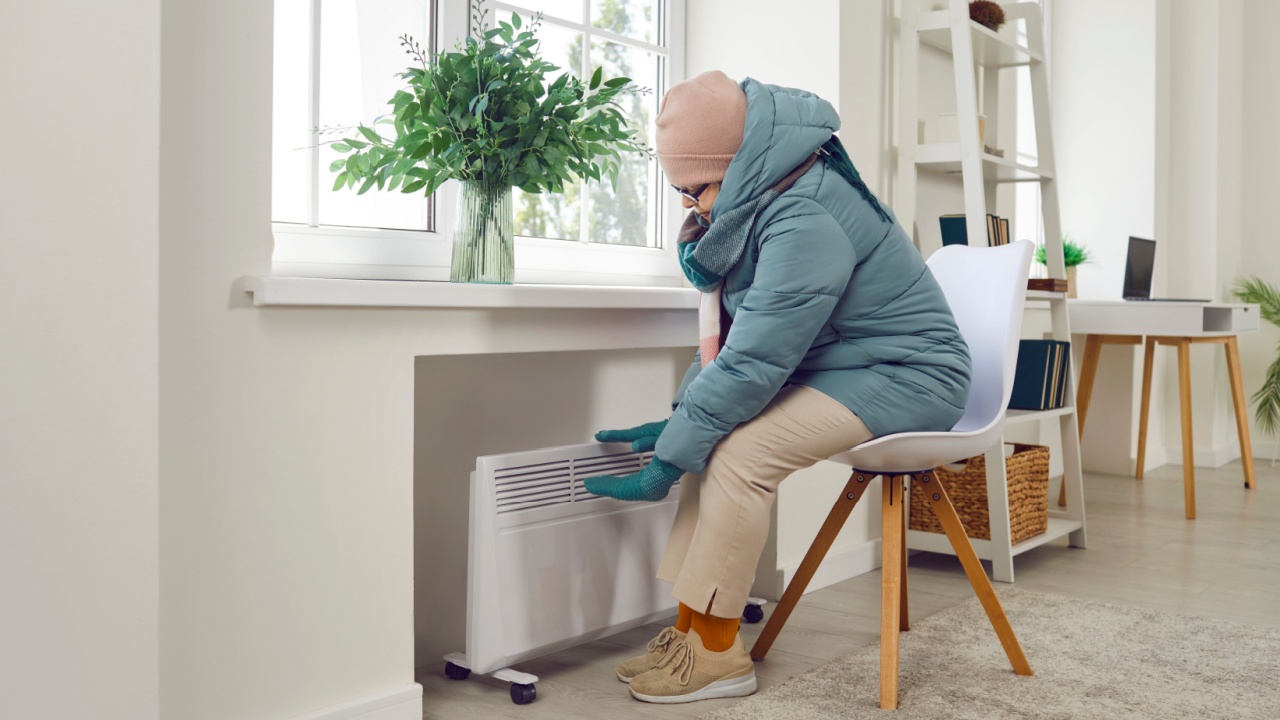
When it comes to power consumption, space heaters and air conditioners are major players. These devices are designed to alter the temperature of a room, a process that requires a continuous and substantial amount of energy. A single space heater or portable air conditioner can easily overload a power strip on its own.
Overloading can “overheat the strip, damage the internal wiring, or, in the worst-case scenario, start a fire.
5. Another Power Strip
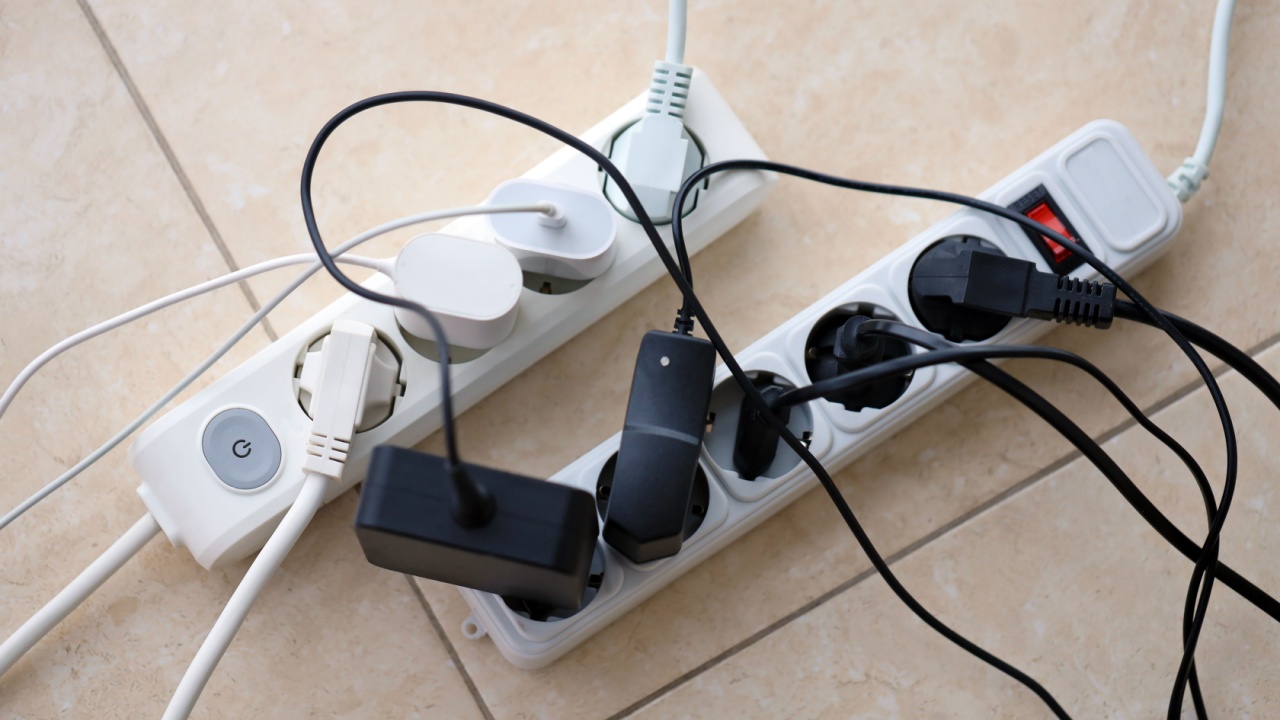
It might seem like a clever way to get more outlets, but “daisy-chaining” power strips by plugging one into another is a dangerous mistake. Each power strip is rated for a specific electrical load, and connecting them together doesn’t increase that capacity. Instead, it creates a single, overloaded circuit that is highly susceptible to failure.
This practice is a common cause of electrical fires and is prohibited by safety codes guidelines. If you need more outlets in one area, daisy-chaining is never the answer. Use a power strip with more outlets or have an electrician install additional wall outlets.
6. Sump Pumps
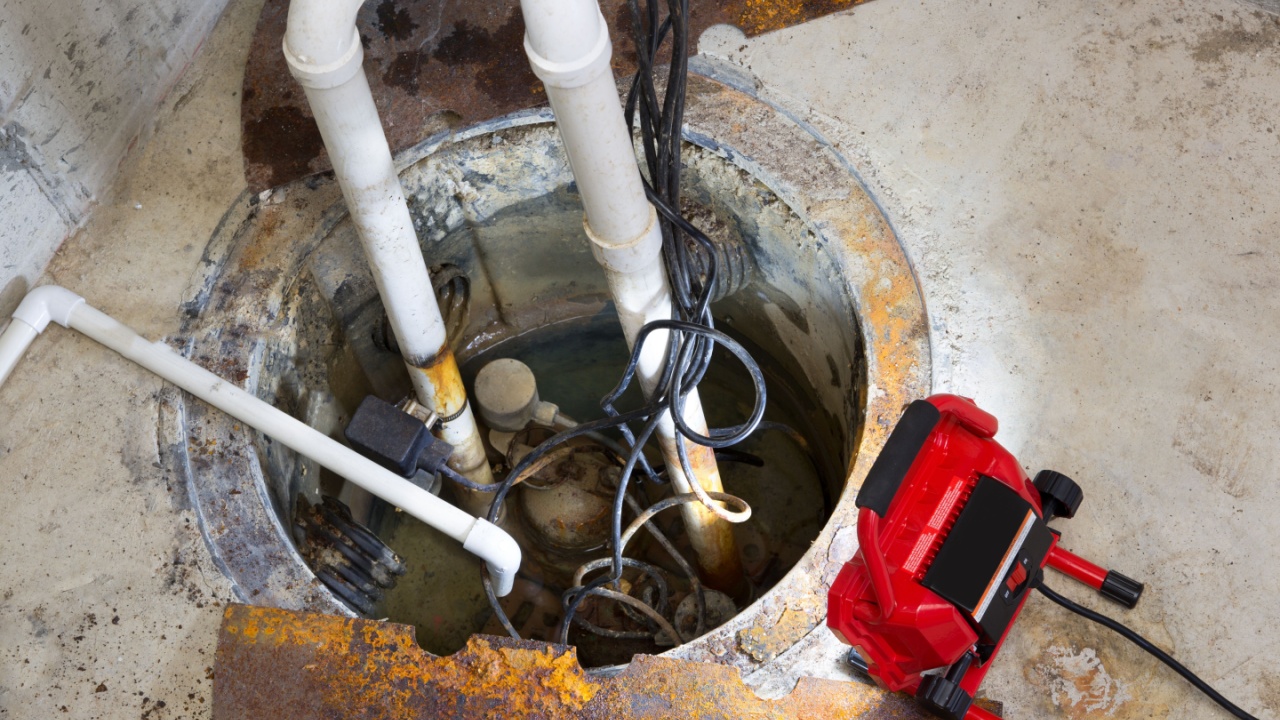
A sump pump is a critical piece of equipment for many homeowners, protecting basements and crawl spaces from flooding. Given its important job, it needs a reliable power source.
Plugging a sump pump into a power strip introduces multiple points of failure. The strip could be accidentally switched off, or its circuit could overload and trip, rendering the pump useless when you need it most.
During a heavy rainstorm, a failed sump pump can lead to thousands of dollars in water damage. To protect your home, your sump pump should always be plugged directly into a dedicated Ground Fault Circuit Interrupter (GFCI) outlet.
Prioritizing Electrical Safety in Your Home
For a safer home, take a few minutes to check how your appliances are plugged in. Moving high-power devices from power strips to wall outlets is a simple change that can prevent serious problems.
If you find yourself short on outlets, consider asking a qualified electrician to install more. It’s a small investment that provides peace of mind and keeps your home running safely.