7 Smart Alternatives to Bulky Closet Doors
Standard closet doors get the job done, but they can be a bit of a space hog. Swinging doors demand a clear runway, and bifold doors can feel clunky and prone to jumping their tracks.
If you’re looking for a change that adds style, saves space, or hides your questionable folding skills, there are plenty of options. Rethinking the closet entryway can completely transform the feel of a room, turning a purely functional feature into a design statement.
Here are seven smart alternatives for bulky closet doors.
1. Sliding Barn Doors
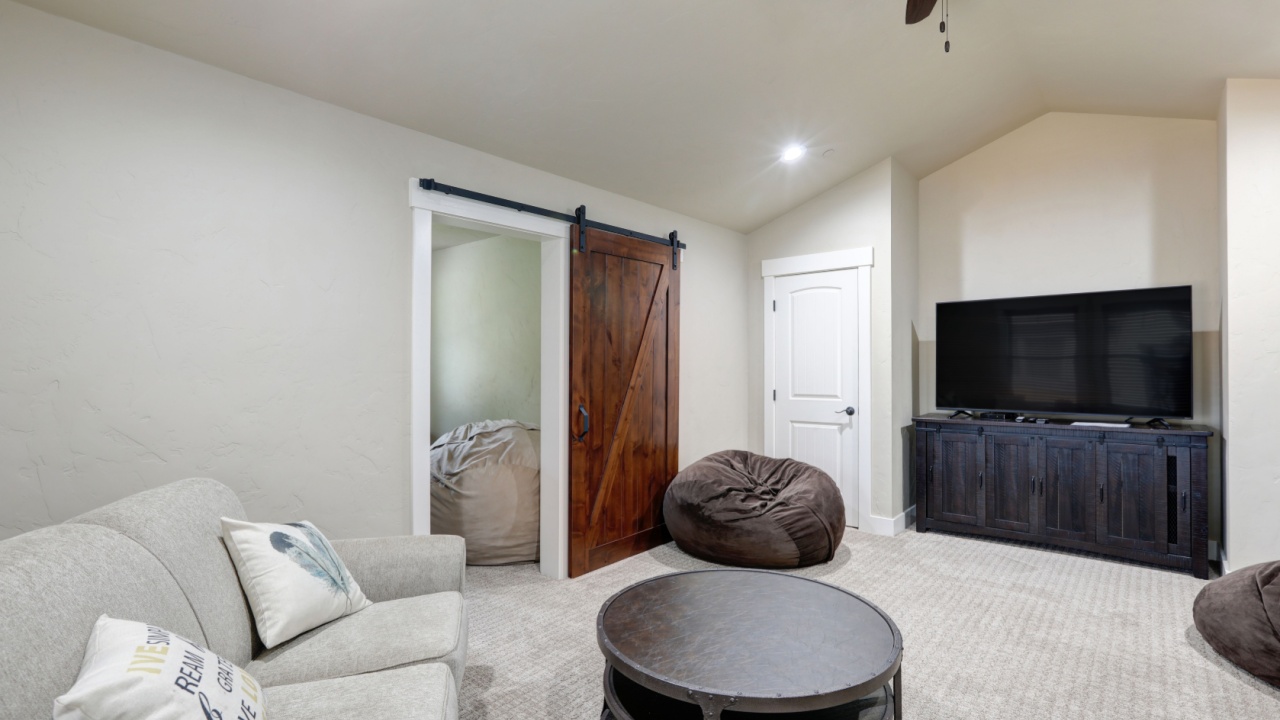
Sliding barn doors have moved from the farm to the forefront of interior design. Mounted on a track above the doorway, these doors slide parallel to the wall, requiring zero floor space to open. This makes them a great solution for tight quarters where a traditional swinging door would bang into furniture or block a walkway.
They come in a variety of styles, from classic reclaimed wood to sleek, contemporary metal and glass designs. Installation involves mounting a sturdy metal track above the closet opening and attaching rollers to the top of the door. The door itself hangs from the track, gliding smoothly to the side. It’s a statement piece that doubles as a door.
2. Pocket Doors
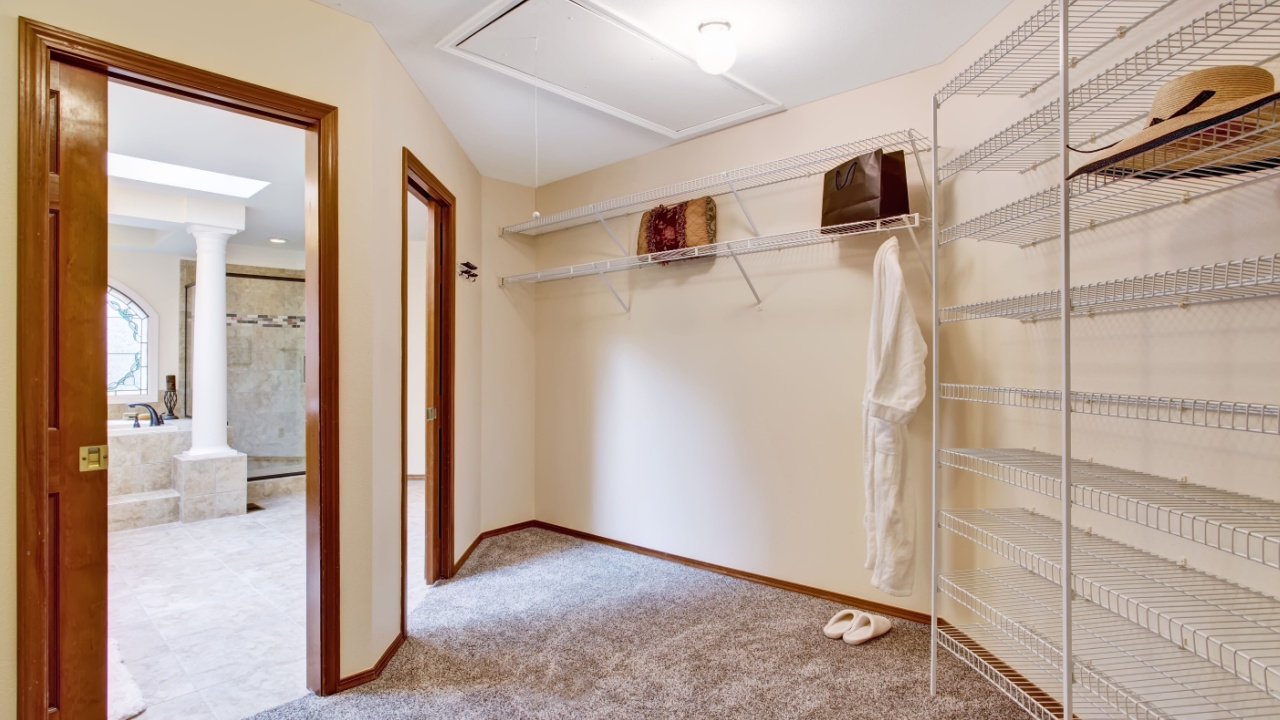
For a truly space-saving and minimalist look, pocket doors are a fantastic choice. These doors disappear completely into a hollow cavity built within the adjacent wall. When you need to access the closet, you simply pull the door out from its hiding spot. When it’s open, it’s gone, creating a clean and unobstructed opening.
This option is perfect for creating a seamless look in a room. Because the door vanishes, it doesn’t interfere with furniture placement or foot traffic. Pocket doors are ideal for new construction or major renovations, as they require opening up the wall to install the pocket frame and track system. Retrofitting can be a more involved project, but the result is an incredibly efficient use of space.
3. Fabric or Beaded Curtains
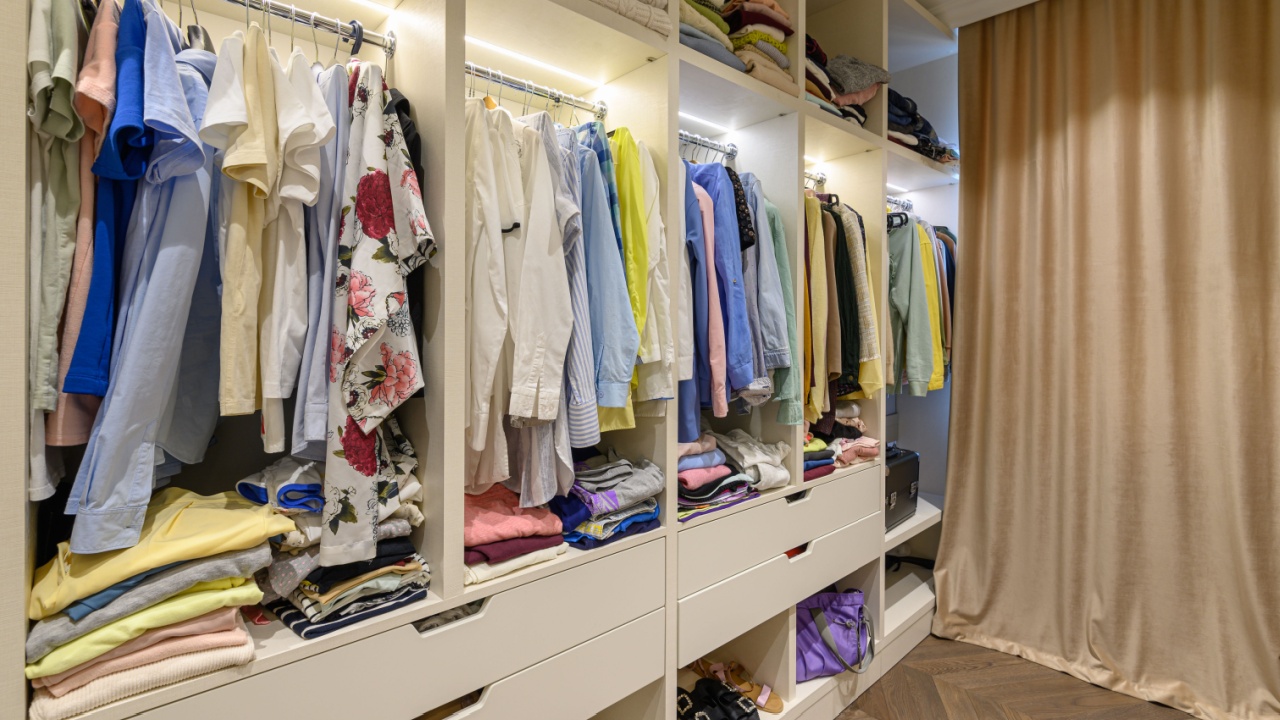
One of the most straightforward and customizable alternatives is using curtains. Hanging a curtain rod above the closet opening allows you to use fabric to conceal the contents. This solution is incredibly adaptable, offering endless possibilities in terms of color, pattern, and texture to match any room’s decor.
For a bohemian or retro-inspired look, beaded curtains offer a playful and decorative way to screen a closet opening. Made from materials like wood, bamboo, or glass, these strands create a visual barrier while still allowing for airflow and easy pass-through access. You can simply walk right through them without needing to open or close anything.
4. French Doors
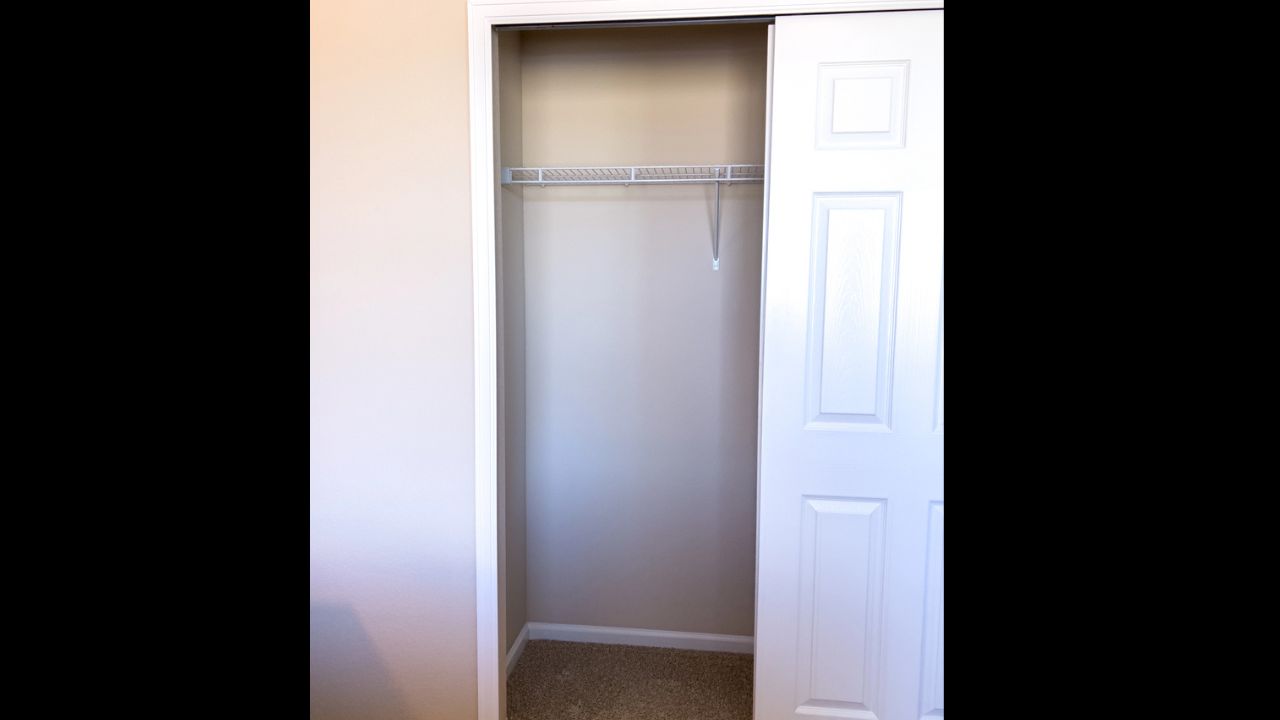
For a touch of elegance and a more architectural feel, French doors can elevate a simple closet into a beautiful feature. Typically used for patios or as room dividers, these double doors open from the center, swinging outward into the room. When open, they create a wide, inviting view of the closet interior.
French doors often feature glass panes, which can make a room feel larger and brighter. If you prefer to keep your closet’s contents hidden, you can opt for frosted glass, mirrored panes, or solid wood panels. Their symmetrical design adds a sense of formality and sophistication. They work well with closets that are organized and visually pleasing, as they draw attention to the space.
5. Shoji Screens
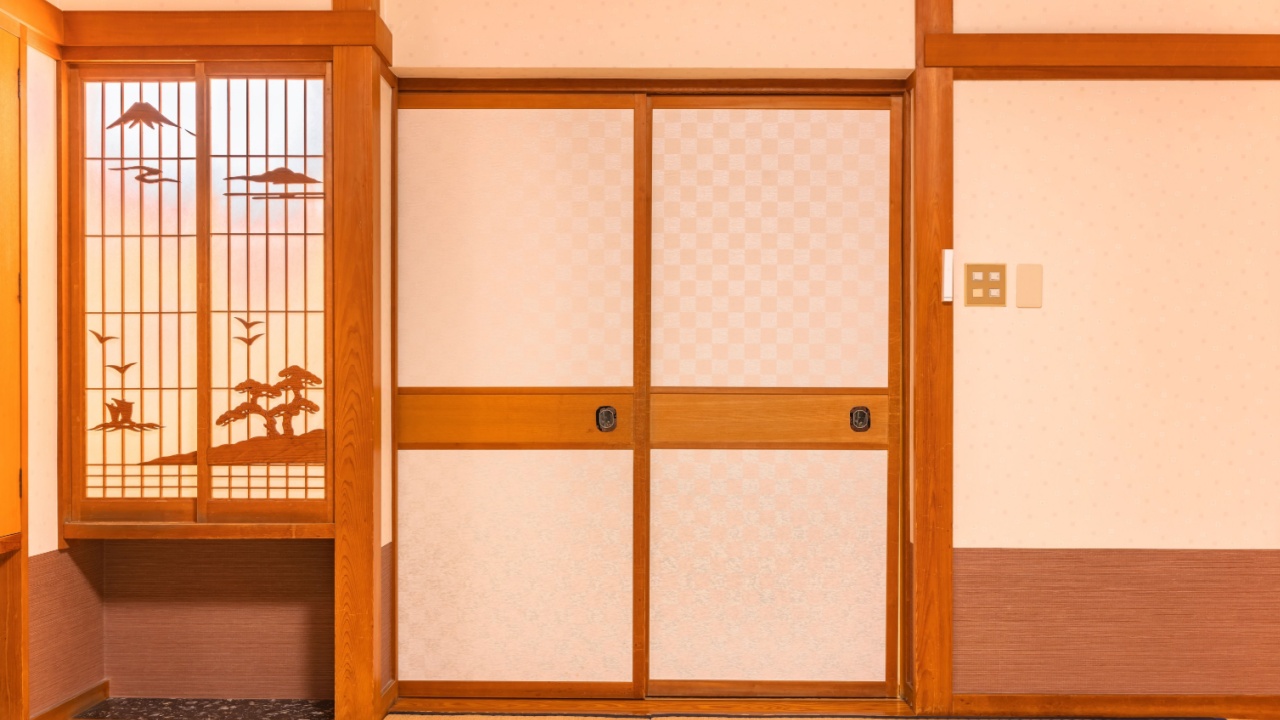
Shoji screens channel a serene, Japanese-inspired sense of order perfect for those who appreciate clean lines and a whisper of Zen. Made with lightweight wooden frames and translucent paper or acrylic panels, Shoji screens slide smoothly on tracks, much like traditional sliding doors, making them a solid space-saving choice for closet coverage.
Their main draw is the way they diffuse light, brightening the area with soft, filtered glow while keeping closet chaos hidden from view. These screens are chameleons of the room, fitting in with both minimalist and eclectic decor. They’re a bit of a design flex, hinting at spa-day tranquility without getting tangled up in strings or fabric.
6. Mirrored Doors
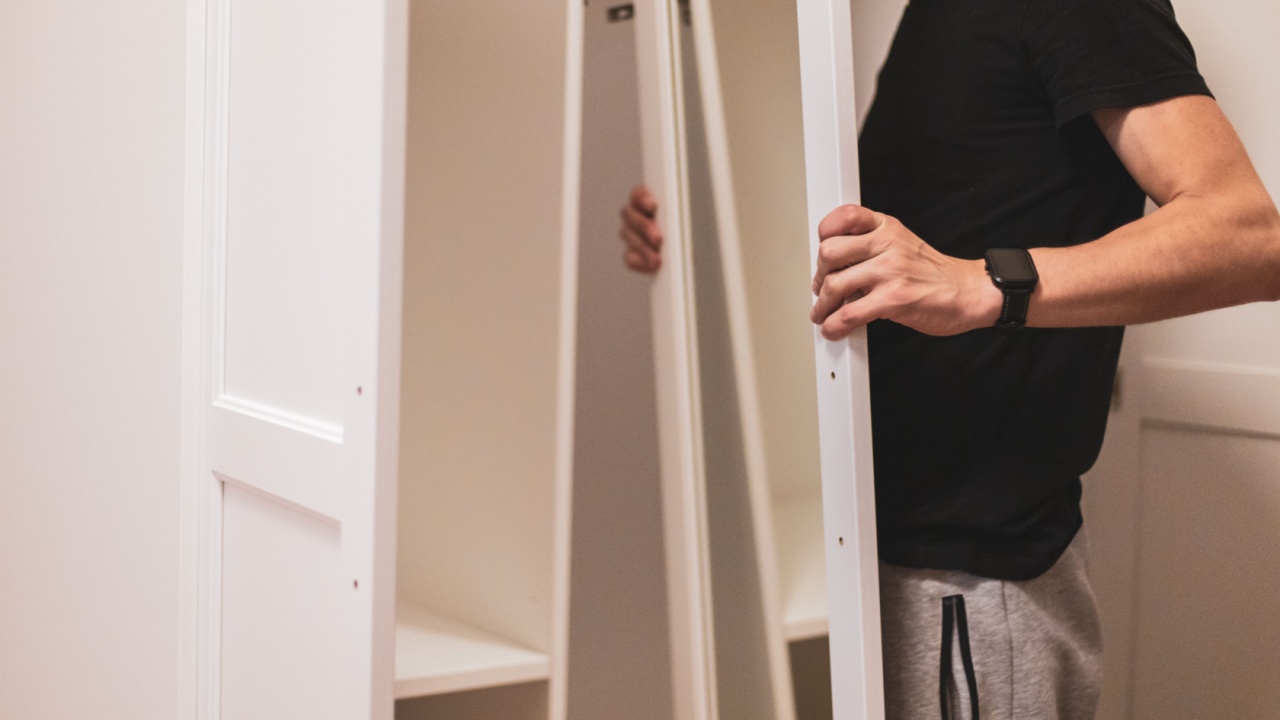
Mirrored doors are a classic solution that serves two functions at once. They act as a closet door while also providing a full-length mirror, saving wall space elsewhere. More importantly, the reflective surface can make a room feel significantly larger and brighter by bouncing light around the space.
This option is available in several formats, including sliding bypass doors, bifold doors, or even traditional swinging doors with mirrored panels. Sliding mirrored doors are especially useful in bedrooms and hallways, as they don’t require any swing space. They can help a small, dark room feel more open and airy.
7. Bookcase or Hidden Doors

For a truly clever and surprising element, a hidden door disguised as a bookcase is a top-tier choice. This is a door that is built to look like a standard set of shelves, complete with books and decor. It swings open on heavy-duty hinges to reveal the closet hidden behind it.
This solution completely camouflages the closet opening, turning a wall into a functional storage and display area. It adds an element of mystery and custom craftsmanship to a room. While custom-built bookcase doors can be a significant investment, hardware kits are available for the ambitious DIYer to build their own. The result is a unique reading nook that is both practical and a great conversation starter.
Design for Ease
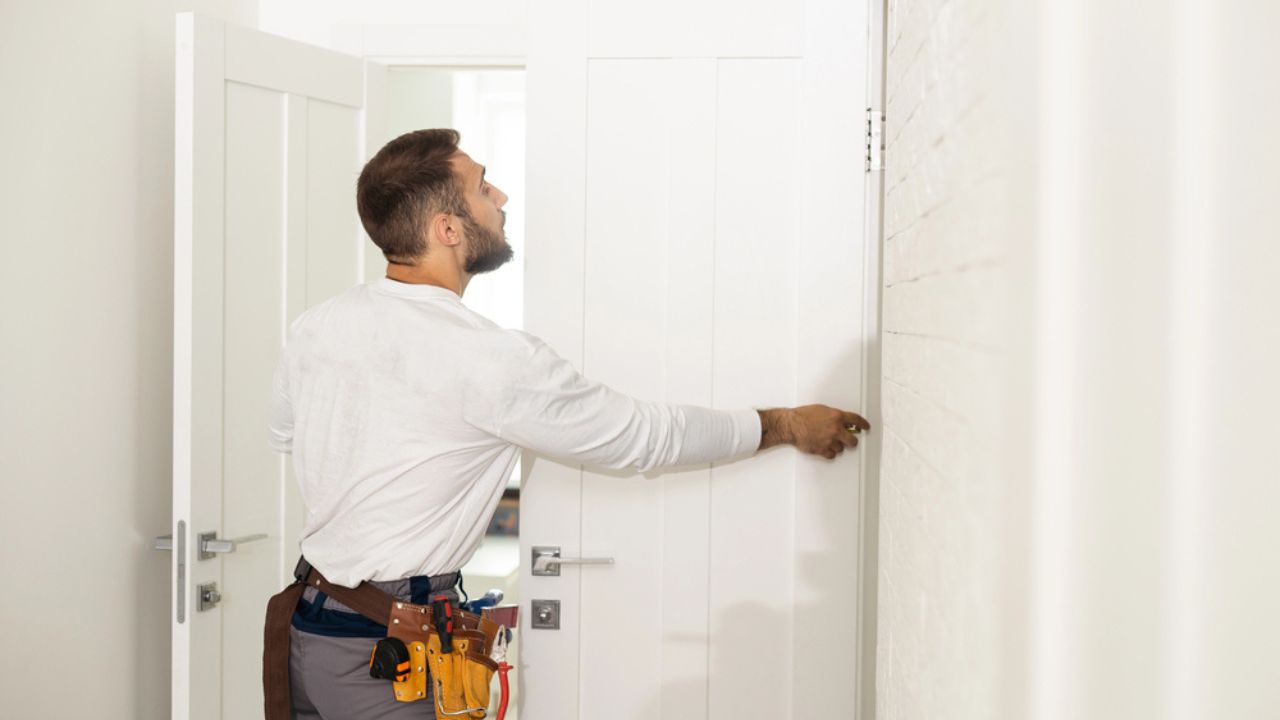
Before you remove your old doors, consider what you need from the replacement. Think about the room’s layout and how much wall and floor space you have available. A sliding door needs an empty wall to rest against, while French doors need room to swing. Also, consider your daily routine.
If you’re in and out of the closet frequently, easy-to-part curtains might be more convenient than a heavy bookcase door. Finally, look at the project from a style perspective. Select an alternative that not only solves a functional problem but also enhances your room’s overall design.