4 Critical Steps Before Using the Fireplace This Winter
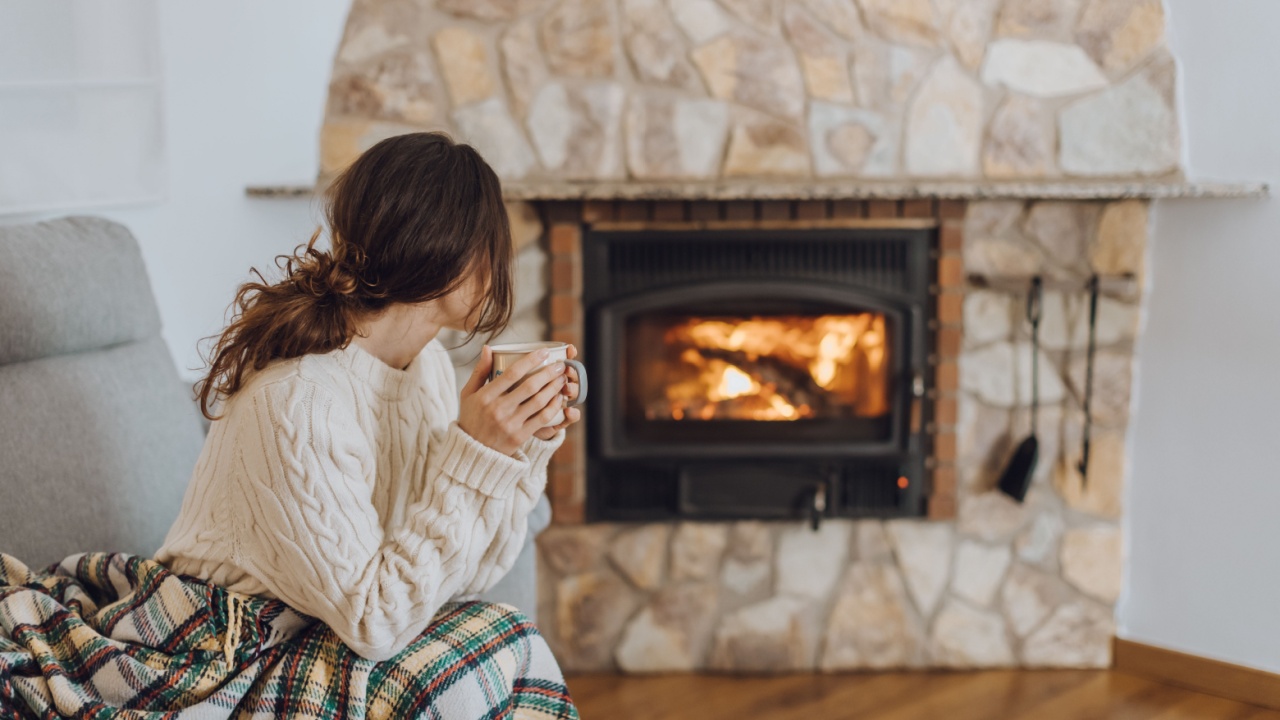
That first fire of the season in the fireplace is a special moment. As soon as the temperature dips, the urge to light up the fireplace is strong. But before you strike a match, a little preparation is in order.
A neglected fireplace can lead to smoke-filled rooms, inefficient fires, and serious safety hazards. Taking a few proactive steps can make all the difference, setting you up for a winter of warm, crackling fires without any trouble. Here are some essential checks to perform before lighting that first log.
1. Get the Chimney Inspected and Cleaned
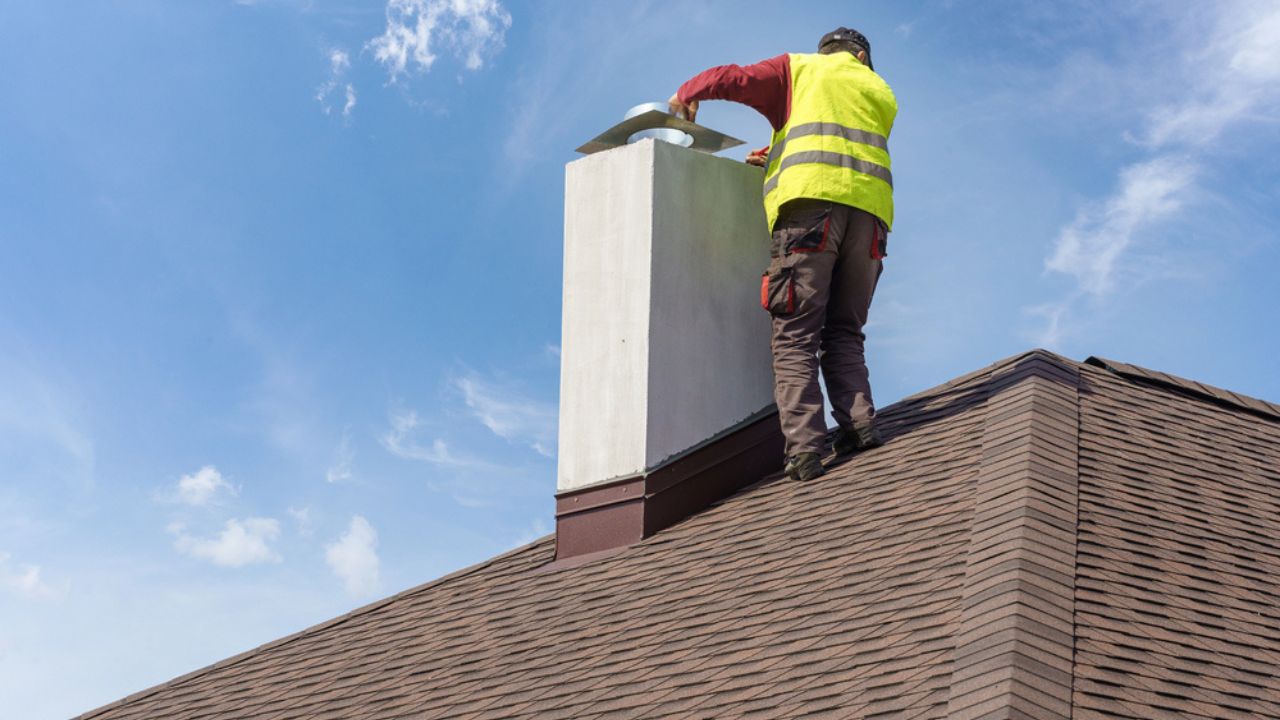
The first and most important step is to have your chimney professionally inspected and cleaned every year. Burning wood leads to a build-up of creosote, a highly flammable substance that is a leading cause of chimney fires.
A certified chimney sweep will:
- Remove dangerous creosote build-up.
- Clear out blockages like nests or debris that can trap carbon monoxide in your home.
- Inspect the chimney for any structural damage, like cracks.
It’s best to schedule this service in the late summer or early fall before the busy season hits.
2. Inspect the Firebox and Damper

Next, inspect your fireplace’s interior. Examine the firebox for any cracks in the bricks or mortar, as these can be a fire hazard. Also, check the damper (the metal flap in the chimney’s throat) to make sure it opens and closes smoothly. A stuck damper can cause smoke to billow into your room.
What to look for:
- Firebox: Check for cracks in the bricks and mortar.
- Damper: Make sure it opens and closes properly without sticking.
Use a flashlight to get a clear view. If you find any significant damage, don’t use the fireplace until it’s been inspected by a professional.
3. Clear Out Old Ash
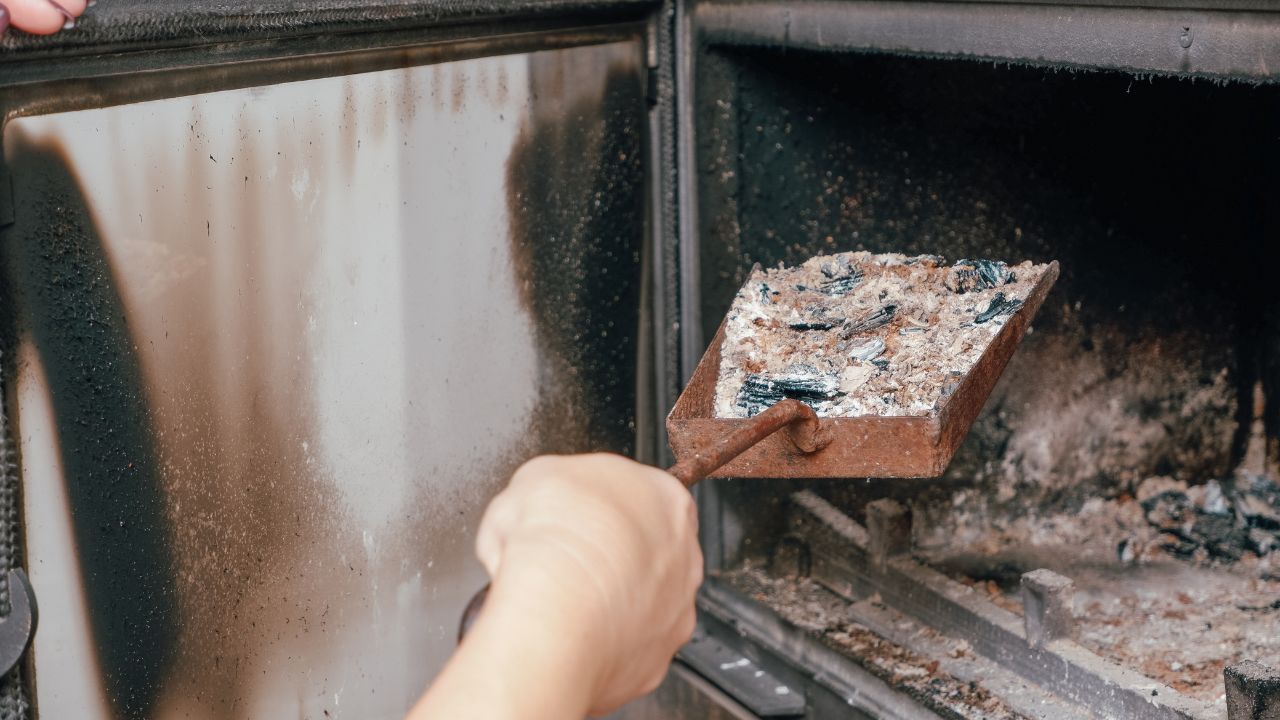
Don’t start a fire on a bed of old ash. A thick layer can block airflow, making it hard to get a fire started and keep it burning well. It can also cause the metal parts of your fireplace to corrode over time. Before your first fire, scoop out the old ash.
How to safely remove ash:
- Wait: Ensure it has been at least 24-48 hours since the last fire. Hot embers can hide in the ash for days.
- Use the right tools: Use a small shovel and a metal bucket.
- Protect yourself: Wear gloves and a mask to avoid inhaling fine ash particles.
4. Test Smoke and Carbon Monoxide Detectors

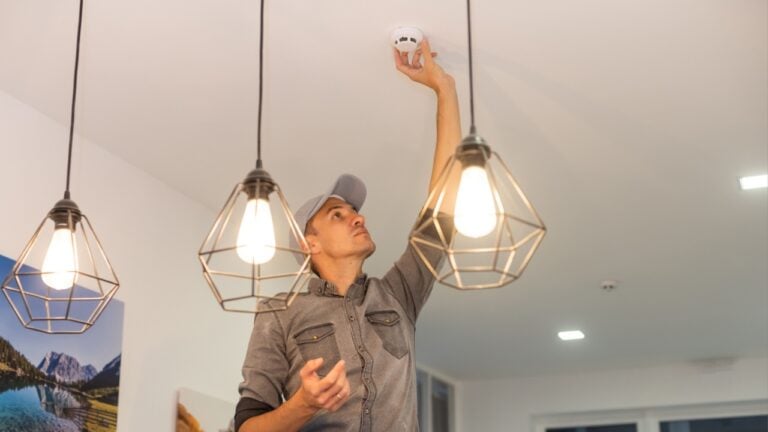
This final step is the most critical for your family’s safety. Functioning smoke and carbon monoxide detectors are your first line of defense, especially since carbon monoxide is an odorless and colorless gas produced by fire. Before you light your first fire, test the alarms in your home, especially those near the fireplace and in sleeping areas.
Key safety checks:
- Test alarms, particularly those near the fireplace and in bedrooms.
- Replace batteries if necessary.
- Test detectors at least once a month, as recommended by the National Fire Protection Association.
Cozy Up Safely This Winter
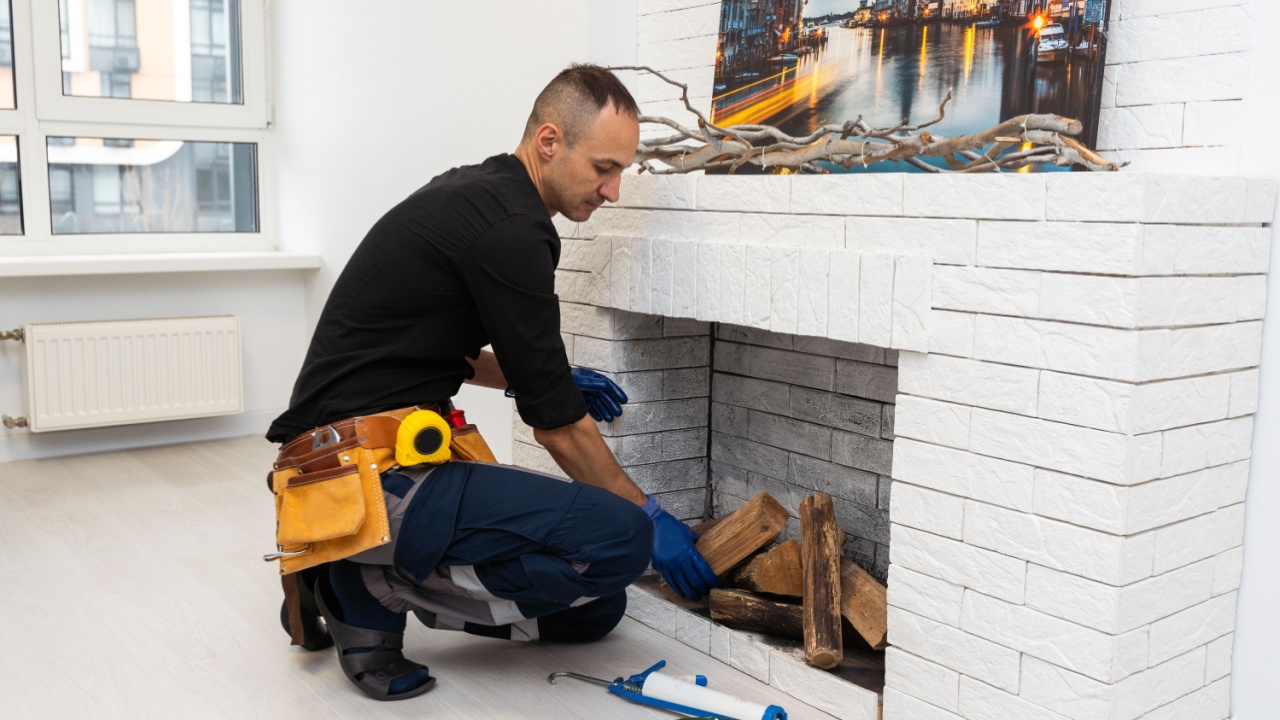
Once these checks are complete, you can confidently light your fireplace and enjoy its warmth all winter long. Keeping up with these simple maintenance tasks will protect your home and allow you to focus on what really matters: relaxing by the fire.