4 Genius Solutions for Fixing Painting Mistakes
What makes a painting project go from smooth success to frustrating flaws? Sometimes it’s the smallest mistakes, like a drip here, a streak there, or a patch of uneven color that stand out the most once the paint dries.
The good news is that these common slip‑ups don’t have to ruin the finish. With these four simple corrections and smart techniques, even the most visible errors can be turned into a flawless surface that looks intentional and professional.
1. Smooth Out Drips, Runs, and Streaks
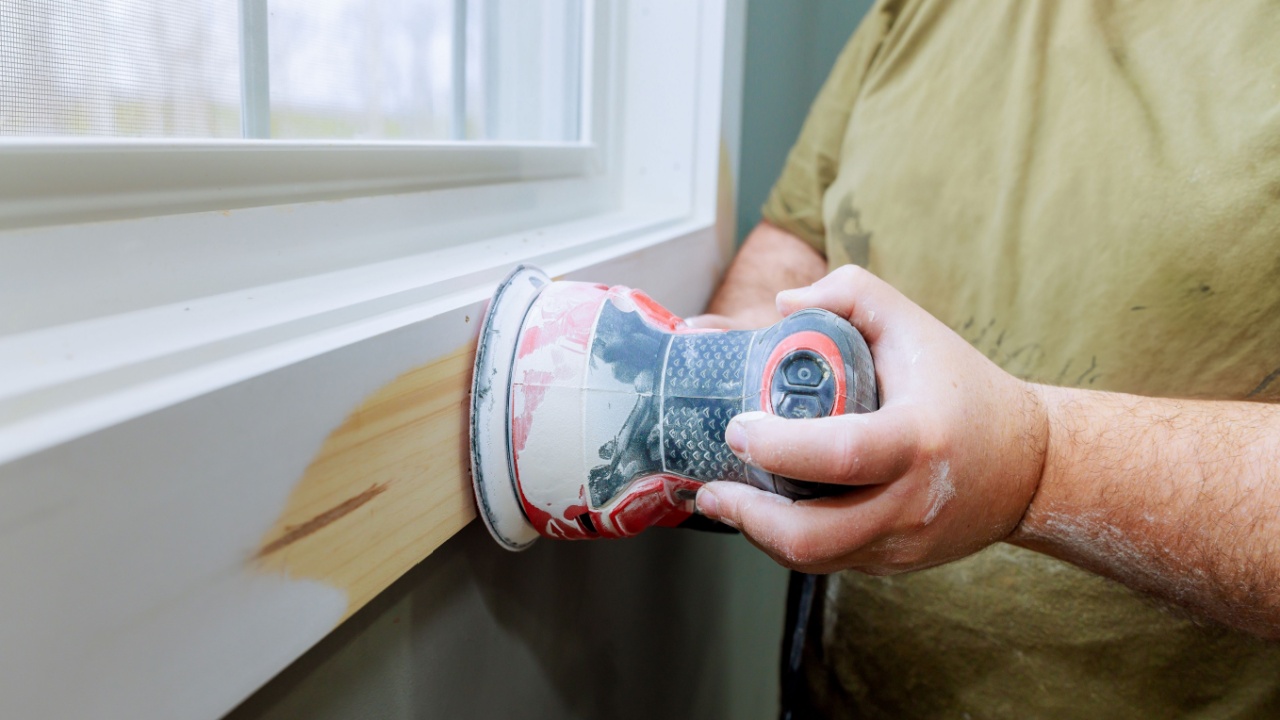
When paint drips or runs, or when coverage looks streaky, it’s all because of too much or too little paint on your tools. You can sand to remove the raised ridge caused by the drip, and feathering plus multiple thin coats help the patch blend in. Heavy or thick repainting would stand out, while careful sanding and light repainting would mask the flaw.
When repainting, avoid overloading the brush or roller. Use a gravity test (hold roller/brush over tray and let paint drip off) to gauge the correct paint load. If you notice ripples or texture changes, sand again gently before repainting.
2. Fix Uneven, Blotchy, or Patchy Paint by Starting Fresh with Primer
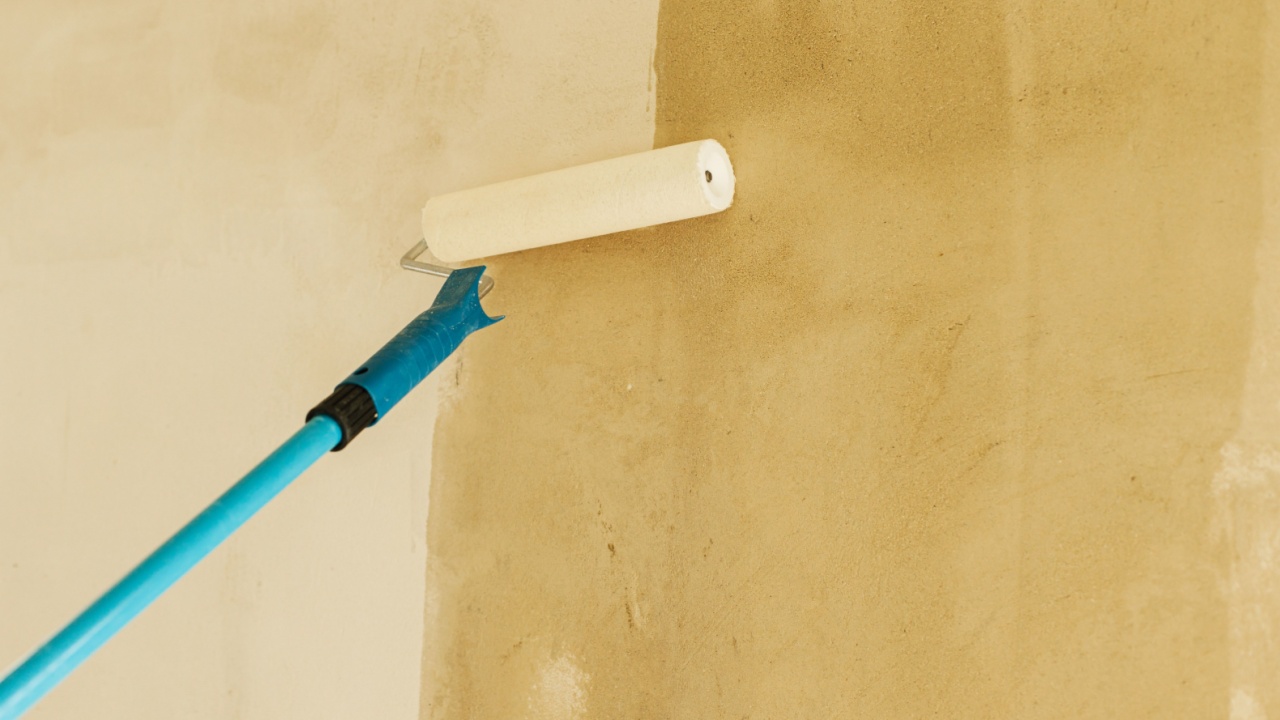
Uneven or blotchy walls often happen when the surface wasn’t primed properly, or when you applied too little paint. Primer seals and evens out the surface, eliminating absorption differences or dark patches beneath. Without primer, paint may soak unevenly, show old stains, or stick inconsistently, leading to blotchy results.
If you’re repainting the same wall after several years (or after patch repairs), always sand lightly before priming; this helps the new primer grip better. And choose a primer that matches the wall’s material (e.g., masonry vs. drywall).
3. Clean Up Tape Lines & Edges for Crisp Borders
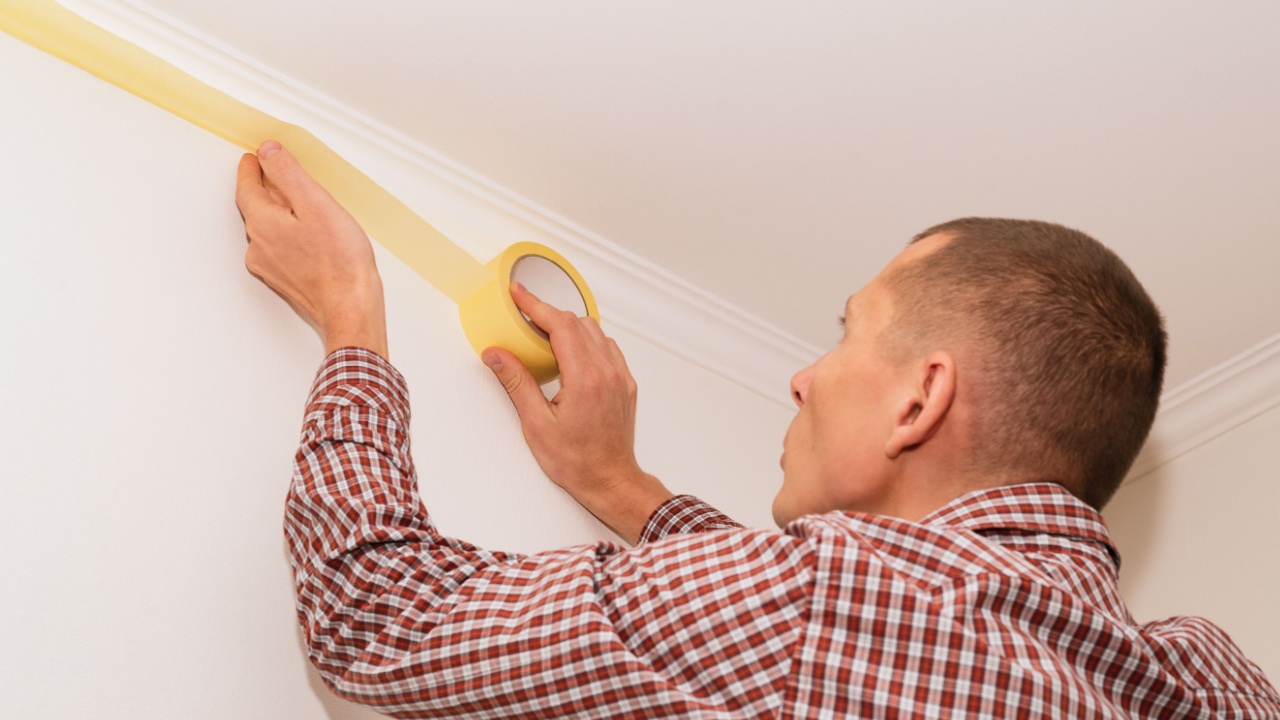
Messy borders are the result of paint leaking under tape or peeling when tape is removed, which can ruin crisp lines. Often, the cause is improper taping technique or waiting too long to remove tape.
Taping and careful touch-up allow you to correct only the border without repainting an entire wall. Using a small, angled brush gives you control so you don’t smear across large areas.
To prevent messy borders, first press the tape onto the surface firmly (a putty knife works well), and remove the tape while the paint is still slightly soft and not after it’s completely dried. This reduces peeling or chipping.
4. Match Paint Type to Surface & Conditions for Long-Lasting Results
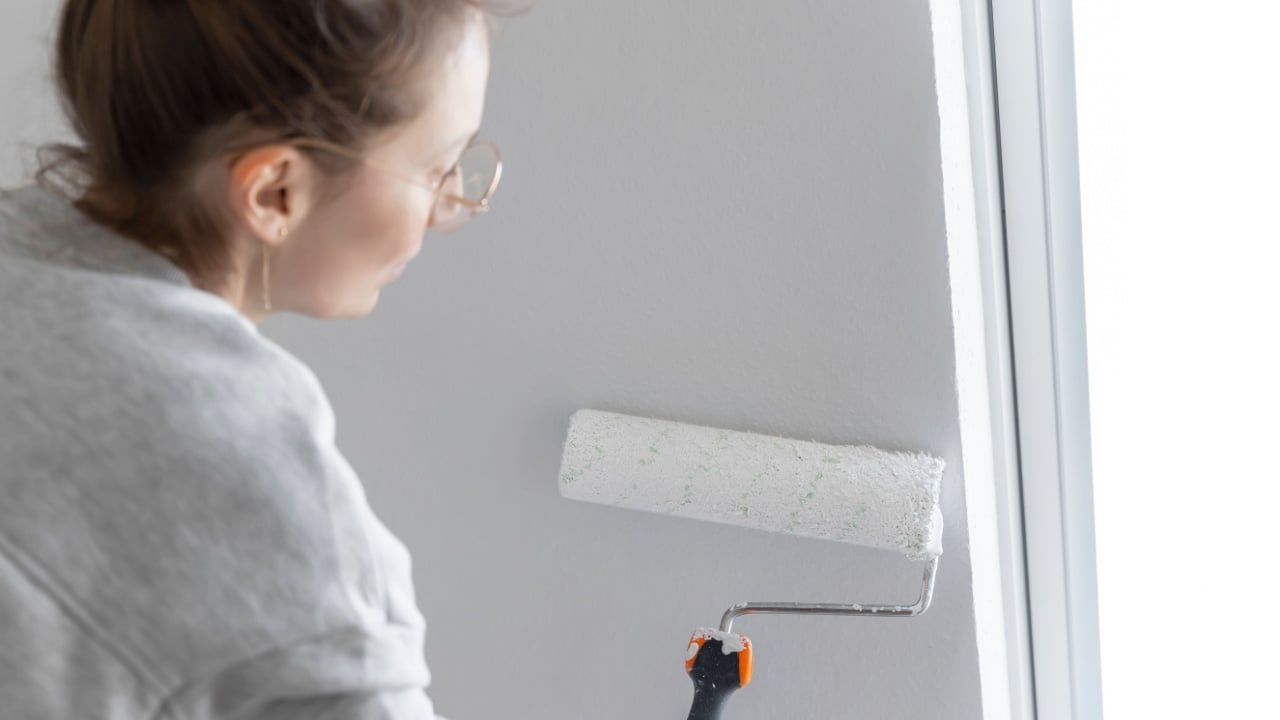
One commonly overlooked reason for painting issues is using the wrong paint type or painting under unfavorable conditions especially in humid or extreme weather environments. Paint formulated for the right environment or surface will adhere better, resist peeling or fading, and give a uniform appearance. Painting under poor weather can cause premature failures.
If you live in a region with high humidity (or seasonal rain), allow extra drying time between coats. For exterior painting, plan for a dry spell of several days. And always read the paint can’s instructions, they often include ideal application conditions.
The Last Coat
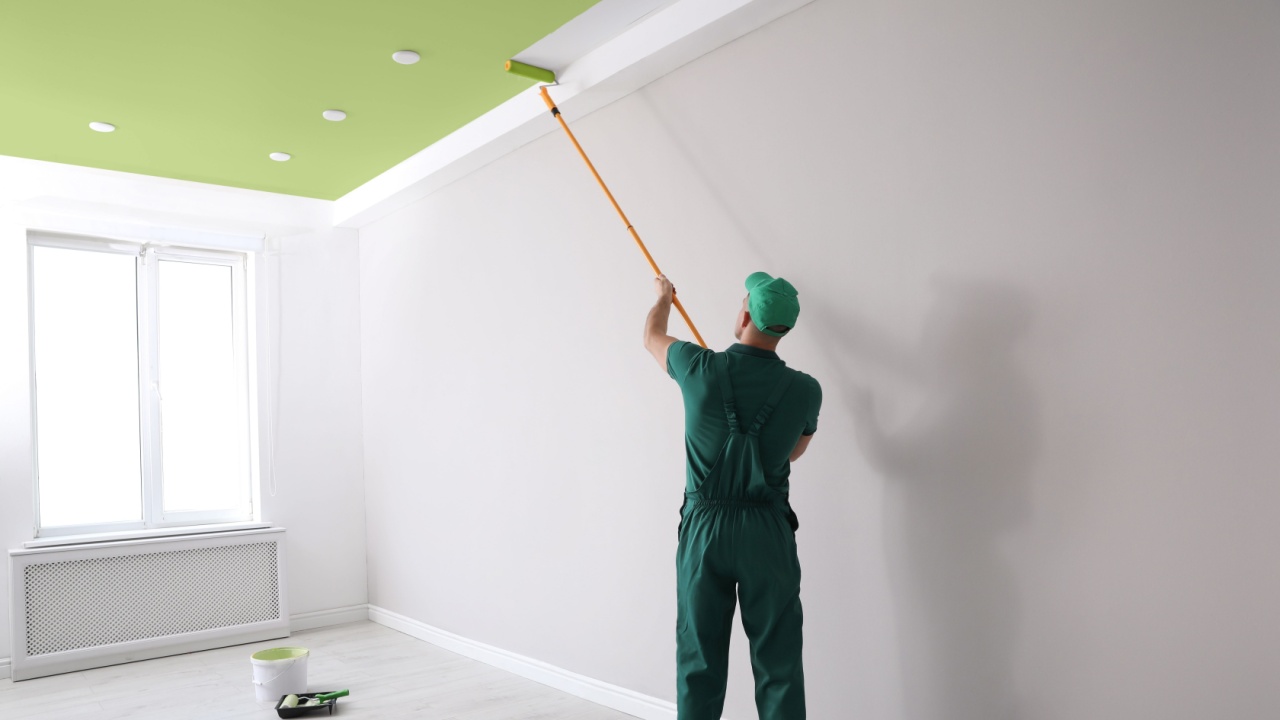
Painting mistakes don’t have to define the final outcome. By sanding drips, priming blotchy walls, cleaning tape lines, and matching paint to the right conditions, even the most frustrating errors can be corrected.
A careful, methodical approach makes sure the surfaces look clean, crisp, and long‑lasting, which helps in turning challenges into opportunities for a flawless finish.