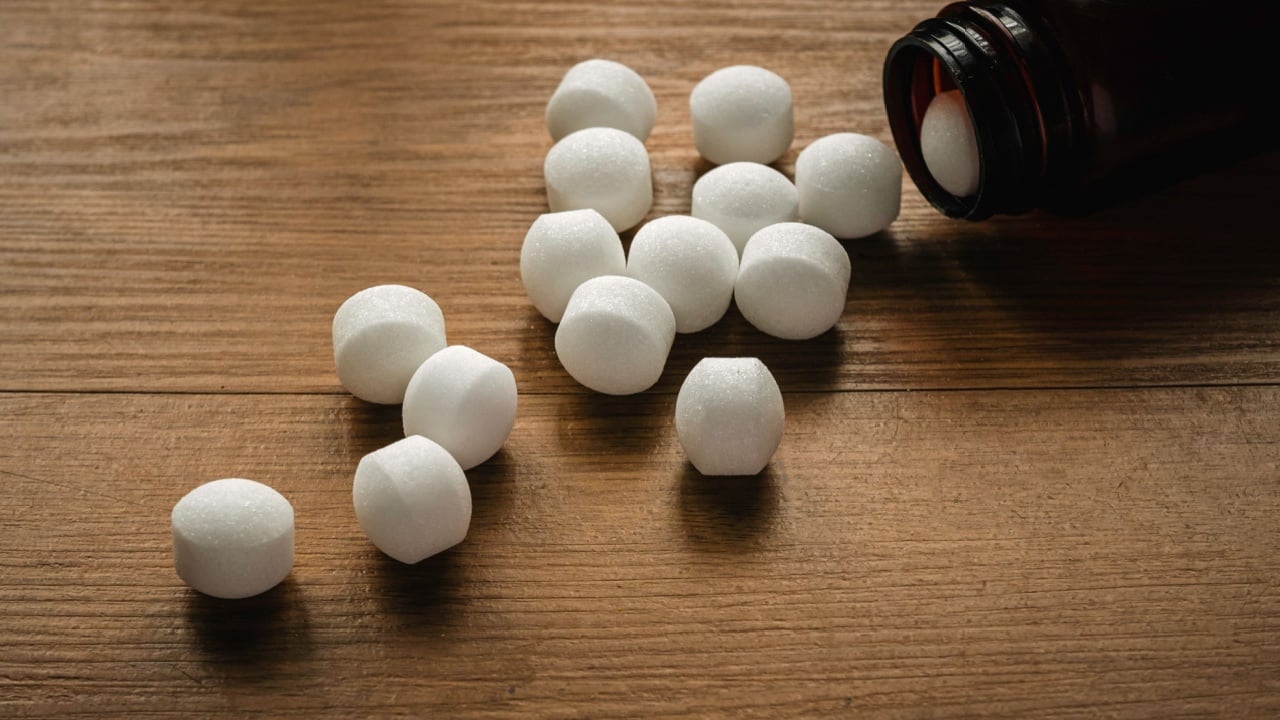
Why Mothballs Are Doing More Harm Than Good for Pests
Mothballs have been the go-to solution for protecting household fabrics for generations. That pungent, chemical odor is a familiar scent in closets, attics, and storage bins everywhere. While they might seem like a convenient, quick fix for keeping moths away from your favorite sweaters, this convenience comes with a hidden cost.
Many people continue to use them out of habit, often without fully understanding that the health and environmental risks associated with them can significantly outweigh their pest-control benefits.
Here are 3 reasons why mothballs aren’t good for you or your clothes, and what to use instead.
Why Mothballs Are Bad- 1. Toxic Fumes
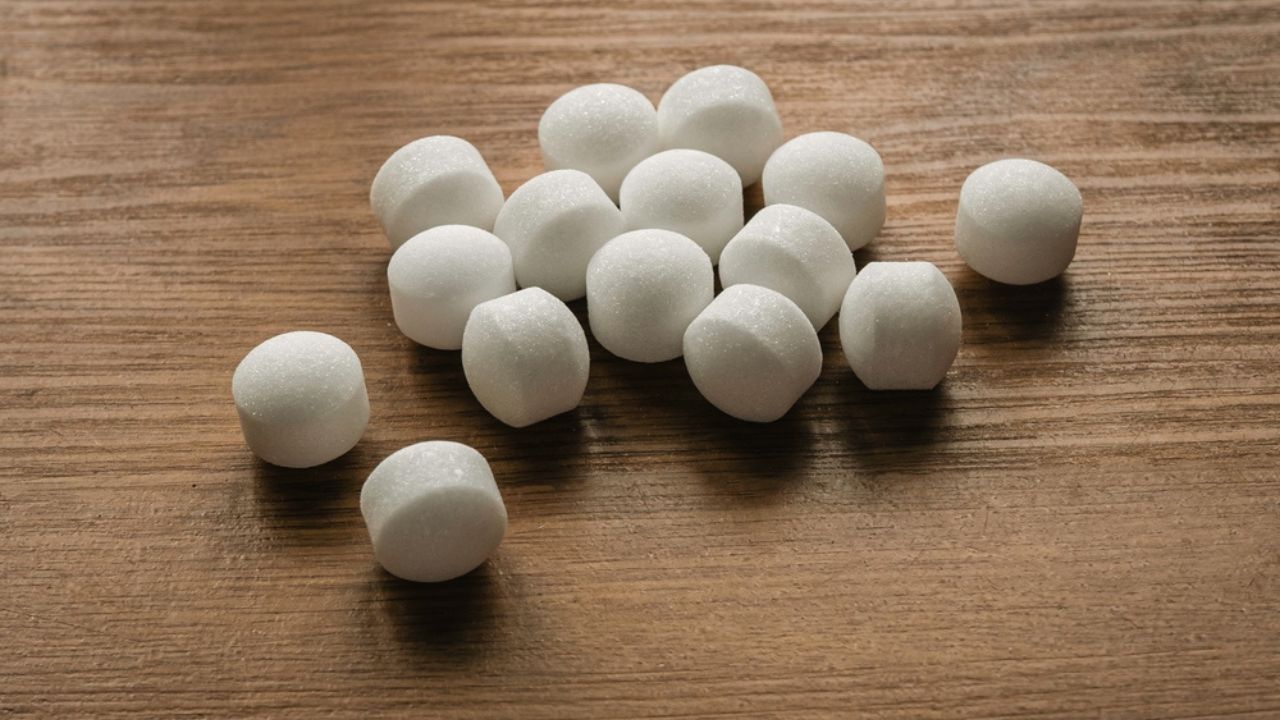
Mothballs release chemical vapors such as Naphthalene or Paradichlorobenzene that evaporate into the air over time. These fumes can irritate the respiratory system, causing coughing, wheezing, and discomfort in the nose and throat. The risk is especially high in small or poorly ventilated spaces where vapors can concentrate.
Even brief exposure in these environments can trigger headaches, dizziness, and general fatigue. Long-term exposure can increase respiratory irritation and potentially contribute to more serious health conditions. The fumes linger on clothing and in storage areas, making the environment continuously hazardous.
2. Danger to Children and Pets

Children and pets are particularly vulnerable to the hazards of mothballs. Ingesting even a small amount can lead to nausea, vomiting, and severe chemical poisoning. The bright color and small size of mothballs make them look deceptively like candy or toys, increasing the likelihood of accidental ingestion.
Pets are at risk not only from ingestion but also from inhalation of vapors in confined areas. This exposure can result in respiratory distress and other health complications. Managing these risks consistently is difficult, making mothballs a poor choice for households with children or animals.
3. Limited Effectiveness

Mothballs are effective only under very specific conditions. They require airtight storage to allow chemical vapors to accumulate to levels that can repel or kill moths and larvae. Clothing stored in open bins or loosely packed boxes remains susceptible to damage despite the presence of mothballs.
This limited effectiveness means that many users are exposed to harmful chemicals without achieving reliable pest protection. The false sense of security can result in serious damage to clothing and other fabrics. Relying on mothballs often fails to fully prevent infestations, rendering the health risks unnecessary.
What to Use Instead- 1. Airtight Storage
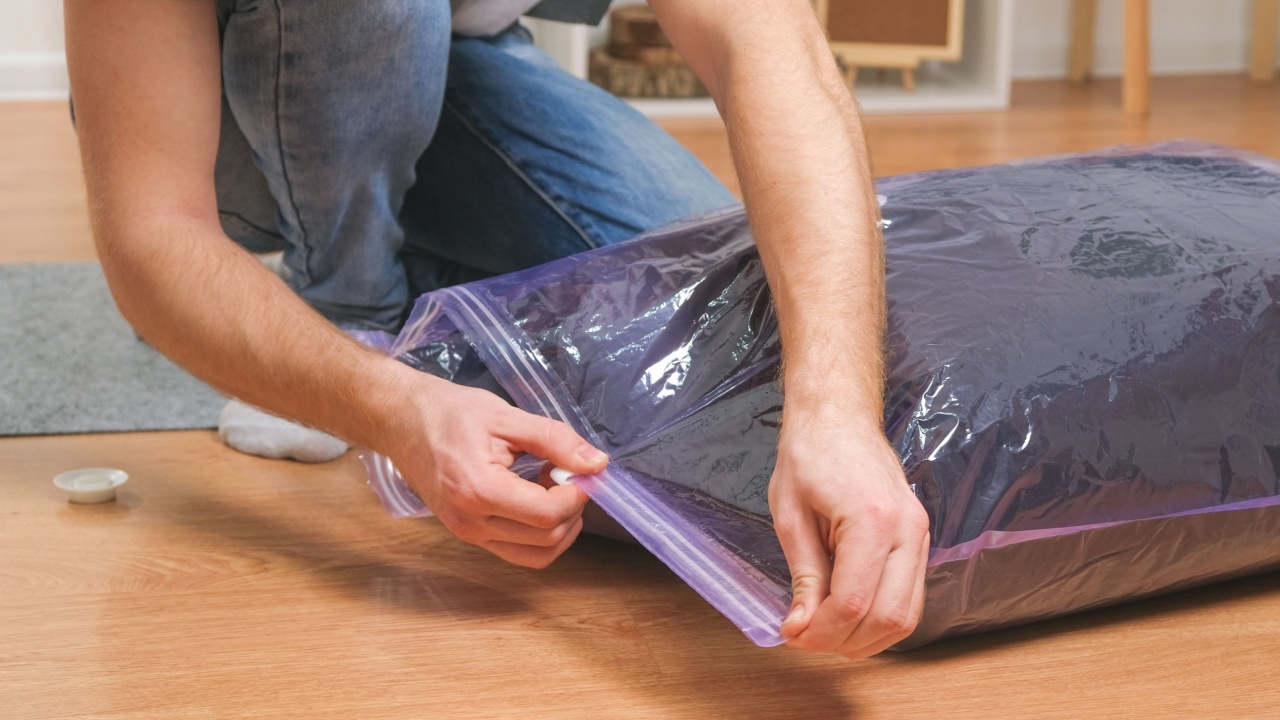
A safe alternative to mothballs is using airtight containers or vacuum-sealed bags. These containers block moths and larvae from reaching stored clothing while avoiding exposure to harmful chemicals. Properly sealing garments keeps them protected for months or even years, depending on storage conditions.
Airtight storage also helps maintain the condition of fabrics by keeping out dust, moisture, and other environmental contaminants. Unlike mothballs, this method does not introduce fumes or odors into your home. It is a simple, non-toxic approach that provides reliable protection against fabric pests.
2. Cedar Blocks, Chips, or Hangers
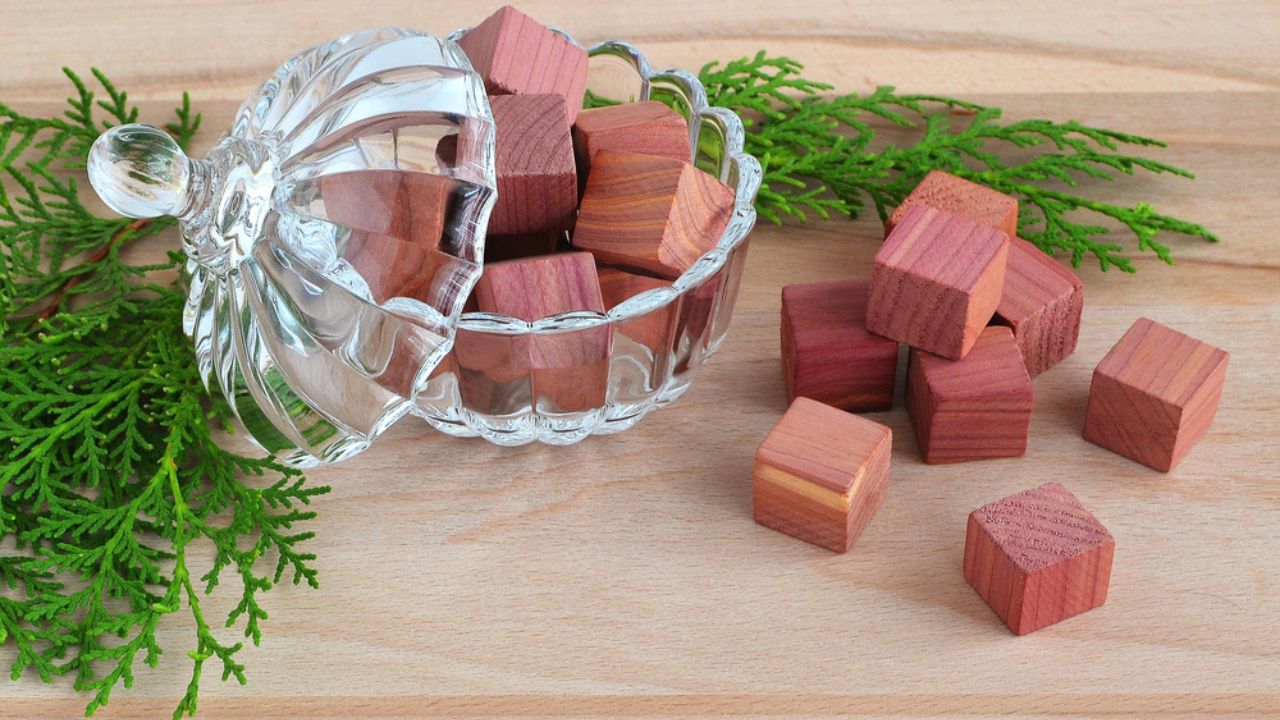
Cedarwood naturally repels pests like moths through aromatic oils that insects find unpleasant. Placing cedar blocks, chips, or hangers in closets, drawers, or storage bins creates an environment that pests avoid. This method keeps clothing safe without the health risks associated with chemical mothballs.
Cedar is safe for children, pets, and adults while also leaving a mild, pleasant scent in storage spaces. It does not release toxic vapors and requires little maintenance beyond occasional light sanding to refresh its oils. Using cedar provides gentle, chemical-free protection for fabrics in all types of storage areas.
3. Heat or Freezing Treatments
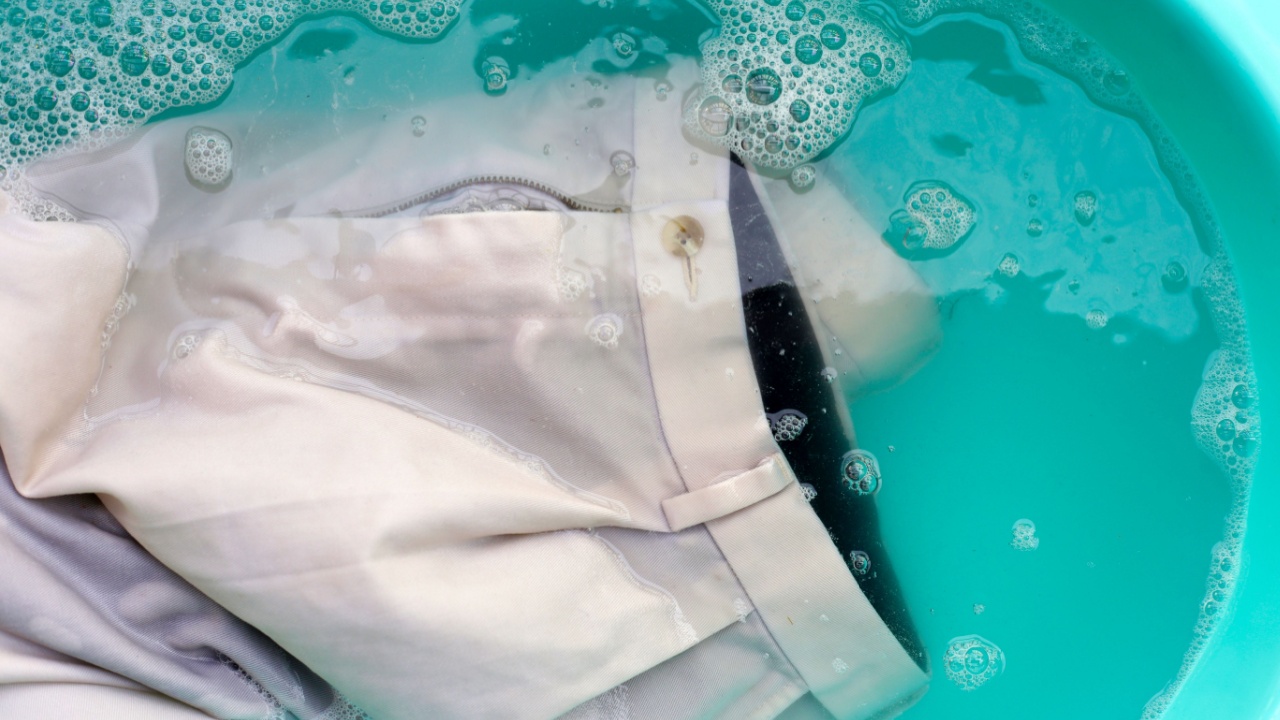
Heat or freezing treatments are highly effective for killing moth eggs and larvae without chemicals. Washing clothes in hot water or placing them in a freezer for several days eliminates pests before they can damage fabrics. These methods work for both freshly laundered and stored items, giving full protection without introducing toxins.
Applying heat or cold treatments is safe for most fabrics and avoids the lingering chemical exposure associated with mothballs. These treatments can be repeated as necessary whenever clothing or blankets are moved into storage. They provide a practical, non-toxic solution that targets the root of moth infestations.
4. Regular Cleaning and Maintenance
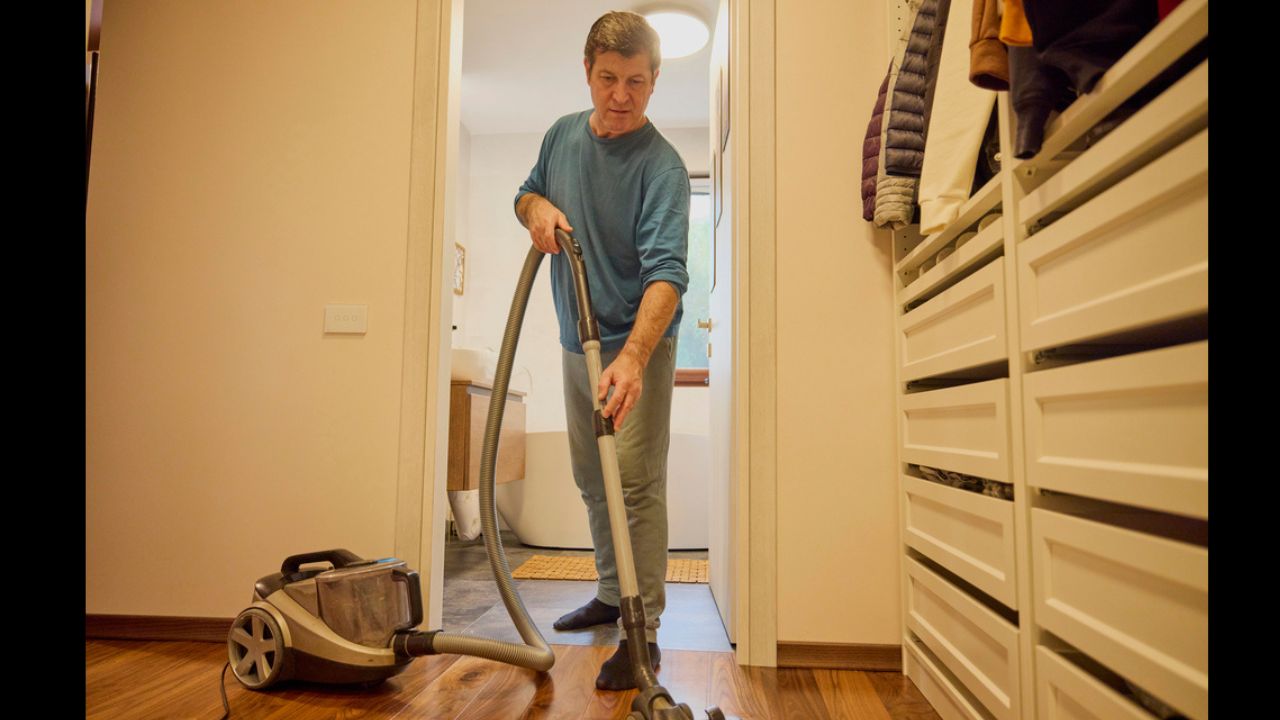
Cleaning and vacuuming storage spaces removes eggs, larvae, and debris that attract moths. Keeping closets, drawers, and storage areas free from dust and dirt reduces the risk of infestations and prevents pests from gaining a foothold. This approach works without introducing chemicals into the home.
Regular maintenance also includes washing or dry-cleaning garments before storage. Clean fabrics are less appealing to moths, further reducing the risk of damage. Combined, these practices create an environment that naturally discourages pests while keeping fabrics in good condition.
Protect Textiles Safely

Protecting fabrics goes beyond storing them. Managing the environment around them is equally important. Controlling humidity, for example, makes closets less inviting to pests since moths and larvae thrive in damp conditions.
Rotating seasonal clothing and airing out rarely used items reduces hidden infestations, while using breathable storage materials prevents mold and keeps fabrics fresh. Small changes like these protect clothing and maintain its shape and texture over time.