5 Ways to Minimize Christmas Tree Hitchhiking Pests
Bringing a fresh evergreen into your living room is a time-honored tradition that signals the start of the holiday season. The smell of pine needles fills the air, ornaments sparkle under the lights, and the entire room transforms. But a real tree comes from the great outdoors, and sometimes, nature decides to tag along.
A single Christmas tree can harbor thousands of dormant insects, from aphids and spiders to beetles, all waiting for the warmth of your home to wake them up.
While the idea of 25,000 bugs crashing your holiday party sounds like a nightmare, keeping them out is straightforward if you take the right precautions. You don’t need to switch to a plastic replica to keep your home pest-free. By following a few strategic steps before and after you bring your timber inside, you can enjoy the greenery without the unwanted guests.
1. Scrutinize the Tree at the Lot
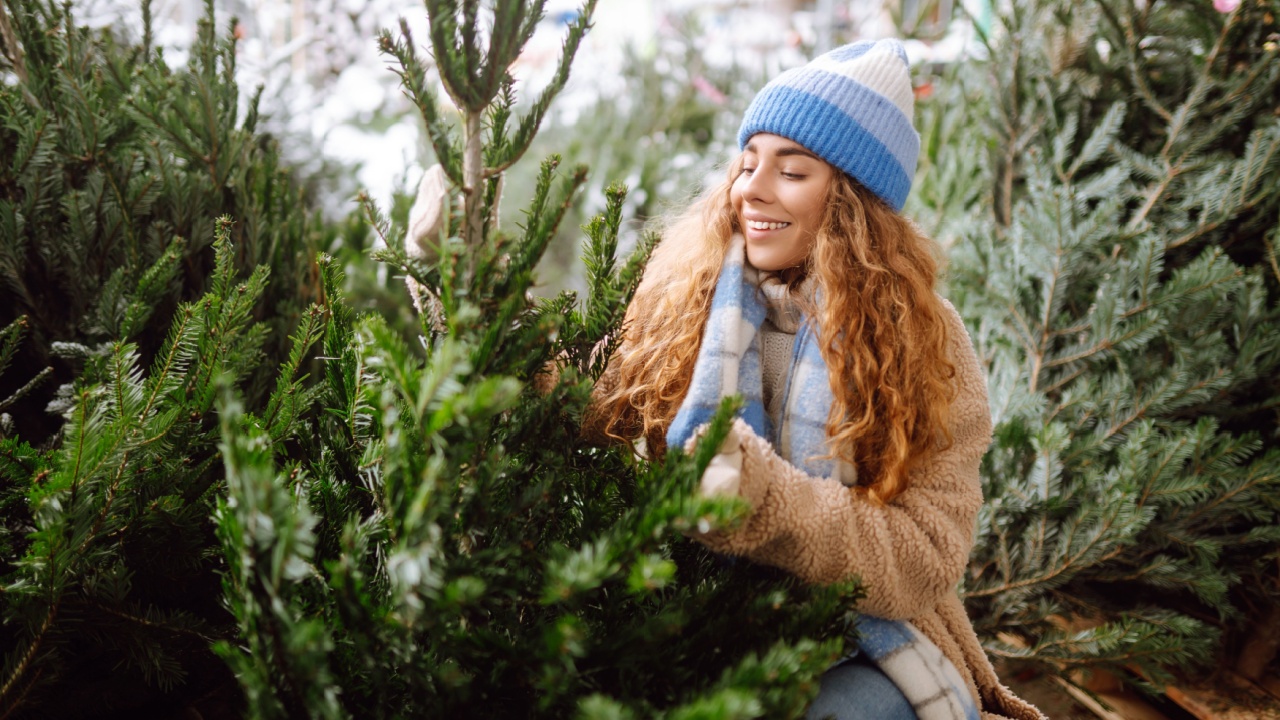
Most people look for the perfect shape or the fullest branches, but your first line of defense begins with a close inspection of the trunk and stem. Pests love to hide deep inside the foliage where they feel safe from predators and the elements. Before you commit to a purchase, peel back the branches and look closely at the bark for small brown bumps, white speckles, or webbing.
Why this helps: Catching an infestation at the lot saves you the trouble of transporting bugs to your property.
Next steps: If you see significant webbing or visible insects, move on to the next tree. It is easier to pick a different pine than to evict a colony of spiders later.
2. Shake It Like You Mean It
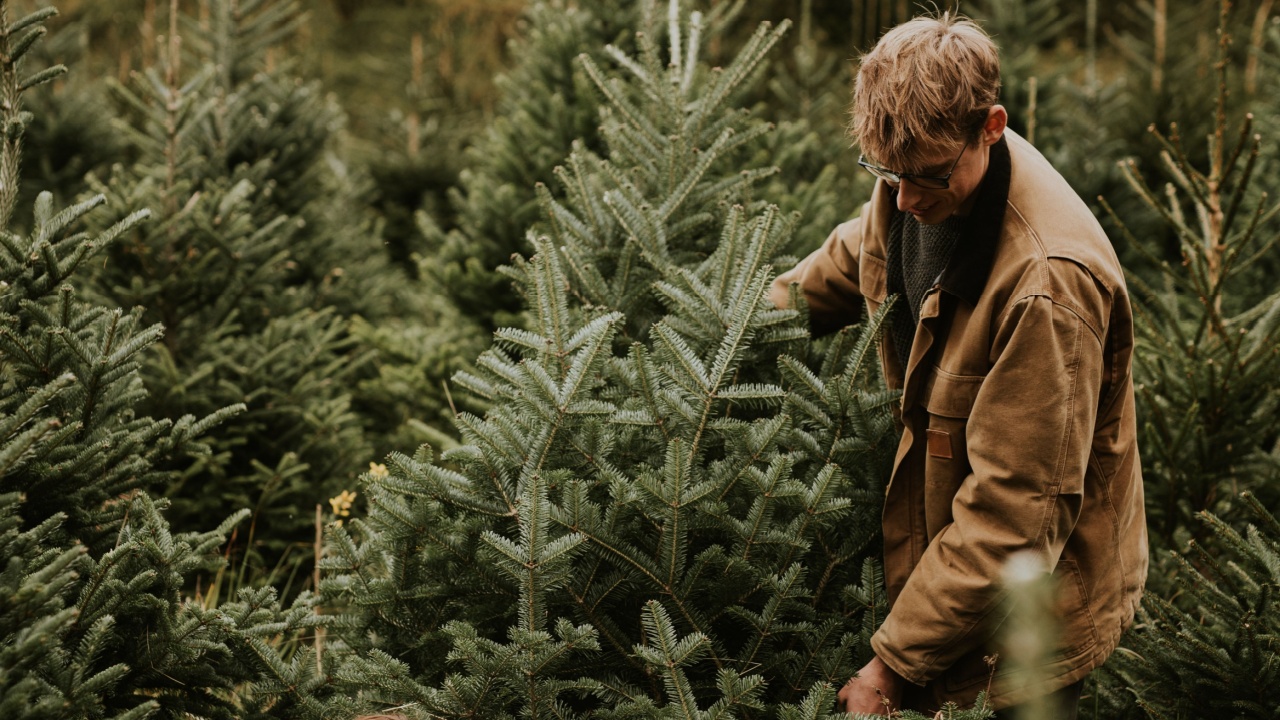
Once you have selected your winner, give it a vigorous shake before you load it onto your car. Many insects are holding on loosely or are nestled among loose needles. A strong mechanical agitation dislodges a surprising number of hitchhikers, along with loose debris that would otherwise end up on your floor.
Why this helps: Physical removal is the most effective non-chemical way to reduce pest numbers instantly.
3. Break Out the Leaf Blower
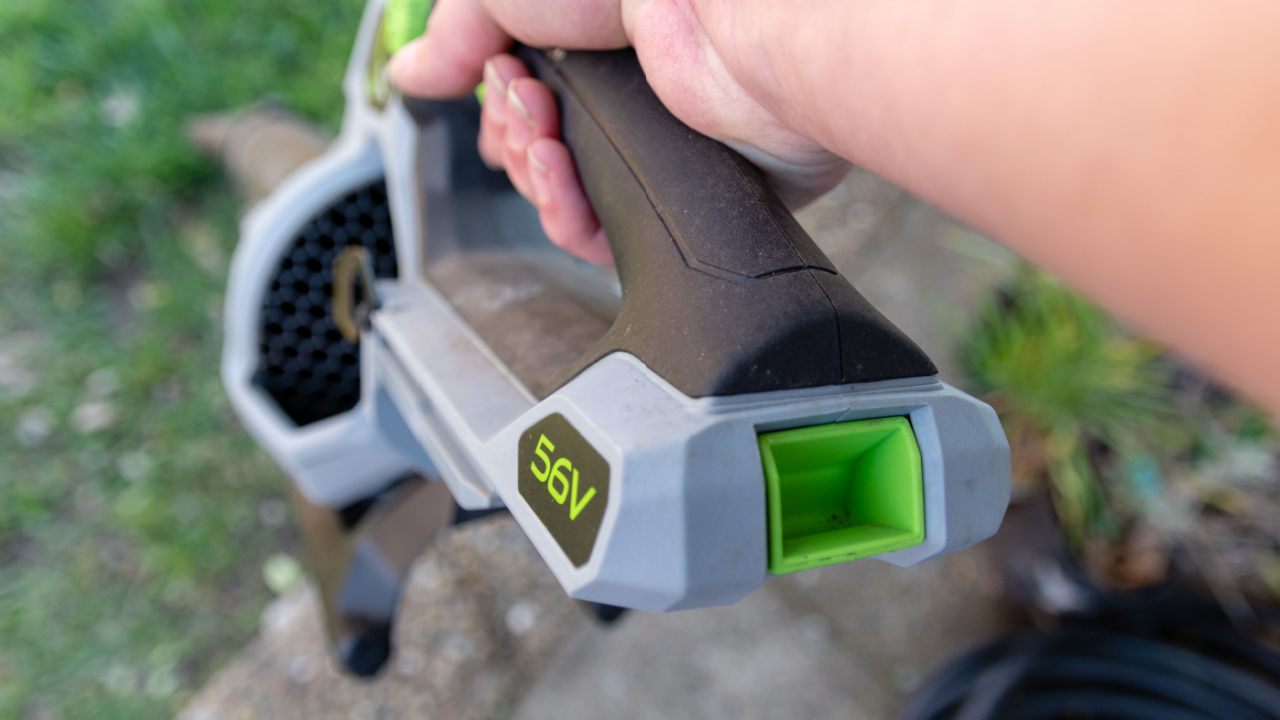
For a deeper clean, take a leaf blower to the tree before bringing it indoors. The concentrated air pressure penetrates the dense crown of the tree better than manual shaking ever could. This blasts away hidden eggs, dormant beetles, and spiders clinging to the interior branches.
Why this helps: It reaches the deep crevices of the tree that are impossible to clean by hand without damaging the foliage.
Next steps: Set the tree up in your driveway or yard. working from top to bottom, blow air through the center of the tree outward. Wear glasses to protect your eyes from flying pine needles.
4. Host a Garage Quarantine

Instead of marching the tree directly into your living room, let it sit in your garage or a covered carport for 24 to 48 hours. Pests are often dormant in the cold. A transition zone that is warmer than outside but cooler than your living room gives you a chance to spot any waking activity before the tree is fully inside.
Why this helps: It creates a buffer zone where you can deal with emerging issues without risking your rugs or furniture.
Next steps: Place a white sheet under the tree stand during this quarantine. If you see a lot of black specks or bugs on the white fabric the next morning, you know you have more work to do before the tree enters the house.
5. Conduct a Flashlight Investigation
Once the tree is in the transition zone or just before bringing it inside, use a bright flashlight to inspect the branches again. The bright light helps reveal cryptic pests like aphids, which often look like tiny pine needles or bark bumps. Pay special attention to the underside of branches where insects prefer to lay eggs.
Why this helps: Active inspection with focused light reveals details the naked eye misses in natural daylight.
Next steps: Focus on the interior branches closer to the trunk. If you find a small cluster of bugs, prune that specific branch off with gardening shears.
Seal the Deal

Your defenses shouldn’t stop at the tree itself. The scent of fresh pine is delightful to us, but it acts as a beacon for pests outside, signaling that a food source is nearby. Once your tree is inside, sealing gaps around windows and doors will prevent new bugs from being drawn to the scent of fresh pine.
With these barriers in place and a clean tree in the stand, you can focus on the festivities rather than pest control.