
Science Says These 6 Foods Affect Our Mood for the Worse
Some days start fine, then one snack or hurried meal later, everything feels off. A small shift in what you eat can nudge your mood more than most people expect. You usually blame stress or poor sleep, yet everyday foods have a way of affecting energy, focus, and patience.
Many of these mood-disrupting items are ordinary things you might reach for without thinking. Certain ingredients can spike and crash blood sugar, upset the gut, stir up inflammation, and throw off the signals that help you stay steady and clear-headed. Noticing which foods do this can make it much easier to keep your day on track.
1. Sugary & Sweetened Foods

Lots of baked goods, sodas, candy, and foods with hidden sweeteners, and even “healthy-looking” yogurts or granola bars are classic triggers for mood dips.
High amounts of sugar, especially refined or added sugar, or fructose-heavy sweeteners, cause quick spikes in blood glucose, followed by a crash. Further, Diets heavy in refined carbohydrates, processed sweets, and hyper-processed foods tend to promote inflammation and disrupt gut health.
What to do instead: For a touch of sweetness, opt for natural sweeteners like raw honey or 100% pure maple syrup. These options contain beneficial antioxidants and are less processed.
2. Processed Meats, Deli Meats & Highly Processed Meats
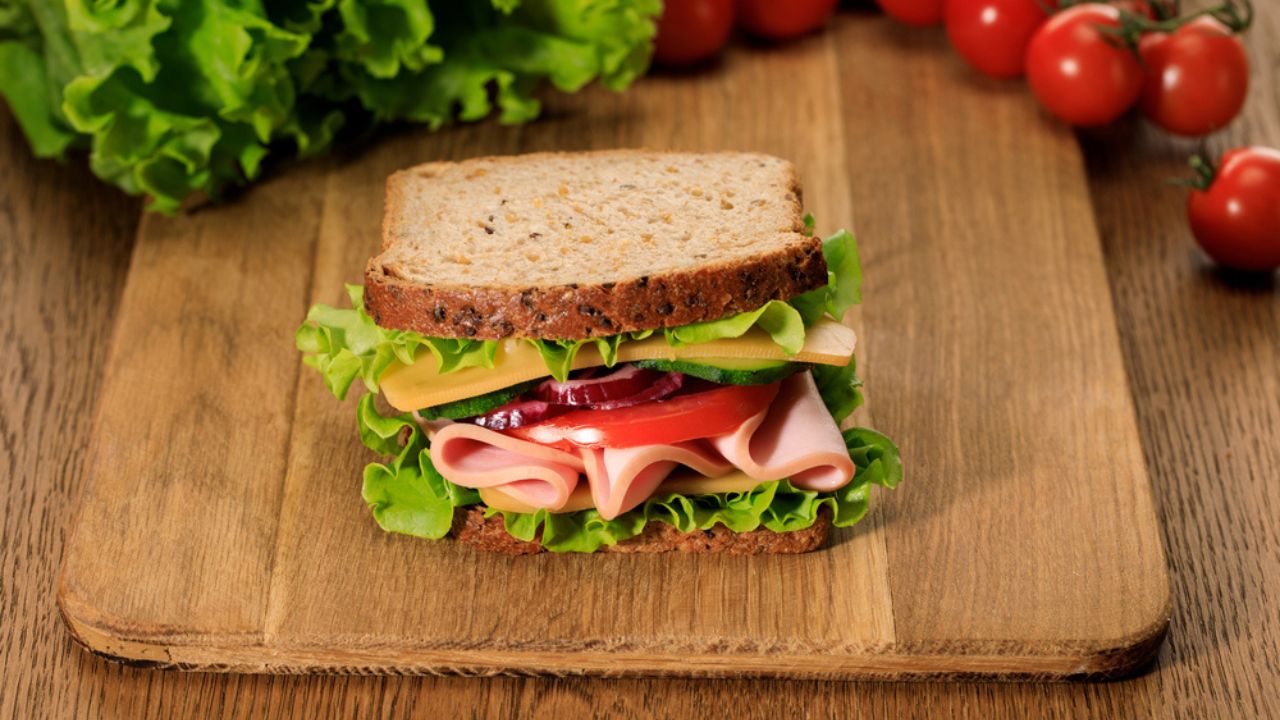
That turkey or ham sandwich might be causing your afternoon slump. Processed meats like salami and pre-packaged turkey are full of sodium, preservatives, and nitrates, which can disrupt gut health and affect your mood. A 2022 study even linked ultra-processed foods to anxiety and mild depression.
What to do instead: When you can, opt for roasting your own chicken or turkey breast at home and slicing it for sandwiches. If you need the convenience of pre-sliced meats, look for brands that are labeled “nitrate-free” and have a minimal ingredient list.
3. Margarine, Spreads & Processed “Butter-like” Fats

It might sound harmless to have a slice of toast with margarine, or cooking with vegetable-oil–based spreads, but many margarines and processed “butter-like” spreads rely on bad fats such as trans fats or heavy omega-6 oils that can increase inflammation throughout the body, including the brain. It increases inflammation and fatty-acid imbalance.
What to do instead: Your brain thrives on good fats (like omega-3s). Stick with good old-fashioned grass-fed butter in moderation. For cooking at high heat, ghee (clarified butter) is another excellent and stable option.
4. Excessive Caffeine & Energy Drinks

Though caffeine can give a temporary lift but too much can disrupt sleep, overstimulate your nervous system, and even worsen anxiety and stress. Because sleep and mental balance are tightly connected, messing with your sleep cycle via caffeine or energy drinks can throw off your mood regulation and make you more prone to irritability or “crankiness.”
It’s not just about how you feel right after a cup because over time, frequent caffeine spikes/crashes can disturb your overall mood stability, stress levels, and emotional resilience.
What to do instead: If you like coffee or tea, keep portions moderate and avoid pairing with high sugar snacks (because that combo compounds the crash effect).
5. Salty, Roasted Nuts and Seeds
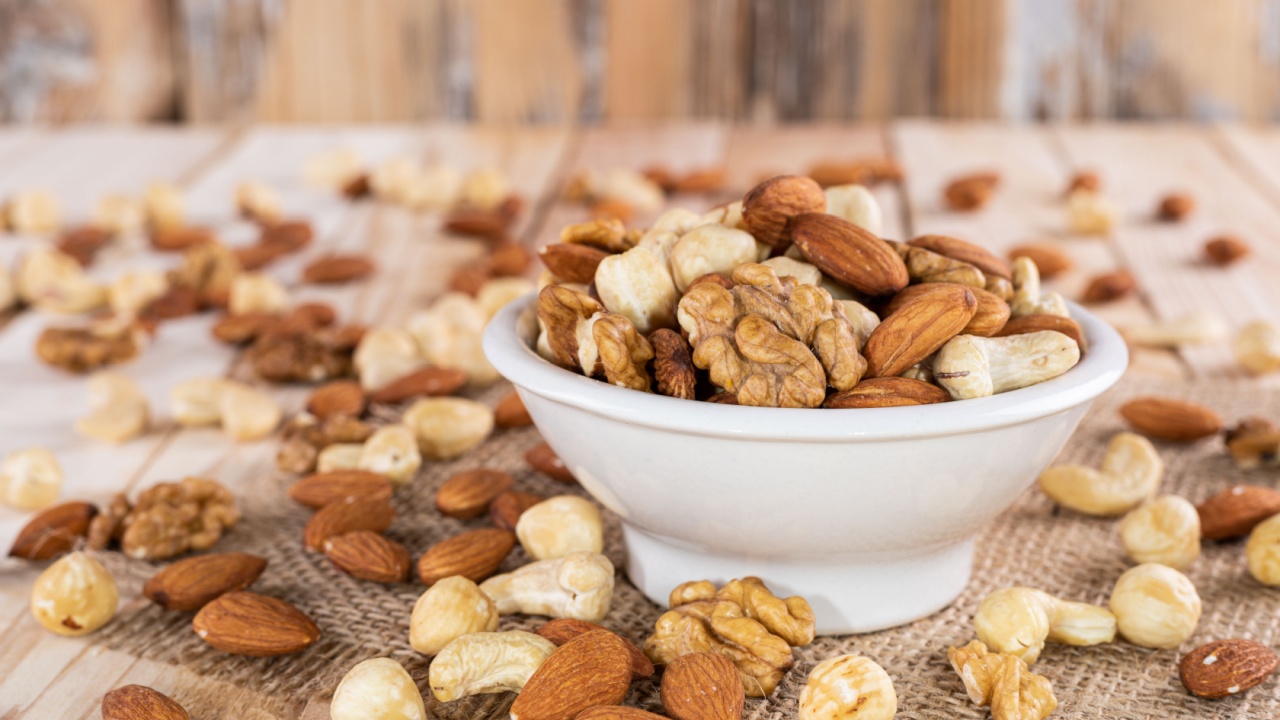
Nuts and seeds are healthy snacks, but preparation matters. Commercially roasted nuts often use processed oils, excess sodium, and additives. High heat can damage healthy fats, while sodium and additives may cause bloating, dehydration, and inflammation, affecting your mood.
What to do instead: Choose raw, unsalted nuts and seeds. You can easily roast them at home in the oven at a low temperature to bring out their flavor.
6. Just the Egg Whites

Many skip egg yolks for egg whites, but they’re missing out on key nutrients like choline, essential for brain health and mood regulation. While egg whites offer lean protein, whole eggs provide the full nutritional benefits to support a clear mind and stable mood.
What to do instead: Eat the whole egg! To get the most benefits, choose organic, free-range eggs. These come from healthier, happier chickens and have a superior nutritional profile compared to eggs from conventionally raised hens.
Eat Your Way to a Better Mood

Making small, mindful changes to your diet can have a profound impact on your daily mood. By understanding which foods might be contributing to feelings of grumpiness or fatigue, you can better fuel your body and mind for happiness and vitality.