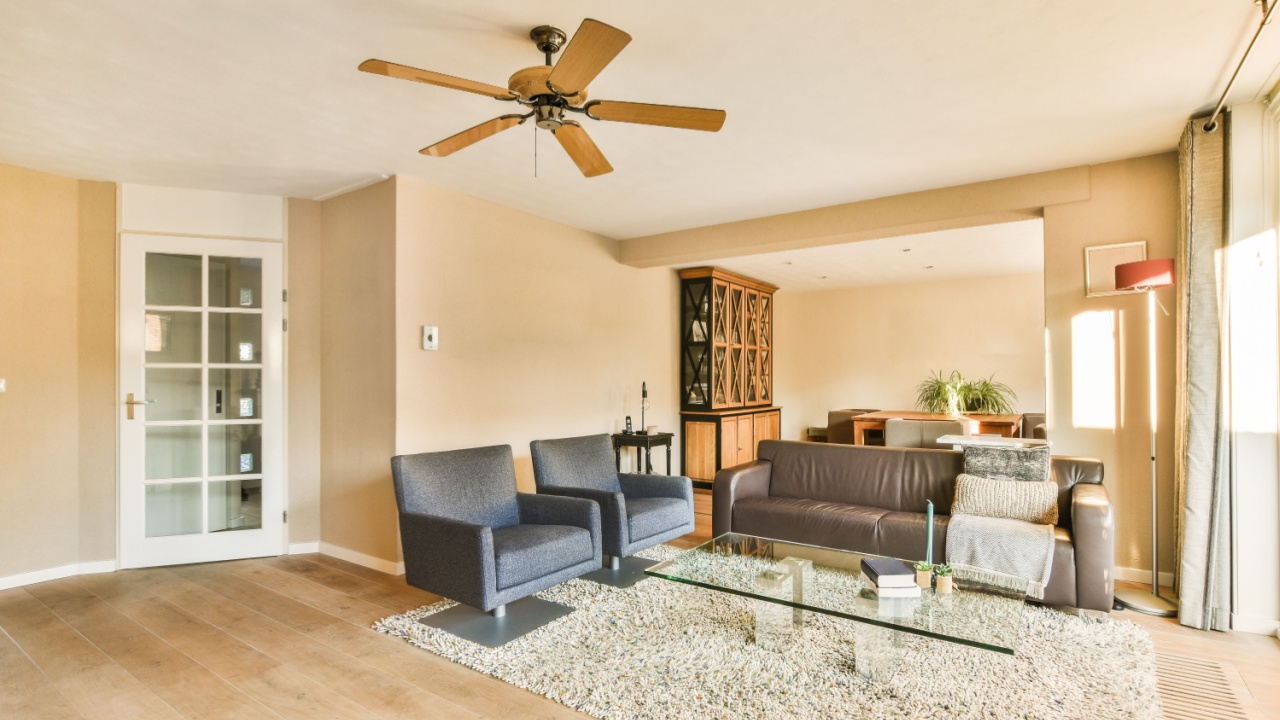
Is the Living Room Snooze-Worthy? 5 Key Signs (And How to Fix Them)
We have all walked into a room that felt lackluster. It’s not necessarily messy or dirty, but it feels flat. It lacks energy. You might sit down and feel like you are in a waiting room rather than a sanctuary. If you find yourself avoiding your living room or constantly rearranging knick-knacks without satisfaction, your space might be suffering from a case of the “blahs.”
The good news is that a boring room is rarely a structural problem. It is almost always a styling issue. You don’t need a contractor or a massive budget to fix it; you just need to identify what is dragging the energy down. By tweaking a few key elements like lighting, layout, and life you can transform a stagnant space into one that feels vibrant and welcoming.
Here are five signs your living room might be falling flat, and exactly how to wake it up.
1. The Furniture Is Hugging the Walls

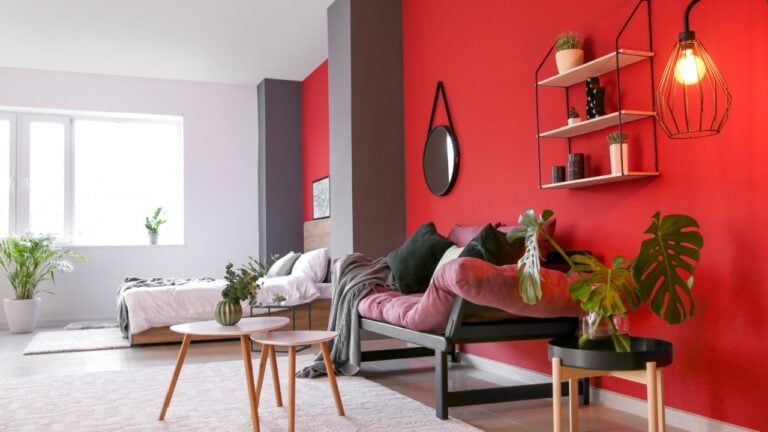
A common cause of a boring living room is a “wallflower” layout, where all furniture is pushed against the walls. This creates an empty “dead zone” in the middle, making the space feel cold and antisocial.
Floating your furniture away from the walls, even just a few inches, instantly makes a room look more designed. It creates depth and intimacy. In larger rooms, you can even use a sofa to divide the space into distinct zones, like separating a living area from a dining area.
Quick Layout Fixes:
- Pull your main seating at least 6–12 inches off the wall.
- Angle armchairs toward the sofa rather than facing them all strictly at the television.
- Every seat should have access to a surface (like a coffee table or side table) to place a drink, which visually ties the furniture pieces together.
2. Everything Matches Too Perfectly

If your sofa, loveseat, drapes, and carpet all match, you’ve fallen into the “showroom trap.” While easy, buying a matching set can result in a space that lacks character and visual interest.
Introduce contrast by pairing different textures, like smooth leather with chunky knits or sleek glass with woven baskets. This makes the room feel more dynamic and lived-in.
How to Mix It Up:
- Incorporate Textures: Aim for at least three distinct textures in each area (e.g., wood, metal, fabric).
- Break Up Sets: Swap one piece from a matching furniture suite with a contrasting vintage armchair or ottoman.
- Layer Textiles: Use throw pillows with varied patterns and scales in a similar color family to add visual interest.
3. You Are Relying on the “Big Light.”
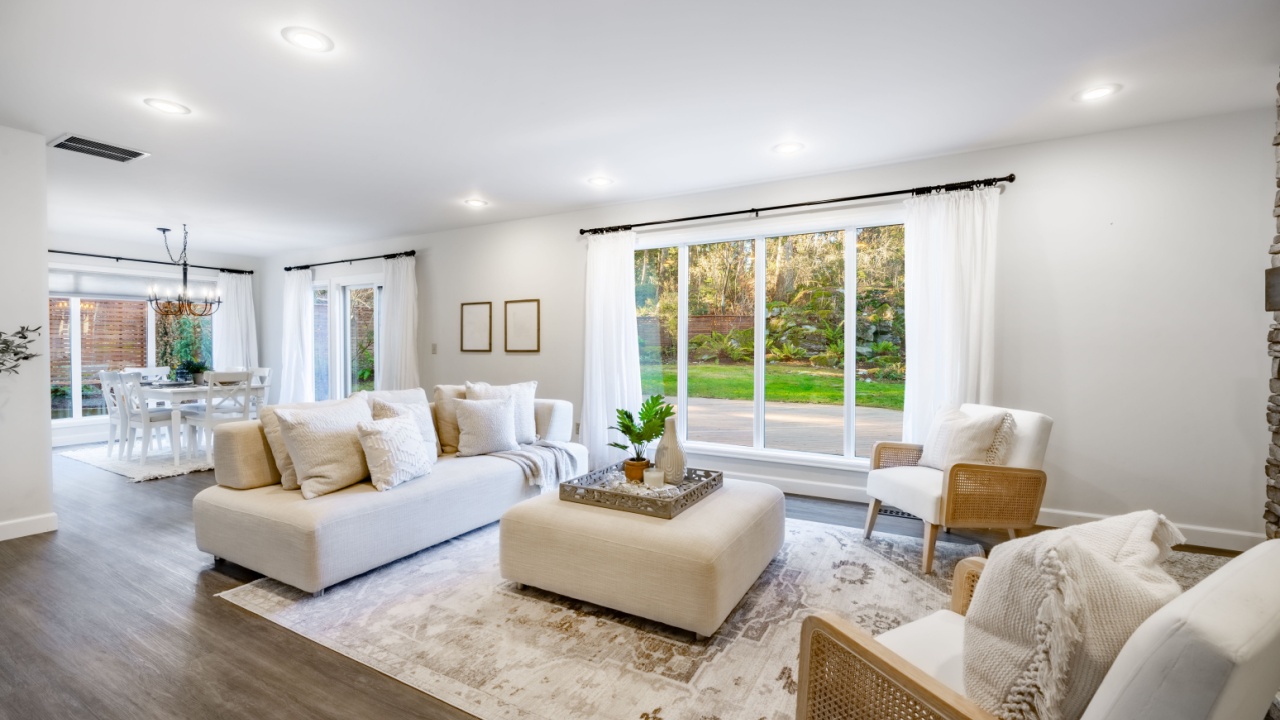
Lighting is key to great interior design. Overhead lights alone can make a room feel harsh and uninviting. Add layers of light to create warmth and highlight areas like a reading nook or artwork.
Quick Tips:
- Use the Triangle Rule: 3 light sources around the room (e.g., floor lamp, table lamp, sconce).
- Swap cool-white bulbs for warm-white (2700K–3000K) for a cozier feel.
- Add uplighting behind plants or in corners for height and drama.
4. Your Rug Is Too Small
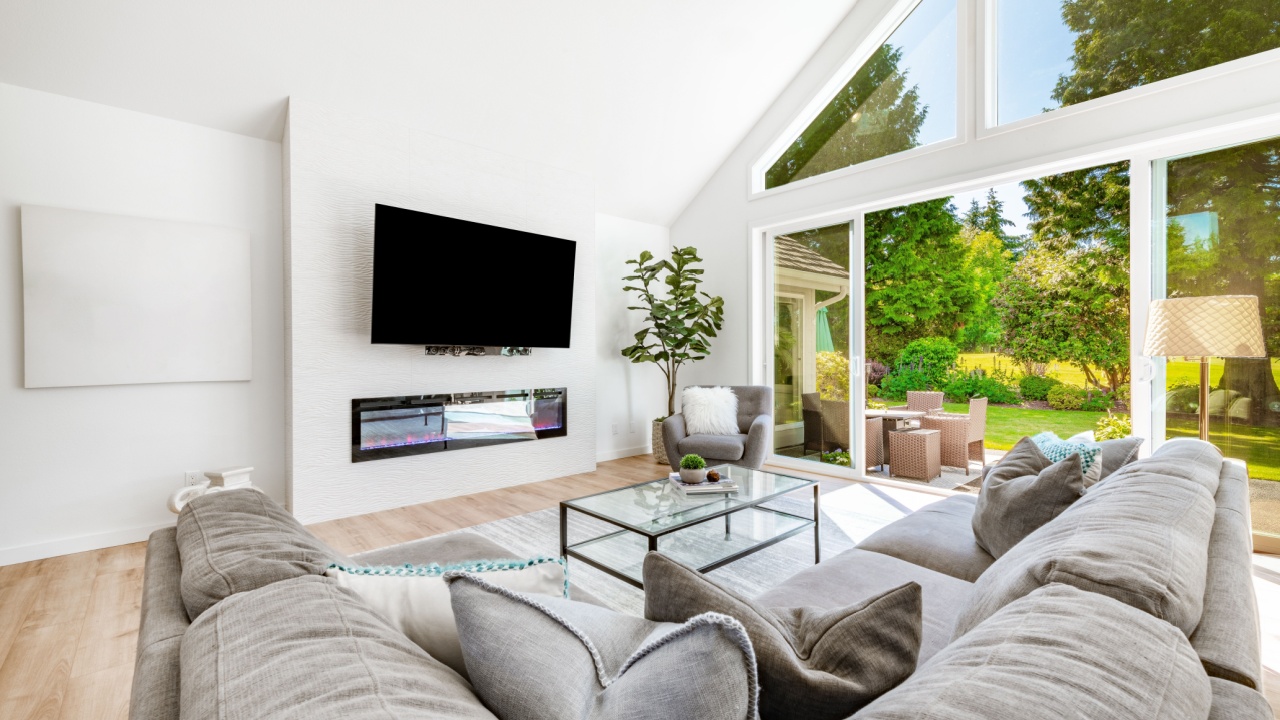
A common mistake is using a rug that’s too small for the space. When your rug floats in the middle of the room, it can make the area feel disjointed. A larger rug anchors the furniture, creating a cohesive and finished look.
Rug Sizing Tips:
- Ensure the front legs of your sofa and chairs are on the rug.
- For most living rooms, opt for an 8×10 or 9×12 rug instead of a smaller 5×8.
- Layer a smaller, more decorative rug over a larger, affordable one (like jute) to add texture and save money.
5. The Room Has No “Life”

Bring nature indoors with biophilic design! Transform sterile or lifeless spaces by incorporating plants, natural materials like wood or stone, and organic shapes that mimic the flow of nature.
Adding greenery brings life and movement to a room and also creates a calming, refreshing atmosphere.
Tips:
- Add a large floor plant like a Monstera for impact.
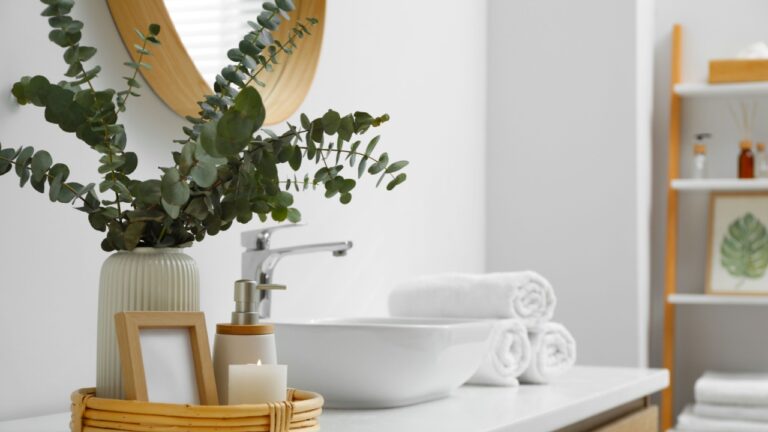
- Use garden branches in tall vases for free drama.
- Try raw wood, stone coasters, or wool blankets for a natural vibe.
Ready for a Refresh?

If you have identified with one (or all) of these signs, don’t worry. Start small. Move your sofa away from the wall today, or head to the nursery this weekend for a statement plant.