
14 Smart Hacks for Slashing Energy Costs
The average household’s energy consumption plays a surprisingly large role in its monthly expenses. Energy costs often rank among the top household expenditures, impacting budgets across the country. While rising energy prices are a concern, a substantial portion of our energy consumption often stems from inefficient habits and outdated appliances. By making small adjustments, you can significantly reduce your energy usage and achieve noticeable savings on your monthly bills.
Energy conservation might seem daunting or even insignificant, but the cumulative effect of small changes can be remarkable. This article aims to dispel common myths about energy conservation and present practical advice that you can easily incorporate into your daily routine. While some tips may seem familiar, others might surprise you with their simplicity and impact.
If you’re ready to take control of your energy consumption and lower your power bill, let’s explore these 14 game-changing tips that can make a real difference.
1. Illuminate With LED Efficiency

Swap out your old incandescent bulbs for modern, energy-efficient LEDs. LEDs consume considerably less energy and also boast a significantly longer lifespan, translating to substantial savings over time.
This seemingly small switch can cut your lighting energy consumption by up to 75%. As an added bonus, LEDs produce less heat, potentially lowering your cooling costs during hotter months.
2. Unplug To Outsmart The “Phantom Load.”

Did you know that many electronic devices continue to draw power even when switched off? Unplugging chargers, appliances, and electronics when not in use eliminates this “phantom load” and can make a surprising dent in your energy consumption.
The Natural Resources Defense Council estimates that this “vampire power” accounts for up to 10% of the average household’s electricity consumption. Unplugging devices can save up to $100 per year.
3. Master Your Thermostat

Adjusting your thermostat settings can work wonders for energy conservation. During winter, try lowering the temperature by a few degrees when you’re away or asleep. In summer, raise it slightly. Consider a programmable thermostat for effortless adjustments that align with your schedule.
The U.S. Department of Energy suggests setting your thermostat to 68°F in winter and 78°F in summer. Even a single degree adjustment can save 1-3% on your heating and cooling costs.
4. Weatherproof Your Home’s Envelope

Seal air leaks around windows, doors, and other openings to banish drafts and enhance insulation. A well-weatherized home significantly reduces the burden on your heating and cooling systems.
Air leaks can increase a home’s energy loss by up to 30%. Weatherstripping, caulking, and insulation can collectively save up to 15% on energy bills.
5. Upgrade To Energy Star Appliances

When it’s time to replace aging appliances, opt for models bearing the Energy Star label. These appliances adhere to stringent energy efficiency standards and promise long-term savings that more than compensate for the initial investment.
Energy Star appliances can slash your energy costs by 10-50% compared to standard models. Look for the Energy Star label when shopping for refrigerators, washing machines, dishwashers, and other appliances.
6. Go Cold For Cleaner Clothes

Heating water consumes the lion’s share of the energy used in laundry. Opt for cold water whenever possible to minimize energy consumption without compromising cleanliness.
Washing clothes in cold water can save a staggering 90% of the energy typically used in laundry. Modern detergents are formulated to work effectively in cold water, so you can embrace this change with confidence.
7. Let Dishes Air-Dry

Instead of relying on your dishwasher’s heated drying cycle, try opening the door after the final rinse and allowing your dishes to air-dry. This simple habit can significantly reduce energy use.
Air-drying dishes can shave off up to 15% of the energy used by a dishwasher. It’s a small change with a tangible impact.
8. Harness Nature’s Shade

Strategically planting trees around your home can create natural shade, reducing the need for air conditioning during the scorching heat of summer.
Trees have the power to lower the temperature around your home by up to 9°F through evapotranspiration. Opt for deciduous trees that shed their leaves in winter, allowing sunlight to passively warm your home during colder months.
9. Maintain Your Appliances

Keep your appliances clean and well-maintained to ensure they operate at peak efficiency. Dirty filters, clogged vents, and worn-out parts can all contribute to increased energy consumption.
Regular maintenance can prolong the lifespan of your appliances and enhance their energy efficiency. Consult your appliance manuals for recommended maintenance schedules and procedures.
10. Shower Smarter, Not Longer
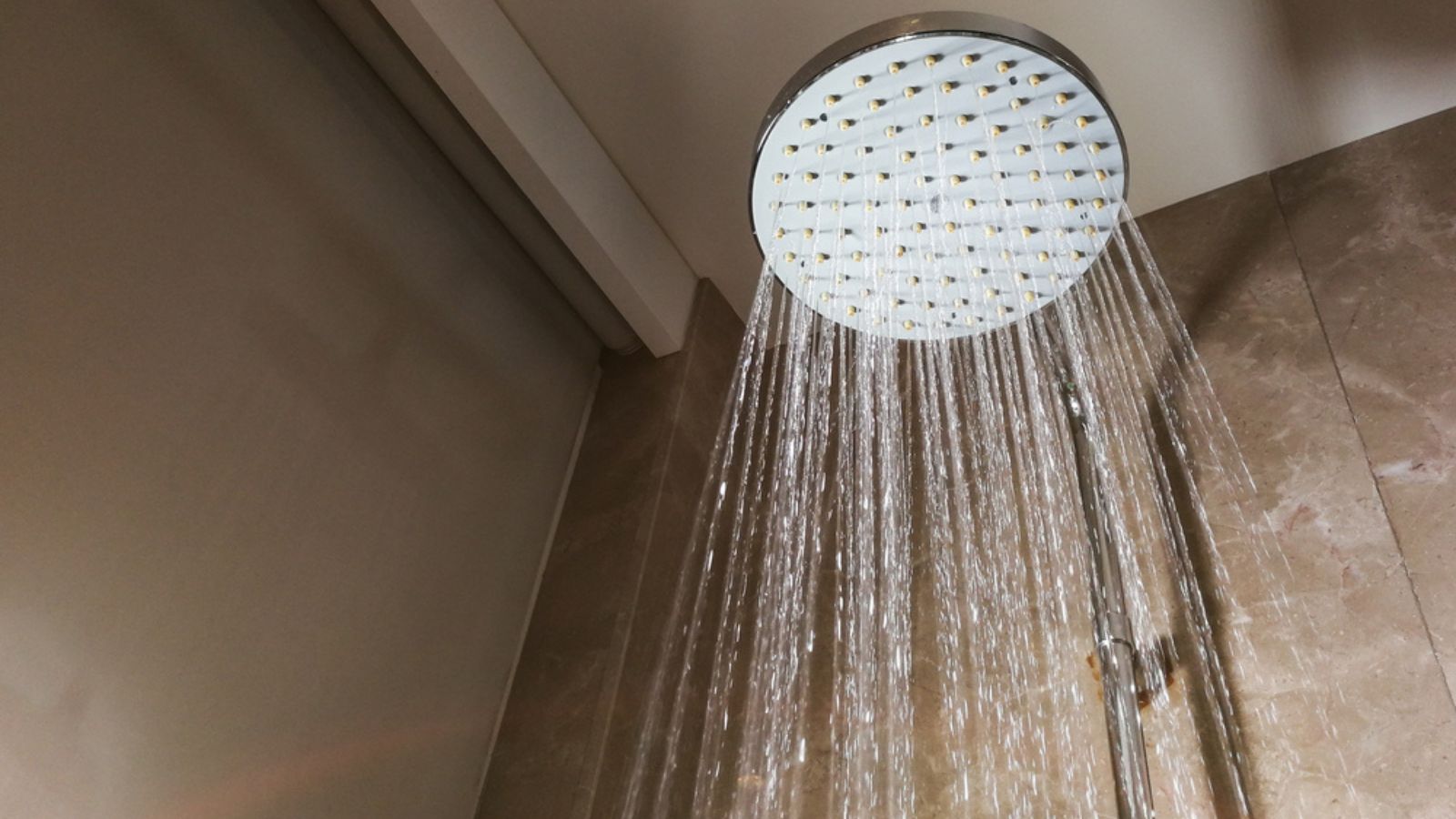
Showers are notorious for consuming water and energy. Aim for shorter showers of 5-10 minutes to conserve both resources.
The average shower uses approximately 2.5 gallons of water per minute. By shaving a few minutes off your shower time, you can save up to 12.5 gallons of water and the energy needed to heat it.
11. Flow With Low-Flow Showerheads

Low-flow showerheads can significantly reduce water and energy usage without compromising your shower experience.
These innovative showerheads can use as little as 1.5 gallons of water per minute, a notable decrease compared to the 2.5 gallons used by standard showerheads. This simple swap can lead to savings of up to 40% on water heating costs.
12. Embrace The Clothesline

Whenever possible, opt for air-drying your clothes on a clothesline instead of using the dryer. This not only conserves energy but also helps extend the lifespan of your garments.
Clothes dryers are energy-intensive appliances. Air-drying your clothes presents a significant opportunity to reduce your energy consumption.
13. Insulate Your Water Heater
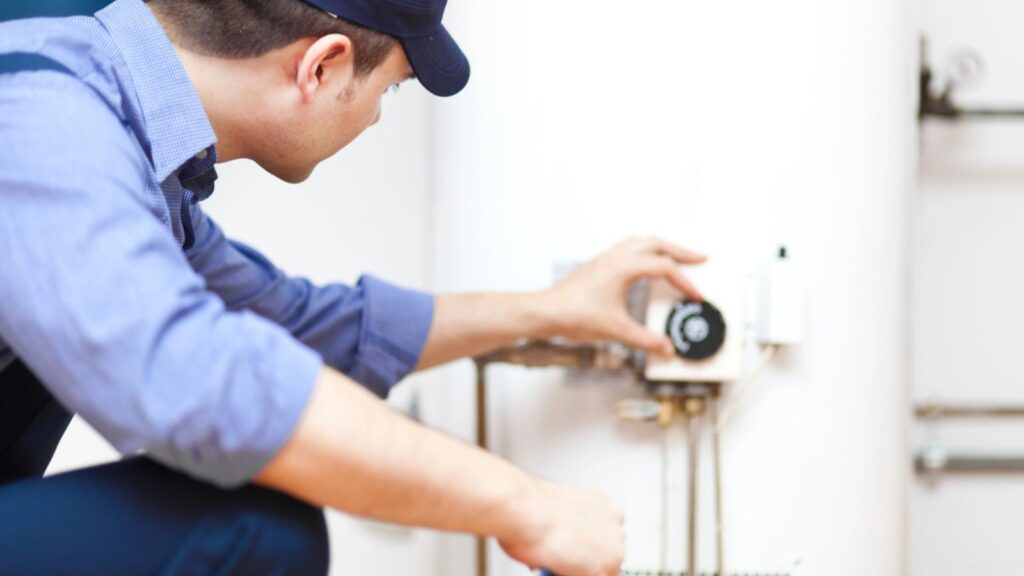
If your water heater feels warm to the touch, it’s likely leaking heat and wasting energy. Insulating your water heater is a cost-effective way to curb heat loss and lower your energy bills.
Insulating your water heater can reduce heat loss by a remarkable 25-45%, translating to potential savings of up to 10% on water heating costs.
14. Prioritize Air Filter Maintenance
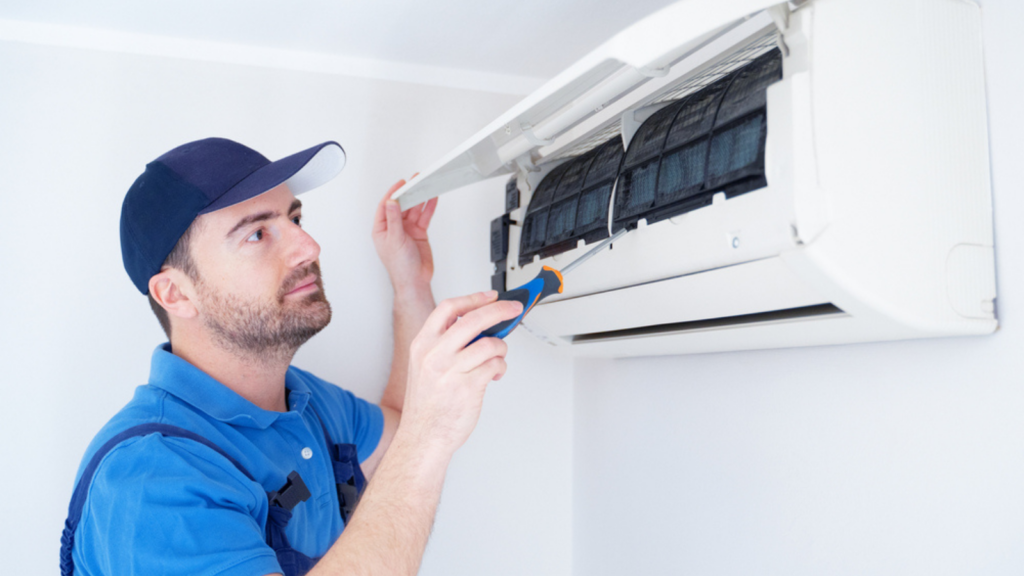
Dirty air filters impede airflow and force your HVAC system to work harder, ultimately increasing energy consumption. Regularly cleaning or replacing air filters ensures optimal performance.
The U.S. Department of Energy suggests changing air filters every three months or as recommended by the manufacturer. Clean filters can boost energy efficiency by 5-15%.