9 Smart Hacks for Keeping Bone-Chilling Drafts to a Minimum
There’s nothing worse than feeling that sneaky chill creeping under the door, even when everything’s shut tight. Besides making you shiver, that unwelcome draft is your hard-earned cash escaping as heated (or cooled) air slips right out of your home.
In fact, the U.S. Department of Energy says drafts can be responsible for up to 30% of your home’s energy loss.
Luckily, you don’t need a contractor or a fat wallet to fight back. We’ve got 9 clever hacks to seal those gaps and keep the cozy in.
1. Use a Classic Draft Stopper
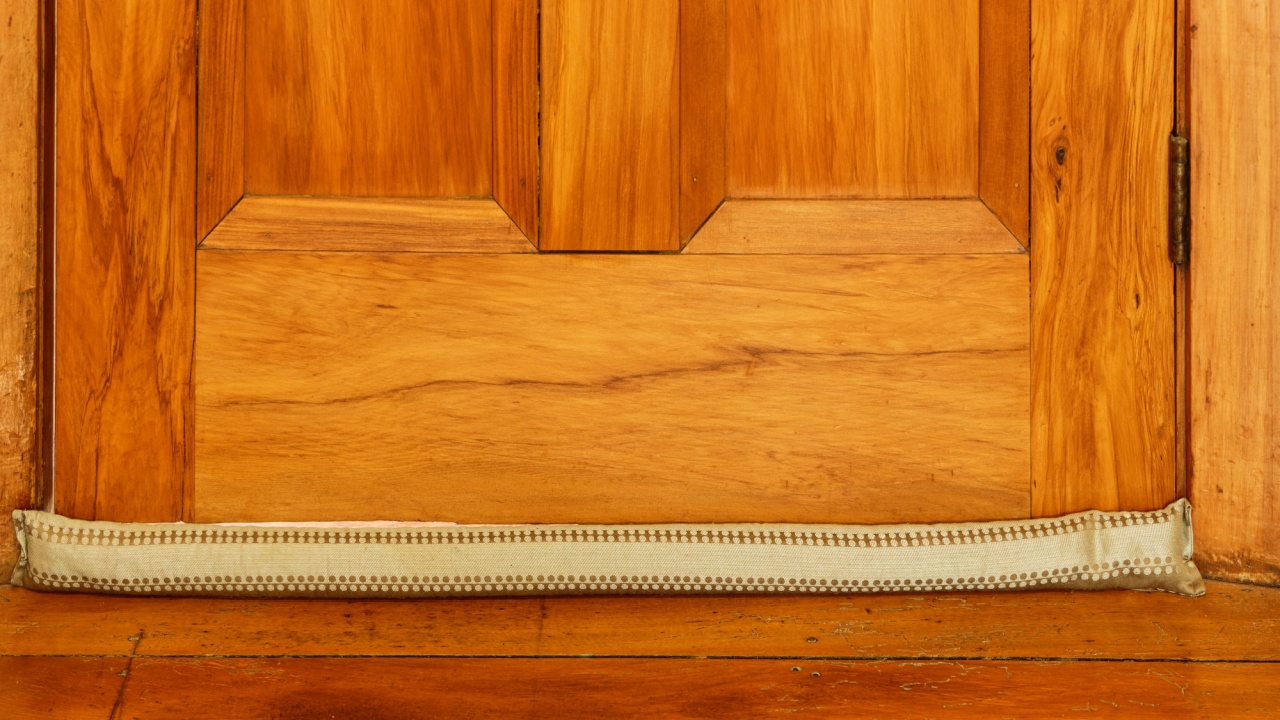
The most traditional solution is often the most effective. A simple fabric draft stopper, also known as a “door snake,” is a weighted tube that you place at the bottom of your door to block the gap.
You can buy these at most home goods stores, but making your own is a fun, customizable, and budget-friendly project. They’re also great for blocking noise and light.
How to make it work for you:
- Use a durable, heavy fabric like denim, corduroy, or canvas. You can upcycle old jeans or blankets to make it eco-friendly.
- For weight, use uncooked rice, dried beans, or sand. Mix it with pillow stuffing or fabric scraps to give the stopper some bulk.
- Since these sit on the floor, they can get dirty. Use a washable fabric and spot-clean as needed.
2. Install a Door Sweep
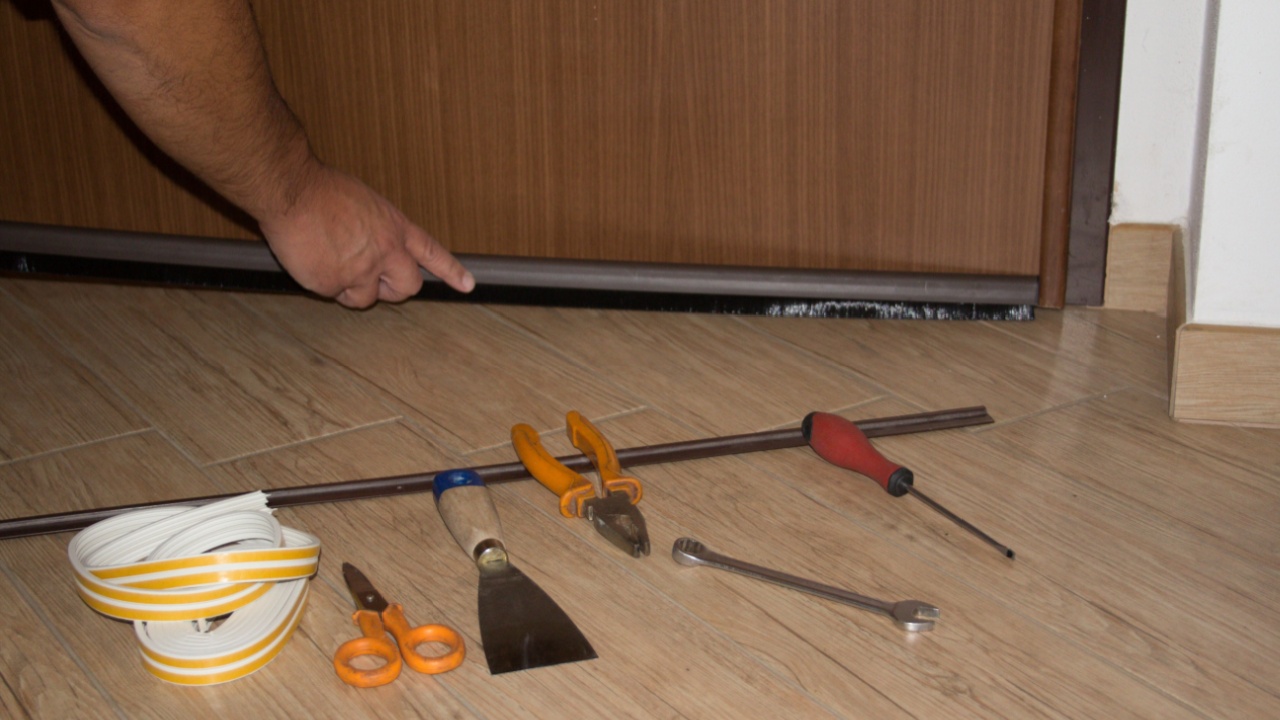
For a more permanent and “set-it-and-forget-it” solution, a door sweep is an excellent choice. This is a long strip of plastic, aluminum, or stainless steel fitted with a brush or a flexible vinyl flap that attaches to the bottom of your door. It creates a seal against the threshold, effectively blocking drafts, dust, and even insects.
How to make it work for you:
- Types: Choose stick-on or screw-on sweeps; “U-shaped” models seal both sides.
- Installation: Measure, cut to size, and attach to the door bottom.
- Maintenance: Check seasonally and replace worn seals as needed.
3. Apply Weatherstripping

Weatherstripping is a fantastic way to seal gaps around the entire door frame, not just the bottom. It comes in various materials, including foam, rubber, and felt, and is typically sold in rolls with a self-adhesive backing. By compressing when the door is closed, it forms a tight seal that prevents air from leaking in or out.
How to make it work for you:
- Choose Your Type: Foam tape is cheap and easy, V-strip is durable, and rubber/vinyl gaskets work best for high-traffic areas.
- Install: Clean the frame, cut to size, and press into place.
- Test: Close the door and check for gaps. Aim for a snug seal.
4. Try a Double-Sided Draft Blocker

A double-sided draft blocker is an ingenious solution that seals the gap on both the inside and outside of your door simultaneously. It typically consists of two foam tubes connected by a fabric sleeve that slides under the door. This design moves with the door, so you never have to worry about kicking it back into place.
How to make it work for you:
- DIY: Use two foam pool noodles and a fabric sleeve. Cut the noodles to fit your door, insert them into the sleeve, and slide them under the door.
- Fit: This works best on smooth floors like hardwood or tile, as it can snag on carpets. Ensure the foam tubes fit snugly against the door.
- Benefits: A great option for high-traffic doors since it stays in place.
5. Get Crafty with a Sock Snake

Don’t know what to do with all your mismatched socks? Turn them into a whimsical and functional draft stopper! This is a fun, no-cost project that repurposes items you already have. Simply stuff old socks and sew them together end-to-end to create a long “snake.”
How to make it work for you:
- Construction: Stuff mismatched socks with old fabric or pillow stuffing, then sew them together end-to-end.
- Personalize It: Add button eyes and a felt tongue for a fun look, a great project for kids!
- Weight: For a heavier stopper, add small bags of rice or beans inside the socks.
6. Adjust Your Door Threshold
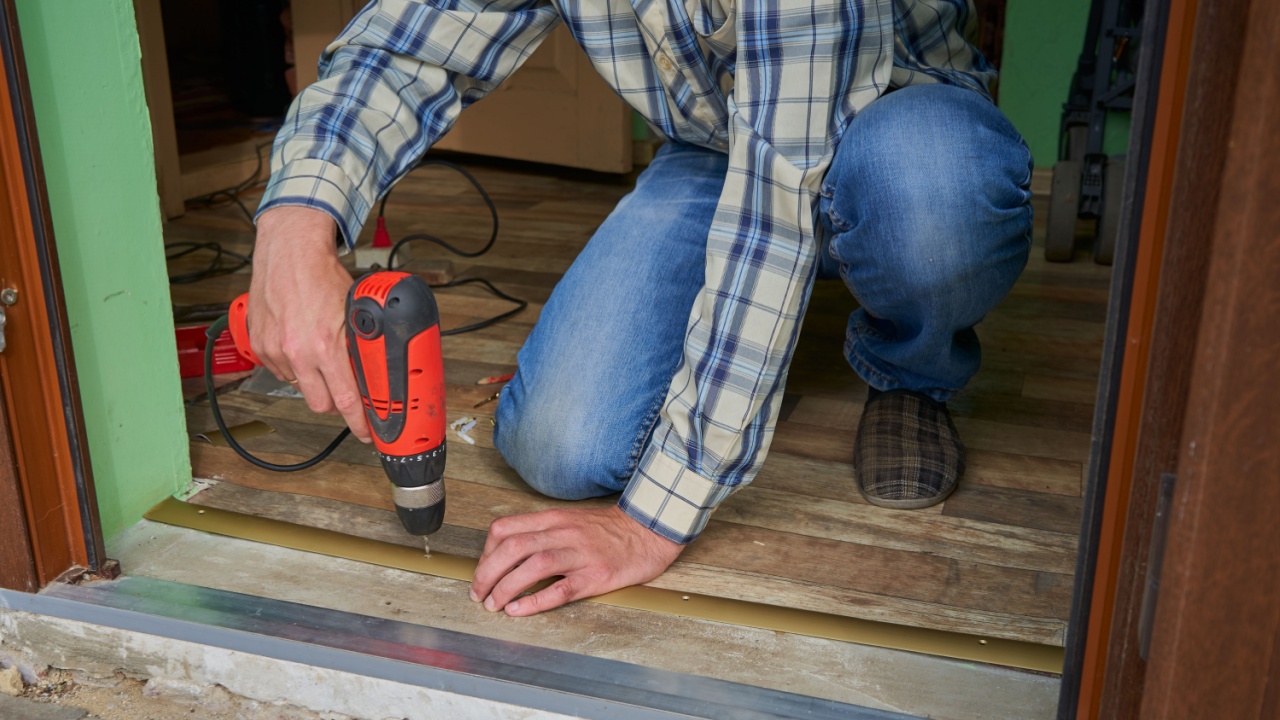
Sometimes the problem isn’t the door itself but the threshold it’s supposed to seal against. Many modern doors have an adjustable threshold with screws that allow you to raise or lower it. If you can see daylight under your door, the threshold might be too low.
How to make it work for you:
- Inspect: Locate the screws on the threshold (3–4 along its length).
- Adjust: Turn screws counter-clockwise to raise or clockwise to lower. Align until the weatherstripping lightly touches the threshold.
- Avoid Overdoing: Ensure a proper seal without making the door hard to open or causing wear.
7. Use an Interior Door Bottom Seal
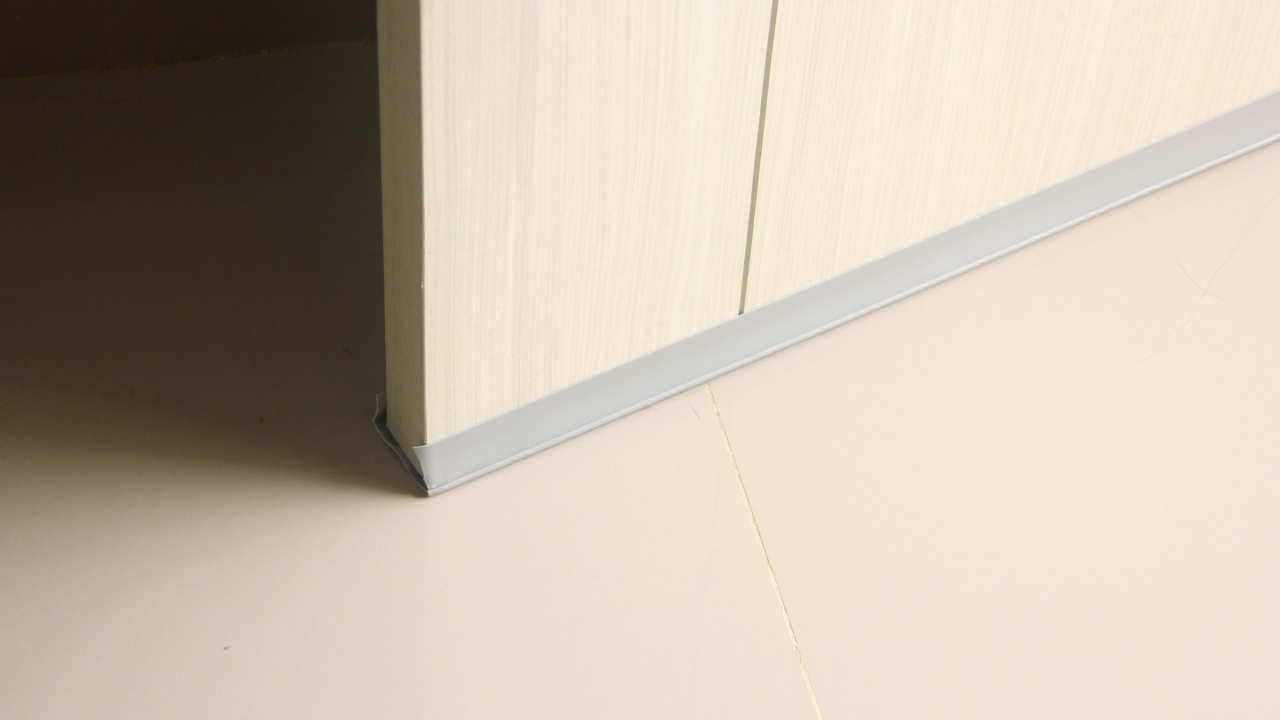
Similar to a door sweep but designed for interior doors, these seals are often softer and more aesthetically pleasing. They typically feature a self-adhesive strip that attaches directly to the bottom of the door. They’re great for reducing drafts between rooms, such as from an unfinished basement or a garage.
Make it work for you:
- Purpose: Isolate rooms by temperature or reduce noise, great for offices or bedrooms.
- Installation: Peel and stick on a clean, dry door surface.
- Material: Flexible silicone seals well without scratching floors.
8. Hang Heavy Curtains

For doors with large glass panels or sidelights, a significant amount of cold can radiate through the glass, creating a drafty feeling. A simple and elegant solution is to hang thick, insulated curtains over the door.
How to make it work for you:
- Fabric: Choose thermal or blackout curtains for the best insulation.
- Installation: Use a curtain rod that’s wider than the door frame.
- Effectiveness: Ensure the curtains are long enough to touch the floor to seal out drafts.
9. Caulk and Seal the Door Frame
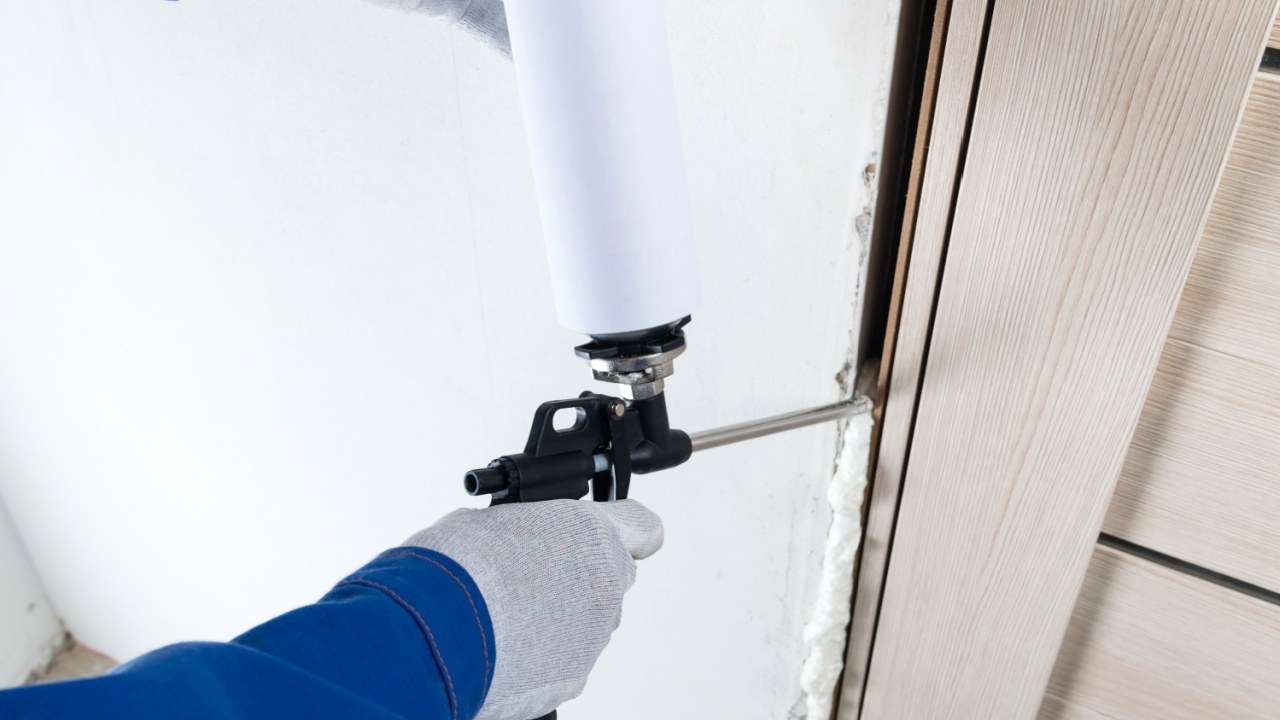
Drafts don’t just come from under the door; they can also seep through cracks between the door frame and the wall. Over time, houses settle, and the original seals can break down. Applying a fresh line of caulk is a simple, inexpensive way to seal these air leaks for good.
How to make it work for you:
- Find the leaks: Move a lit incense stick around the door frame. Flickering smoke means you’ve found a leak.
- Apply caulk: Use high-quality indoor/outdoor caulk. Apply a steady bead into the gap and smooth it with a wet finger.
- Key spots: Focus on the corners where the frame meets the floor and where molding pieces join.
Stay Warm and Save Money
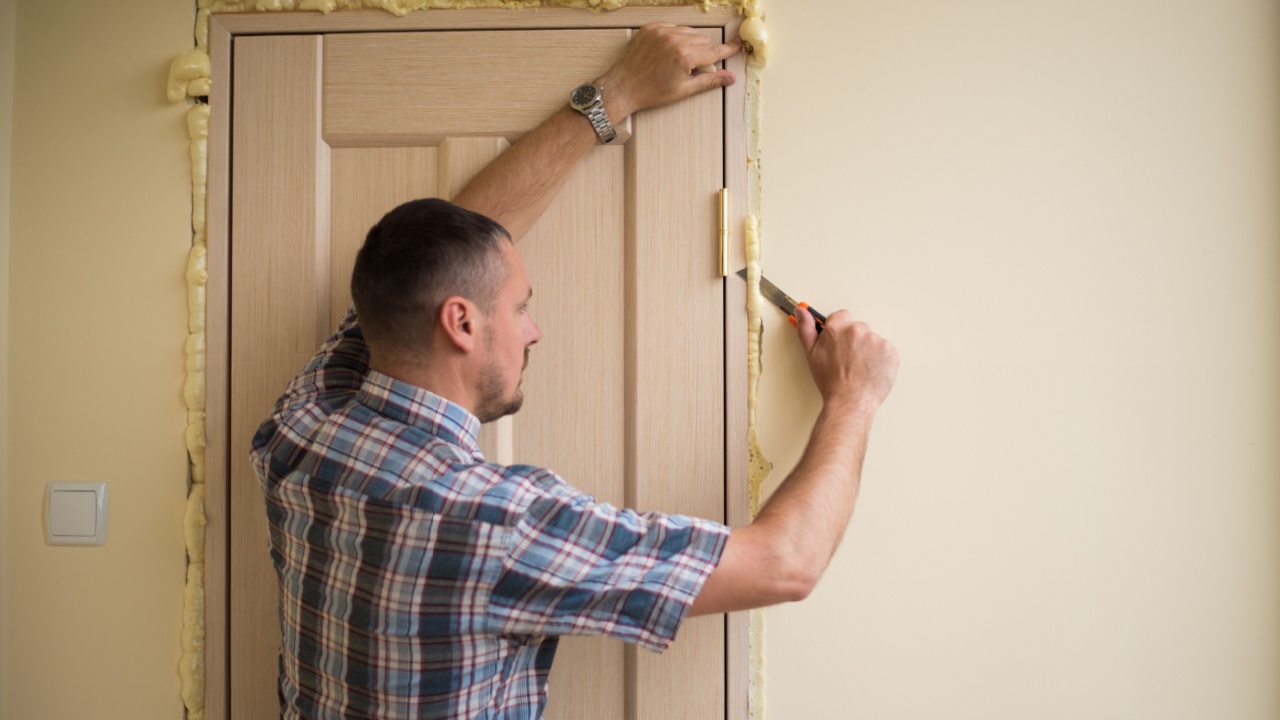
With these hacks in your arsenal, you’re ready to declare victory over drafts. Start with the easiest solution for your home, and you’ll be on your way to a more comfortable and energy-efficient space in no time.