Ditch the Screens Kids Gift Guide: 16 Engaging Options to Love
How much time do your kids spend on screens? As children spend increasing hours on smartphones, tablets, and TVs, emerging studies highlight real concerns for their development and well-being.
Research shows that youths aged 12 to 17 who log four or more hours daily on non-school screens are significantly more likely to have disrupted sleep patterns, higher anxiety levels, and lower overall physical activity than those who use screens less. Among younger children, just two hours of daily screen time, especially when started before the age of one, has been associated with language delays and shorter attention spans.
Faced with this evidence, parents and caregivers are increasingly eager to find meaningful alternatives: hands-on, imaginative, and screen-free. Gifts that invite creativity, movement, building, or problem‐solving help children shift away from passive consumption and toward active engagement.
This Christmas, get them a screen-free gift. Here are 16 thoughtful ideas designed to spark connection and curiosity without relying on glowing screens.
This post contains affiliate links. As an Amazon Associate, I earn from qualifying purchases. This means I may earn a small commission if you purchase through my links at no extra cost to you.
1. Hugimals
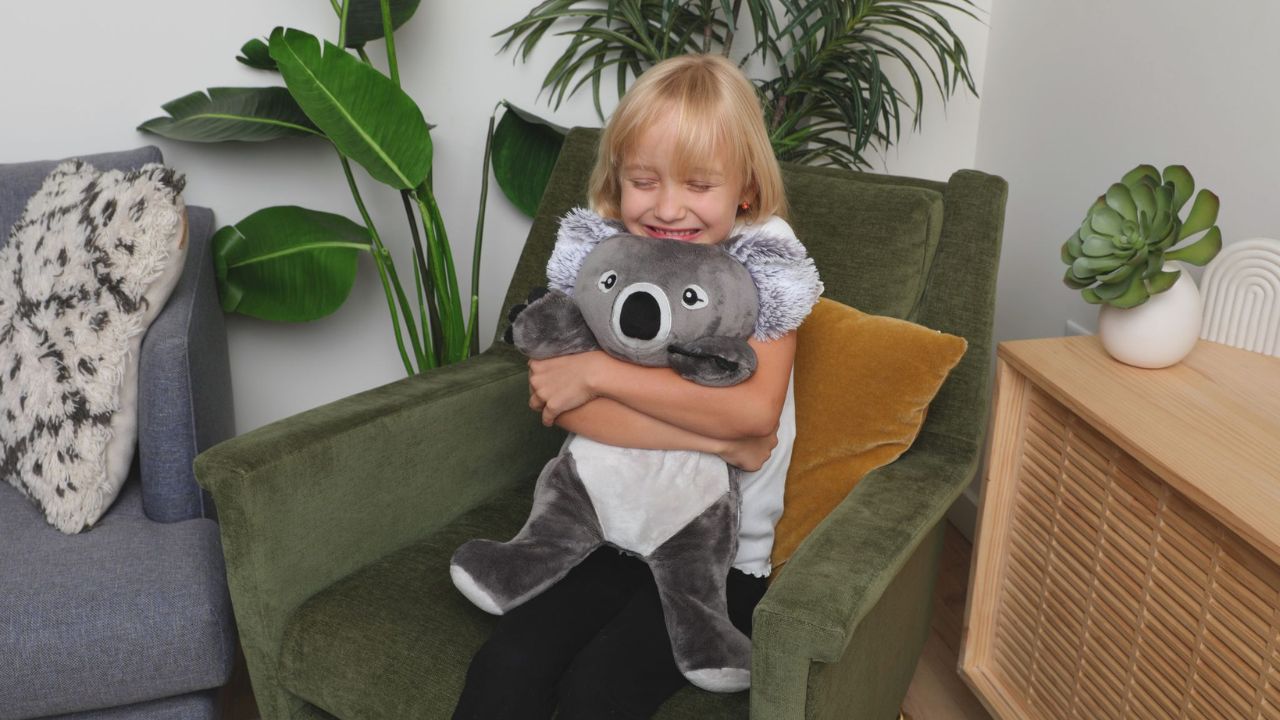
Hugimals are a line of weighted plushies that offer comforting pressure to ease anxiety, restlessness, or overactive energy. The 4.5 lb Huggable animal allows children to feel the physical sense of being held, which provides reassurance and grounding during times when they may feel unsettled. It comes in adorable options too, like a Koala bear, panda, sloth, pig, and many more, offering a calming presence that children can use during quiet moments, reading sessions, or bedtime routines. As an adult, I’d love one of these too!
Beyond its physical benefits, Hugimals encourages children to create a personal connection to an object that supports their emotional needs. By incorporating the weighted animal into daily routines, children can establish consistent moments of calm, while caregivers appreciate a product that enhances well-being without requiring screens or electronic engagement. The plush material and durable construction make Hugimals a long-lasting companion that children can rely on throughout various stages of childhood.
2. Kinetic Sand Pizza Fun
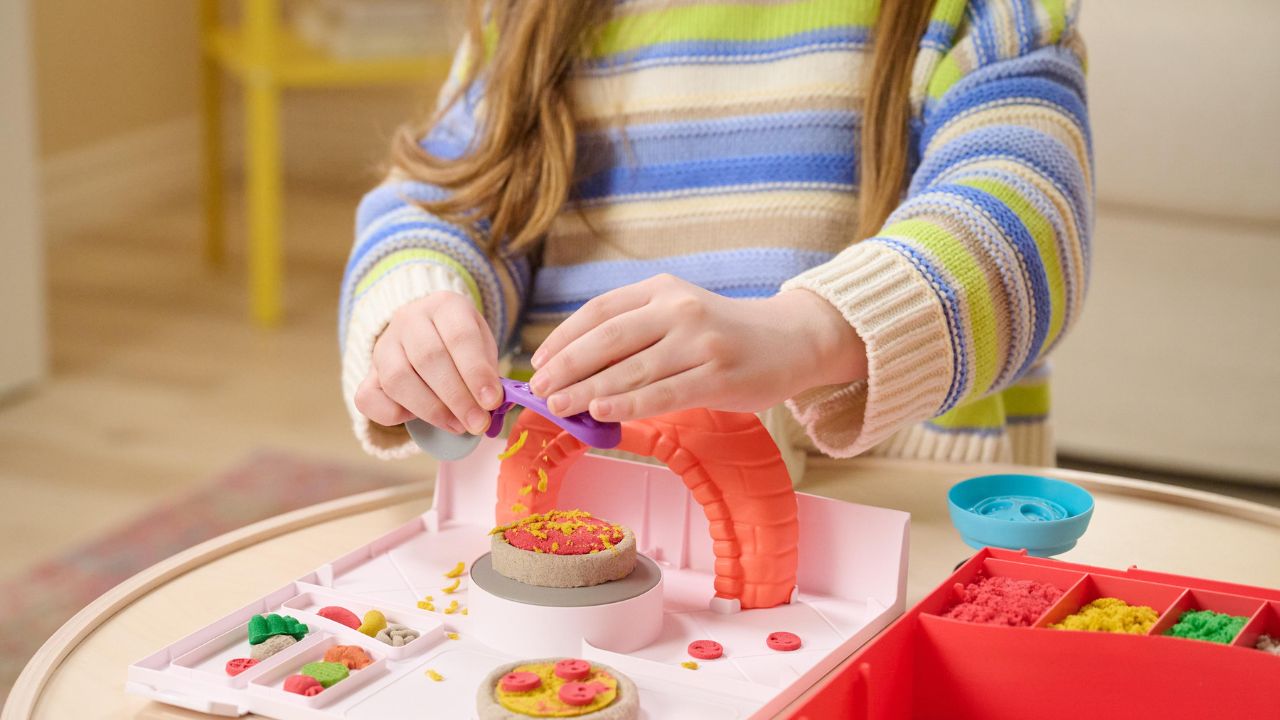
Kinetic Sand Pizza Fun brings tactile creativity to life by allowing children to mold, shape, and design their own pizza creations. The set includes 1 lb of Kinetic Sand, a storage case, moldable foam, a cutter, a server, two stampers with a handle, a mini oven mold, and an instruction sheet. The sand itself is soft, pliable, and vibrantly colored, which encourages experimentation and exploration of textures and forms. This hands-on activity supports fine motor skills, hand-eye coordination, and concentration.
It offers children an engaging way to focus their attention while developing dexterity and precision through playful creation. The playset also supports collaborative storytelling and social interaction. Children can pretend to run pizza shops, serve friends or family, and create narratives that extend beyond the physical activity. These interactions promote communication skills and imaginative thinking as children negotiate shared play scenarios. The set is portable and easy to store; it offers repeated opportunities for hands-on engagement in a variety of settings.
3. Children Are Humans Cards

Children Are Humans Cards provide a structured yet flexible way for families to connect through conversation and interactive play. Each set contains 140 cards that prompt questions and activities in multiple languages (if chosen), encouraging children to express themselves while exploring perspectives across generations. They provide children with a safe space to consider ideas, experiences, and feelings without the distraction of screens.
Their portable design allows children to engage with the game in living rooms, cars, or waiting areas. You will no longer be answering a hundred, “Are we there yet?” They transform ordinary moments into opportunities for connection and creativity. By framing interaction as exploration rather than competition, the cards encourage children to practice listening, expressing opinions, and collaborating with others. It’s a fun way to strengthen relationships while promoting attentive, reflective play that can be revisited repeatedly throughout the year.
4. Book Buddy
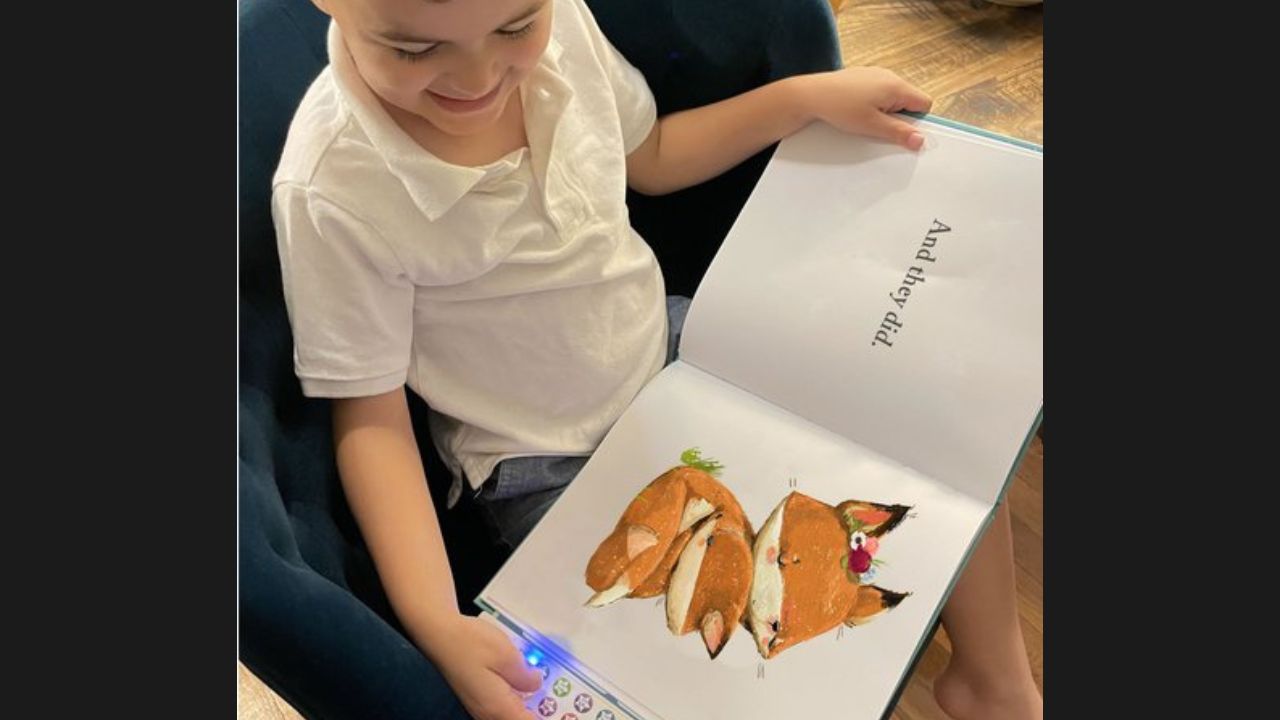
The Recordable Book Buddy transforms storytime into a screen-free, personal experience by allowing children to hear the voices of loved ones while following along with their favorite picture books. Children attach the small device to a book, listen to recordings of parents, grandparents, or caregivers reading aloud, and interact with the story page by page.
This combination of auditory and tactile engagement helps strengthen literacy skills, attention span, and comprehension. The device encourages ownership over reading, allowing children to revisit stories independently while maintaining a sense of connection to family members. It continues closeness even when distance separates them from loved ones. Children wind down, explore books at their own pace, and enjoy the sensory experience of reading without digital devices.
5. Laugh with Life Animal Joke Puzzle

Jokes and puzzles in one? Yes, please!
The Laugh with Life Animal Joke Puzzle provides children with a playful, multi-layered experience that combines humor, problem-solving, and hands-on engagement. Each puzzle includes seventy-two large pieces, featuring illustrations and jokes that children can read aloud and discover as they assemble the image. The combination of visual, tactile, and cognitive activity promotes focus, dexterity, and critical thinking.
Completing the puzzle requires attention to detail and collaboration. The puzzle encourages children to practice reading comprehension, memory, and sequencing. The jokes printed on each piece invite children to decode and understand punchlines, reinforcing literacy and language skills in an entertaining way. You will bring up babies who understand jokes the first time. Because the design is intended for repeated use and intergenerational play, families can revisit the puzzle multiple times.
Want more jokes? They also have a few other versions, including a holiday one!
6. Happy Duo Family Dates
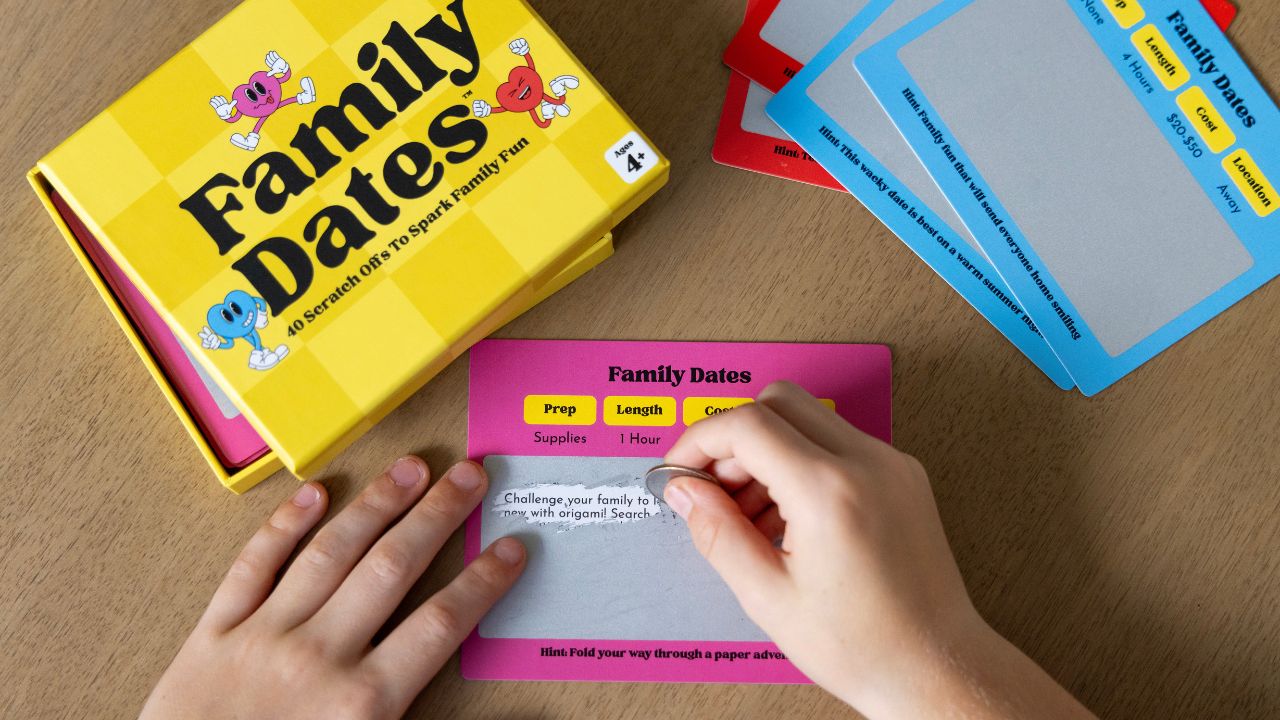
Happy Duo Family Dates introduces children and parents to meaningful shared experiences without relying on screens. The set includes forty scratch-off cards with activities and prompts designed to foster connection, communication, and creativity within the family unit. By providing structured yet playful options for interaction, the cards generate spontaneous conversations, laughter, and teamwork. It’s a tangible alternative to digital entertainment.
The cards also give children a chance to practice planning, decision-making, and cooperative engagement. Each activity encourages attentiveness, collaboration, and curiosity. The cards are an enduring resource for quality family interaction and hands-on play.
7. Adventure Trek Board Game
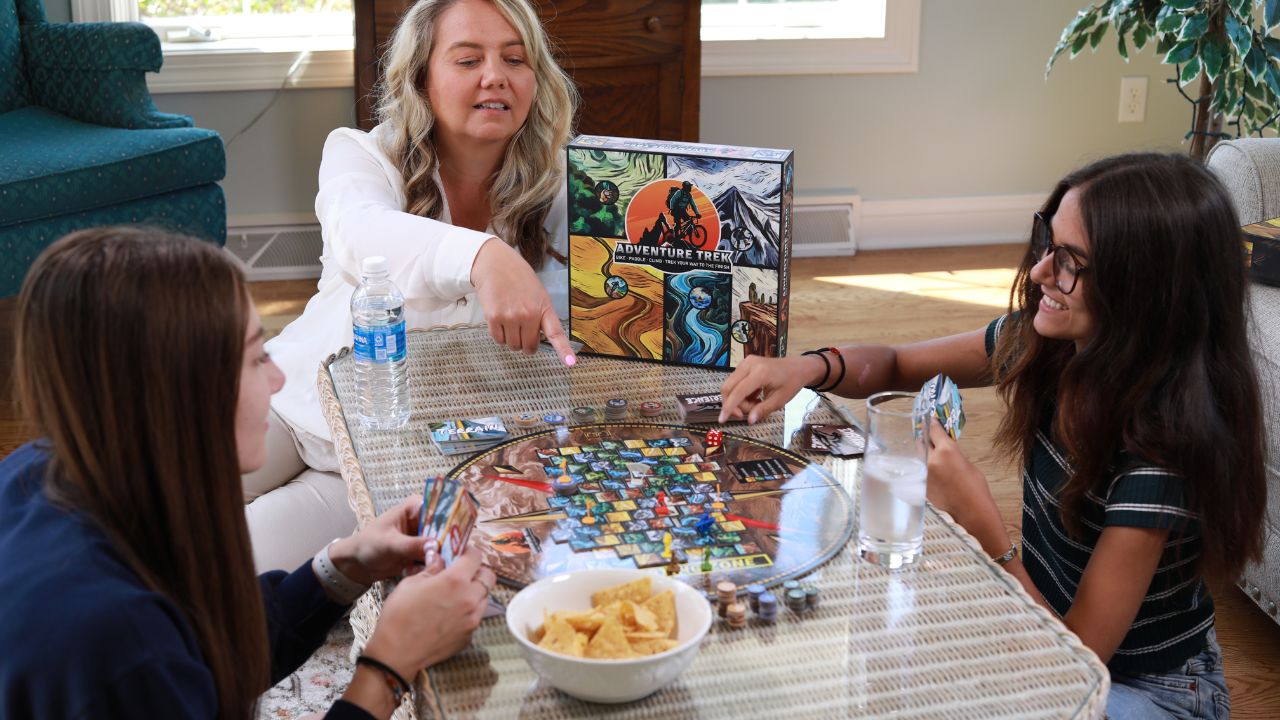
Get in adventure mode even when the weather isn’t cooperating.
Adventure Trek is a strategy board game that immerses children in biking, paddling, trekking, and climbing challenges while strengthening their planning skills. Each turn requires consideration of multiple options and consequences. This helps with cognitive flexibility, decision-making, and anticipation. The game involves multiple participants, so children navigate cooperation, negotiation, and strategy.
It helps kids develop interpersonal reasoning and logical thinking, which is necessary for today’s generation that may not know if eggs are planted or not. Ages 6–12 can engage fully with the layered game mechanics and imaginative scenarios.
9. BaKIT Box
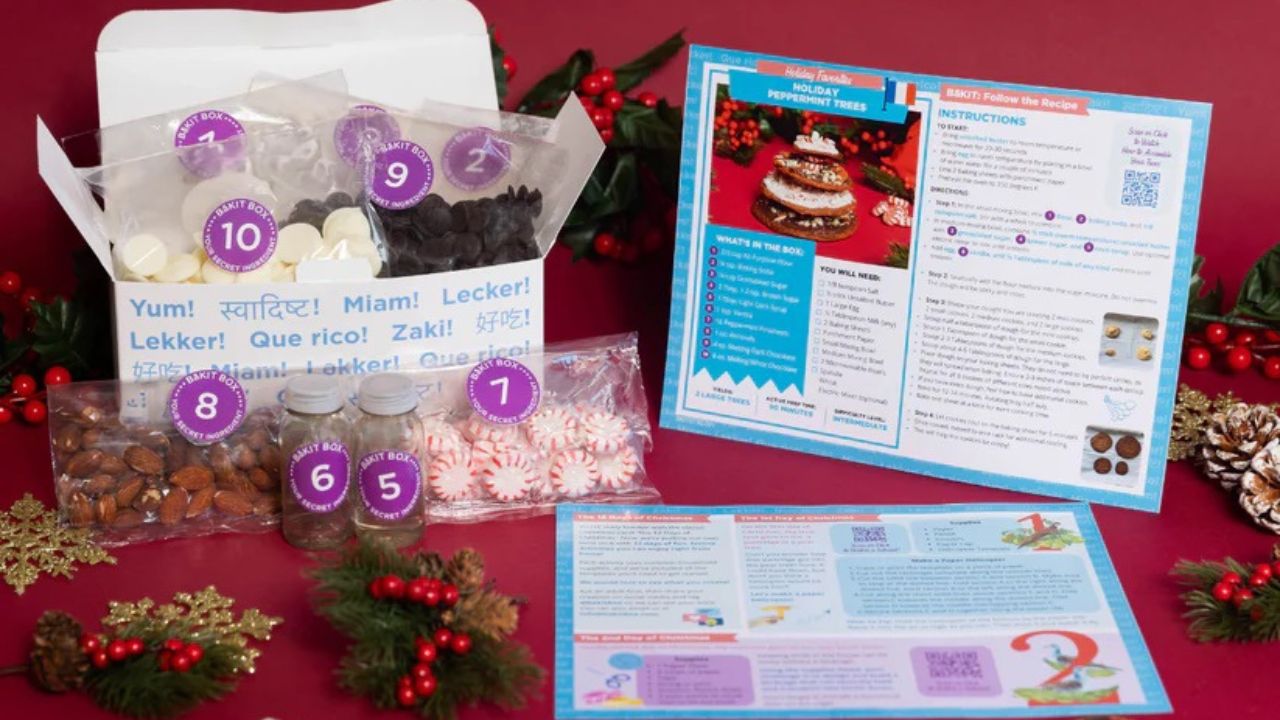
This is a personal favorite of my girls, since they love experimenting in the kitchen.
BaKIT Box blends hands-on baking with STEM principles, providing children with the opportunity to explore science, math, and creativity in a culinary context. Each activity kit includes pre-measured ingredients, step-by-step instructions, and supplementary materials that connect baking with learning concepts. Ages 6–12 can follow instructions independently while applying creative ways to solve simple problems or decorate recipes.
Having kids in the kitchen is excellent for developing fine motor skills, measurement precision, and process-oriented thinking while preparing recipes. The combination of culinary skills with hands-on experimentation encourages curiosity and persistence in a way that engages multiple senses simultaneously. The kids will also learn some recipe traditions and even scientific experiments in the process.
Pick one or ten of your favorite recipes. Their current best sellers are Peppermin Cookie Trees and Ginger Snap Cookies. Yum!
10. Re-FUN-able Coloring Sets
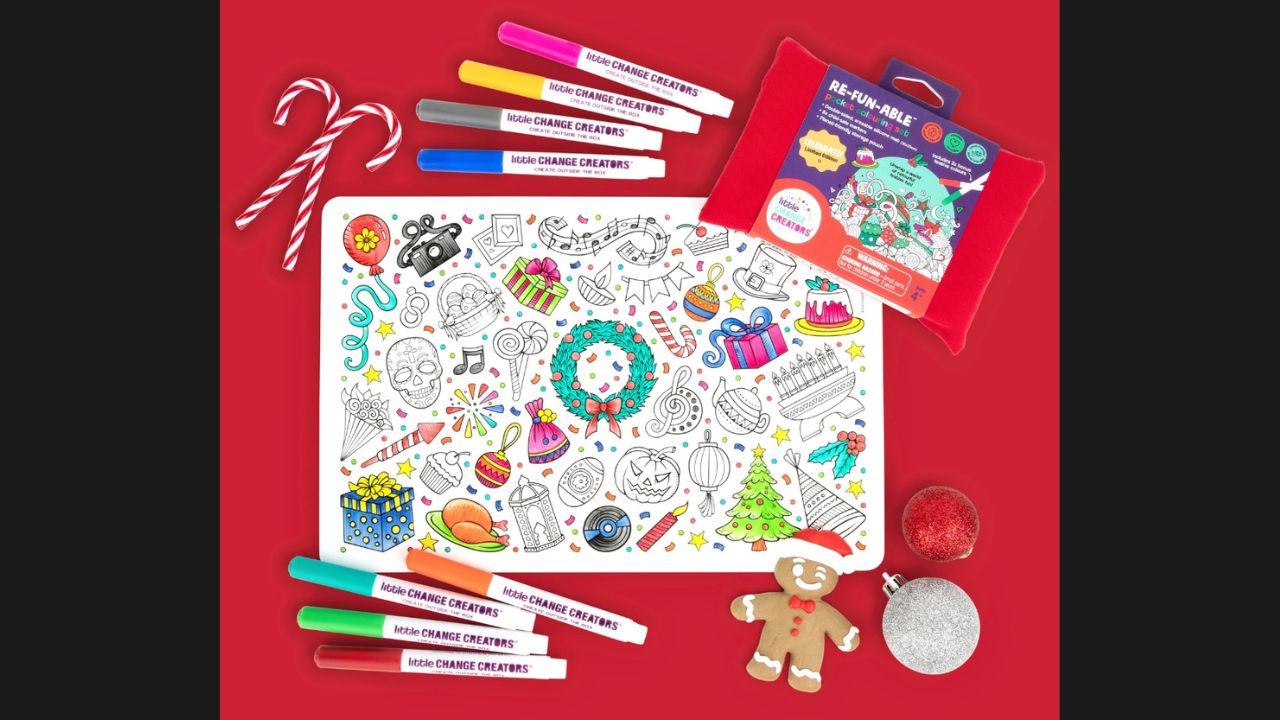
Now THESE are so cool…
Developed by a Mom who could not find a creative game to hold her kids’ attention, Re-FUN-able Coloring Sets provide a reusable, hands-on platform for creative expression. It eliminates waste and promotes sustained engagement. The durable silicone sheets can be wiped clean and used repeatedly. This allows children to explore drawing, painting, and other artistic techniques without screens (or growing paper piles).
They have 13 different themes in their large sets and 6 themes in their pocket sets, so there are designs to cater to all kids’ interests. Children aged 4–10 can adapt activities to suit their skill level and interests. The format encourages precision, coordination, and experimentation as children plan and execute their designs. Anything that requires children to use their imagination is a rich alternative to digital entertainment.
11. Affirmation Cards for Kids

Affirmation Cards for Kids offer prompts that support self-expression, mindfulness, and reflective thinking. Each card provides a tactile and visually engaging way for children to consider emotions, gratitude, and personal intentions. Using the cards develops emotional literacy, attention, and verbal articulation while assisting them to have a sense of routine and intentional focus. Get it for kids aged 5–10. They will benefit from the approachable prompts that introduce abstract concepts in concrete ways.
The cards can be incorporated into daily rituals, quiet time, or group discussion, providing opportunities for repetition and skill-building without screens. Children engage with concepts such as resilience, empathy, and positivity in a hands-on format that supports both cognitive and emotional development
12. The Big Set by Superspace
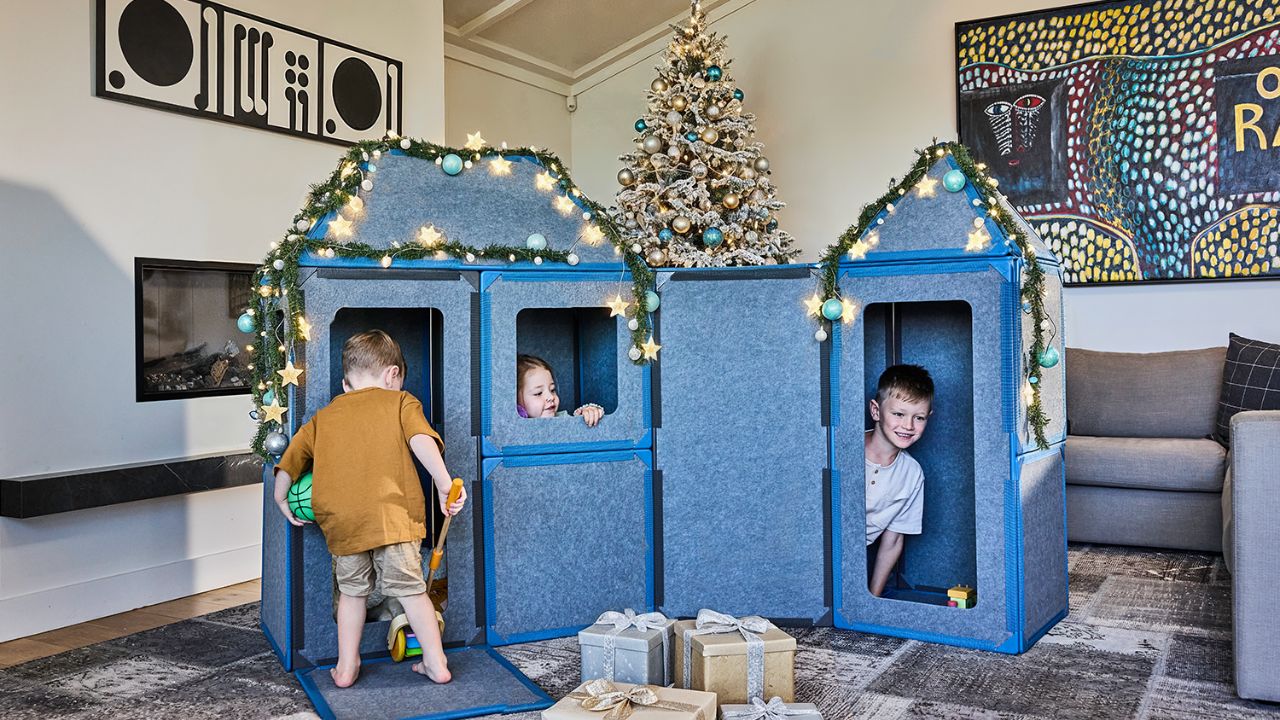
Ready to bring out the big guns? This set will supercharge imaginative play in a whole new way.
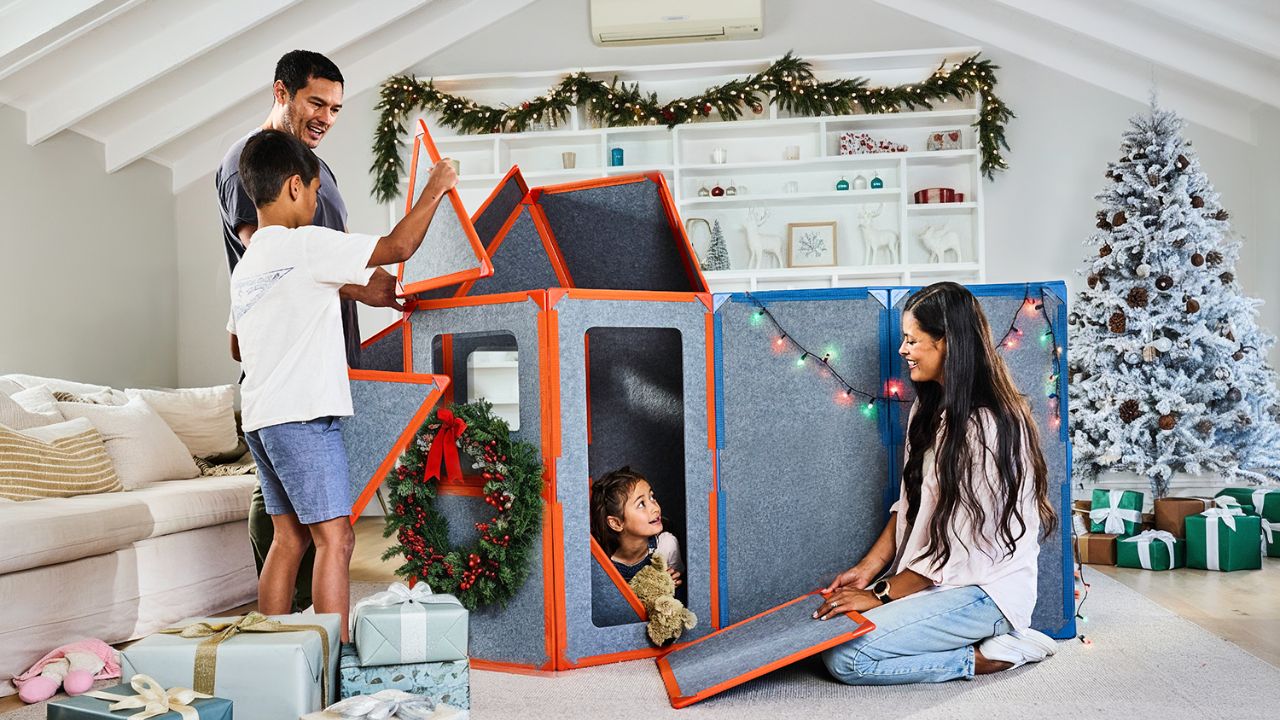
The Big Set from Superspace consists of ecofelt tiles with strong magnets that allow children to build imaginative structures from castles to rockets. The pieces are designed to be safe, durable, and versatile, supporting a variety of building projects limited only by imagination. Children grow as they experiment with shapes, configurations, and structural integrity.
The tactile and magnetic nature of the set keeps children engaged for extended periods. With many children’s attention span lost to 10-second videos, a game that helps bring it back is a welcome blessing. Multiple children can build together, negotiating ideas, combining designs, and learning to share space and resources. It’s appropriate for kids aged 5–12 to explore a wide range of building scenarios. It supports STEAM-based learning concepts, including geometry, physics, and engineering, in an experiential and playful format.
13. Dearist Writing Kit
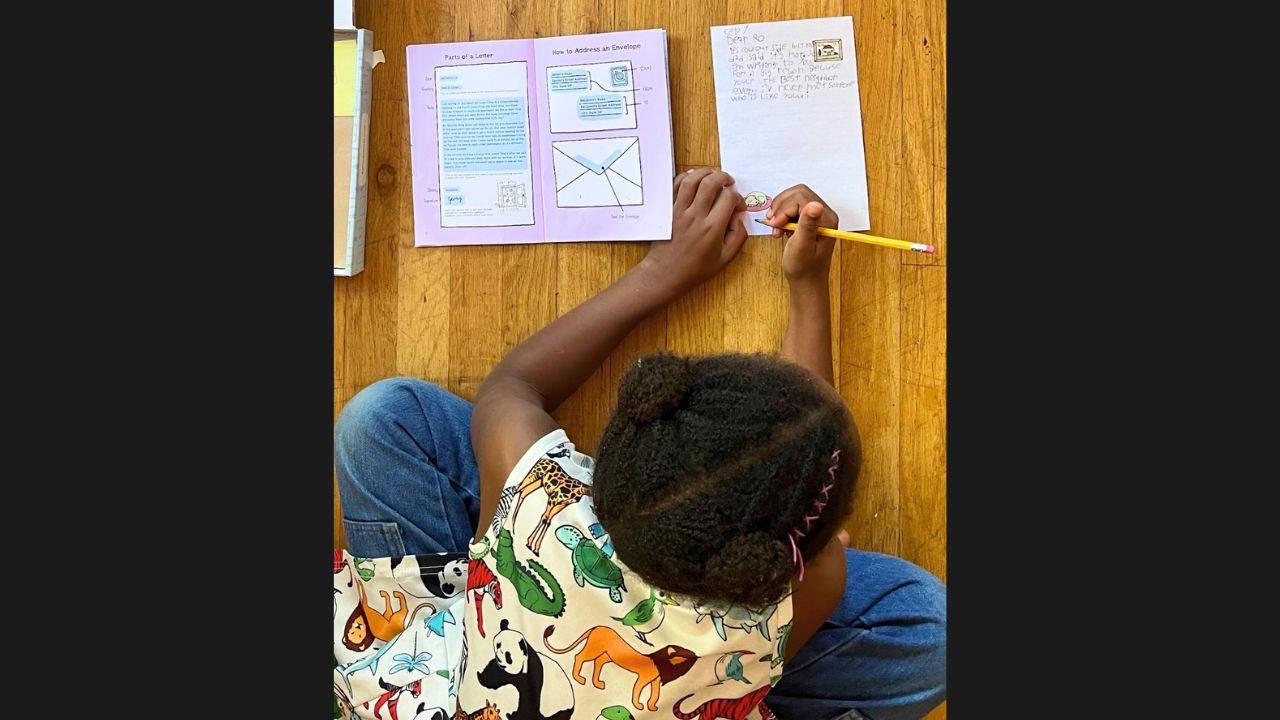
The Dearist Writing Kit provides stationery, prompts, and instructions that guide children in composing and sending real letters. The process enhances literacy, handwriting, communication skills, and expressive abilities. It’s a superb gift to transform a blank page into a structured creative activity. Ages 6–12 can explore storytelling, design, and formatting as they craft letters with intentional thought and detail.
In addition to literacy practice, the kit encourages thoughtful engagement with others, as children send letters to friends, family, or pen pals. Writing and decorating letters fosters patience, attention to detail, and intentionality. The Dearist Writing Kit offers a screen-free experience that nurtures creativity, communication, and practical writing skills in a tangible, interactive format.
14. Discovery Terrarium

Terrariums, the tiny ecosystems in glass jars, are gorgeous. Discovery Terrariums allow children to observe and care for a self-contained ecosystem, providing insight into plant growth and environmental interaction. The kits develop curiosity, observation, and responsibility as children monitor conditions, track changes, and care for the plants.
Children aged 6–12 can explore cause-and-effect relationships and life cycles through hands-on engagement with biology, ecology, and environmental science. Building terrariums offers a unique, screen-free activity that blends learning, observation, and nurturing. This interactive experience stimulates their senses, sparking intellectual curiosity and encouraging environmental awareness.
15. Classic Lego Set

Lego has been making children happy since 1932. Classic LEGO sets provide endless opportunities for imaginative building. Children can construct predetermined models or create their own designs, developing fine motor skills, planning abilities, and persistence in the process. The tactile nature of Lego bricks allows children to manipulate shapes and structures. It nurtures creativity and cognitive development through active play.
The sets also support iterative thinking, as children experiment with solutions, adjust structures, and refine their creations over time. Lego building also encourages social interaction and cooperative play. Children can collaborate on complex designs, share techniques, and negotiate solutions when constructing together. Ages 4–12 can adapt the sets to individual or collaborative play.
So Many Ways to Engage

Screens dominate so much of daily life that it can be easy to forget the value of hands-on play. Each of the gifts in this guide offers children something tangible to touch, create, and explore. From building miniature ecosystems and baking treats to designing colorful art and writing letters, these activities allow kids to experience discovery and achievement in ways a tablet or phone cannot replicate.
The moments spent building, crafting, or learning become small victories in the war against screens. Let your gifts also help the kids fight momentary distraction and give them that endure.