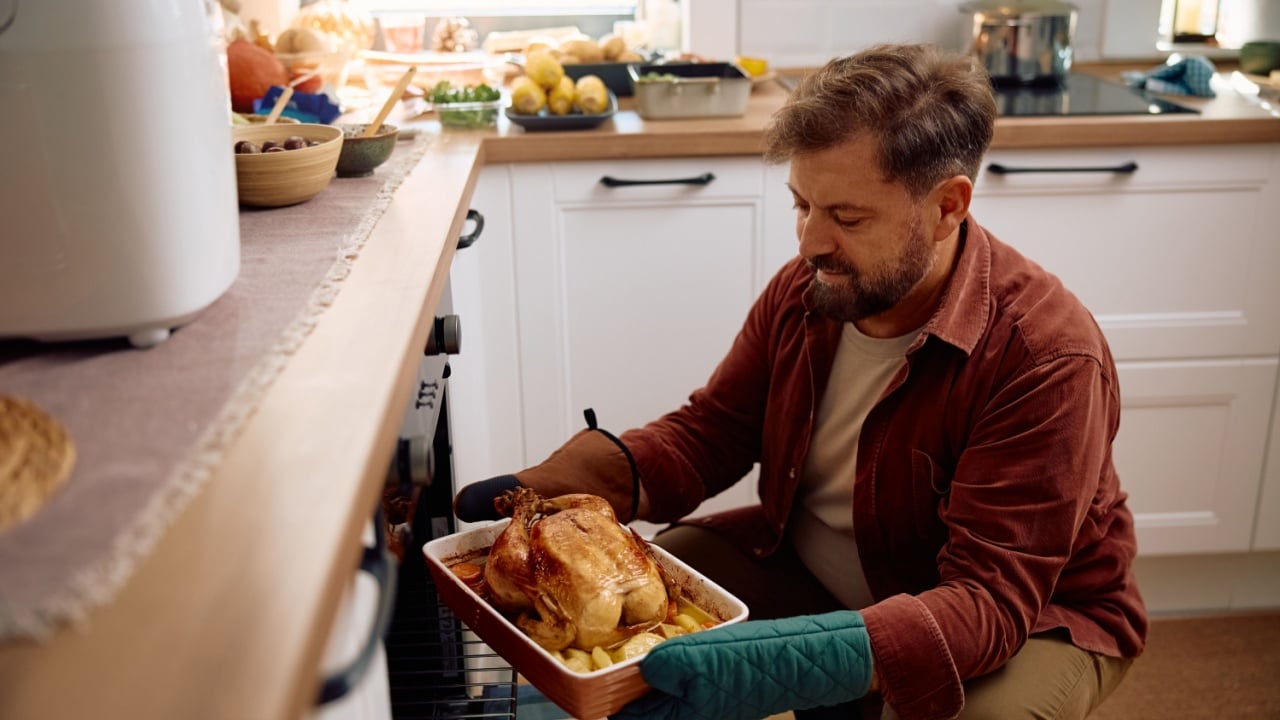
12 Thanksgiving Safety Tips for an Uneventful Celebration
Thanksgiving is a time for gratitude, family, and a truly heroic amount of food. The goal is a day filled with laughter and second helpings, not a surprise visit from the local fire department or an unplanned trip to the emergency vet. It’s, therefore, good to follow a few simple safety guidelines to keep the day memorable for all the right reasons.
A successful holiday is an uneventful one. What should you do to make sure your day ends with sleepy, happy babies and adults, and not queuing at the triage? You need to learn how to manage common risks so you can focus on what truly matters: enjoying the company and the feast.
Here are twelve practical tips for navigating the holiday safely, from the kitchen to the highway.
1. Prevent Cooking Fires

The kitchen is the heart of Thanksgiving, but it’s also a hotspot for accidents. According to the National Fire Protection Association (NFPA), Thanksgiving is the leading day for cooking fires. In 2023, over 1400 fires were reported, many of which were caused by unattended cooking. Staying in the kitchen while you cook is a simple habit that significantly reduces risk. If you must step away, turn off the stove or set a timer to remind you to check on your food.
Quick Look:
- Tip: Test your smoke alarms a week before the holiday to make sure they are working.
- Next Step: Keep a lid nearby when cooking on the stovetop. If a small grease fire starts, you can slide the lid over the pan and turn off the burner.
2. Prevent Burns From Hot Surfaces and Liquids
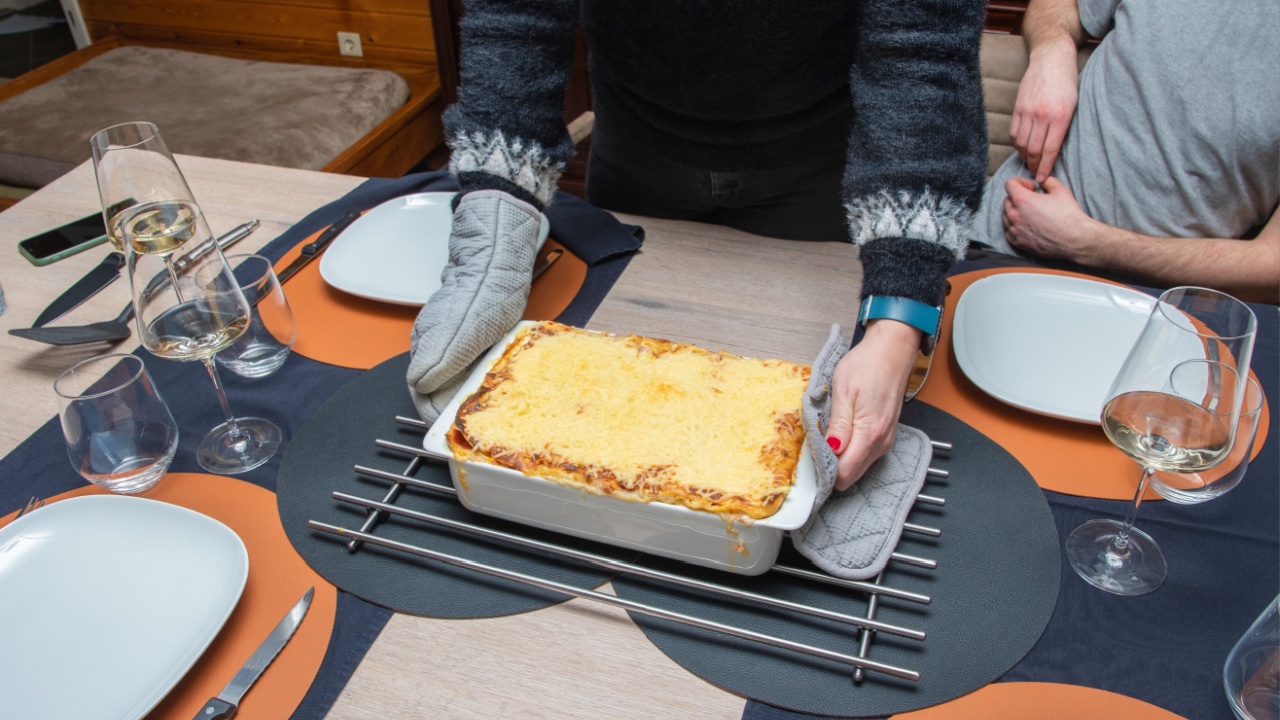
Thanksgiving kitchens are full of hot ovens, boiling pots, and steaming dishes, making burns one of the most common injuries of the holiday. Burns and cuts are among the most common reasons for emergency room visits on Thanksgiving. Always use oven mitts or potholders when handling hot cookware, and place hot dishes on stable, heat-resistant surfaces.
Be especially cautious when using a deep fryer; hot oil can cause severe burns if it splashes or spills. Keep children at a safe distance from all cooking areas, and handle lids and trays carefully to avoid steam burns.
Quick Look:
- Use oven mitts or potholders for hot cookware.
- Place hot dishes on stable, heat-resistant surfaces.
- Be cautious with deep fryers to avoid oil splashes.
- Keep children away from cooking areas.
- Handle lids and trays carefully to avoid steam burns
3. Practice Proper Food Handling
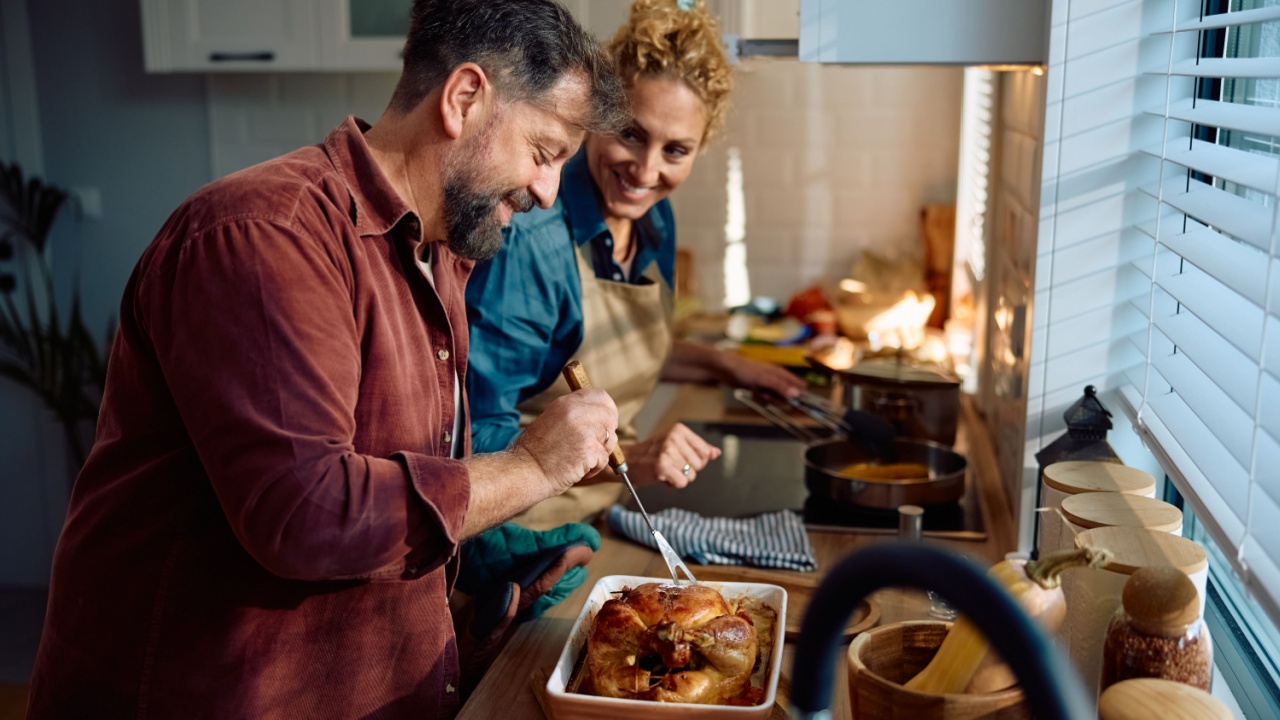
Nobody wants their legacy to be the Thanksgiving they gave everyone food poisoning. Improper food handling is a common but preventable mistake. Cross-contamination is a major concern, especially with raw turkey. The Centers for Disease Control and Prevention recommends using a separate cutting board for raw poultry and washing all utensils, countertops, and your hands with hot, soapy water after they come into contact with the raw bird. This prevents the spread of bacteria like Salmonella to other foods.
Quick Look:
- Tip: Your turkey needs to reach an internal temperature of 165°F to be safe to eat. Use a food thermometer and check the thickest part of the breast, the innermost part of the wing, and the innermost part of the thigh.
- Next Step: Refrigerate leftovers within two hours of serving to prevent bacteria from growing.
4. Don’t Drink and Drive
Holiday celebrations often include alcoholic beverages, but combining drinking with driving is a dangerous mix. According to the National Safety Council, alcohol is a factor in a significant percentage of fatal car crashes during the Thanksgiving holiday weekend. The period from Wednesday evening to Sunday evening is a time of increased traffic and increased risk. Even a small amount of alcohol can impair judgment and reaction time.
Quick Look:
- Tip: Plan your ride home before the party begins. Designate a sober driver or arrange for a ride-sharing service.
- Next Step: If you are hosting, provide plenty of non-alcoholic drink options and make sure any guest who has been drinking has a safe way to get home.
5. Watch What You Feed the Pets
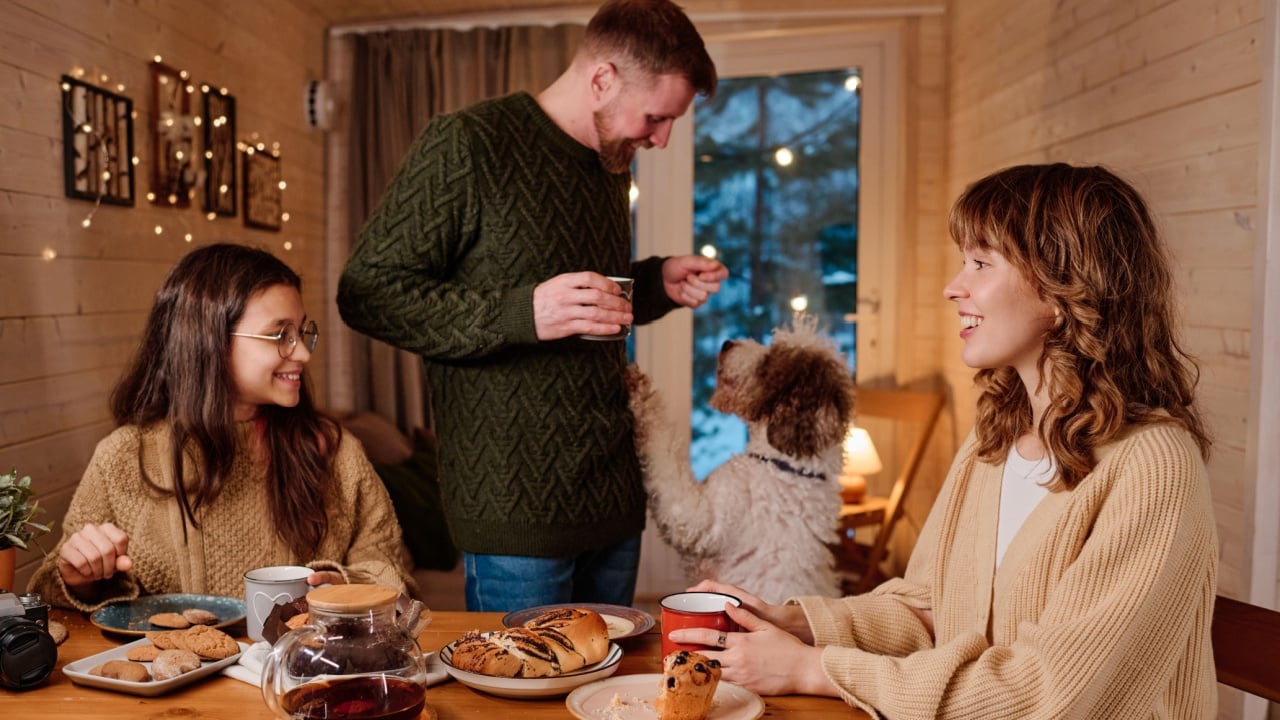
Many traditional Thanksgiving foods can be harmful or even toxic to pets. Turkey bones can splinter and cause choking or internal damage. Onions, garlic, grapes, and raisins are all poisonous to dogs. The American Animal Hospital Association warns that even rich, fatty foods like turkey skin or gravy can cause pancreatitis, a serious and painful condition. It is best to keep human food on the human table. If you have plants that may be harmful to pets, keep them on a surface or in a room that they can’t access.
Quick Look:
- Tip: Secure your garbage can. A bin full of tempting scraps and bones can be an irresistible danger to a curious pet.
- Next Step: Prepare a special, pet-safe treat for your furry friend so they can join the celebration without the risk. A small amount of plain, cooked pumpkin or green beans is a good option.
6. Watch the Weather for Travel

The Thanksgiving holiday period is one of the busiest travel times of the year, and the late November weather can be unpredictable. Storms, icy roads, and reduced visibility can make driving hazardous. Checking the forecast along your entire route before you leave allows you to prepare for any adverse conditions. Weather-related crashes are a serious concern, and drivers should be ready to alter their plans if conditions become unsafe.
Quick Look:
- Tip: Allow for extra travel time. Rushing in poor weather increases your chances of being in an accident.
- Next Step: If you encounter severe weather, it is better to pull over in a safe location and wait for conditions to improve than to press on.
7. Protect Pets From Noise
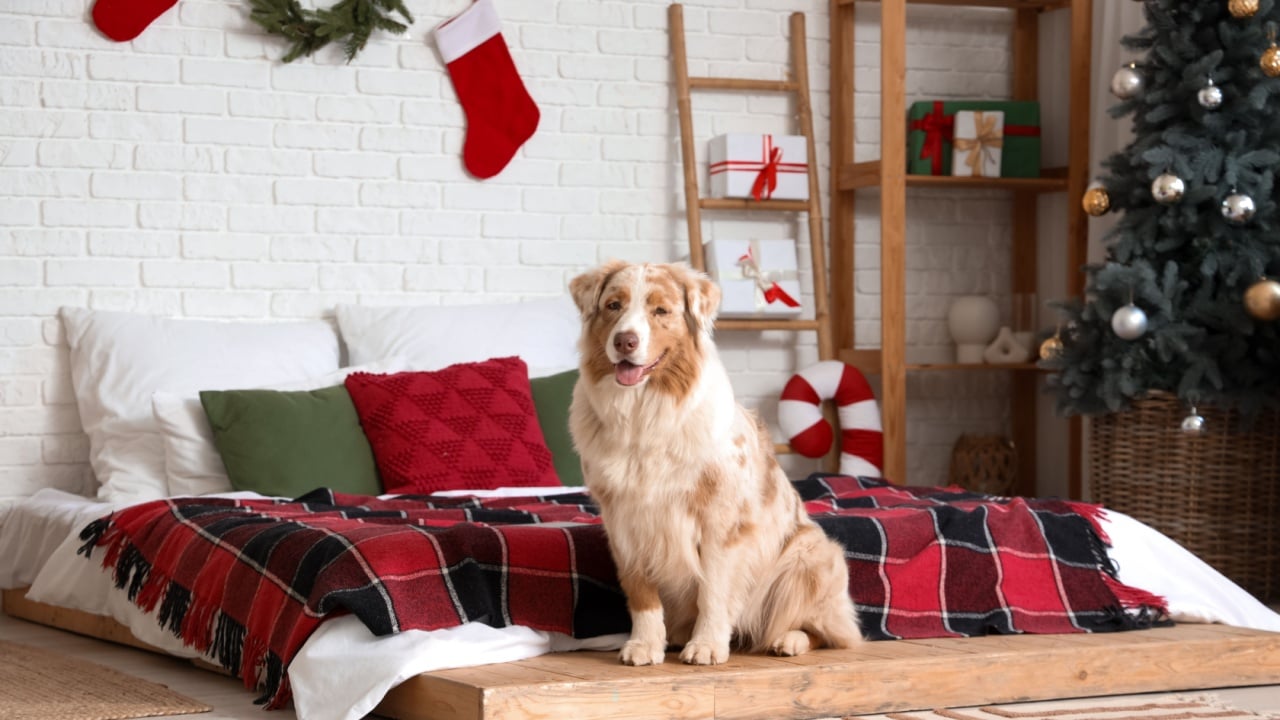
The noise and excitement of a house full of guests can be overwhelming for pets. A constant stream of new faces and loud conversations can cause anxiety. Creating a quiet, secure space for them away from the main gathering can help them feel safe and comfortable. This also prevents them from getting underfoot in a busy kitchen or darting out an open door.
Quick Look:
- Tip: Set up a room with your pet’s bed, water, and a few favorite toys. Let your guests know that this area is off-limits.
- Next Step: Take your dog for a long walk before guests arrive to help them burn off excess energy and feel more relaxed.
8. Prep Your Car for Winter Driving

Before heading out on a long road trip, a vehicle inspection is a smart move. Cold weather can affect tire pressure, battery life, and fluid levels. Properly inflated tires are crucial for safe handling, especially on slick roads. The National Highway Traffic Safety Administration (NHTSA) recommends checking your tire pressure, tread depth, and overall condition before any long journey. A pre-trip checkup can help you avoid a breakdown on the side of a busy highway.
Quick Look:
- Tip: Pack a car emergency kit. Include items like a flashlight, jumper cables, blankets, water, non-perishable snacks, and a first-aid kit.
- Next Step: Check your windshield wiper fluid and blades. Good visibility is essential for safe winter driving.
9. Protect Your Home While You’re Away
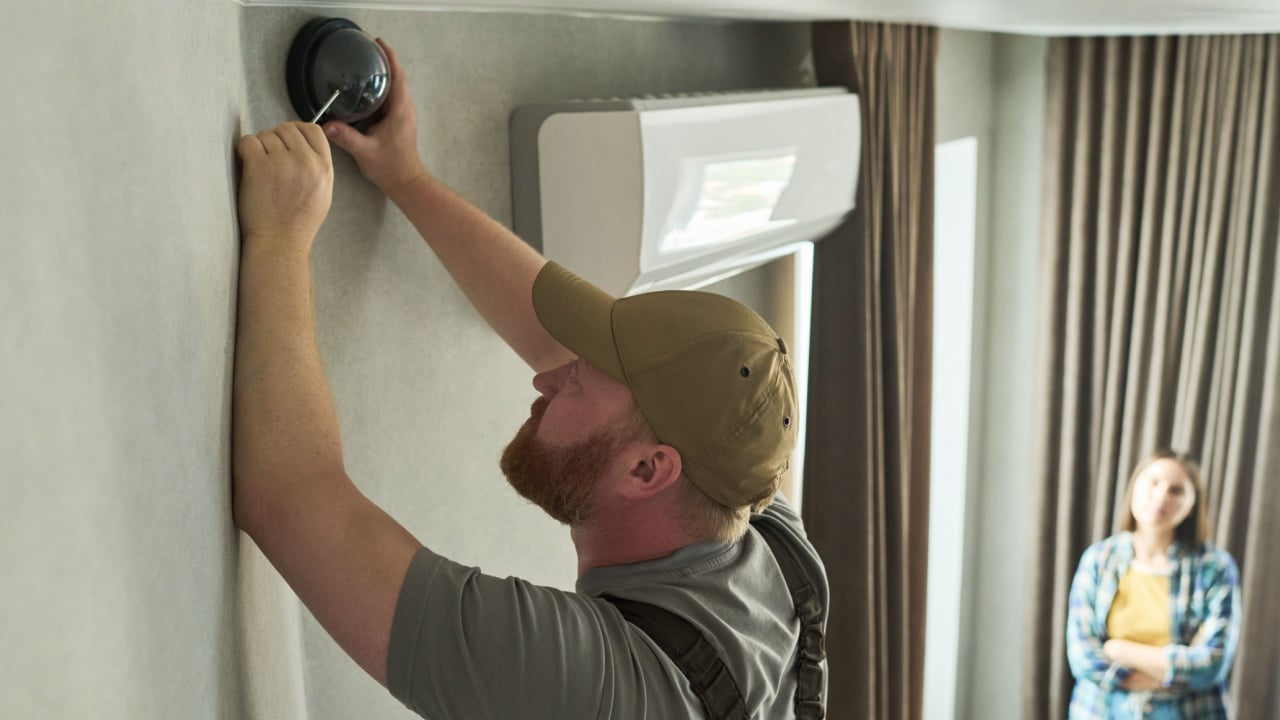
Thanksgiving travel calls for more than just carefully packing leftovers and wrangling relatives into the car. It also means leaving your home empty, and that can put it at risk. Security reports reveal that burglary rates spike during holiday periods when homes are obviously vacant.
Arranging for a house sitter or asking a neighbor to collect your mail and park in your driveway is a simple way to make it look like someone’s home. If a house sitter isn’t an option, setting timers for lights and using smart home security systems can deter would-be intruders. Lock every door and window (yes, even that one above the garage that nobody uses), and avoid posting travel plans on social media until you’re back.
Quick Look:
- Tip: Pause mail and package deliveries, or ask a friend to grab them so pileups don’t signal an empty house.
- Next Step: Before you leave, do a walkthrough and check for anything that may signal an empty house, like packages, overflowing trash, or an unlocked back gate. Consider investing in a basic security camera for extra peace of mind.
10. Carve the Turkey Safely
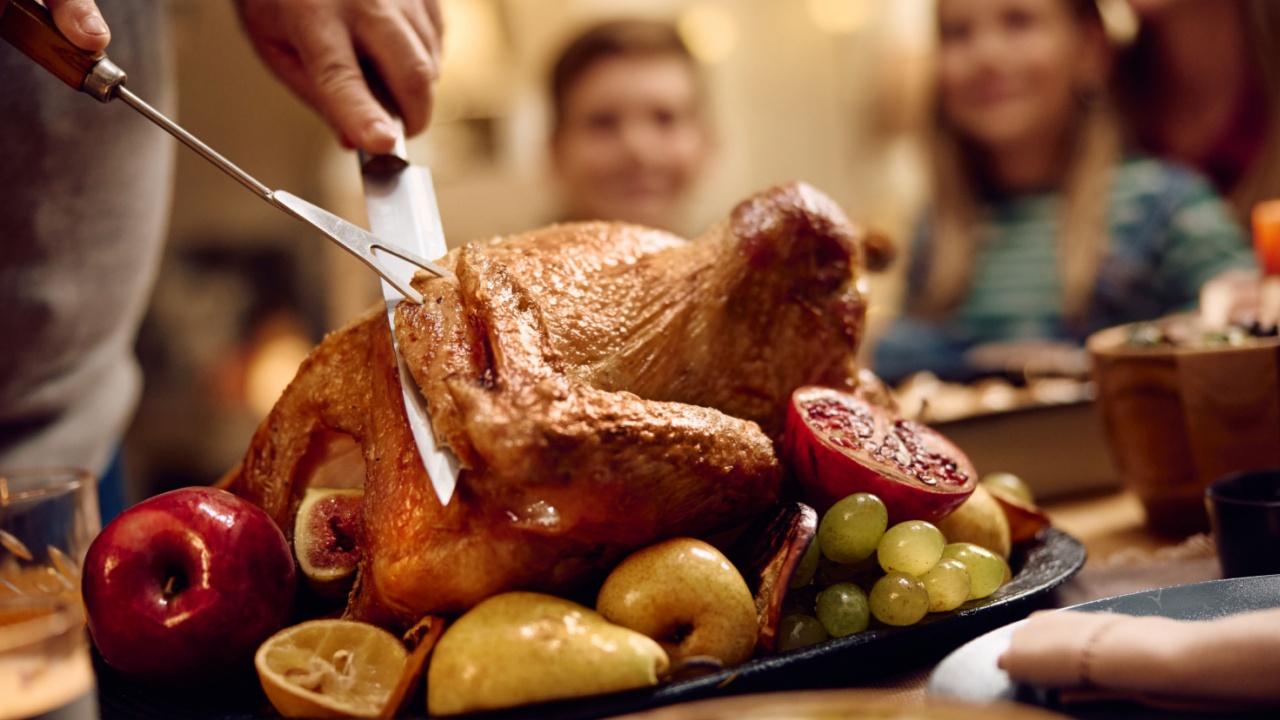
The ceremonial carving of the turkey is a highlight of the meal, but it also presents a risk for cuts. Always place the bird on a stable, non-slip cutting board to prevent it from sliding, and use a long, sharp carving knife along with a carving fork to hold the turkey steady. Take your time slicing, and keep children out of the kitchen during the process to avoid accidental cuts. Letting the turkey rest for about 20 minutes after roasting also makes it easier and safer to carve.
Quick Look:
- Tip: Let the turkey rest for at least 20 minutes after it comes out of the oven. This allows the juices to redistribute, making the meat moister and easier to slice.
- Next Step: Keep children and pets at a safe distance during the carving process.
11. Keep Walkways and Gathering Areas Hazard-Free

Before the crowd descends, play a quick round of “spot the obstacle” throughout your home. Stray shoes, rogue extension cords, and piles of laundry might be great conversation starters, but they also cause trips and falls.
Pay extra attention to high-traffic areas between the kitchen, dining room, bathroom, and entryway. Good lighting works wonders, and non-slip rugs or mats can help on floors that see a lot of action.
Quick Look:
- Tip: Do a sweep of all walkways and social spaces before guests arrive, moving bags, shoes, toys, and cords out of the way.
- Next Step: If you’re expecting little kids or guests with mobility challenges, lower the risk even further by taping down loose mats and using nightlights along hallways.
12. Ask Your Guests About Allergies
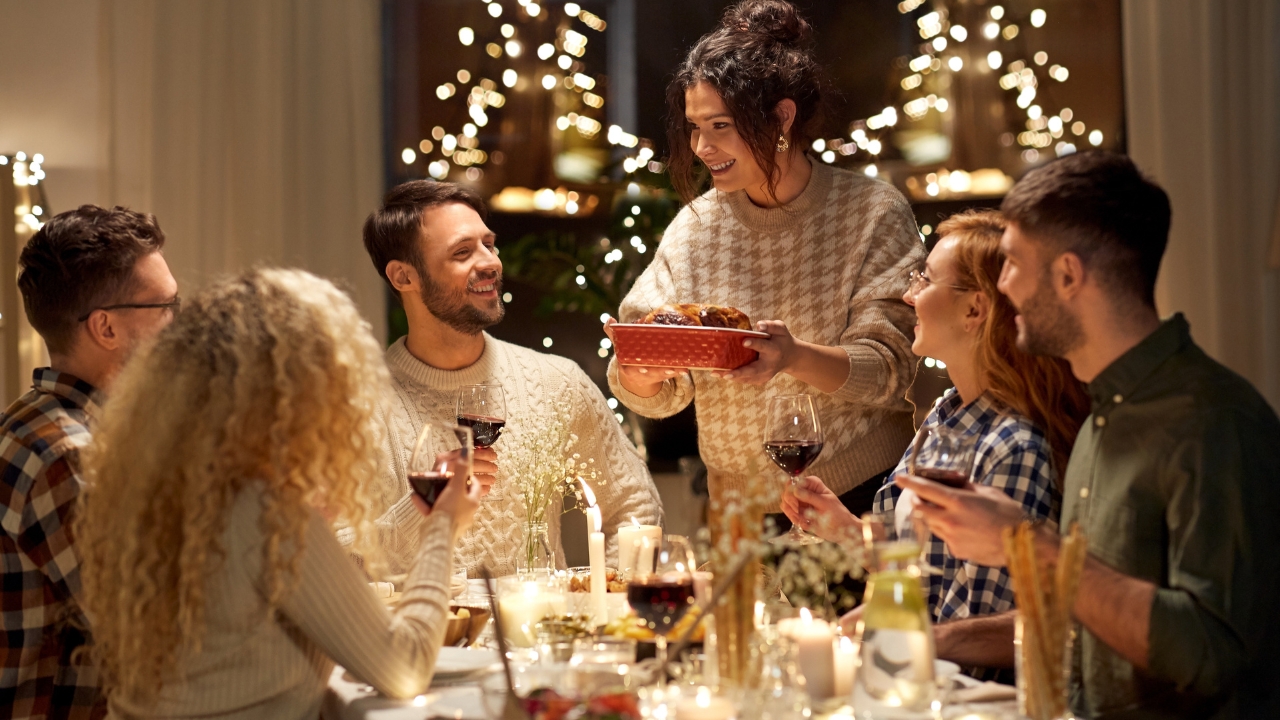
Safety goes beyond avoiding physical hazards; if you’re hosting, you also need to create a welcoming and inclusive environment. Being a thoughtful host or guest plays a significant role in guaranteeing everyone feels comfortable and at ease. For hosts, this means taking the time to ask guests in advance about any food allergies, intolerances, or dietary restrictions they may have.
This small but important step helps avoid potential risks and shows that you’ve considered their needs. For example, knowing if someone has a peanut allergy or follows a vegetarian diet allows you to plan your menu accordingly, so that everyone can enjoy the meal without worry.
Quick Look:
- Tip: If you have guests staying over, make sure walkways are clear of clutter to prevent trips and falls.
- Next Step: As a host, try to prepare as much as you can in advance. A less frantic host is a more attentive and safer host.
Happy Thanksgiving
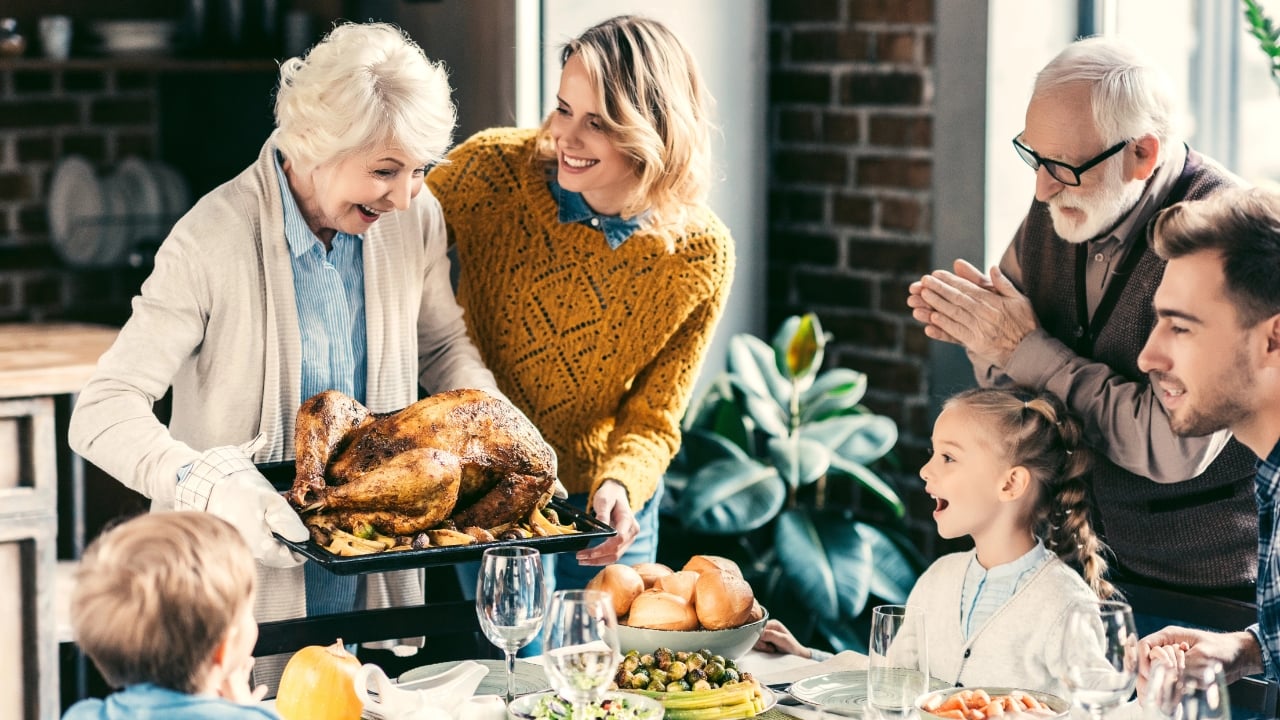
A little preparation goes a long way toward safeguarding your Thanksgiving, so it’s remembered for the warmth of family and friends, not for a mishap. After the dishes are cleared and the leftovers are stored, take a moment to double-check that the oven and all burners are off. Unplug small appliances like electric mixers or coffee makers.
Finally, ensure that all candles are extinguished before you head to bed. A final safety sweep of the house is the perfect end to a successful, uneventful, and happy Thanksgiving.