11 Cool Facts About Tree Roots and All They Do
When you admire a towering oak or a vibrant maple in your backyard, you’re only seeing half the picture. Beneath the surface lies a sprawling, intricate world that is arguably more fascinating than the branches and leaves above. Tree roots are the real heroes of the plant world, pulling off amazing feats of engineering, communication, and survival.
We’re about to dive deep into the secret lives of roots, revealing the astonishing complexity that anchors the trees in your yard and keeps entire ecosystems thriving. Get ready to be mind-blown by the hidden intelligence hard at work right under your feet.
Where We Got This Data
The details in this article come from trusted places like scientific research, university extension programs, and conservation groups.
We also looked at insights from gardening and forestry experts, along with information shared by agencies that study soil, water, and forest health. Put together, these sources give a clear picture of the amazing world happening underground.
1. Roots Communicate with Each Other Through Chemical Signals
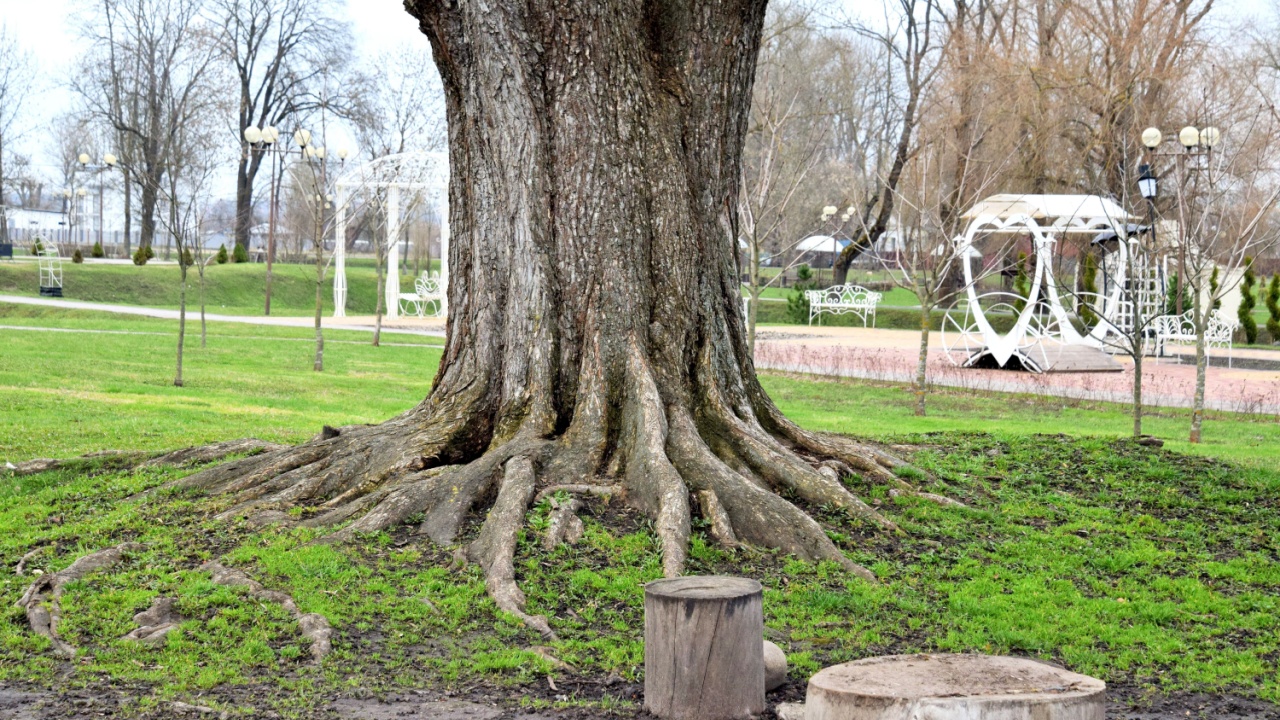
Believe it or not, plants have an underground communication network. Trees “talk” using chemical signals and fungal networks. If one tree is attacked by pests, it sends chemical warnings through its roots to alert neighbors, giving them a head start to activate defenses.
Some plants even recognize relatives’ roots, sharing nutrients and competing with strangers. Scientists are just starting to uncover this complex social network.
Quick facts about plant communication:
- Trees use chemical signals and fungal networks to “talk.”
- Pest attacks trigger chemical warnings to nearby trees.
- Plants can recognize relatives and share nutrients with them.
- They compete more fiercely with non-related plants.
2. Some Roots Are Deeper Than Buildings Are Tall
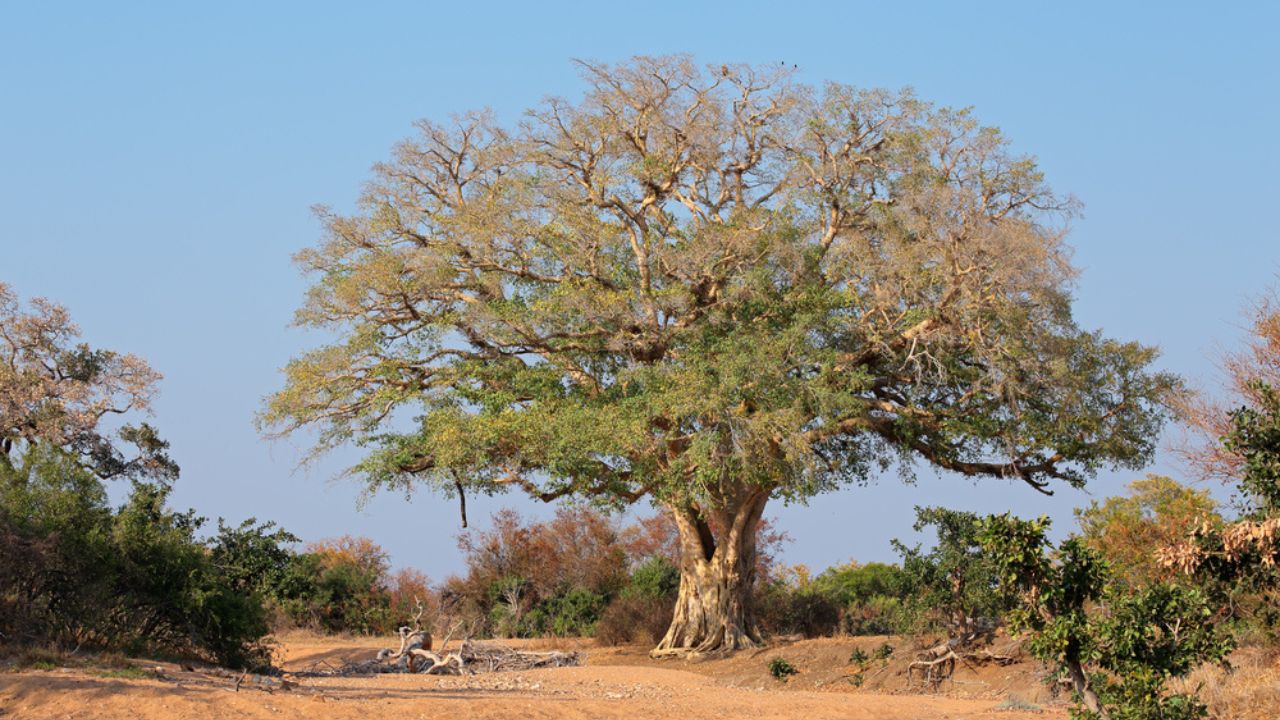
Most tree roots spread within the top 6–24 inches of soil, but some go much deeper. A wild fig tree in South Africa holds the record with roots reaching 400 feet, deeper than a 30-story building! This helps plants in dry areas access groundwater and survive droughts.
Root Facts at a Glance:
- Most tree roots stay in the top 6-24 inches of soil.
- Some roots can go hundreds of feet deep to find water.
- The deepest recorded root (wild fig tree) reached 400 feet.
- Deep roots help plants survive droughts in arid areas.
3. A Single Tree Can Have a Root System Larger Than a City
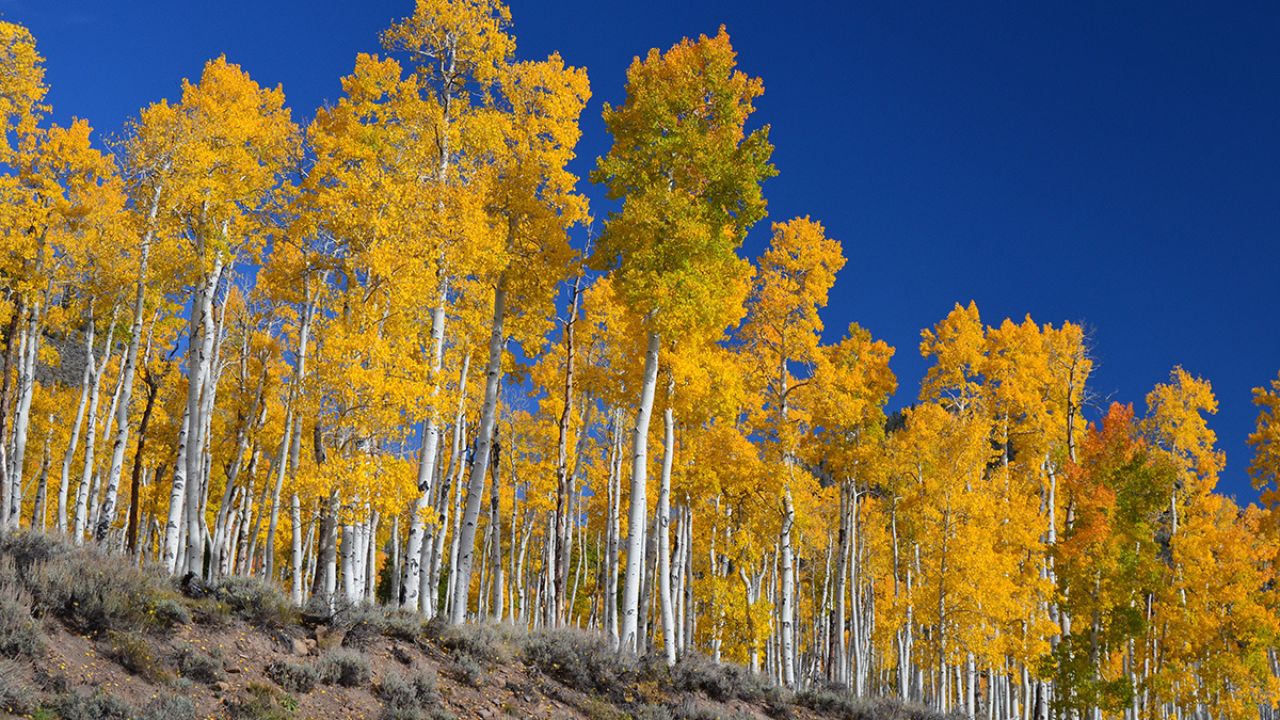
Some trees grow as massive interconnected organisms, like “Pando,” a quaking aspen grove in Utah. Spanning 106 acres with 47,000 genetically identical stems, it shares a single root system estimated to be 14,000 years old and weighing 6,000 tons, making it one of the oldest and heaviest living organisms on Earth.
Quick Facts About Pando:
- Location: Utah, USA
- Size: 106 acres
- Stems: 47,000+ (genetically identical)
- Age: Estimated 14,000 years
- Weight: Around 6,000 tons
- Significance: Heaviest and one of the oldest living organisms on Earth
4. Roots Form Partnerships with Beneficial Fungi
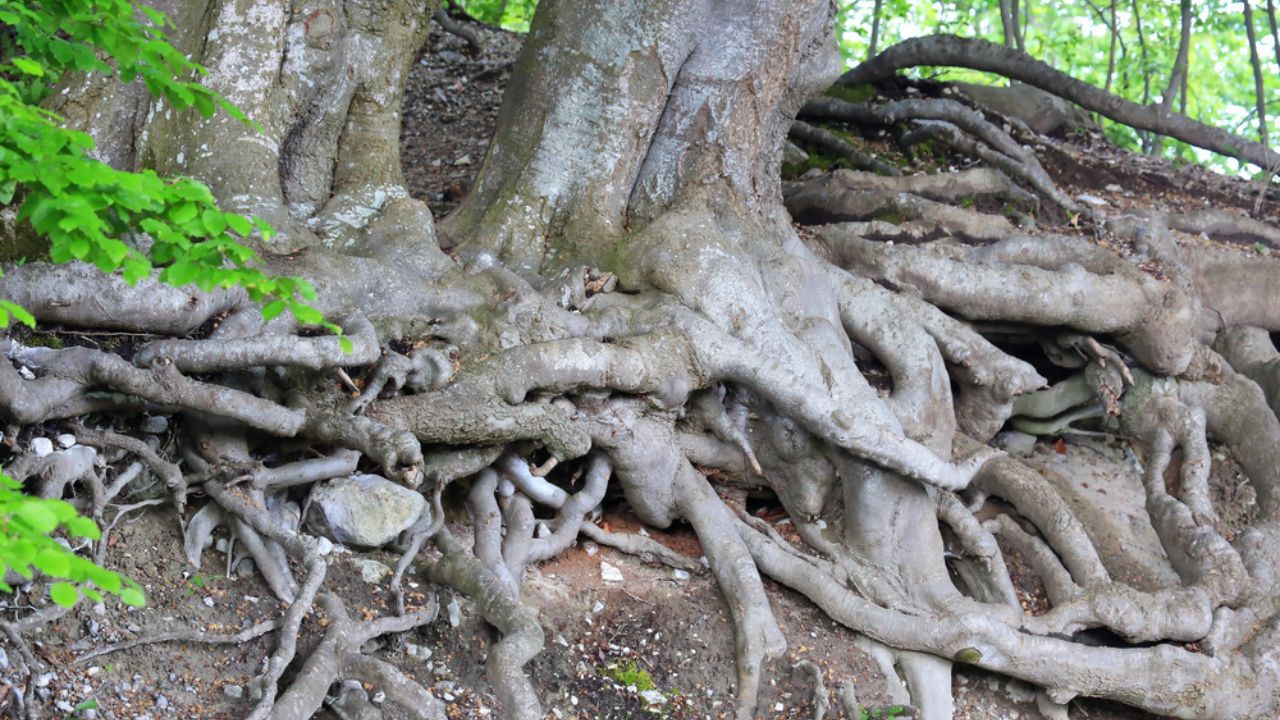
Most land plants, including trees, form a symbiotic partnership with fungi called mycorrhizae. These fungi extend the tree’s root system, absorbing water and crucial nutrients like phosphorus and nitrogen more efficiently.
In return, the tree provides the fungi with sugars from photosynthesis. This vital underground partnership helps forests thrive, and mycorrhizal inoculants can even boost new plantings.
Quick Facts About Roots and Fungi:
- Most land plants (including trees) form a symbiotic relationship with fungi (mycorrhizae).
- Extend root system, absorb water and vital nutrients (phosphorus, nitrogen) more efficiently.
- Provides fungi with sugars from photosynthesis.
- Crucial for forest health; often sold as garden inoculants to boost plant growth.
5. Roots Have a Built-In Compass to Sense Gravity
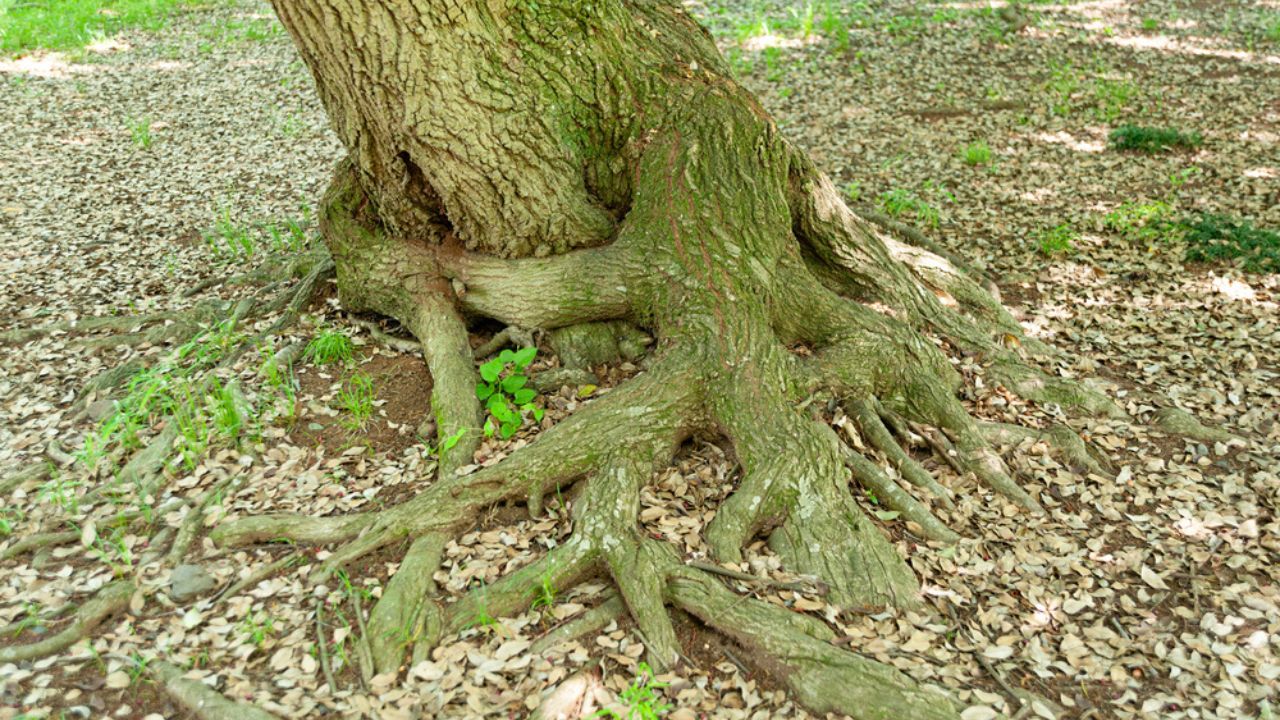
Ever wondered how roots always grow downwards? It’s called gravitropism. The very tip of each root has cells with tiny, dense, starch-filled sacs called statoliths. These act like microscopic weights, settling due to gravity and telling the root which way is down. This guides its growth towards water and nutrients. Even if a potted plant is turned on its side, the roots quickly reorient to grow downward again.
Quick Facts About Root Gravitropism
- It is the ability of roots to sense gravity and grow downwards.
- It works when tiny starch-filled sacs called statoliths guide the roots.
- It helps roots find water and nutrients.
- Even if a plant is turned sideways, its roots will adjust and grow downward!
6. Many Vegetables Are Actually Swollen Storage Roots
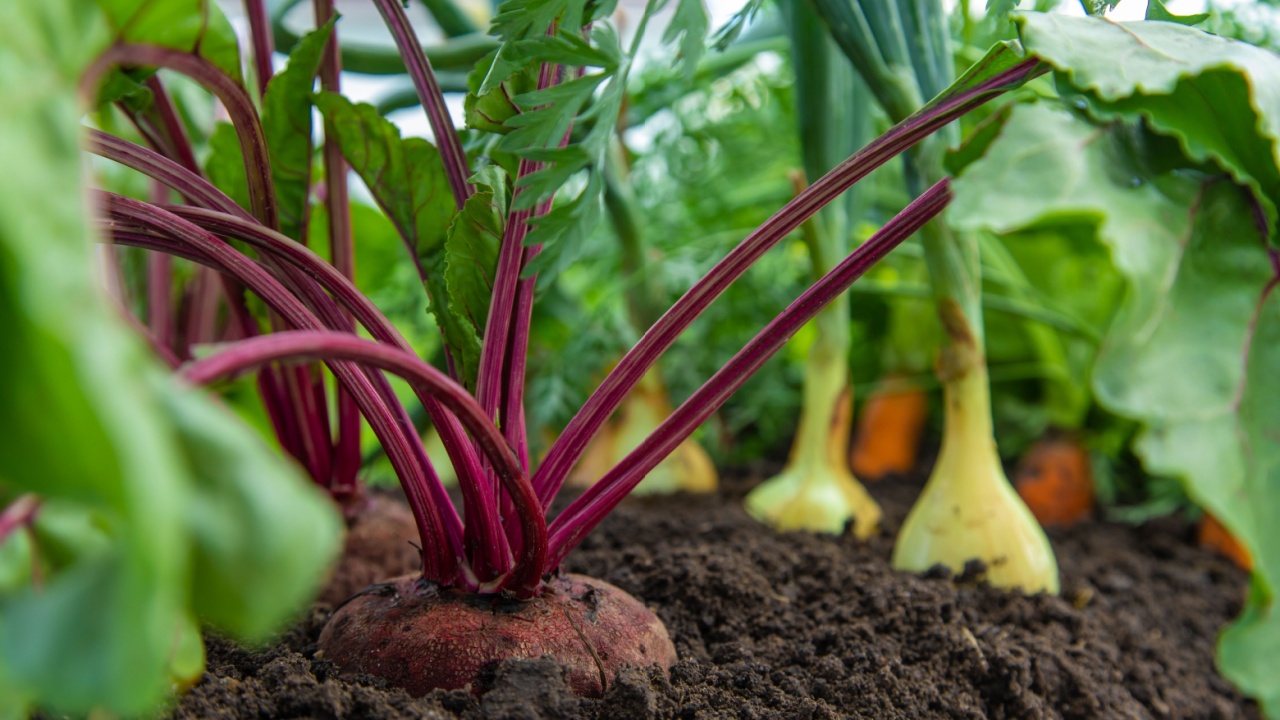
Carrots, beets, and sweet potatoes are specialized storage roots (taproots or tuberous). They store starches and sugars for the plant’s survival, making them nutritious for us. Cassava root alone feeds over 800 million people worldwide.
Quick Facts:
- Taproots and tuberous roots act as energy storage.
- They are packed with starches and sugars.
- Cassava sustains 800M+ people worldwide.
- Roots help plants survive harsh conditions and provide vital nutrition for us!
7. Roots Can Generate Enough Pressure to Break Concrete

Ever seen a sidewalk buckled by a tree? That’s the power of roots. As they grow, roots can exert incredible pressure, up to 300 pounds per square inch. They exploit tiny cracks, and their slow, persistent growth can crack foundations, break pipes, and lift concrete. It’s important to consider a tree’s root system before planting near your home.
Root Power at a Glance:
- Roots can exert up to 300 PSI.
- They target tiny cracks.
- Cracks foundations, breaks pipes, lifts concrete.
- Research root behavior before planting near structures.
8. Root Hairs Do Most of the Heavy Lifting
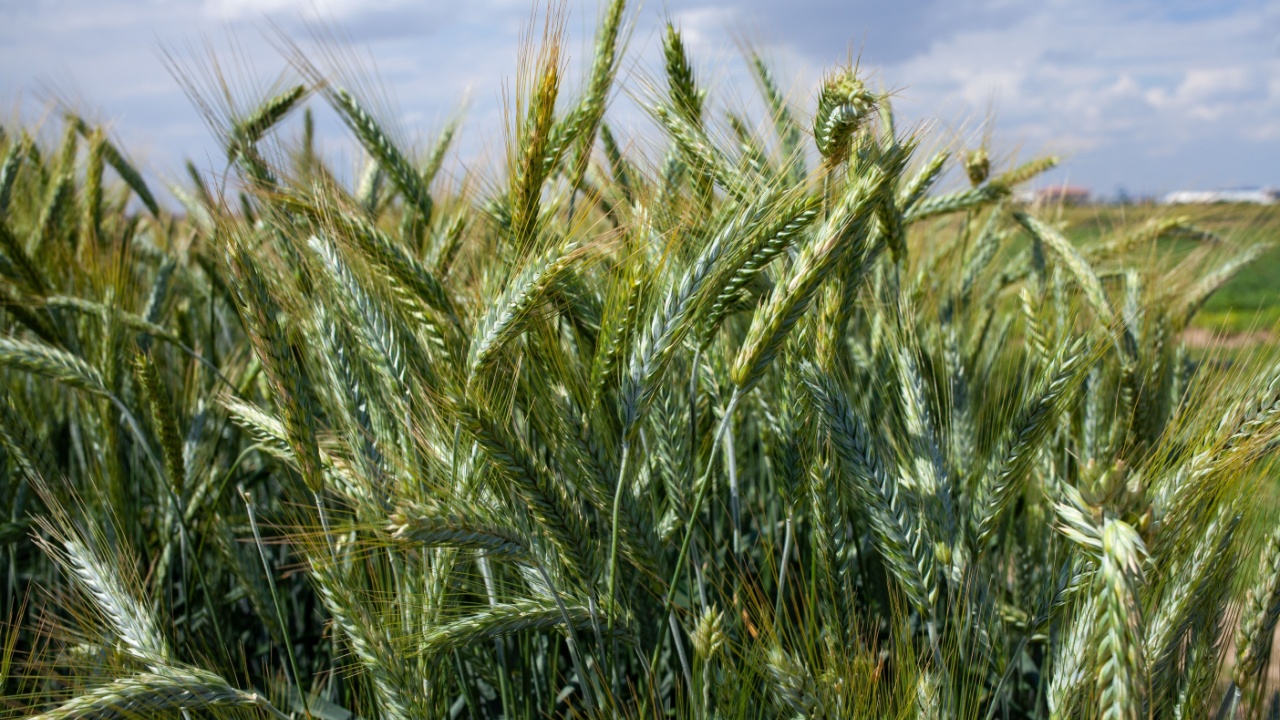
Tree roots anchor the plant, but absorption happens through tiny root hairs on younger roots. These microscopic structures, thinner than human hair, greatly increase surface area. A rye plant can have over 14 billion root hairs, absorbing water and nutrients efficiently.
Root Hairs: The Unsung Heroes
- Location: Cover younger roots.
- Structure: Tiny, single-celled extensions, thinner than human hair.
- Function: Primary way plants absorb water and nutrients.
- Impact: Greatly increase the root system’s surface area (e.g., a single rye plant can have 14+ billion root hairs).
9. Some Root Systems Can Live for Thousands of Years
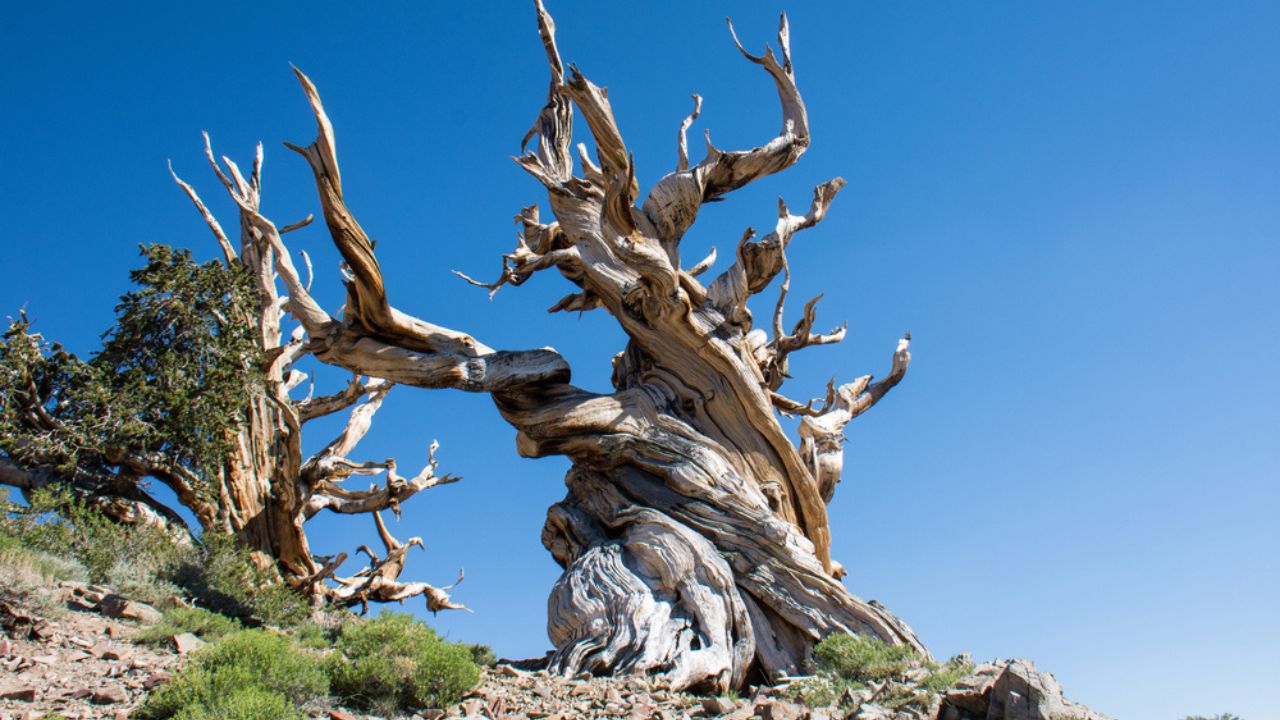
While a tree’s visible part lives for centuries, its root system can be thousands of years old. Bristlecone pines in California are a prime example. These ancient roots achieve longevity through slow growth and efficient energy storage, lying dormant during harsh conditions and re-sprouting when conditions improve, making them incredibly resilient.
Quick Facts About Ancient Tree Roots:
- Oldest Trees: Bristlecone pines in California.
- Key to Longevity: Slow growth and efficient energy storage.
- Survival Tactic: Roots lie dormant during droughts or fires.
- Resilience: New shoots emerge when conditions improve
10. Roots Are Essential for Preventing Soil Erosion
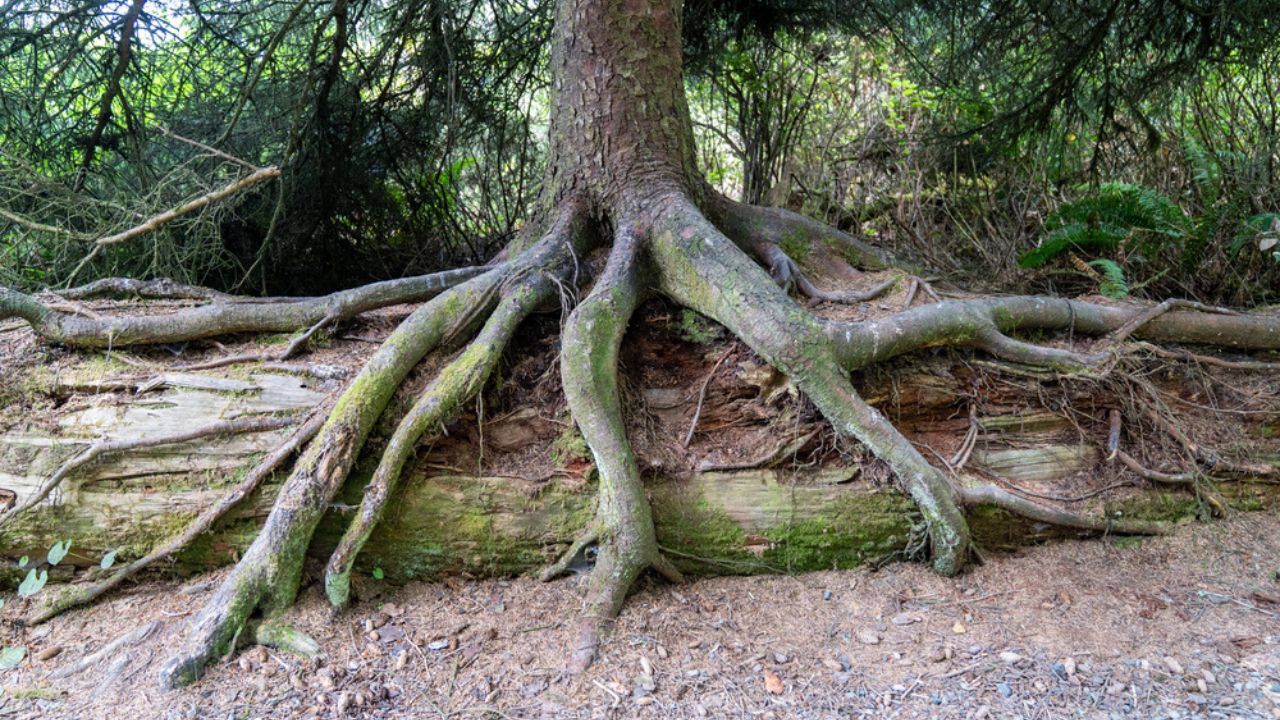
Roots act like a natural net, holding soil in place and preventing erosion from wind and water. Without healthy root systems, heavy rainfall can lead to landslides and flooding. A single mature tree anchors tons of soil, protecting land and preventing topsoil loss. Planting deep-rooted plants is vital for stabilizing hillsides and riverbanks.
Quick Facts About Roots and Erosion:
- Roots hold soil in place.
- They stop erosion from wind and water.
- Lack of roots leads to soil washing away, landslides, and flooding.
- A single mature tree can anchor tons of soil.
- Planting trees and deep-rooted plants secures hillsides and riverbanks.
11. Roots Can “Breathe”
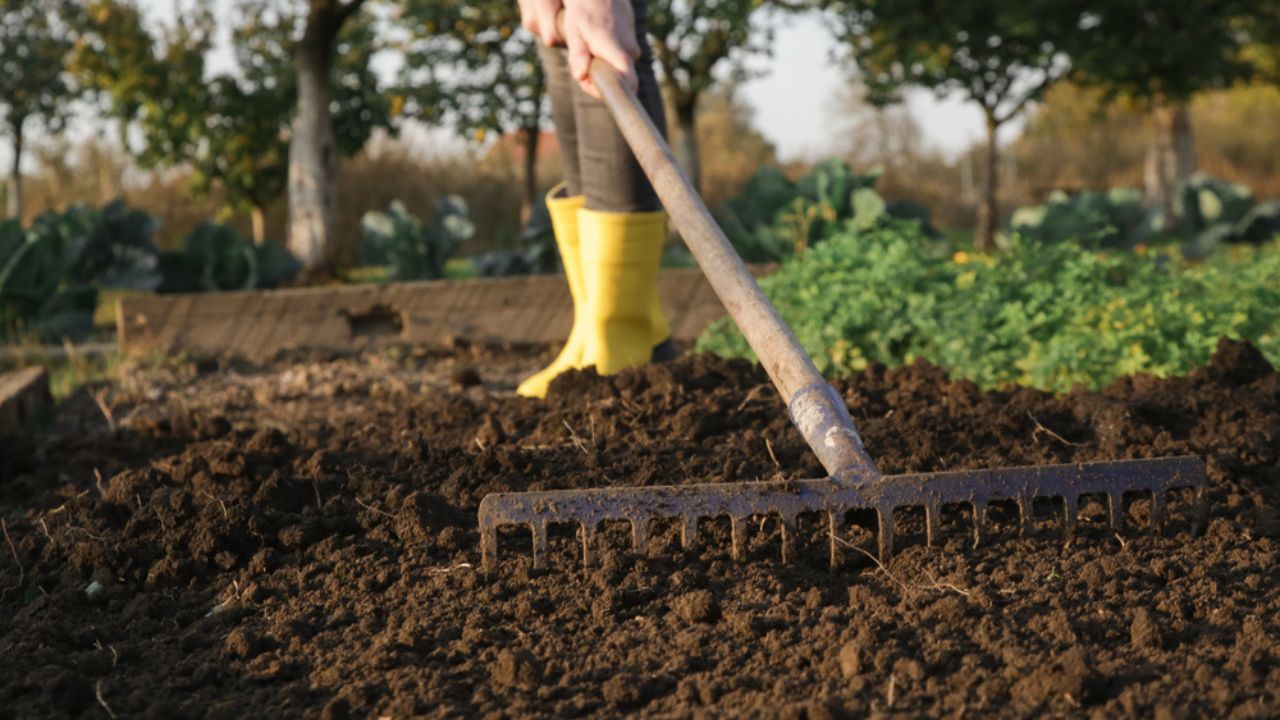
Roots need oxygen to “breathe” and grow, just like us. Waterlogged or compacted soil deprives them of oxygen, causing roots to “drown” and the plant to die. Always ensure good drainage and avoid compacting soil around roots.
Quick Tips for Healthy Roots:
- Ensure soil is well-draining to prevent waterlogging.
- Avoid compacting soil around roots with heavy foot traffic or machinery.
- Aerate soil regularly to improve oxygen flow.
The Unseen World Below: Nurturing Your Roots
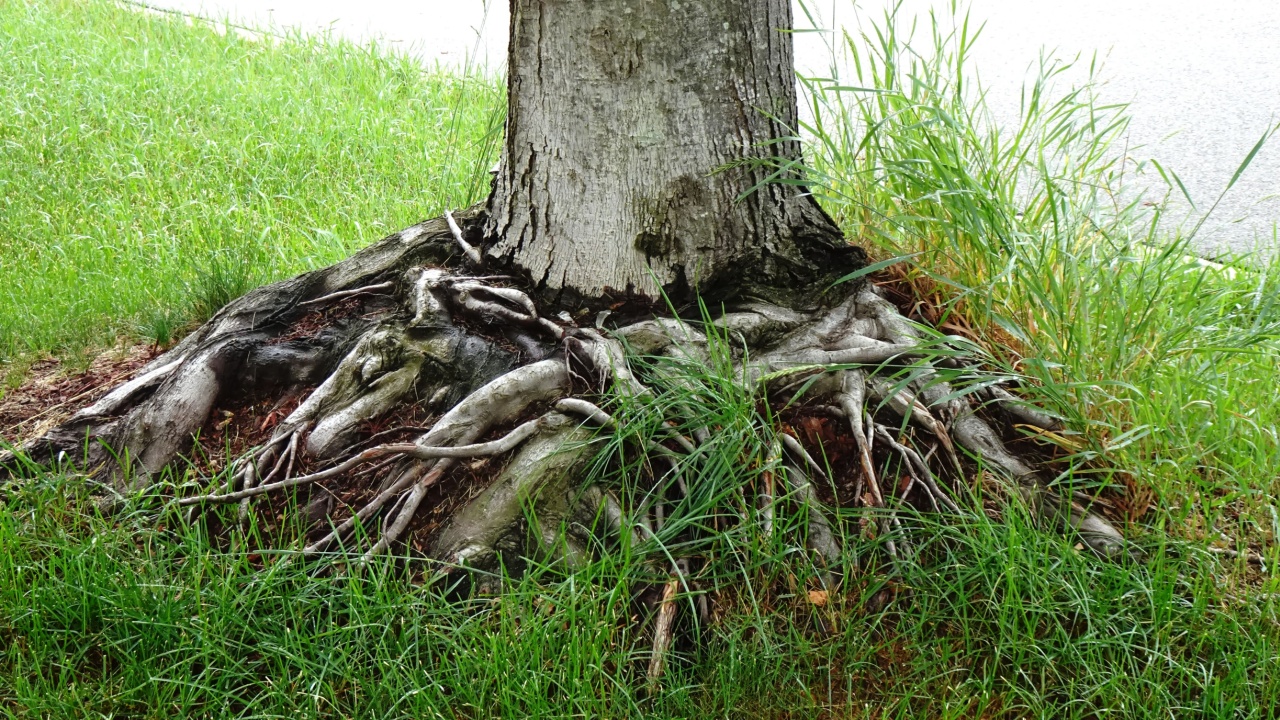
Understanding the incredible work happening underground can give you a new appreciation for the trees and plants in your garden.
The next time you’re planting a new tree or tending to your garden beds, remember the powerful, intelligent root system you’re supporting. To help your roots thrive, focus on building healthy soil with plenty of organic matter, ensuring proper drainage, and giving them enough space to grow.