How to Identify Holes in the Yard: Which Animal is It?
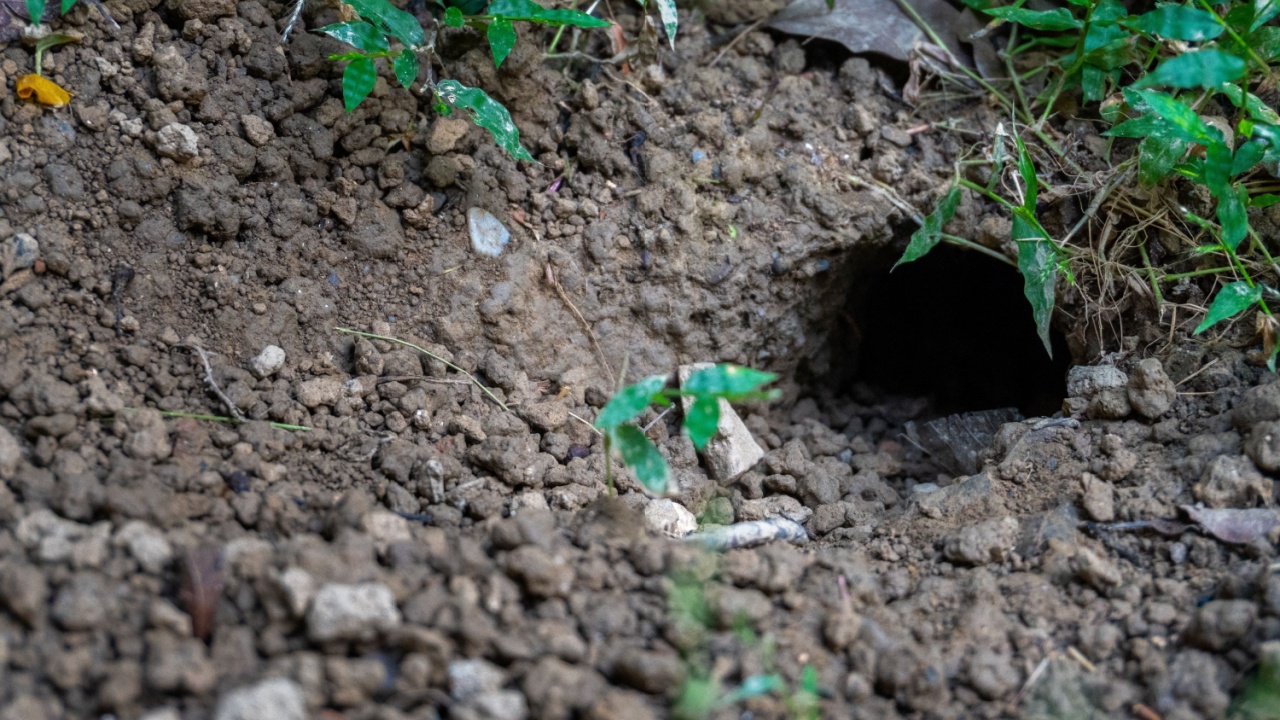
Discovering a mysterious hole in your carefully manicured lawn or thriving garden can be frustrating. Is it a sign of a minor nuisance or a major infestation? Identifying the culprit is the first and most crucial step in reclaiming your yard. These holes can pose a risk to your home’s foundation, damage your plants’ root systems, and create tripping hazards.
Here are some key clues to look for when examining an animal burrow, from the size and shape of the hole to the type of soil piled around it. By the end of this article, you’ll be able to play detective in your own backyard and identify which of your furry (or not-so-furry) neighbors has moved in.
Where We Got This Data
The information in this article comes from a combination of trusted sources, including university extension programs, wildlife management agencies, pest control experts, and agricultural research publications.
These organizations study animal behavior, soil ecology, and yard management practices to provide reliable guidance for homeowners.
1. Moles
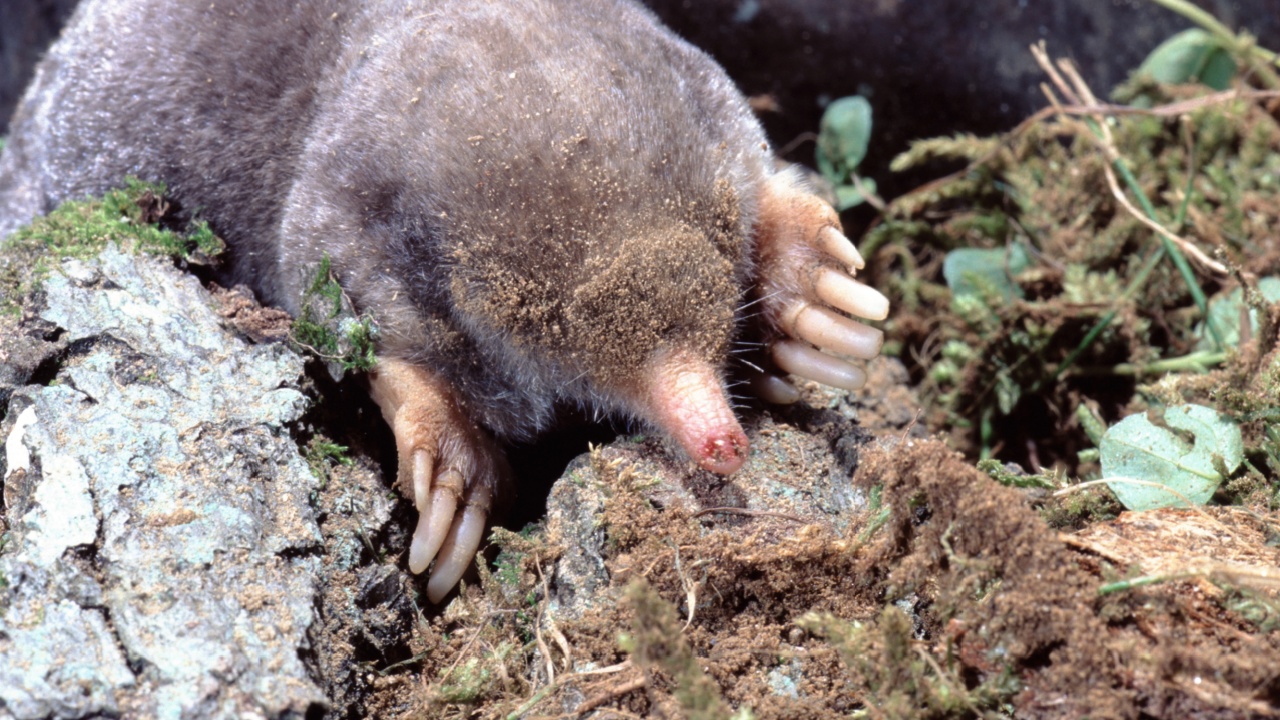
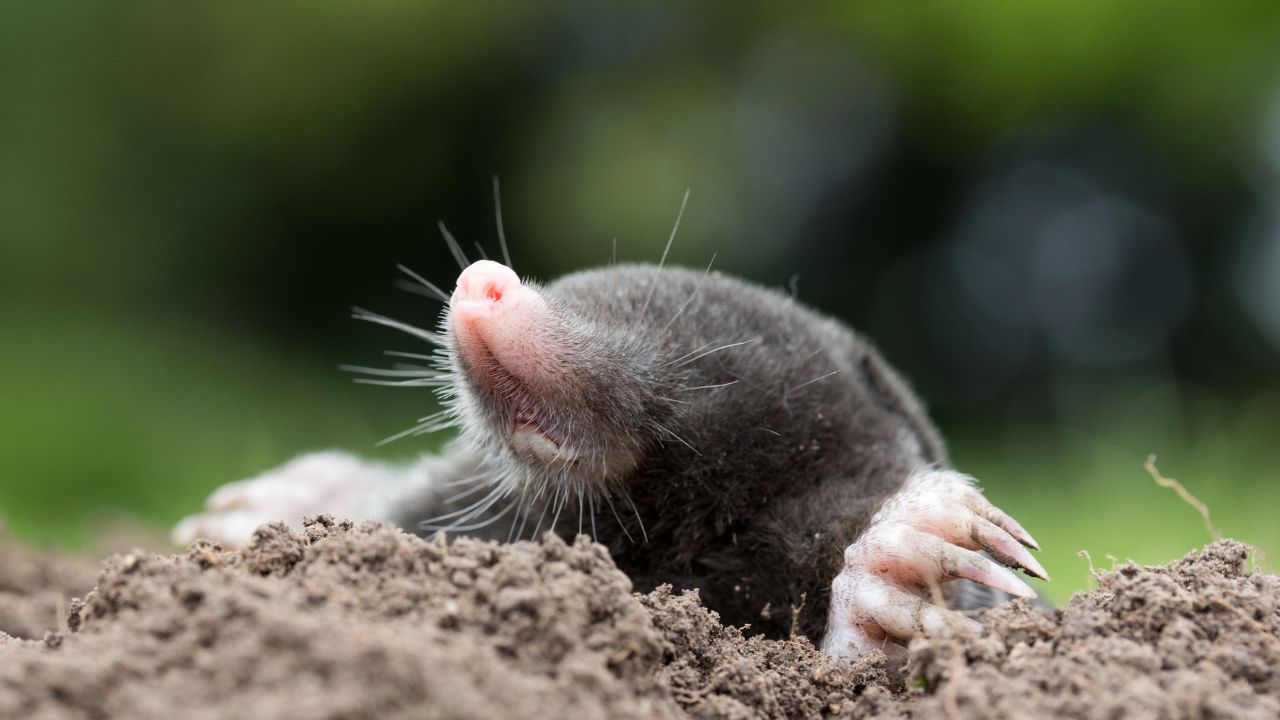
Moles are insectivores that dig complex tunnels in search of their favorite foods: earthworms and grubs. They don’t eat your plants, but their extensive tunneling can damage root systems and turn your lawn into a lumpy, uneven mess.
The most obvious signs of moles are their distinct mounds and surface tunnels. A single mole can dig up to 18 feet of tunnels in just one hour, making them a significant nuisance for garden lovers (but luckily, there are ways to get rid of them).
- Hole Size: The actual entrance hole is often hidden, but the mounds they create can be up to 1 foot (30 cm) wide.
- Soil: Look for small, cone-shaped soil mounds, like tiny volcanoes, made from deep tunnels. You might also see raised lines or “runways” on your lawn from their shallow tunnels near the surface.
- Location: Moles thrive in moist, loamy soil rich with insects, making lawns, gardens, and meadows prime real estate.
2. Voles
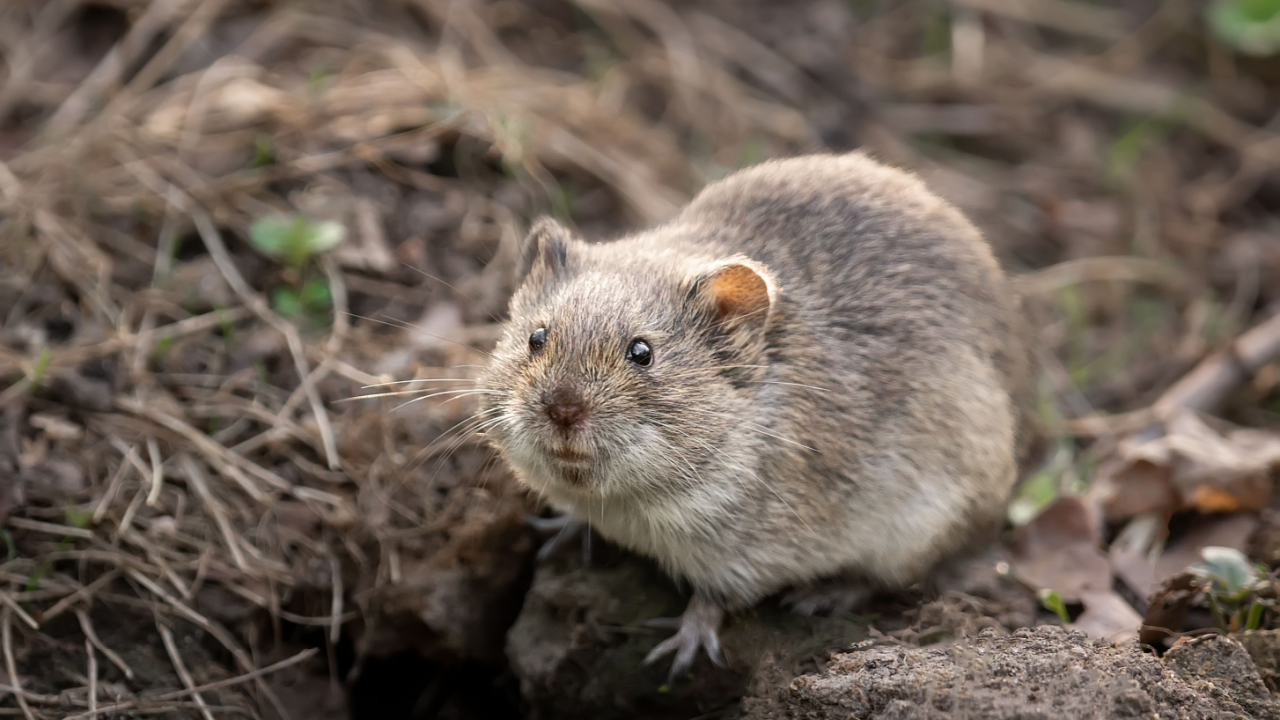
Often mistaken for mice, voles are small rodents that can cause significant damage to your garden. Unlike moles, voles are herbivores and love to feed on plant roots, bulbs, and the bark of young trees. They create a network of surface runways and shallow burrows. If you notice your plants are wilting or your young trees have gnaw marks near the base, you might be dealing with a vole infestation.
- Hole Size: Vole holes are small and clean, about 1 inch (2.5 cm) in diameter, often with multiple entrances.
- Soil: They do not create mounds. Instead, look for well-worn “runways” on the surface of the lawn, about 1-2 inches wide, connecting their burrow entrances.
- Location: Voles prefer areas with dense ground cover like shrubs, garden beds, and tall grass, where they can hide from predators.
3. Gophers & Groundhogs
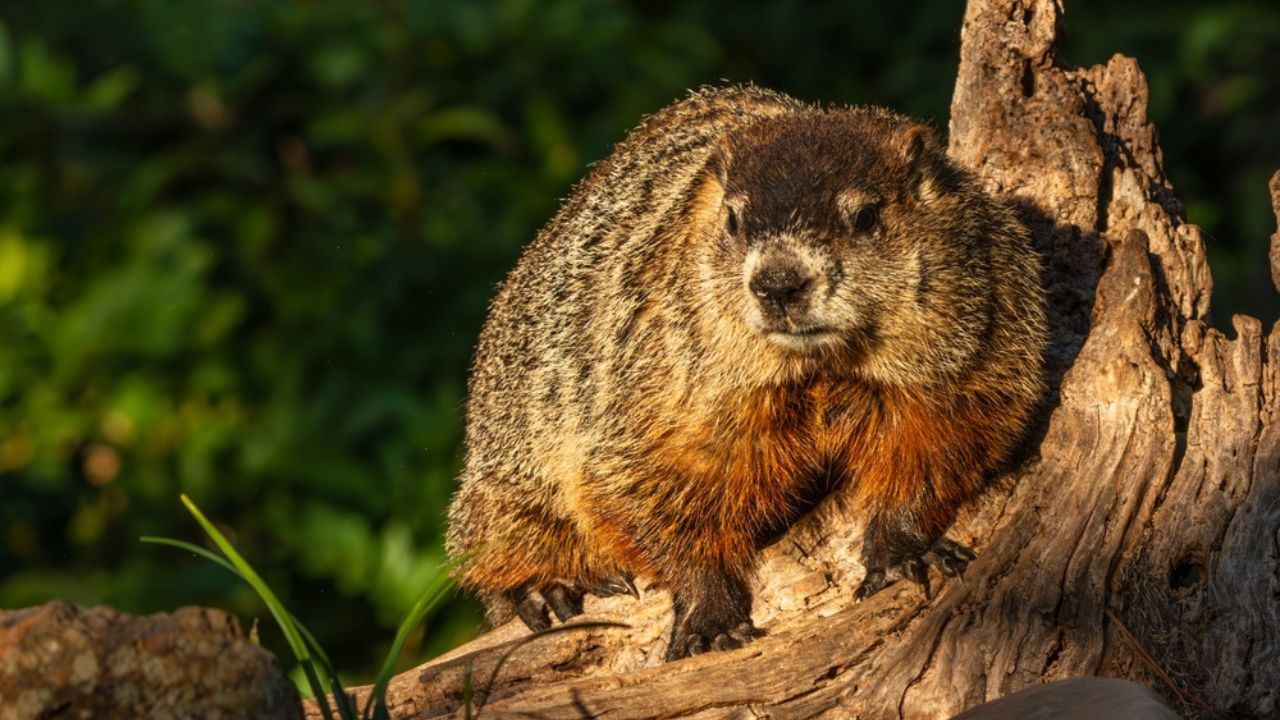
While they are different animals, groundhogs (also known as woodchucks) and gophers are both large rodents that create extensive burrow systems and can wreak havoc on your yard.
Gophers are known for pulling entire plants down into their tunnels, while groundhogs will happily devour your vegetable garden. Their large burrows can undermine sheds and even foundations.
- Hole Size: These animals dig large holes, typically 8 to 12 inches (20-30 cm) in diameter. Gopher holes are often uniquely bean-shaped or fan-shaped.
- Soil: A large, crescent-shaped or fan-shaped mound of fresh dirt is a classic sign. The main entrance is often plugged with soil. Groundhogs tend to leave a large pile of dirt and rocks right next to their main entrance.
- Location: They are commonly found in open fields, meadows, and along the edges of gardens or near barns, where they can easily access food.
4. Chipmunks
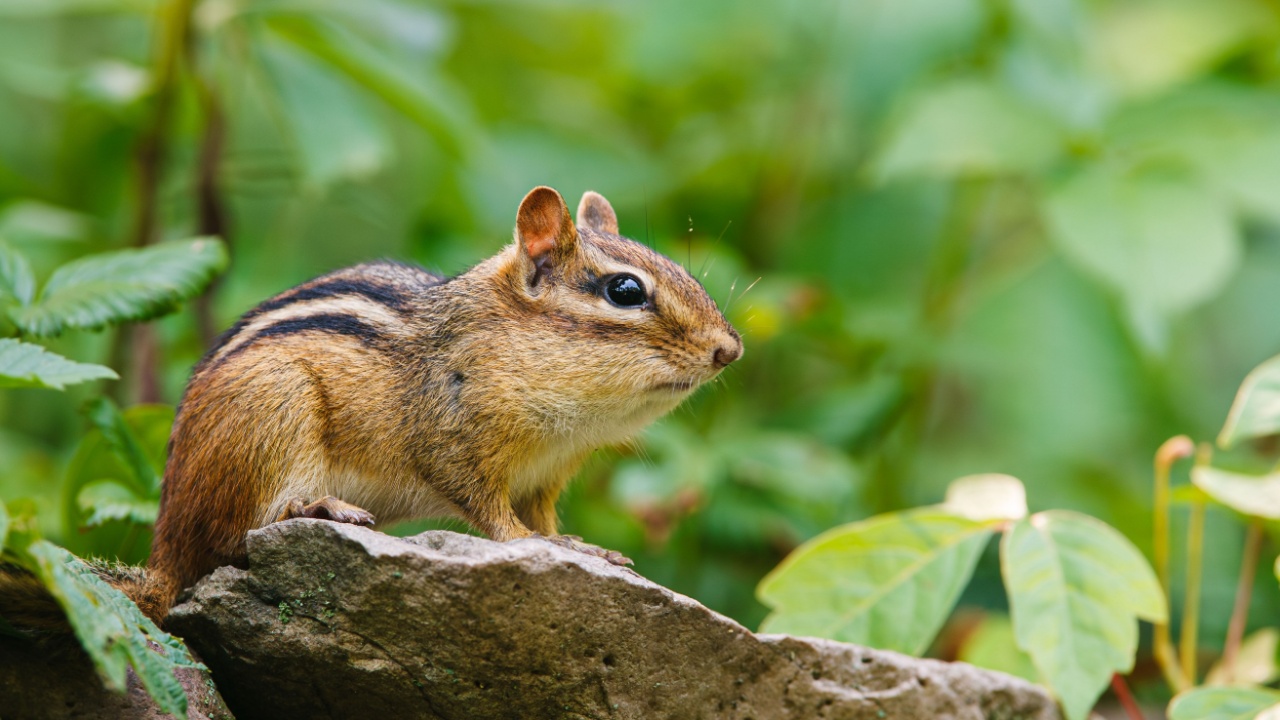
These small, striped members of the squirrel family are cute, but their burrowing can be destructive. Chipmunks dig extensive tunnel systems, which can cause structural damage to patios, retaining walls, and foundations.
Their holes are often well-hidden and expertly dug, leaving very little evidence behind. You’re more likely to hear their high-pitched “chip-chip” call than see the entrance to their home.
- Hole Size: Their burrow entrances are small, perfectly round, and about 2 inches (5 cm) in diameter.
- Soil: Chipmunks are meticulous and carry the excavated soil in their cheek pouches to disperse it away from the hole, leaving almost no mound or loose dirt at the entrance.
- Location: They love to dig their burrows in concealed, protected areas, such as under log piles, stumps, shrubs, or alongside building foundations and retaining walls.
5. Skunks & Raccoons
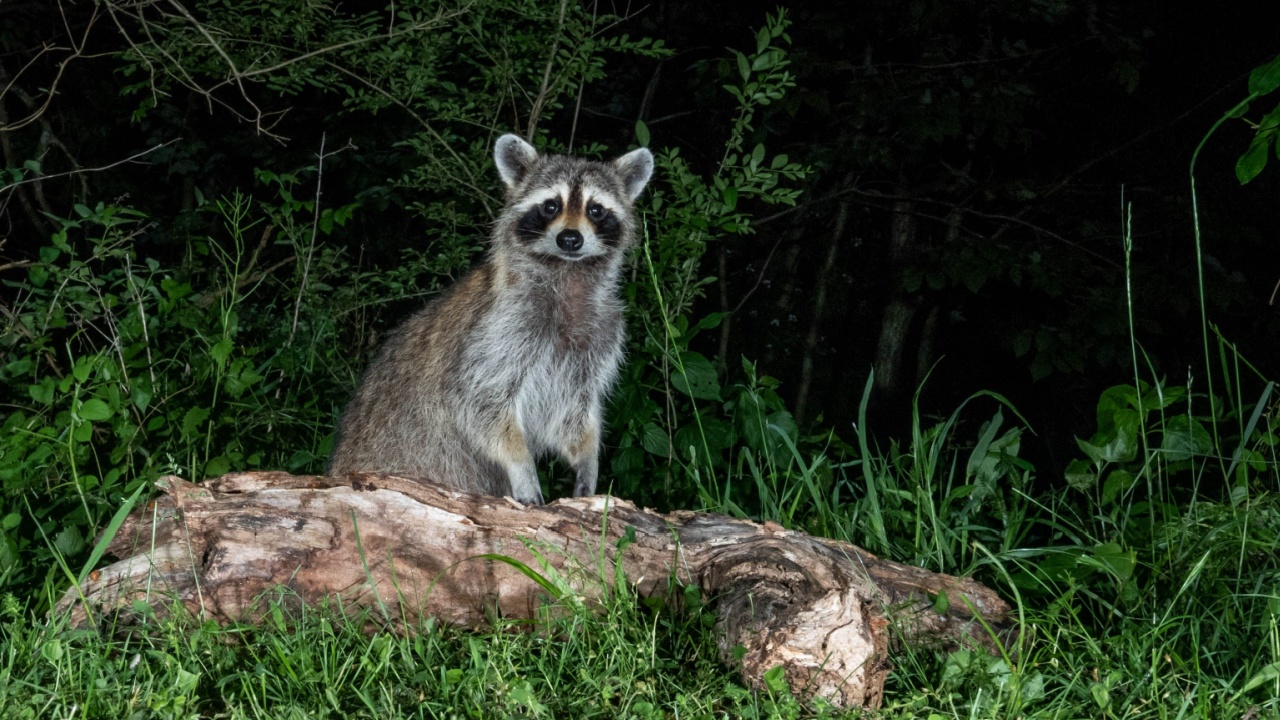
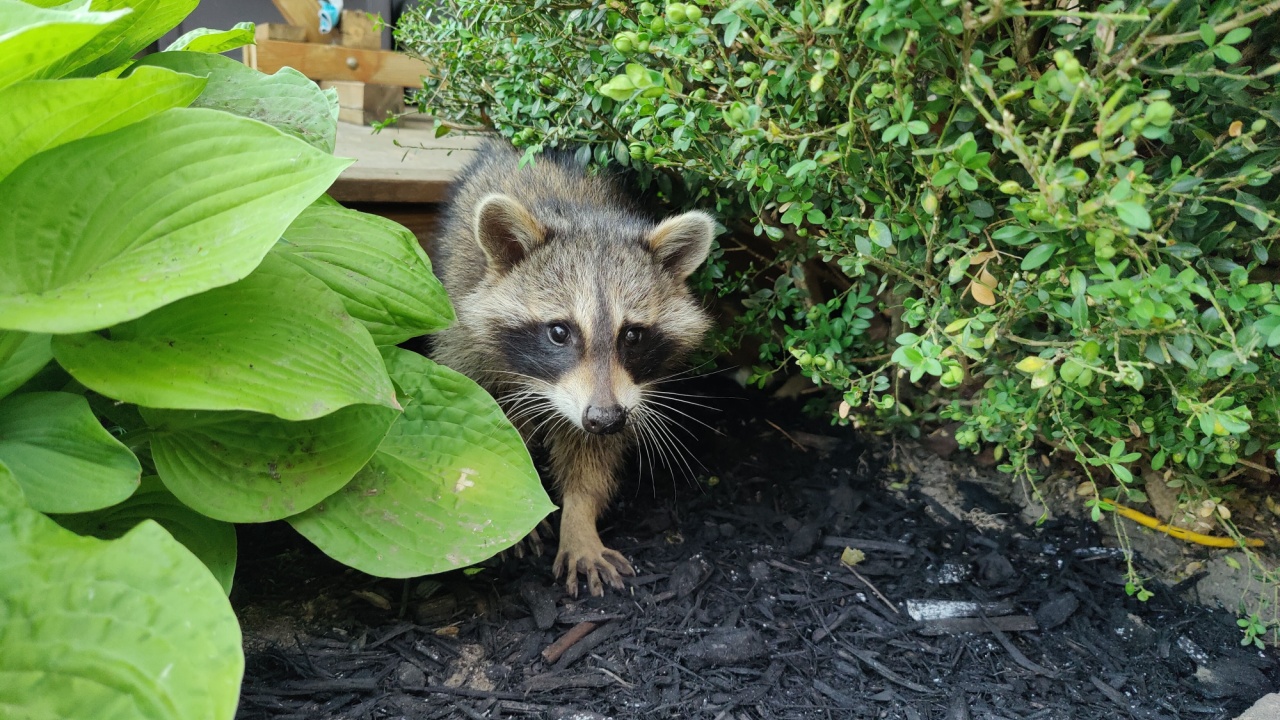
Skunks and raccoons are primarily foragers, not full-time burrowers. The holes you find from these nocturnal visitors are usually the result of them digging for grubs, worms, and other insects in your lawn. While they may take temporary shelter in existing burrows, the damage they cause is typically shallow and widespread.
- Hole Size: They create small, cone-shaped holes, typically 3 to 4 inches (7.6-10.2 cm) across.
- Soil: There won’t be a mound. Instead, you’ll see disturbed turf where the grass looks like it has been peeled or rolled back.
- Location: This digging activity is most common in lawns and gardens, especially in late summer and early fall when insect larvae are abundant.
6. Ground Squirrels
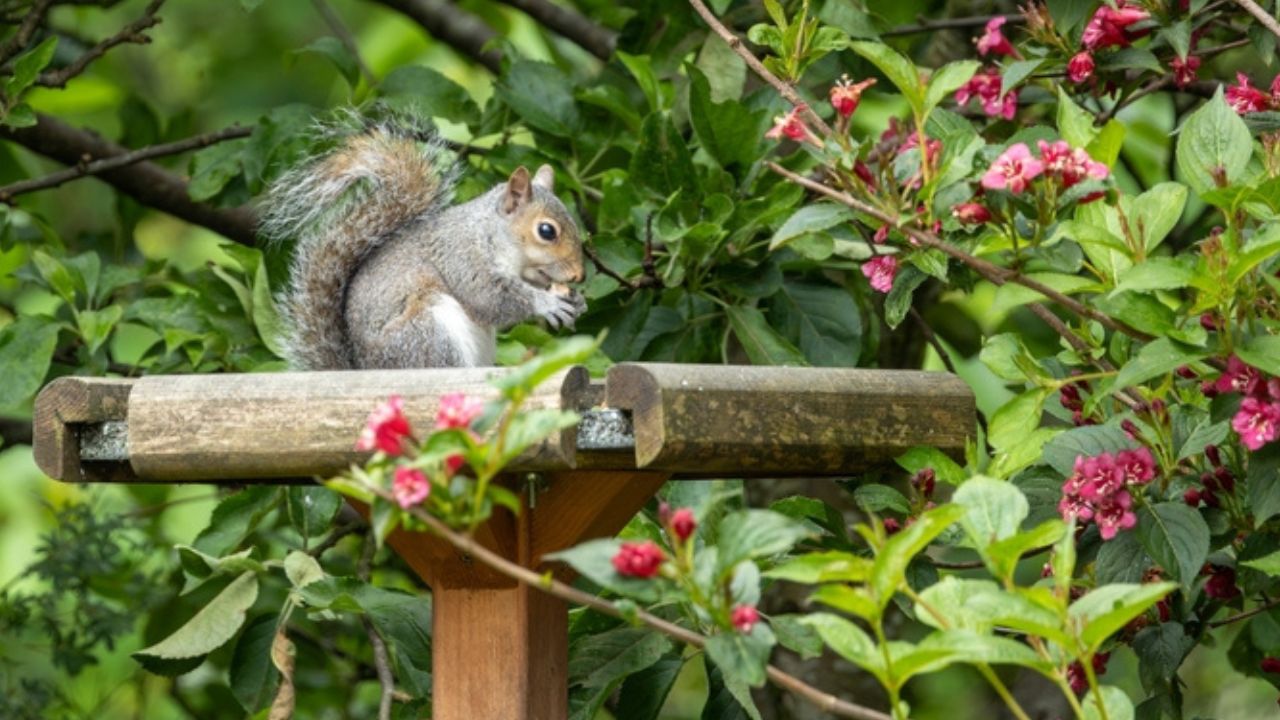
Ground squirrels are social animals that live in colonies and create complex burrow systems. They are often mistaken for their tree-dwelling cousins but prefer to live underground. These burrows have multiple entrances, which serve as escape routes. Ground squirrels are active during the day and can often be seen scurrying around their burrow entrances.
- Hole Size: Entrances are typically 2 inches (5 cm) in diameter and are open, not plugged.
- Soil: Unlike gophers, ground squirrels leave no mound of dirt around their main entrance. You will find multiple open holes across an area.
- Location: They are found in open areas like pastures and grassy hillsides, but also frequent landscaped areas, gardens, and the areas around logs or rock piles.
7. Rats
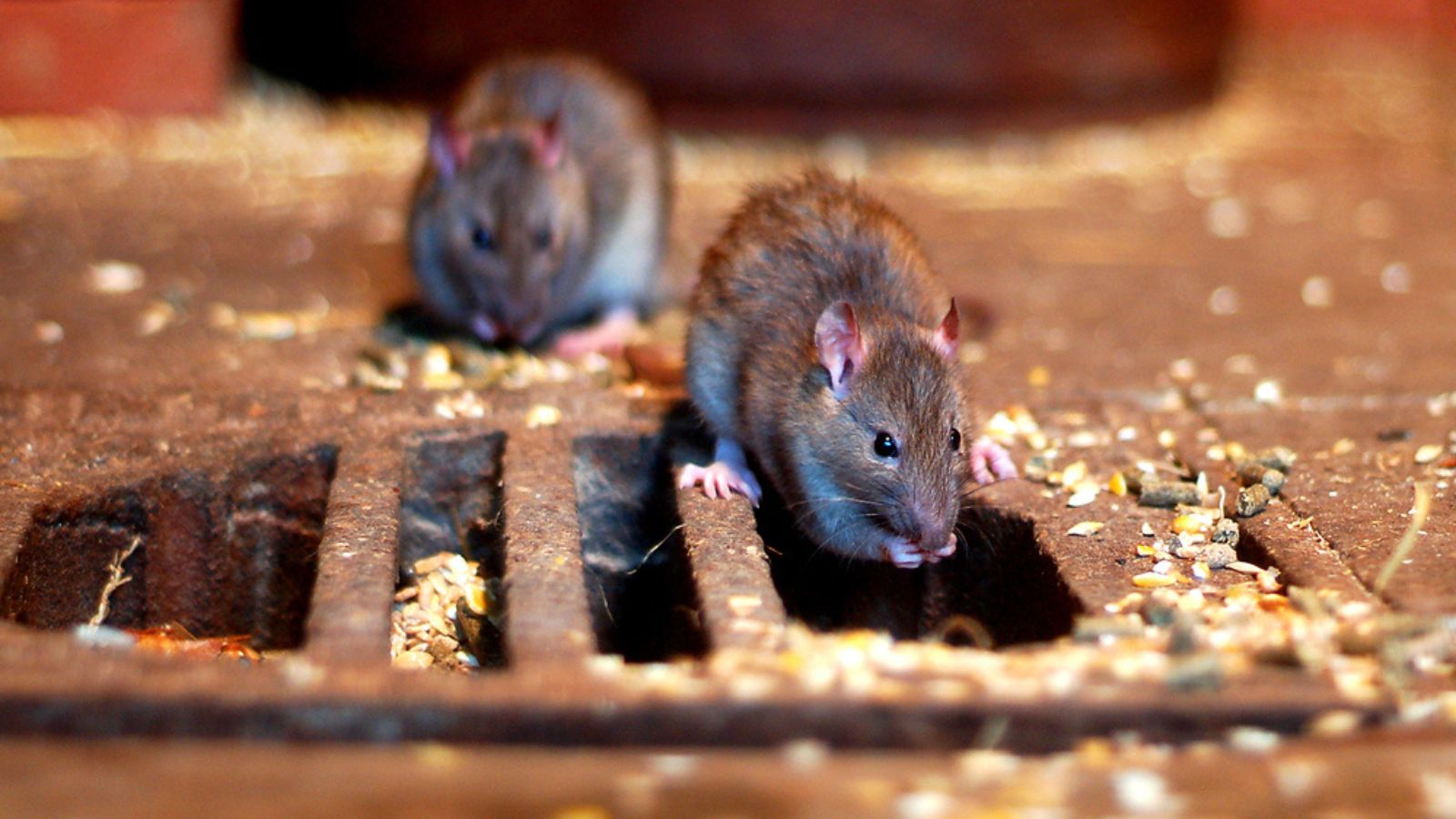
Norway rats, one of the most common species, are notorious for creating burrows for shelter and nesting. These burrows are often found in discreet locations and can signal a serious pest problem, as they can also find their way into homes. Rat burrows often have a main entrance and at least one escape hole.
- Hole Size: Their burrows are typically 2 to 3 inches (5-7.6 cm) in diameter with smooth edges from frequent use.
- Soil: You might find a small fan of excavated dirt, but a more telling sign is a worn-down or flattened path leading to the entrance from constant traffic.
- Location: Rats are opportunistic and will dig burrows almost anywhere that provides cover, including along building foundations, under garbage cans, in dense vegetation, or within woodpiles.
8. Crayfish
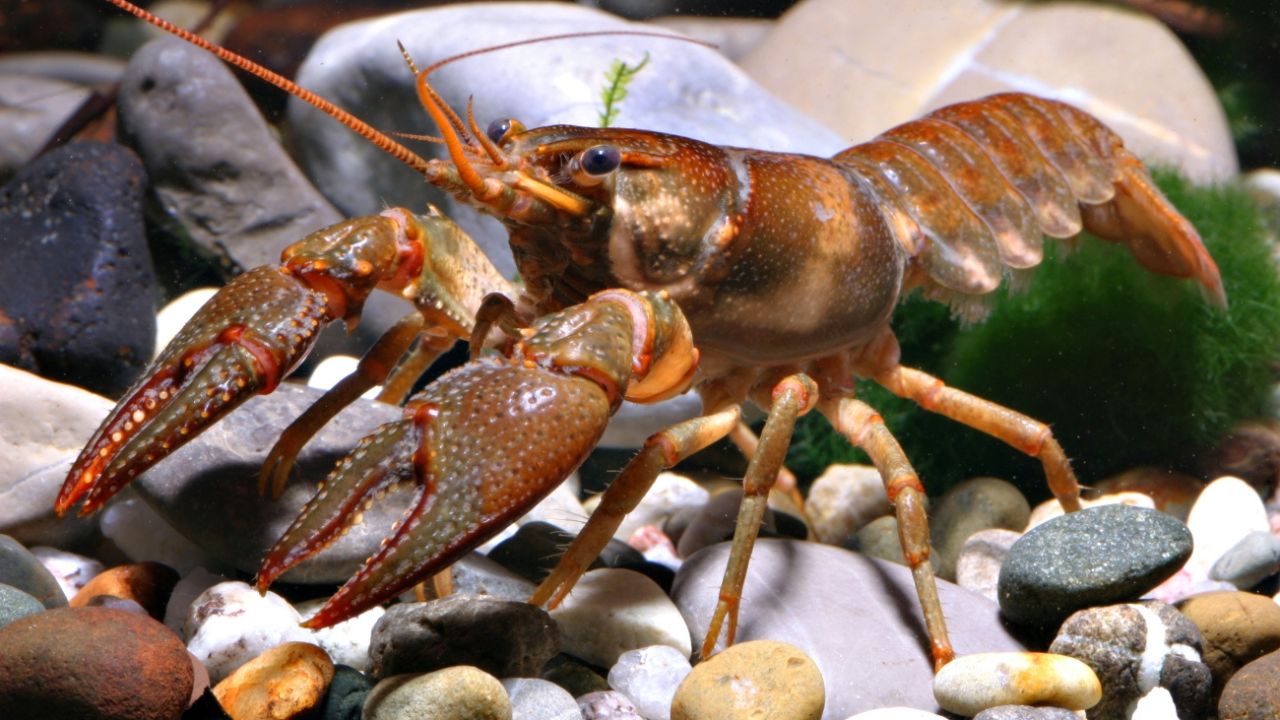
If you live near a creek, pond, or in an area with a high water table, the strange mud towers in your yard are likely from crayfish. These crustaceans, also known as crawdads, build burrows in wet soil. They excavate mud and form it into a distinctive “chimney” or “turret” around their burrow’s entrance.
- Hole Size: The hole itself is about 1 inch (2.5 cm) in diameter.
- Soil: The most prominent feature is the mud chimney, which can be 2 to 4 inches (5-10 cm) tall and is made of balled-up mud pellets.
- Location: Exclusively found in waterlogged soil, near creeks, ponds, swamps, and poorly drained areas of a lawn.
Dealing With Unwanted Visitors
Once you’ve identified your underground visitor, the next step is to decide on a course of action. For many, this involves seeking humane and effective ways to encourage the animal to move along.
To get rid of pests, this could mean using repellents, removing their food sources, or, in some cases, contacting a professional wildlife removal service. Taking these steps will help you protect your garden and coexist peacefully with your local wildlife.