16 Items That Don’t Belong in the Bedroom
Your bedroom should feel like a sanctuary, a peaceful retreat from the constant chaos of the outside world. It’s the one place where you can shut the door, take a deep breath, get rid of restricting clothes, and truly relax. However, we allow small, unwelcome intruders to creep in and disrupt the serenity of our space.
These seemingly harmless items can slowly change a room that’s meant for rest and relaxation. Before you know it, the space feels stressful, cluttered with unfinished chores, and even a little smelly. Then, you wake up still tired, and you can’t figure out why you’re still groggy after a full 7 hours of sleep.
Let’s take a closer look at these common offenders and explore how to reclaim your bedroom as the restful haven it’s meant to be.
1. Electronics and Work Equipment

It seems harmless to scroll through your phone before bed or answer one last email on your laptop. But these glowing rectangles are notorious for emitting blue light, which messes with your body’s production of melatonin, the hormone that tells you it’s time to sleep. Beyond the science, bringing work gear into the bedroom mentally ties the space to deadlines and stress, not rest. Your brain starts to see your bed as just another branch of the office.
This creates a cycle where you find it difficult to switch off, leading to restless nights and tired mornings. Separating your work life from your sleep space is crucial for genuine rest and mental clarity.
Quick Summary:
- The issue: Blue light from screens suppresses sleep hormones. Work equipment associates your bedroom with stress, not relaxation.
- Alternative: Charge your devices in another room overnight. If you must use them, switch to “night mode” to reduce blue light. Designate a specific spot in your home for work, even if it’s just a corner of the living room.
2. Television
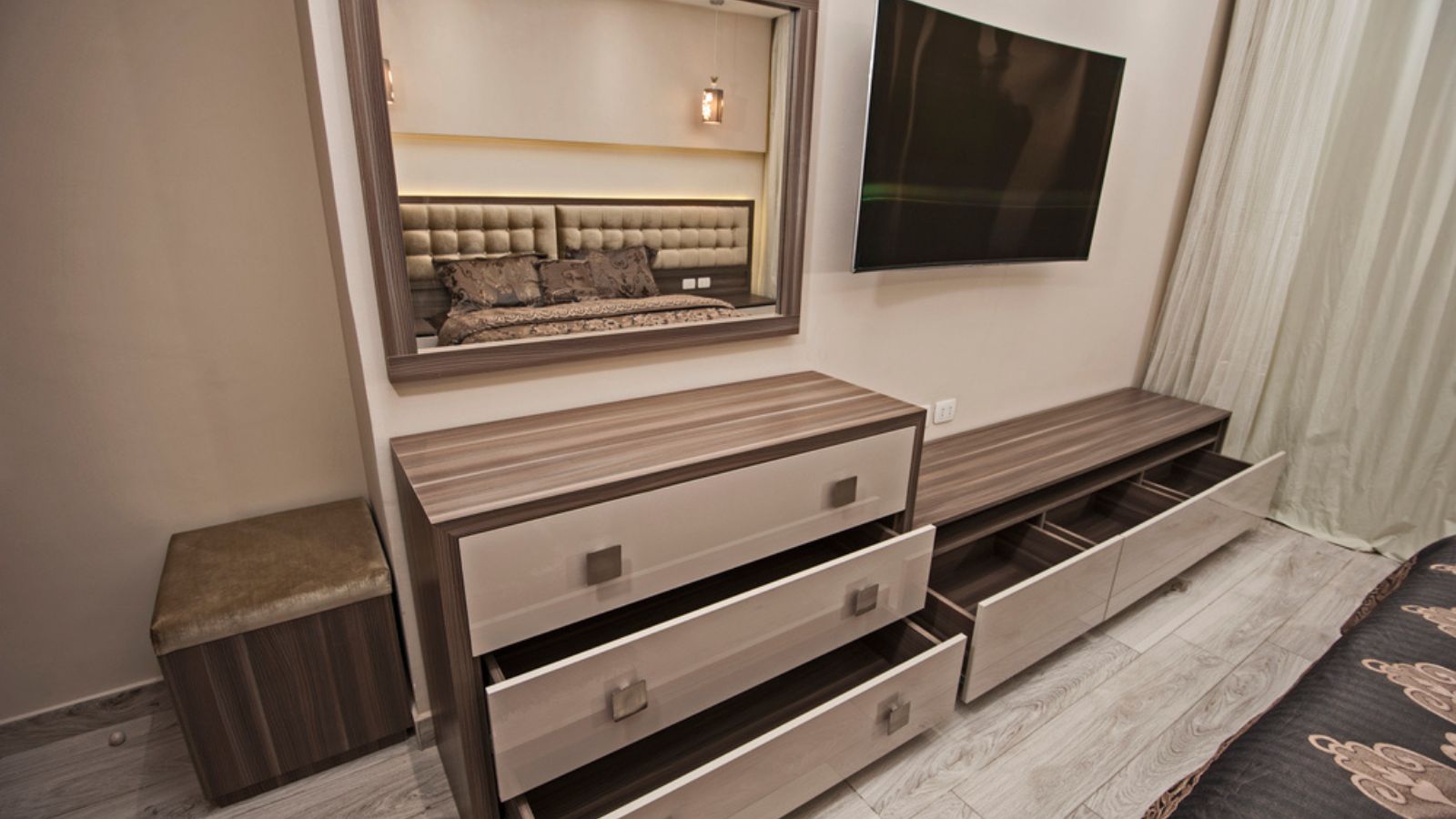
A TV in the bedroom feels like a luxury, but it’s one that often comes at a cost to your sleep. Similar to phones and laptops, the light from the screen can disrupt your natural sleep cycle. The stimulating content, be it a dramatic series or the nightly news, keeps your mind buzzing long after the screen goes dark. It makes it harder to unwind and drift off peacefully.
Removing the TV encourages you to use the bedroom for its intended purposes: sleep and intimacy. It helps you disconnect from digital distractions and reconnect with yourself or your partner.
Quick Summary:
- The Issue: The light and stimulating content from a television can delay sleep and reduce its quality.
- Alternative: Read a book, listen to a calming podcast, or practice some light stretching before bed. Move the TV to the living room to make watching a more intentional activity.
3. Food and Drinks

That late-night snack in bed might seem comforting, but it’s an open invitation for problems. Late-night eating can mess with your digestion and potentially your weight. It also welcomes a whole host of other issues. Crumbs attract pests like ants and cockroaches, which are roommates nobody wants.
Spills can lead to stains, moisture, and even mold growth in your mattress or on your furniture. It creates an environment that is anything but clean and restful. Keeping your bedroom a food-free zone helps maintain a healthier and more hygienic space. It also reinforces the room’s primary function as a place for rest, not a dining area.
Quick Summary:
- The Issue: Food attracts pests, and spills can cause stains and mold. It creates an unhygienic sleep environment.
- Alternative: Enjoy your meals and snacks in the kitchen or dining area. If you need a drink, stick to a glass of water with a secure lid to minimize spill risks.
4. Dirty Laundry
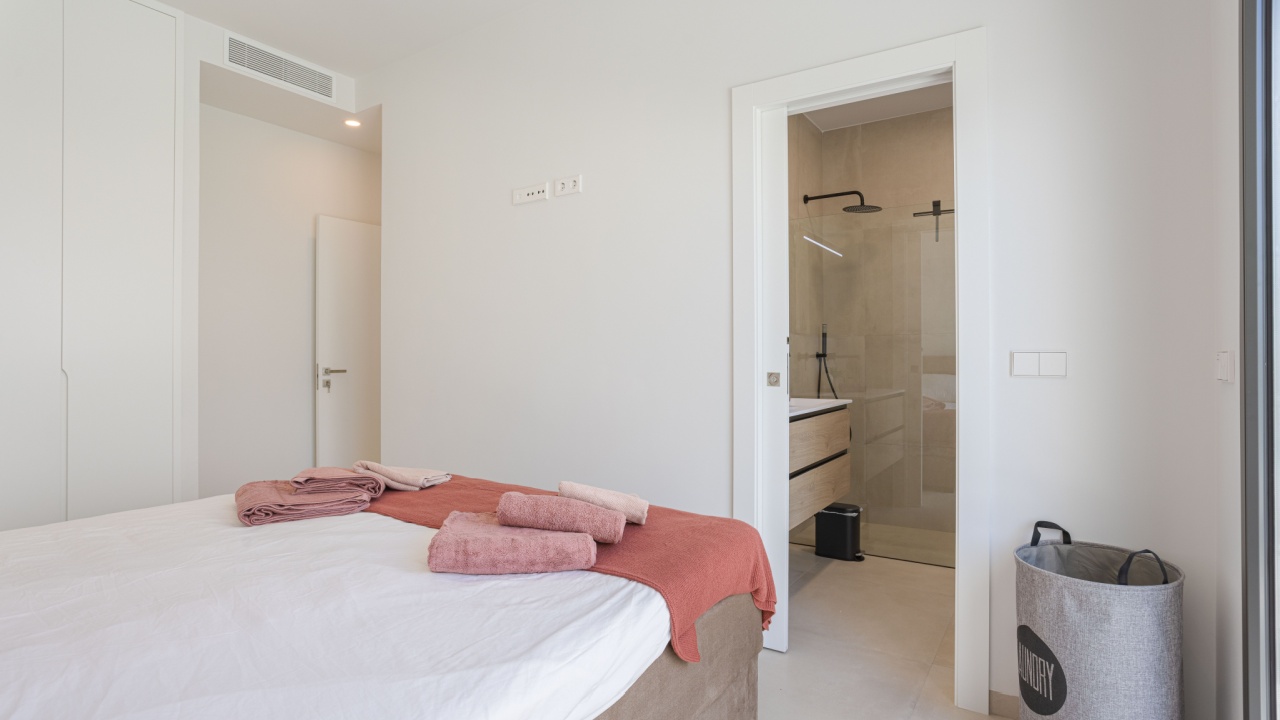
The “floordrobe” is a common phenomenon, but that pile of dirty laundry is more than just an eyesore. It’s a physical manifestation of a pending chore, creating a subtle sense of stress and clutter. Those clothes can also harbor odors and allergens like dust mites, which can affect the air quality in your room and disrupt your sleep, especially if you have allergies. A clean floor and an empty laundry basket contribute to a feeling of calm and order, making it much easier to relax.
Quick Summary:
- The Issue: Piles of laundry create visual clutter, unpleasant odors, and harbor allergens, all of which undermine relaxation.
- Alternative: Place a hamper in your closet or a corner of the room and make a habit of putting clothes in it right away. Commit to a laundry schedule to prevent overflow.
5. Exercise Equipment
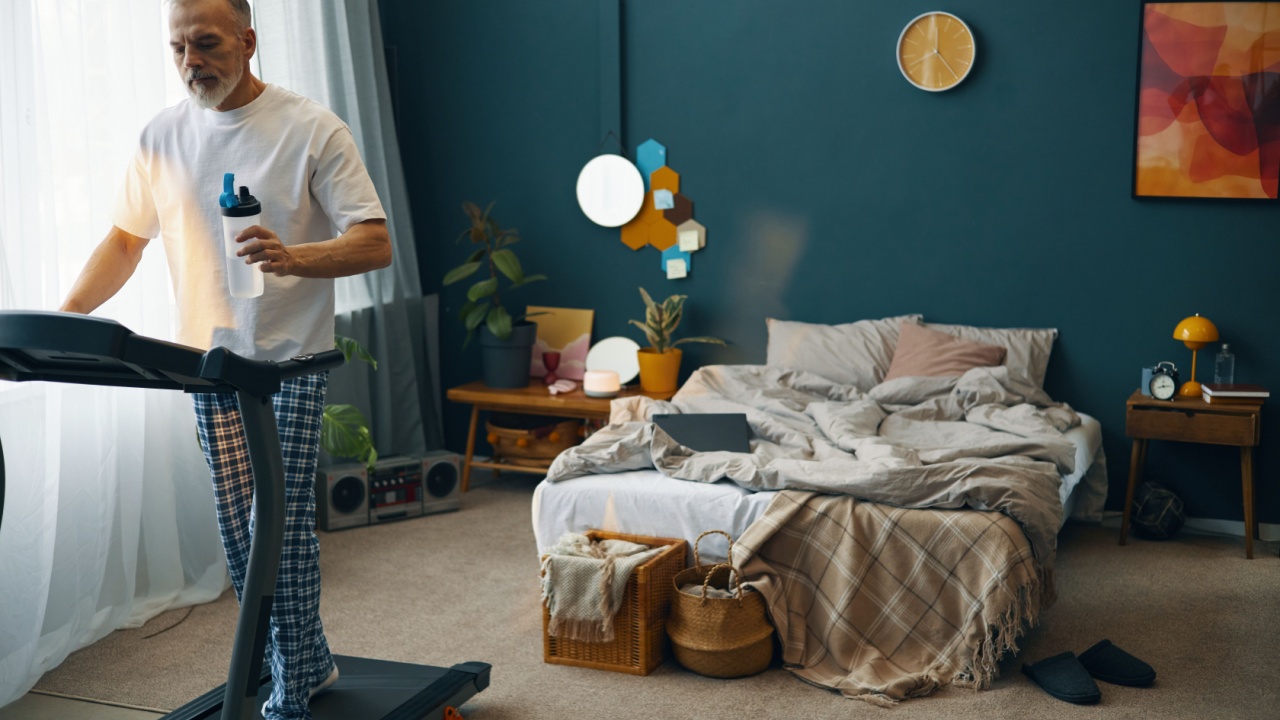
Having a treadmill or set of weights in your bedroom might seem like a great way to stay motivated. In reality, it sends your brain mixed signals. The bedroom should be a place of rest and calm, while exercise equipment screams energy and activity. It becomes a bulky, constant reminder of a workout you did or one you skipped, adding a layer of guilt or pressure.
This clash of purposes makes it harder for your mind to associate the bedroom with winding down. Your workout gear will be much more effective in a space dedicated to activity.
Quick Summary:
- The Issue: Workout gear introduces the energy of a gym into your relaxation space, creating mental conflict and clutter.
- Alternative: Find a dedicated spot for your equipment in another area, like a garage, a spare room, or even a corner of your living room. This helps create clear boundaries between activity and rest.
6. Too Many Pillows and Stuffed Animals
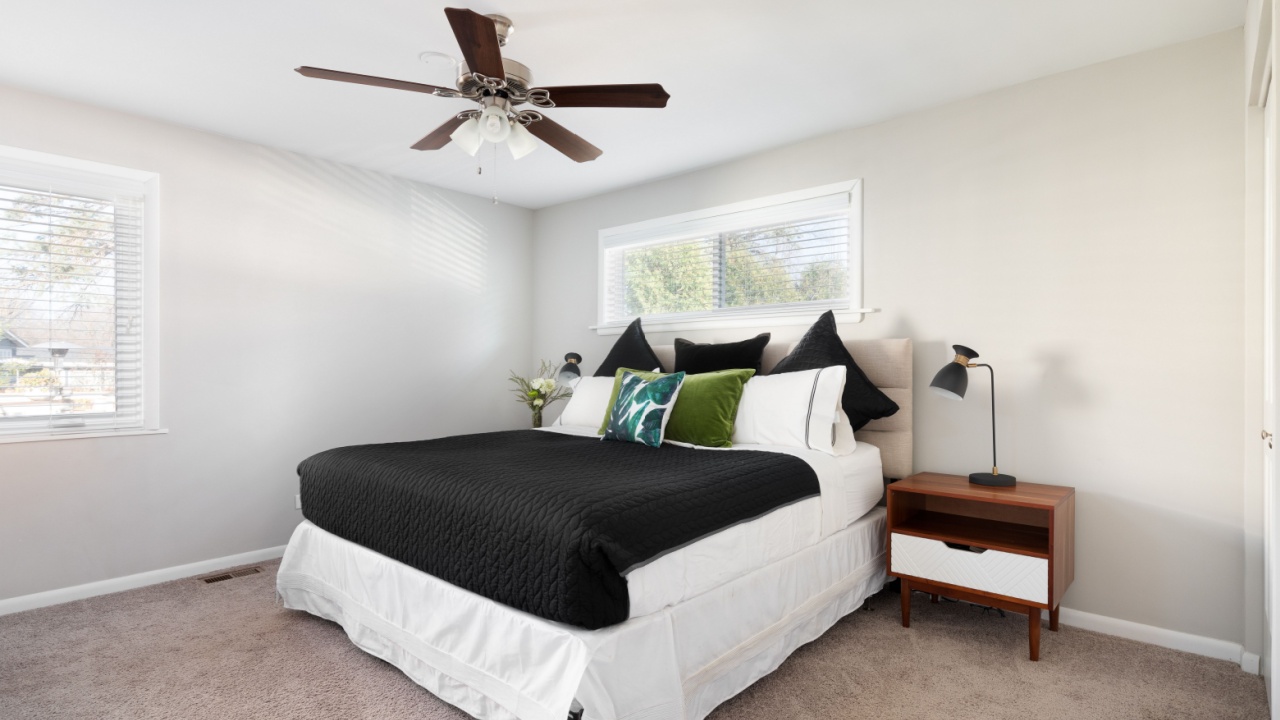
A bed piled high with decorative pillows and a menagerie of stuffed animals looks plush and inviting in photos. The reality is a nightly ritual of moving everything to the floor, only to put it all back in the morning. These items are major dust collectors, trapping allergens that can interfere with your breathing and sleep quality.
While a few favorites are fine, an excessive amount just adds to the clutter and your daily to-do list. Simplifying your bedding can make your room feel cleaner and more serene.
Quick Summary:
- The Issue: Excess pillows and stuffed animals collect dust and allergens, add to clutter, and create an unnecessary daily chore.
- Alternative: Keep only the pillows you actually use for sleeping, plus one or two decorative ones if you must. Store beloved stuffed animals on a shelf as decor rather than on the bed itself.
7. Certain Kinds of Plants

Plants can improve air quality, but not all plants are suited for the bedroom. Some plants, through a process called CAM photosynthesis, release carbon dioxide at night. While the amount is generally small, having several of them in a poorly ventilated room isn’t ideal. Plants with heavy fragrances can also be overpowering and disruptive to sleep.
The goal is to choose plants that work with your sleep environment, not against it. Opt for varieties known for their air-purifying qualities that release oxygen at night.
Quick Summary:
- The Issue: Some plants release carbon dioxide at night or have strong scents that can interfere with a restful atmosphere.
- Alternative: Choose bedroom-friendly plants like Snake Plants, Spider Plants, or Peace Lilies, which are known for purifying the air and releasing oxygen at night.
8. Clutter and Excessive Decor
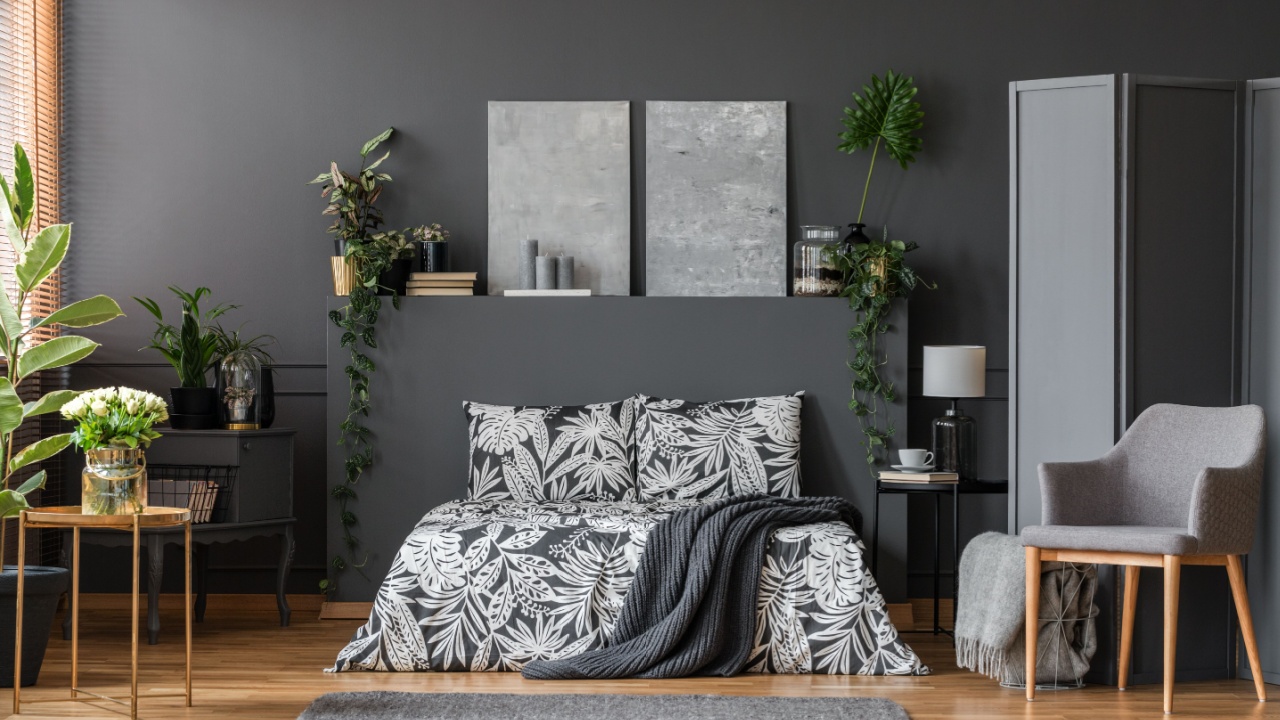
A cluttered space leads to a cluttered mind, and can affect the quality of your sleep. When your bedroom is filled with knick-knacks, piles of books, and random items, your brain perceives it as a chaotic environment. This visual noise can elevate cortisol, the stress hormone, making it difficult to fully relax and switch off. The room feels like a storage unit instead of a peaceful retreat.
A minimalist approach to decor can have a powerful calming effect. Declutter your bedroom, keep surfaces clear, and only display items you truly love. Create a visually restful space.
Quick Summary:
- The Issue: Visual chaos from clutter can increase stress levels and make it harder for your brain to wind down.
- Alternative: Regularly declutter your bedroom. Use storage solutions like baskets, bins, and drawer organizers to keep items tidy and out of sight. Practice the “one in, one out” rule to maintain balance.
9. Work Files and Folders

Just like work-related electronics, physical work materials like files, binders, and paperwork have no place in the bedroom. Their presence is a constant, nagging reminder of your professional responsibilities. This blurs the important boundary between your work life and your personal time, making it nearly impossible to mentally check out at the end of the day.
Your bedroom should be a refuge from professional pressures. Keeping work materials out of sight helps protect this sanctuary and allows for true mental rest.
Quick Summary:
- The Issue: Keeping work materials in the bedroom blurs work-life boundaries and prevents you from mentally disconnecting and relaxing.
- Alternative: Set up a designated workspace elsewhere in your home. If space is tight, use a box or a drawer to store your work items at the end of the day, so they are physically and mentally put away.
10. Bright, Harsh Lighting
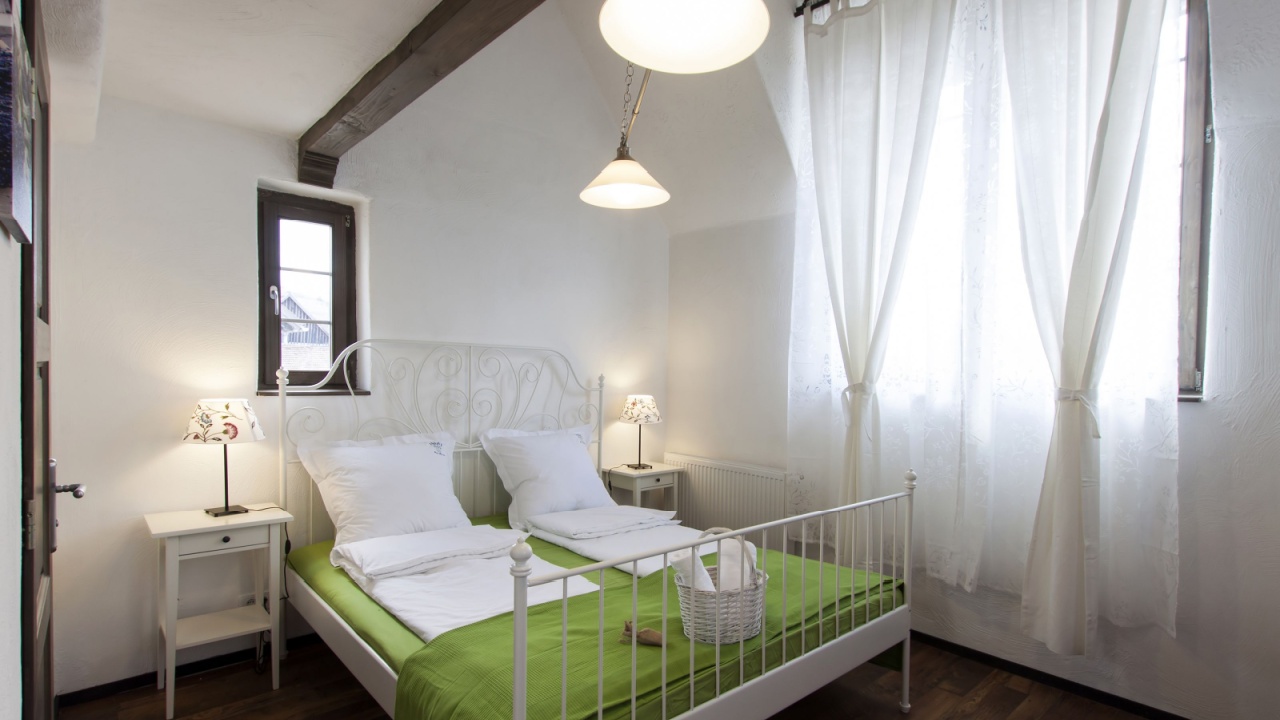
Strong overhead lighting, especially with cool-toned bulbs, can be jarring and disruptive to your body’s internal clock. Your circadian rhythm is highly sensitive to light, and bright lights in the evening can signal to your brain that it’s still daytime, suppressing melatonin production.
This makes it much harder to fall asleep when you finally turn them off. Soft, warm, and dimmable lighting creates a much more soothing atmosphere that mimics the setting sun, gently guiding your body toward sleep.
Quick Summary:
- The Issue: Bright, cool-toned lighting disrupts your circadian rhythm and hinders the production of sleep hormones.
- Alternative: Use bedside lamps with warm-toned, low-wattage bulbs. Install a dimmer switch for your main overhead light so you can adjust the intensity. Layer your lighting with different sources for flexibility.
11. Mirrors Facing the Bed

This concept is popular in Feng Shui, but it has practical roots too. Catching a glimpse of movement in a mirror from your bed, especially in a dimly lit room, can be startling. For some, the idea of being reflected while they sleep can create a sense of unease or being watched, which is not conducive to deep rest.
While mirrors are great for making a room feel larger and brighter, their placement matters. A simple adjustment can eliminate any potential discomfort.
Quick Summary:
- The Issue: Mirrors reflecting the bed can be startling during the night and may create a feeling of being watched, disturbing sleep.
- Alternative: Position mirrors so they don’t directly reflect the bed. Placing one on the wall alongside your bed or on the back of a closet door is a great option. If moving it isn’t possible, you can cover it with a decorative screen or cloth at night.
12. Strong Scents and Air Fresheners
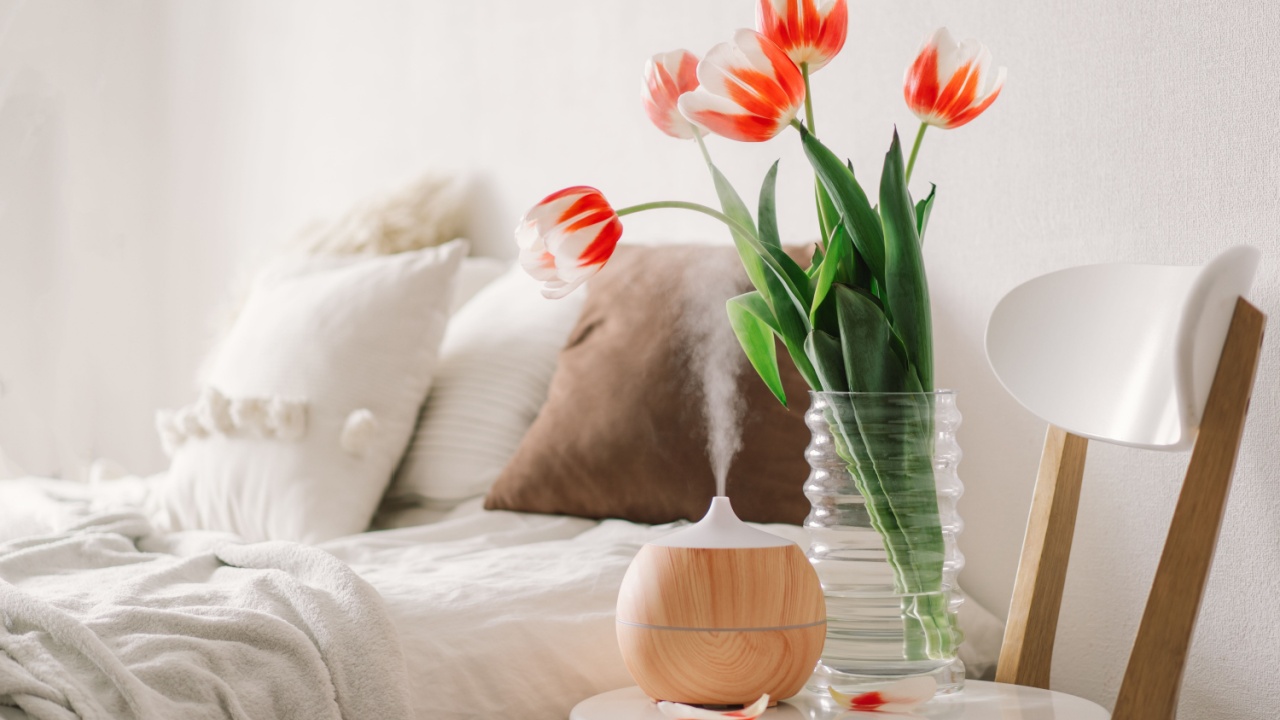
A pleasant scent can make a room feel inviting, but synthetic fragrances from plug-in air fresheners, strong candles, and sprays can do more harm than good. They often contain volatile organic compounds (VOCs) that can trigger headaches, allergies, and respiratory issues. An overpowering scent can also be distracting and prevent you from relaxing.
Your brain remains active while you sleep, and strong smells can keep it stimulated. A neutral or naturally scented environment is much better for restful sleep.
Quick Summary:
- The Issue: Artificial and strong fragrances can trigger headaches and allergies, and the chemicals they release can interfere with a healthy sleep environment.
- Alternative: Use an essential oil diffuser with calming, natural scents like lavender or chamomile. Open your windows during the day to air out the room naturally. A few drops of essential oil on a cotton ball placed in a discreet spot can also provide a gentle aroma.
13. Pet Beds and Accessories

We love our furry friends, but their beds, toys, and food bowls bring dander, hair, and odors into your sleep sanctuary. Even if your pet doesn’t sleep with you, having their accessories in the room can contribute to allergens in the air. Who hasn’t tripped over a rogue squeaky toy during a midnight trip to the bathroom?
Creating a separate, comfortable space for your pet outside the bedroom helps keep your room cleaner and free from tripping hazards.
Quick Summary:
- The Issue: Pet accessories introduce extra hair, dander, odors, and potential tripping hazards into your bedroom.
- Alternative: Set up a cozy pet bed for your companion in another room, like the living room or a hallway nook. Keep their toys and food dishes in a designated area outside the bedroom.
14. Old Mattresses and Pillows
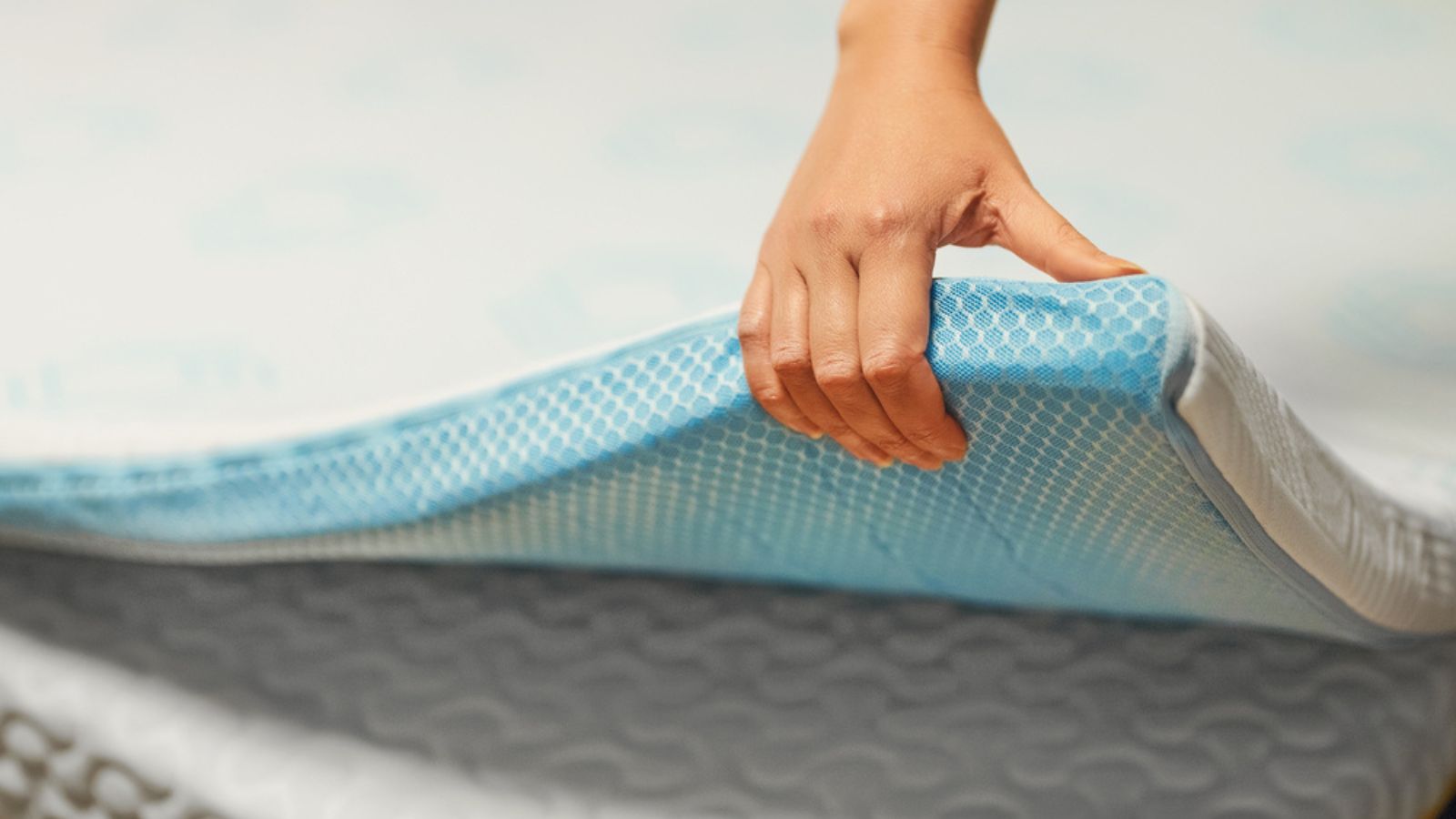
Your mattress and pillows are the foundation of good sleep, but they don’t last forever. An old mattress loses its supportive qualities, leading to aches and pains. Over the years, bedding accumulates a startling amount of dust mites, dead skin cells, and other allergens. An old, unsupportive pillow can lead to neck pain and restless nights.
Investing in quality bedding is an investment in your health. A fresh, supportive sleep surface can dramatically improve your sleep quality and overall well-being.
Quick Summary:
- The Issue: Worn-out mattresses and pillows lack support, harbor allergens, and significantly diminish sleep quality.
- Alternative: Replace your mattress every 7-10 years and your pillows every 1-2 years. Look for signs of wear like sagging, lumps, or persistent stains. Use mattress and pillow protectors to extend their life and keep them hygienic.
15. Routers and Power Strips
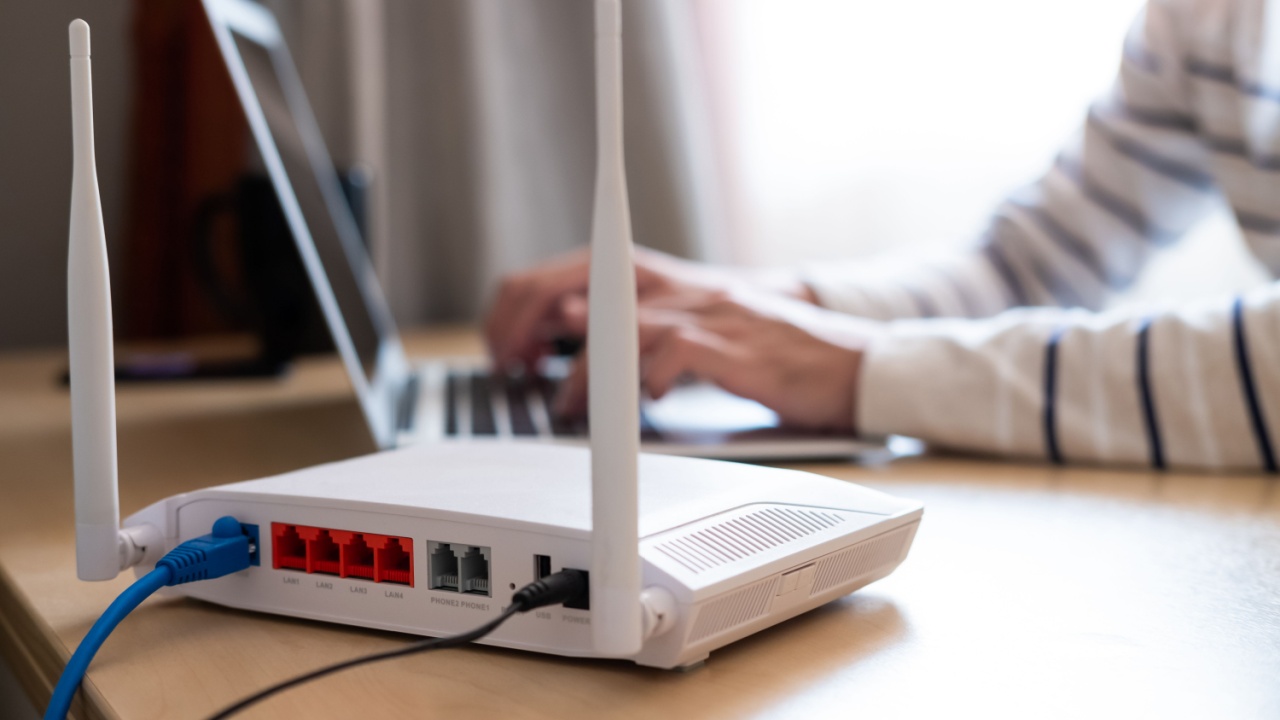
It’s easy for a wifi router, a nest of charging cables, and power strips to form by the bedside and bedroom walls. This tangle of wires is not just visual clutter; it can also be a safety hazard. They pose a trip risk in the dark and can potentially overheat, creating a fire risk. Some people are also sensitive to the electromagnetic fields (EMFs) emitted by charging devices.
Tidying up your cables can make your space feel instantly cleaner and safer. It’s a small change that makes a big difference in creating a peaceful environment.
Quick Summary:
- The Issue: Messy wires add to visual clutter and can be a trip and fire hazard.
- Alternative: Use cable management solutions like cord organizers, clips, or a charging station to keep wires neat. Whenever possible, use a single power strip tucked out of sight and unplug devices once they are fully charged.
16. Cleaning Supplies

It might seem convenient to stash a bottle of disinfectant or a dusting spray in your bedroom closet, but cleaning products don’t belong in your sleep space. Many contain harsh chemicals that release fumes over time, even when sealed. They can irritate your lungs, trigger allergies, and disrupt sleep quality. Storing cleaning gear in the bedroom adds visual clutter and increases the risk of spills or chemical exposure in a poorly ventilated space.
Quick Summary:
- The Issue: Cleaning supplies release chemical fumes and add clutter, compromising air quality and sleep.
- Alternative: Store them in a laundry room, kitchen cabinet, or utility closet with good airflow and child-safe access.
Create a Serene Bedroom

You live your life awake, but you often recharge and prepare to live that life in your sleep. The first step is simply to remove what doesn’t belong. Move your charging station to the living room or commit to keeping laundry in the hamper. Small, consistent changes will reclaim your bedroom as a peaceful retreat. Set clear boundaries for what belongs in your room; you’re taking a powerful step toward better sleep and a more relaxed state of mind.