
7 Easy Steps to Deep‑Clean Your Washing Machine
Your washing machine is the workhorse of your home, tirelessly working to keep your family’s clothes fresh and clean. But what about cleaning the cleaner? Soap scum, mineral deposits from hard water, and even tiny fibers from your clothes can build up inside the machine. This creates a breeding ground for mold, mildew, and bacteria, leading to musty odors that can transfer to your laundry.
If you’ve noticed your clothes aren’t coming out as fresh as they used to, or if a funky smell is coming from your laundry room, it’s time to give your washer some much-needed attention. Here are seven simple steps to deep clean your washing machine, so that it runs efficiently and leaves your laundry smelling wonderful.
Where We Got This Data

The information in this guide comes from a blend of trusted sources, including appliance manufacturer recommendations, university extension publications on household care, consumer product testing organizations, and professional cleaning forums where technicians share best practices.
1. Run a Cleaning Cycle with Vinegar OR Bleach (Not Both)
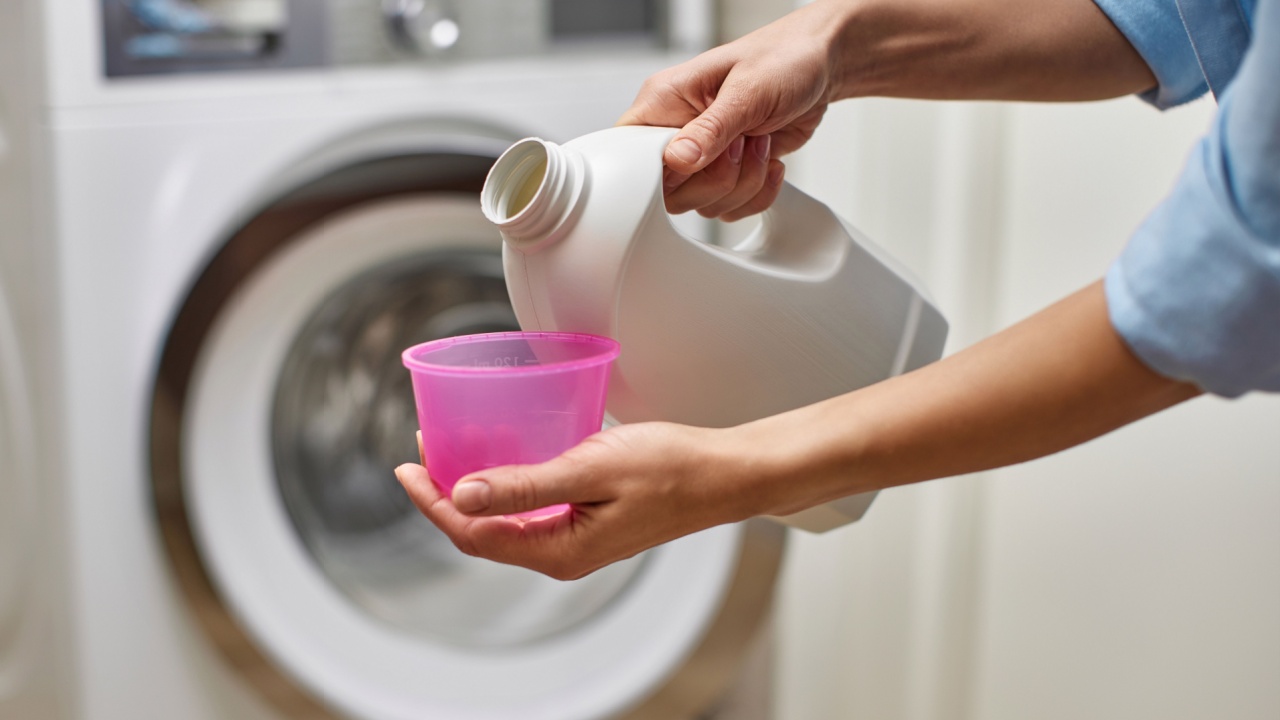
The first step to a cleaner machine is to run an empty cycle on the hottest setting. This helps to flush out any loose debris and start breaking down the buildup. For a more powerful clean, you can add a cleaning agent.
Pour two cups of white vinegar directly into the drum (for a top-loader) or into the detergent dispenser (for a front-loader) and run a full cycle. For stubborn mold or mildew, bleach is a more potent option. Add one cup of bleach to the bleach dispenser and run a hot cycle.
Important: Never mix vinegar and bleach, as this creates toxic chlorine gas. Choose one or the other for your cleaning cycle.
- Why it works: The hot water, combined with the acidic properties of vinegar or the disinfectant power of bleach, effectively sanitizes the machine’s drum and hoses.
- Pro-Tip: Experts suggest doing a cleaning rinse at least once a month to prevent buildup, especially if you have hard water or notice detergent streaks on your clothes.
2. Clean the Gasket or Seal
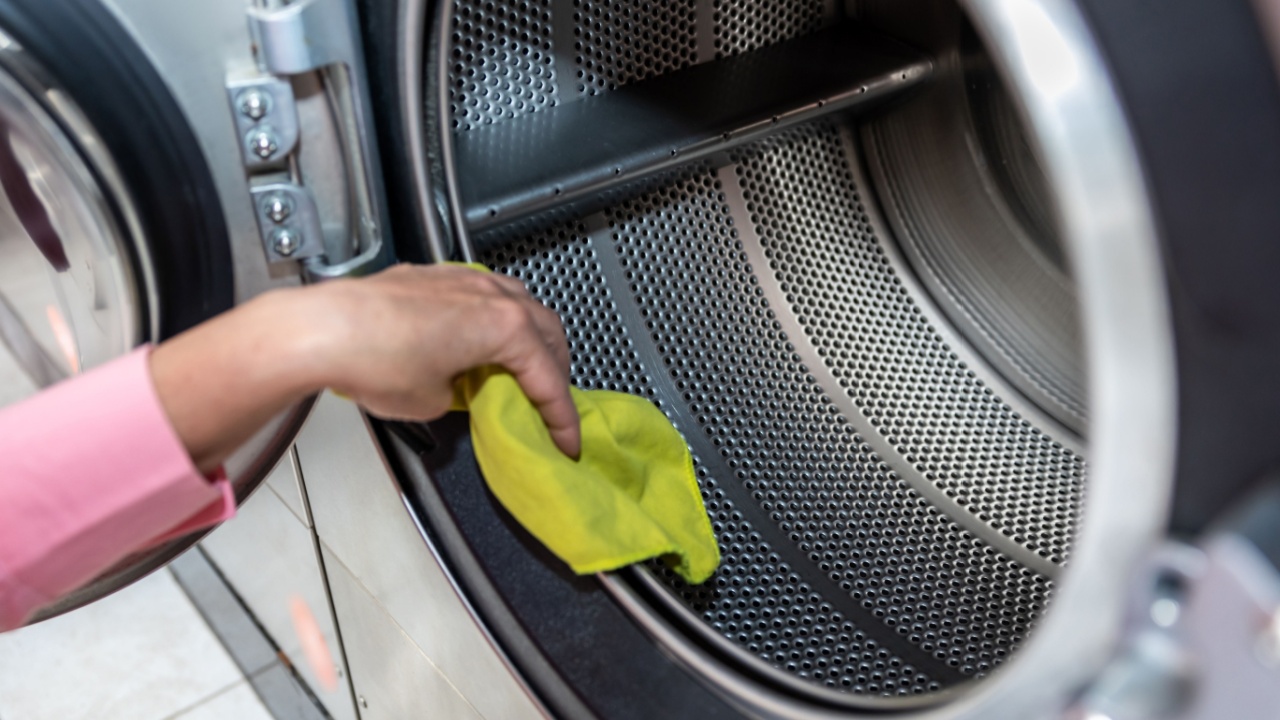
For front-loading washing machines, the rubber gasket around the door is a prime spot for trapping moisture, lint, and grime, which can lead to mold and bad smells.
After your cleaning cycle, pull back the rubber seal and inspect it. Use a cloth or sponge dipped in a solution of equal parts water and white vinegar to wipe down the entire gasket, including inside the folds. For tough mildew stains, you can use a soft-bristled brush or an old toothbrush. Once it’s clean, wipe it dry with a clean cloth.
- Why it works: Regularly cleaning the gasket prevents mold from taking hold and transferring to your clean clothes.
- Pro-Tip: After every wash, quickly wipe the gasket dry and leave the washing machine door ajar. This allows air to circulate and dries out any residual moisture, which is the most effective way to prevent mold growth.
3. Deep Clean the Dispenser Drawers
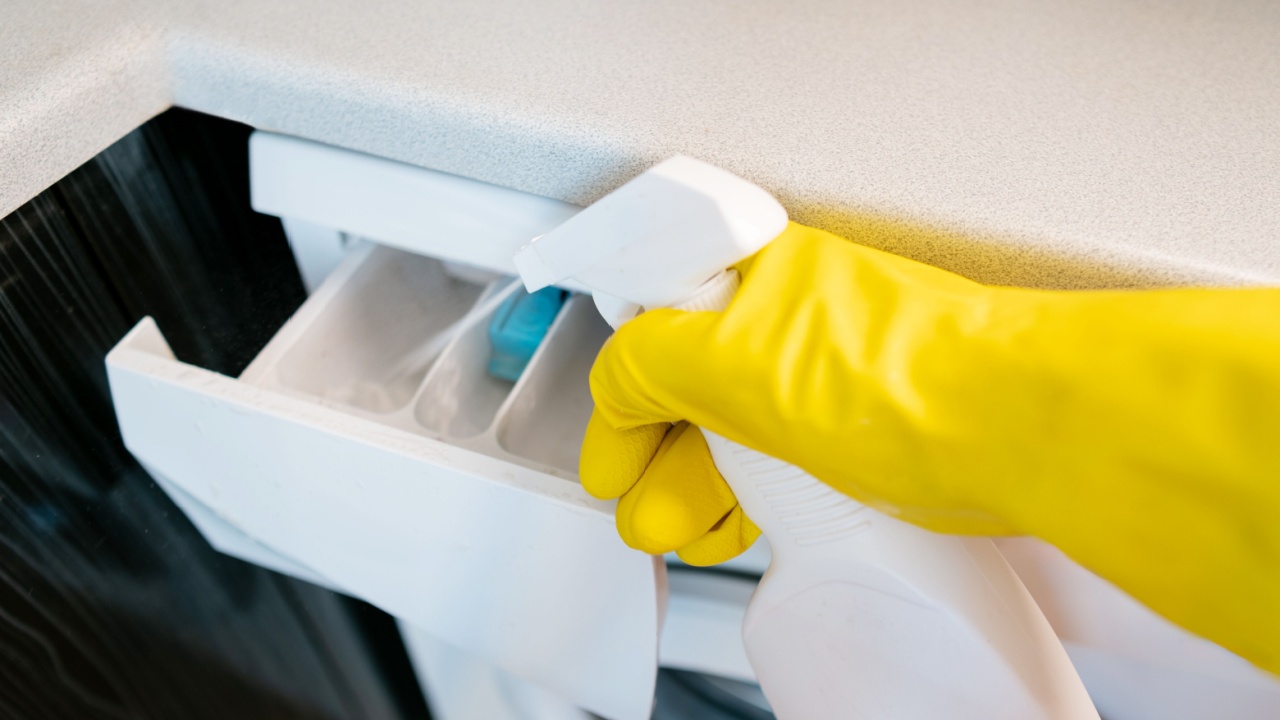
Detergent, fabric softener, and bleach dispensers can become clogged with gunk and residue over time. On most machines, these drawers can be removed for easy cleaning.
Carefully pull out the dispenser drawer. You may need to press a release tab to remove it completely (check your machine’s manual if you’re unsure). Soak the drawer in hot, soapy water for about 30 minutes to loosen any hardened residue. Use a small brush to scrub away any remaining buildup, paying close attention to the small nooks and crannies. Rinse it thoroughly and let it air dry before placing it back in the machine.
- Why it works: Clean dispensers ensure that your detergents are distributed properly and prevent old, sticky residue from getting on your clothes.
- Pro-Tip: While the drawer is out, use a cloth or brush to clean the inside of the dispenser housing in the machine, as residue can build up there as well.
4. Unclog and Clean the Filter

Most front-loading washing machines have a filter that needs to be cleaned periodically to catch lint, coins, and other small items. If clogged, it can cause drainage problems, poor washing performance, and bad odors.
The filter is typically located behind a small access door on the bottom front of the machine. Before opening, place a shallow pan and a towel underneath to catch any water. Slowly unscrew the cap, let the water drain, then pull out the filter.
Remove any debris, rinse it under warm water, and use a soft brush if needed. Wipe the filter housing clean before securely screwing the filter back in.
- Why it works: A clean filter allows water to drain properly from the machine, improving efficiency and preventing odors from being trapped, stagnant water.
- Pro-Tip: Check and clean this filter every 3-4 months as part of your regular maintenance routine to prevent emergency drainage issues.
5. Use a Washing Machine Cleaner Tablet
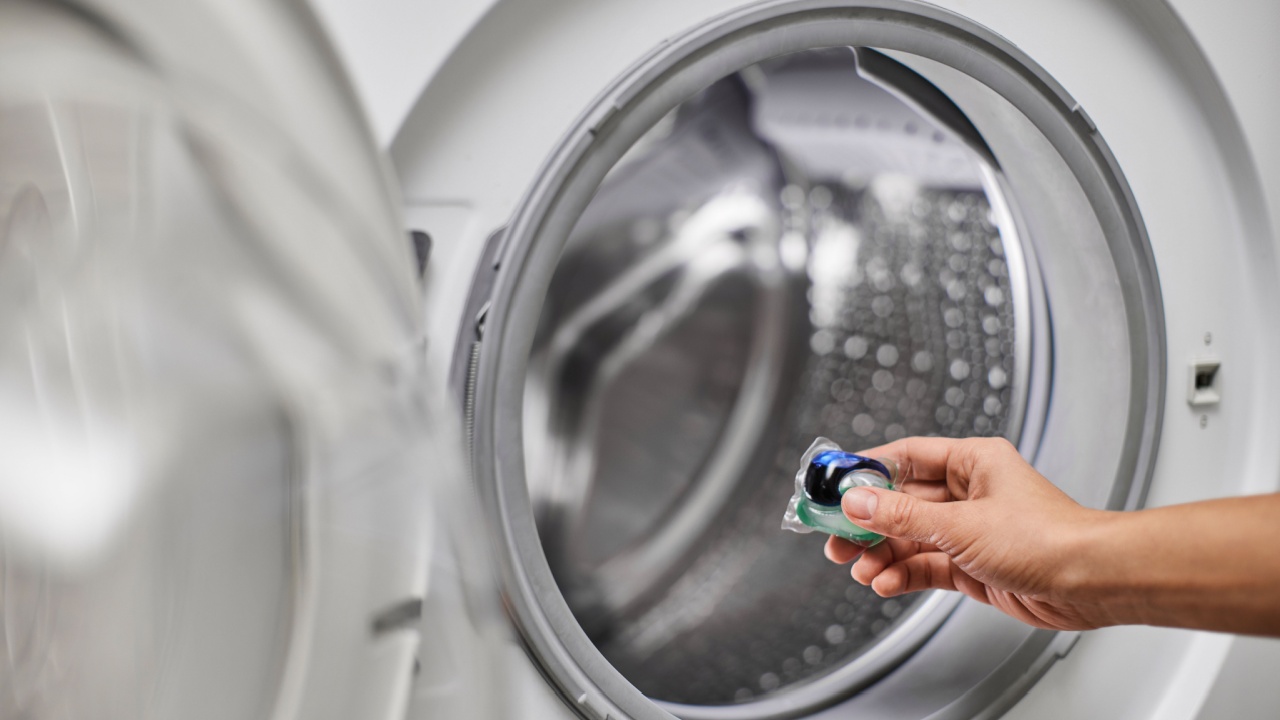
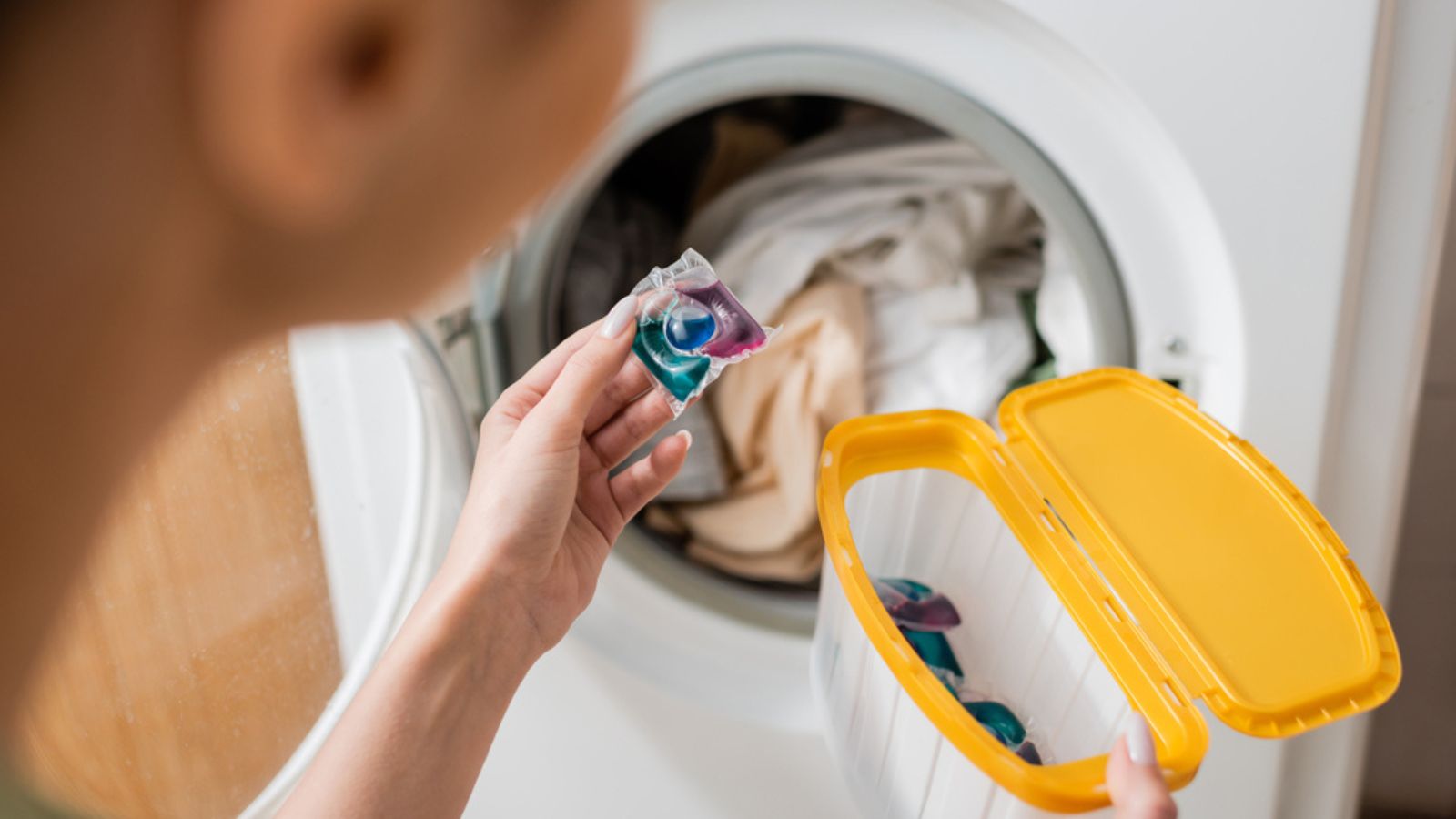
If you prefer a simpler, no-mess solution, specially formulated washing machine cleaning tablets are a great option. Brands like Affresh or Tide offer tablets that are designed to dissolve residue and descale your machine.
Simply place one tablet directly into the washing machine drum (not the dispenser) and run a normal or “clean washer” cycle with hot water. These tablets are powerful and can reach parts of the machine you can’t see, like the outer tub and hoses.
- Why it works: These tablets are formulated with powerful surfactants and descaling agents that specifically target and dissolve the lime and soap scum that builds up in washing machines.
- Pro-Tip: This is a fantastic monthly maintenance step. It’s quick, easy, and ensures your machine stays in top condition with minimal effort.
6. Wipe Down the Exterior
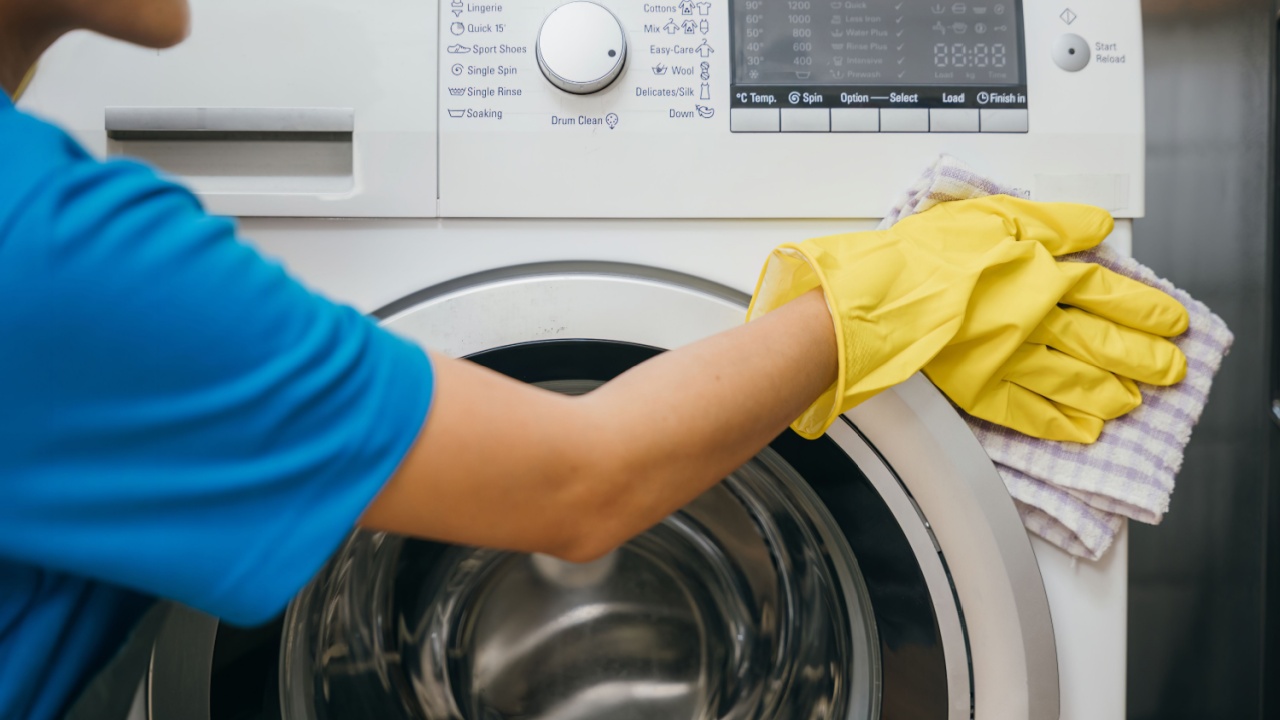
Now that the inside is sparkling, don’t forget the outside of the machine. Dust, lint, and detergent spills can accumulate on the surface.
Use a damp cloth and a mild, all-purpose cleaner to wipe down the entire exterior, including the lid or door, the control panel, and the sides. Pay special attention to the buttons and dials where grime can build up.
- Why it works: It’s the finishing touch that makes your laundry area look neat.
- Pro-Tip: Use a microfiber cloth for a streak-free shine on the control panel and any glass or plastic surfaces.
7. Run a Final Rinse Cycle

After all your hard work cleaning with vinegar, bleach, or other cleaners, it’s a good idea to run one final, empty rinse cycle with just water.
This will flush out any remaining cleaning solution, loosened debris, or chemical odors from the machine.
- Why it works: This final step ensures that no cleaning agents are left behind to transfer onto your next load of laundry.
- Pro-Tip: Use a cold water rinse for this final step to save energy.
Enjoy Your Sparkling Clean Washer
By following these steps, you can eliminate odors, improve your washer’s performance, and extend its lifespan. Enjoy the benefits of a pristine and efficient washing machine!