
11 Superfoods to Add to the Winter Arsenal
As the days get shorter and a chill settles in the air, your body craves warmth and nourishment. Winter is the perfect time to stock your kitchen with powerful superfoods that can boost your immune system, fight inflammation, and keep you feeling your best. While it might seem like fresh produce is scarce, many of the most nutrient-dense foods are at their peak during the colder months.
Let’s discover 11 incredible superfoods to add to your winter meals. We’ll explore why each one is a nutritional powerhouse and offer simple tips for incorporating them into your daily diet.
How We Got This Data
The details in this article were gathered from peer‑reviewed nutrition research, university extension publications, expert health forums, and standard nutrient databases. We reviewed these sources carefully to ensure accuracy, then explained the findings in clear, everyday language so they’re easy to use in your winter meals.
1. Pomegranates
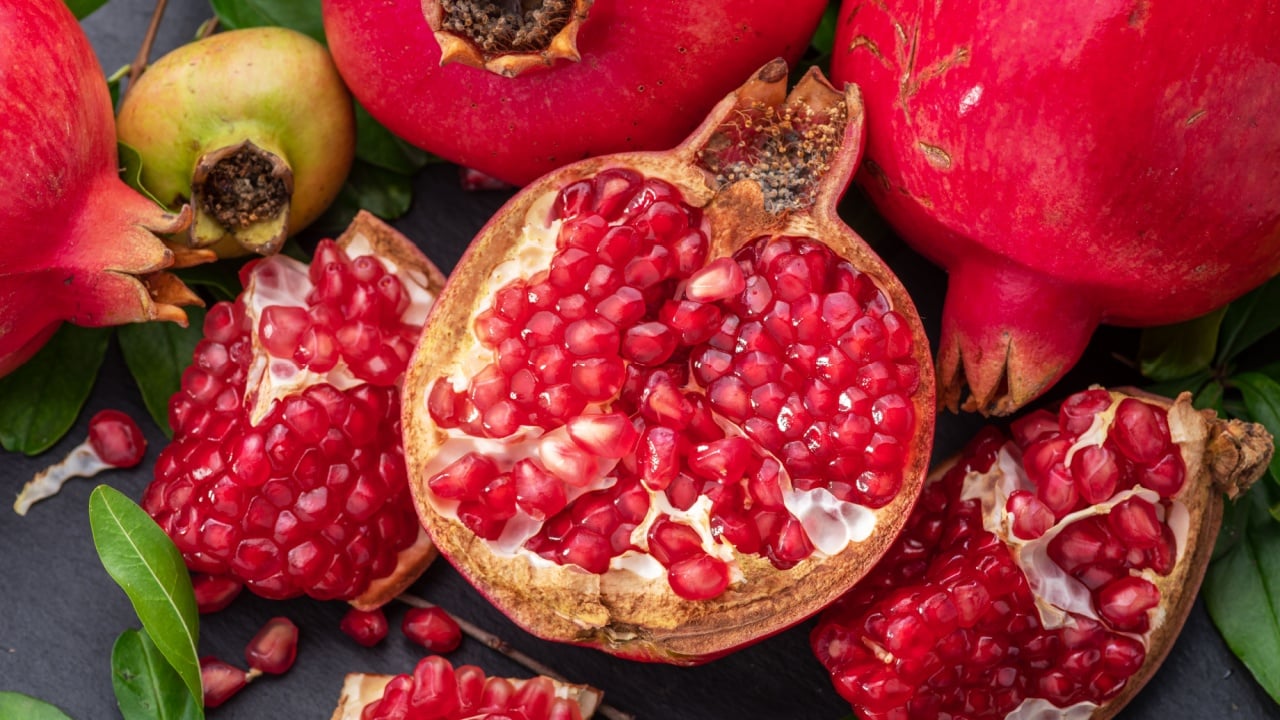
These jewel-toned seeds are a powerhouse of antioxidants. Pomegranates contain compounds like punicalagins and anthocyanins, which are incredibly effective at reducing inflammation.
These antioxidants help protect your body’s cells from damage and can support heart health by improving blood flow and lowering blood pressure.
- Why it’s great for winter: Rich in immune-boosting vitamin C and powerful antioxidants to fight off seasonal illnesses.
- How to use it: Add seeds to salads, oatmeal, and desserts. Juice them for a refreshing drink.
- Pro-tip: To de-seed a pomegranate without the mess, cut it in half, hold it seed-side down over a bowl, and tap the back firmly with a wooden spoon.
2. Kale
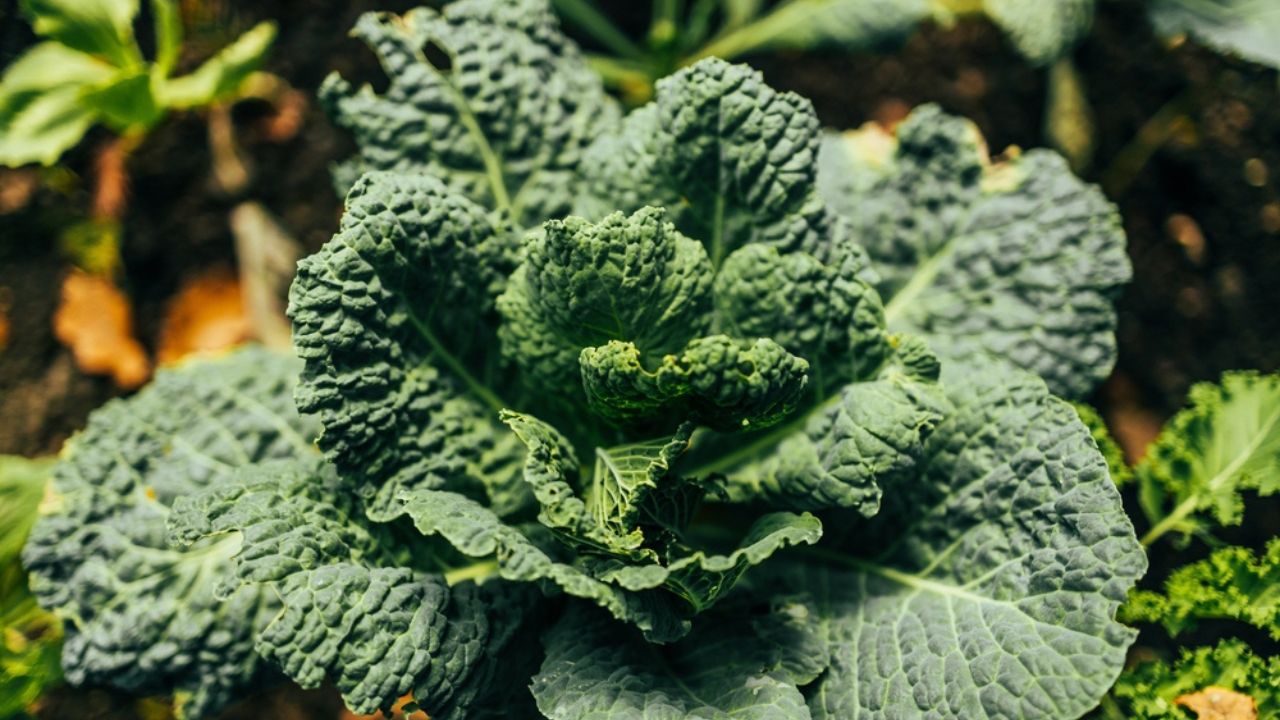
Kale has earned its reputation as a superfood for a reason. This hardy leafy green is packed with vitamins A, C, and K, as well as minerals like calcium and potassium. It’s also loaded with antioxidants, particularly flavonoids like quercetin and kaempferol, which have potent anti-inflammatory and anti-cancer properties.
A single cup of raw kale provides more than the recommended daily intake of vitamin K, crucial for bone health and blood clotting.
As a cool-weather crop, kale’s flavor actually improves after a light frost, becoming sweeter and less bitter.
- Why it’s great for winter: A nutrient-dense green that thrives in cold weather and is packed with vitamins to support immune function.
- How to use it: Blend into smoothies, bake into crispy chips, add to soups and stews, or use as a salad green.
- Pro-tip: Massaging raw kale leaves with a bit of olive oil or lemon juice for a few minutes helps break down the tough fibers, making it more tender and easier to digest.
3. Beets
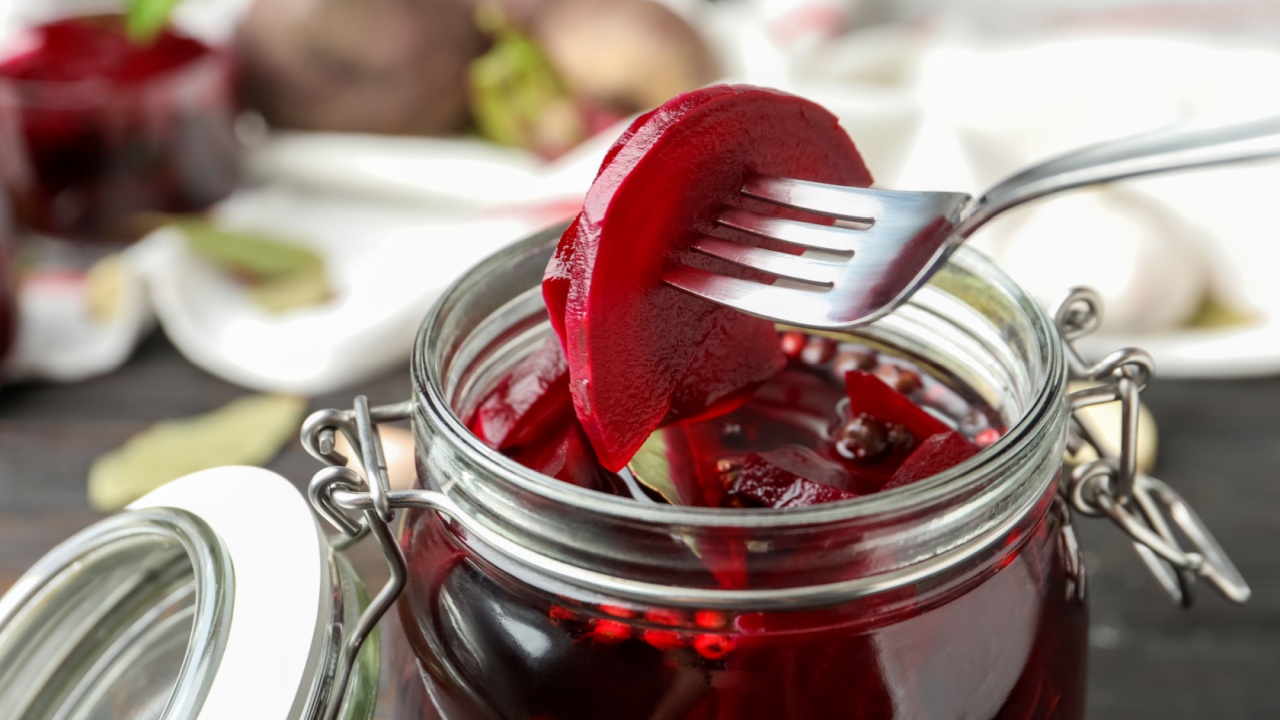
With their deep, earthy flavor, beets are a quintessential winter root vegetable. They are an excellent source of folate, manganese, and fiber. What makes them a true superfood is their high concentration of nitrates, which the body converts into nitric oxide.
Nitric oxide helps relax and dilate blood vessels, which can lead to lower blood pressure and improved circulation, a welcome benefit during colder months.
Beets also contain pigments called betalains, which possess powerful anti-inflammatory and antioxidant properties.
- Why it’s great for winter: The nitrates in beets improve blood flow, which can help keep you warm, while their antioxidants fight inflammation.
- How to use it: Roast, boil, or steam them. Grate raw into salads or pickle them for a tangy side.
- Pro-tip: Wear gloves when handling beets to avoid staining your hands. Roasting them whole in foil makes the skins easy to peel off once cooled.
4. Brussels Sprouts
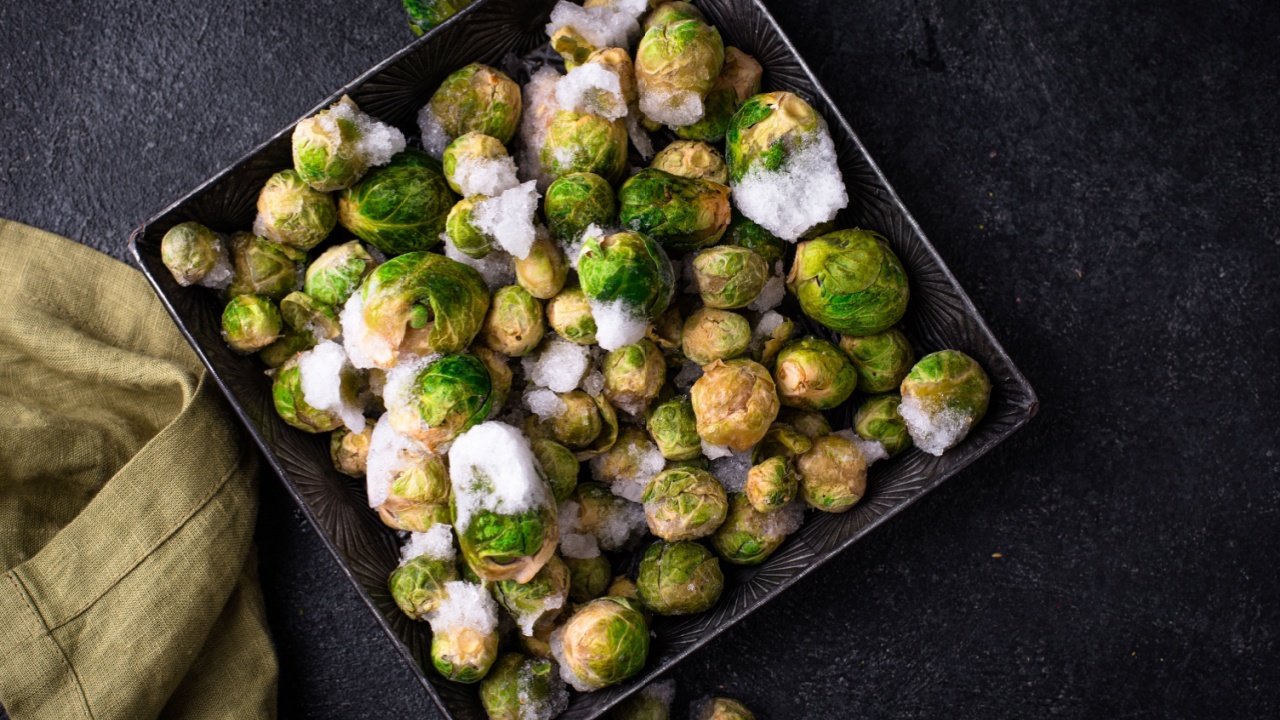
Often misunderstood vegetable, Brussels sprouts are nutritional giants. They are members of the cruciferous family, alongside broccoli and kale, and are rich in vitamins K and C.
Brussels sprouts are also an excellent source of alpha-lipoic acid (ALA), an antioxidant that has been shown to help improve insulin sensitivity and reduce inflammation.
- Why it’s great for winter: High in vitamin C to bolster the immune system and full of antioxidants to combat cellular stress.
- How to use it: Roast until caramelized, shred for salads, or sauté with bacon or pancetta.
- Pro-tip: For even cooking, trim the ends and cut larger sprouts in half. Don’t overcrowd the pan when roasting to ensure they get crispy instead of steaming.
5. Sweet Potatoes
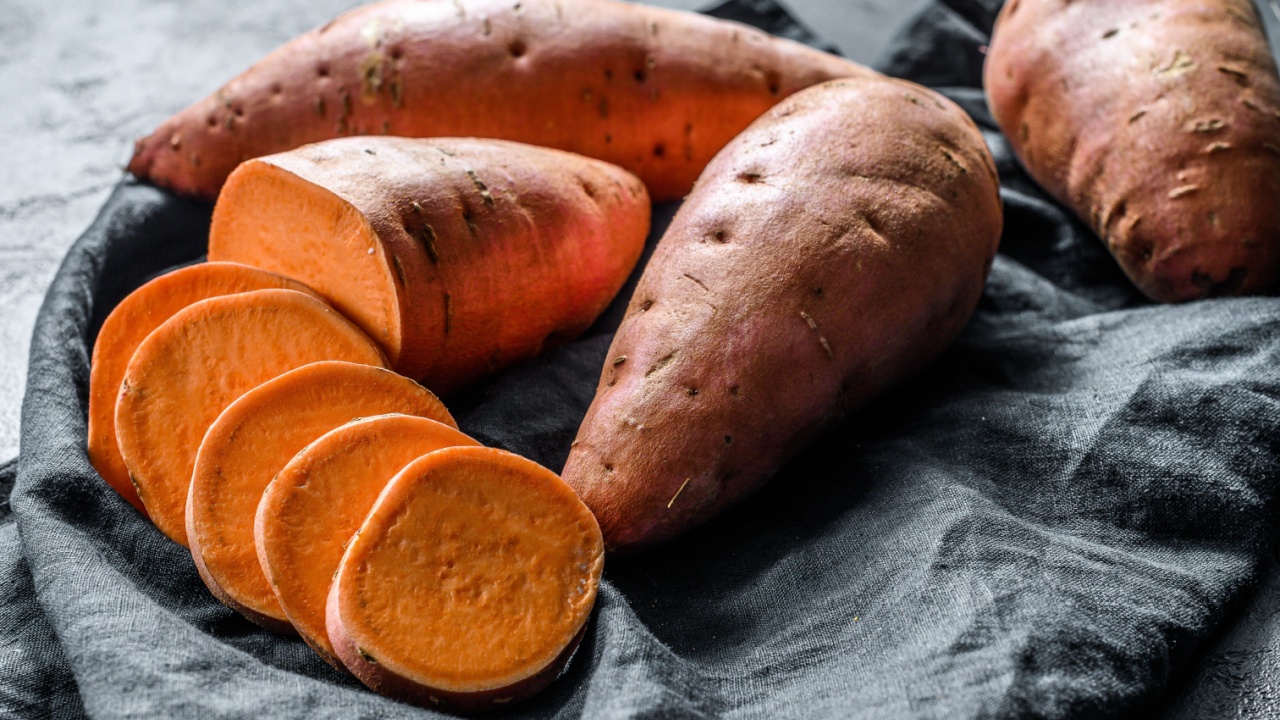
Sweet potatoes are a comforting and incredibly nutritious winter staple. Their bright orange flesh is a sign of their high beta-carotene content, a precursor to vitamin A. Vitamin A is essential for vision, immune function, and skin health. They are also a great source of vitamin C, manganese, and fiber, which aid in digestion and help stabilize blood sugar levels.
Unlike regular potatoes, sweet potatoes have a lower glycemic index (based on method of preparation). This makes them a great energy source without the crash.
- Why it’s great for winter: A fantastic source of vitamin A for immune support and complex carbs for sustained energy.
- How to use it: Bake whole, chop and roast, mash as a side dish, or add to soups and curries.
- Pro-tip: For extra crispy roasted sweet potatoes, toss the cut pieces in a little cornstarch before adding oil and seasonings.
6. Citrus Fruits
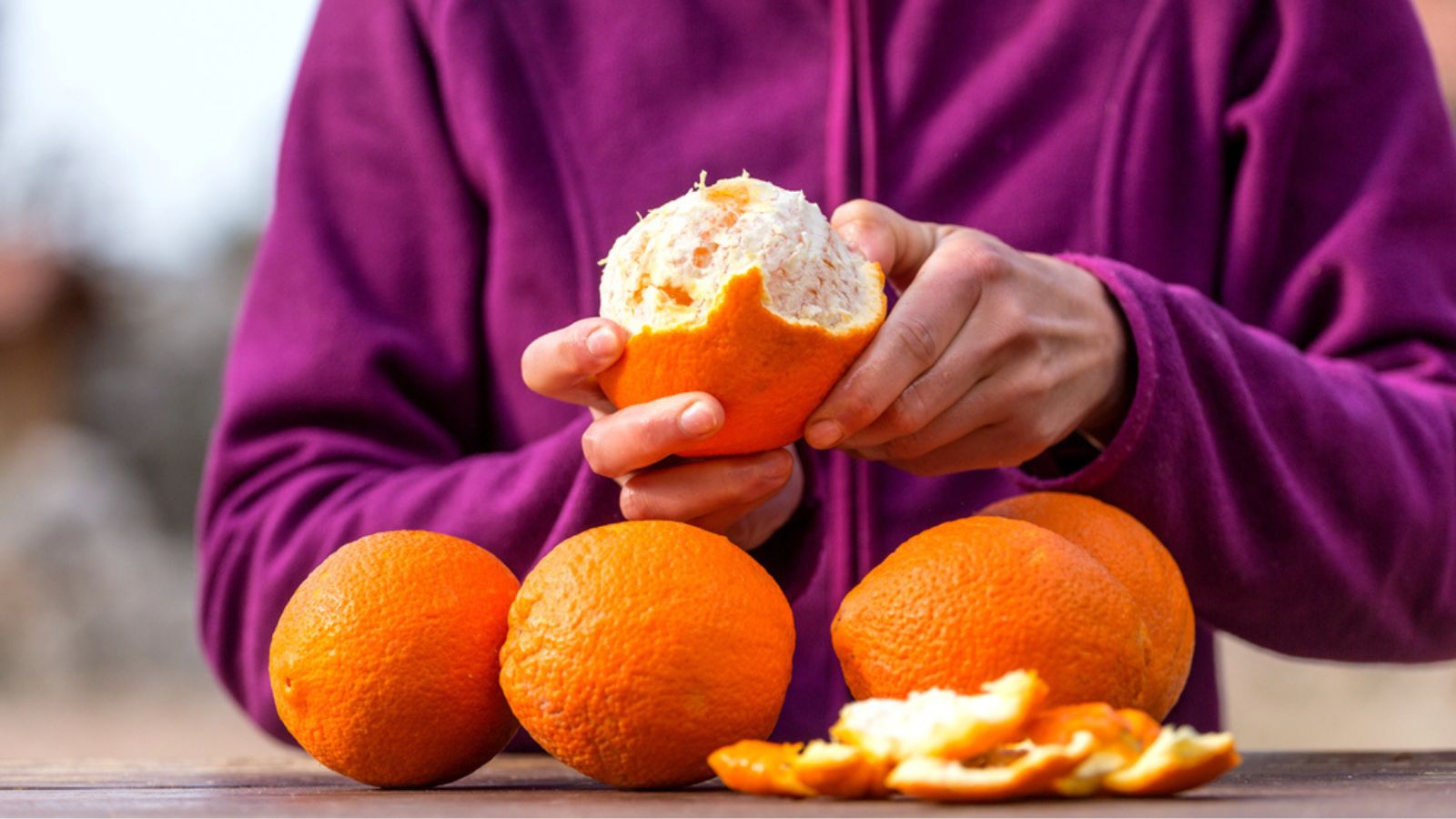
Brighten up dreary winter days with the sunny flavors of citrus fruits like oranges, grapefruit, lemons, and clementines. Citrus is famous for its high vitamin C content, a powerful antioxidant that plays a vital role in supporting the immune system and helping your body fight off colds and flu.
Beyond vitamin C, citrus fruits contain flavonoids that have anti-inflammatory benefits and can support heart health.
- Why it’s great for winter: Peak season for many citrus varieties and loaded with vitamin C to help fend off common winter illnesses.
- How to use it: Eat them fresh, juice them, or use the zest and juice in marinades, dressings, and desserts.
- Pro-tip: To get the most juice from a lemon or lime, roll it firmly on the counter before cutting and squeezing.
7. Winter Squash

Winter squash varieties like butternut, acorn, and spaghetti squash are hearty, delicious, and packed with nutrients. They are an excellent source of carotenoids, including beta-carotene, which the body converts to vitamin A.
This vitamin is crucial for maintaining healthy vision and a strong immune system. These squashes are also rich in vitamin C, potassium, and fiber.
- Why it’s great for winter: A filling, low-calorie source of vitamins A and C that stores well throughout the season.
- How to use it: Roast, steam, or puree into soups. Use spaghetti squash as a pasta substitute.
- Pro-tip: Most winter squash is difficult to cut. To make it easier, pierce the skin a few times with a fork and microwave it for 3-5 minutes to soften it before cutting.
8. Ginger
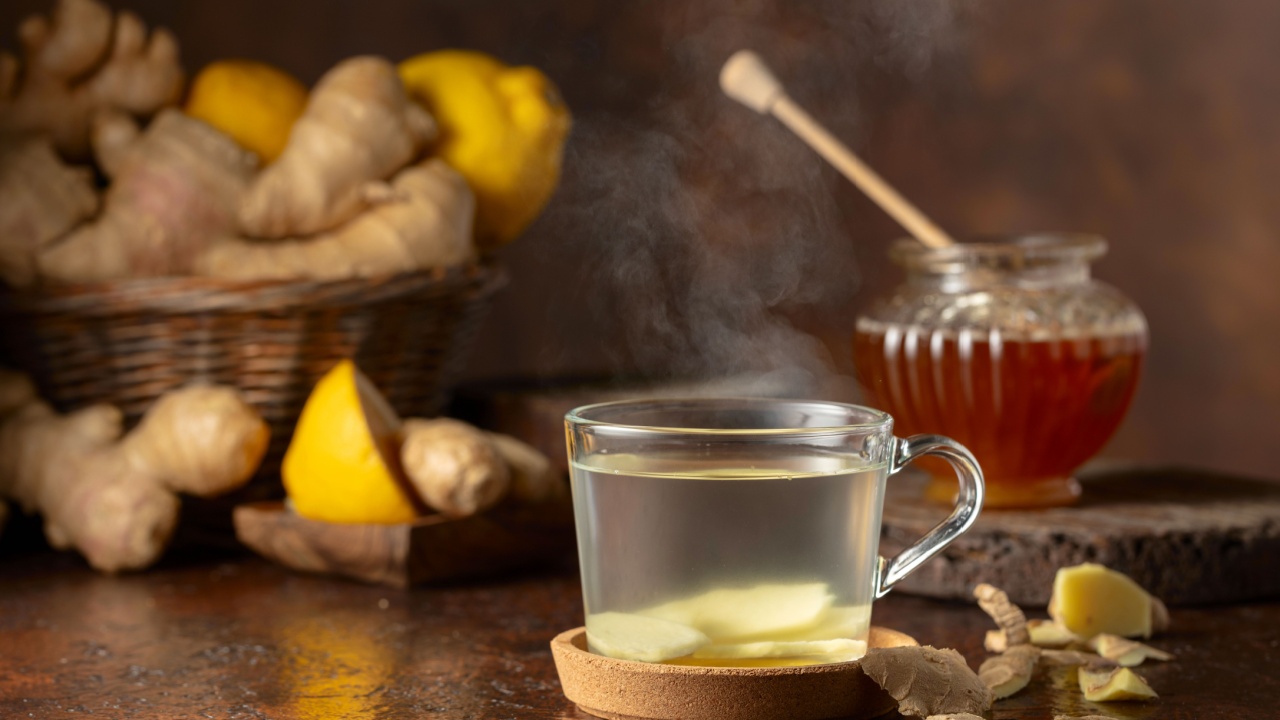
Ginger is a warming spice that has been used for centuries in traditional medicine to treat a variety of ailments. Its main bioactive compound, gingerol, is responsible for many of its medicinal properties, including its powerful anti-inflammatory and antioxidant effects. It’s particularly effective at soothing digestive issues and nausea.
During the winter, ginger is a fantastic ingredient for warming you from the inside out.
- Why it’s great for winter: Its warming properties and ability to soothe sore throats and indigestion make it a winter essential.
- How to use it: Brew into tea, grate into stir-fries and soups, or add to juices and smoothies.
- Pro-tip: Store fresh ginger root in the freezer. It will stay fresh for months, and it’s much easier to grate while frozen.
9. Turmeric
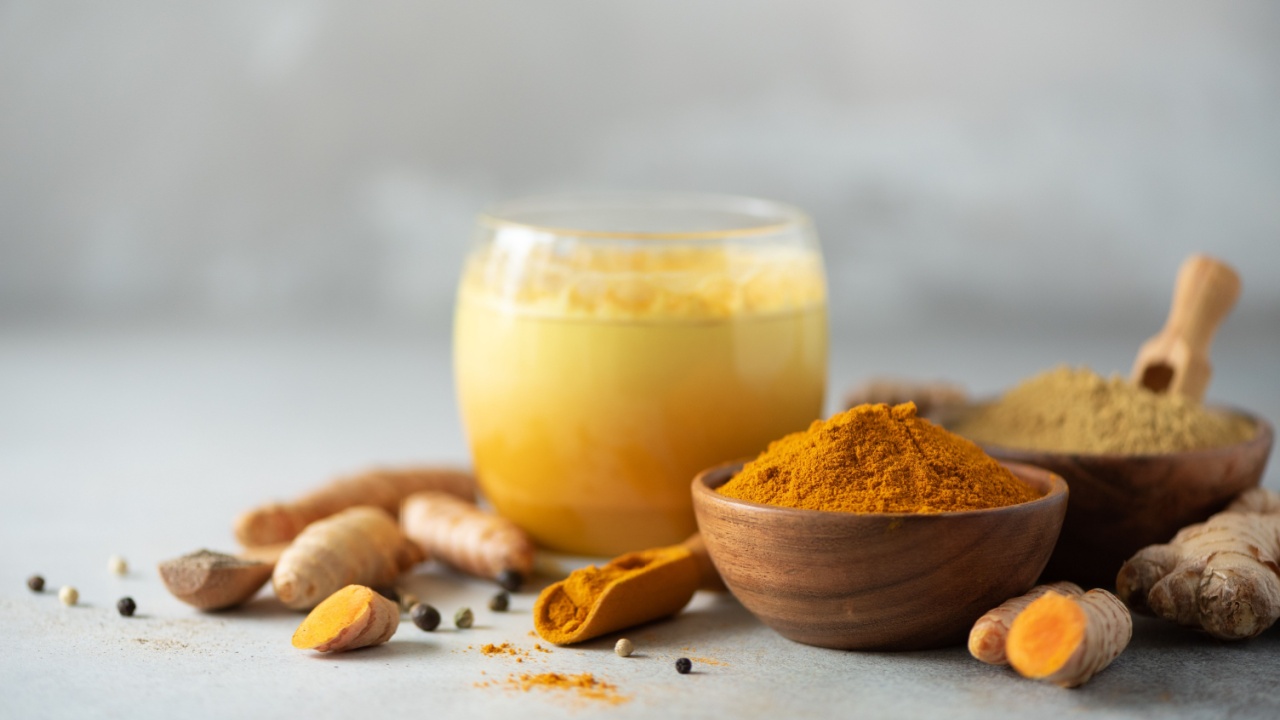
This vibrant golden spice is a close relative of ginger and is another anti-inflammatory superstar. Its active compound, curcumin, is a potent antioxidant that helps neutralize free radicals and is as effective as some anti-inflammatory drugs, without the side effects. To reap its benefits, you need to consume it correctly.
Curcumin is not easily absorbed by the body, but pairing it with black pepper can increase its absorption by up to 2,000%.
- Why it’s great for winter: A powerful natural anti-inflammatory to combat the aches and pains that can feel worse in the cold.
- How to use it: Add to curries, soups, and rice dishes. Make a soothing golden milk latte.
- Pro-tip: Always use turmeric with a pinch of black pepper and a source of fat to maximize your body’s ability to absorb the beneficial curcumin.
10. Garlic

Garlic is a key ingredient in cuisines around the world, and it’s also a powerful medicinal food. It contains a compound called allicin, which is released when garlic is crushed or chopped. Allicin has been shown to have antibacterial, antiviral, and antifungal properties, making it an excellent food for boosting the immune system during cold and flu season.
Regular consumption of garlic may also help reduce the severity of colds. To get the most health benefits, let crushed or chopped garlic sit for about 10 minutes before cooking. This allows the allicin to fully form.
- Why it’s great for winter: Its antimicrobial properties can help you fight off common winter infections.
- How to use it: Use as a flavor base for soups, sauces, and stir-fries. Roast whole heads for a sweet, spreadable treat.
- Pro-tip: The health benefits of garlic are maximized when it’s raw. Try adding finely minced raw garlic to salad dressings or drizzling it over dishes just before serving.
11. Mushrooms
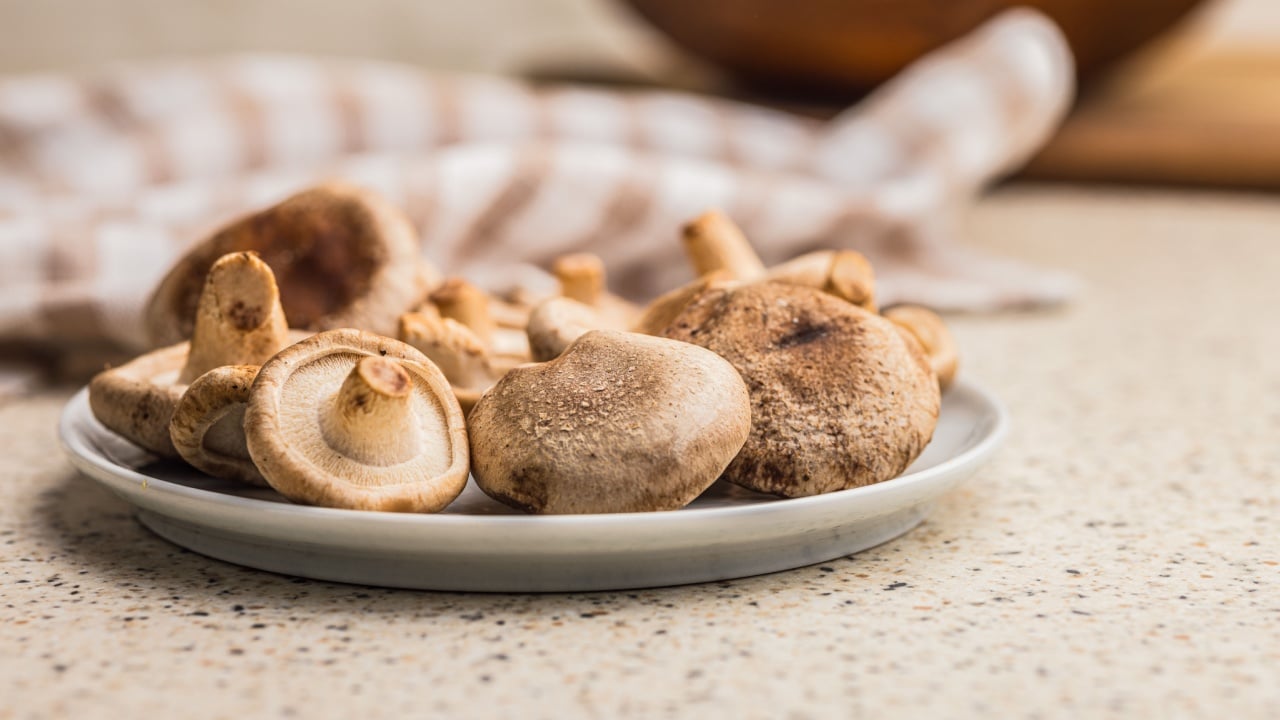
Often overlooked, many mushroom varieties like shiitake and maitake are nutritional powerhouses, especially for the immune system. They contain beta-glucans, a type of soluble fiber that has been shown to enhance immune function by activating white blood cells.
They are also one of the few plant-based sources of vitamin D, which is crucial for immunity and mood, especially during the winter when sun exposure is limited.
To get vitamin D from mushrooms, look for those that have been exposed to UV light.
- Why it’s great for winter: It’s one of the few food sources of vitamin D, which many people are deficient in during the winter months.
- How to use it: Sauté, roast, or grill. Add to stir-fries, soups, pasta dishes, and omelets.
- Pro-tip: To clean mushrooms, avoid soaking them in water as they can become soggy. Instead, wipe them with a damp paper towel or use a soft brush to remove any dirt.
Stay Healthy this Winter with Superfoods from Your Garden

Embracing these winter superfoods is a delicious and effective way to fortify your health during the colder months. Many of these items can be grown right in your own backyard garden, even in winter, providing the freshest possible ingredients for your meals.