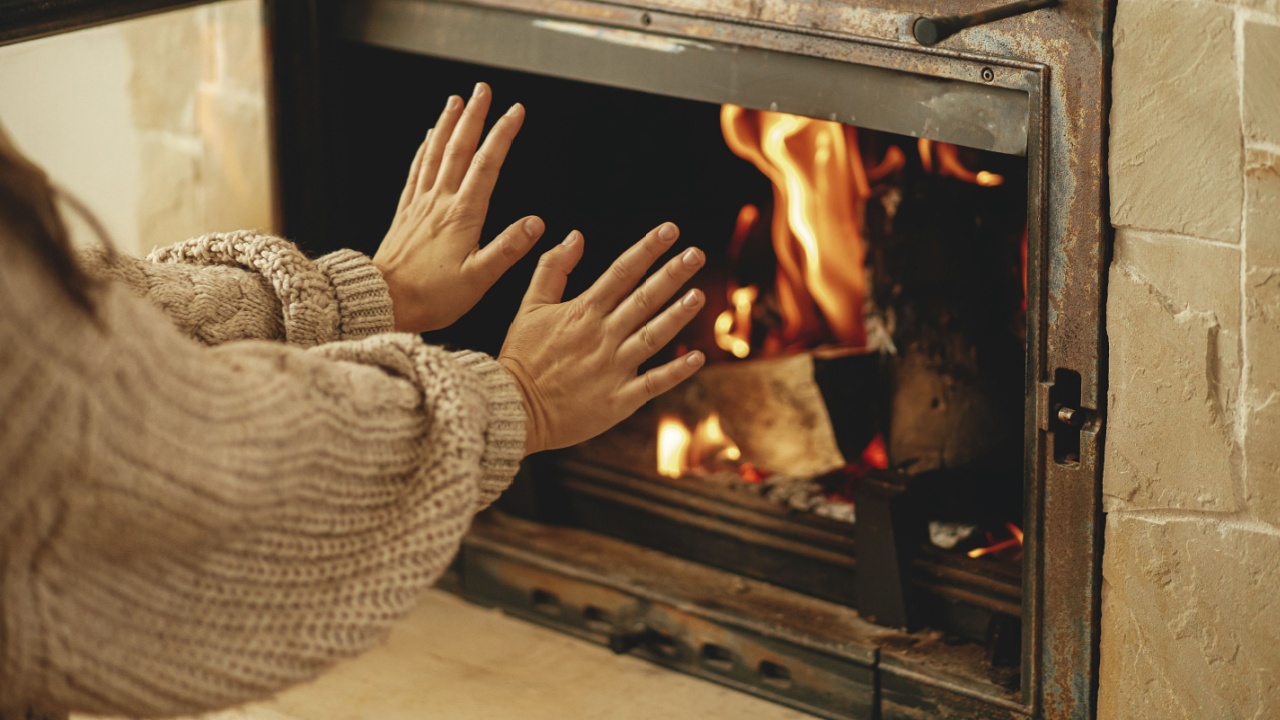
18 Essential Items to Stockpile Now as Winter Hits Hard
Winter brings cozy nights, hot cocoa, and the beauty of a snow-covered landscape. But it can also bring power outages, icy roads, and unexpected emergencies that make a quick trip to the store impossible. Being prepared is the key to navigating the season safely and comfortably.
This guide will walk you through 18 essential items to stockpile, ensuring you and your family are ready for whatever winter throws your way. By the end of this list, you’ll have a complete checklist to create a well-stocked winter pantry and emergency kit.
Where We Got This Data
We based this guide on widely accepted recommendations from emergency experts and health and safety organizations. By combining multiple trusted sources, we created a checklist that is accurate, practical, and easy for households to follow during winter.
1. Water
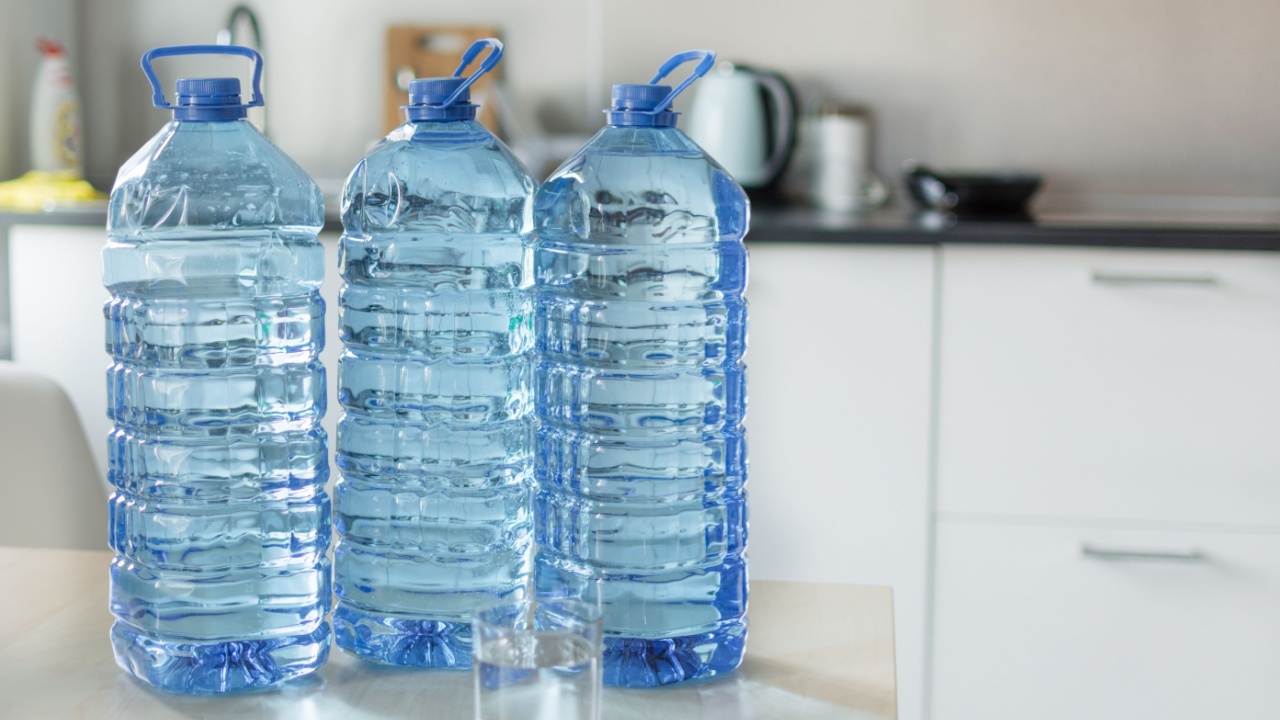
Having a reliable supply of clean drinking water is non-negotiable. Winter storms can lead to frozen or burst pipes, and power outages can shut down municipal water treatment facilities. The standard recommendation is to store at least one gallon of water per person, per day. A two-week supply is a safe target for a household. You can buy commercially bottled water, which is the safest and most reliable option, or store tap water in sanitized, food-grade containers. Remember to store it in a cool, dark place that won’t freeze to maintain its quality.
Quick Tips:
- Keep water in sturdy, sealed containers away from direct sunlight.
- Have a water filter (like a Lifestraw or Berkey system) or purification tablets on hand as a secondary option.
- If storing tap water, replace it every six months.
2. Non-Perishable Food

When you’re snowed in, you’ll be grateful for a pantry full of food that doesn’t require refrigeration. Focus on items your family already enjoys and that are easy to prepare. Canned goods like soups, vegetables, fruits, and meats are excellent staples.
Don’t forget high-energy foods like peanut butter, nuts, and granola bars. Dry goods such as rice, pasta, and beans have a long shelf life and can form the base of many hearty meals. Aim for at least a three-day supply, but a two-week stash is even better for peace of mind.
Quick Tips:
- Choose foods that require minimal cooking or just need to be heated.
- A mix of ready-to-eat snacks and meal ingredients prevents food fatigue.
- Make sure you have a manual can opener, as an electric one will be useless in a power outage.
3. Alternative Heat Source
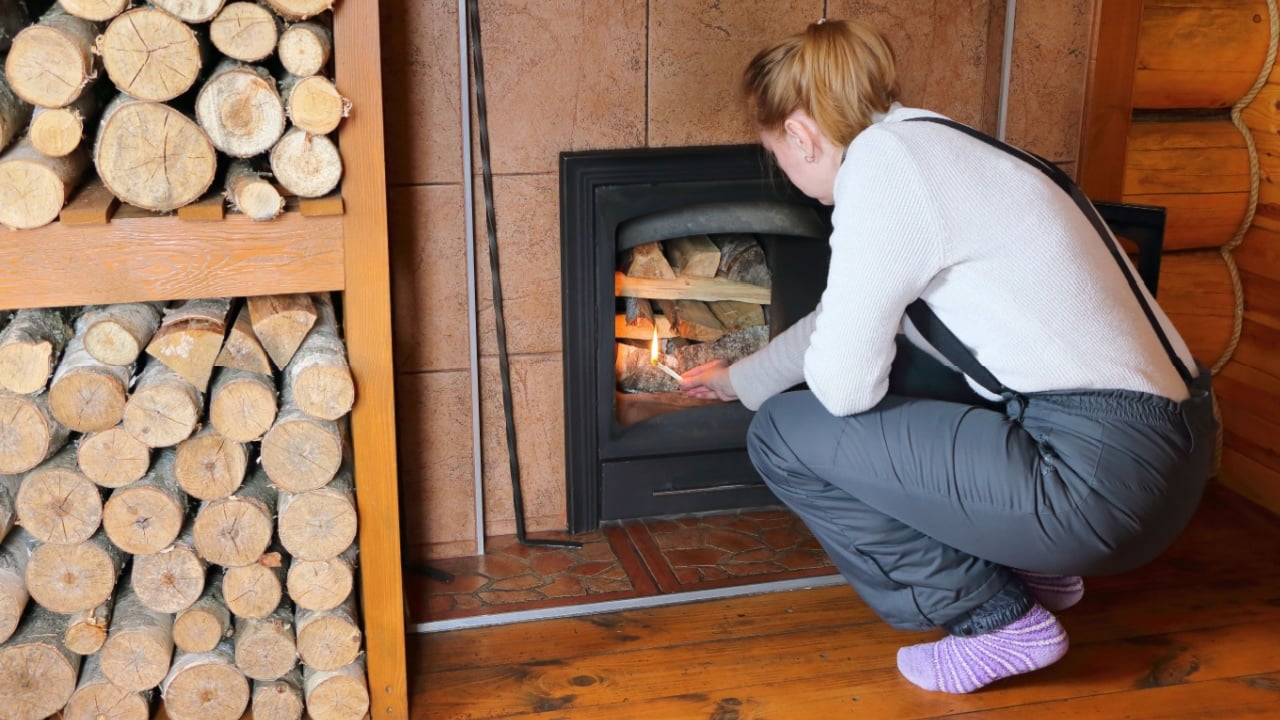
Losing heat during a winter storm can be dangerous. An alternative heat source is crucial for staying warm. A wood-burning stove is a fantastic, reliable option if your home is equipped with one.
Otherwise, a portable indoor propane or kerosene heater can be a lifesaver. Ensure you choose a model specifically rated for indoor use, as these come with essential safety features like automatic shut-offs if they tip over or if oxygen levels get too low.
Quick Tips:
- Never leave an indoor heater unattended and ensure proper ventilation to prevent carbon monoxide buildup.
- Stockpile plenty of wood, propane, or kerosene to last for several days.
- Familiarize yourself with how to safely operate your alternative heat source before you actually need it.
4. Blankets and Warm Clothing

You can never have too many blankets in a winter emergency. Wool and fleece are excellent materials for retaining heat. In addition to bed blankets, have a stash of thermal blankets in your emergency kit.
Layering clothing is the most effective way to stay warm, so stock up on thermal underwear, wool socks, fleece jackets, and insulated hats and gloves. Keeping your core and extremities warm is vital for preventing hypothermia.
Quick Tips:
- Dress in multiple thin layers rather than one bulky one for better insulation.
- Choose wool, silk, or synthetic fabrics over cotton, which loses its insulating properties when wet.
- Cold-weather sleeping bags can be an excellent alternative to blankets for sleeping.
5. First-Aid Kit
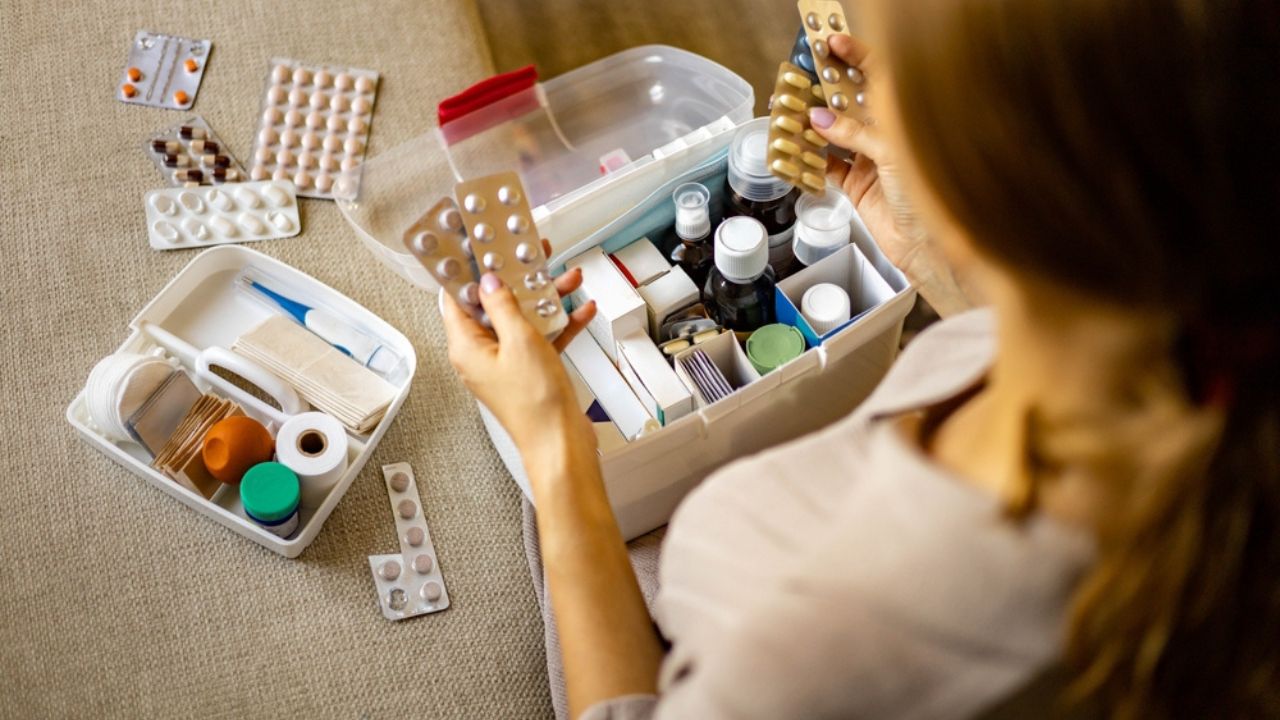
Minor injuries can happen anytime, and getting medical help might be difficult during a severe storm. A well-stocked first-aid kit is essential. Your kit should include adhesive bandages, sterile gauze, antiseptic wipes, pain relievers, and any personal prescription medications.
It’s wise to have at least a two-week supply of necessary prescriptions, as pharmacies may close or be unreachable. Also, consider adding items like a digital thermometer, tweezers, and hydrocortisone cream.
Quick Tips:
- Tailor the kit to your family’s needs, including medications for children or seniors.
- Review your kit every six months and replace any expired items.
- Keep the kit in a central, easily accessible location.
6. Flashlights and Extra Batteries
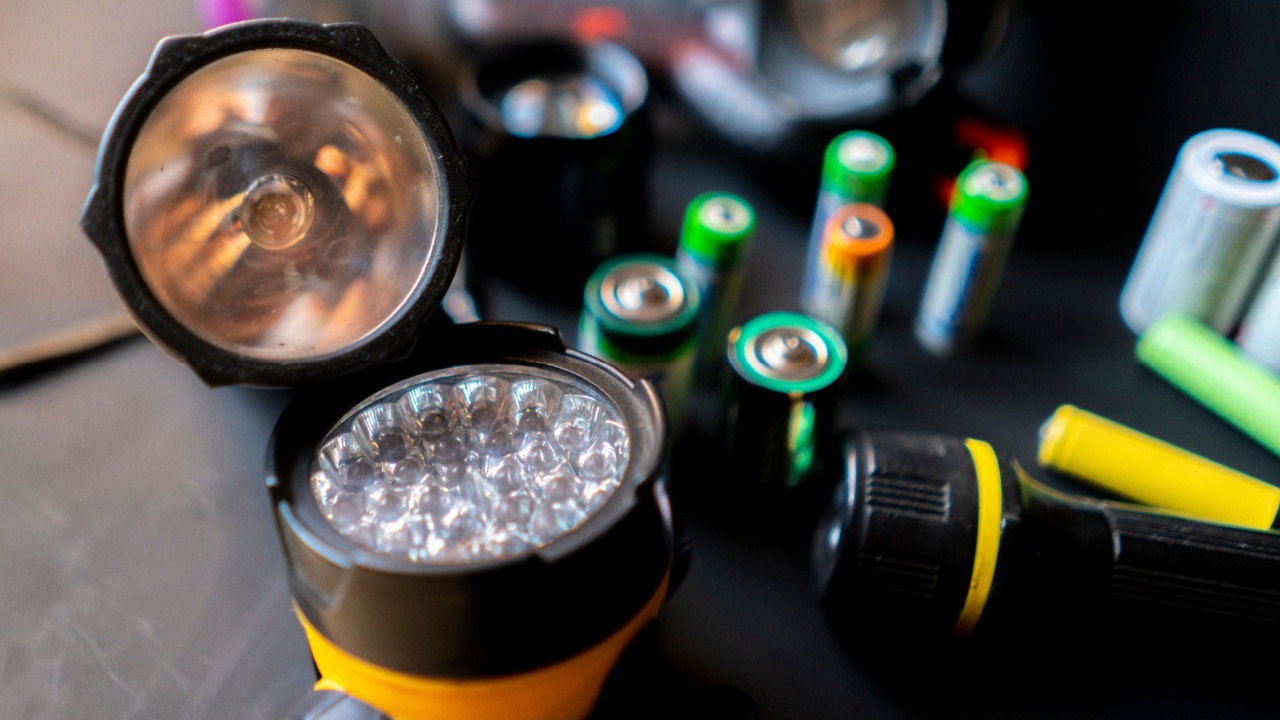
A power outage plunges your home into darkness, making even simple tasks difficult and dangerous. Flashlights are a much safer alternative to candles.
LED flashlights are a great choice because they are bright and energy-efficient. Have several flashlights available and store them in easy-to-find locations, like the kitchen, bedrooms, and basement. And don’t forget the batteries! Stockpile more than you think you’ll need, and make sure you have the correct sizes for all your devices.
Quick Tips:
- A mix of handheld flashlights and headlamps (for hands-free light) is ideal.
- Test your flashlights and batteries periodically to ensure they work.
- Consider investing in a solar-powered or hand-crank flashlight as a backup that never runs out of power.
7. Salt or Ice Melt

Icy walkways and driveways are a major hazard, leading to dangerous slips and falls. Stockpiling rock salt, sand, or an environmentally friendly ice melt is a must.
Salt is effective at melting ice, but it can be corrosive to concrete and harmful to plants and pets. Sand provides traction but doesn’t melt ice. Eco-friendly ice melts are often safer for pets and vegetation. Having a generous supply on hand will help you keep key areas around your home safe.
Quick Tips:
- If you have pets, look for ice melts specifically labeled as “pet-friendly.”
- Apply a thin layer before a storm hits to prevent ice from bonding to the pavement.
- Keep your ice melt in a dry, sealed container to prevent it from clumping.
8. Snow Shovels
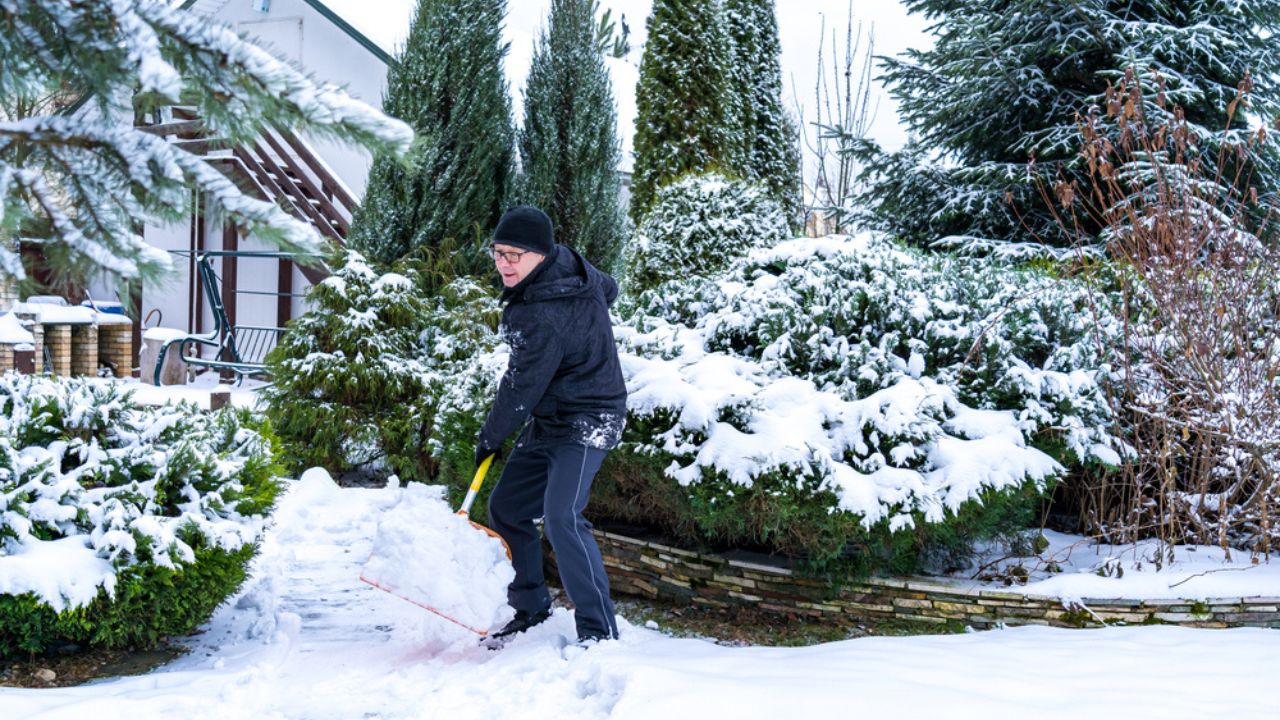
When the snow piles up, a sturdy shovel is your best friend. Even if you have a snowblower, a shovel is an essential backup for clearing areas the machine can’t reach, like steps and tight corners. It’s also necessary if your snowblower breaks down or runs out of fuel.
Consider having more than one type: a wide push shovel for clearing large areas and a smaller, more ergonomic one for lifting and moving heavy snow.
Quick Tips:
- Look for shovels with bent handles to reduce back strain.
- A metal-edged shovel is great for scraping packed snow, while a plastic one is lighter and better for fresh powder.
- Keep your shovel somewhere you can get to it easily, even if the snow is piled high against your garage door.
9. Fire Extinguisher
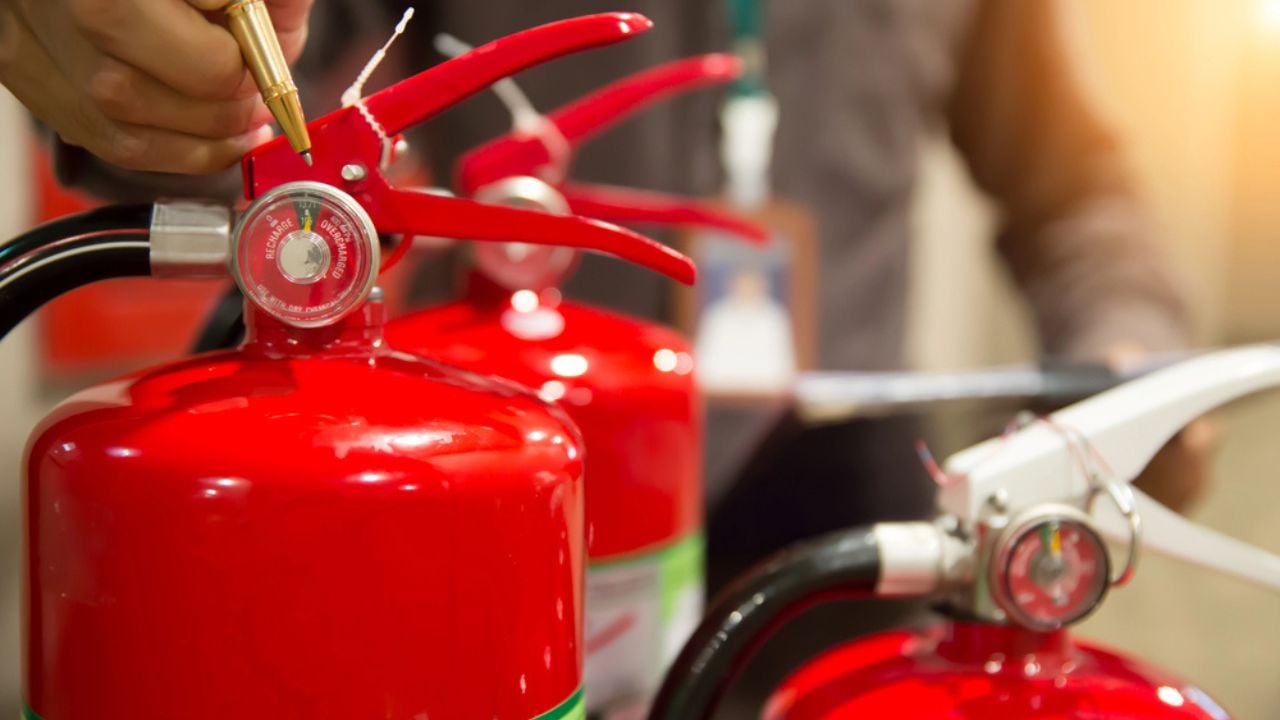
The risk of house fires increases in winter due to the use of heaters, fireplaces, and candles. Having a functional fire extinguisher and knowing how to use it can be the difference between a minor incident and a catastrophe.
Ensure you have at least one A-B-C rated extinguisher, which is suitable for the most common types of fires (wood, grease, electrical). Keep it in a central location, like the kitchen, and make sure everyone in the household knows where it is.
Quick Tips:
- Remember the acronym PASS: Pull the pin, Aim at the base of the fire, Squeeze the handle, and Sweep from side to side.
- Check the pressure gauge monthly to ensure the extinguisher is charged.
- Fire extinguishers have an expiration date; replace them as needed.
10. Battery-Powered or Hand-Crank Radio
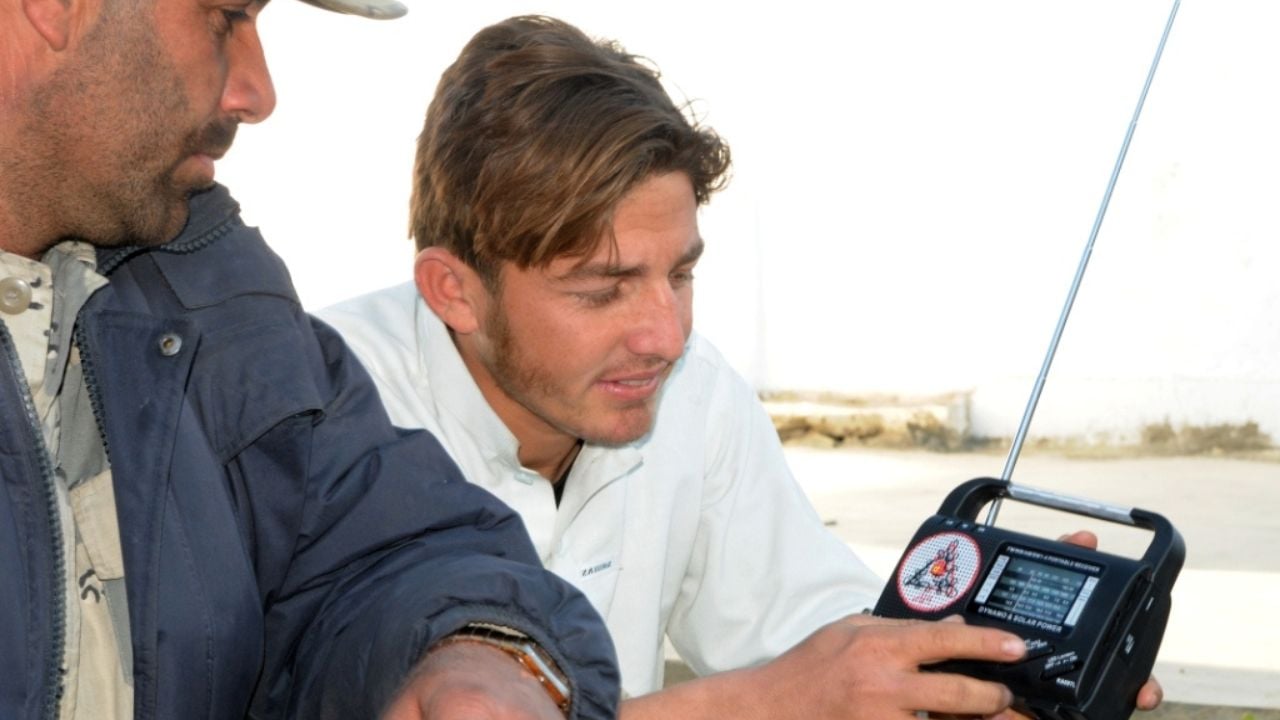
When the power and internet are out, a reliable radio is your lifeline to the outside world. A battery-powered or hand-crank radio will allow you to receive important weather updates, news, and emergency alerts from authorities via NOAA weather channels.
This information is critical for knowing the status of the storm, road closures, and when it’s safe to venture out.
Quick Tips:
- Choose a model that includes access to NOAA weather alert channels.
- The best models can be powered by batteries, a hand crank, and a solar panel.
- Many modern emergency radios also include a USB port to charge a cell phone.
11. Pet Food and Supplies

Don’t forget your furry family members in your winter preparations. Stock up on at least a two-week supply of their food, any medications they take, and extra cat litter if needed.
Power outages can disrupt your ability to buy pet supplies, so having extra on hand ensures your pets remain comfortable and well-fed. Also, consider their warmth and have extra blankets or a pet bed for them.
Quick Tips:
- Your pets will need clean drinking water, too, so factor them into your water storage calculations.
- Have their favorite toys or a chew bone to help keep them calm during a stressful situation.
- Ensure your pet’s ID tags and microchip information are up to date.
12. Carbon Monoxide Detector

Carbon monoxide (CO) is a colorless, odorless gas that can be fatal. It’s produced by burning fuel, so the risk increases in winter with the use of furnaces, fireplaces, and portable heaters.
A working CO detector is an absolute necessity. Make sure you have one on each level of your home, especially near sleeping areas. Test them monthly and replace the batteries twice a year, just like you would with a smoke detector.
Quick Tips:
- Install detectors on a wall about five feet from the floor or on the ceiling.
- Choose a model with a battery backup in case of a power outage.
- Familiarize yourself with the signs of CO poisoning: headache, dizziness, nausea, and confusion.
13. Backup Power Source

A portable generator or a power bank can make a huge difference during an extended outage. A generator can power essential appliances like a refrigerator, freezer, or space heater, while a power bank can keep small electronics like phones and tablets charged.
If using a generator, remember to operate it outdoors in a well-ventilated area at least 20 feet away from your home to prevent carbon monoxide poisoning.
Quick Tips:
- Store enough fuel to run your generator for several days.
- Fully charge all power banks before a storm is expected.
- A small solar charger is a great, renewable way to keep your phone charged.
14. Entertainment

Being stuck indoors for days can lead to boredom and restlessness, especially for kids. Stockpile a variety of screen-free entertainment options. Board games, playing cards, puzzles, books, and art supplies can help pass the time and keep spirits high. Having these activities on hand provides a welcome distraction and a way for the family to connect.
Quick Tips:
- Choose a variety of games and activities that appeal to everyone in the household.
- Create a bin with paper, crayons, scissors, and glue for creative projects.
- Having a few “new” books or a game that hasn’t been played before can make it feel like a special occasion.
15. Toiletries

While not a life-or-death item, having a good supply of toiletries will make a prolonged stay at home much more comfortable. Stock up on toilet paper, soap, toothpaste, deodorant, and feminine hygiene products.
Wet wipes are also incredibly useful, especially if water is being rationed. Running out of these necessities can add unnecessary stress to an already challenging situation.
Quick Tips:
- Buy in bulk when items are on sale to build up your stockpile affordably.
- Keep several bottles on hand for quick and easy hygiene.
- Travel-sized items are great for building a compact emergency kit.
16. Window Insulation Film

A significant amount of heat is lost through windows. An inexpensive and effective way to combat this is by installing window insulation film. This clear plastic film is applied to the inside of your window frames to create an extra layer of insulation, reducing heat loss and preventing cold drafts.
It’s easy to install with a hairdryer and can make a noticeable difference in your home’s comfort and energy bills.
Quick Tips:
- Make sure your windows are clean and dry before applying the film for the best seal.
- Use a hairdryer to shrink the film until it is taut and wrinkle-free.
- Apply it to all windows, even those that don’t seem drafty, for maximum effect.
17. Cash

In a widespread power outage, electronic payment systems will be down. Credit and debit cards will be useless, and ATMs won’t work. Having a stash of cash, including small bills, is crucial for purchasing essential items if any stores are open. You don’t need to empty your bank account, but having a few hundred dollars on hand can be a lifesaver.
Quick Tips:
- Keep a mix of ones, fives, and tens, as stores may not be able to make change.
- Store your cash in a safe, hidden, and secure location in your home.
- Consider this cash part of your broader family emergency fund.
18. A Vehicle Emergency Kit

You may not be planning to go anywhere, but emergencies can happen. If you must leave your home, your car should be as prepared as your house.
Keep a winter emergency kit in your vehicle that includes a blanket, extra warm clothes, a flashlight, a portable phone charger, a first-aid kit, a small shovel, an ice scraper, and some non-perishable snacks and water.
Quick Tips:
- Keep a bag of cat litter or sand in your trunk to help with traction if you get stuck in the snow.
- A set of jumper cables is essential year-round, but especially in winter when cold weather can drain car batteries.
- Try to keep your gas tank at least half full at all times during the winter months.
Your Winter Preparedness Checklist

By taking the time to gather these essentials now, you can face the winter season with confidence. Create a checklist, gradually build your stockpile, and you’ll be ready to handle any storm in comfort and safety. Once your home is prepared, take a moment to review your family’s emergency plan so everyone knows what to do when the winter weather arrives.