
Silent Intrusion: 14 Household Items That Contain Arsenic
Arsenic has an infamous history of causing slow and mysterious deaths. Although it occurs naturally, its infiltration into our lives is quite harmful. From food to cosmetics, arsenic is quietly present in ways we might never suspect.
According to the World Health Organization, long-term exposure to arsenic can cause severe health effects, including cancer and skin disorders. Shockingly, nearly 140 million people worldwide are exposed to unsafe arsenic levels in drinking water alone.
The dangers extend beyond water; tests by the FDA have found traces of arsenic in foods like rice products, etc. So, where else is this “silent intruder” hiding? Read below to find out 14 surprising items that have arsenic.
1. Rice and Rice Products

Rice and rice products are known to have the highest arsenic content due to the crop’s ability to absorb it from water and soil.
According to research, rice plants absorb about ten times more than other grains, due to being grown in flooded conditions where arsenic in the soil dissolves easily.
2. Apple Juice

Surprisingly, apple juice also contains trace levels of arsenic, primarily due to contaminated water or pesticide residues in the apple orchards.
Although no alarming incident has taken place as of now, it is still concerning for children, who frequently have apple juice and are more vulnerable to the toxic effects.
3. Seafood

Seafood, especially shellfish, may contain arsenic in its organic form, which is less toxic than the inorganic one. Some kinds of seaweed also contain inorganic arsenic, which has harmful effects.
Marine organisms absorb arsenic from the water. While organic arsenic is safe, regular consumption of seafood from polluted waters can still pose health risks.
4. Groundwater

One of the most significant sources of arsenic exposure worldwide is groundwater, and most of the people around the globe unknowingly consume contaminated water daily.
According to the World Health Organization, an estimated 140 million people in over 70 countries are exposed to groundwater that has arsenic levels above the safe level i.e 10 parts per billion.
5. Beer and wine

Beer and wine can contain arsenic, and again, the culprit is contaminated water that is used in production or from other sources like filtration materials, which can add the toxin into beer or wine.
Some wines, especially cheaper ones, may have arsenic levels higher than the EPA’s safe limit.
6. Mushrooms

Those mushrooms that grow in arsenic-rich soil or near industrial areas can absorb and accumulate arsenic. Some wild varieties of mushrooms contain higher levels of arsenic due to their ability to extract minerals from the surroundings.
But nothing to worry about, as the store-bought mushrooms are generally considered safe, but if you source them from contaminated areas, they might pose a health risk if eaten frequently.
7. Poultry

Poultry, especially conventionally raised chicken, can be a concern. Their feeds contain arsenic-based drugs that have higher levels of arsenic. These additives, used to promote growth and prevent disease, left traces of inorganic arsenic in meat and liver.
Although many countries, including the U.S., have banned or phased out these practices, residual contamination in older farming areas can still affect poultry products, posing potential health risks to consumers.
8. Cigarette Smoke

If you’re around someone who is smoking a cigarette, chances are that you may be exposed to arsenic too. It is a significant source of arsenic exposure, as tobacco plants can absorb arsenic from contaminated soil and water.
When smoked, the toxin is released into the air and inhaled, contributing to the toxic mix of chemicals entering the body.
9. Chocolate

Dark chocolate, precisely, can contain trace amounts of arsenic due to cacao plants absorbing the toxin from contaminated soil or water.
According to NBC News, heavy metals, including arsenic, were found in many dark chocolate bars. However, they didn’t contain alarming levels.
10. Chinese Medicine
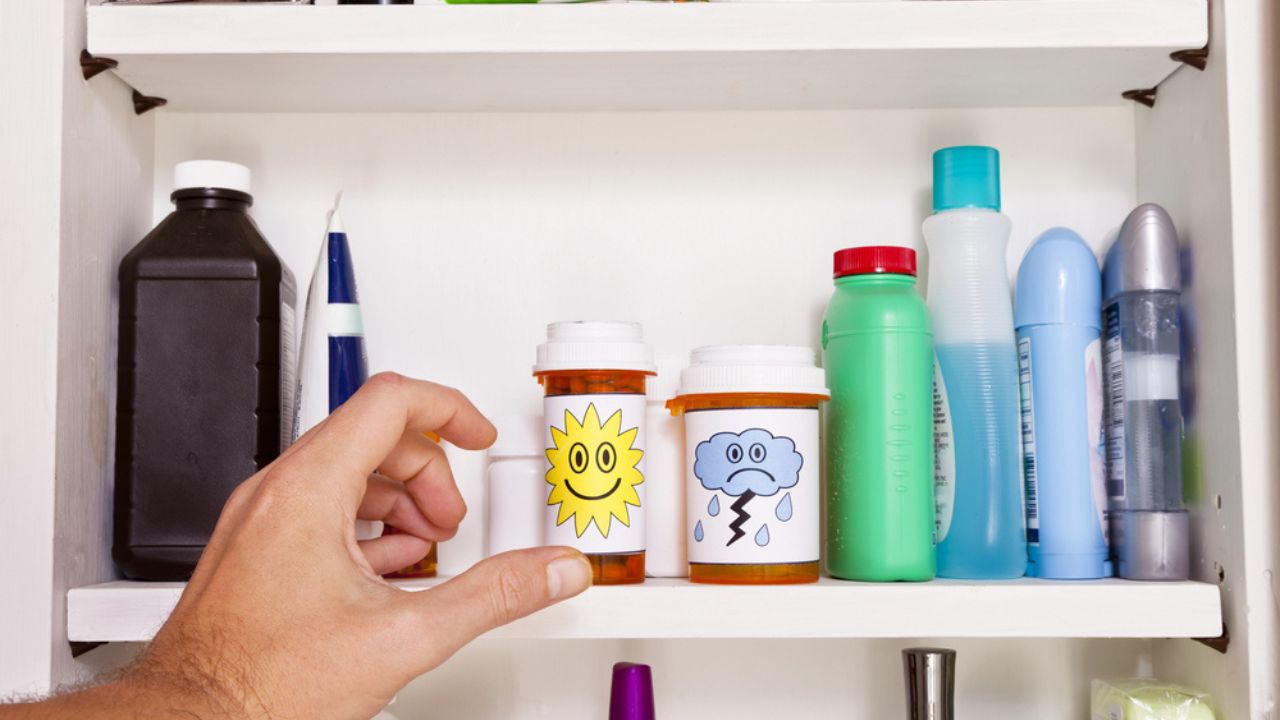
Traditional Chinese medicines are known to have arsenic, either as a natural component of their mineral ingredients or due to contamination during processing. Some medicines have arsenic on purpose and are believed to be a remedy for some skin problems.
According to research, Chinese medicines are recognized as potential sources of arsenic exposure and have been implicated in inadvertent arsenic toxicity
11. Pressure-treated Wood

Arsenic is the top prevalent wood preservative to protect from to prevent rot and insect damage. This kind of arsenic is known as chromated copper arsenate (CCA).
This poses a risk for those handling or cutting older treated wood, as well as for children playing on wooden structures like decks or playgrounds built with CCA-treated materials. Burning such wood is particularly dangerous, as it releases toxic arsenic fumes.
12. Paint Pigments

Paints that were made in the early 90s contained high levels of arsenic. Although these pigments have been discontinued, their toxicity is still there in antique furniture, artworks, and wallpapers.
Over time, arsenic can become airborne as paint deteriorates, which is a risk to those exposed to older painted surfaces.
13. Cosmetics

Trace amounts of arsenic can be found in some cosmetics, particularly in products like eyeliners, foundations, or powders made from contaminated minerals.
The FDA has set limits as to what amount of lead and arsenic shall be used – arsenic not more than 3 ppm and lead not more than 20 ppm. However, some local, cheap brands do contain low levels of the toxins, causing allergic reactions.
14. Tampons

Tampons have made the lives of women quite easy (arguable when compared to pads). But sadly, a new study showed that some brands may contain toxic metals, including arsenic, which can increase the risk of dementia, infertility, diabetes, and cancer.
Such contaminants are not directly a part of the tampons, but their presence in cotton fields treated with arsenic-based pesticides can cause some traces in the final product.
Ultimately, knowing what might be in your everyday household items can help you decide what’s best for you and your family. This list is not meant to make you feel helpless, but rather empowered with information that can help you dig even deeper.