11 Probiotic Rich Foods to Add to the Pantry That Aren’t Yogurt
When you think of probiotics, yogurt comes to mind first. And for good reason, it’s been the poster child for gut-friendly foods for decades. But here’s the thing: yogurt isn’t the only game in town. In fact, there’s a whole world of fermented and probiotic-rich foods out there that pack just as much (if not more) of a gut health punch.
Whether you’re looking to diversify your diet, explore new flavors, or simply give your digestive system some extra support, these probiotic powerhouses deserve a spot in your kitchen. From tangy drinks to savory staples, each one brings its own unique benefits and culinary possibilities. Let’s dig into 11 foods that’ll give yogurt a run for its money.
How We Got This Data
To ensure accuracy and credibility, we reviewed peer-reviewed studies, university extension resources, and expert-backed nutrition databases. Each food listed was evaluated for its probiotic potential, fermentation process, and digestive benefits based on current research and traditional use.
1. Kefir
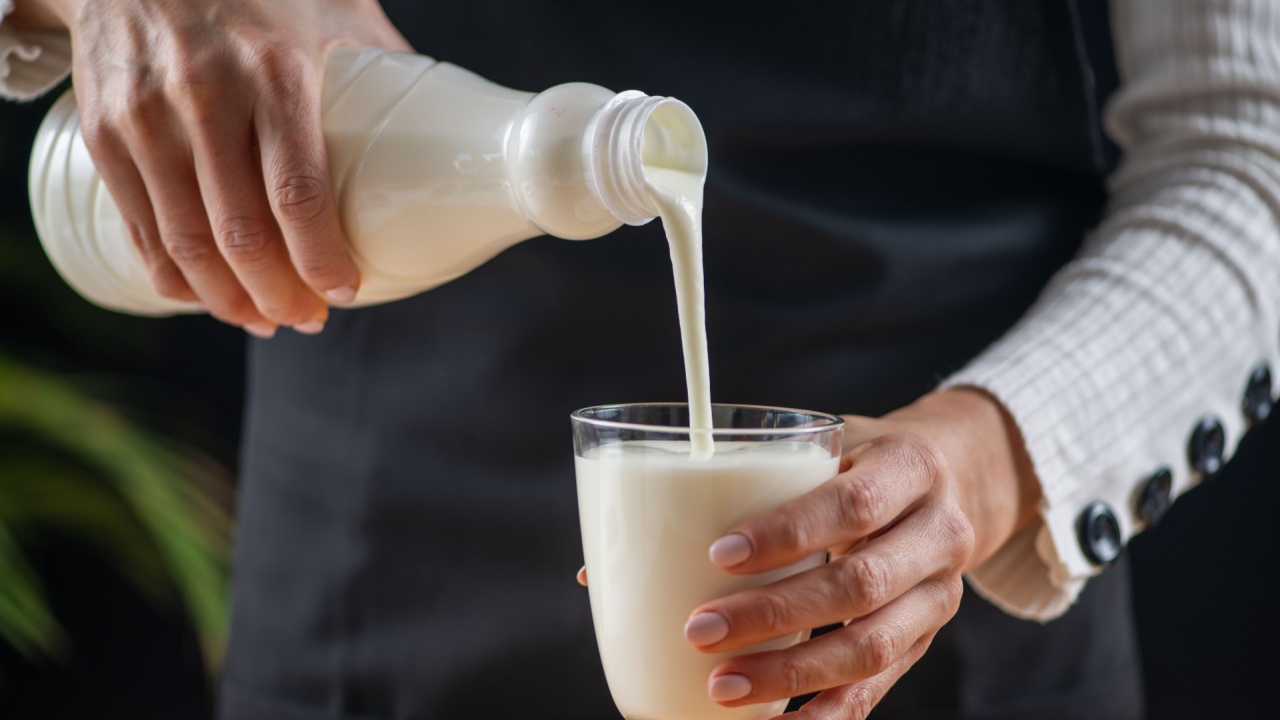
This fermented milk drink is made by adding kefir grains, a combination of bacteria and yeast, to milk, which transforms it into a tangy, drinkable beverage with a consistency similar to thin yogurt.
What makes kefir special is its diverse probiotic profile. It typically contains a wider variety of beneficial bacteria and yeast strains than yogurt, which may make it even more effective for gut health. Research suggests that kefir can help reduce inflammation, support immune function, and even lower cholesterol levels.
Why It Works
The fermentation process creates multiple strains of probiotics that work together to support your digestive system. Additionally, many people who are lactose intolerant find kefir easier to digest than regular milk, as the fermentation process breaks down a significant portion of the lactose.
How to Use It
Drink it straight, blend it into smoothies, or use it as a base for salad dressings. You can find both dairy and non-dairy versions (like coconut kefir) at most grocery stores.
2. Kimchi
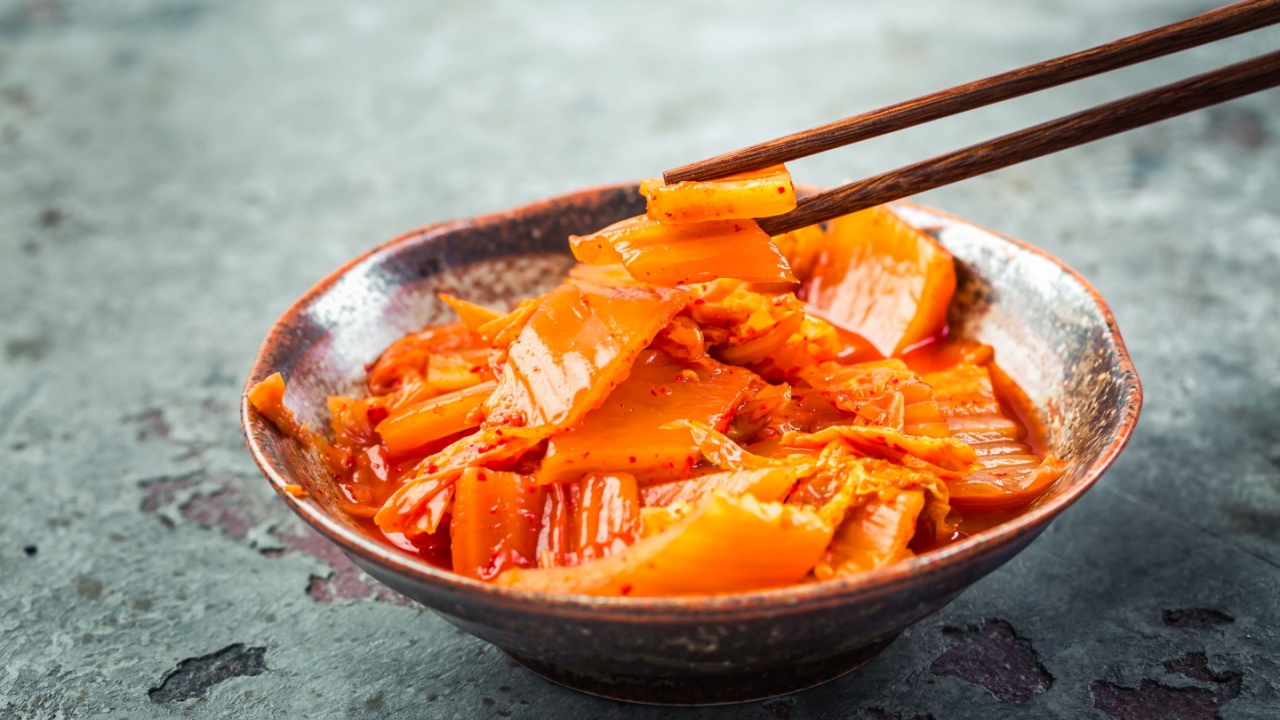
This Korean staple brings serious flavor and serious probiotics to the table. Kimchi is made from fermented vegetables, typically napa cabbage or radishes, mixed with salt, garlic, ginger, and Korean chili flakes.
Fermentation occurs naturally due to the bacteria already present on the vegetables. This process not only preserves the food but also creates beneficial probiotics that support digestion, immune function, and possibly even heart health.
Why It Works
Kimchi’s spicy, tangy profile comes from lactic acid bacteria produced during fermentation. These same bacteria are what give kimchi its gut-friendly properties. Regular kimchi consumption may help improve digestion and reduce inflammation.
How to Use It
Add it to rice bowls, tacos, sandwiches, or eggs. Start with small amounts if you’re new to kimchi; the flavor is bold, and the spice level can vary. Look for refrigerated kimchi at the store, as pasteurized versions won’t contain live probiotics.
3. Kombucha

Kombucha has evolved from a niche health food to a mainstream beverage in recent years, and for good reason. This fizzy, fermented tea is made by adding a SCOBY (symbiotic culture of bacteria and yeast) to sweetened black or green tea.
The result is a slightly sweet, slightly tart drink that’s loaded with probiotics. Kombucha may help support beneficial bacteria in the gut, aid digestion, and alleviate stomach issues such as bloating.
Why It Works
Beyond probiotics, kombucha contains organic acids and antioxidants that may offer anti-inflammatory benefits. Some research also suggests it could support liver health, though more human studies are needed.
How to Use It
Drink it chilled straight from the bottle. Start with small amounts (4-6 ounces) if you’re new to kombucha, as some people find the fizz and acidity take getting used to. Be aware of the sugar content; some brands can be surprisingly high.
4. Sourdough Bread
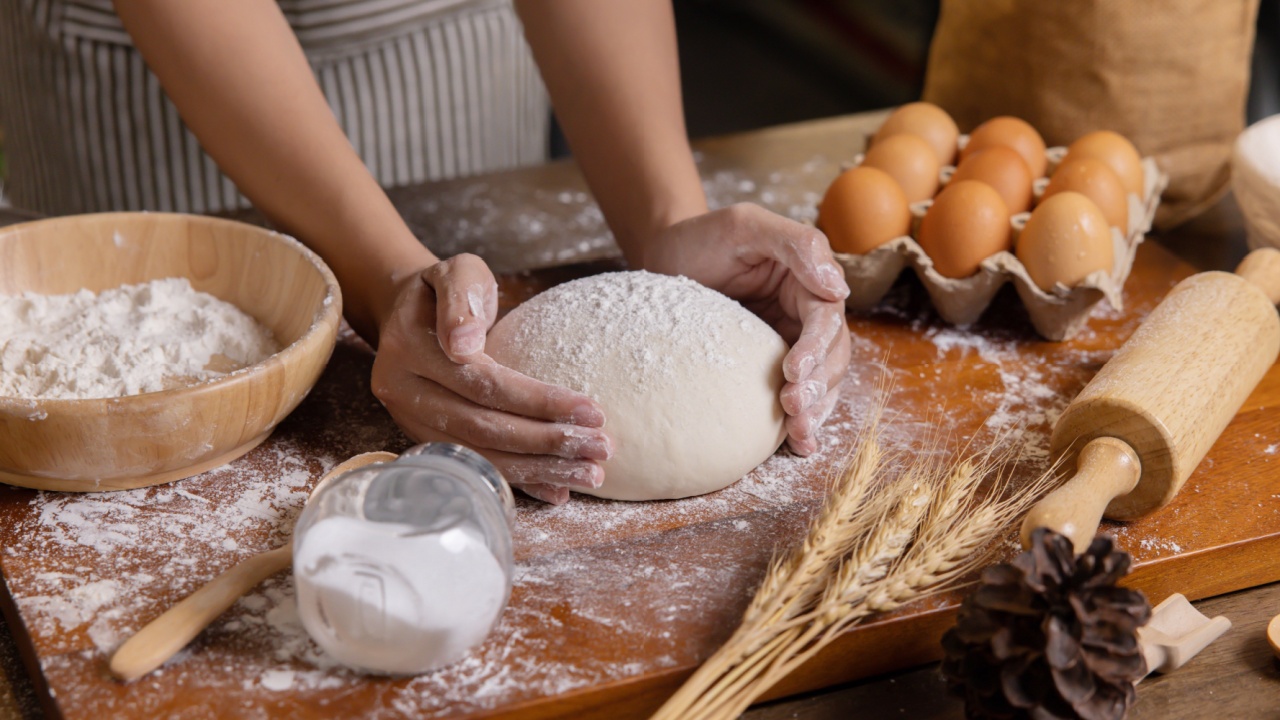
Yes, bread can be a source of probiotics, sort of. Sourdough is made by fermenting flour and water with naturally occurring lactic acid bacteria and wild yeast, giving it that characteristic tangy flavor and chewy texture.
While the baking process kills off most of the live bacteria, sourdough still retains beneficial compounds created during fermentation. These substances help fight inflammation, protect cells, and support a healthy gut.
Why It Works
The fermentation process breaks down some of the gluten and phytic acid in the flour, making sourdough more digestible than regular bread. The organic acids produced during fermentation also help slow down the release of glucose into your bloodstream.
How to Use It
Toast it, make sandwiches, or use it for French toast. Look for authentic sourdough made with just flour, water, and salt. Note that many grocery store “sourdough” breads are actually made with commercial yeast and don’t offer the same benefits.
5. Sauerkraut
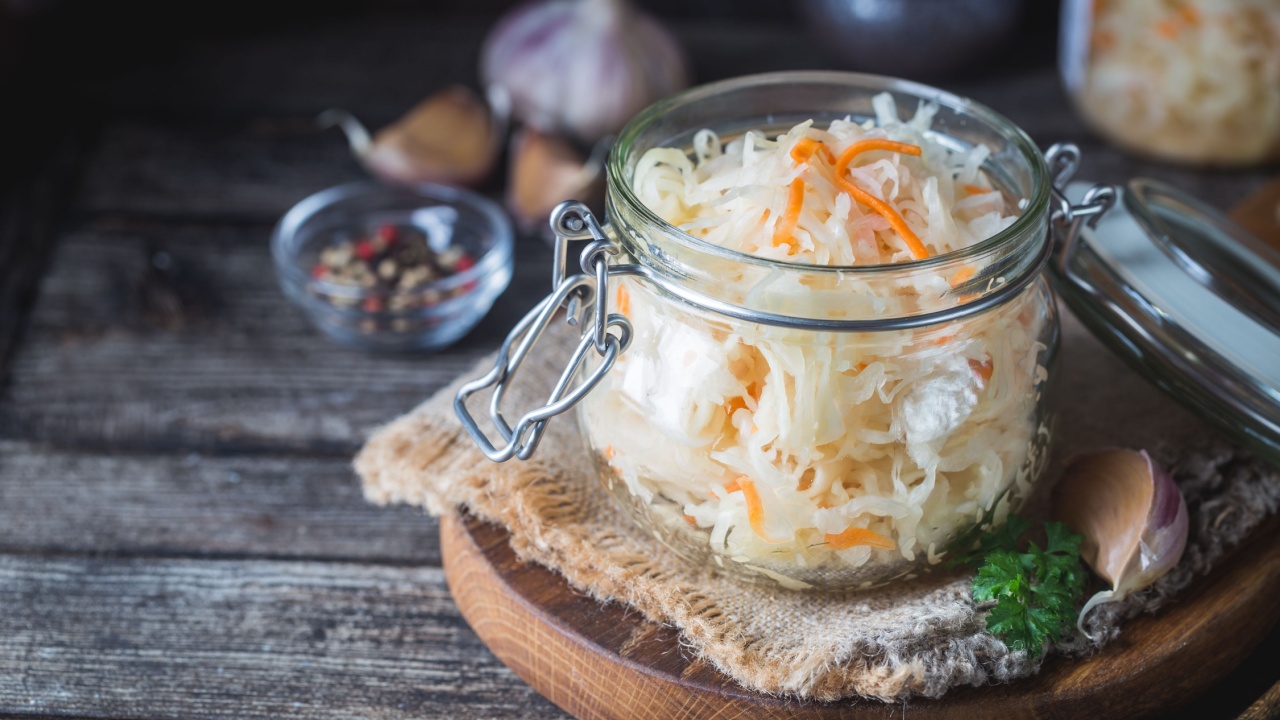
Don’t let its humble appearance fool you. Sauerkraut is a fermentation powerhouse. This traditional German food is simply cabbage that’s been finely chopped, salted, and left to ferment with its own naturally occurring bacteria.
The result is a tangy, crunchy condiment that’s rich in probiotics and may help support immune function and reduce inflammation. Some research even suggests sauerkraut could have antioxidant and anticancer properties.
Why It Works
During fermentation, the natural bacteria on cabbage convert sugars into lactic acid, which acts as a preservative and creates those beneficial probiotics. Sauerkraut is also high in vitamin C and fiber.
How to Use It
Pile it on sandwiches, hot dogs, or bratwurst. Mix it into grain bowls or serve it alongside roasted meats. Just make sure to buy refrigerated sauerkraut or make your own; canned versions are typically pasteurized and lack live cultures.
6. Miso
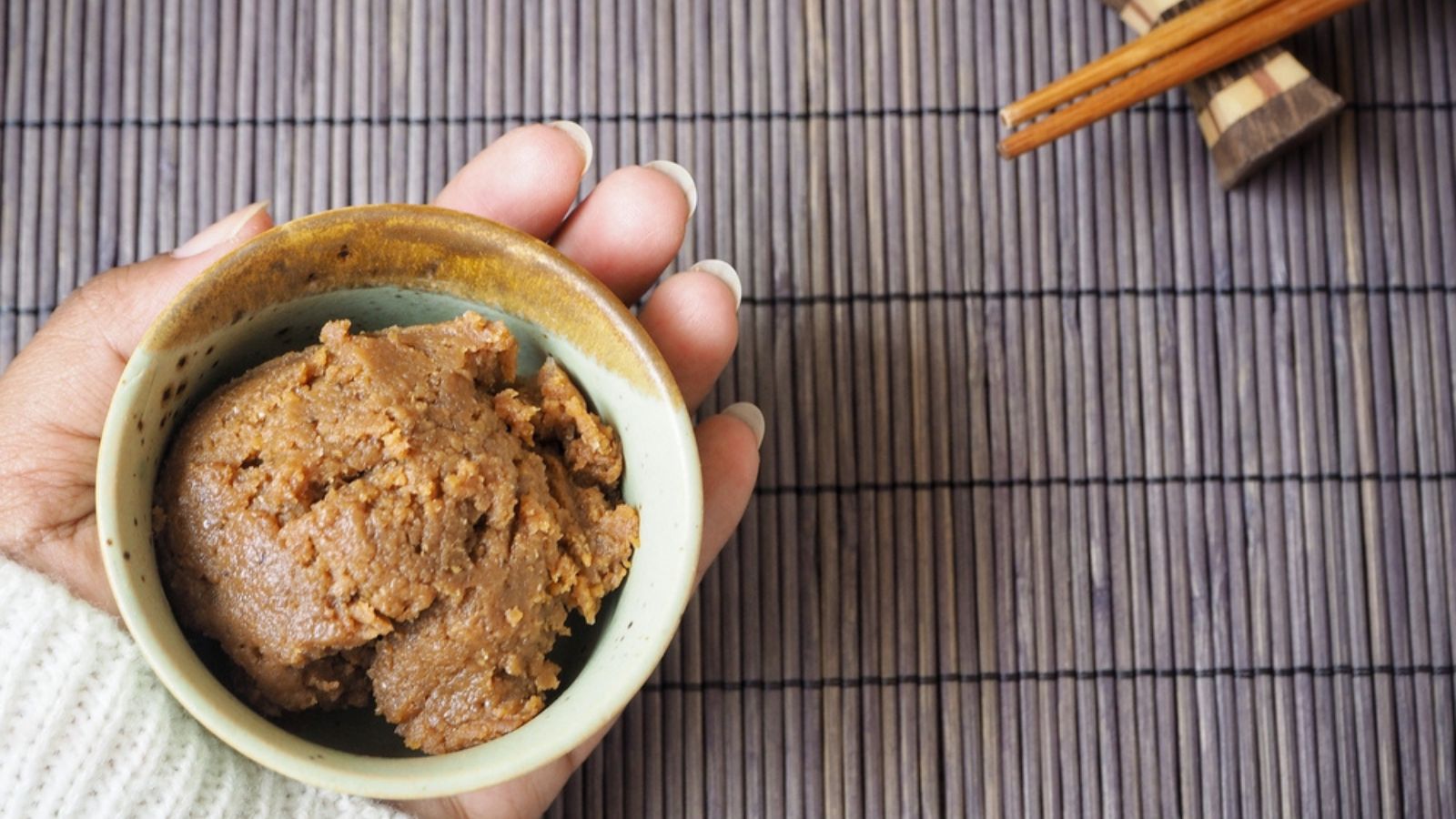
This savory Japanese paste is a fermentation favorite made from soybeans, salt, and a culture called koji. The mixture ferments for months (sometimes years), developing a deep, umami-rich flavor that’s become a staple in Japanese cuisine.
Miso may offer benefits related to gut health, inflammation, and possibly even blood pressure regulation. Although more research is needed, some studies suggest that it may play a role in cancer prevention.
Why It Works
The lengthy fermentation process cultivates a diverse community of beneficial bacteria and enzymes. Miso is also rich in essential minerals and B vitamins that support overall health.
How to Use It
Whisk it into hot water for a quick soup, use it as a marinade for fish or vegetables, or stir it into salad dressings. Remember not to boil miso after adding it to hot dishes, as high heat can kill the beneficial bacteria.
7. Lassi
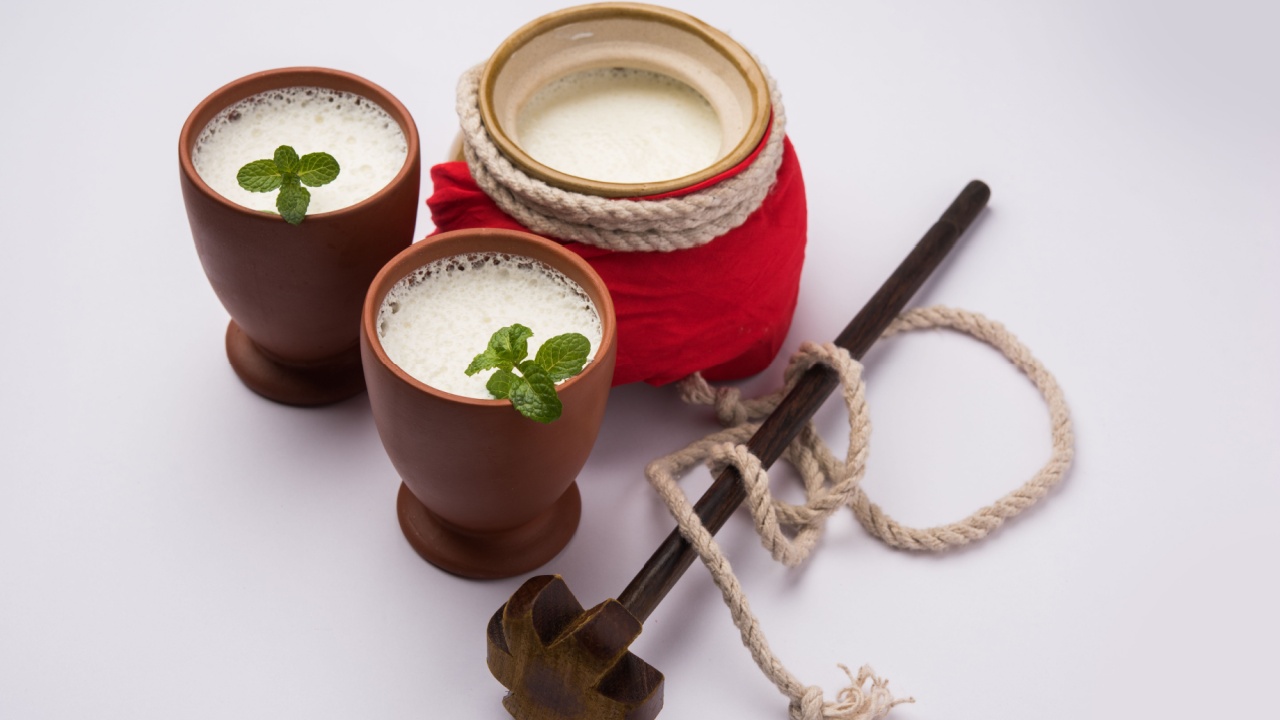
This traditional Indian drink is essentially a drinkable yogurt, but it deserves its own spot on this list. Lassi is made from cultured milk (usually yogurt) blended with water, spices, and sometimes fruit. Unlike kefir, it contains only bacterial cultures, no yeast.
Lassi may help with digestion, ease symptoms of irritable bowel syndrome (IBS), and could be easier to tolerate for people with lactose intolerance. Some research also links it to improved heart health and blood sugar management.
Why It Works
The culturing process creates beneficial bacteria as it breaks down lactose, making it more digestible. The addition of spices like cardamom or cumin can further support digestion.
How to Use It
Enjoy sweet versions with mango or strawberry as a refreshing drink, or try savory versions seasoned with cumin and salt as a cooling accompaniment to spicy meals.
8. Kvass
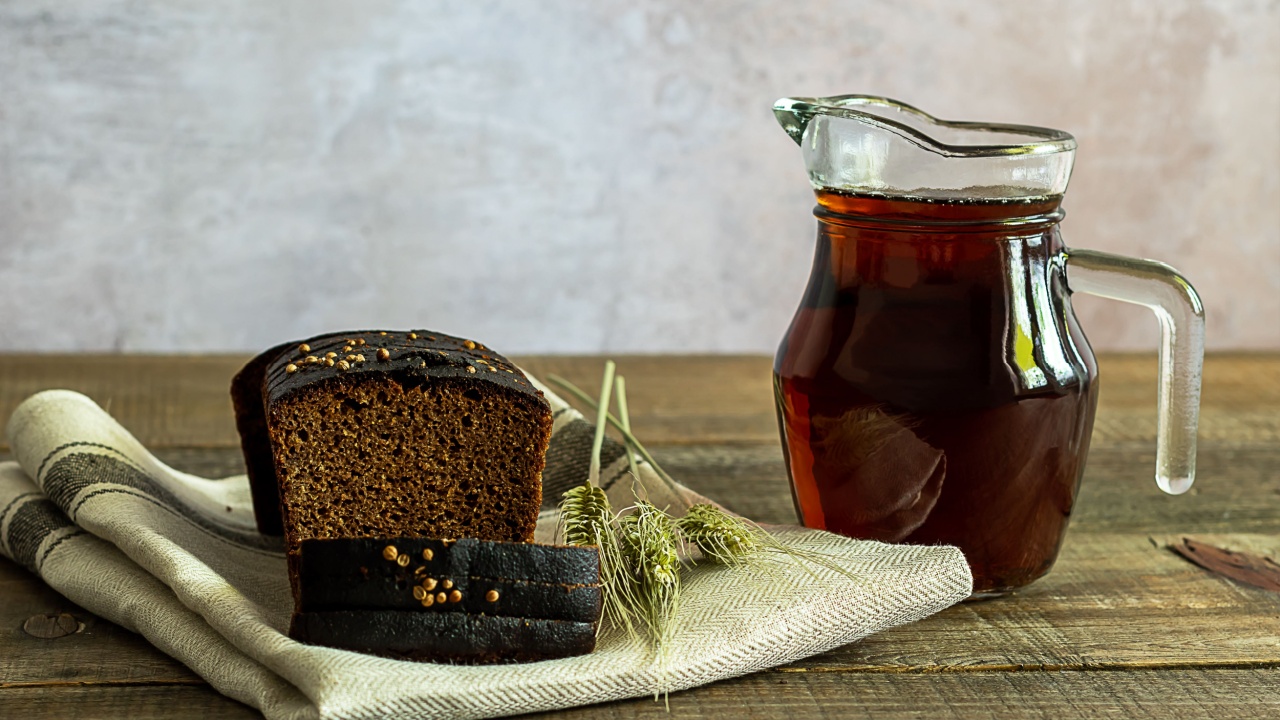
This traditional Eastern European beverage might be the least familiar option on this list, but it’s worth seeking out. Kvass is made from fermented rye flour, resulting in a tangy, slightly fizzy drink with an earthy flavor profile.
Like kombucha, kvass is fermented with natural bacteria and yeast. The beneficial bacteria in kvass may enhance gut health by supporting digestion, facilitating the passage of food through the digestive tract, and regulating hormones that aid in digestion.
Why It Works
The fermentation of rye bread creates a unique combination of probiotics and B vitamins. Some versions are also made with beets, adding additional nutrients and a gorgeous ruby color.
How to Use It
Drink it chilled as a refreshing beverage, or use it as a base for cold summer soups like borscht. You can find kvass at Eastern European markets or make your own at home.
9. Tempeh
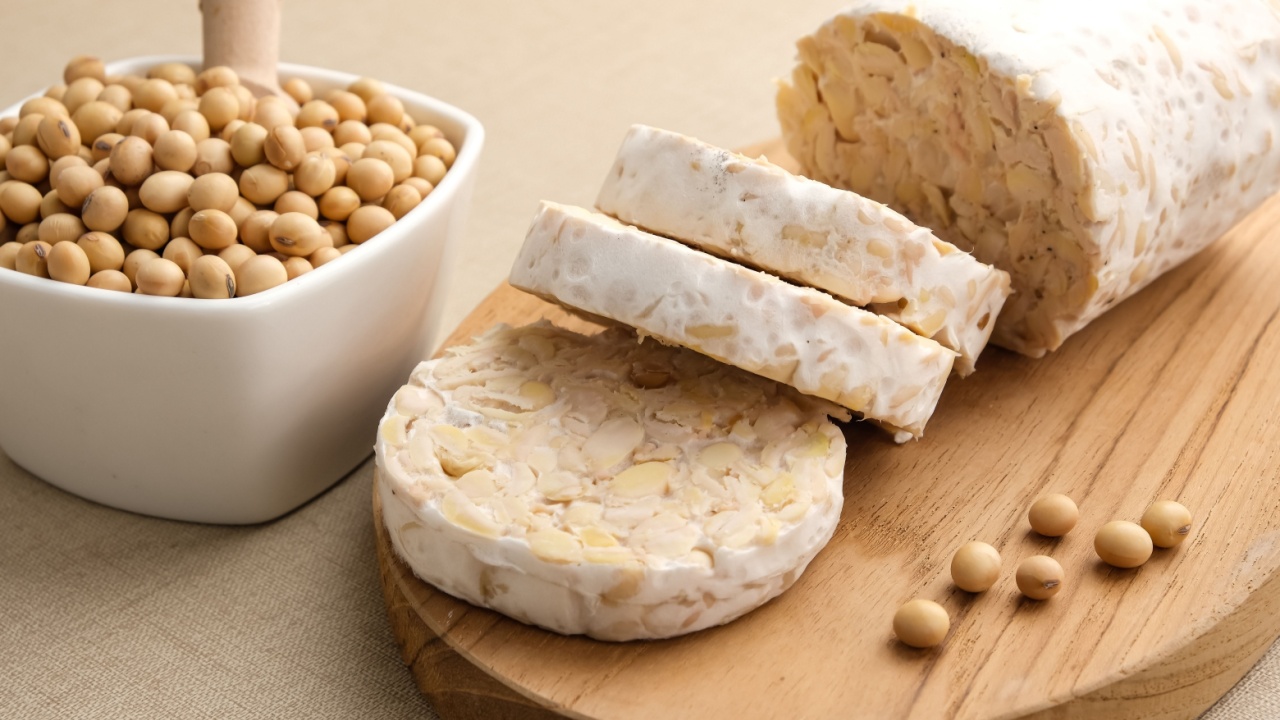
If you’re looking for a plant-based protein that also delivers probiotics, tempeh is your answer. This traditional Indonesian food is made by fermenting cooked soybeans with a starter culture, which binds them into a firm, sliceable cake.
Tempeh is packed with protein and may help reduce inflammation, support gut health, and provide antioxidants that protect your cells from damage. It’s also more digestible than unfermented soy products.
Why It Works
The fermentation process breaks down compounds in soybeans that can be hard to digest, while creating beneficial bacteria and increasing nutrient availability. Tempeh also contains all nine essential amino acids.
How to Use It
Cube it and add to stir-fries, crumble it for tacos or pasta sauce, or marinate and grill it for sandwiches. The slightly nutty, mushroom-like flavor takes on marinades beautifully.
10. Natto
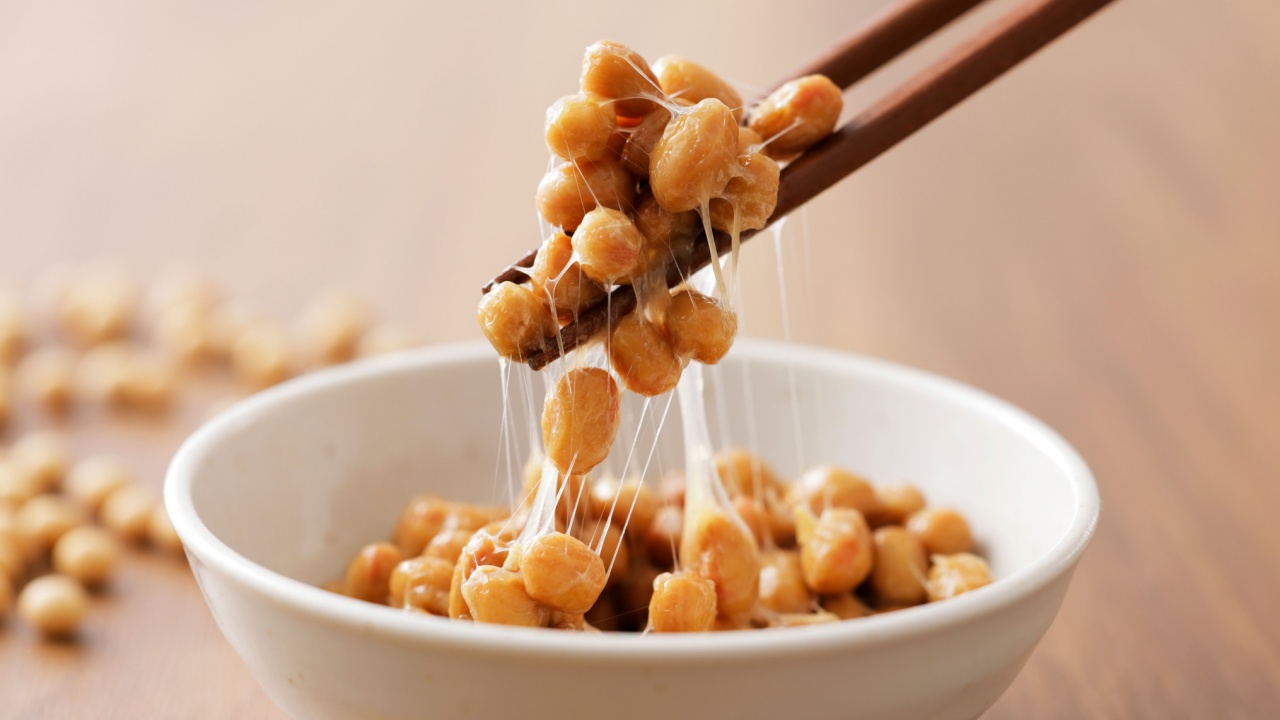
Natto is an acquired taste, but it’s worth mentioning for its impressive health benefits. This Japanese food is made by fermenting soybeans with a specific strain of bacteria, resulting in a unique, sticky texture that’s distinct in the culinary world.
Beyond supporting gut health, natto may also promote heart and bone health, as well as enhance your body’s response to insulin. It’s also one of the best sources of vitamin K2, a crucial nutrient for maintaining bone and cardiovascular health.
Why It Works
The fermentation creates an enzyme called nattokinase, which may help support cardiovascular health. Natto is also extremely high in protein and contains beneficial bacteria that support digestion.
How to Use It
Traditionally served over rice with soy sauce and mustard for breakfast. If you’re new to natto, start with small amounts mixed into dishes rather than eating it on its own; the texture and intense flavor can be challenging for beginners.
11. Pickles (Naturally Fermented)
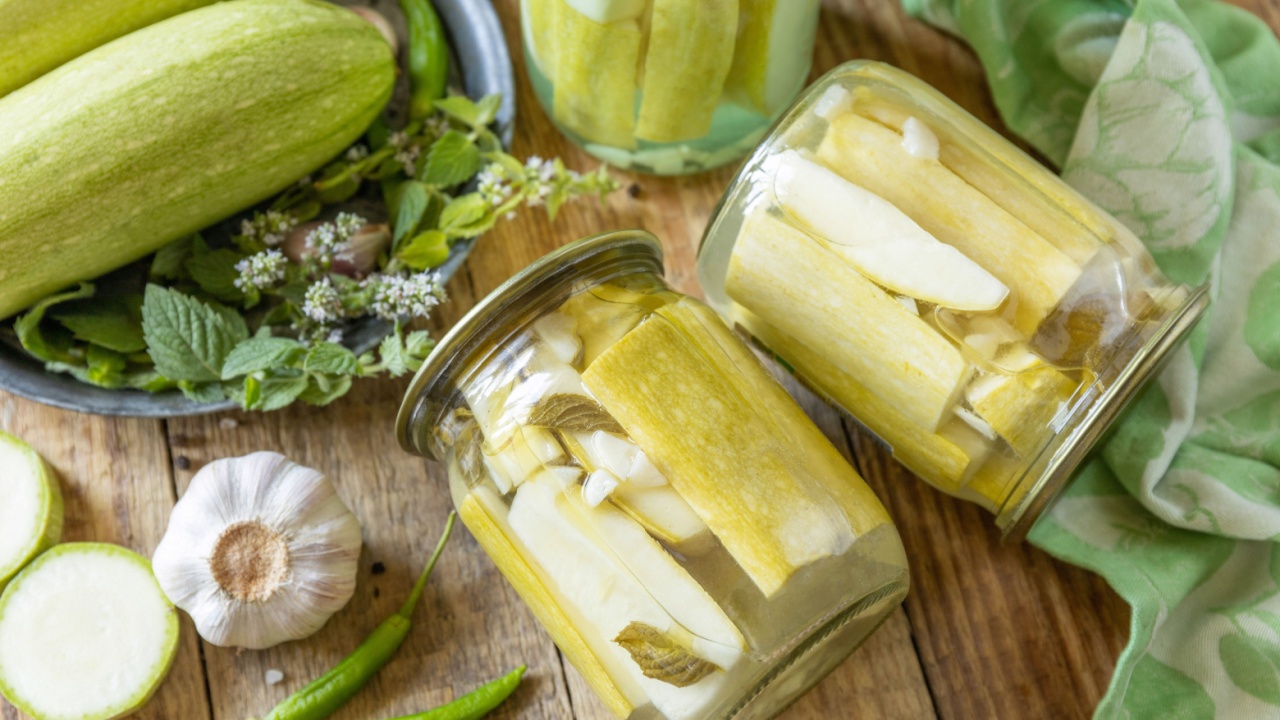
Not all pickles are created equal when it comes to probiotics. While most grocery store pickles are made with vinegar and lack live cultures, naturally fermented pickles offer genuine probiotic benefits. These pickles are made by submerging cucumbers in saltwater brine and allowing natural fermentation to occur.
The lactic acid bacteria that develop during fermentation give naturally fermented pickles their tangy flavor and gut-friendly properties. They may help support digestive health and provide beneficial bacteria to your gut microbiome.
Why It Works
Actual fermented pickles contain live cultures that can survive the journey through your digestive system. They’re also low in calories and offer a satisfying crunch, making them an easy snack option.
How to Use It
Eat them straight from the jar as a snack, chop them into tuna or chicken salad, or add them to sandwiches and burgers for a delicious treat. Look for pickles in the refrigerated section labeled “naturally fermented” or “probiotic,” or try making your own at home.
Bringing Probiotic Foods Into Your Kitchen

Adding probiotic-rich foods to your diet is straightforward: start with a few appealing options, then gradually expand to include a variety of fermented foods that offer diverse probiotic strains.
Consistency is key, as even small, regular amounts can benefit gut health. Whether it’s kefir, kimchi, or sourdough, these foods help your gut thrive. Explore your local grocery’s fermented foods aisle or try home fermentation.