15 DIY Terrariums That’ll Look Great in Any Room
Fun DIY Christmas gift alert! And there’s still time.
Imagine creating a tiny, self-contained garden. This is what a terrarium is: a miniature garden housed inside a clear container, designed to mimic natural ecosystems on a small scale. It typically includes layers of drainage material, activated charcoal, soil, and carefully chosen plants suited to either humid (closed) or dry (open) environments.
Building your own terrarium is an activity that blends creativity with a touch of science, resulting in a unique piece of living art. To make one, start with a clean glass vessel, add a base layer of pebbles for drainage, sprinkle charcoal to keep the environment fresh, then add soil and arrange your plants. Finish with decorative elements like stones or moss, and place the terrarium in bright, indirect light. With minimal care, it becomes a living piece of art that thrives indoors.
Here are 15 fun and inventive ways to build your own terrarium, perfect for any space or skill level. (Note: These ideas and images are meant to inspire buying or building a terrarium; the depth of this article does not include specific instructions for each suggested type.)
1. Mason Jar Terrarium
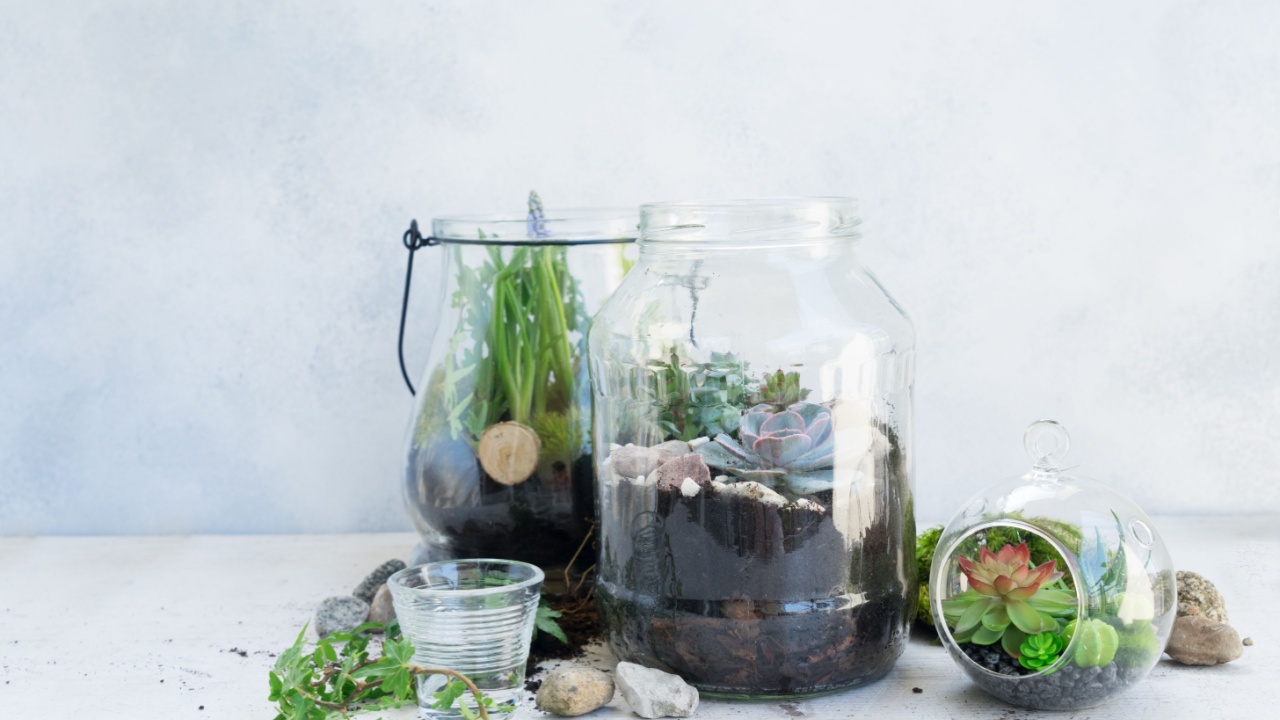
The humble Mason jar is a fantastic starting point for any would-be terrarium builder. Its classic look and widespread availability make it an accessible choice for a first project. The clear glass provides an unobstructed view of your miniature garden, and the optional lid allows for creating either an open or closed ecosystem.
This option is great for beginners because of its simplicity and manageable size. It is small enough to fit on a desk or windowsill but large enough to house a few small plants, giving you a satisfying result without a huge commitment.
Quick Look:
- Best For: Beginners, small spaces, gifts.
- Plants to Use: Small ferns, mosses, or tiny foliage plants like nerve plants.
- Care Tip: If you use the lid, open it once a week for about an hour to allow for fresh air circulation and to prevent mold growth.
2. Spice Jar Terrarium
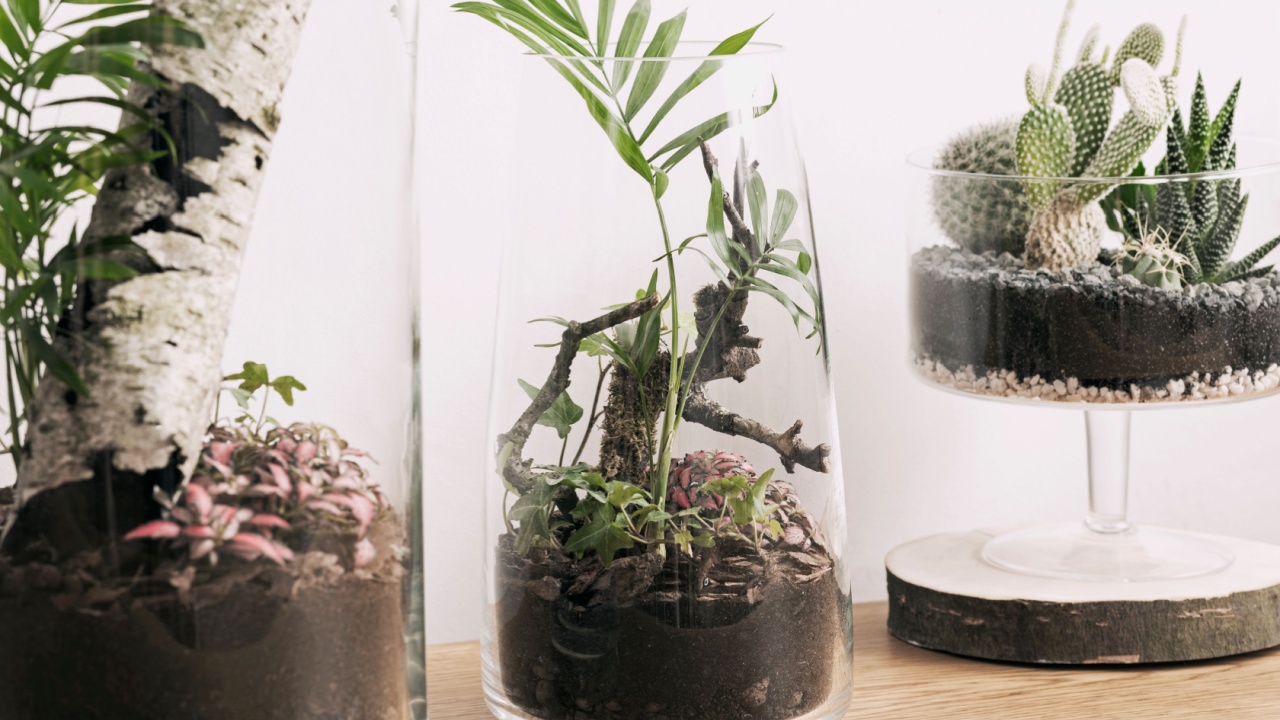
For those who love all things miniature, the spice jar terrarium is a perfect fit. These tiny containers are ideal for creating the smallest of gardens, often holding just a single sprig of moss or a tiny plant cutting. They are an excellent way to use old spice jars you might otherwise discard.
The appeal of a spice jar terrarium lies in its delicate and minuscule scale. It’s a challenge in precision that results in an incredibly charming decoration for a tiny nook on a bookshelf or a spot on your desk.
Quick Look:
- Best For: Miniature enthusiasts, upcycling projects, decorating very small spaces.
- Plants to Use: A tiny pinch of sheet moss or a single, very small succulent cutting.
- Care Tip: Use a spray bottle for watering, as even a few drops from a watering can will be too much. Mist lightly only when the soil feels completely dry.
3. Jam Jar Terrarium
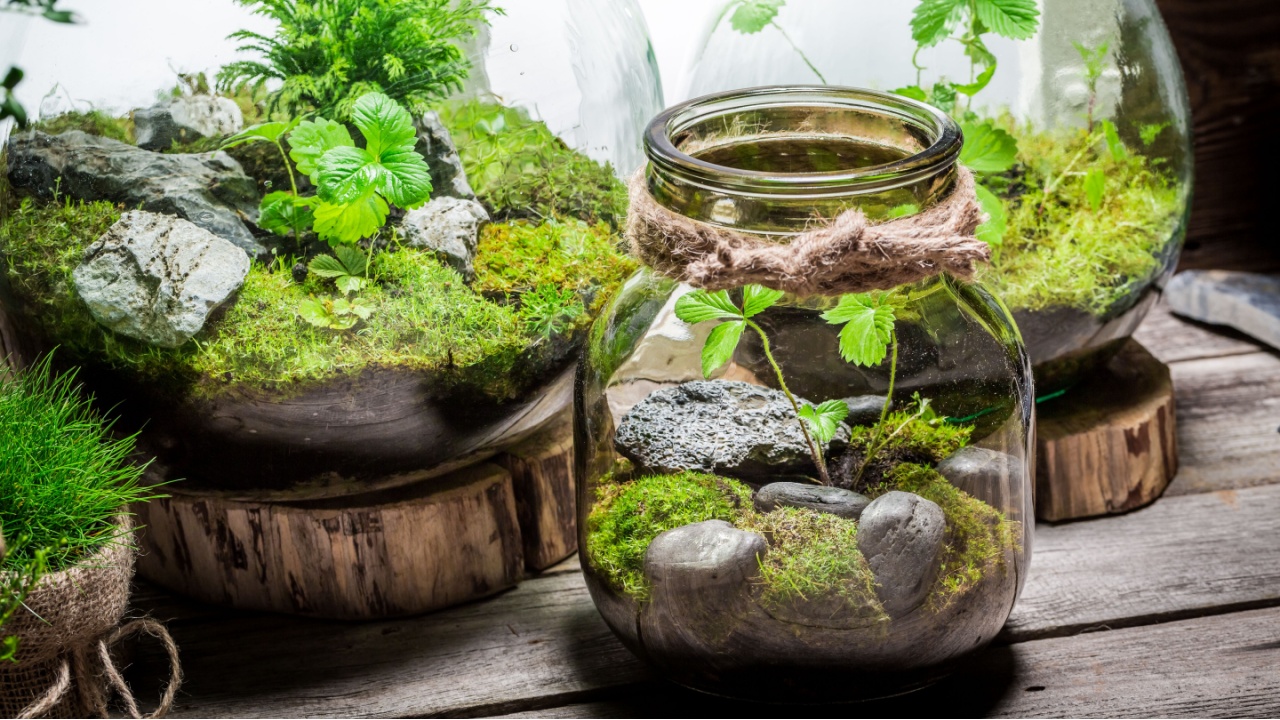
A step up in size from a spice jar, the jam jar offers a bit more room to work with (similar to a mason jar, but in a variety to different sizes). Its wider mouth makes placing plants and other elements much easier. Jam jars, with their charming, slightly rustic feel, can be transformed into beautiful little plant havens.
This is a wonderful project for those who want a quick and easy-to-assemble terrarium. The wider opening simplifies the process, making it a less fussy build than some of the more narrow-necked containers.
Quick Look:
- Best For: Quick DIY projects, rustic decor, people with slightly larger hands.
- Plants to Use: Small succulents, air plants, or a collection of different mosses.
- Care Tip: Since jam jars are usually clear, be mindful of direct sunlight, which can scorch the leaves of your plants. Bright, indirect light is ideal.
4. Fish Bowl Terrarium
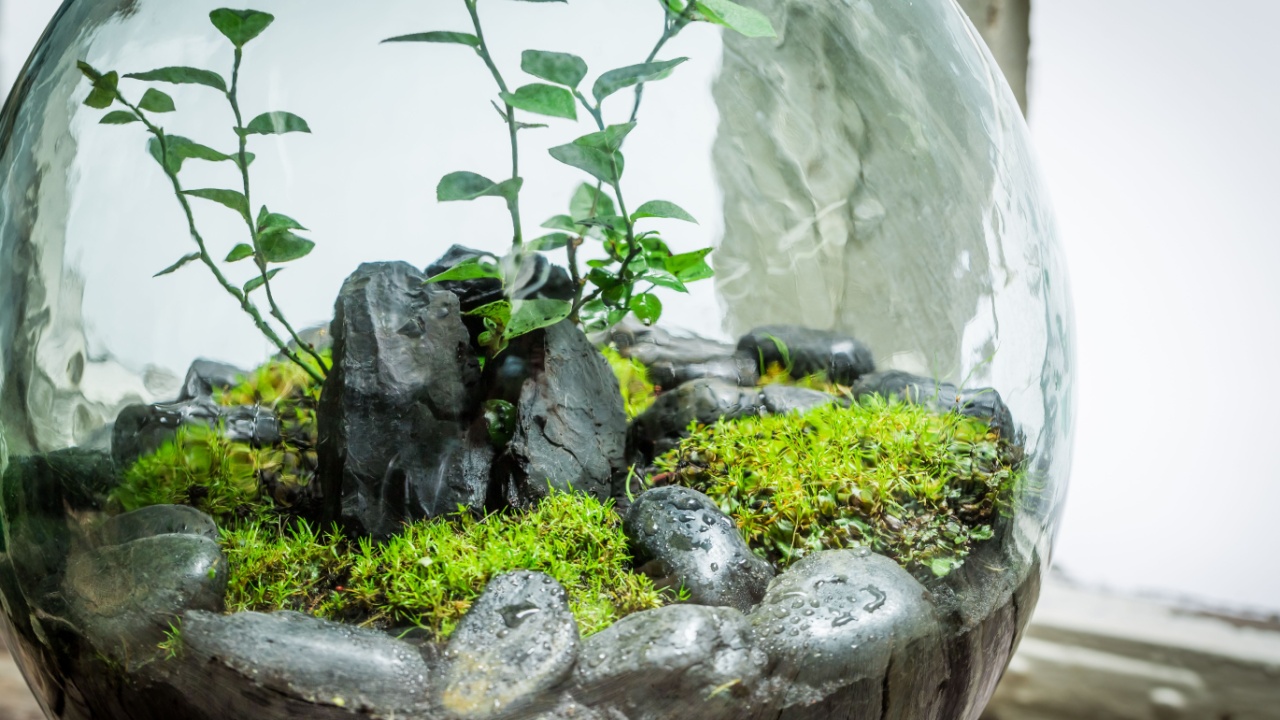
A classic fishbowl, large or small, makes an excellent vessel for a terrarium. The curved glass and wide opening provide a panoramic view of your creation and make planting a breeze. You can create a more complex landscape with hills and valleys inside a fishbowl.
The generous space in a fishbowl allows for more creativity. You can include a wider variety of plants, rocks, and even small figurines to build a detailed miniature world. It becomes a significant decorative piece in any room.
Quick Look:
- Best For: Creating detailed landscapes, statement decor pieces, and planting multiple types of plants.
- Plants to Use: A mix of succulents and cacti for an open desert scene, or ferns and mosses for a woodland look.
- Care Tip: The bowl shape can sometimes trap humidity at the bottom. A thick layer of drainage pebbles is crucial to prevent water from sitting around the plant roots.
5. Glass Jar Succulent Terrarium
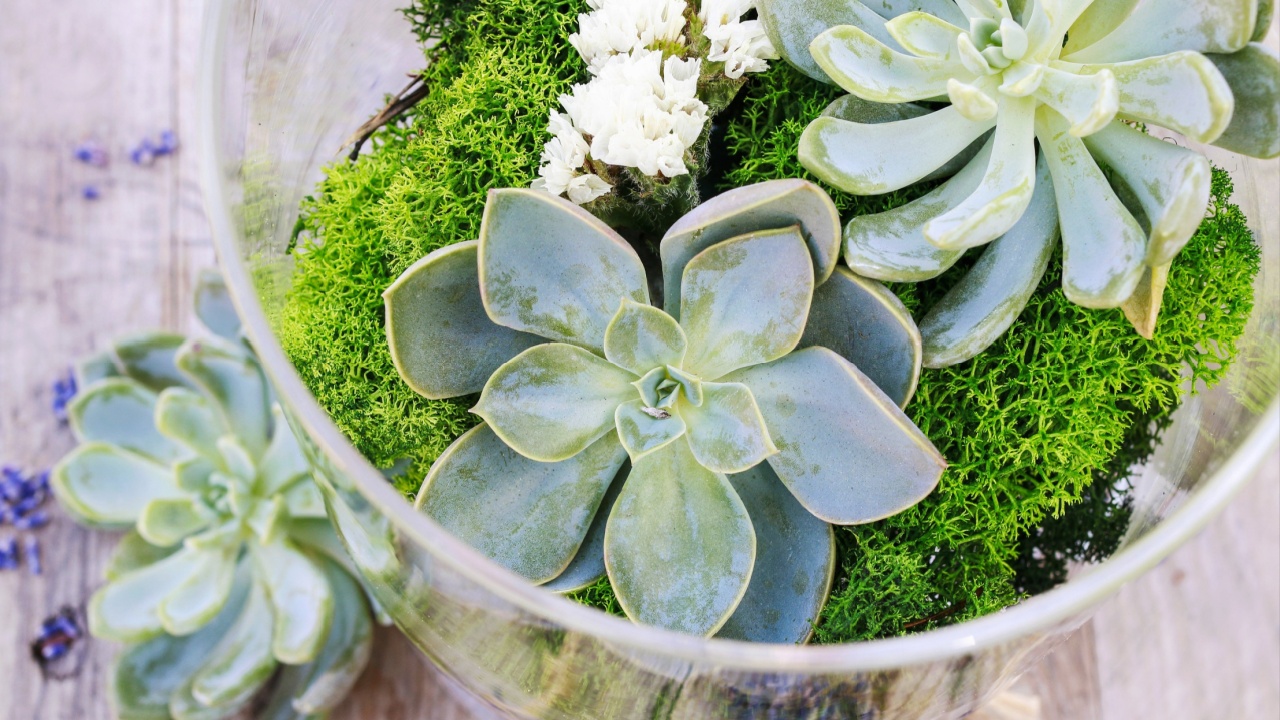
Succulents are a popular choice for terrariums, and for good reason. Their unique shapes and low water needs make them well-suited for open-container gardening. A simple glass jar, like a pickle jar or a large storage jar, is a perfect home for a mini desert landscape.
Succulent terrariums are fantastic for people who appreciate low-maintenance plants. They thrive on a bit of neglect and prefer dry conditions, so you won’t have to worry about frequent watering.
Quick Look:
- Best For: Busy people, sunny spots, modern decor.
- Plants to Use: Echeverias, sedums, haworthias, and other small succulent varieties.
- Care Tip: Never use a closed container for succulents. They need excellent air circulation and dry conditions to prevent rot. Water only when the soil is completely dry to the touch.
6. Recycled Plastic Bottle Terrarium
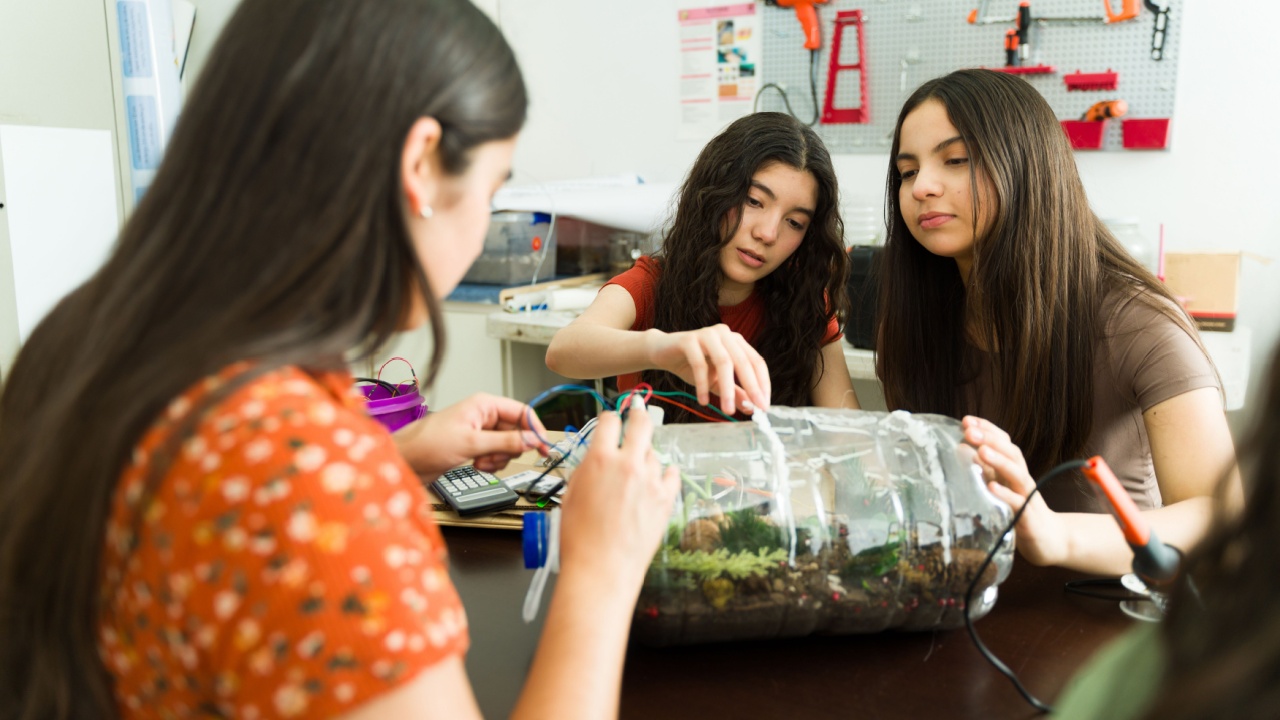
A terrarium project doesn’t have to be expensive. In fact, it can be practically free with a recycled plastic bottle. This is an amazing project for teaching about recycling and ecosystems. By cutting a bottle in half, you can create a self-watering closed terrarium that is both educational and fun.
This is an environmentally friendly option that demonstrates how everyday items can be repurposed. It’s particularly good for a science-based activity, showing the water cycle in action on a small scale.
Quick Look:
- Best For: Eco-conscious creators, kids’ science projects, and budget-friendly gardening.
- Plants to Use: Moisture-loving plants like moss, small ferns, or even sprouting seeds like beans or grass.
- Care Tip: Once sealed, a plastic bottle terrarium should create its own rain cycle. If you see too much condensation, briefly remove the top to let it air out.
7. Lightbulb Terrarium
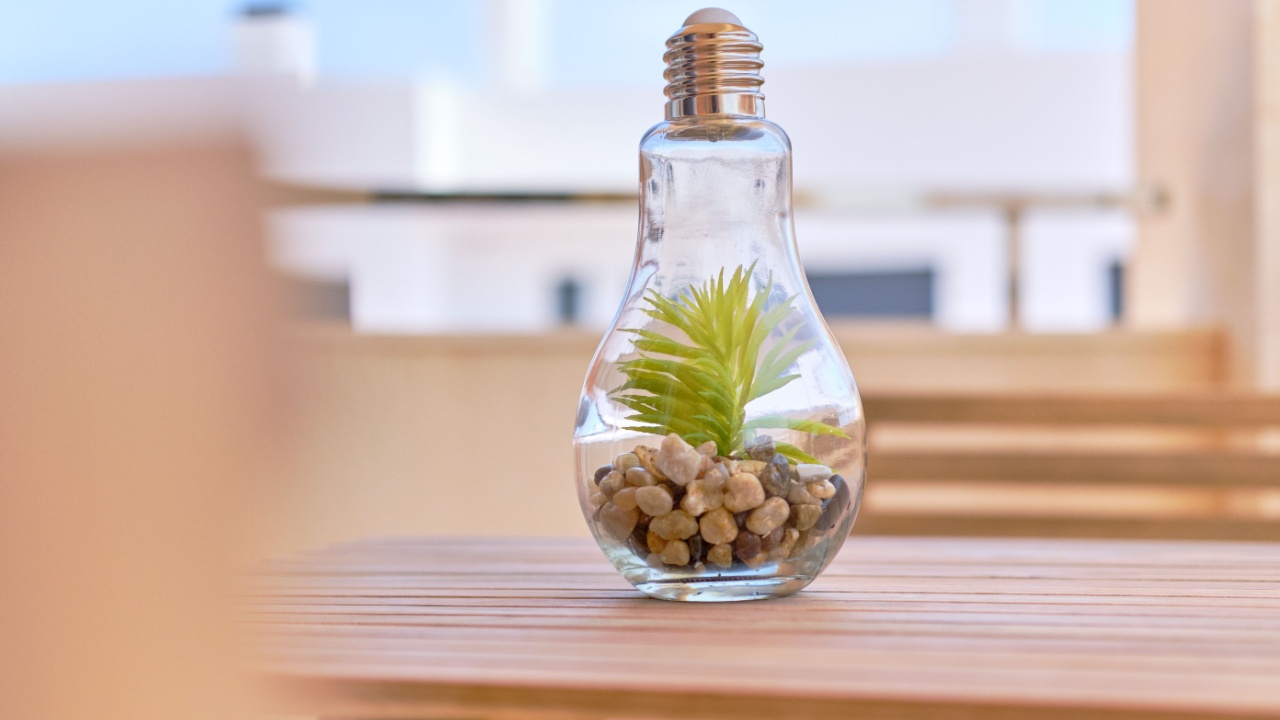
For a truly unique and delicate terrarium, an old incandescent lightbulb can be carefully hollowed out to create a tiny, hanging vessel. This project requires a bit of patience and a gentle touch, but the result is a stunning, almost magical, piece of decor.
The lightbulb terrarium is a conversation starter. Its unusual form and suspended nature make it a captivating object that seems to defy expectations. It is perfect for housing a single air plant or a bit of moss.
Quick Look:
- Best For: Detail-oriented crafters, unique decor, hanging displays.
- Plants to Use: Small air plants (Tillandsia) or a small amount of preserved moss.
- Care Tip: Hollowing out the lightbulb is a delicate process. Wear safety glasses and gloves, and use pliers to carefully break the black glass at the base and remove the internal filaments.
8. Hanging Terrarium
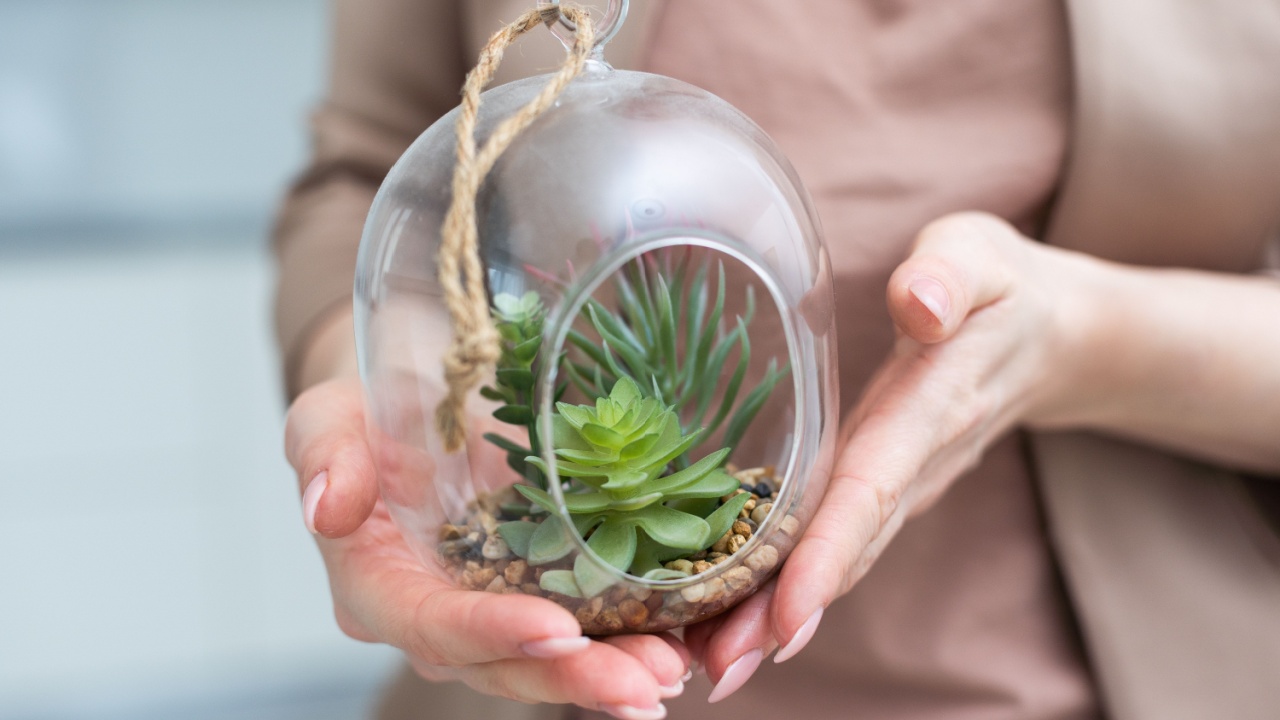
Hanging terrariums, often found in glass globes or teardrop-shaped containers, add a vertical element to your indoor garden. They can be suspended from the ceiling, a wall bracket, or a dedicated stand, creating an elegant and airy display.
These terrariums are excellent for small living spaces because they don’t take up any surface area. Grouping several at different heights can create a beautiful floating garden effect.
Quick Look:
- Best For: Small apartments, adding vertical interest, modern, and bohemian decor styles.
- Plants to Use: Air plants are the most popular choice, but small succulents or trailing plants like string of pearls can also work well.
- Care Tip: Be mindful of watering, as excess water will drip out of the drainage holes. It’s often easier to take the plants out for a soak and then return them to the hanging container.
9. Closed Terrarium
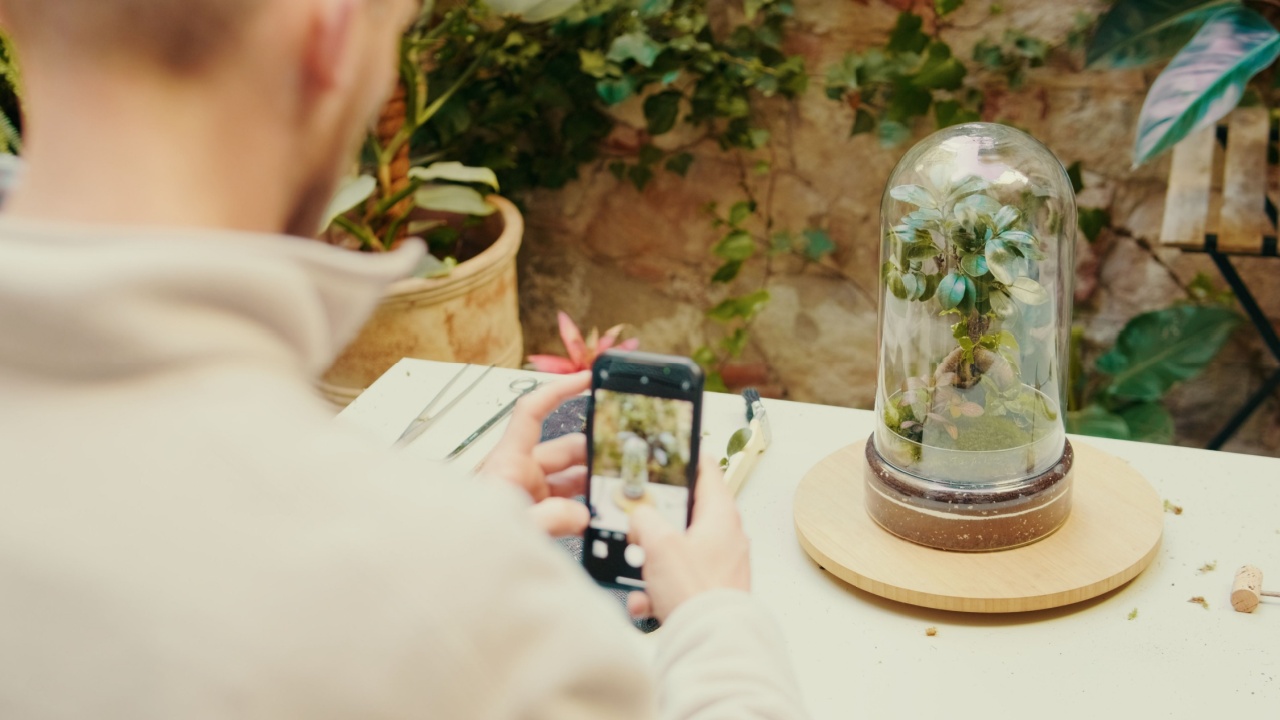
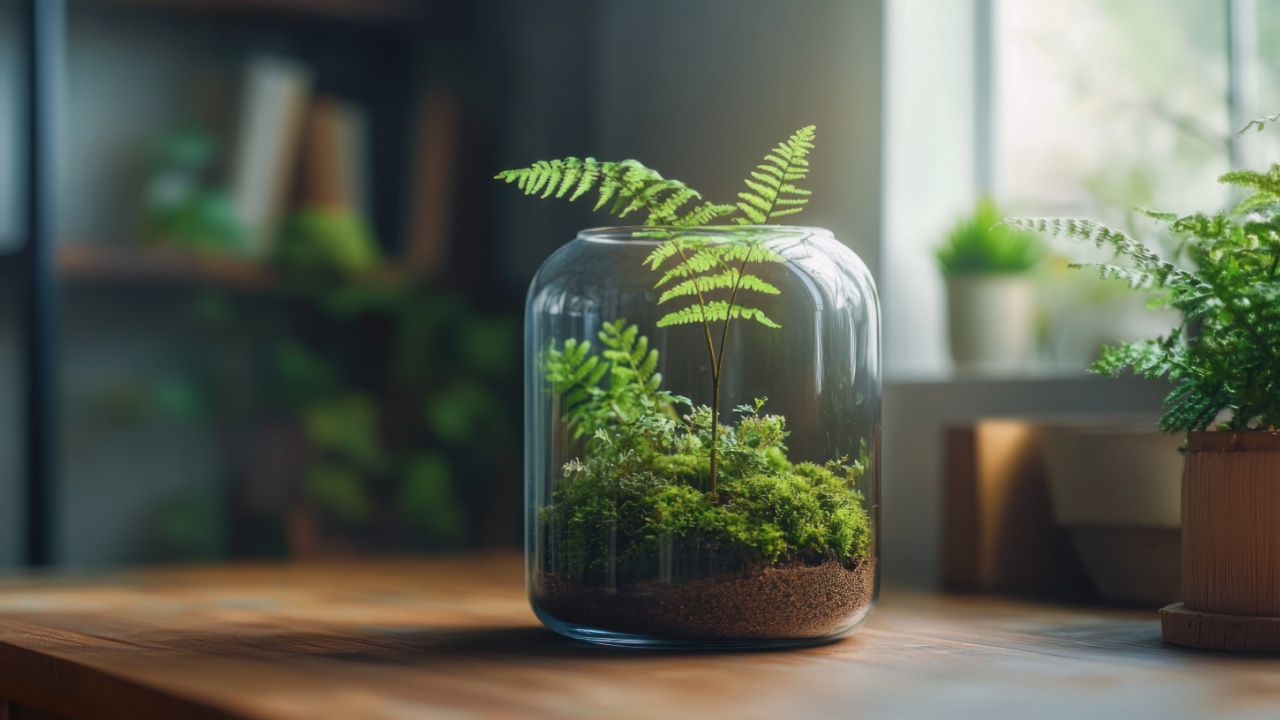
A closed terrarium is a self-sufficient ecosystem sealed within a container, usually with a lid or cork. Once established, it requires very little maintenance, as the plants recycle their own water and nutrients. It’s like having a tiny, living biosphere on your shelf.
This type of terrarium is fascinating for those who enjoy observing natural processes. Watching the water cycle unfold as condensation forms on the glass and “rains” back down on the plants is a rewarding experience.
Quick Look:
- Best For: Science lovers, low-maintenance gardening, and creating a humid environment for tropical plants.
- Plants to Use: Ferns, mosses, nerve plants (Fittonia), and other humidity-loving tropicals.
- Care Tip: Avoid placing a closed terrarium in direct sunlight, as the glass can intensify the heat and cook the plants inside. Bright, indirect light is perfect.
10. Air Plant Terrarium

Air plants, or Tillandsia, are a fantastic choice for terrariums because they don’t require soil. This opens up a world of creative possibilities for the base of your terrarium. You can use sand, decorative stones, wood, or shells as a foundation for your air plants.
An air plant terrarium is incredibly versatile and easy to assemble. It’s perfect for those who want the look of a terrarium without the mess of soil. The architectural shapes of air plants create a modern and minimalist aesthetic.
Quick Look:
- Best For: Minimalist design, soil-free gardening, and beginners.
- Plants to Use: Any variety of Tillandsia. Ionantha, caput-medusae, and xerographica are popular choices.
- Care Tip: Air plants need to be watered by soaking them in a bowl of water for 20-30 minutes every one to two weeks. Let them dry completely before returning them to the terrarium to prevent rot.
11. Cactus Terrarium
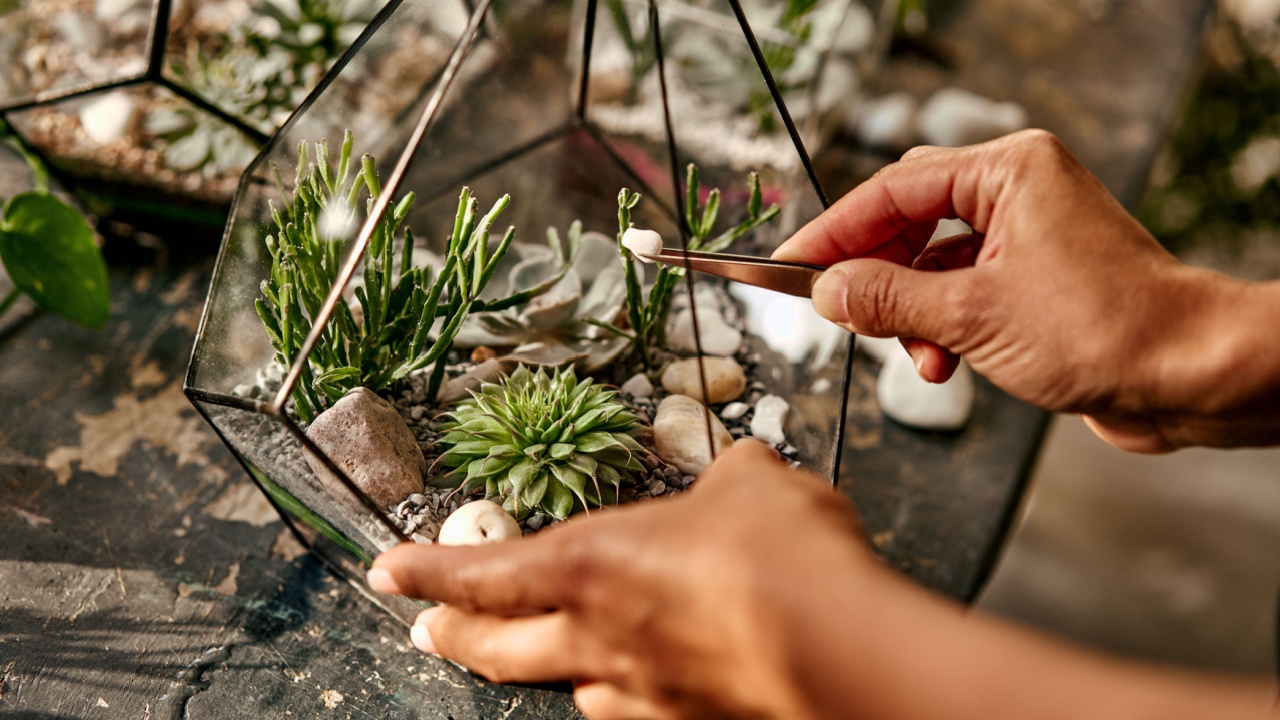
A cactus terrarium brings a touch of the desert into your home. Similar to succulent terrariums, these should always be in an open container to ensure proper airflow. The sharp spines and bold shapes of cacti create a dramatic and sculptural display.
This is a great option for a sunny windowsill and for gardeners who sometimes forget to water their plants. Cacti are built for arid conditions and will thrive with minimal intervention.
Quick Look:
- Best For: Sunny locations, extremely low-maintenance care, Southwestern or desert-themed decor.
- Plants to Use: Small cactus varieties like thimble cactus (Mammillaria), bunny ear cactus (Opuntia), or fairy castle cactus (Acanthocereus).
- Care Tip: Use a fast-draining cactus and succulent soil mix. When planting, wrap the cactus in a folded newspaper or use tongs to handle it without getting pricked.
12. DIY Moss Terrarium
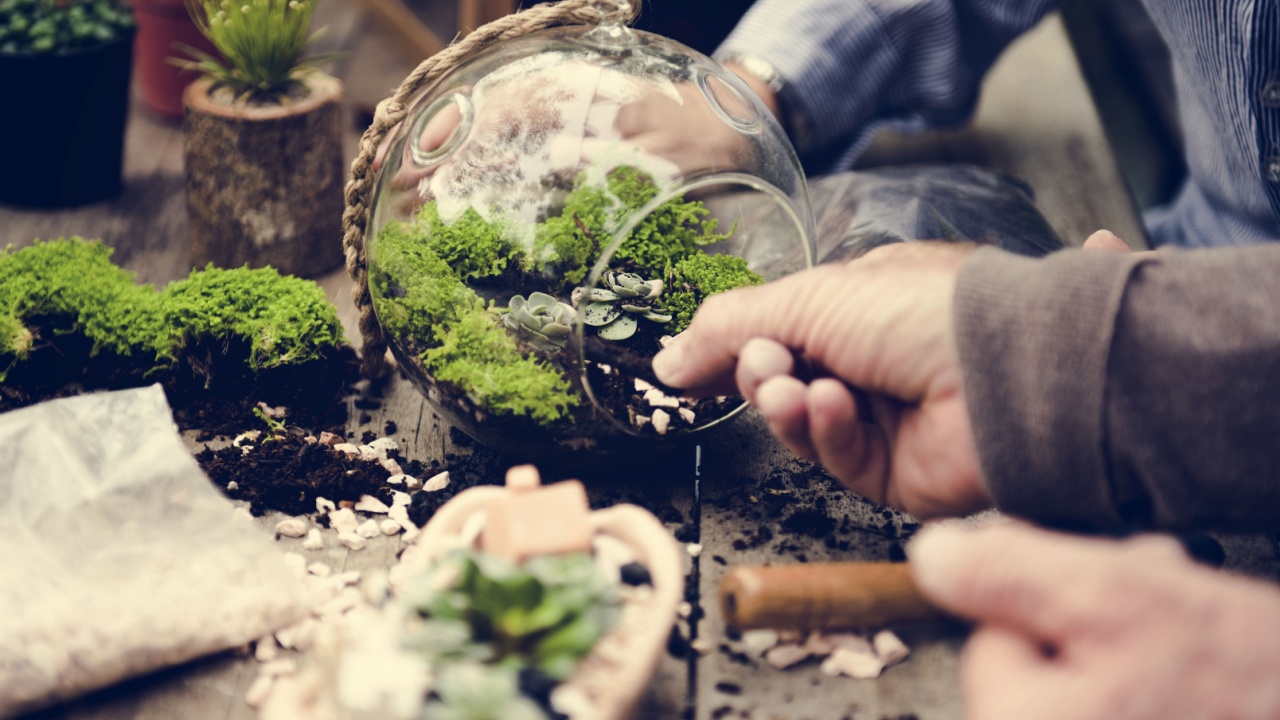
A terrarium filled exclusively with different types of moss creates a lush, green carpet that is serene and beautiful. You can forage for moss in your own backyard or purchase it from a supplier. A mossarium is a simple yet stunning way to create a miniature woodland scene.
This is one of the easiest types of terrariums to create and maintain. Moss thrives in low light and high humidity, making it suitable for a closed container in a less sunny corner of your home.
Quick Look:
- Best For: Low-light areas, creating a tranquil scene, and very easy care.
- Plants to Use: Sheet moss, cushion moss, and fern moss.
- Care Tip: Moss doesn’t have roots, so it just needs to be pressed gently onto the soil surface. Keep the environment moist with regular misting.
13. Sand Art Terrarium
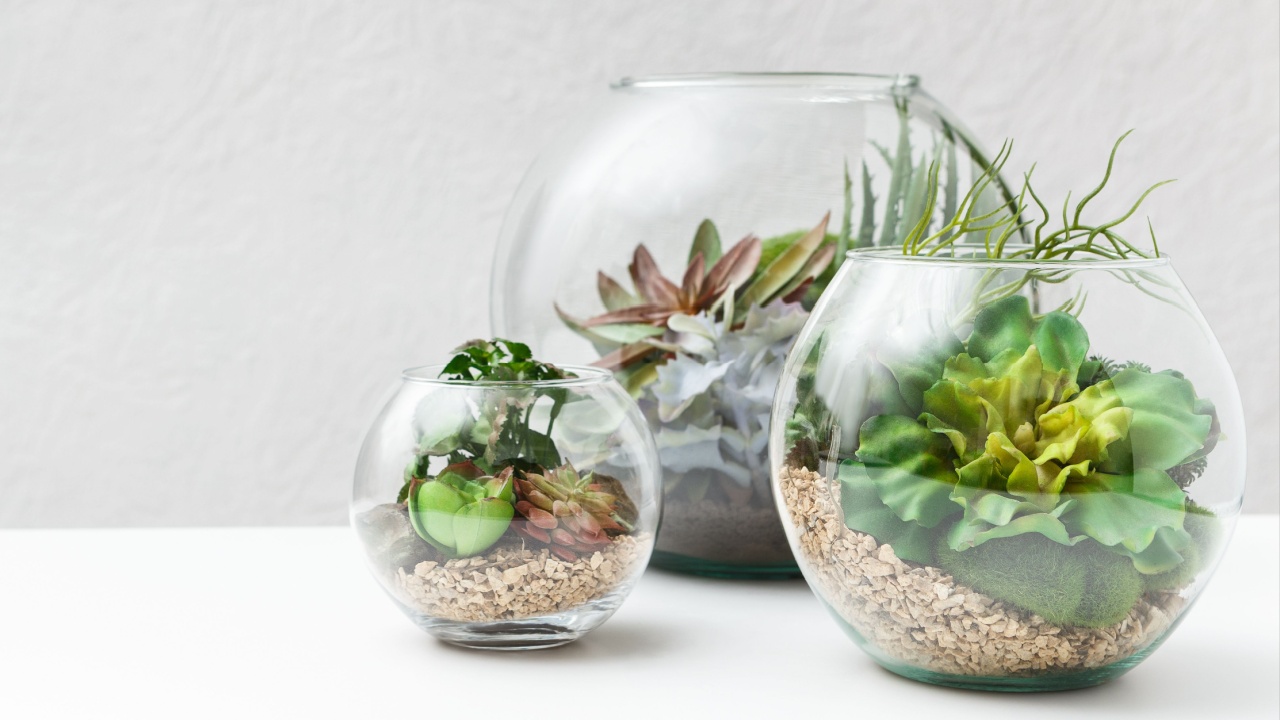
A sand art terrarium is a vibrant and creative twist on the traditional plant display. By layering different colors of sand in a clear container, you can create striking patterns that serve as a decorative backdrop for your plants. This type of terrarium is especially popular for open designs, where the colorful base remains visible and becomes part of the visual appeal.
It’s a great way to combine crafting with gardening, and it allows for a high level of personalization, from bold geometric stripes to soft, wavy gradients. Use a steady hand when pouring the sand and avoid disturbing the layers when planting. Because this setup works best with plants that don’t require much water, it’s ideal for succulents or air plants that thrive in dry, well-drained environments.
Quick Look:
- Best For: Craft lovers, modern decor, gifts with a personal touch
- Plants to Use: Small succulents like echeveria or haworthia, or air plants (Tillandsia)
- Care Tip: Avoid overwatering, as excess moisture can cause the sand layers to shift and blur. Use a spoon or straw to direct water at the base of the plant, and always let the soil dry out completely between waterings.
14. Kids’ Terrarium
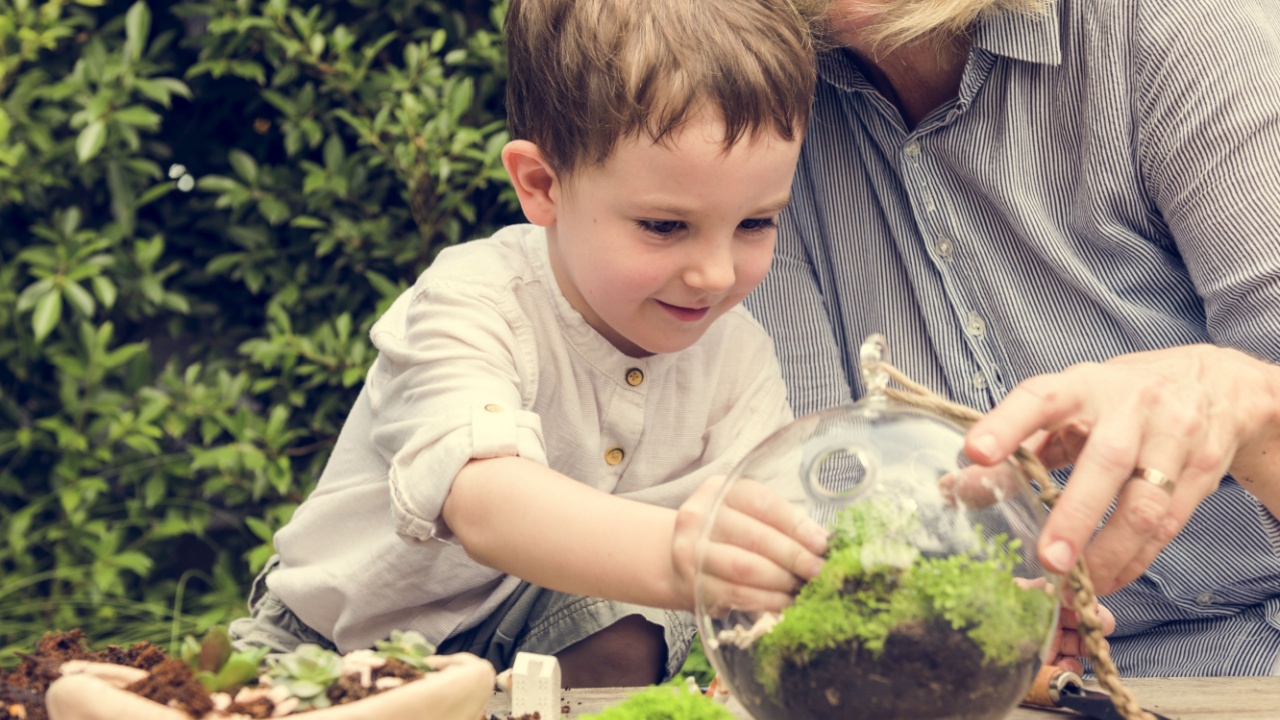
Building a terrarium is a fantastic activity for children. It’s a hands-on way to teach them about plants, responsibility, and nature. A kids’ terrarium can be more playful, incorporating small toys like dinosaurs or animal figurines to create a whimsical scene.
This project is less about horticultural perfection and more about sparking imagination and curiosity. Using a safe, durable container like a plastic jar is a good idea. The joy is in the making and the storytelling that comes with it.
Quick Look:
- Best For: Family activities, educational projects, fostering a love of nature in children.
- Plants to Use: Hardy, fast-growing plants like grass seed or chia seeds, or sturdy succulents.
- Care Tip: Let the kids get their hands dirty and make their own creative choices. The goal is fun and learning, not a perfectly manicured terrarium.
15. Table Top Terrarium
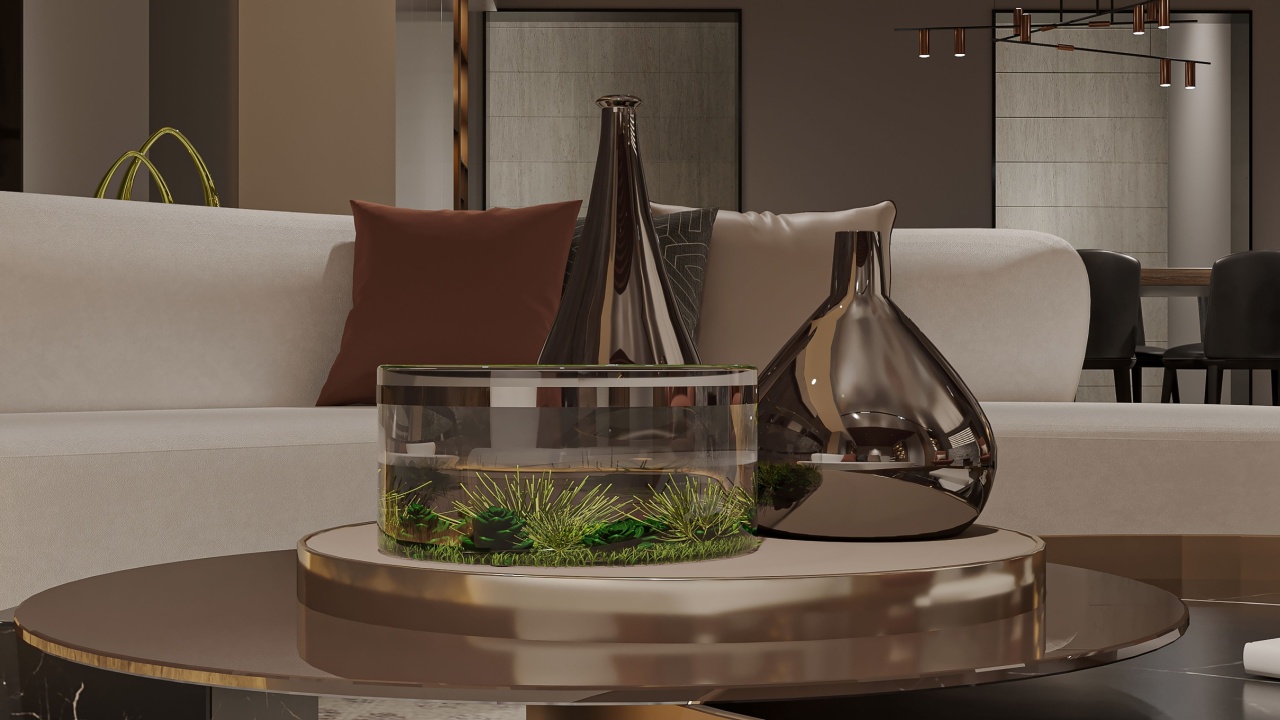
For a larger, more impactful statement, a tabletop terrarium can act as a living centerpiece for a coffee table or dining table. These are often housed in larger geometric glass containers, cloches, or even old aquariums. They offer enough space to create a complex and diverse landscape.
A tabletop terrarium becomes a focal point in a room. It offers a large canvas for your creativity, allowing you to combine multiple plant species, create varying elevations with rocks and wood, and design a truly immersive miniature world.
Quick Look:
- Best For: Centerpieces, creating a major decorative feature, and experienced terrarium builders.
- Plants to Use: A mix of small tropical plants for a closed system, or a diverse collection of succulents and cacti for an open one.
- Care Tip: For a large, enclosed terrarium, a thin layer of activated charcoal between the drainage and soil layers is vital to keep the environment fresh and clean.
Getting Started
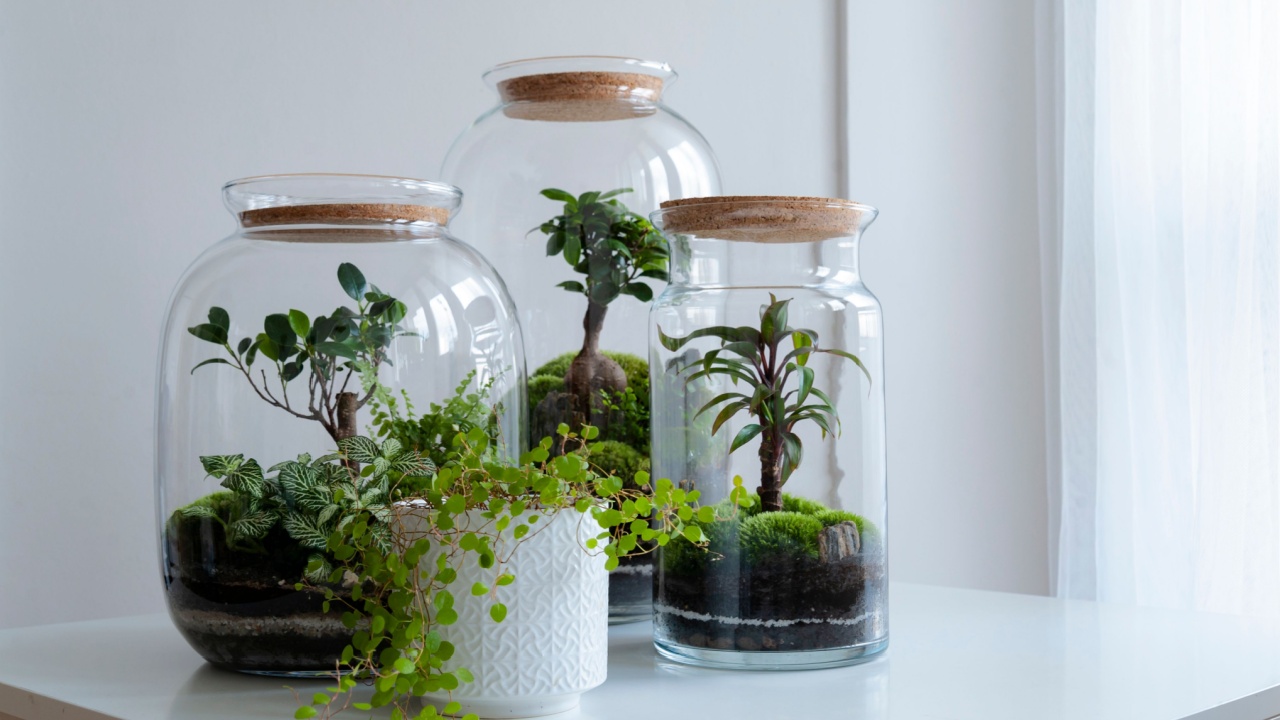
Terrariums offer more than decoration. They invite you to shape a living scene with your own hands. Each container becomes a canvas for texture, color, and growth. Start with a simple build that suits your space and schedule, like a jam jar or a succulent-filled glass bowl.
As you gain confidence, experiment with new materials, plant combinations, and layout ideas.
Read more:
21 Indoor Plants That Thrive in Filtered Light
Panicking About Spring Break? 7 Things to Keep Kids Busy at Home (And Not Bored)