10 Emotions Your Dog is Dealing with After a Big Move
Moving is a strange human ritual. We put all our worldly possessions into cardboard boxes, load them into a giant truck, and then unpack them in a completely different building. While we’re busy stressing about finding the coffee maker and pivoting the sofa, our dogs are experiencing a complete upheaval of their world.
Their territory, smells, and routines have vanished. It’s a lot for a furry brain to process. Understanding their emotional journey can make the transition smoother for everyone involved, turning a chaotic move into a new beginning for the whole family.
Here are ten emotional shifts you may notice in your dog after a move, along with suggestions on how to help them feel at home again.
1. Increased Nervousness and Stress
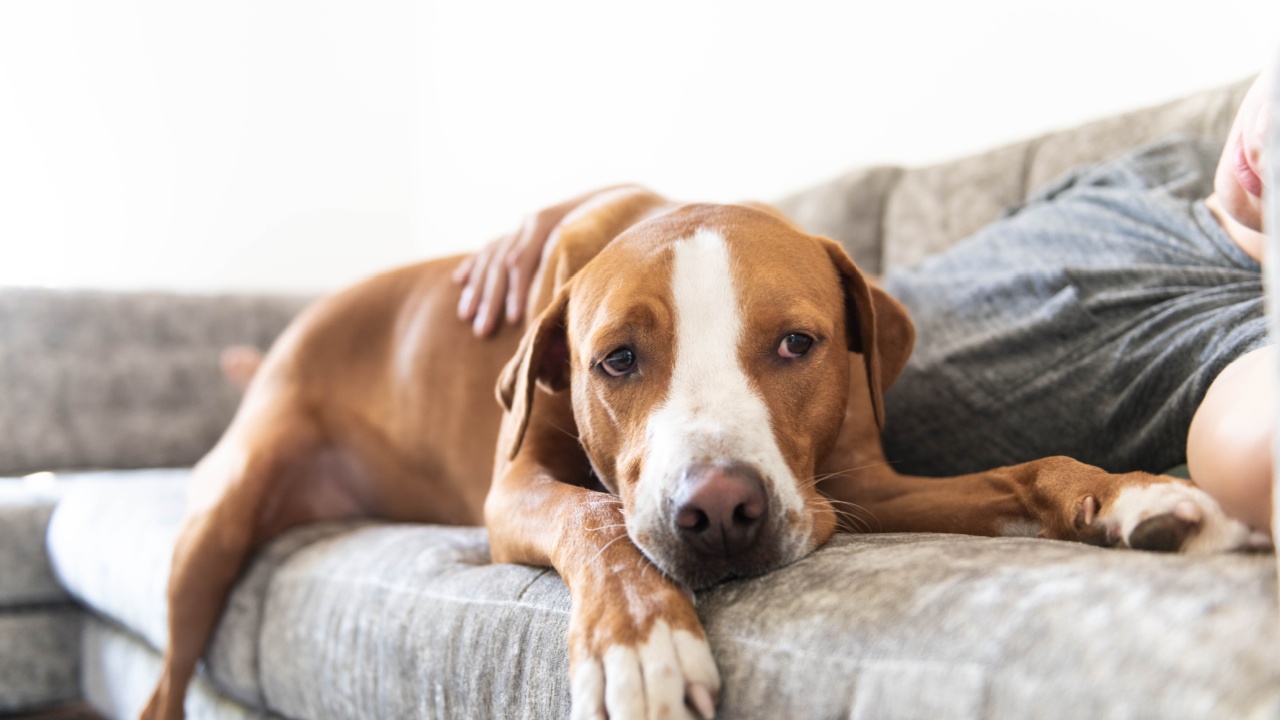
Your dog, who was once the confident mayor of your old neighborhood, might suddenly seem like a worried intern on their first day. This anxiety is completely normal. Dogs are creatures of habit and territory. A new home is a giant, unfamiliar space filled with strange smells and sounds. This uncertainty can manifest as pacing, panting, trembling, or hiding.
Your dog is looking to you for cues. If you’re stressed and frantic, they’ll pick up on that. Your calm presence is their anchor in this sea of newness. The goal is to show them that this new place is safe, secure, and still very much their home because you are there.
Quick Tips:
- Establish a “safe zone” with their bed, favorite toys, and an item that smells like you.
- Use calming aids like pheromone diffusers or anxiety wraps if needed.
- Spend quiet time with them, offering gentle pets and reassurance without overwhelming them.
2. Regression in House Training
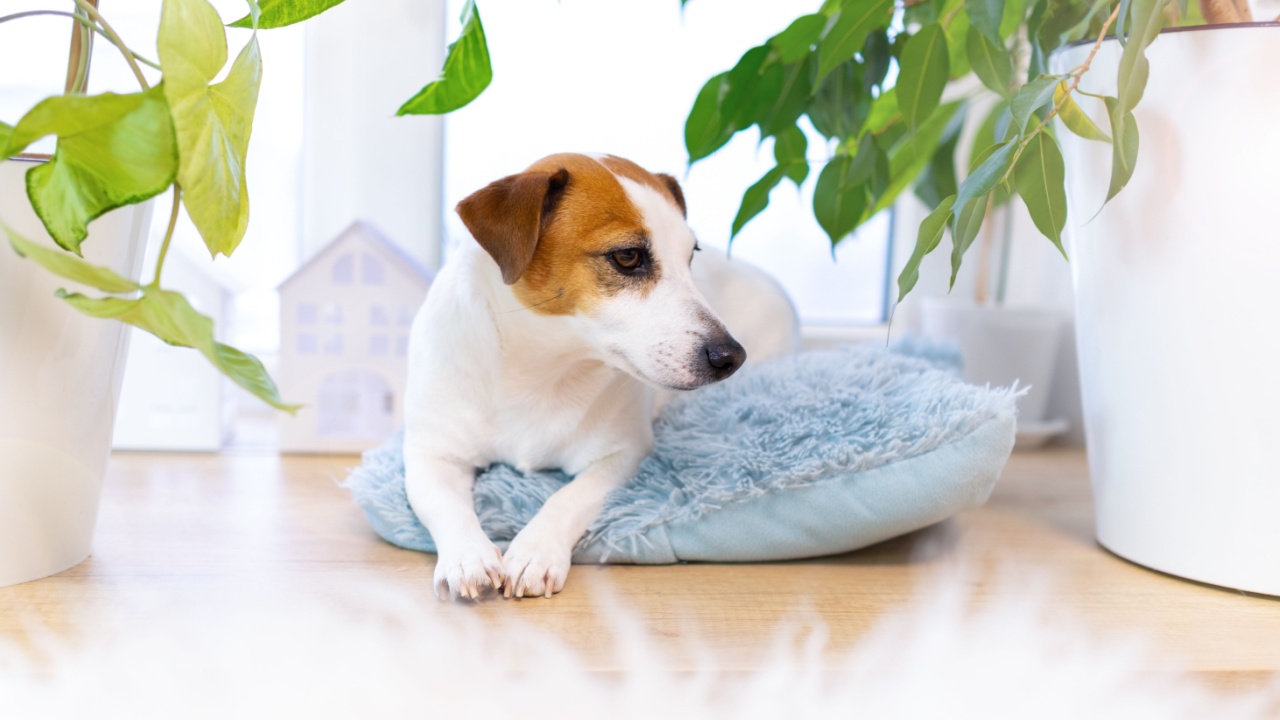
Just when you thought your potty-training days were over, you find a puddle in the new living room. Don’t panic. House training regression is very common after a move. It’s rarely a deliberate act of defiance. Instead, it’s a symptom of stress and confusion. Your dog doesn’t automatically understand that the new plush carpet is off-limits. The familiar outdoor spot where they used to do their business is gone, and they haven’t learned the new bathroom protocol yet.
It’s like starting from scratch, but with a student who already has some prior knowledge. You need to refresh their memory. Re-establishing a consistent potty routine is the most effective way to get them back on track. Be patient and use positive reinforcement, just like you did when they were a puppy.
Quick Tips:
- Take your dog out frequently, especially after waking up, after meals, and before bed.
- Use the same verbal cue for potty time that you used at your old home.
- Reward successful outdoor trips with high-value treats and lots of praise.
- Clean up accidents thoroughly with an enzymatic cleaner to prevent repeat offenses.
3. Excessive Attachment or Clinginess
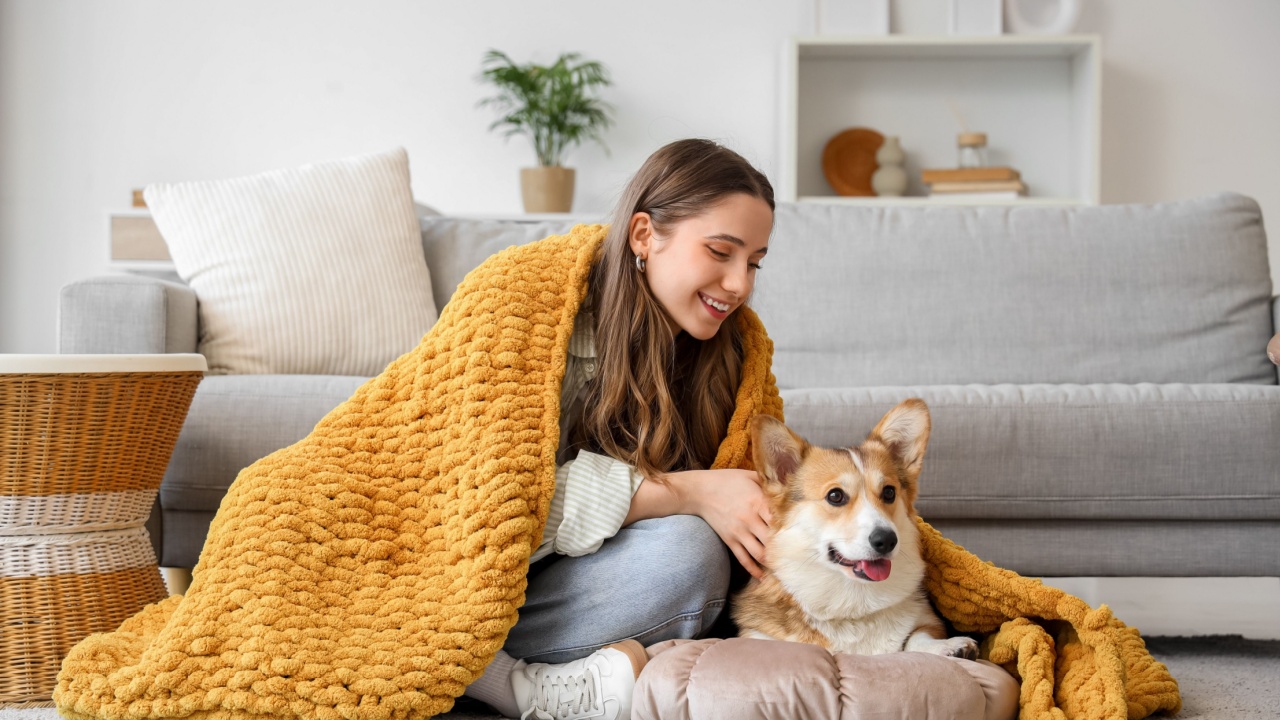
Is your dog suddenly your shadow, following you from room to room like a furry secret service agent? This “Velcro dog” syndrome is a clear sign they are feeling insecure. They stick close to you because you represent safety and familiarity. They are literally attached to their security blanket, which happens to be you.
While it might be a little inconvenient to have a bathroom escort, try to see it from their perspective. They are seeking comfort and reassurance. Pushing them away could increase their anxiety. Instead, offer them the comfort they need while gently encouraging moments of independence.
Quick Tips:
- Allow them to be near you, but don’t feel obligated to give them constant attention.
- Provide a comfy bed or mat in the rooms where you spend the most time.
- Practice short separation exercises, leaving them with a puzzle toy for a few minutes at a time.
4. Disrupted Sleep Patterns
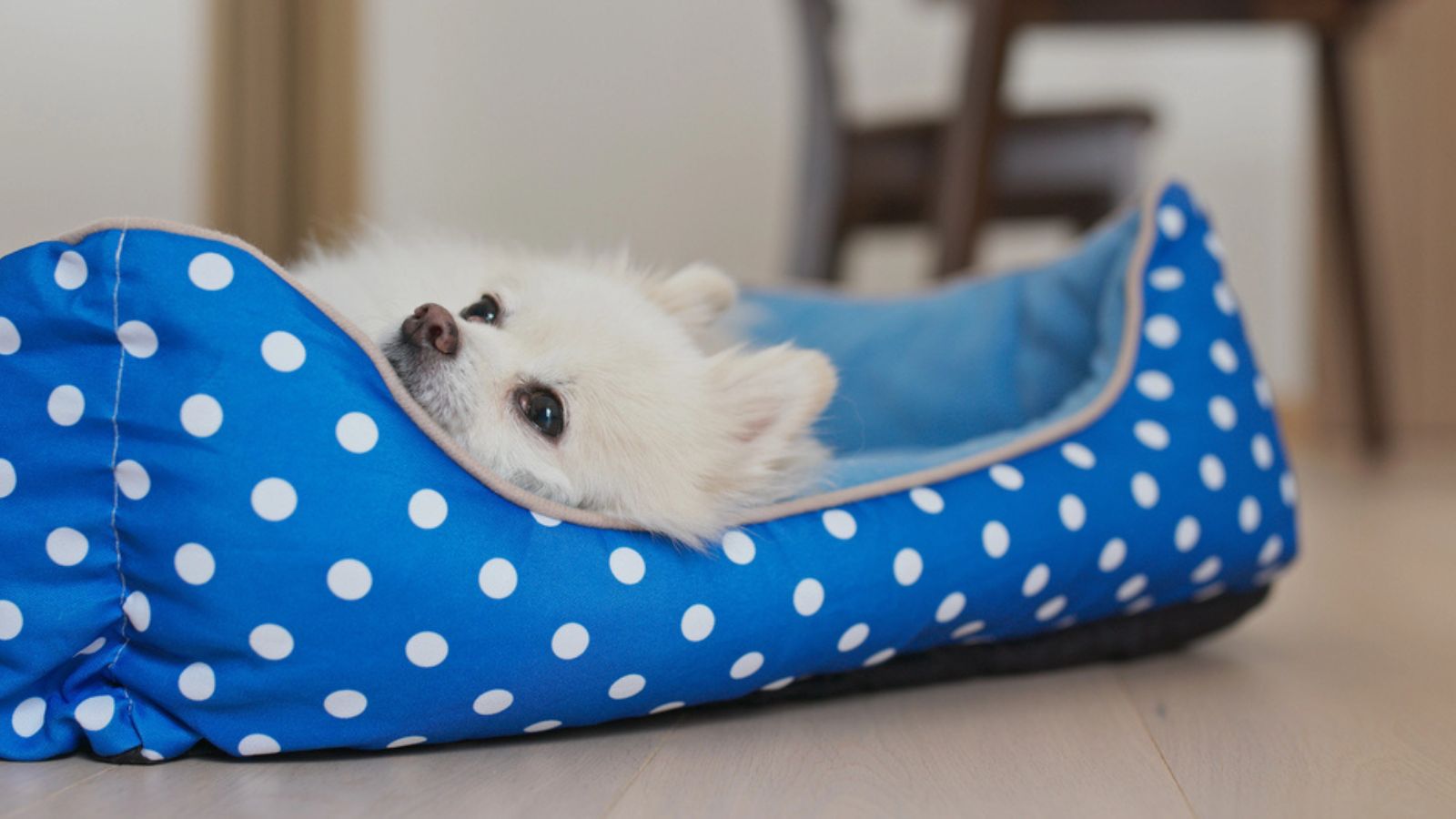
You might notice your dog is sleeping more than usual or, conversely, is restless and unable to settle down. Both are common reactions to the stress of moving. Some dogs cope with overwhelming new stimuli by sleeping excessively, which is a form of withdrawal. It’s their way of hitting the escape button on a situation that’s too much to handle.
Other dogs become hyper-vigilant. Every creak of the floorboards or distant siren is a potential threat that needs to be monitored. This can lead to pacing at night and an inability to fall into a deep sleep. Their internal security system is on high alert, making it difficult to relax. Restoring a sense of normalcy to their routine will help their sleep patterns return to baseline.
Quick Tips:
- Keep their sleeping area as consistent as possible, using their old bed and blankets.
- Stick to your pre-move bedtime routine.
- Ensure they get enough physical exercise during the day to help them feel tired at night.
- Consider using white noise to mask unfamiliar sounds.
5. Loss of Appetite
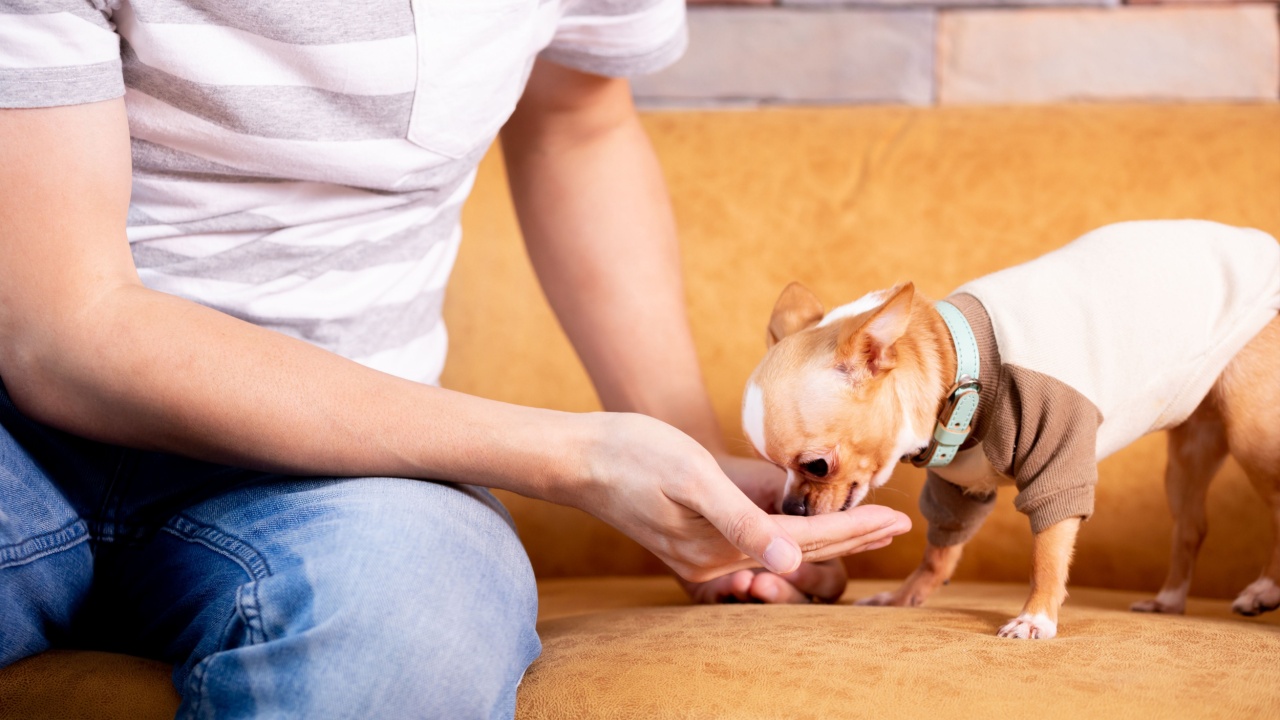
It’s not unusual for a dog to turn up their nose at their food bowl after a move. A loss of appetite is a classic physical symptom of stress and anxiety in dogs. Their digestive system can be directly affected by their emotional state, much like how humans get an upset stomach when they’re nervous. The excitement, travel, and disorientation of a move can be enough to put anyone off their dinner.
Don’t rush to change their food, which could cause more digestive upset. First, rule out any potential health issues with a vet visit if the behavior persists. Often, their appetite will return once they start to feel more settled. Your job is to make mealtime a calm and positive experience.
Quick Tips:
- Stick to their regular feeding schedule.
- Try hand-feeding a few kibbles to entice them to eat.
- Make their food more appealing by adding a little warm water or a spoonful of wet food.
- Ensure they have a quiet, low-traffic area to eat without feeling watched or stressed.
6. Increased Barking and Vocalization
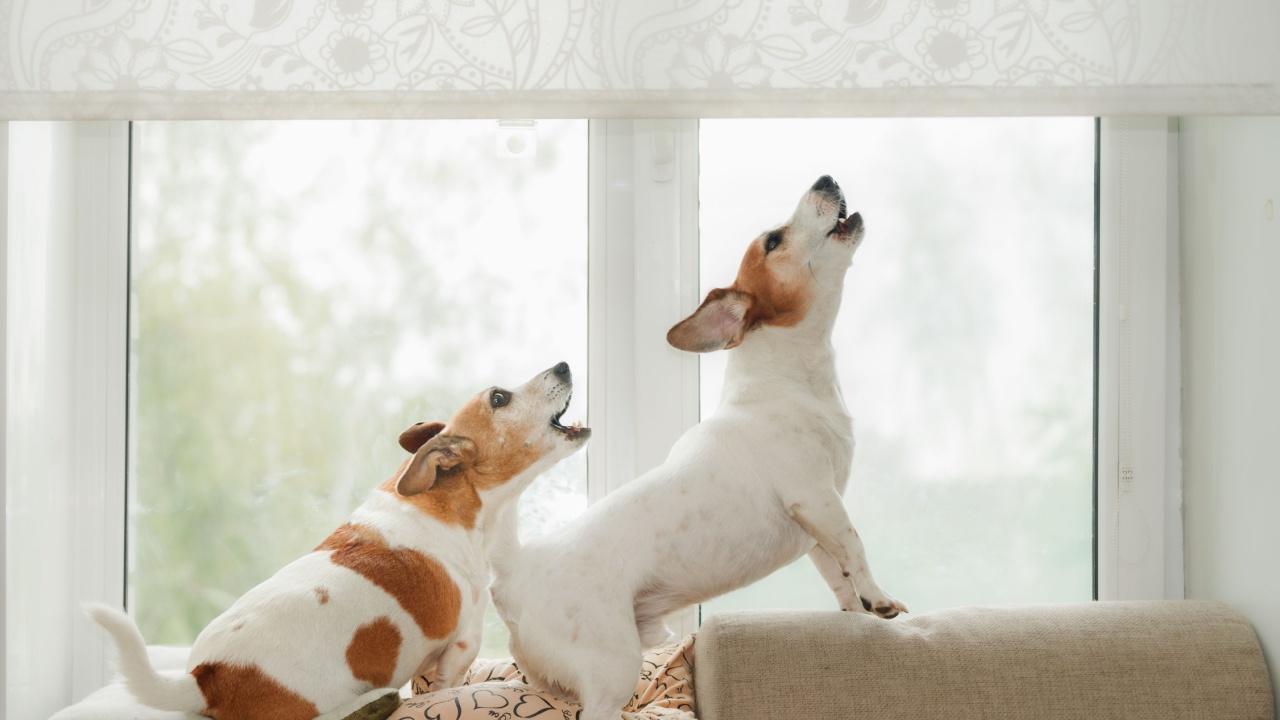
Is your normally quiet dog now a barking machine? This new vocal behavior is all about communication and control. Your dog is reacting to a flood of new sounds and sights. The mail carrier’s truck sounds different, the neighbor’s cat looks different, and the squirrels are taunting them from a completely new tree.
They may be barking to alert you to these “dangers,” to scare off perceived intruders, or simply to express their own anxiety. They are also testing the acoustics of the new place. A bark in the new hallway might echo in a very interesting way. While it can be annoying, try to understand the root cause. Are they scared, bored, or territorial? Addressing the underlying emotion is more effective than just shushing the bark.
Quick Tips:
- Don’t yell at your dog to stop barking; this can be perceived as you joining in.
- Acknowledge the “threat” calmly and then redirect their attention to a toy or a command.
- Use window film to obscure the view if they are reacting to things outside.
- Work on the “quiet” command with positive reinforcement.
7. Withdrawal or Lethargy

Instead of being anxious, some dogs go the opposite route and completely shut down. They might seem depressed, uninterested in walks, and unwilling to engage in playtime. This withdrawal is a coping mechanism. The dog feels so overwhelmed by the new environment that it retreats into itself. They are conserving energy and trying to process everything from a safe, internal space.
This state can be concerning, as it mimics signs of illness. It’s always a good idea to consult a veterinarian to rule out any physical causes. If it is behavioral, your dog needs gentle encouragement to reconnect with the world. You have to show them that the new world is fun and full of the same things they used to love.
Quick Tips:
- Reintroduce their favorite games slowly and in short bursts.
- Don’t force interactions. Let them approach you on their own terms.
- Explore the new neighborhood with short, “sniffy” walks, allowing them to gather information at their own pace.
8. Increased Sensitivity to Stimuli
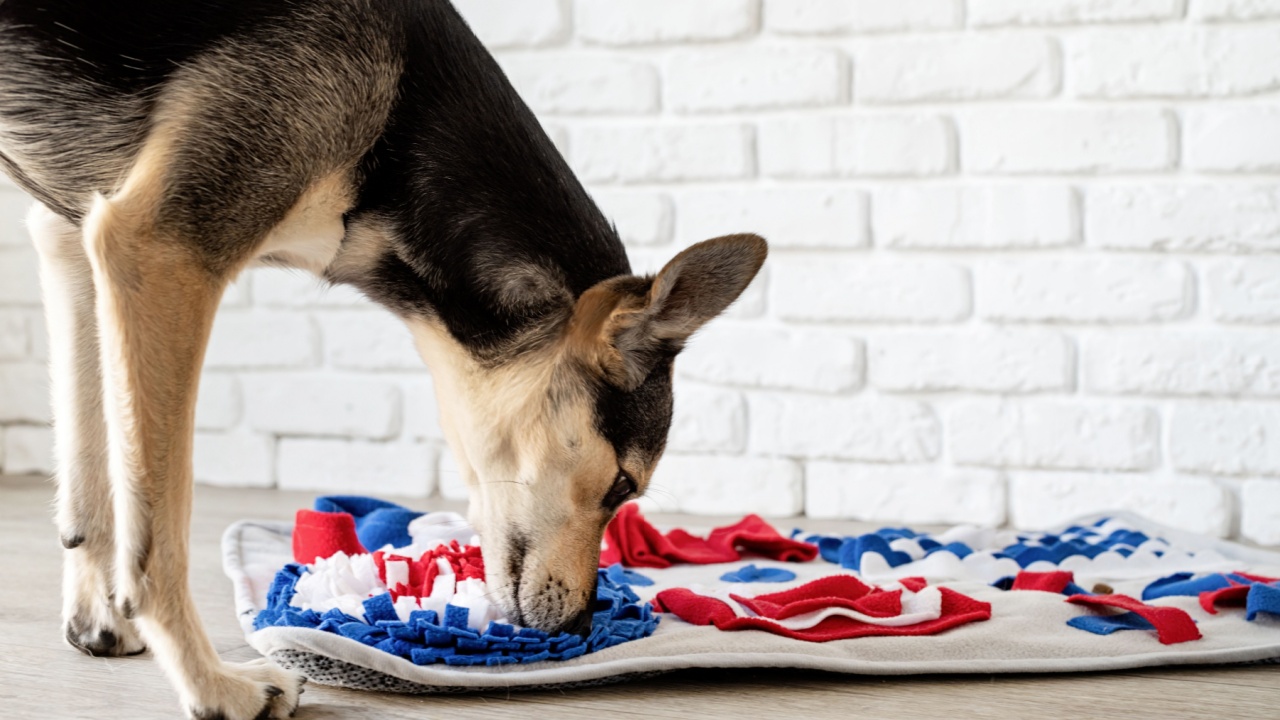
A dog’s senses are far more powerful than ours. After a move, they are bombarded with an entirely new sensory landscape. Every scent, from the previous owner’s pet to the new cleaning products, is a piece of information they have to catalog. Every sound, from the hum of the new refrigerator to the footsteps upstairs, is unfamiliar.
This sensory overload can make them jumpy and reactive. A car door slamming down the street, which they would have ignored before, might now send them running for cover. They are trying to build a new mental map of what is normal and what is not. This process takes time and patience.
Quick Tips:
- Introduce new experiences gradually.
- Use positive reinforcement to create good associations with new sounds and sights.
- Provide puzzle toys and snuffle mats to give their nose a productive job to do.
9. Territorial Confusion and Boundary Testing
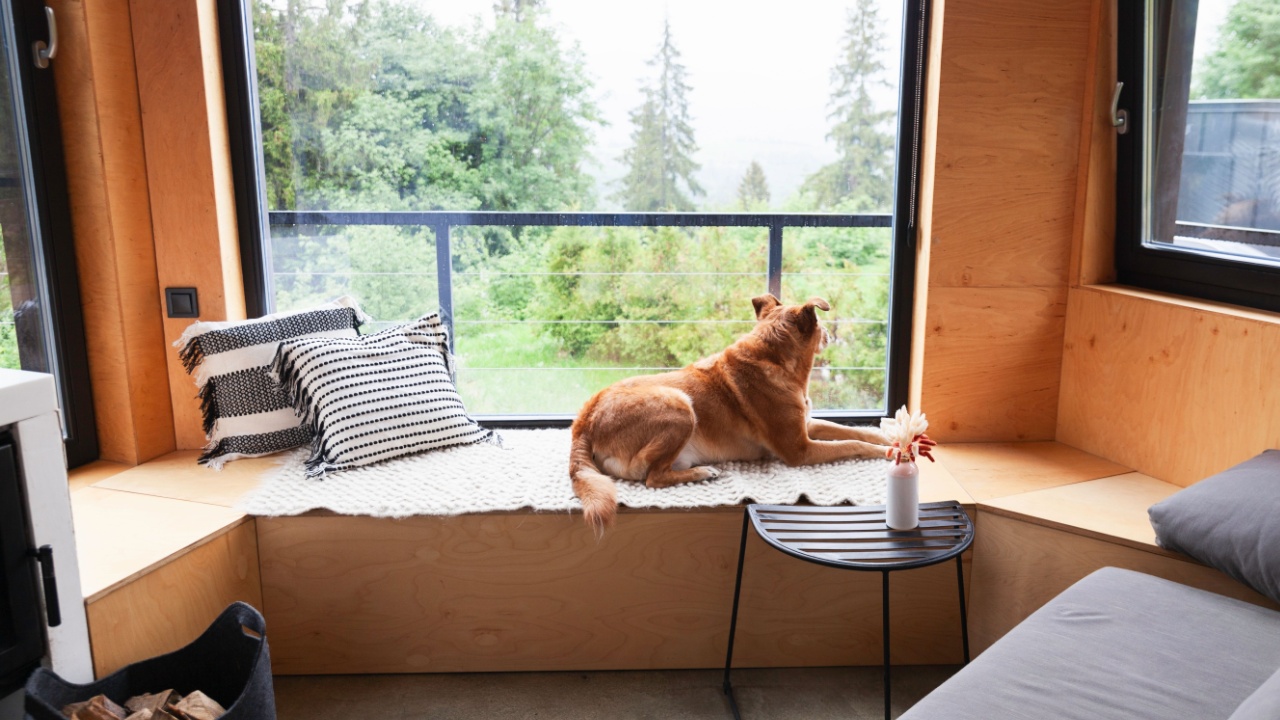
In a new home, dogs often struggle to understand where their territory begins and ends. You might notice them patrolling hallways, guarding doorways, or reacting to people walking past windows. These behaviors stem from uncertainty about their role in this unfamiliar space.
Unlike general anxiety or sensory overload, territorial confusion is about reestablishing boundaries. Dogs are trying to figure out what they’re responsible for protecting and how to navigate their new domain.
Quick Tips:
- Avoid reinforcing guarding behavior by calmly redirecting them when they block access or bark at passersby.
- Use scent-marking tools, like placing their blanket or toys in key areas, to help them claim safe zones.
- Reinforce boundaries with consistent routines—walks, feeding, and playtime in designated areas.
10. Renewed Playfulness and Bonding
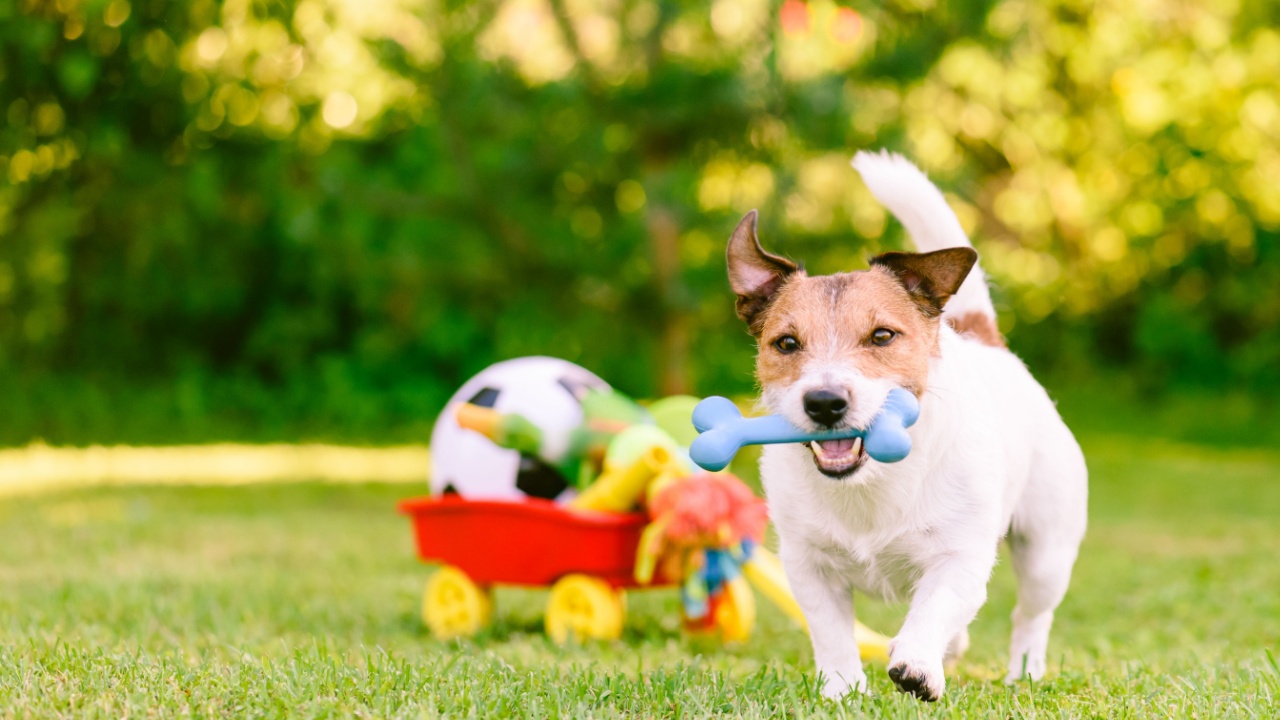
After the initial shock wears off, many owners notice a wonderful change: a renewed sense of playfulness and a stronger bond. This may take up to three weeks. As your dog starts to associate the new home with the same love, fun, and security they had before, their confidence will grow.
When they finally bring you their favorite squeaky toy in the new living room, it’s a milestone. It’s their way of saying, “Okay, I get it. This is home now, and you’re still my person. Let’s play!” This is the moment you’ve been working toward, a sign that they feel happy, safe, and ready for the next chapter.
Quick Tips:
- Make special time for play every day.
- Celebrate small victories and moments of confidence with praise and affection.
- Establish new, fun routines together, like a daily walk to the new park.
Moving Forward Together
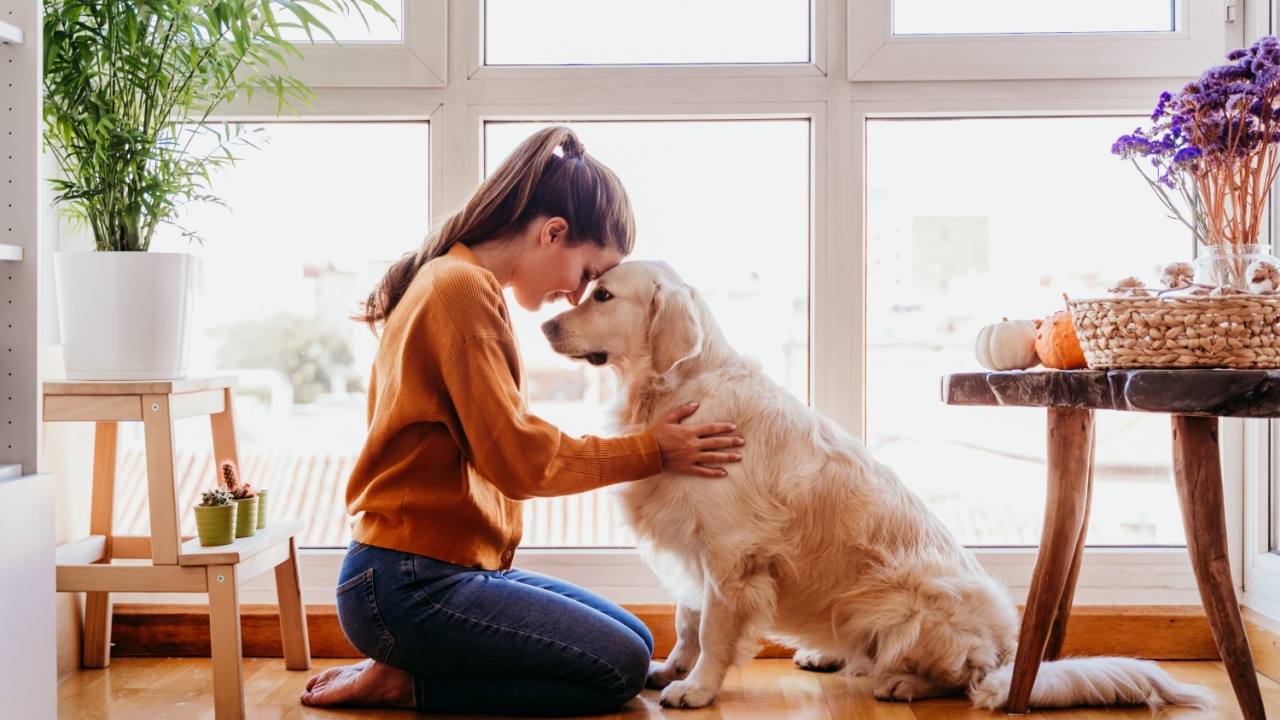
Helping your dog adjust to a new home is a process of patience, observation, and love. The most important thing you can give them is your calm and consistent presence. Re-establishing routines for feeding, walking, and playing as quickly as possible provides a predictable structure in an otherwise unpredictable time. Remember to be your dog’s advocate and protector as they learn to navigate their new world. It takes most dogs 2-3 weeks to finally be free to run around and play in the yard you created for them. Be patient with them.
Read more
13 Common Garden Plants to Never Grow If You Have a Dog or Cat