
What is Your Birth Month Tree? And Should You Plant It?
Most of us know our birthstone and maybe even our birth flower, but did you know you also have a birth month tree? Just like other birth symbols, these trees are said to represent certain personality traits and characteristics. This tradition has roots in ancient Celtic beliefs, where trees were considered sacred and imbued with special powers.
Whether you’re looking for a unique way to celebrate a birthday (or give as a holiday gift), want to find a meaningful tree to plant in your backyard, or are just curious about what your birth month tree reveals about you, this guide has you covered. We’ll explore the specific tree associated with each month, explain its symbolism, and offer practical tips for incorporating its special energy into your home and garden.
How We Got This Data
The birth month tree meanings in this article are based on modern interpretations of Celtic tree lore, especially the symbolic Ogham alphabet and the Tree Calendar popularized by poet Robert Graves in The White Goddess (1948). While not historically verified, these ideas are widely embraced in spiritual and lifestyle circles today.
For accurate gardening tips and tree facts, we relied on trusted sources, including the Missouri Botanical Garden, the USDA PLANTS Database, and the Cornell Cooperative Extension.
1. January: Fir and Birch
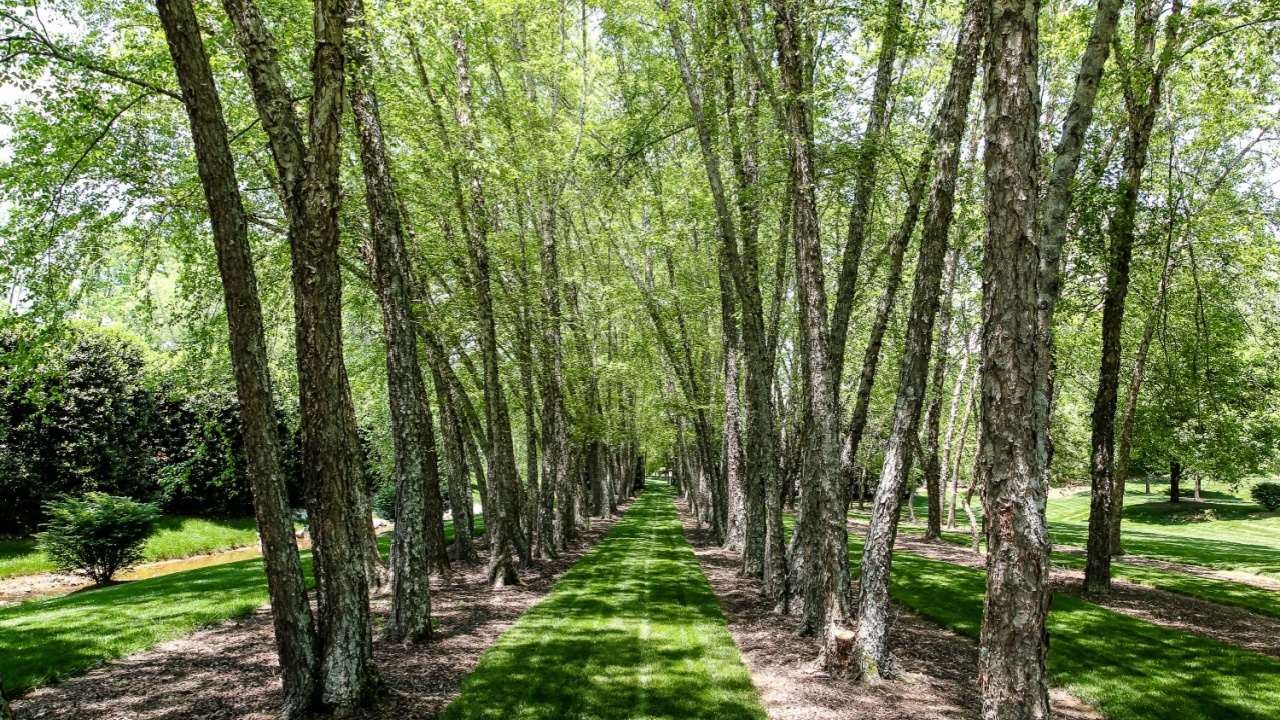
People born in January have two distinct trees, the steadfast Fir and the ambitious Birch, reflecting the quiet yet hopeful start of the new year.
The evergreen Fir tree symbolizes resilience and hope. Those born under this tree are seen as dignified, reliable, and sophisticated, with an inner strength to weather any storm. The Birch tree represents new beginnings and ambition. Its white bark stands out, much like the driven and charismatic individuals born under its sign. They are natural leaders who inspire others.
- Why they’re great: Fir trees are a classic choice for adding year-round structure and greenery to a garden. Birches, especially varieties like the River Birch, offer stunning visual interest with their peeling bark and delicate leaves, making them a focal point in any landscape.
2. February: Rowan and Cypress
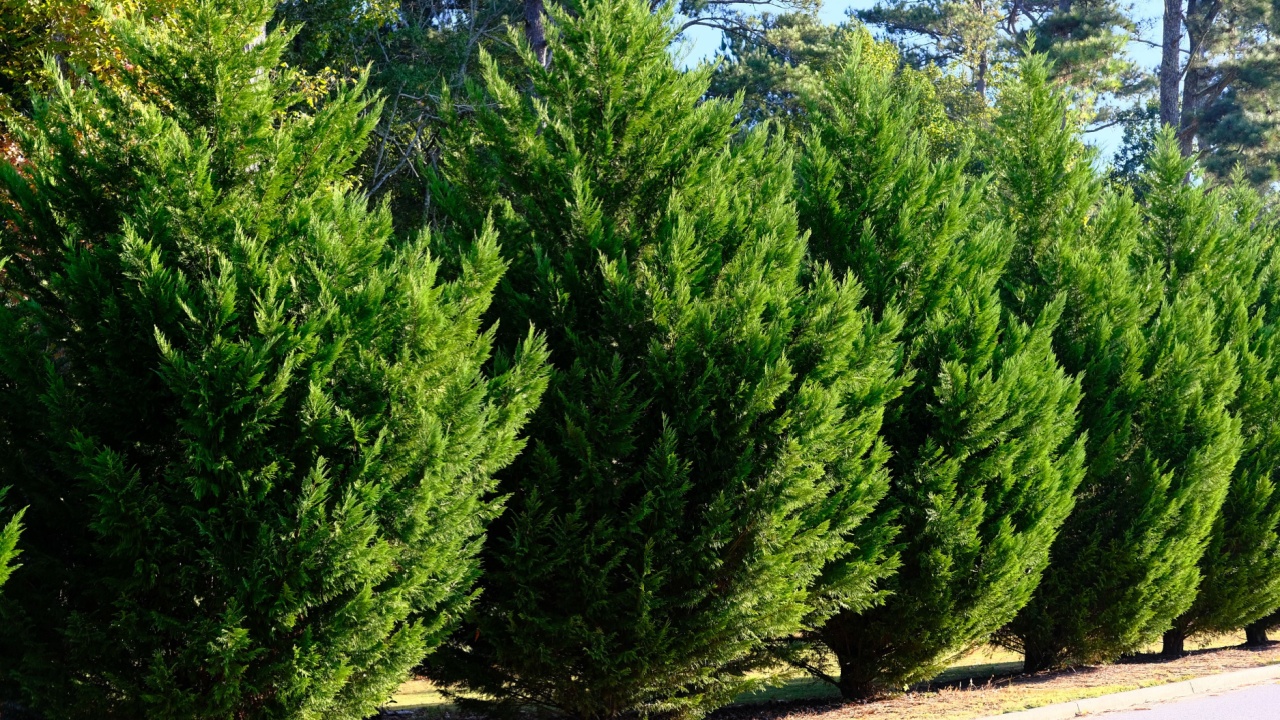
February is all about the Rowan and Cypress trees! The Rowan symbolizes protection, creativity, and intuition, perfect for visionary and artistic souls. The Cypress symbolizes strength, adaptability, and optimism, making it ideal for those who thrive in any situation.
- Why they’re great: Rowans (or Mountain Ash) are beautiful in all seasons, with spring blossoms, lush summer foliage, and vibrant red berries in the fall that attract birds. Cypress trees provide excellent vertical interest and can be used as elegant privacy screens or stately specimen trees.
3. March: Ash and Hawthorn
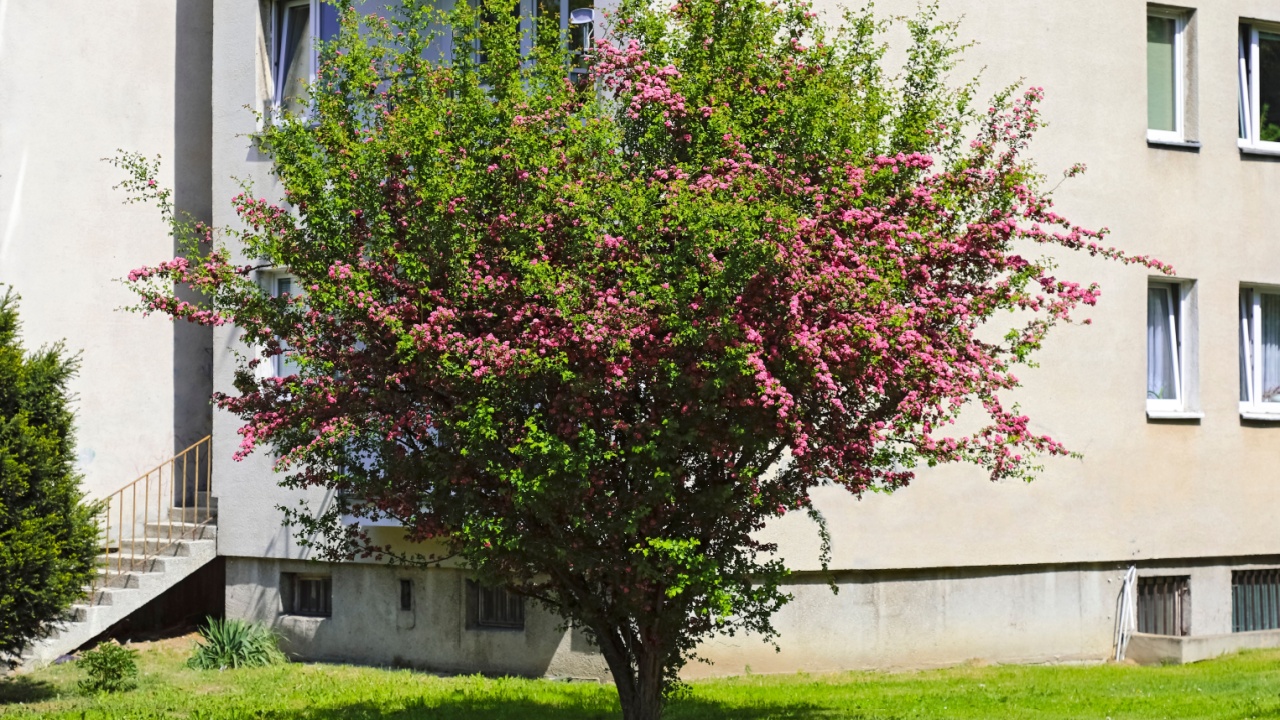
As winter gives way to spring, March is represented by the enchanting Ash and the patient Hawthorn.
The Ash tree symbolizes enchantment, intuition, and sensitivity. Those born in March are often free-thinking, artistic, and charming, with a deep connection to the natural world.
The Hawthorn tree represents patience, duality, and contradiction. People under this sign are multifaceted, appearing one way on the outside while having a rich and complex inner life. They are excellent listeners who give wise advice.
- Why they’re great: Ash trees are large, fast-growing shade trees that are perfect for spacious yards. Hawthorns are smaller, making them suitable for various garden sizes. They offer beautiful spring flowers and bright red fruits (haws) that are a food source for wildlife.
4. April: Alder and Maple
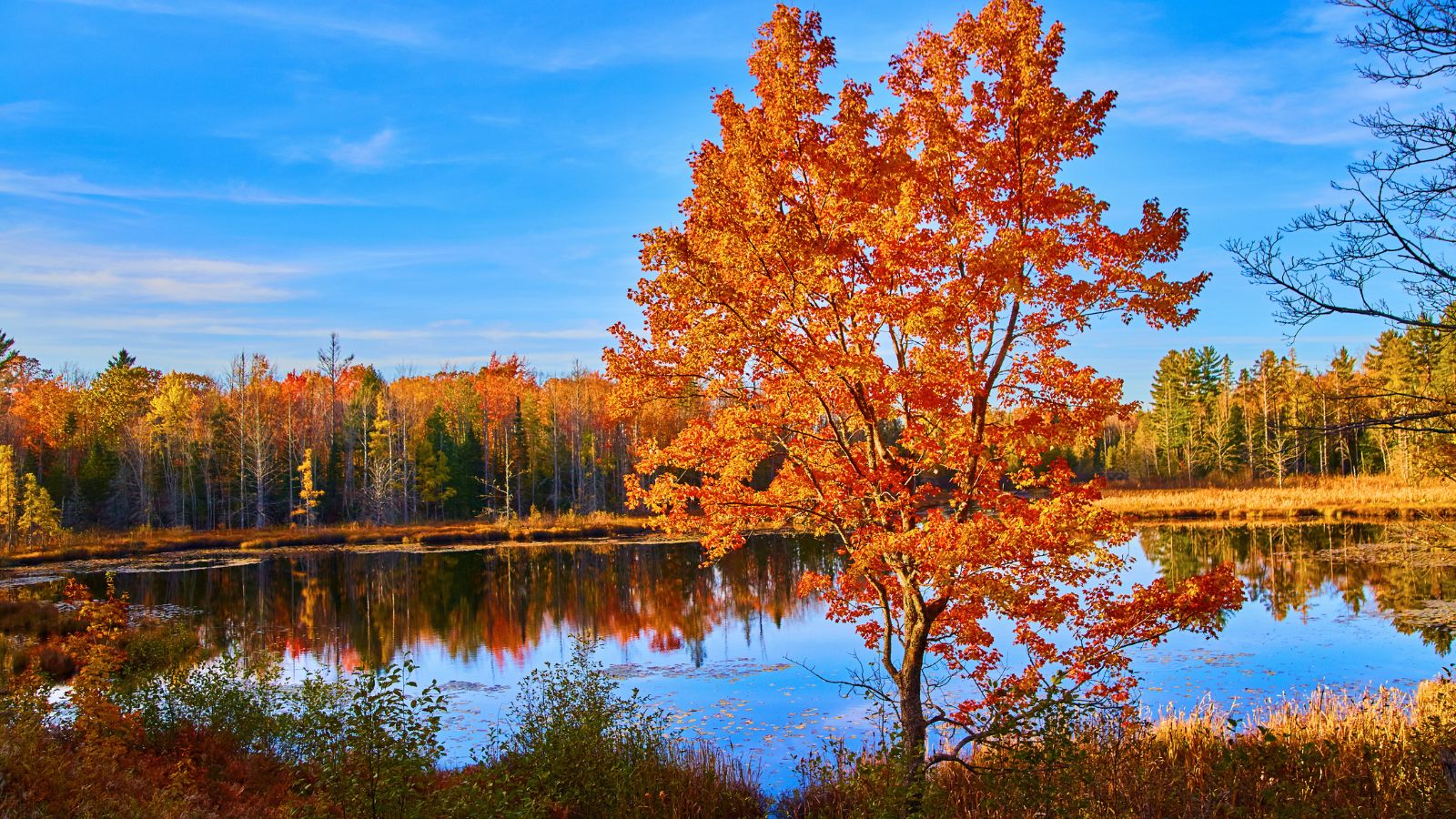
April babies get their vibrant, determined vibe from the Alder and Maple.
Alder trees are trailblazers, often the first to grow in challenging, wet areas. This perfectly suits the pioneering, courageous spirit of April-born individuals. They’re confident, determined, and natural leaders who forge their own paths.
The Maple tree, known for its strength and stunning foliage, represents independence, tolerance, and ambition. People associated with the Maple are anything but basic — think imaginative, original, and quietly confident.
- Why they’re great: Alders are excellent for wet spots in the garden where other trees might struggle to thrive. Maples are beloved for their spectacular autumn color and the sweet sap some varieties produce. They make fantastic shade trees.
5. May: Willow and Hawthorn

May is a month of beauty and complexity, perfectly embodied by the graceful Willow and the dual-natured Hawthorn.
Willow symbolizes intuition, dreams, and flexibility, reflecting the adaptable and resilient nature of individuals born in May. The Hawthorn reappears, highlighting the complex, sometimes contradictory, passionate, and observant traits of those born later in the month.
- Why they’re great: Willows are stunning near ponds or streams, adding a sense of romance and movement to the landscape. Hawthorns, as mentioned, are great for wildlife and add structural beauty to any garden.
6. June: Fig and Oak
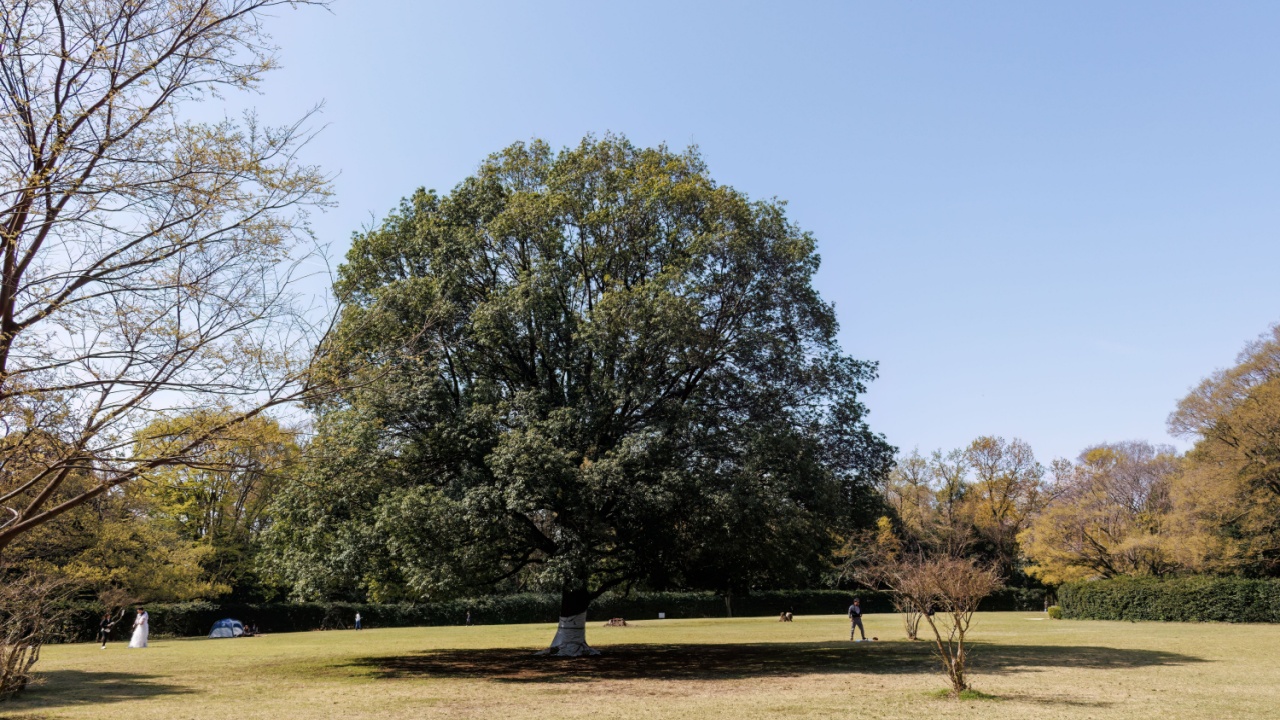
June’s birth trees are the generous Fig and the mighty Oak. These represent the nurturing and stable side of mid-summer babies. Fig people are all about abundance, wisdom, and generosity; they’re family-focused, practical, and natural caregivers. Oak folks are strong, courageous, and stable. Think protective, optimistic, and super resilient, even under pressure.
- Why they’re great: Fig trees can produce delicious fruit even in cooler climates (with the right variety and care) and have large, dramatic leaves. Oaks are majestic, long-lived shade trees that provide a vital habitat for countless wildlife species.
7. July: Holly and Elm
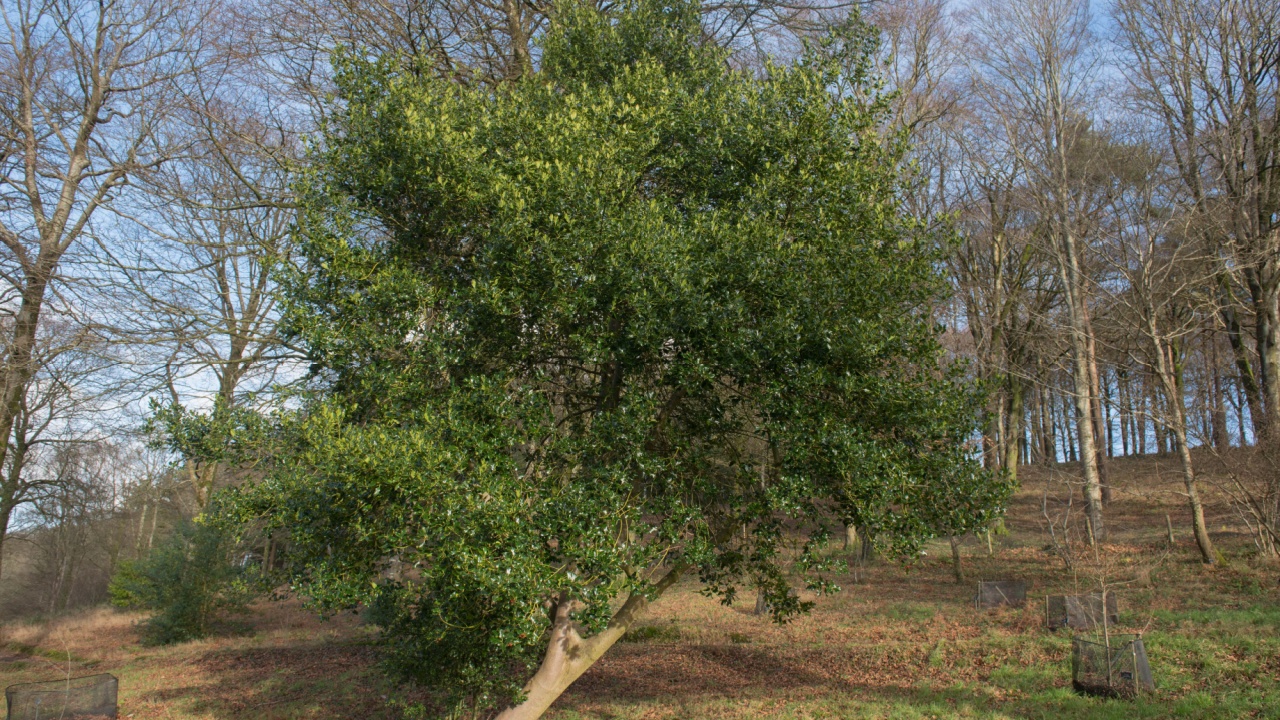
The Holly and the Elm represent those born in July.
Holly people are ambitious, confident, and natural leaders, often seen as royalty among their peers. Elm people are generous, dependable, and pleasant, usually taking on central roles in their communities.
- Why they’re great: Holly provides year-round interest with its evergreen leaves and bright red berries (on female plants) that brighten up the winter garden. Elms are classic, large shade trees that create a beautiful, arching canopy. Modern, disease-resistant varieties like the ‘Princeton’ Elm are excellent choices.
8. August: Poplar and Cedar
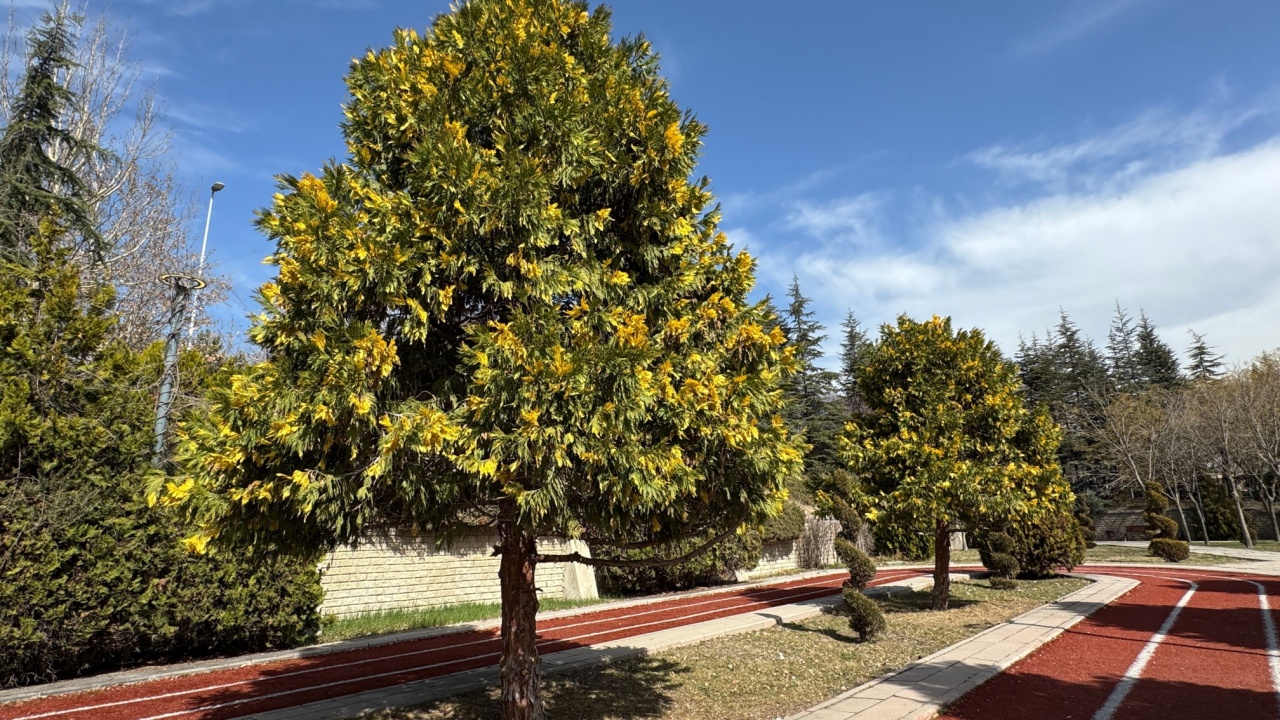
August brings us the adaptable Poplar and the confident Cedar, embodying the practical and resourceful vibe of late summer.
Poplar people are super flexible, organized, and reliable, like their leaves that sway with every breeze. They need a confidence boost sometimes.
Cedar folks? They’re all about confidence and resourcefulness. Strong and decisive, they love luxury and aren’t afraid to go after what they want.
- Why they’re great: Poplars are fast-growing trees that can provide quick shade or a privacy screen. Cedars are beautiful evergreens that offer a wonderful fragrance and a classic pyramidal shape, making them excellent choices for hedges or standalone specimens.
9. September: Weeping Willow and Lime
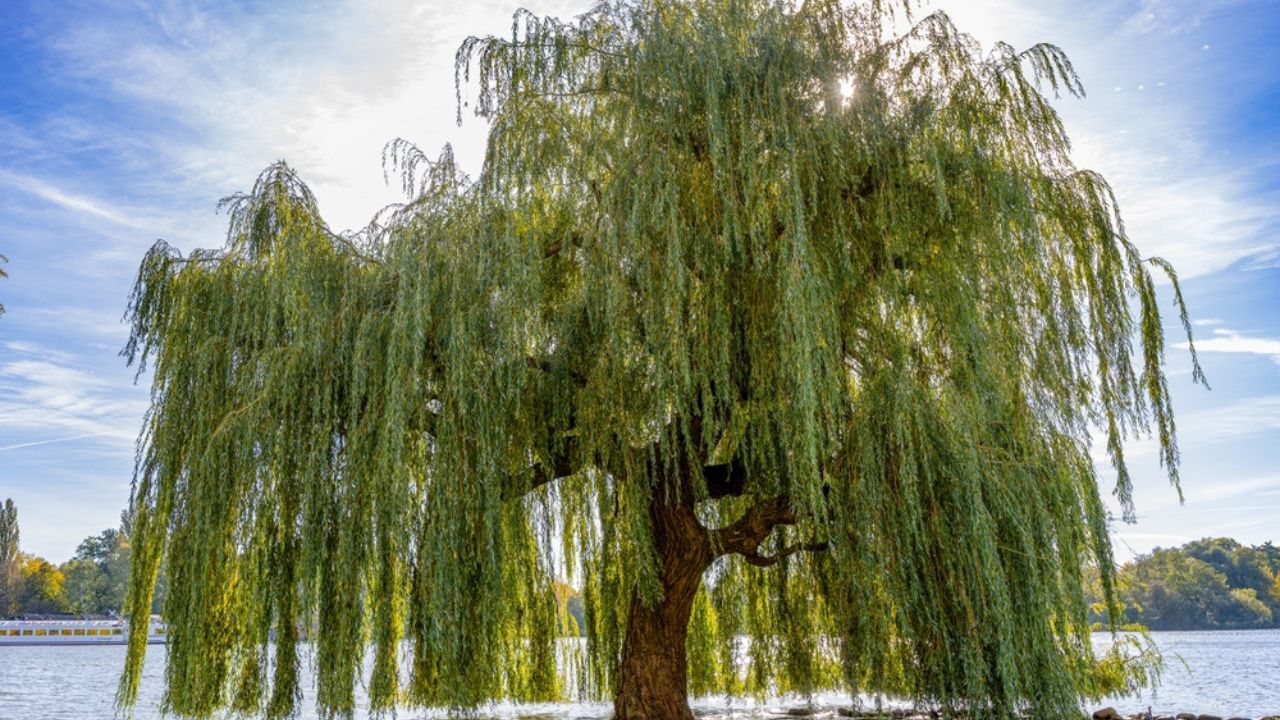
September features the graceful, yet melancholic, Weeping Willow and the steadfast Lime tree. Weeping Willows are often compassionate, artistic, and honest, though they can be demanding. Lime tree people are known for their loyalty, cheerful outlook, and pragmatism, readily accepting life’s challenges.
- Why they’re great: The Weeping Willow is an incredibly graceful and iconic landscape tree, perfect for a large yard with moist soil. Lime trees are fantastic shade trees with fragrant summer flowers that are highly attractive to bees and other pollinators.
10. October: Walnut and Hazel
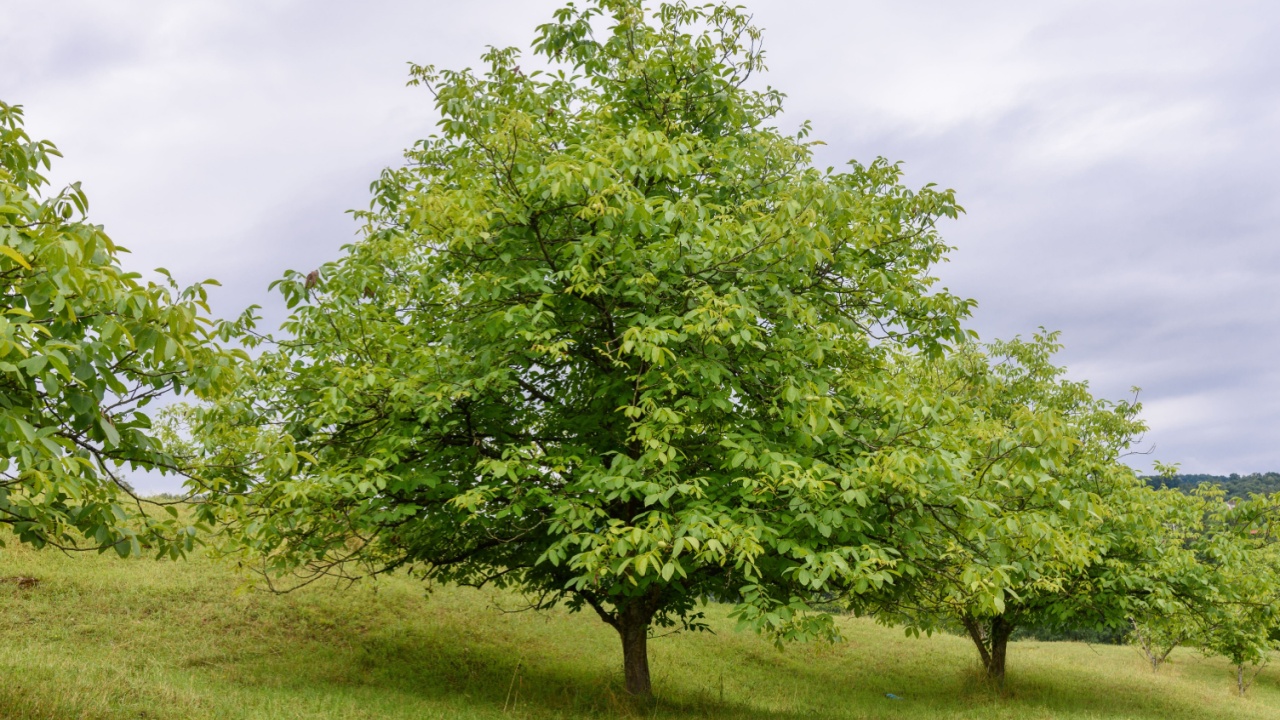
October features the complex Walnut and the charming Hazel. Walnut trees represent passion, determination, and inner complexity. Walnut people are strategic, ambitious, and fiercely loyal. The Hazel tree symbolizes charm, creativity, and understanding. Hazel people are understated, excellent planners, tolerant, and advocates for social causes.
- Why they’re great: Walnut trees are prized for their valuable wood and delicious nuts, making them a long-term investment for a large property. Hazel trees (or Hazelnuts/Filberts) are smaller, shrub-like trees that produce tasty nuts and are great for creating naturalistic hedges.
11. November: Chestnut and Dogwood
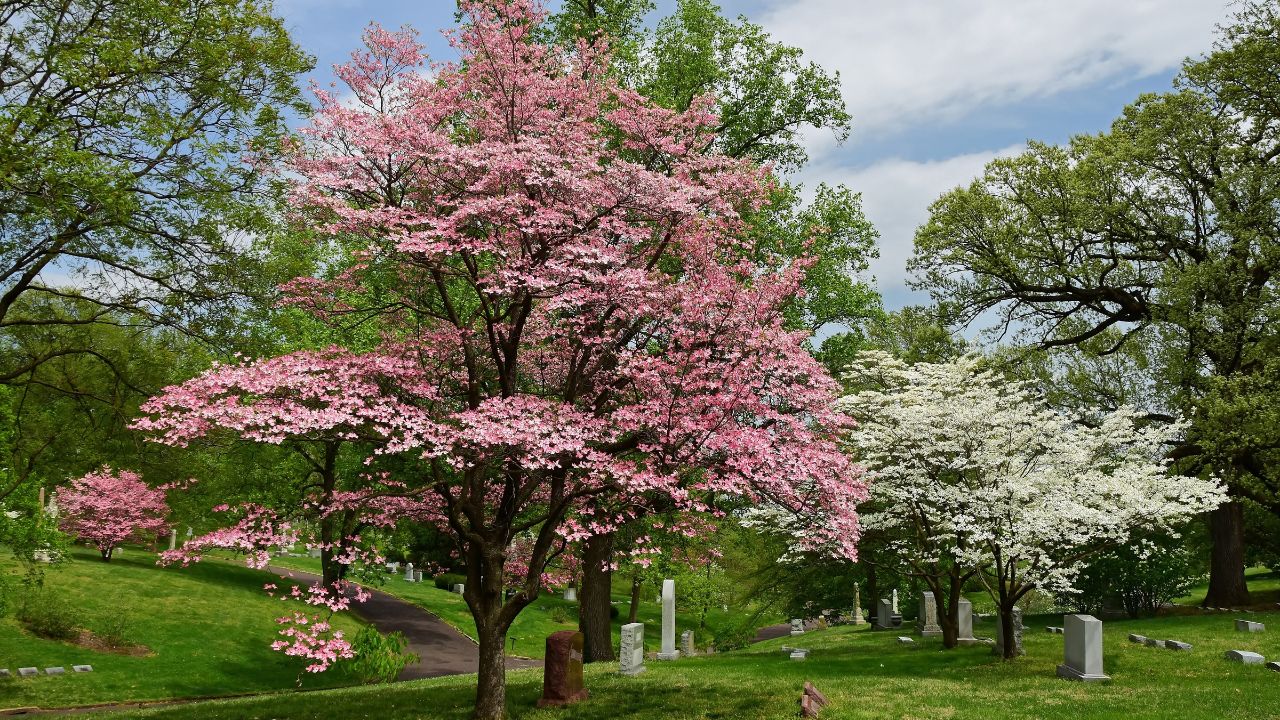
November brings the honest Chestnut and resilient Dogwood, reflecting strong, determined spirits.
Chestnut tree people are honest, courageous, and just diplomats, with a strong sense of fairness. They are tactful but stubborn when values are challenged. Dogwood tree people are durable, reliable, and graceful under pressure, with a tough, resilient, charming, and vivacious nature.
- Why they’re great: Chestnut trees are handsome shade trees that produce edible nuts. American Chestnuts are making a comeback thanks to blight-resistant cultivars. Dogwoods are among the most beautiful flowering trees, celebrated for their stunning spring blossoms, attractive summer foliage, and vibrant fall colors.
12. December: Beech and Apple
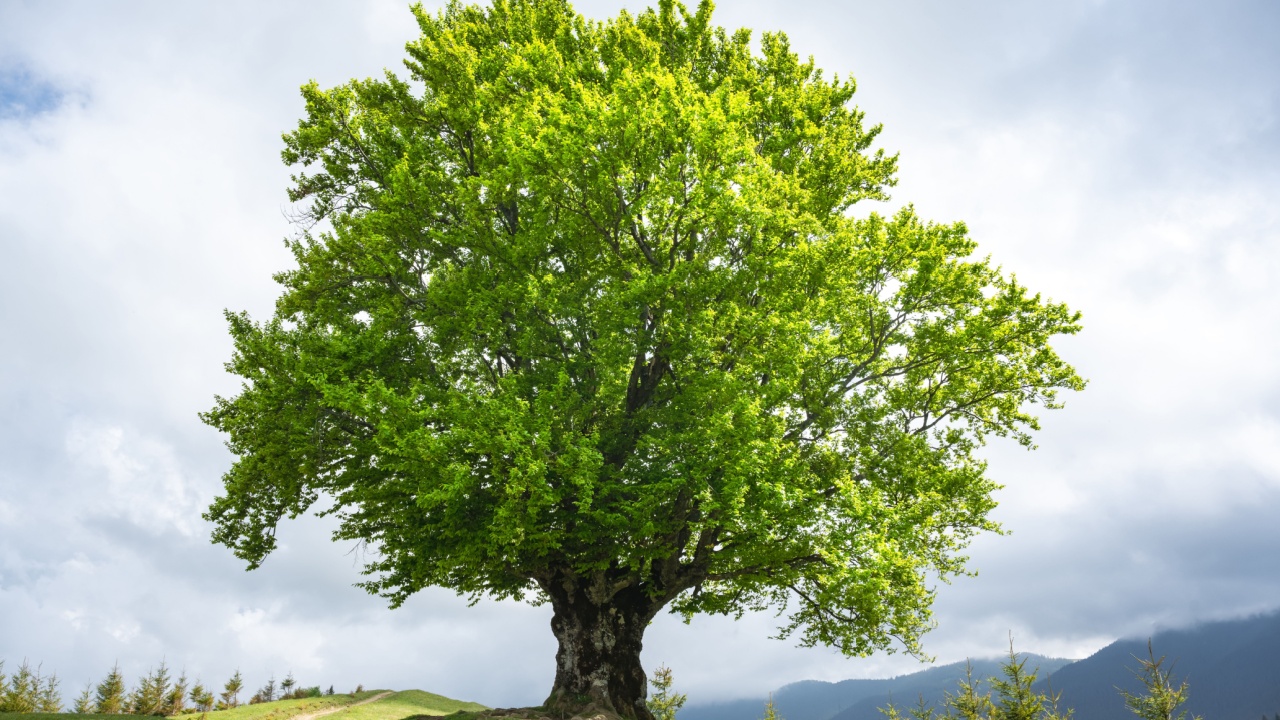
December ends the year with the creative Beech and the loving Apple, symbolizing beauty and abundance.
The Beech tree stands for creativity, prosperity, and good taste. Those born under it are organized, thoughtful, and often fortunate. The Apple tree symbolizes love, abundance, and youth. Apple people are charismatic, generous, and sentimental, enjoying life’s moments.
- Why they’re great: Beech trees are magnificent, stately trees with beautiful foliage that often turns a coppery bronze in the fall and hangs on through winter. Apple trees are a classic garden choice, providing beautiful spring blossoms and a delicious, edible harvest.
Connect With Your Birth Month Tree
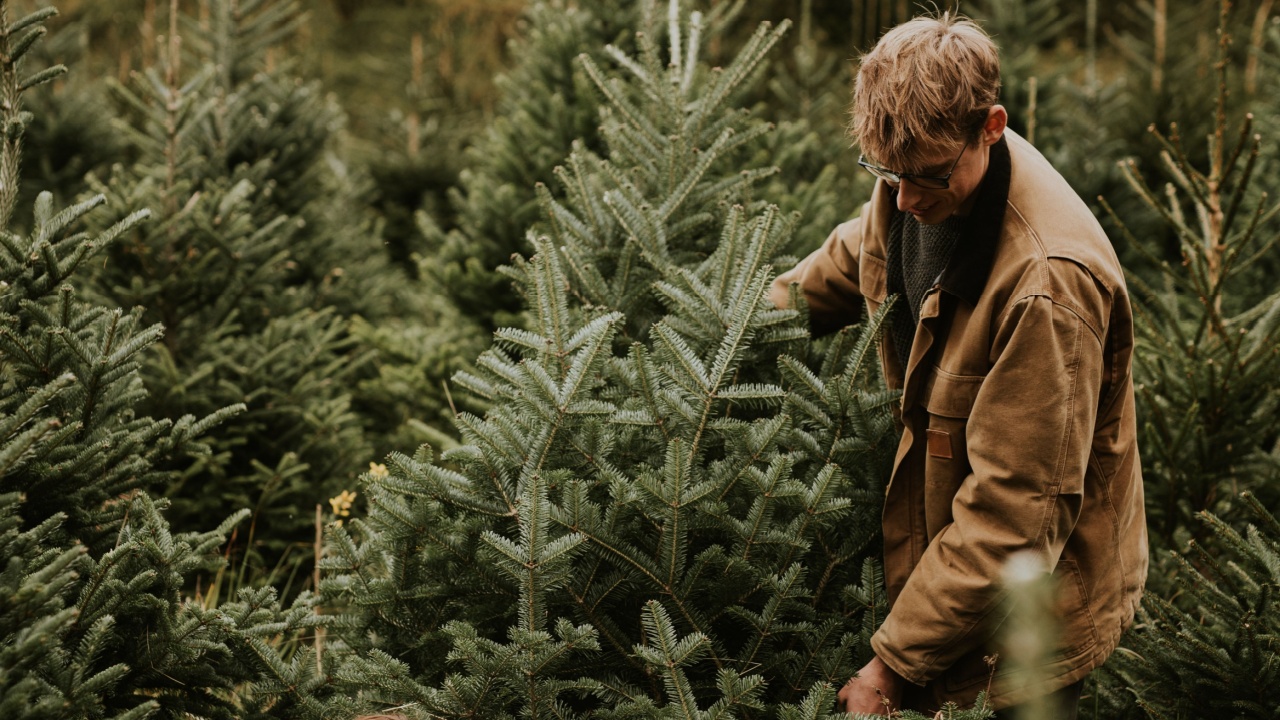
Now that you’ve discovered your birth month tree, why not bring a piece of its symbolism into your life? Planting your tree in your backyard can be a fantastic way to honor your birth month and create a lasting connection to nature. If space is a constraint, consider a dwarf variety in a container or even incorporating wood from your tree into your home decor. Every time you see it, you’ll be reminded of the unique strengths and characteristics you share with the natural world.
Read more:
9 Lovely Plants That Don’t Mind Growing Under a Pine Tree
10 Fast Growing Flowering Trees Perfect for Their Beauty, Shade, and Privacy